
Jede Woche erhält unser Ingenieurteam Anrufe von Feuerwehren, die mit Integrationsfehlern bei Nutzlasten zu kämpfen haben mechanische Schnittstellenkompatibilität 1. Sie kauften Drohnen von einem Anbieter und Nutzlasten von einem anderen. Jetzt funktioniert nichts mehr zusammen. Die Frustration ist real, und in Notfällen kosten diese Ausfälle mehr als nur Geld.
Die Überprüfung der Montage und Steuerung von Drittanbieter-Nutzlasten erfordert systematische Prüfungen in fünf Bereichen: Kompatibilität der mechanischen Schnittstelle, Integration der elektrischen Stromversorgung, Testen von Softwareprotokollen, Kalibrierung von Gewicht und Schwerpunkt sowie Validierung der Sicherheitsredundanz. Jeder Schritt erfordert dokumentierte Tests vor jedem operativen Einsatz in Brandszenarien.
Dieser Leitfaden führt Sie durch den vollständigen Verifizierungsprozess elektrische Stromintegration 2. Wir behandeln mechanische Passform, Softwareintegration, Stromanforderungen und Erwartungen an den technischen Support. Lassen Sie uns Ihnen helfen, kostspielige Fehler zu vermeiden.
Wie bestätige ich, dass die mechanische Schnittstelle mit meinen spezifischen Brandbekämpfungslasten kompatibel ist?
Wenn wir Feuerlöschdrohnen ins Ausland versenden, stehen Fragen zur mechanischen Kompatibilität ganz oben auf der Liste Testen von Softwareprotokollen 3. Käufer haben oft bereits vorhandene Nutzlasten – Wärmebildkameras, Sprühdüsen oder Löschbomben – und benötigen, dass diese perfekt passen. Eine lose Halterung in einer Brandsituation bedeutet heruntergefallene Ausrüstung, verschwendete Ressourcen oder Schlimmeres Kalibrierung von Gewicht und Schwerpunkt 4.
Bestätigen Sie die mechanische Kompatibilität, indem Sie das Montageprofil, die Gewichtsverteilung und den Befestigungstyp Ihrer Nutzlast mit den Spezifikationen der Drohne abgleichen. Prüfen Sie, ob die Drohne Schnellspannmechanismen, feste Nadir-Halterungen oder kardanisch aufgehängte Systeme verwendet. Ein physischer Probelauf mit Lastsimulation ist vor jedem Flug unerlässlich.

Verständnis von Montagetypen
Feuerlöschdrohnen verwenden drei primäre Montagesysteme MAVLink-Protokoll 5. Jedes dient unterschiedlichen betrieblichen Anforderungen.
Feste Nadir-Halterungen 6 Nutzlasten direkt am Bauch der Drohne befestigen. Sie zeigen gerade nach unten. Diese eignen sich gut für Kartierungsflüge und Flächensprühungen. Sie sind leichter als Alternativen, da sie den Gimbal-Mechanismus überspringen. Sie schränken jedoch den Blickwinkel Ihrer Nutzlast ein.
Gimbal-Systeme 7 fügen Stabilisierung hinzu. Sie ermöglichen es den Bedienern, den Nutzlastwinkel während des Fluges anzupassen. Dies hilft beim Anvisieren bestimmter Brandherde durch Rauch. Der Nachteil ist das zusätzliche Gewicht – typischerweise 500 bis 1500 Gramm mehr.
Schnellwechselmechanismen beschleunigen Feldoperationen. Unser Team entwickelte Twist-Lock-Systeme aus 7075-Aluminium. Diese ermöglichen es den Besatzungen, Nutzlasten in weniger als 30 Sekunden zu wechseln. Das PCS-System von Vision Aerial bietet ähnliche Funktionalität mit einer Konstruktion aus Kohlefaser.
Schritte zur physischen Überprüfung
Beginnen Sie mit diesen Messungen:
| Messung | Was ist zu prüfen? | Akzeptable Toleranz |
|---|---|---|
| Bolzenmuster | Lochabstand und -durchmesser | ±0,5 mm |
| Plattendicke | Tiefe der Montagefläche | ±1 mm |
| Nutzlastbreite | Abstand zu den Propellern | Mindestens 50 mm |
| Steckverbinderposition | Kabelführungsweg | Darf sich nicht mit beweglichen Teilen kreuzen |
Führen Sie nach der Messung eine statische Belastungsprüfung durch. Hängen Sie den Drohnenrahmen auf und befestigen Sie Ihre Nutzlast. Fügen Sie 20% zusätzliches Gewicht hinzu, um Flugvibrationen zu simulieren. Prüfen Sie auf Biegung oder Bewegung in der Verbindung.
Materialverträglichkeit
Nicht alle Montageplatten funktionieren zusammen. Aluminium auf Aluminium kann mit der Zeit festsitzen. Kohlefaser-zu-Aluminium-Schnittstellen benötigen isolierende Unterlegscheiben, um galvanische Korrosion zu verhindern. Unsere Produktionslinie verwendet eloxiertes 7075-Aluminium für die meisten Schnittstellen. Dies verhindert diese Probleme.
Überprüfen Sie das Material der Befestigungshardware Ihrer Nutzlast. Passen Sie es entsprechend an. Stahlbolzen in Aluminiumgewinden werden mit der Zeit ausreißen. Verwenden Sie ein Schraubensicherungsmittel, das für die extremen Temperaturen von Feuerbekämpfungseinsätzen ausgelegt ist – oft bis zu 60 °C in der Nähe von Flammen.
Kann ich Drittanbieter-Sensoren und Sprühsysteme über die Flugsoftware der Drohne integrieren und steuern?
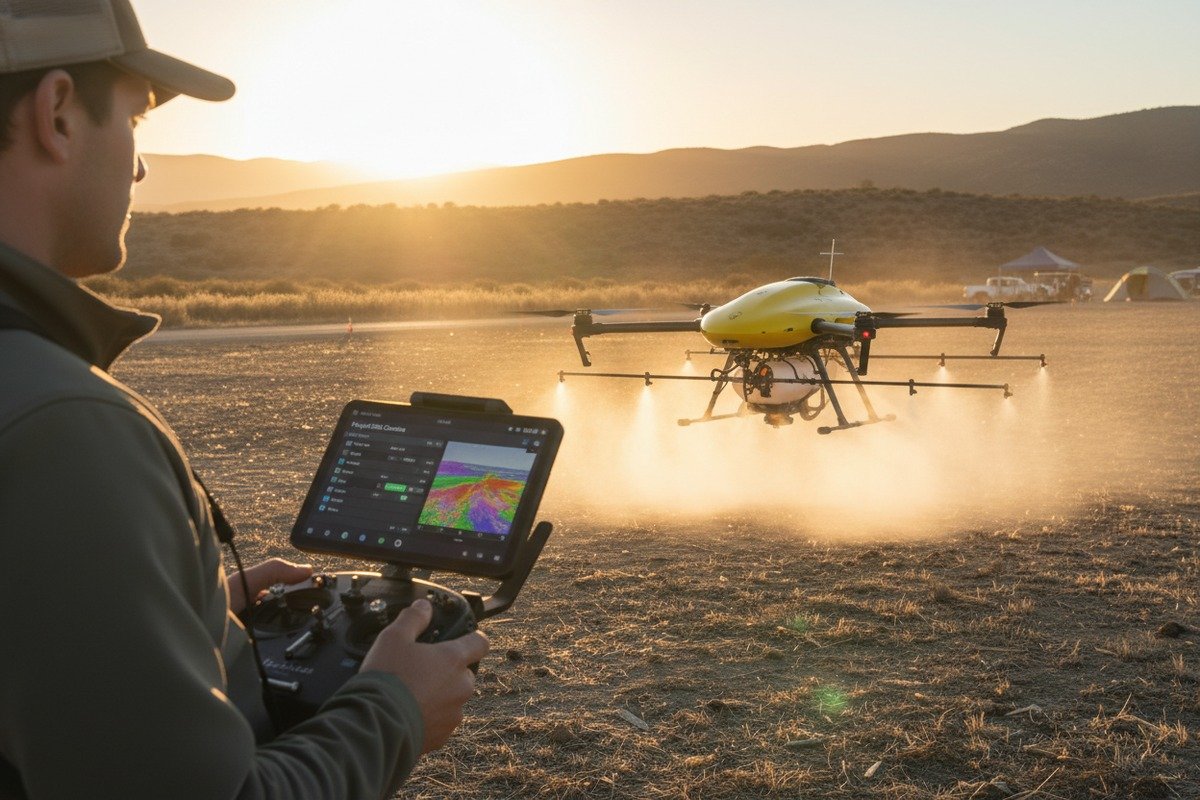
Während unseres Softwareentwicklungsprozesses verbringen wir viel Zeit mit dem Testen von Drittanbieterintegrationen. Kunden bringen Wärmebildkameras von FLIR, Sprühsysteme von Agrarherstellern und kundenspezifische Löschanlagen. Damit diese mit Flugsteuerungen kommunizieren können, ist eine sorgfältige Protokollabstimmung erforderlich.
Ja, die Integration ist über Payload SDKs, serielle Kommunikationsprotokolle oder PWM-Signalausgänge möglich. Die meisten Industriedrohnen unterstützen das DJI Payload SDK, das MAVLink-Protokoll oder proprietäre APIs. Überprüfen Sie vor dem Kauf, ob die Kommunikationsanforderungen Ihrer Nutzlast mit den verfügbaren Schnittstellen der Drohne übereinstimmen.
Software-Integrationspfade
Es gibt drei Hauptpfade für die Steuerung durch Dritte:
Integration von Nutzlast-SDKs: Plattformen wie die DJI Matrice-Serie bieten umfassende SDKs. Diese ermöglichen es Entwicklern, benutzerdefinierte Anwendungen zu schreiben, die sowohl die Drohne als auch die Nutzlast gleichzeitig steuern. Unser Ingenieurteam nutzt diese SDKs, um Wärmebildkameras mit automatisierten Brandmeldealgorithmen zu integrieren.
Serielle Kommunikation: Viele industrielle Nutzlasten kommunizieren über serielle RS-232- oder RS-485-Protokolle. Der Flugcontroller der Drohne muss über verfügbare serielle Ports verfügen und die Baudraten unterstützen, die Ihre Nutzlast benötigt. Gängige Raten reichen von 9600 bis 115200 bps.
PWM-Signalsteuerung: Einfachere Nutzlasten – servo-betriebene Auslösemechanismen, einfache Sprühventile – verwenden oft PWM-Signale. Dies sind die gleichen Signale, die Drohnenmotoren steuern. Die meisten Flugcontroller können zusätzliche PWM-Kanäle für die Nutzlaststeuerung ausgeben.
Protokollkompatibilitätstabelle
| Integrationsmethode | Komplexität | Typischer Anwendungsfall | Datenrate |
|---|---|---|---|
| Nutzlast-SDK | Hoch | Intelligente Sensoren, Kameras | Variabel |
| MAVLink | Mittel | GPS-Module, Telemetrie | 57600 bps |
| Seriell RS-232 | Mittel | Industrielle Sensoren | Bis zu 115200 bps |
| PWM | Niedrig | Servos, Ventile | K.A. |
| CAN-Bus | Hoch | Multi-Sensor-Netzwerke | 1 Mbit/s |
Bodenstationssteuerungsfunktionen
Ihre Bodenkontrollstation muss Befehle von Drittanbieter-Nutzlasten unterstützen. Das bedeutet mehr als nur die Anzeige des Videofeeds. Achten Sie auf diese Funktionen:
Höhenverstellung für Löschbomben. Unsere Systeme ermöglichen die Einstellung der Abwurfhöhe zwischen 15 und 100 Metern mit einer Präzision von 0,5 Metern.
Sprühmusterkontrolle für Schaum- und Wassersysteme. Bediener müssen den Spreizwinkel und die Durchflussrate basierend auf den Brandbedingungen anpassen.
Servo-Timing für Auslösemechanismen. Einzel- und Doppel-Servosysteme erfordern eine präzise Koordination. Ein Timing-Fehler von 50 Millisekunden kann beim Abwurf zu Taumeln führen.
Tests vor dem Einsatz
Verlassen Sie sich niemals auf funktionierende Integrationen ohne Tests. Unser Qualitätskontrollprozess umfasst:
Labortests mit vollständiger Softwaresimulation. Wir führen die vollständige Befehlssequenz aus, während die Drohne eingeschaltet, aber am Boden ist.
Gebundene Flugtests. Die Drohne fliegt, während sie durch Sicherheitsleinen gesichert ist. Alle Nutzlastfunktionen werden mehrmals ausgelöst.
Freiflug mit inerten Nutzlasten. Wir ersetzen Wasser durch Flammschutzmittel und stellen sicher, dass das gesamte System funktioniert, bevor gefährliche Materialien hinzugefügt werden.
Wie kann ich überprüfen, ob die Stromversorgung und die Gewichtskapazität der Drohne die technischen Anforderungen meiner Nutzlast erfüllen?
Unsere Produktionsingenieure führen vor dem Versand jeder Einheit umfangreiche Leistungstests durch. Brandbekämpfungsnutzlasten erfordern erhebliche elektrische Leistung – Wärmebildkameras, motorisierte Sprühgeräte und Auslösemechanismen ziehen Strom. Unterdimensionierte Stromversorgungssysteme führen zu Ausfällen während des Fluges, das Letzte, was Sie über einem aktiven Brand brauchen.
Überprüfen Sie die Stromkompatibilität, indem Sie die Spannungsanforderungen Ihrer Nutzlast, den Spitzenstromverbrauch und den kontinuierlichen Stromverbrauch mit den Spezifikationen der Hilfsstromversorgung der Drohne vergleichen. Messen Sie das Gesamtgewicht des Systems gegen das maximale Startgewicht und berechnen Sie dann die verbleibende Flugzeit anhand der vom Hersteller bereitgestellten Ausdauertabellen, die an die Nutzlast angepasst sind.

Überprüfung der elektrischen Leistung
Beginnen Sie mit grundlegenden elektrischen Spezifikationen:
Spannungsanpassung: Die meisten Industriedrohnen liefern zwischen 12V und 52V von Hilfsanschlüssen. Ihre Nutzlast muss diesen Bereich akzeptieren. Eine 24V-Nutzlast an einer 52V-Versorgung brennt sofort durch. Unsere Systeme verwenden Spannungsregler, um stabile 12V, 24V und rohe Akkuspannungsausgänge zu liefern.
Strombelastbarkeit: Überprüfen Sie sowohl die Dauer- als auch die Spitzenwerte. Eine Wärmebildkamera kann kontinuierlich 2A ziehen, aber während der Initialisierung auf 5A ansteigen. Das Stromversorgungssystem Ihrer Drohne muss diese Spitzen ohne Spannungseinbrüche bewältigen.
Berechnung des Leistungsbudgets: Addieren Sie alle Leistungsanforderungen der Nutzlast. Berücksichtigen Sie den Eigenverbrauch der Drohne. Vergleichen Sie dies mit der Akkukapazität. Dies bestimmt die tatsächliche Flugzeit.
Gewichts- und Schwerpunktberechnungen
Gewicht beeinflusst alles. Schwerere Drohnen benötigen mehr Leistung. Sie steigen langsamer auf. Sie kommen schlechter mit Wind zurecht. Sie fliegen kürzer.
| Drohnenklasse | Maximale Nutzlast | Typische Flugzeit (ohne Nutzlast) | Flugzeit bei maximaler Nutzlast |
|---|---|---|---|
| Leichte Industrie | 5 kg | 45 Minuten | 25 Minuten |
| Mittel Industriell | 15 kg | 40 Minuten | 22 Minuten |
| Heavy Lift | 50+ kg | 35 Minuten | 18 Minuten |
| Spezialisiert (Skytech S300) | 150 kg | 25 Minuten | 12 Minuten |
Unsere Flugcontroller berechnen automatisch Schwerpunktverschiebungen. Aber eine physische Überprüfung bleibt unerlässlich. Montieren Sie Ihre Nutzlast und überprüfen Sie die Schwebestabilität. Wenn die Drohne kippt, ist der Schwerpunkt falsch. Passen Sie die Montageposition an, bis ein stabiles Schweben minimale Steuereingaben erfordert.
Überlegungen zum Batteriesystem
Brandbekämpfungseinsätze erfordern oft verlängerte Flugzeiten. Berücksichtigen Sie diese Faktoren:
Die Batteriechemie beeinflusst die Leistung bei Hitze. Polymer-Lithium-Batterien verlieren Kapazität über 40°C. Einsätze in der Nähe von Flammen können die Umgebungstemperaturen auf 60°C oder höher treiben. Reduzieren Sie Ihre erwartete Kapazität um 20% für Einsätze bei hoher Hitze.
Mehrere Batteriekonfigurationen verlängern die Ausdauer, erhöhen aber das Gewicht. Die Mathematik spielt manchmal gegen Sie – zwei Batterien verdoppeln Ihre Flugzeit aufgrund des zusätzlichen Gewichts möglicherweise nicht.
Praxistests der Stromversorgung
Verwenden Sie während der Bodentests ein Multimeter und eine Stromzange. Schalten Sie alle Systeme gleichzeitig ein. Aufzeichnen:
- Leerlaufstromaufnahme
- Maximaler Strom während des Betriebs der Nutzlast
- Spannungsabfall unter Last
- Batterietemperatur nach 10 Minuten Volllastbetrieb
Vergleichen Sie diese Messungen mit den Spezifikationen. Jede signifikante Abweichung deutet auf potenzielle Probleme hin. Unsere Qualitätskontrolle lehnt Einheiten mit mehr als 5% Abweichung von den Nennspezifikationen ab.
Welche technische Unterstützung kann ich vom Hersteller bei der Entwicklung benutzerdefinierter Nutzlaststeuerungsfunktionen erwarten?
Wenn wir mit Feuerwehren an kundenspezifischen Integrationen zusammenarbeiten, entscheiden die technischen Supportleistungen über Erfolg oder Misserfolg des Projekts. Einige Kunden benötigen einfache Montageänderungen. Andere erfordern vollständige Software-Neufassungen. Das Verständnis, welcher Support verfügbar ist – und was er kostet – verhindert Projektfehlschläge.
Erwarten Sie von Herstellern mindestens technische Dokumentation, SDK-Zugang und grundlegende Integrationsanleitungen. Premium-Support umfasst dedizierte Ingenieurberatung, kundenspezifische Firmware-Entwicklung, Unterstützung bei der Vor-Ort-Integration und laufende Software-Updates. Klären Sie den Umfang des Supports, die Reaktionszeiten und die Kosten, bevor Sie sich auf einen Lieferanten festlegen.

Stufen des technischen Supports
Der Support variiert dramatisch zwischen den Herstellern. Hier ist, was unser Team typischerweise bietet, was Industriestandards für Qualitätslieferanten widerspiegelt:
Dokumentation und SDK-Zugang: Jeder seriöse Hersteller stellt technische Handbücher, Schaltpläne und Software Development Kits zur Verfügung. Dies ist die Basis. Wenn ein Hersteller keine technischen Dokumentationen teilt, suchen Sie einen anderen Lieferanten.
Integrationsberatung: Telefon- oder Videoanrufe mit Ingenieuren, die die Plattform verstehen. Unser Team plant Beratungssitzungen, um spezifische Integrationsherausforderungen zu besprechen. Wir helfen Kunden, häufige Fehler zu vermeiden, bevor sie auftreten.
Kundenspezifische Entwicklung: Vollständige technische Dienstleistungen zur Entwicklung von Funktionen, die nicht existieren. Dies beinhaltet Firmware-Modifikationen, kundenspezifische Bodenstationssoftware und physische Montage-Lösungen. Diese Dienstleistungen sind in der Regel mit zusätzlichen Kosten verbunden.
Rahmen für den Support-Vergleich
| Stufe der Unterstützung | Was ist enthalten | Typische Reaktionszeit | Kostenstruktur |
|---|---|---|---|
| Grundlegend | Dokumentation, E-Mail-Support | 48-72 Stunden | Eingeschlossen |
| Standard | Beratungsgespräche, SDK-Support | 24-48 Stunden | Inklusive oder geringe Gebühr |
| Premium | Dedizierter Ingenieur, Prioritätsreaktion | 4-8 Stunden | Monatliche Vergütung |
| Kundenspezifische Entwicklung | Vollständige technische Dienstleistungen | Projektbasiert | Pro Projekt kalkuliert |
Fragen, die Sie vor dem Kauf stellen sollten
Bereiten Sie diese Fragen für jeden Lieferanten vor:
Bieten Sie nach dem Kauf technischen Fernsupport an? Welche Reaktionszeitgarantien gibt es?
Können Ihre Ingenieure bei der Integration von Drittanbieter-Nutzlasten helfen? Fallen zusätzliche Kosten an?
Bieten Sie Vor-Ort-Support für komplexe Installationen an? Welche Regionen decken Sie ab?
Wie oft veröffentlichen Sie Firmware-Updates? Wie lange unterstützen Sie ältere Modelle?
Können Sie Referenzen von Kunden liefern, die ähnliche Integrationen abgeschlossen haben?
Schutz Ihrer Investition
Technischer Support ist am wichtigsten, wenn etwas schiefgeht. Eine Drohne, die unbrauchbar ist, weil niemand ein Integrationsproblem lösen kann, kostet jeden Tag Geld. Unser Engagement umfasst:
Ferndiagnose über sichere Verbindungen. Wir können auf Flugprotokolle und Systemdaten zugreifen, um Probleme zu beheben, ohne Hardware versenden zu müssen.
Ersatzteilverfügbarkeit mit klaren Preisen. Integrationsprojekte erfordern oft kundenspezifische Halterungen oder Kabel. Wir lagern gängige Teile und können spezielle Artikel innerhalb von zwei Wochen anfertigen.
Software-Update-Pfade, die die Kompatibilität mit Drittanbietern aufrechterhalten. Updates können Integrationen manchmal unterbrechen. Wir testen wichtige Updates vor der Veröffentlichung gegen gängige Drittanbieter-Nutzlasten.
Aufbau langfristiger Beziehungen
Die besten Integrationen entstehen aus fortlaufenden Partnerschaften. Einmalige Käufe ohne Support-Beziehung lassen Kunden im Stich. Wir ermutigen Kunden, ihre dreijährigen Betriebspläne zu besprechen. Dies hilft uns, Hardware und Software bereitzustellen, die mit ihren Bedürfnissen wächst.
Feuerwehrleute beginnen oft mit grundlegender Wärmebildtechnik. Später fügen sie automatische Erkennung hinzu. Dann integrieren sie sich in Dispatch-Systeme. Jeder Schritt erfordert technischen Support. Wählen Sie einen Hersteller, der Sie auf der gesamten Reise begleitet.
Schlussfolgerung
Die Verifizierung von Drittanbieter-Nutzlasten erfordert systematische Aufmerksamkeit auf mechanische, elektrische, Software- und Support-Faktoren. Nehmen Sie sich Zeit, jede Schnittstelle vor dem operativen Einsatz zu testen. Wählen Sie Hersteller, die echten technischen Support bieten. Ihre Brandbekämpfungsoperationen hängen von Geräten ab, die perfekt funktionieren, wenn Leben auf dem Spiel steht.
Fußnoten
1. Der IEEE-Standard bietet umfassende Schnittstellenanforderungen für Drohnen-Nutzlastgeräte. ︎
2. Behandelt Standards und Design für die zuverlässige Integration von Stromversorgungen in UAVs. ︎
3. Erklärt Kommunikationsprotokolle, die für die Integration von Drohnen-Software unerlässlich sind. ︎
4. Das FAA-Handbuch beschreibt die Prinzipien der Flugzeuggewichts- und Schwerpunktkontrolle. ︎
5. Offizieller Entwicklerleitfaden für MAVLink, ein leichtgewichtiges Nachrichtenprotokoll für Drohnen. ︎
6. Erklärt die feste Nadirmontage für Drohnen-Nutzlasten und ihre Anwendungen. ︎
7. Bietet Prinzipien und Anwendungen von gimbal-montierten Kamerasystemen für UAVs. ︎
8. Offizielles GitHub-Repository für das DJI Payload SDK, eine wichtige Integrationsplattform. ︎

 English
  Español de México
  Deutsch
  Français
  Русский
  العربية
