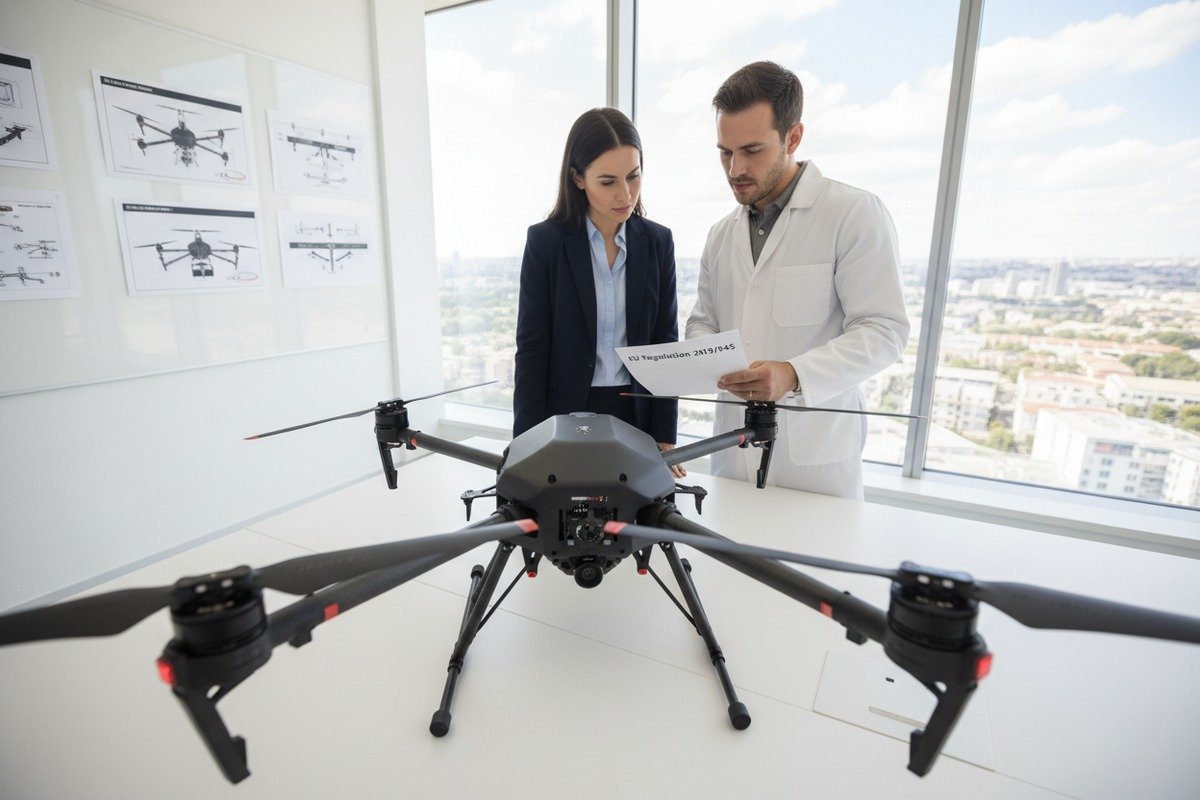
Als unser Ingenieurteam zum ersten Mal Agrardrohnen für den Export nach Europa entwickelte, stellten wir schnell fest, dass EASA-Vorschriften 1 die Nachfrage weit über die grundlegende Flugfähigkeit hinausgeht. Viele Importeure sehen sich mit abgelehnten Lieferungen und kostspieligen Nachrüstungen konfrontiert.
Die kritischen technischen Parameter der EASA für Agrardrohnen umfassen die C-Klassen-Kennzeichnung (insbesondere C5/C6 für spezifische Einsätze), eine maximale Startmasse von unter 25 kg, obligatorische Geo-Awareness-Systeme, direkte Remote-ID-Übertragung und Konformitätsdokumentation, die die Einhaltung der EU-Verordnungen 2019/945 und 2019/947 nachweist.
Lassen Sie mich Sie durch jede Anforderung führen, damit Sie Drohnen beschaffen können, die den europäischen Zoll passieren und auf Bauernhöfen in der gesamten EU legal betrieben werden können.
Wie kann ich überprüfen, ob mein Lieferant für Agrardrohnen die Anforderungen der EASA-Kategorie "Spezifisch" erfüllt?
Unser Exportteam hat Hunderte von Lieferungen an europäische Distributoren abgewickelt EU-Verordnungen 2019/945 und 2019/947 2. Der häufigste Ablehnungsgrund? Lieferanten behaupten die Konformität ohne entsprechende Dokumentation für Specific category operations 3.
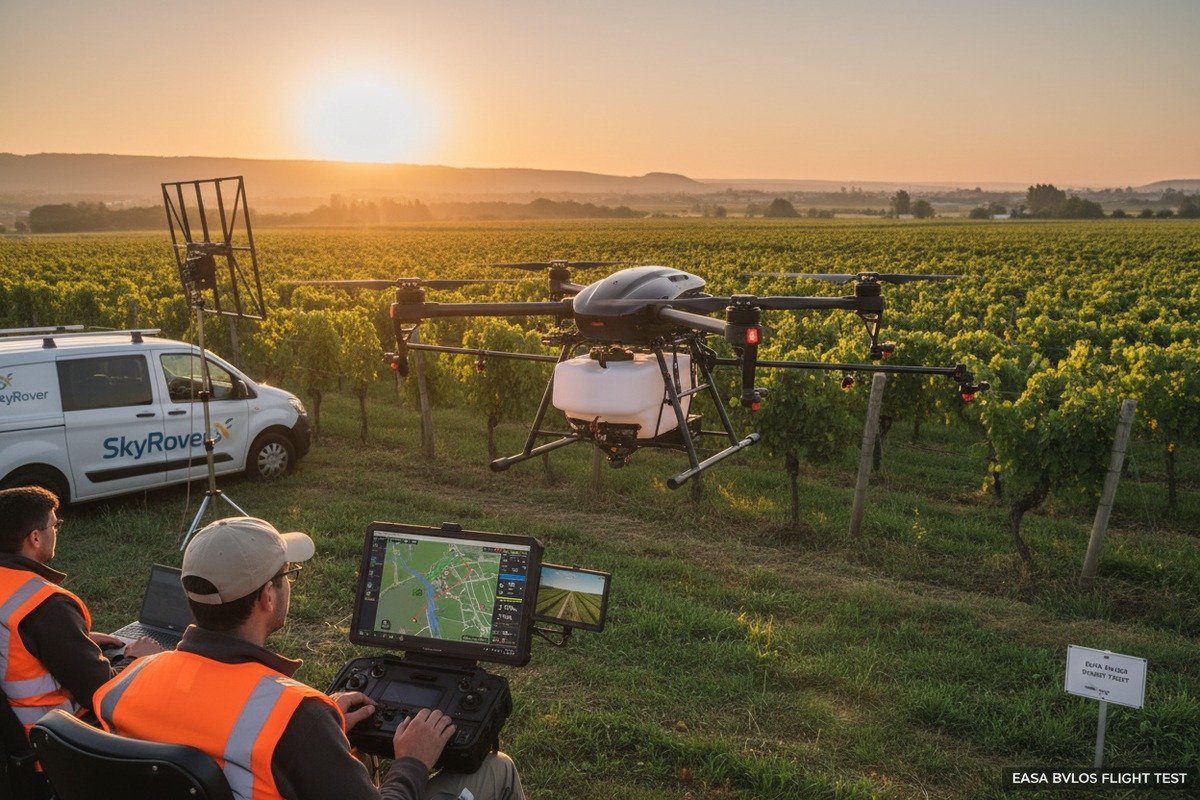
Um die Einhaltung spezifischer Kategorien zu überprüfen, fordern Sie operative Genehmigungsdokumente an, bestätigen Sie, dass Ihr Lieferant die vordefinierten Risikobewertungsprotokolle (PDRA) wie PDRA-S01 für Sprühanwendungen befolgt, prüfen Sie auf eine gültige Typgenehmigung und stellen Sie sicher, dass die Drohne die Betriebsgrenzen einhält, einschließlich der BVLOS-Fähigkeit bis zu einer Höhe von 150 m und einer Reichweite von 1 km.
Verständnis der drei EASA-Kategorien
Die EASA teilt Drohnenbetriebe in drei risikobasierte Kategorien ein vordefinierte Risikobewertungs- (PDRA) Protokolle 4. Die offene Kategorie umfasst Flüge mit geringem Risiko und minimalem Papierkram. Die spezifische Kategorie befasst sich mit professionellen Einsätzen mit mittlerem Risiko. Die zertifizierte Kategorie befasst sich mit Hochrisikoanwendungen wie dem Personentransport.
Die meisten Agrardrohnen fallen in die spezifische Kategorie. Warum? Sprühvorgänge beinhalten gefährliche Materialien. Viele Bauernhöfe benötigen Flüge außerhalb der Sichtlinie (BVLOS) 5. Drohnen überschreiten oft 25 kg, wenn sie vollständig mit Pestiziden beladen sind.
Wichtigste Überprüfungsschritte
Wenn wir Drohnen für europäische Käufer vorbereiten, befolgen wir eine strenge Verifizierungs-Checkliste. Sie sollten dasselbe von jedem Lieferanten verlangen.
| Verifizierungsgegenstand | Was ist zu prüfen? | Rote Flagge |
|---|---|---|
| Betriebsgenehmigung | Gültige Genehmigung der nationalen Luftfahrtbehörde der EU | Keine Angabe einer Genehmigungsnummer |
| Risikobewertung | SORA- oder PDRA-Dokumentation | Nur allgemeine Sicherheitsaussagen |
| Pilotentauglichkeit | Anforderungen an die Fernpilotenlizenz erfüllt | Kein Schulungsprogramm erwähnt |
| Versicherung | Haftpflichtversicherung Dritter | Deckung beschränkt auf Nicht-EU-Regionen |
| Wartungsaufzeichnungen | Dokumentierte Servicehistorie | Kein Wartungsplan |
PDRA-Wege für landwirtschaftliche Betriebe
Die EASA bietet drei Wege für die Genehmigung der Spezifischen Kategorie an. Der erste ist Standard Scenarios (STS). Der zweite ist Predefined Risk Assessment (PDRA). Der dritte ist die vollständige Specific Operations Risk Assessment (SORA).
Für landwirtschaftliche Sprühflüge ist PDRA-S01 Ihr Hauptanliegen. Dieser Weg erlaubt Sprühflüge in kontrollierten Umgebungen. PDRA-G01 ermöglicht BVLOS-Flüge bis zu 1 km in dünn besiedelten Gebieten.
Unsere Produktionsstätte in Xi'an konfiguriert Drohnen speziell für die PDRA-Konformität. Wir installieren standardmäßig Höhenbegrenzer, die auf 150 m eingestellt sind. Wir integrieren automatische Rückkehr-nach-Hause-Funktionen. Wir programmieren Geofencing für gängige europäische Luftraumbeschränkungen.
Nationale Unterschiede, auf die Sie achten sollten
Hier stolpern viele Importeure. Die EASA stellt den Rahmen bereit, aber über 20 nationale Regelungen fügen ihre eigenen Anforderungen hinzu. Deutschland vereinfacht die Regeln für Drohnen unter 2 kg. Frankreich verlangt eine vollständige kommerzielle Zertifizierung für alle professionellen Einsätze. Die Niederlande sind führend bei Zulassungen für variable Ausbringungsmengen.
Bevor Sie eine Bestellung abschließen, stellen Sie sicher, dass Ihr Lieferant das spezifische Land versteht, in dem die Drohnen betrieben werden. Eine in Deutschland konforme Drohne benötigt möglicherweise Modifikationen für Frankreich.
Welche MTOM und technischen Spezifikationen muss ich priorisieren, um die EASA C6-Klassenbeschriftung zu erfüllen?
In unserem Designlabor haben wir kürzlich unsere gesamte Palette an landwirtschaftlichen Drohnen neu gestaltet, um die C-Klassen-Anforderungen zu erfüllen. Die Kennzeichnung C6 richtet sich speziell an professionelle Sprüheinsätze der Spezifischen Kategorie. C6-Klassen-Kennzeichnung 6
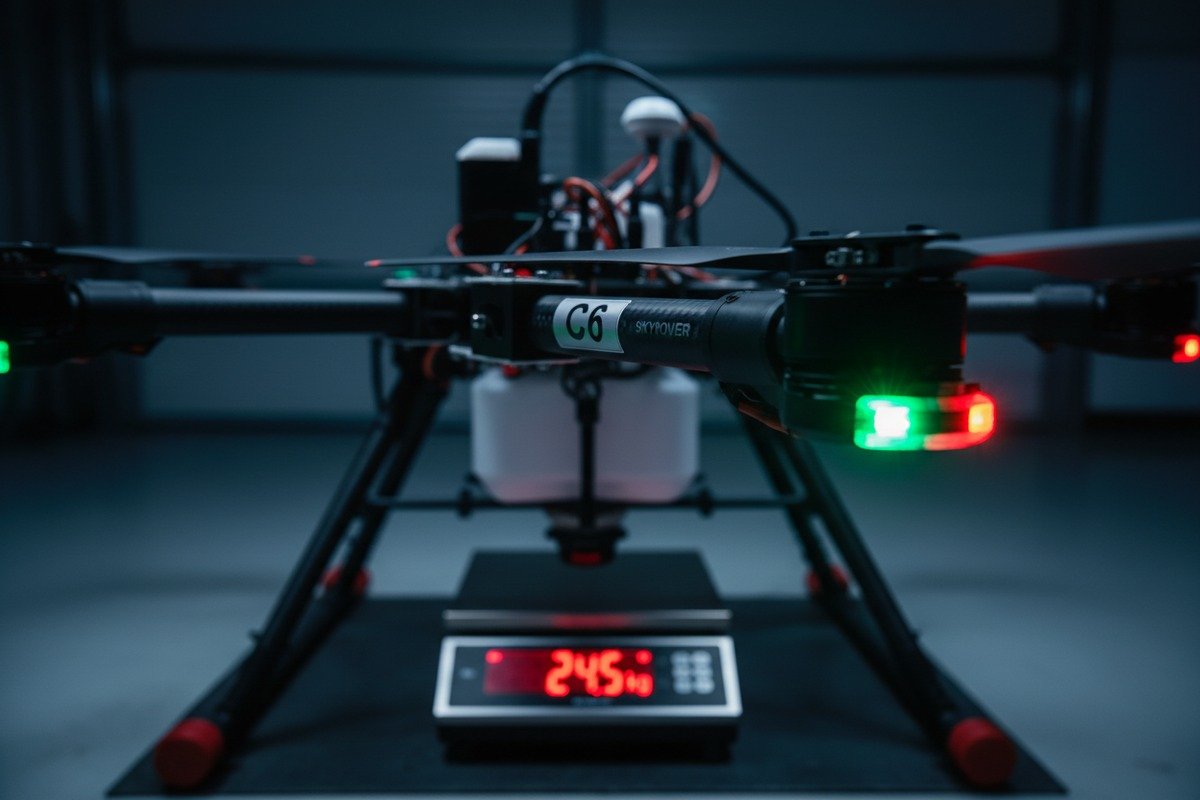
Für die Kennzeichnung der Klasse C6 priorisieren Sie ein maximales Abfluggewicht von unter 25 kg, eine maximale Abmessung von unter 3 m, eine elektrische Stromquelle, einen programmierbaren Höhenbegrenzer auf 120 m, einen Niedriggeschwindigkeitsmodus von unter 5 m/s, ein Geo-Awareness-System mit Datenbankaktualisierungen, direkte Fernidentifizierung und Sichtbarkeitsbeleuchtung für Nachtbetrieb.
C-Klassen-System erklärt
Die EASA hat die C-Klassen-Kennzeichnungen durch die Verordnung 2019/945 eingeführt. Ab dem 1. Januar 2024 müssen alle neuen Drohnen, die auf den EU-Markt gelangen, eine entsprechende Kennzeichnung tragen. Das System reicht von C0 bis C6.
| Klasse | MTOM-Grenze | Wichtige Anforderungen | Typische landwirtschaftliche Nutzung |
|---|---|---|---|
| C0 | <250g | Minimale Anforderungen | Nur kleine Sensoren |
| C1 | <900g | Remote ID, Geo-Awareness | Grundlegende Feldüberwachung |
| C2 | <4kg | Verbesserte Sicherheitsfunktionen | Erweiterte Überwachung |
| C3 | <25kg | Elektrisch, <3m Abmessung | Leichtes Sprühen |
| C4 | <25kg | Keine automatische Steuerung erlaubt | Manuelle Bedienung |
| C5 | <25kg | Langsam-Modus, Geo-Aware | STS-01-Betrieb |
| C6 | <25kg | Angebunden oder programmierbar | STS-02-Sprühen |
Warum C6 für die landwirtschaftliche Sprühung wichtig ist
Die meisten professionellen Agrardrohnen benötigen eine C6-Klassifizierung. Diese Klasse erlaubt den Betrieb unter dem Standard-Szenario STS-02. STS-02 erlaubt Flüge über kontrollierten Bodenflächen in dünn besiedelten Gebieten.
Unser Hexacopter-Design erreicht die C6-Konformität durch mehrere technische Merkmale. Der Carbonfaserrahmen hält das Leergewicht niedrig. Die Elektromotoren erfüllen die Effizienzanforderungen. Der Flugcontroller beinhaltet programmierbare Höhenbeschränkungen.
Kritische technische Spezifikationen
Wenn wir Drohnen für die C6-Konformität entwickeln, konzentrieren wir uns auf diese Spezifikationen:
Maximales Startgewicht: Halten Sie es unter 25 kg inklusive Nutzlast. Unser Standard-Agrarmodell wiegt 15 kg leer. Mit vollem Pestizidtank erreicht es 24,5 kg.
Maximale Abmessung: Der größte Abstand zwischen zwei beliebigen Punkten muss unter 3 m bleiben. Unser Hexacopter misst 2,8 m von Spitze zu Spitze mit gefalteten Armen auf 1,2 m für den Transport.
Stromquelle: Nur elektrisch. Für die Klassen C3-C6 sind keine Verbrennungsmotoren erlaubt. Wir verwenden Hochleistungs-Lithium-Polymer-Akkus mit einer Flugzeit von 45 Minuten.
Höhenbegrenzer: Muss programmierbar und sperrbar sein. Unser System ist standardmäßig auf 120 m eingestellt, kann aber von autorisiertem Personal für spezifische Betriebsgenehmigungen angepasst werden.
Niedriggeschwindigkeitsmodus: Erforderlich für C5 und C6. Unsere Drohnen verfügen über einen speziellen Schalter, der die horizontale Geschwindigkeit auf 5 m/s begrenzt, um einen sicheren Betrieb in der Nähe von Bodenpersonal zu gewährleisten.
Dokumentation für C-Klassen-Zertifizierung
Ihr Lieferant muss spezifische Dokumente vorlegen, die die Konformität mit der C-Klasse nachweisen. Dazu gehören die EU-Konformitätserklärung, die CE-Kennzeichnung und detaillierte technische Spezifikationen, die den Anforderungen der C-Klasse entsprechen.
| Dokument | Zweck | Wer stellt sie aus? |
|---|---|---|
| EU-Konformitätserklärung | Nachweis der Einhaltung von Vorschriften | Hersteller |
| CE-Kennzeichnung | Marktzulassung | Hersteller (selbstzertifiziert) |
| Technisches Dossier | Detaillierte Spezifikationen | Hersteller |
| Testberichte | Leistungsüberprüfung | Akkreditiertes Prüflabor |
| Benutzerhandbuch | Betriebsanleitung in EU-Sprachen | Hersteller |
Wie kann ich sicherstellen, dass meine importierten Drohnen die obligatorischen EASA-Fernidentifikations- und Geo-Awareness-Funktionen enthalten?
Als unsere Firmware-Ingenieure letztes Jahr unsere Drohnensoftware aktualisierten, beanspruchten Remote ID und Geo-Awareness-Integration drei Monate Entwicklungszeit. Diese Funktionen sind keine optionalen Ergänzungen. Sie sind grundlegende Anforderungen.
Stellen Sie die Konformität sicher, indem Sie die direkte Remote-ID-Übertragungsfähigkeit auf der 2,4-GHz-Frequenz überprüfen, bestätigen, dass die Geo-Awareness-Datenbank die aktualisierten EU-Luftraumbeschränkungen enthält, die automatische Höhen- und Luftraumbegrenzungsdurchsetzung testen und die Dokumentation der Firmware-Version anfordern, die Nachrüstungs-Updates nach 2024 zeigt.
Was Remote ID tatsächlich tut
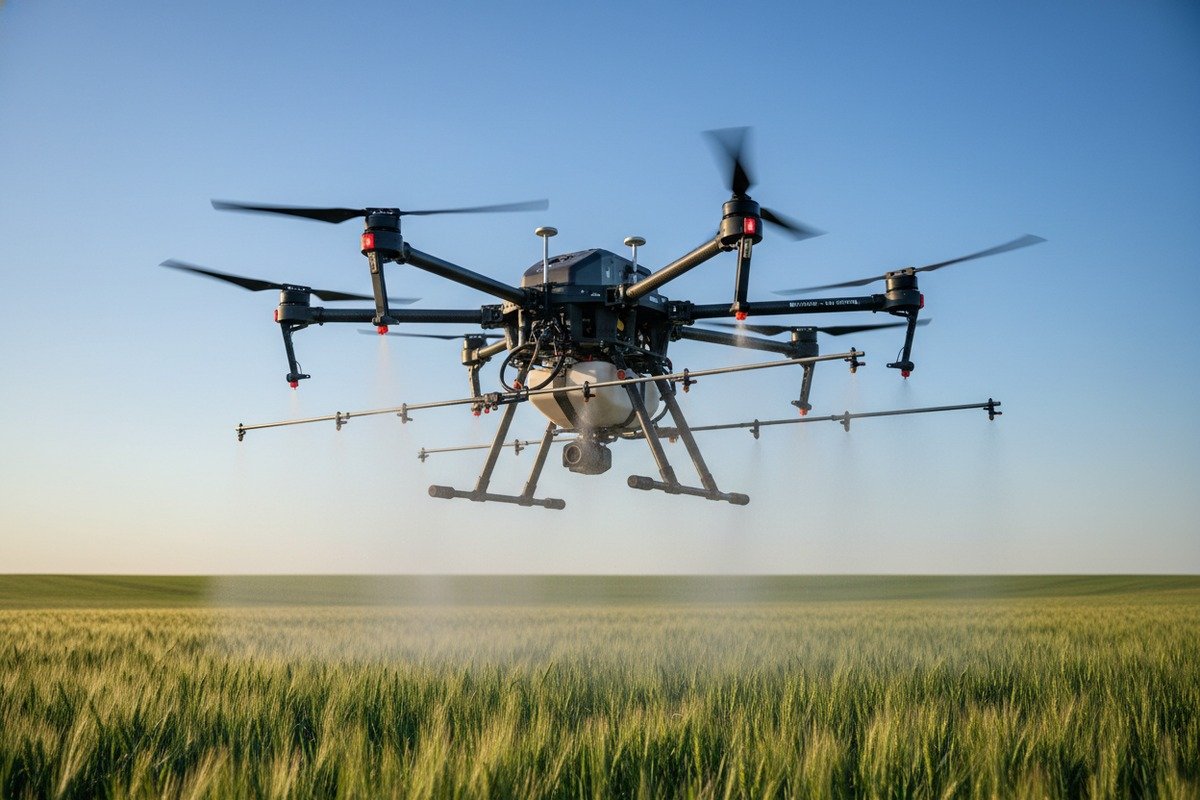
Remote ID funktioniert wie ein digitales Nummernschild. Es sendet Identifikationsinformationen während des Fluges aus. Behörden können Drohnenbetreiber identifizieren, ohne sie physisch anhalten zu müssen.
Die EASA schreibt eine direkte Fernidentifizierung für alle Drohnen der Klassen C1, C2, C3, C5 und C6 vor. Das System sendet aus:
- Drohnenregistrierungsnummer
- Aktuelle Position und Höhe
- Geschwindigkeit über Grund und Kurs
- Startort
- Notfallstatus
Unsere Drohnen senden diese Informationen auf der Standard-2,4-GHz-Frequenz aus. Die Empfangsreichweite beträgt etwa 500 m. Jedes Smartphone mit der richtigen App kann diese Daten empfangen.
Geo-Awareness-Systemanforderungen
Geo-Awareness verhindert, dass Drohnen in eingeschränkten Luftraum eindringen. Das System enthält eine Datenbank mit Flugverbotszonen. Es gibt Warnungen aus und kann automatisch Grenzverletzungen verhindern.
Die EASA hat 2022 harmonisierte digitale Geo-Zonen in den EU-Mitgliedstaaten eingeführt. Ihre Drohne muss Folgendes enthalten:
Aktualisierte Datenbank: Die Geo-Zonen-Datenbank muss regelmäßig aktualisiert werden. Unsere Drohnen verbinden sich mit Cloud-Servern für automatische Updates. Offline-Betrieb nutzt die zuletzt heruntergeladene Datenbank.
Warnsystem: Piloten erhalten visuelle und akustische Warnungen, wenn sie sich eingeschränkten Bereichen nähern. Unsere Benutzeroberfläche zeigt Zonengrenzen auf dem Bildschirm des Controllers an.
Automatische Durchsetzung: Für die Klassen C3 und C6 muss das System die Einfahrt in eingeschränkte Zonen verhindern. Unser Flugcontroller hält automatisch die Position an den Zonengrenzen.
Überlegungen zur U-Space-Integration
U-Space 7 ist Europas aufstrebendes Drohnenverkehrsmanagementsystem. Bis 2026 benötigen landwirtschaftliche Drohnen, die in bestimmten Gebieten operieren, eine U-Space-Konnektivität.
Unsere aktuellen Produktionsmodelle enthalten Hardware für die U-Space-Integration. Das Kommunikationsmodul unterstützt die erforderlichen Datenaustauschprotokolle. Software-Updates werden die vollständige U-Space-Konformität ermöglichen, wenn die Vorschriften in Kraft treten.
Remote ID vor dem Kauf testen
Fordern Sie eine Demonstration der Remote ID-Funktionalität an, bevor Sie einen Kauf abschließen. Hier ist, was zu überprüfen ist:
| Test | Erwartetes Ergebnis | Indikator für Ausfälle |
|---|---|---|
| Übertragungsdetektion | Sichtbar in der EU-zugelassenen App innerhalb von 300 m | Kein Signal erkannt |
| Datenrichtigkeit | Position stimmt mit GPS-Koordinaten überein | Mehr als 10 m Abweichung |
| Kontinuierliche Übertragung | Aktualisierungen alle 1 Sekunde während des Fluges | Intermittierendes Signal |
| Registrierungsanzeige | Zeigt gültiges Registrierungsformat an | Falsches Format oder fehlend |
| Reichweitentest | In offenen Bereichen bis zu 500 m erkennbar | Signalverlust unter 200 m |
Häufige Integrationsfehler
Nach unserer Erfahrung beim Versand an europäische Distributoren haben wir mehrere häufige Fehler festgestellt. Einige Hersteller fügen Remote ID als nachträglichen Einfall hinzu. Die Übertragungsreichweite bleibt hinter den Anforderungen zurück. Das Datenformat entspricht nicht den EASA-Spezifikationen.
Geo-Awareness-System 8scheitern unterschiedlich. Die Datenbank deckt nur den chinesischen Luftraum ab. Updates erfordern ein Eingreifen des Herstellers anstelle eines automatischen Downloads. Das System warnt Piloten, erzwingt aber keine Grenzen.
Wir testen jede Drohne vor dem Versand anhand der EASA-Spezifikationen. Unsere Qualitätskontrolle umfasst die Überprüfung der Remote ID-Reichweite, die Validierung der Geo-Awareness-Datenbank und Tests zur automatischen Durchsetzung.
Welche Dokumentation sollte ich von meinem chinesischen Hersteller anfordern, um die technische EASA-Konformität nachzuweisen?
Unser Dokumentationsteam bereitet täglich Exportpakete vor. Wir wissen genau, welche Papiere europäische Zollbeamte prüfen. Das Fehlen auch nur eines Dokuments kann Ihre Sendung um Wochen verzögern.
Fordern Sie diese Dokumente an: EU-Konformitätserklärung, CE-Kennzeichnungszertifikat, Baumusterprüfbescheinigung (falls zutreffend), detaillierte technische Spezifikationen, die der beanspruchten C-Klasse entsprechen, Prüfberichte von akkreditierten Laboren, Benutzerhandbücher in den erforderlichen EU-Sprachen und Firmware-Dokumentation, die die Einhaltung von Remote ID und Geo-Awareness zeigt.
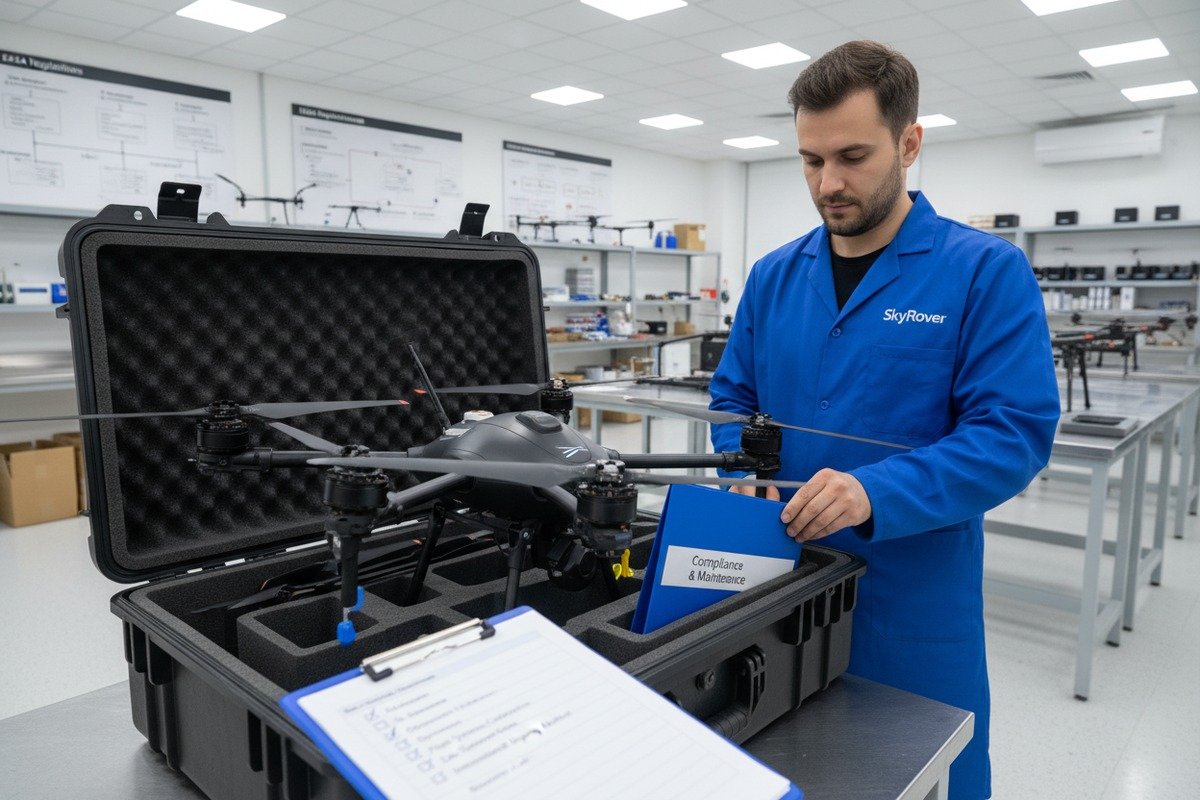
Checkliste für wichtige Unterlagen
Nicht alle chinesischen Hersteller verstehen die europäischen Anforderungen. Einige liefern Dokumente, die offiziell aussehen, aber keine rechtliche Gültigkeit haben. Hier ist, was legitime Konformitätsdokumentation beinhaltet:
EU-Konformitätserklärung (DoC): Dieses einseitige Dokument erklärt, dass die Drohne alle geltenden EU-Vorschriften erfüllt. Der Hersteller unterschreibt es. Es muss sich auf spezifische Vorschriften beziehen, einschließlich 2019/945 und relevanter harmonisierter Normen.
CE-Kennzeichnung: Die CE-Kennzeichnung muss auf der Drohne, der Verpackung und der Dokumentation angebracht sein. Sie zeigt an, dass das Produkt die EU-Sicherheits-, Gesundheits- und Umweltanforderungen erfüllt.
Technisches Dossier: Dieses umfassende Dokument beschreibt, wie die Drohne jede Anforderung erfüllt. Es enthält Konstruktionszeichnungen, Risikobewertungen, Testergebnisse und Qualitätskontrollverfahren.
Testberichte und Zertifizierungen
Legitimer Testberichte stammen von akkreditierten Laboren. Achten Sie auf ISO 17025 Akkreditierung 9. Der Bericht sollte sich auf spezifische EASA-Anforderungen beziehen und Pass/Fail-Ergebnisse für jeden Test zeigen.
| Dokumenttyp | Was es beweist | Warnschilder |
|---|---|---|
| EMV-Prüfbericht | Elektromagnetische Verträglichkeit | Keine Akkreditierungsnummer |
| Funkgeräteprüfung | Remote-ID-Broadcast-Konformität | Prüfung in einem Nicht-EU-Labor |
| Sicherheitsbewertung | Risikoanalyse abgeschlossen | Allgemeine Sicherheitshinweise |
| Umwelttest | Betriebstemperaturbereich | Eingeschränkte Testbedingungen |
| Batterie-Zertifizierung | Sicherer Batteriebetrieb | Keine UN38.3-Zertifizierung |
Sprachliche Anforderungen
Benutzerhandbücher und Sicherheitsdokumentationen müssen in der Amtssprache jedes Ziellandes verfügbar sein. Eine in Deutschland verkaufte Drohne benötigt eine deutsche Dokumentation. Frankreich benötigt Französisch.
Unser Standard-Exportpaket enthält Handbücher in Englisch, Deutsch, Französisch, Spanisch, Italienisch und Niederländisch. Wir können zusätzliche Sprachen basierend auf Ihrem Vertriebsnetz hinzufügen.
Überprüfungsschritte vor dem Kauf
Überprüfen Sie die Echtheit der Dokumentation, bevor Sie eine Anzahlung leisten:
Akkreditierung prüfen: Akkreditierungsnummern von Laboren sollten online überprüfbar sein. Suchen Sie in der Datenbank der Akkreditierungsstelle.
Spezifikationen vergleichen: Die Spezifikationen der technischen Unterlagen müssen mit der tatsächlichen Drohne übereinstimmen. Fordern Sie Fotos von Typenschildern mit Modellnummern an.
Herstelleridentität überprüfen: Das Unternehmen, das die Konformitätserklärung unterzeichnet, muss der tatsächliche Hersteller oder ein autorisierter EU-Vertreter sein.
Musterproben anfordern: Wenn möglich, besorgen Sie sich vor Großbestellungen eine Musterlieferung. Testen Sie die Remote-ID- und Geo-Awareness-Funktionalität selbst.
Zusammenarbeit mit unserem Dokumentationsteam
In unserer Anlage in Xi'an pflegen wir vollständige technische Unterlagen für jedes Drohnenmodell. Unser Export-Dokumentationsteam umfasst Ingenieure, die sowohl die chinesischen Herstellungsstandards als auch die europäischen regulatorischen Anforderungen verstehen.
Wenn Sie bei uns bestellen, erhalten Sie ein vollständiges Dokumentationspaket. Wir stellen elektronische Kopien vor dem Versand zu Ihrer Überprüfung zur Verfügung. Gedruckte Exemplare begleiten die Drohnen. Wir bewahren die Unterlagen gemäß den EU-Vorschriften zehn Jahre lang auf.
Wir bieten auch einen Post-Sale-Support für die Dokumentation an. Wenn der Zoll zusätzliche Informationen anfordert, antwortet unser Team innerhalb von 24 Stunden. Wenn sich Vorschriften ändern, stellen wir aktualisierte Dokumentationen für zuvor gekaufte Drohnen bereit.
Schlussfolgerung
Die Beschaffung von EASA-konformen Agrardrohnen erfordert Aufmerksamkeit für C-Klassen-Kennzeichnung, Remote-ID, Geo-Awareness und umfassende Dokumentation. Arbeiten Sie mit Lieferanten zusammen, die diese Anforderungen verstehen und die Konformität durch ordnungsgemäße Zertifizierung nachweisen können.
Fußnoten
1. Ersetzt durch die offiziellen EASA Easy Access Rules for Unmanned Aircraft Systems, die umfassende und aktuelle Vorschriften bieten. ︎
2. Direkter Gesetzestext für Drohnenproduktanforderungen und Betriebsregeln. ︎
3. Erklärt die Anforderungen für Drohnenbetriebe mit mittlerem Risiko. ︎
4. Beschreibt spezifische Risikobewertungsmethoden für Drohnenbetriebe. ︎
5. Bietet Informationen zu BVLOS-Betrieben für Drohnen. ︎
6. Erklärt die spezifischen Anforderungen für die C6-Drohnenklassifizierung. ︎
7. Erklärt Europas aufkommendes Drohnendatenverkehrsmanagementsystem. ︎
8. Beschreibt obligatorische Geo-Awareness-Funktionen für Drohnen und deren Bedeutung. ︎
9. Norm für die Kompetenz von Prüf- und Kalibrierlaboratorien. ︎

 English
  Español de México
  Deutsch
  Français
  Русский
  العربية
