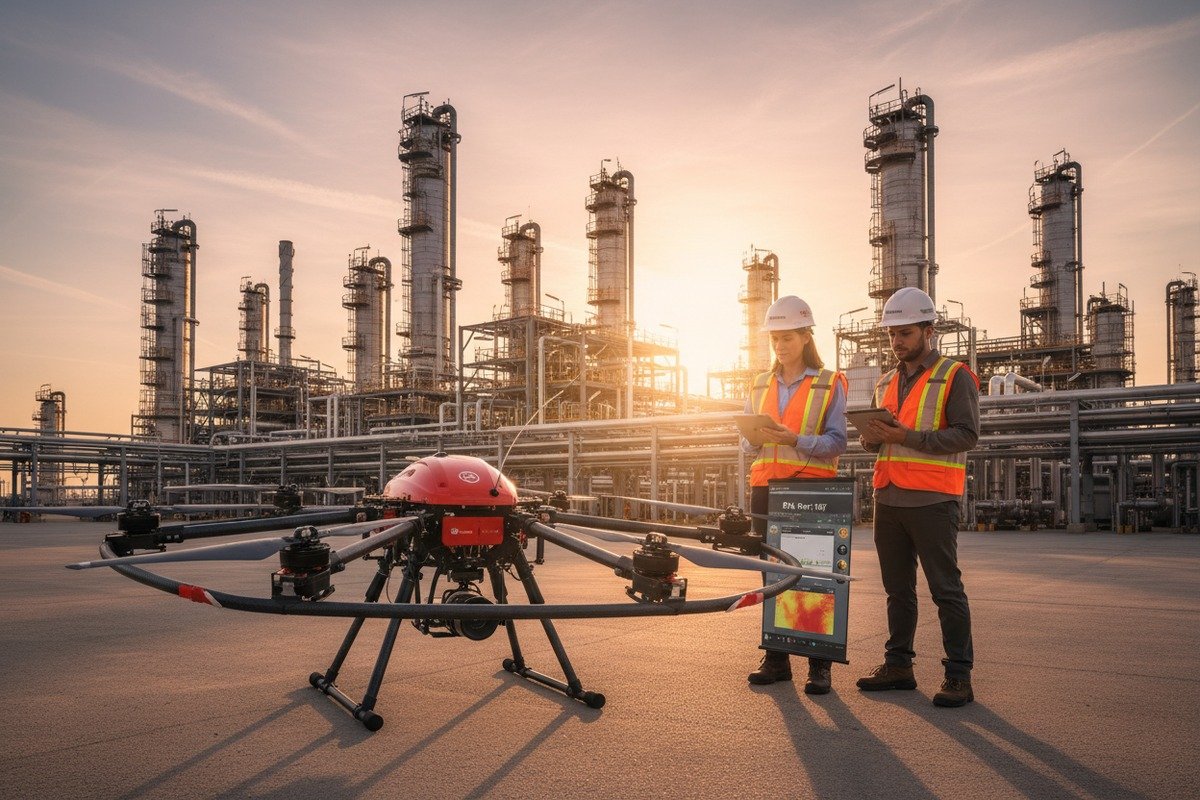
Als unser Ingenieurteam mit der Entwicklung von Löschdrohnen für internationale Märkte begann, stellten wir schnell fest, dass US-Energiekäufer mit einem Labyrinth von Vorschriften konfrontiert sind IP54 oder höhere Wetterbeständigkeit 1. Die falsche Lieferantenauswahl kann zu Flugverboten, Compliance-Verstößen und ernsthaften Sicherheitsrisiken in Kraftwerken oder Ölförderanlagen führen.
Um Feuerwehrdrohnenlieferanten für die Sicherheitsvorschriften der US-Energieindustrie zu bewerten, überprüfen Sie die Einhaltung von FAA Teil 107, die Bereitschaft für BVLOS-Ausnahmegenehmigungen, Wärmebildfähigkeiten, Cybersicherheitsprotokolle und nachgewiesene Erfahrung im Dienst für Energieversorger oder Öl-/Gaskunden. Bestätigen Sie die Expertise im Export von Tür zu Tür und die Infrastruktur für langfristigen technischen Support.
Dieser Leitfaden führt Sie durch die kritischen Kontrollpunkte Export Administration Regulations 2. Wir behandeln Zertifizierungen, technische Fähigkeiten, Exportlogistik und After-Sales-Support. Jeder Abschnitt gibt Ihnen praktische Fragen, die Sie jedem Lieferanten stellen können, bevor Sie einen Vertrag unterzeichnen.
Welche Zertifizierungen sollte ich suchen, um sicherzustellen, dass mein Lieferant für Feuerwehrdrohnen die US-amerikanischen Energiesicherheitsstandards einhält?
Unser Qualitätskontrollteam verbringt viel Zeit damit, sicherzustellen, dass jede Einheit, die unser Werk verlässt, internationalen Standards entspricht. Wir haben jedoch gesehen, dass Käufer Schwierigkeiten haben, wenn Lieferanten nicht nachweisen können, dass ihre Zertifizierungen den US-Anforderungen entsprechen. Fehlende Unterlagen können Ihr gesamtes Projekt verzögern.
Suchen Sie nach FAA Part 107-Konformitätsdokumentation, BVLOS-Waiver-Bereitschaft, FCC-Zertifizierung für Funkkommunikation, IP54 oder höhere Wetterbeständigkeitsklassen und jegliche UL- oder NFPA-bezogene Sicherheitszertifizierungen. Für Nuklearanlagen verifizieren Sie, dass der Lieferant die NRC-Drohnen-Sichtprotokolle und die Anforderungen an Flugverbotszonen versteht.
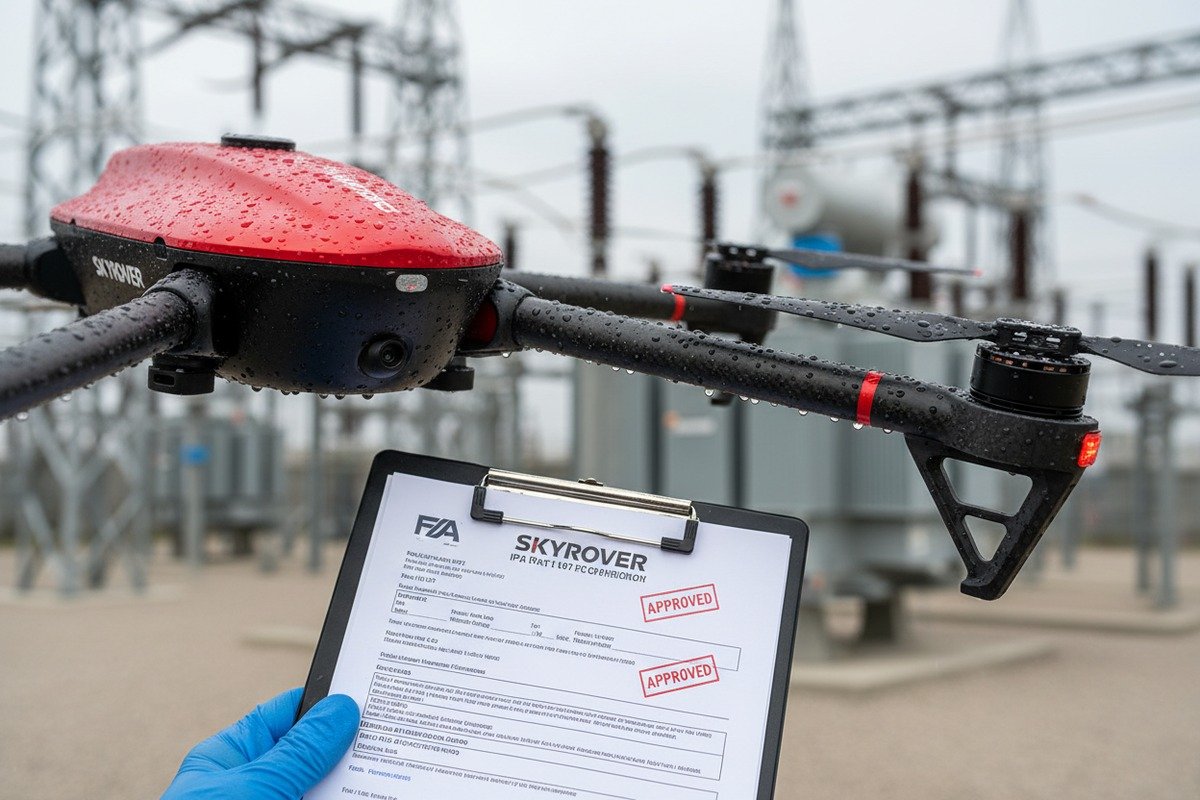
FAA-Konformität ist nicht verhandelbar
Die Federal Aviation Administration (FAA) regelt alle Drohnenoperationen im US-Luftraum. Einhaltung der FAA-Vorschriften Teil 107 3 Ihr Lieferant muss Drohnen entwickeln, die von Teil 107 zertifizierte Piloten unterstützen. Dies bedeutet klare Flugparametergrenzen, eine ordnungsgemäße Gewichtsklassifizierung und integrierte Geofencing-Funktionen.
Drohnen mit einem Gewicht zwischen 0,55 und 55 Pfund erfordern eine FAA-Registrierung. Der Betrieb ist in der Regel auf 400 Fuß im Luftraum der Klasse G beschränkt. Die Energieinfrastruktur erfordert jedoch häufig den Betrieb außerhalb der Sichtlinie (BVLOS). BVLOS-Waiver-Bereitschaft 4 Fragen Sie die Lieferanten direkt: "Kann Ihr Drohnensystem unsere BVLOS-Waiver-Anwendung mit den erforderlichen Sicherheitsdokumenten unterstützen?"
Checkliste für kritische Zertifizierungen
| Zertifizierung | Zweck | Warum es für die Energiebranche wichtig ist |
|---|---|---|
| FAA Teil 107 Unterstützung | Gesetzliche Flugbetrieb | Erforderlich für alle kommerziellen Einsätze |
| FCC-Zertifizierung 5 | Einhaltung von Funkfrequenzen | Gewährleistet Zuverlässigkeit der Kommunikation |
| IP54+ Bewertung | Staub-/Wasserbeständigkeit | Entscheidend für die Brandbekämpfung im Freien |
| CE/FCC-Kennzeichnungen | Elektromagnetische Verträglichkeit | Verhindert Störungen von Pflanzensystemen |
| NDAA-Konformität | Sicherheitsstandards | Erforderlich von vielen US-Regierungsauftragnehmern |
Energiebezogene Anforderungen
Kernkraftwerke fallen unter die Zuständigkeit der NRC. Seit 2024 müssen Anlagen Drohnensichtungen melden. Ihr Lieferant sollte diese Einschränkungen verstehen. Er sollte Dokumente vorlegen, die belegen, dass seine Drohnen bei Betrieb in genehmigten Zonen keine Sicherheitsalarme auslösen.
Für Öl- und Gasanlagen, eigensichere Zertifizierungen 6 sind wichtig. Fragen Sie nach explosionsgeschützten Bewertungen, wenn Sie in der Nähe von brennbaren Materialien arbeiten. Einige Lieferanten bieten spezielle Gehäuse für gefährliche Umgebungen an.
Warnsignale, auf die Sie achten sollten
Vermeiden Sie Lieferanten, die keine tatsächlichen Zertifizierungsdokumente vorlegen können. Mündliche Zusicherungen reichen nicht aus. Fordern Sie Kopien von Testberichten, Konformitätsschreiben und Ergebnissen von Drittanbieterprüfungen an. Wenn ein Lieferant zögert, sagt Ihnen das etwas Wichtiges.
Wie kann ich überprüfen, ob ein Drohnenhersteller über die Ingenieurkompetenz verfügt, Hardware für meine spezifischen industriellen Sicherheitsanforderungen anzupassen?
Wenn wir mit Kunden an kundenspezifischen Entwicklungsprojekten zusammenarbeiten, konzentrieren sich die ersten Gespräche immer auf ihre einzigartigen betrieblichen Herausforderungen. Ein Raffineriebrand verhält sich anders als ein Vorfall in einem Umspannwerk. Ihr Drohnensystem sollte diese Unterschiede widerspiegeln.
Überprüfen Sie die technische Expertise, indem Sie detaillierte Fallstudien von Projekten im Energiesektor anfordern, die Qualifikationen ihres F&E-Teams überprüfen, Pilotversuche in simulierten Szenarien verlangen und ihre Fähigkeit bestätigen, kundenspezifische Nutzlasten wie spezialisierte Wärmebildkameras oder Feuerlöschsysteme zu integrieren.
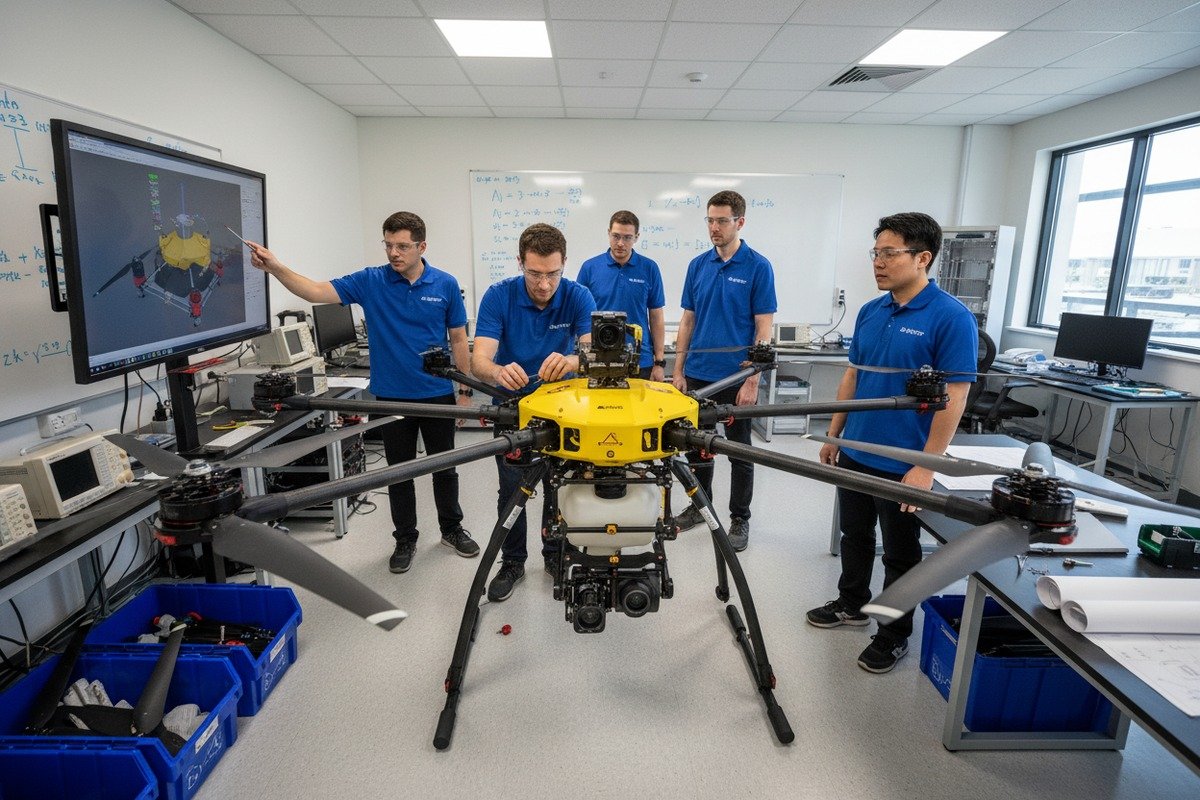
Bewertung technischer Fähigkeiten
Beginnen Sie mit Fragen zur Größe und Qualifikation ihres Ingenieurteams. Unsere Einrichtung beschäftigt engagierte Firmware-Entwickler, Maschinenbauingenieure und Flugsteuerungsspezialisten. Ein fähiger Lieferant sollte eine ähnliche Tiefe aufweisen.
Fordern Sie spezifische Beispiele für Anpassungsarbeiten an. Haben sie Flugsteuerungen für verlängerte Schwebezeiten modifiziert? Können sie Drittanbieter-Wärmebildkameras integrieren? Bieten sie kundenspezifische Montageoptionen für Feuerlöschnutzlasten an?
Zu bewertende technische Schlüssel-Spezifikationen
| Spezifikation | Mindeststandard | Premium-Standard |
|---|---|---|
| Flugausdauer | 30 Minuten | 45+ Minuten |
| Nutzlast Kapazität | 5 kg | 15+ kg |
| Thermische Auflösung | 640×512 Pixel | 1280×1024 Pixel |
| Windwiderstand | 10 m/s | 15 m/s |
| Betriebstemperatur | -10°C bis 40°C | -20°C bis 50°C |
Fragen, die wahre Expertise offenbaren
Stellen Sie diese Fragen während Ihrer Bewertung:
- "Können Sie den Gimbal modifizieren, um unser bestehendes Wärmebildkamerasystem unterzubringen?"
- "Wie validieren Sie Änderungen an der Flugsteuerung?"
- "Haben Sie Erfahrung mit der Integration von SCADA-Systemen oder Software für das Versorgungsmanagement?"
- "Können Sie autonome Wegpunktmissionen in GPS-verweigerten Umgebungen demonstrieren?"
Lieferanten mit echtem Fachwissen werden selbstbewusst mit spezifischen Beispielen antworten. Vage Antworten deuten auf begrenzte Fähigkeiten hin.
Testen vor der Verpflichtung
Fordern Sie Pilot-Testmöglichkeiten an. Ein zuverlässiger Hersteller wird Demonstrationen arrangieren. Sie sollten zeigen, wie die Drohne Aufgaben ausführt, die für Ihre Abläufe relevant sind. Testen Sie, wenn möglich, unter Bedingungen, die Ihrer tatsächlichen Arbeitsumgebung ähneln.
Unser Team führt regelmäßig Werksabnahmetests mit internationalen Kunden durch. Wir simulieren Notfallszenarien und überprüfen, ob alle Systeme wie spezifiziert funktionieren. Dieser Ansatz deckt Probleme vor dem Einsatz auf.
Integration in bestehende Systeme
Energieunternehmen nutzen typischerweise Incident-Command-Systeme wie NIMS/ICS. Die Datenübertragung Ihrer Drohne muss nahtlos integriert werden. Fragen Sie Lieferanten nach ihren Erfahrungen mit der Anbindung an Softwareplattformen für das Notfallmanagement.
Echtzeit-Video-Streaming an Einsatzleiter ist unerlässlich. Bestätigen Sie die Latenzspezifikationen. Verzögerungen von mehr als 500 Millisekunden können die Entscheidungsfindung bei sich schnell entwickelnden Brandereignissen beeinträchtigen.
Welche Fragen sollte ich einem Lieferanten zu seiner Exporterfahrung stellen, um eine sichere Zollabfertigung und eine Tür-zu-Tür-Lieferung in die USA zu gewährleisten?
Unser Logistikteam hat Hunderte von Sendungen zu US-Häfen abgewickelt. Wir haben gelernt, dass Zollverzögerungen oft auf unvollständige Dokumentation und nicht auf Produktprobleme zurückzuführen sind. Die richtigen Fragen im Vorfeld verhindern kostspielige Verzögerungen.
Fragen Sie nach deren US-Importerfahrung, erforderlichen Exportlizenzen, Dokumentationspaketen für Lithiumbatterieversendungen, Vertrautheit mit ITAR/EAR-Vorschriften, Versicherungsschutz während des Transports und deren Vorgehensweise zur Beilegung von Zollrückhaltungen. Bestätigen Sie, dass sie vollständige HS-Code-Dokumentation und Endverbraucherzertifikate bereitstellen.

Verständnis der Exportdokumentation
Drohnenexporte beinhalten komplexe Vorschriften. Lithiumbatterien erfordern besondere Handhabung und Dokumentation. Ihr Lieferant sollte Folgendes bereitstellen:
- Gefahrgutversanddeklarationen
- Batterietestberichte (UN38.3-Zertifizierung 7)
- Handelsrechnungen mit genauen HS-Codes
- Packlisten mit Seriennummern
- Endverbraucherzertifikate, wenn erforderlich
Kritische Exportfragen
| Frage | Warum es wichtig ist | Akzeptable Antwort |
|---|---|---|
| "Wie viele US-Sendungen haben Sie dieses Jahr abgeschlossen?" | Beweist aktive Erfahrung | Spezifische Nummer mit Dokumentation |
| "Wer kümmert sich um die Zollabfertigung?" | Identifiziert Verantwortung | Genannter Partner mit Kontaktinformationen |
| "Was passiert, wenn der Zoll die Sendung zurückhält?" | Testet Problemlösung | Klarer Eskalationsprozess |
| "Bieten Sie Sendungsverfolgung an?" | Stellt Kommunikation sicher | Echtzeit-Zugang zum Tracking-Portal |
| "Welche Versicherungsdeckung bieten Sie an?" | Schützt Ihre Investition | Allgefahrenversicherung für Seefracht |
ITAR- und EAR-Überlegungen
Einige Drohnenkomponenten fallen unter International Traffic in Arms Regulations 8 oder Export Administration Regulations. Hochentwickelte Wärmebildsysteme können Exportlizenzen erfordern. Fragen Sie Ihren Lieferanten direkt nach seinem Compliance-Status.
Ein sachkundiger Lieferant hat bereits Exportklassifizierungen für seine Produkte. Er sollte erklären, welche Komponenten eine besondere Handhabung erfordern und welche Dokumentation er zur Unterstützung Ihres Importprozesses bereitstellt.
Erwartungen an die Lieferzeit
Die Tür-zu-Tür-Lieferung dauert in der Regel 7-14 Tage per Luftfracht. Seefracht reduziert die Kosten, verlängert aber die Lieferzeiten auf 30-45 Tage. Berücksichtigen Sie die Zollabfertigungszeit in Ihrem Projektplan.
Unsere Standardpraxis beinhaltet die Überprüfung der Vorabgenehmigungsdokumentation. Wir senden vollständige Papierpakete vor dem Versand. Dies ermöglicht es Ihrem Zollagenten, die Einfuhrdokumente im Voraus vorzubereiten, wodurch Hafteverzögerungen reduziert werden.
Schutz Ihrer Sendung
Überprüfen Sie die Grenzen der Versicherungsdeckung. Die Standardhaftung des Spediteurs deckt oft nur einen Bruchteil des Drohnenwerts ab. Fordern Sie Versicherungszertifikate an, die eine angemessene Deckung für den Wert Ihrer Bestellung zeigen.
Fragen Sie nach Verpackungsstandards. Industriedrohnen erfordern stoßfeste Koffer mit entsprechender Polsterung. Feuchtigkeitsbarrieren schützen die Elektronik während des Seetransports. Billige Verpackungen führen zu beschädigten Waren und Garantieansprüchen.
Wie bewerte ich den langfristigen technischen Support und die Ersatzteilverfügbarkeit eines Lieferanten, um Ausfallzeiten in meinen Energiebetrieben zu verhindern?
Wenn wir Supportprogramme für unsere Kunden entwickeln, denken wir über die Gesamtkosten des Besitzes nach. Eine Drohne, die am Boden wartet, weil Teile fehlen, kostet mehr als die Reparatur selbst. Energiebetriebe können sich keine langen Ausfallzeiten während der Brandsaison leisten.
Bewerten Sie den langfristigen Support, indem Sie Zusagen zur Ersatzteilverfügbarkeit, Garantien für Reaktionszeiten, Fernwartungsfähigkeiten, Richtlinien für Firmware-Updates, Verfügbarkeit von Schulungsprogrammen und Garantiebedingungen überprüfen. Fordern Sie Referenzen von bestehenden Kunden aus dem Energiesektor an, um die tatsächliche Supportleistung zu validieren.

Aufbau eines Support-Frameworks
Technischer Support geht weit über die Beantwortung von Anrufen hinaus. Ihr Lieferant sollte mehrere Supportkanäle anbieten:
- 24/7-Notrufnummer für kritische Probleme
- Ferndiagnose über Telemetriedaten
- Video-gestützte Fehlerbehebungssitzungen
- Bei Bedarf Einsatz von Technikern vor Ort
- Regelmäßige Firmware-Updates mit Sicherheitspatches
Ersatzteilstrategie
Fordern Sie einen Ersatzteilkatalog mit Preisen an. Berechnen Sie die Kosten für die Aufrechterhaltung eines lokalen Bestands im Vergleich zur Abhängigkeit von internationalen Lieferungen. Für kritische Vorgänge sollten Sie gängige Ausfallteile vor Ort lagern.
| Komponente | Typische Ausfallrate | Empfohlener Lagerbestand |
|---|---|---|
| Propeller | Hoch (Schadensschäden) | 8-12 Einheiten |
| Motoren | Mittel | 2-4 Einheiten |
| Batterien | Mittel (Lebenszyklus) | 4-6 Einheiten |
| Kameragimbal | Niedrig | 1 Einheit |
| Flugsteuerungen | Niedrig | 1 Einheit |
| ESCs | Mittel | 2-4 Einheiten |
Garantie- und Serviceverträge
Standardgarantien decken in der Regel 12 Monate ab. Energiebetriebe sollten eine erweiterte Abdeckung aushandeln. Unser Team bietet mehrjährige Serviceverträge, die Besuche zur vorbeugenden Wartung und vorrangige Teilezuweisung beinhalten.
Überprüfen Sie die Garantie-Ausschlüsse sorgfältig. Schäden durch unbefugte Modifikationen, unsachgemäße Lagerung oder Betrieb außerhalb der angegebenen Parameter führen in der Regel zum Erlöschen der Deckung. Verstehen Sie die Grenze zwischen Garantieservice und kostenpflichtigen Reparaturen.
Schulung und Zertifizierung
Umfassende Schulungen verhindern viele Supportanrufe. Ihr Lieferant sollte Folgendes anbieten:
- Schulungen zur Erstzertifizierung von Bedienern
- Jährliche Auffrischungsschulungsoptionen
- Wartungsprogramme für Techniker
- Schulungen zu Software und Missionsplanung
- Notfallprotokolle
Wir haben festgestellt, dass gut ausgebildete Bediener 60% weniger Geräteprobleme haben als ungeschulte Benutzer. Investitionen in Schulungen reduzieren die langfristigen Supportkosten erheblich.
Bewertung der Supportqualität
Fordern Sie Referenzen von bestehenden Kunden aus dem Energiesektor an. Kontaktieren Sie diese direkt. Fragen, die Sie Referenzen stellen sollten:
- "Wie schnell reagiert der Lieferant auf dringende Probleme?"
- "Hatten Sie Verzögerungen bei Ersatzteillieferungen?"
- "Benachrichtigt Sie der Lieferant proaktiv über Firmware-Updates?"
- "Würden Sie wieder bei ihnen kaufen?"
Referenzprüfungen enthüllen mehr als Verkaufspräsentationen jemals werden.
Cybersicherheit im Support
Ferndiagnosen erfordern Netzwerkverbindungen. Überprüfen Sie die Cybersicherheitsprotokolle Ihres Lieferanten. Die Datenübertragung sollte verschlüsselt erfolgen. Zugriffskontrollen sollten einschränken, wer sich mit Ihren Drohnensystemen verbinden kann.
Für Energieinfrastrukturen stellt unbefugter Zugriff ein ernstes Risiko dar. Ihr Lieferant sollte seine Sicherheitspraktiken dokumentieren und regelmäßigen Audits unterzogen werden. Fordern Sie vor Vertragsunterzeichnung die Dokumentation seiner Cybersicherheitspolitik an.
Schlussfolgerung
Die Bewertung von Lieferanten für Feuerlöschdrohnen für US-Energieanwendungen erfordert eine systematische Bewertung von Zertifizierungen, technischen Fähigkeiten, Exportlogistik und Supportinfrastruktur. Nutzen Sie diesen Leitfaden als Ihre Beschaffungscheckliste und überprüfen Sie immer die Angaben anhand von Dokumenten und Referenzen, bevor Sie eine Lieferantenpartnerschaft eingehen.
Fußnoten
1. Internationaler Standard für Schutzartbewertungen. ︎
2. Offizielle Vorschriften des US-Handelsministeriums für den Export von Gütern mit doppeltem Verwendungszweck. ︎
3. Offizielle FAA-Vorschriften für den kommerziellen Drohnenbetrieb. ︎
4. Offizielle FAA-Seite, die Ausnahmeregelungen nach Teil 107 erläutert, einschließlich des Betriebs außerhalb der Sichtweite (Beyond Visual Line of Sight - BVLOS). ︎
5. Offizielle FCC-Anforderungen für die Zertifizierung von Funkfrequenzgeräten. ︎
6. Wikipedia-Artikel mit einem Überblick über eigensichere Geräte und verwandte Zertifizierungen, da keine direkte staatliche Quelle gefunden wurde. ︎
7. Seriöses Prüf- und Zertifizierungsunternehmen, das die UN 38.3-Prüfung für Lithiumbatterien erläutert. ︎
8. Offizielle Seite des US-Außenministeriums vom Directorate of Defense Trade Controls, die ITAR erläutert. ︎

 English
  Español de México
  Deutsch
  Français
  Русский
  العربية
