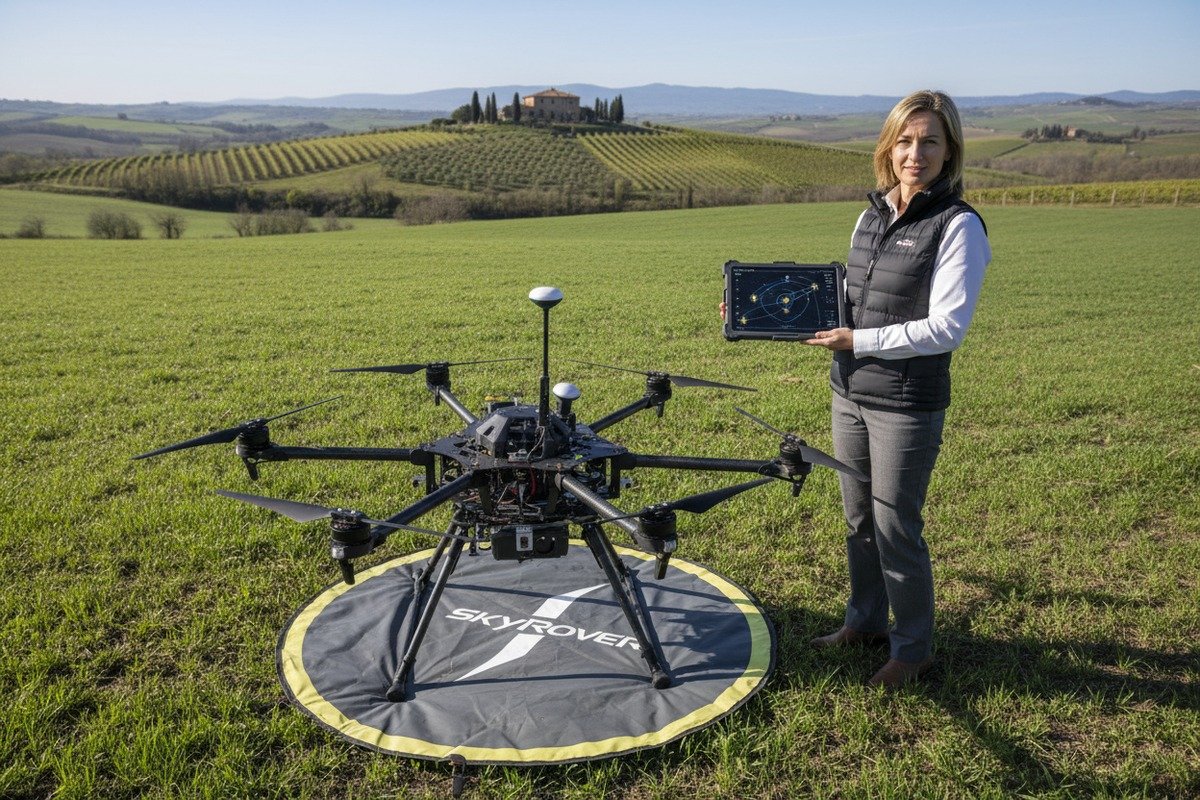
Als unser Ingenieurteam anfing, Agrardrohnen an europäische Distributoren zu liefern, überschwemmten Fragen zur RTK-Kompatibilität unsere Inbox. NTRIP-Protokollkompatibilität 1. Landwirte benötigten Zentimetergenauigkeit, aber die fragmentierte europäische GNSS-Landschaft 2 sorgte für Verwirrung.
Um die RTK-Systemkompatibilität für landwirtschaftliche Drohnen in Europa zu bewerten, überprüfen Sie die Unterstützung mehrerer GNSS-Konstellationen, einschließlich Galileo, bestätigen Sie die NTRIP-Protokollkompatibilität mit regionalen Korrekturdiensten, prüfen Sie die Optionen für die Basisstationsintegration und stellen Sie sicher, dass der Hersteller technischen Support für Ihre spezifischen regionalen Anforderungen bietet.
Dieser Leitfaden führt Sie durch jeden kritischen Kontrollpunkt RTCM 3.x-Nachrichten 3. Wir werden NTRIP-Verifizierung, Geländeprobleme, Basisstationsintegration und Erwartungen an den technischen Support behandeln. Tauchen wir ein in das, was für Ihre Präzisionslandwirtschaftsinvestition am wichtigsten ist.
Wie kann ich überprüfen, ob das RTK-Modul der Drohne vollständig mit europäischen NTRIP-Netzwerkanbietern kompatibel ist?
Unser Produktionsteam testet jedes RTK-Modul vor dem Versand gegen wichtige europäische NTRIP-Dienste. Dennoch erhalten wir immer wieder Fragen zur Kompatibilitätsprüfung. Die Realität ist, dass nicht alle RTK-Systeme nahtlos mit jedem europäischen Netzwerkanbieter funktionieren.
Um die NTRIP-Kompatibilität zu überprüfen, fordern Sie Dokumentationen an, die zeigen, dass die Drohne die NTRIP 1.0/2.0-Protokolle unterstützt, bestätigen Sie die Multi-Konstellations-Verfolgung (GPS, GLONASS, Galileo, BeiDou) und führen Sie Feldtests mit Ihrem spezifischen regionalen NTRIP-Anbieter vor dem Kauf durch, um einen stabilen Empfang von Korrekturdaten sicherzustellen.
Verständnis der NTRIP-Protokollanforderungen
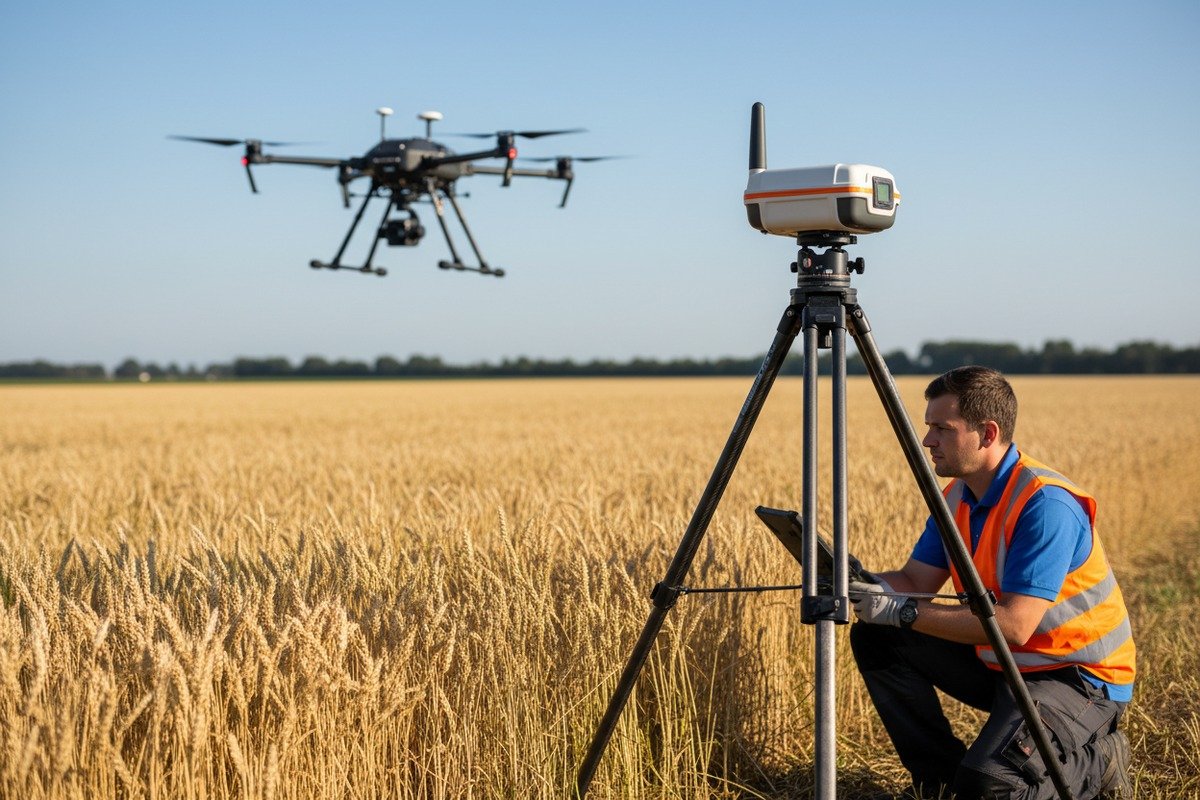
NTRIP steht für Networked Transport of RTCM via Internet Protocol 4. Dieses System liefert Korrekturdaten von Basisstationen über Mobilfunk- oder Internetverbindungen an Ihre Drohne. Europäische NTRIP-Anbieter verwenden Standardprotokolle, aber die Implementierung variiert.
Wenn wir unsere Flugsteuerungen kalibrieren, stellen wir die Kompatibilität mit den Versionen NTRIP 1.0 und 2.0 sicher. Die neuere Version 2.0 bietet bessere Sicherheit und Authentifizierung. Einige ältere Netzwerke verwenden jedoch immer noch 1.0. Ihre Drohne muss beides unterstützen.
Wichtigste Überprüfungsschritte
Zuerst holen Sie das technische Datenblatt vom Hersteller ein. Achten Sie auf eindeutige Aussagen zur Unterstützung des NTRIP-Protokolls. Zweitens fordern Sie eine Liste der getesteten europäischen NTRIP-Anbieter an. Drittens bitten Sie um Demo-Zugang oder Testzeiträume, um die Leistung in der Praxis zu testen.
| Verifizierungsgegenstand | Was ist zu prüfen? | Rote Fahnen |
|---|---|---|
| Protokollunterstützung | NTRIP 1.0 und 2.0 | Unterstützt nur proprietäre Protokolle |
| GNSS-Konstellationen | GPS, GLONASS, Galileo, BeiDou 5 | Beschränkt auf GPS |
| Datenformat | RTCM 3.x-Nachrichten | Nur veraltetes RTCM 2.x |
| Authentifizierung | Benutzername/Passwort, TLS-Verschlüsselung | Keine Sicherheitsfunktionen |
| Mountpoint-Auswahl | Manuell und automatisch | Nur fester Mountpoint |
Europäische NTRIP-Anbieterlandschaft
Große europäische Länder betreiben nationale NTRIP-Netzwerke. Deutschland hat SAPOS, Frankreich hat RGP und die Niederlande haben NETPOS. Diese Netzwerke decken die meisten landwirtschaftlichen Regionen ab. Grenzüberschreitende Operationen erfordern den Zugang zu mehreren Netzwerken oder paneuropäischen Diensten wie HxGN SmartNet.
Unsere Erfahrung beim Export in europäische Märkte zeigt, dass die Mobilfunkverbindung die größte Variable bleibt. Ländliche landwirtschaftliche Gebiete haben manchmal keine zuverlässige 4G-Abdeckung. In diesen Fällen sollten Sie Drohnen in Betracht ziehen, die sowohl Netzwerk-RTK als auch ein lokales Basisstations-Fallback unterstützen.
Testen vor dem Kauf
Fordern Sie eine Feldvorführung unter Bedingungen an, die Ihrer Betriebsumgebung ähneln. Testen Sie zu verschiedenen Tageszeiten. Überwachen Sie die Zeit bis zur ersten Korrektur und die Stabilität der Lösung. Ein qualitativ hochwertiges RTK-System sollte Zentimetergenauigkeit 6 innerhalb von 30 Sekunden nach der Initialisierung erreichen.
Welche Schritte sollte ich unternehmen, um sicherzustellen, dass das RTK-System über vielfältige europäische Gelände hinweg eine Zentimetergenauigkeit beibehält?
In unseren werkseigenen Testeinrichtungen simulieren wir verschiedene Geländebedingungen. Europäische Agrarlandschaften stellen jedoch einzigartige Herausforderungen dar. Von niederländischen Flachlandgebieten bis hin zu französischen Hangweinbergen wirkt sich jeder Geländetyp unterschiedlich auf die RTK-Leistung aus.
Um zentimetergenaue Präzision in europäischen Geländen aufrechtzuerhalten, wählen Sie RTK-Systeme mit Neigungskompensation, verwenden Sie Mehrfrequenzempfänger, die L1/L2/L5-Bänder verfolgen, positionieren Sie Basisstationen auf stabilem Untergrund abseits reflektierender Oberflächen und konfigurieren Sie geeignete Elevationsmasken für Ihr spezifisches Geländeprofil.

Geländebedingte Herausforderungen und Lösungen
Flaches Gelände wie in den Niederlanden und Norddeutschland bietet ideale RTK-Bedingungen. Der Signalempfang bleibt konstant. Hügelige Regionen in Südfrankreich oder den Alpen verursachen jedoch Mehrwege-Interferenzen. Signale prallen von Hängen und Strukturen ab, was zu Positionsfehlern führt.
Multifrequenzempfänger 7 lösen viele geländebedingte Herausforderungen. Sie verfolgen mehrere Signalbänder gleichzeitig. Wenn ein Band Interferenzen aufweist, behalten andere die Genauigkeit bei. Unsere Ingenieure haben festgestellt, dass die L5-Band-Verfolgung die Leistung in schwierigen Umgebungen besonders verbessert.
Richtlinien für die Platzierung der Basisstation
Die richtige Einrichtung der Basisstation wirkt sich direkt auf die Genauigkeit des Rovers aus. Die Basis benötigt eine freie Sicht auf den Himmel. Positionieren Sie sie fern von Gebäuden, Gewässern und Metallstrukturen. Planen Sie 2-3 Minuten für die Initialisierung ein, bevor Sie mit dem Betrieb beginnen.
| Geländetyp | Empfohlene Einrichtung | Elevationsmaske | Erwartete Genauigkeit |
|---|---|---|---|
| Flaches Agrarland | Standard-Basisplatzierung | 10-15 Grad | 1-2 cm |
| Sanfte Hügel | Erhöhte Basisposition | 15-20 Grad | 2-3 cm |
| Talbetrieb | Mehrere Basisstationen | 20-25 Grad | 2-4 cm |
| In der Nähe von Wäldern | Freier Bereich Basis, höhere Maske | 25-30 Grad | 3-5 cm |
Umweltfaktoren
Extreme Temperaturen beeinflussen RTK-Hardware. Europäische Sommer können in südlichen Regionen 35°C überschreiten. Winterbetriebe in Skandinavien sind mit Temperaturen unter dem Gefrierpunkt konfrontiert. Qualitativ hochwertige RTK-Systeme arbeiten zuverlässig von -20°C bis +65°C. Überprüfen Sie diese Spezifikationen vor dem Kauf.
Regen und Feuchtigkeit beeinträchtigen ebenfalls die Leistung. Wasser auf Antennen kann die Signalqualität verschlechtern. Achten Sie auf IP-geschützte Gehäuse sowohl für Basisstationen als auch für Rover-Empfänger. Unsere Agrardrohnen verfügen über wetterfeste RTK-Module für den ganzjährigen Betrieb.
Neigungskompensationstechnologie
Moderne RTK-Systeme beinhalten eine Neigungskompensation. Diese Funktion erhält die Genauigkeit, auch wenn die Drohne oder der Vermessungsstab geneigt ist. Ohne sie kann eine Neigung von 10 Grad einen horizontalen Fehler von über 15 cm verursachen. Für landwirtschaftliche Anwendungen in unebenem Gelände ist die Neigungskompensation unerlässlich.
Einige Hersteller bieten eine IMU-baste Neigungskompensation an. Andere verwenden Multi-Antennen-Lösungen. Beide Ansätze funktionieren. Entscheidend ist die Überprüfung der Spezifikation für die Kompensationsgenauigkeit – suchen Sie nach Systemen, die eine Genauigkeit von 2-3 cm bei Neigungen bis zu 30 Grad beibehalten.
Kann ich meine bestehenden lokalen Basisstationen in die RTK-Software des Herstellers integrieren?
Bei der Entwicklung unserer RTK-Software-Schnittstellen hat die Abwärtskompatibilität weiterhin Priorität. Viele europäische Landwirte besitzen bereits Basisstationen aus früheren Investitionen. Die Frage der Integration stellt sich bei fast jeder technischen Beratung.
Die Integration bestehender Basisstationen hängt von der Protokollkompatibilität ab. Die meisten modernen RTK-Systeme für Agrardrohnen akzeptieren Standard-RTCM-3.x-Korrekturformate über serielle Verbindungen, Bluetooth oder Netzwerkverbindungen. Stellen Sie sicher, dass Ihre Basisstation diese Formate ausgibt, und fordern Sie vor dem Kauf einen Integrationstest vom Hersteller an.

Gängige Basisstation-Marken in Europa
Europäische landwirtschaftliche Betriebe verwenden häufig Geräte von Trimble, Leica, Topcon und Emlid. Jeder Hersteller verwendet leicht unterschiedliche Datenformate und Verbindungsmethoden. RTCM 3.x hat sich jedoch zum universellen Standard für Korrekturdaten entwickelt.
Unser Softwareentwicklungsteam entwickelt Schnittstellen, die Korrekturdaten von jeder RTCM-konformen Quelle akzeptieren. Dazu gehören etablierte Marken wie Trimble R10 und neuere Optionen wie Emlid Reach RS2+. Die Verbindungsmethode variiert, aber das zugrunde liegende Datenformat bleibt konsistent.
Integrationsmethoden
Es gibt drei Hauptmethoden, um externe Basisstationen mit RTK-Drohnensystemen zu verbinden:
| Verbindungsmethode | Vorteile | Einschränkungen | Am besten für |
|---|---|---|---|
| Seriell/RS232 | Universelle Kompatibilität | Kurze Kabelreichweite | Statische Basis in der Nähe |
| Bluetooth | Kabellose Bequemlichkeit | 10-100m Reichweitenbegrenzung | Tragbare Einsätze |
| Netzwerk/NTRIP | Unbegrenzte Reichweite | Benötigt Internet | Große Feldabdeckung |
Serielle Verbindungen bieten die zuverlässigste Integration. Verbinden Sie den seriellen Ausgang Ihrer Basisstation mit der Bodenstation der Drohne. Konfigurieren Sie übereinstimmende Baudraten und Datenformate. Diese Methode funktioniert auch ohne Mobilfunkabdeckung.
Schritte zur Softwarekonfiguration
Identifizieren Sie zunächst die Ausgangsmöglichkeiten Ihrer Basisstation. Überprüfen Sie das Handbuch auf unterstützte RTCM-Nachrichtentypen. Häufige Nachrichten sind 1004, 1005, 1006, 1012 und 1033. Die RTK-Software der Drohne benötigt diese spezifischen Nachrichten für volle Funktionalität.
Konfigurieren Sie zweitens die Verbindungsparameter. Stellen Sie den korrekten COM-Port, die Baudrate und die Paritätseinstellungen ein. Die meisten Systeme verwenden 115200 Baud ohne Parität. Testen Sie die Verbindung vor Feldeinsätzen.
Überprüfen Sie drittens die Ausrichtung des Koordinatenreferenzsystems. Europäische Vermessungen verwenden oft ETRS89, während viele Drohnensysteme standardmäßig WGS84 verwenden. Der Unterschied ist gering, kann aber zu Fehlern von über 50 cm führen, wenn er nicht korrigiert wird. Unsere Software enthält Werkzeuge zur Koordinatentransformation für gängige europäische Referenzsysteme.
Fehlerbehebung bei häufigen Problemen
Datenlatenz verursacht die meisten Integrationsprobleme. Korrekturdaten, die älter als 2 Sekunden sind, verschlechtern die Genauigkeit. Überprüfen Sie die Kabelqualität und reduzieren Sie Funkstörungen. Positionieren Sie die Bodenstation näher am Ausgang der Basisstation, wenn Sie Funkverbindungen verwenden.
Nachrichtenformat-Inkompatibilitäten treten ebenfalls häufig auf. Einige ältere Basisstationen geben das RTCM 2.x-Format aus. Dieses ältere Format hat nicht die Präzision von RTCM 3.x. Wenn Ihre Basisstation nur 2.x unterstützt, erwägen Sie Firmware-Upgrades oder planen Sie Ersatzgeräte ein.
Wie wird Ihr technisches Team mich bei der Konfiguration der RTK-Einstellungen für meine spezifischen regionalen GNSS-Anforderungen unterstützen?
Unser Kundensupport-Team bearbeitet täglich RTK-Konfigurationsanfragen. Europäische Kunden stehen vor einzigartigen Herausforderungen mit regionalen GNSS-Anforderungen. Von länderspezifischen Koordinatensystemen bis hin zu variierender Satellitensichtbarkeit macht die richtige Konfiguration den Unterschied zwischen Erfolg und Frustration.
Ein technisches Team des Herstellers sollte die vorkonfiguration basierend auf Ihrem Standort, Fernunterstützung für die Ersteinrichtung über Bildschirmfreigabe, Dokumentation für regionale GNSS-Einstellungen und fortlaufende Unterstützung bei Firmware-Updates bereitstellen. Fordern Sie vor dem Kauf spezifische Zusagen bezüglich Reaktionszeiten und Verfügbarkeit des Supports an.
Konfigurationsdienste vor der Auslieferung
Vor dem Versand von Agrardrohnen an europäische Kunden konfigurieren wir regionale Einstellungen. Dazu gehört die Auswahl geeigneter Satellitenkonstellationen, die Einstellung von Elevationsmasken für lokale Bedingungen und das Vorladen von Koordinatentransformationen.
Für deutsche Kunden konfigurieren wir SAPOS-Netzwerkparameter. Französische Lieferungen beinhalten RGP-Netzwerkeinstellungen. Diese Vorkonfiguration reduziert die Einrichtungszeit von Stunden auf Minuten. Fragen Sie potenzielle Lieferanten, welche regionalen Vorkonfigurationen sie anbieten.
Fernunterstützungsfunktionen
Moderner technischer Support geht über E-Mail und Telefon hinaus. Bildschirmfreigabesitzungen ermöglichen es unseren Ingenieuren, die Systeme der Kunden direkt einzusehen. Wir können Konfigurationsfehler sofort erkennen, anstatt blind zu suchen.
| Art der Unterstützung | Reaktionszeit | Am besten für | Einschränkungen |
|---|---|---|---|
| E-Mail-Support | 24-48 Stunden | Nicht dringende Fragen | Langsam bei komplexen Problemen |
| Telefonische Unterstützung | Unmittelbar | Schnelle Klärungen | Visuelle Probleme, schwer zu erklären |
| Bildschirmfreigabe | Innerhalb von 24 Stunden geplant | Konfigurationsprobleme | Erfordert Internetverbindung |
| Vor-Ort-Besuch | 3-7 Tage | Hardwareprobleme | Höhere Kosten, Terminverzögerungen |
| Video-Tutorials | Sofortiger Zugriff | Gängige Verfahren | Nicht an die Situation angepasst |
Regionale GNSS-Überlegungen
Europa profitiert von der Galileo-Satellitenkonstellation 8. Galileo bietet zusätzliche Satelliten für verbesserte Genauigkeit und Abdeckung. Eine ordnungsgemäße Konfiguration ist jedoch unerlässlich. Die Drohne muss so eingestellt werden, dass sie neben GPS und GLONASS auch Galileo-Signale verfolgt.
Einige europäische Regionen weisen eine bessere Abdeckung durch bestimmte Konstellationen auf. Nordskandinavien hat aufgrund der Umlaufbahnneigungen der Satelliten eine bessere GLONASS-Abdeckung. Mittelmeerregionen profitieren von Galileo. Unser technisches Team berät Sie bei optimalen Konstellationseinstellungen für jedes Einsatzgebiet.
Firmware- und Software-Updates
GNSS-Konstellationen entwickeln sich ständig weiter. Neue Satelliten werden regelmäßig gestartet. Firmware-Updates berücksichtigen diese Änderungen. Ein guter Hersteller bietet regelmäßige Updates und klare Anweisungen zur Installation.
Fragen Sie Lieferanten nach ihrer Update-Frequenz und der Liefermethode. Over-the-Air-Updates vereinfachen den Prozess. Manuelles Laden der Firmware erfordert technisches Know-how. Verstehen Sie, welches Maß an laufender Unterstützung Sie erwarten können, bevor Sie einen Kauf tätigen.
Dokumentations- und Schulungsressourcen
Umfassende Dokumentation verhindert die meisten Supportanfragen. Fordern Sie vor dem Kauf Beispieldokumentationen an. Suchen Sie nach Schritt-für-Schritt-Einrichtungsanleitungen, Fehlerbehebungs-Flussdiagrammen und Video-Tutorials. Die Dokumentation sollte Ihre spezifischen regionalen Anforderungen abdecken, nicht nur allgemeine globale Einstellungen.
Schulungsoptionen variieren je nach Hersteller. Einige bieten Online-Kurse an. Andere bieten Schulungen vor Ort für größere Bestellungen an. Berücksichtigen Sie Schulungskosten und Verfügbarkeit bei Ihrer gesamten Kaufentscheidung. Gut ausgebildete Bediener erzielen bessere Ergebnisse und benötigen weniger laufende Unterstützung.
Bewertung der Qualität des Herstellersupports
Testen Sie vor dem Kauf das Supportsystem. Senden Sie technische Fragen über deren Standardkanäle. Messen Sie die Reaktionszeit und die Qualität der Antworten. Diese Vorschau zeigt, wie der Support nach dem Kauf aussehen wird.
Fordern Sie Referenzen von bestehenden europäischen Kunden an. Fragen Sie speziell nach Support-Erfahrungen. Hat der Hersteller Probleme schnell gelöst? Waren sie während kritischer landwirtschaftlicher Saisons verfügbar? Diese Erfahrungsberichte enthüllen mehr als Marketingversprechen.
Schlussfolgerung
Die Bewertung der RTK-Systemkompatibilität erfordert sorgfältige Beachtung der NTRIP-Protokolle, der Geländeanpassungsfähigkeit, der Basisstationsintegration und der Verfügbarkeit technischer Unterstützung. Europäische landwirtschaftliche Betriebe benötigen eine zuverlässige Zentimeterpräzision unter verschiedenen Bedingungen. Nehmen Sie sich Zeit, die Kompatibilität zu überprüfen, vor dem Kauf zu testen und Hersteller zu wählen, die umfassenden regionalen Support bieten.
Fußnoten
1. RTCM ist die Organisation, die den NTRIP-Protokollstandard definiert. ︎
2. EUSPA ist die offizielle Agentur der Europäischen Union für GNSS und bietet einen Überblick. ︎
3. Erklärt RTCM und hebt die Bedeutung von RTCM 3.x-Nachrichten aus einer seriösen Branchenquelle hervor. ︎
4. Wikipedia liefert eine klare und prägnante Definition des NTRIP-Protokolls. ︎
5. Umfassender Überblick und Vergleich der wichtigsten GNSS-Konstellationen. ︎
6. Trimble, ein führendes Unternehmen in der Präzisionslandwirtschaft, erklärt RTK und seine Genauigkeit. ︎
7. UNAVCO, ein Konsortium für geodätische Forschung, erklärt die Vorteile von Mehrfrequenzempfängern. ︎
8. Wikipedia liefert einen umfassenden Überblick über das Galileo-Satellitennavigationssystem. ︎

 English
  Español de México
  Deutsch
  Français
  Русский
  العربية
