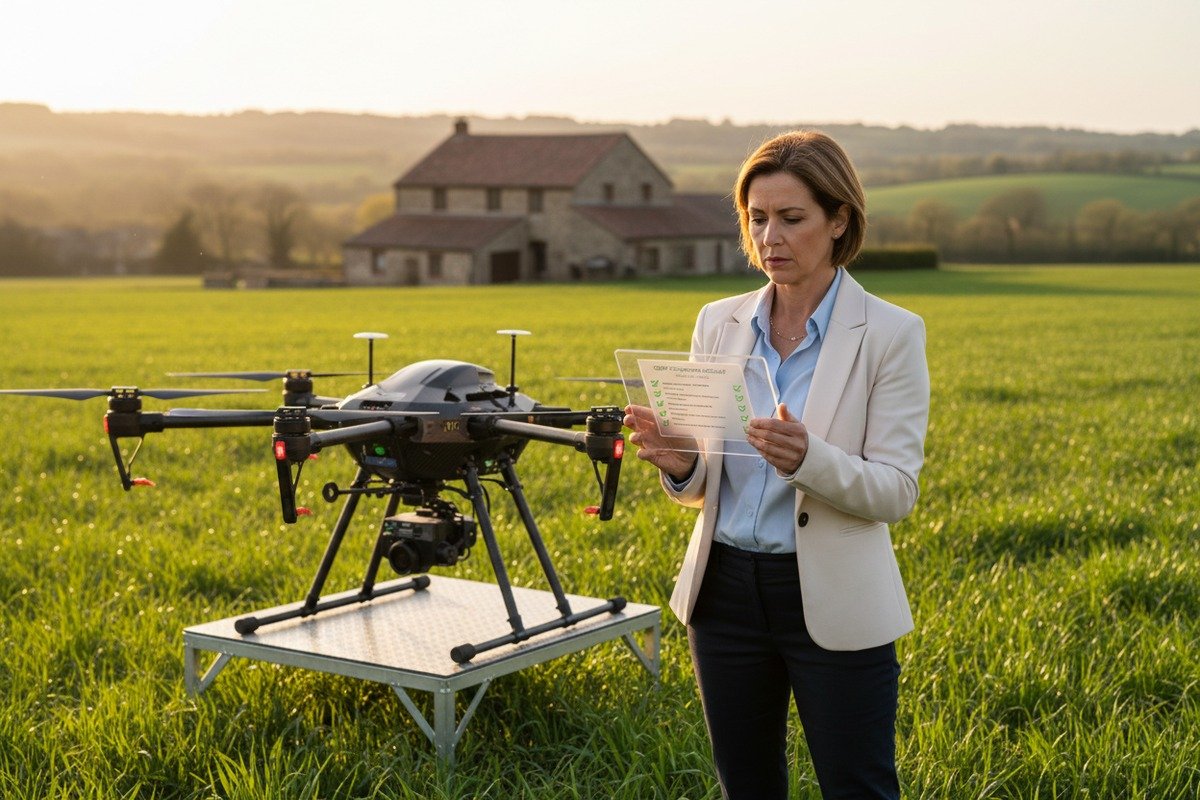
Jeden Tag sehen wir auf unserer Produktionsfläche, wie die Bestellungen für Agrardrohnen wachsen. Aber viele Käufer übersehen ein kritisches Problem. Ihre neue Drohne könnte Bilder von Landarbeitern, Nachbarn oder Fahrzeugen aufnehmen. Dies löst DSGVO-Compliance-Anforderungen aus 1 die zu hohen Geldstrafen führen können.
Beim Kauf von Agrardrohnen müssen Sie die DSGVO-Datenschutzbestimmungen berücksichtigen, einschließlich des Speicherorts von Flugdaten, Klauseln zum Eigentum an Daten durch den Anbieter, Anonymisierungsfunktionen, Datenschutz-Folgenabschätzungen, Mechanismen für grenzüberschreitende Datenübertragungen und Cybersicherheitsmaßnahmen zum Schutz aller personenbezogenen Daten, die unbeabsichtigt während des Betriebs erfasst werden.
Lassen Sie mich Ihnen die wichtigsten Datenschutzbedenken erläutern, mit denen unsere europäischen Kunden konfrontiert sind. Diese Erkenntnisse stammen aus jahrelanger Erfahrung, in der wir Händler bei der Bewältigung komplexer Vorschriften unterstützt haben.
Wie kann ich sicherstellen, dass die von meinen Agrardrohnen gesammelten Flugdaten DSGVO-konform gespeichert werden?
Wenn wir Flugsteuerungen in unserer Einrichtung kalibrieren, erinnern wir die Kunden immer an die Datenspeicherung. Viele gehen davon aus, dass Erntedaten harmlos sind. Aber ein Bild des Gesichts eines Landarbeiters ändert alles. Plötzlich sind Sie ein DSGVO-Datenverantwortlicher 2 mit ernsthaften Verpflichtungen.
Um die DSGVO-konforme Speicherung von Flugdaten zu gewährleisten, müssen Sie Daten auf Servern innerhalb der EU/des EWR speichern oder genehmigte Übertragungsmechanismen nutzen, Verschlüsselung im Ruhezustand und während der Übertragung implementieren, strenge Aufbewahrungsgrenzen festlegen, erfasste personenbezogene Daten anonymisieren und detaillierte Aufzeichnungen aller Verarbeitungstätigkeiten führen.
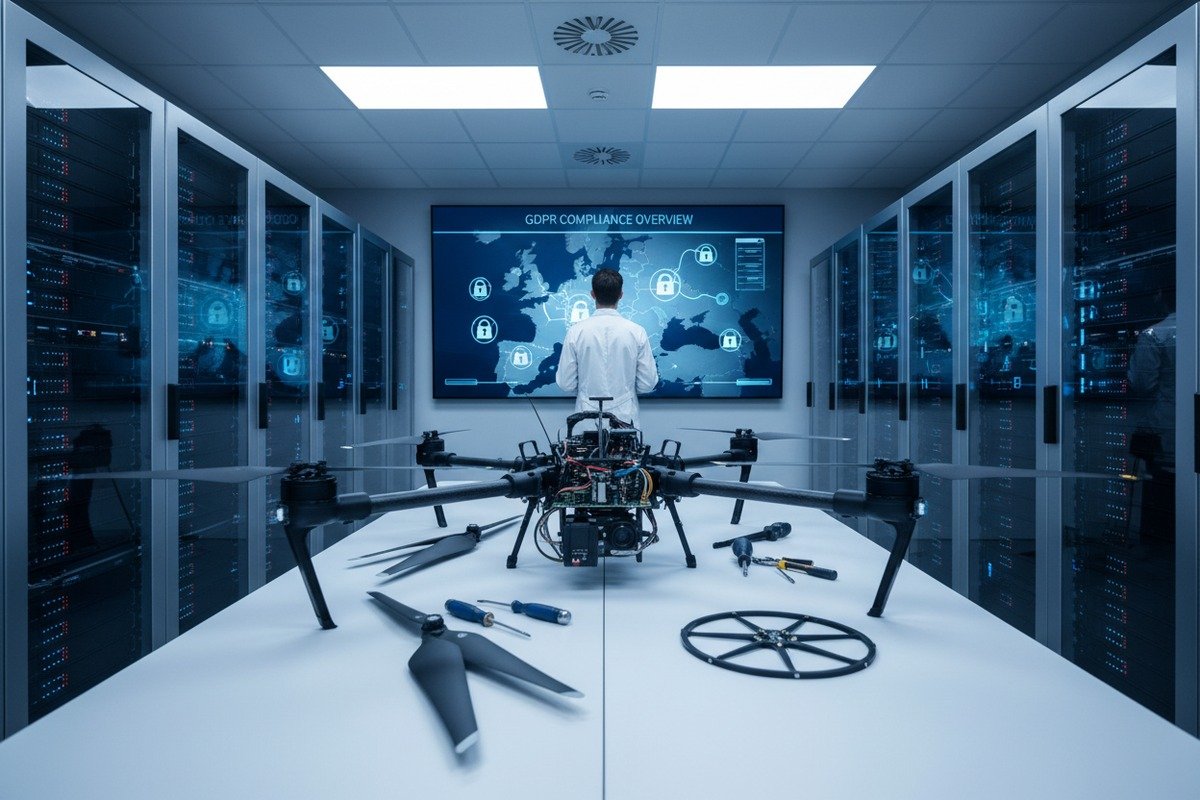
Verstehen, welche Daten Ihre Drohne tatsächlich sammelt
Die meisten Agrardrohnen erfassen mehr als nur Bilder der Pflanzen Gesundheit. Unser Ingenieurteam hat festgestellt, dass Standardflüge unbeabsichtigt Folgendes aufzeichnen können:
- Gesichter von Landarbeitern auf Feldern
- Kennzeichen von Fahrzeugen auf nahegelegenen Straßen
- Bilder von Nachbargrundstücken
- GPS-Koordinaten, die mit identifizierbaren Orten verknüpft sind
Reine landwirtschaftliche Daten wie NDVI-Indizes oder Bodenfeuchtigkeitsmessungen sind nicht personenbezogen. Die DSGVO gilt für sie nicht. Aber gemischte Aufnahmen mit personenbezogenen Elementen bringen volle Compliance-Verpflichtungen mit sich.
Anforderungen an den Speicherort
Die DSGVO verlangt personenbezogene Daten 3 innerhalb der EU/des EWR zu bleiben, es sei denn, es bestehen spezifische Schutzmaßnahmen. Hier ist, was Sie überprüfen müssen:
| Speicheraspekt | DSGVO-Anforderung | Maßnahmen für Käufer |
|---|---|---|
| Serverstandort | EU/EWR bevorzugt | Bestätigen Sie, dass der Cloud-Anbieter EU-Rechenzentren hat |
| Datentransfers | Angemessenheitsbeschluss oder SCCs erforderlich | Fordern Sie Dokumentation vom Anbieter an |
| Unterauftragnehmer | Müssen offengelegt und konform sein | Überprüfen Sie alle Drittparteien in der Datenkette |
| Zugriffskontrollen | Beschränkt auf autorisiertes Personal | Implementieren Sie rollenbasierte Berechtigungen |
Technische Sicherheitsmaßnahmen
Unsere Kunden, die an Regierungsbehörden verkaufen, unterliegen einer strengeren Überprüfung. Sie benötigen robuste technische Schutzmaßnahmen:
Verschlüsselung: Alle Flugdaten müssen während der Übertragung und Speicherung verschlüsselt werden. AES-256 ist der aktuelle Standard.
Zugriffsverwaltung: Verwenden Sie Multi-Faktor-Authentifizierung für jeden, der auf Drohnendaten-Systeme zugreift.
Audit-Protokolle: Führen Sie Aufzeichnungen darüber, wer wann auf welche Daten zugegriffen hat. Dies beweist die Einhaltung von Vorschriften bei Inspektionen.
Datenspeicherung: Legen Sie automatische Löschungspläne fest. Die meisten landwirtschaftlichen Zwecke erfordern Daten nur für eine Anbausaison. Längere Aufbewahrung ohne Rechtfertigung verstößt gegen den Grundsatz der Speicherbegrenzung der DSGVO.
Anbieter-Cloud vs. private Infrastruktur
Viele Drohnenhersteller drängen auf ihre proprietären Cloud-Plattformen. Dies wirft Bedenken auf. Sie könnten die Kontrolle darüber verlieren, wo Ihre Daten tatsächlich gespeichert werden. Wir bieten unseren Kunden die Wahl, ihre eigene sichere Infrastruktur zu nutzen. Dies gibt ihnen die vollständige Kontrolle über die Einhaltung der Speicherbestimmungen.
Nach unserer Erfahrung mit europäischen Händlern verursacht die Datenhoheit die meisten Streitigkeiten. Verträge enthalten oft alarmierende Klauseln. Diese geben Herstellern weitreichende Rechte zur Nutzung Ihrer Farmdaten. Klauseln zur Datenhoheit 4 Manchmal teilen sie diese mit Dritten, die Sie nie genehmigt haben.
Um unbefugten Zugriff von Herstellern auf Ihre Daten zu verhindern, müssen Sie klare Klauseln zur Datenhoheit in Kaufverträgen aushandeln, technische Dokumentationen anfordern, die die Datenflussarchitektur zeigen, Telemetriefunktionen deaktivieren, die automatisch auf Server des Anbieters hochladen, Netzwerksegmentierung implementieren und regelmäßige Sicherheitsüberprüfungen aller verbundenen Systeme durchführen.
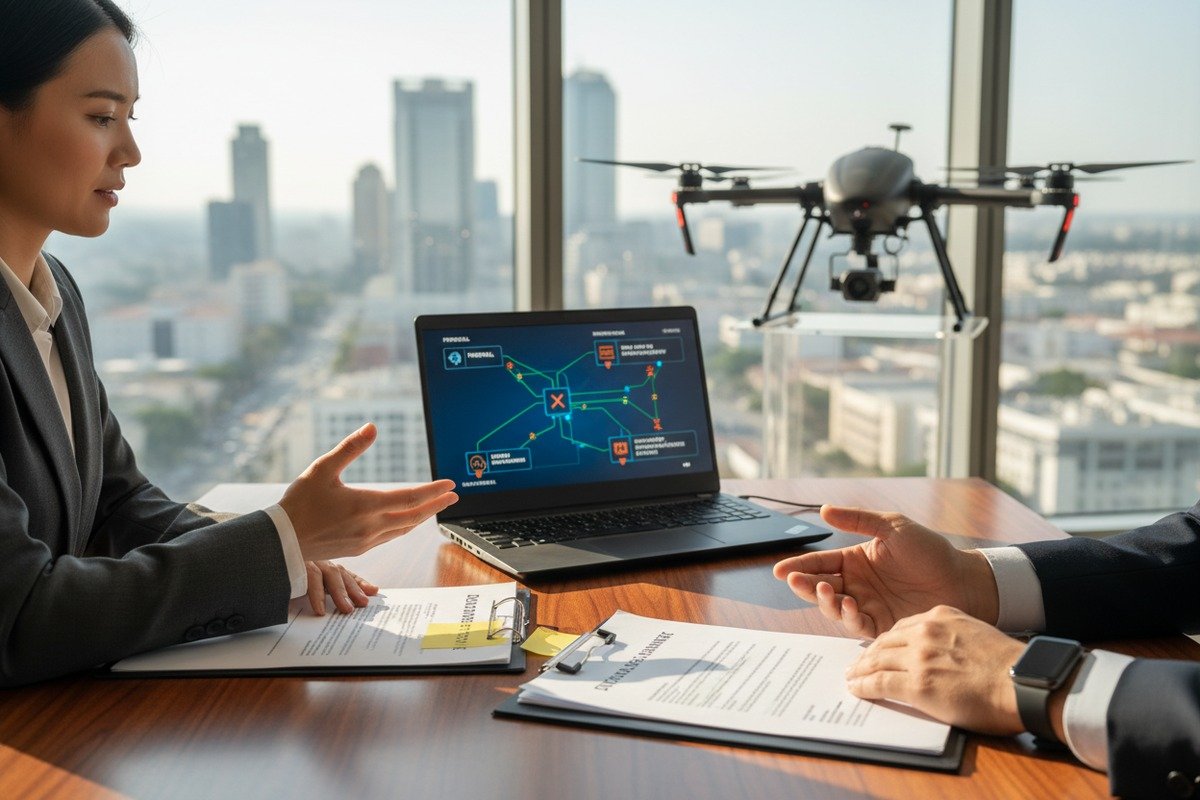
Das Kleingedruckte in Anbieterverträgen lesen
Bevor Sie eine Kaufvereinbarung unterzeichnen, prüfen Sie diese kritischen Abschnitte:
| Vertragselement | Warnhinweise | Was zu verhandeln ist |
|---|---|---|
| Datenhoheit | "Der Anbieter behält sich die Rechte an allen gesammelten Daten vor" | "Der Kunde besitzt alle vom Gerät generierten Daten" |
| Nutzungsrechte | "Dürfen Daten zur Verbesserung von Diensten verwenden" | Spezifische, begrenzte Zwecke nur mit Zustimmung |
| Weitergabe an Dritte | "Dürfen Daten mit Partnern und verbundenen Unternehmen teilen" | Explizites Verbot ohne schriftliche Genehmigung |
| Datenspeicherung | Undefiniert oder "unbegrenzt" | Klare Löschfristen nach Vertragsende |
| Prüfungsrechte | Nicht erwähnt | Recht zur Prüfung der Datenverarbeitungspraktiken des Anbieters |
Technische Maßnahmen zum Datenschutz
Unser Ingenieurteam empfiehlt mehrere technische Ansätze:
Netzwerkisolierung: Halten Sie Drohnensteuerungssysteme in einem separaten Netzwerksegment. Dies verhindert unbefugte Datenexfiltration zu Hersteller-Servern.
Firewall-Regeln: Blockieren Sie ausgehende Verbindungen zu Telemetrie-Endpunkten des Anbieters, es sei denn, Sie genehmigen sie ausdrücklich.
Lokale Verarbeitung: Wählen Sie Drohnen, die Daten auf dem Gerät oder auf Ihren lokalen Servern verarbeiten können. Dies reduziert Angriffsflächen.
API-Zugriffskontrollen: Wenn Sie Analyseplattformen von Anbietern nutzen, beschränken Sie API-Berechtigungen auf die minimal notwendigen Funktionen.
Verständnis der Datenflussarchitektur
Bitten Sie Ihren Lieferanten, ein vollständiges Datenflussdiagramm 5. bereitzustellen. Dieses sollte Folgendes zeigen:
- Welche Daten die Drohne erfasst
- Wohin sie unmittelbar nach der Erfassung gelangt
- Welche Server sie verarbeiten
- Wer in jeder Phase Zugriff hat
- Wie lange sie an jedem Ort verbleibt
Wenn wir Systeme für datenschutzbewusste Kunden entwerfen, erstellen wir detaillierte Dokumentationen. Diese Transparenz schafft Vertrauen und beweist die Einhaltung von Vorschriften.
Regelmäßige Sicherheitsüberprüfungen
Planen Sie regelmäßige Überprüfungen Ihres Drohnendaten-Ökosystems. Prüfen Sie auf:
- Unbefugte Verbindungen zu externen Servern
- Änderungen der Datenschutzrichtlinien von Anbietern
- Neue Firmware-Funktionen, die die Datenerfassung erweitern
- Ungewöhnlich erscheinende Zugriffsmuster des Personals
Einer unserer Kunden entdeckte, dass sein früherer Drohnenlieferant Feldaufnahmen ohne Offenlegung auf Server hochlud. Regelmäßige Audits deckten dies auf, bevor es zu einer Compliance-Katastrophe wurde.
Kann ich eine kundenspezifische Softwareentwicklung anfordern, um meine Drohnenoperationen vollständig in meiner eigenen sicheren privaten Cloud zu halten?
Aus der Sicht unserer F&E-Abteilung taucht diese Frage monatlich auf. Insbesondere Regierungsauftragnehmer benötigen diese Fähigkeit. Sie können es sich nicht leisten, dass sensible Daten externe Server berühren. Die Antwort ist ja, aber es erfordert den richtigen Fertigungspartner.
Ja, Sie können kundenspezifische Softwareentwicklung für den Betrieb in privaten Clouds anfordern. Dies erfordert die Auswahl eines Herstellers, der OEM-Dienste mit Quellcodezugriff, API-Dokumentation und technischem Support für die Integration anbietet. Rechnen Sie mit höheren Kosten und längeren Zeitplänen, aber Sie erhalten vollständige Datenhoheit und eine vereinfachte DSGVO-Konformität.

Welche kundenspezifischen Entwicklungsoptionen gibt es?
Nicht alle Drohnenhersteller bieten die gleiche Flexibilität. Hier ist ein Vergleich der typischen Optionen:
| Entwicklungsoption | Datenkontrollstufe | Typischer Kostenaufschlag | Implementierungszeit |
|---|---|---|---|
| Standardprodukt | Niedrig – nur Anbieter-Cloud | Basislinie | Unmittelbar |
| Konfigurierbare Cloud | Mittel – Serverregion wählen | 10-20% | 2-4 Wochen |
| Private Cloud-Integration | Hoch – Ihre Infrastruktur | 30-50% | 2-3 Monate |
| Vollständige kundenspezifische Entwicklung | Vollständig – Ihr Code, Ihre Server | 100%+ | 6-12 Monate |
Technische Anforderungen für die Einrichtung einer privaten Cloud
Wenn wir mit Kunden an privaten Cloud-Integrationen arbeiten 6, adressieren wir diese Komponenten:
Bodenkontrollsoftware: Muss benutzerdefinierte Server-Endpunkte unterstützen. Unsere Lösungen ermöglichen es Kunden, alle Daten-Uploads auf ihre eigene Infrastruktur zu leiten.
Flugsteuerungsfirmware: Benötigt Modifikationen, um die Standardtelemetrie zu deaktivieren. Dies verhindert versehentliche Datenlecks.
Analyseplattform: Lizenzieren Sie Software von Drittanbietern für die On-Premise-Installation oder entwickeln Sie benutzerdefinierte Tools mit den bereitgestellten APIs.
Mobile Anwendungen: Benutzerdefinierte Builds, die nur mit Kundenservern kommunizieren, nicht mit öffentlicher App-Infrastruktur.
Vorteile des Private-Cloud-Betriebs
Für die DSGVO-Konformität bietet die private Cloud klare Vorteile:
- Vollständige Kontrolle: Sie entscheiden, wohin jedes Byte an Daten fließt
- Vereinfachte Compliance: Keine Notwendigkeit, Drittanbieter zu überprüfen
- Einfachere Audits: Alle Systeme stehen unter Ihrer direkten Aufsicht
- Keine Anbieterbindung: Wechseln Sie die Hardware, ohne Ihr Daten-Ökosystem zu verlieren
- Benutzerdefinierte Aufbewahrung: Implementieren Sie die genauen Richtlinien, die Ihre Aufsichtsbehörden verlangen
Zusammenarbeit mit Ihrem Hersteller
Unser kollaborativer Entwicklungsprozess umfasst typischerweise:
Entdeckungsphase: Wir dokumentieren Ihre genauen Compliance-Anforderungen und Infrastrukturfähigkeiten.
Architekturdesign: Unsere Ingenieure erstellen ein System, das Ihre Datenschutzbedürfnisse erfüllt und gleichzeitig die volle Funktionalität der Drohne beibehält.
Entwicklungs-Sprint: Benutzerdefinierte Firmware- und Softwaremodifikationen erfolgen mit regelmäßigen Kundenüberprüfungen.
Prüfung: Strenge Überprüfung, dass keine Daten an unbeabsichtigte Ziele gelangen.
Bereitstellungsunterstützung: Vor-Ort- oder Fernunterstützung zur Gewährleistung einer reibungslosen Integration.
Laufende Wartung: Sicherheitspatches und Updates, die Ihre private Infrastruktur respektieren.
Dieser Ansatz ist teurer als der Kauf von Standardlösungen. Aber für Kunden, die Regierungsbehörden beliefern oder hochsensible landwirtschaftliche Betriebe betreiben, eliminiert er erhebliche Compliance-Risiken.
Welche spezifischen Datenschutz-Zertifizierungen sollte ich von meinem Drohnenlieferanten verlangen, um meine lokalen Regierungsauftraggeber zufriedenzustellen?
Wenn unser Vertriebsteam europäische Einkaufsmanager trifft, dominieren Zertifizierungen immer das Gespräch. Regierungskunden haben strenge Anforderungen an Lieferanten. Das Fehlen einer Zertifizierung kann Ihr gesamtes Angebot disqualifizieren. Zu wissen, welche wichtig sind, verhindert verschwendete Mühe.
Für Regierungskunden müssen Drohnenlieferanten die Informationssicherheitszertifizierung nach ISO 27001, die Dokumentation zur Einhaltung der DSGVO, SOC 2 Typ II-Berichte, die CE-Kennzeichnung mit Konformität zur Funkanlagenrichtlinie und länderspezifische Zertifizierungen wie die deutschen BSI-Standards oder die französischen ANSSI-Richtlinien nachweisen. Fordern Sie schriftliche Nachweise über regelmäßige unabhängige Audits an.

Wesentliche Zertifizierungen für den EU-Regierungsverkauf
| Zertifizierung | Was wird abgedeckt? | Warum Regierungskunden es brauchen |
|---|---|---|
| ISO 27001 | Informationssicherheitsmanagement | Beweist systematischen Ansatz zum Datenschutz |
| SOC 2 Typ II | Sicherheit, Verfügbarkeit, Verarbeitungsintegrität | Zeigt laufende operative Kontrollen |
| CE-Kennzeichnung | Produktsicherheit und Compliance | Gesetzliche Anforderung für den EU-Markt |
| DSGVO-Dokumentation | Konformität bei der Verarbeitung personenbezogener Daten | Zeigt die Einhaltung spezifischer Datenschutzgesetze an |
| EASA-Konformität | Luftfahrtsicherheitsstandards | Erforderlich für kommerzielle Drohnenbetriebe |
Verständnis von ISO 27001 im Drohnenkontext
ISO 27001-Zertifizierung 7 teilt Ihnen mit, dass der Lieferant über ein formelles Informationssicherheitsmanagementsystem verfügt. Für Drohnenhersteller sollte dies umfassen:
- Sichere Entwicklungspraktiken für Firmware und Software
- Zugriffskontrollen für Kundendaten
- Verfahren zur Reaktion auf Vorfälle bei Verstößen
- Regelmäßige Schwachstellenbewertungen
- Sicherheitsschulung für Mitarbeiter
Als wir unsere ISO 27001-Zertifizierung erhielten, prüften die Auditoren jeden Prozess, der Kundendaten berührt. Dies umfasst Design, Herstellung, Support und Cloud-Dienste.
SOC 2-Berichte erklärt
SOC 2 Typ II-Berichte 8 gehen über ISO 27001 hinaus. Sie bestätigen, dass Kontrollen im Laufe der Zeit tatsächlich funktionieren und nicht nur, dass Richtlinien existieren. Fragen Sie nach:
- Abgedeckte Trust Service Criteria: Sicherheit ist obligatorisch; Datenschutz ist hochrelevant
- Berichtszeitraum: Sollte aktuell sein, idealerweise innerhalb der letzten 12 Monate
- Ausnahmen vermerkt: Alle Feststellungen, die Ihre Compliance beeinträchtigen könnten
Länderspezifische Anforderungen
Unterschiedliche EU-Mitgliedstaaten fügen lokale Anforderungen hinzu:
Deutschland: BSI (Bundesamt für Sicherheit in der Informationstechnik) Standards können für Regierungsaufträge gelten. Suchen Sie nach Lieferanten, die mit der IT-Grundschutz-Methodik vertraut sind.
Frankreich: ANSSI (Nationale Agentur für Cybersicherheit) Zertifizierung kann erforderlich sein. SecNumCloud für Cloud-Dienste wird immer wichtiger.
Niederlande: Logius-Standards für die IT-Beschaffung der Regierung fügen spezifische Anforderungen hinzu.
Dokumentation, die Sie anfordern sollten
Über Zertifizierungen hinaus fragen Sie Lieferanten nach:
- Datenverarbeitungsvertrag (DVV): DSGVO-konformes Muster, unterschriftsreif
- Datenschutz-Folgenabschätzung: Ihre Analyse der Datenschutzrisiken in ihren Produkten
- Liste der Unterauftragnehmer: Alle Drittparteien, die möglicherweise auf Ihre Daten zugreifen
- Sicherheits-Whitepaper: Technische Details ihrer Schutzmaßnahmen
- Prüfungsrechte-Klausel: Ihre Fähigkeit, deren Compliance-Behauptungen zu überprüfen
Due-Diligence-Checkliste
Unsere kundenorientierten Regierungskunden nutzen diesen Verifizierungsprozess:
Erste Anfrage: Senden Sie einen formellen Fragebogen, der alle Zertifizierungsanforderungen abdeckt.
Dokumentenprüfung: Lassen Sie die bereitgestellten Nachweise von Rechts- und IT-Teams prüfen.
Referenzprüfung: Kontaktieren Sie andere Regierungskunden des Lieferanten.
Technische Bewertung: Führen Sie, wenn möglich, Sicherheitstests an Demogeräten durch.
Vertragsverhandlung: Vereinbaren Sie Compliance-Garantien und Anforderungen zur Meldung von Verstößen.
Dieser gründliche Ansatz schützt Sie vor Lieferanten, die Compliance behaupten, aber nicht nachweisen können. Wir begrüßen eine solche Prüfung, da sie unser echtes Engagement für den Datenschutz unter Beweis stellt.
Schlussfolgerung
Die DSGVO-Konformität beim Kauf von Agrardrohnen erfordert sorgfältige Beachtung der Datenspeicherung, der Verträge mit Anbietern, der Optionen für kundenspezifische Entwicklungen und der ordnungsgemäßen Zertifizierungen. Unser Team hilft Kunden täglich bei der Bewältigung dieser komplexen Anforderungen. Der richtige Ansatz schützt Ihr Unternehmen und erfüllt die Anforderungen anspruchsvoller staatlicher Kunden.
Fußnoten
1. Ersetzt durch eine offizielle EU-Quelle, die einen Überblick über die Anforderungen an die DSGVO-Konformität gibt. ︎
2. Definiert die Rolle und die Verantwortlichkeiten eines Datenverantwortlichen gemäß der DSGVO. ︎
3. Bietet die offizielle Definition und Beispiele für personenbezogene Daten gemäß der DSGVO. ︎
4. Erläutert die Bedeutung und häufige Probleme mit Klauseln zur Datenhoheit in Verträgen. ︎
5. Definiert, was ein Datenflussdiagramm ist und welchen Zweck es bei der Systemanalyse hat. ︎
6. Ersetzt durch einen Artikel, der erklärt, wie private Clouds bereitgestellt und in die bestehende IT-Infrastruktur integriert werden. ︎
7. Ersetzt durch eine maßgebliche Quelle des BSI (British Standards Institution) zu ISO/IEC 27001-Informationssicherheitsmanagementsystemen. ︎
8. Beschreibt den Zweck und den Umfang von SOC 2 Typ II-Berichten für Dienstleistungsorganisationen. ︎

 English
  Español de México
  Deutsch
  Français
  Русский
  العربية
