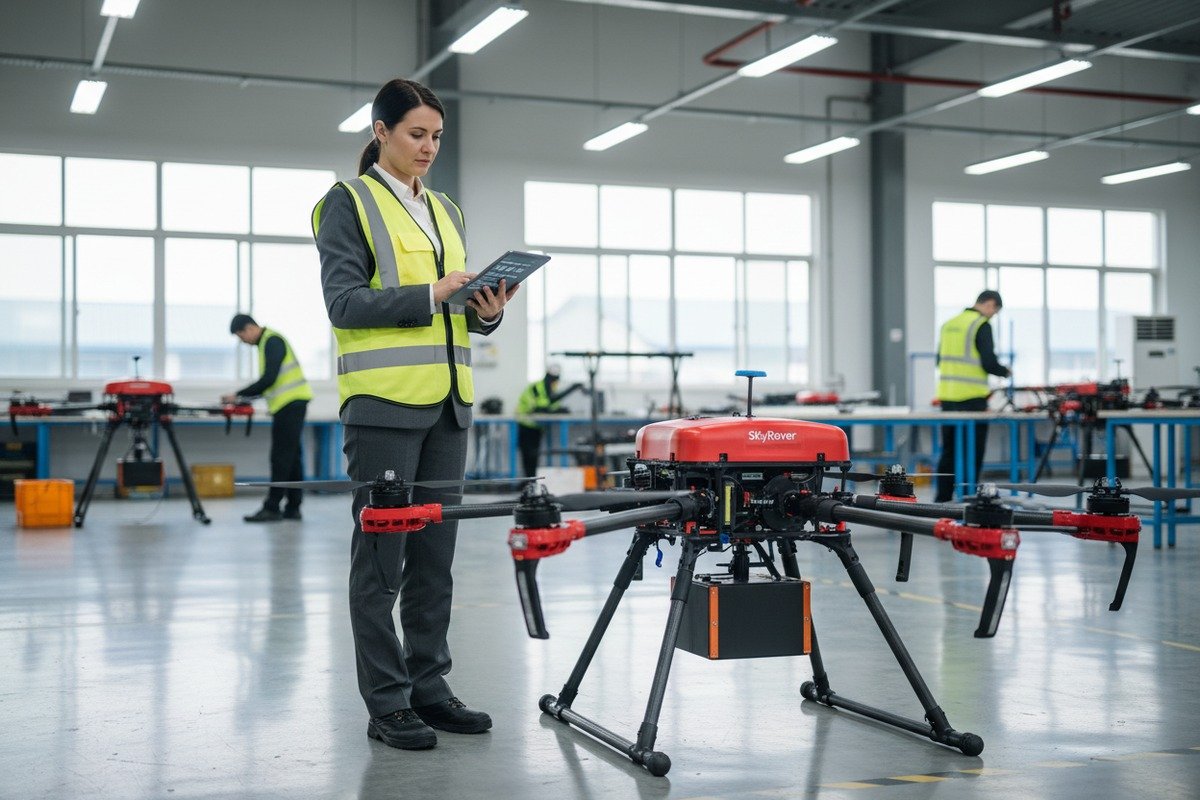
Auf unseren Produktionslinien in Xi'an haben wir erlebt, wie Feuerwehrleute bei kritischen Einsätzen mit Drohnen-Ausfallzeiten zu kämpfen hatten IP-Einstufungen 1. Ein einziger fehlerhafter Sensor kann eine ganze Einheit tagelang lahmlegen. Dieser Frust treibt Einkaufsmanager dazu, nach besseren Lösungen zu suchen.
Um das modulare Design für die Wartung und Aufrüstung von Feuerwehrdrohnen zu bewerten, ermitteln Sie die mittlere Reparaturzeit (MTTR), prüfen Sie die Komponentenstandardisierung, verifizieren Sie die Hot-Swap-Fähigkeit, testen Sie die Haltbarkeit unter extremen Bedingungen und bestätigen Sie die Lieferantendokumentation für Ersatzteile. Diese fünf Kriterien bestimmen den wahren Wert der Modularität.
Diese Anleitung führt Sie durch jeden Bewertungsschritt. Sie lernen praktische Methoden, um Modularitätsansprüche vor dem Kauf zu testen. Beginnen wir mit den Grundlagen.
Wie kann ich beurteilen, ob ein modulares Drohnendesign meine Wartungsstillstandszeiten wirklich verkürzt?
Wenn wir Flugsteuerungen in unserer Anlage kalibrieren, verfolgen wir jede Minute der Wartungszeit. Feuerwehrleute können sich während der Waldbrandsaison keine langen Reparaturen leisten. Die eigentliche Frage ist, ob Modularität ihr Versprechen hält.
Um zu beurteilen, ob ein modulares Drohnendesign die Wartungsstillstandszeiten verkürzt, messen Sie die MTTR durch zeitgesteuerte Komponentenwechsel, überprüfen Sie die werkzeuglose Demontage, prüfen Sie die Zugänglichkeit des Diagnoseanschlusses und bestätigen Sie die Verfügbarkeit von Ersatzteilen. Ziel-MTTR unter 15 Minuten für Akku- und Sensorwechsel.
Verständnis der mittleren Reparaturzeit (MTTR)
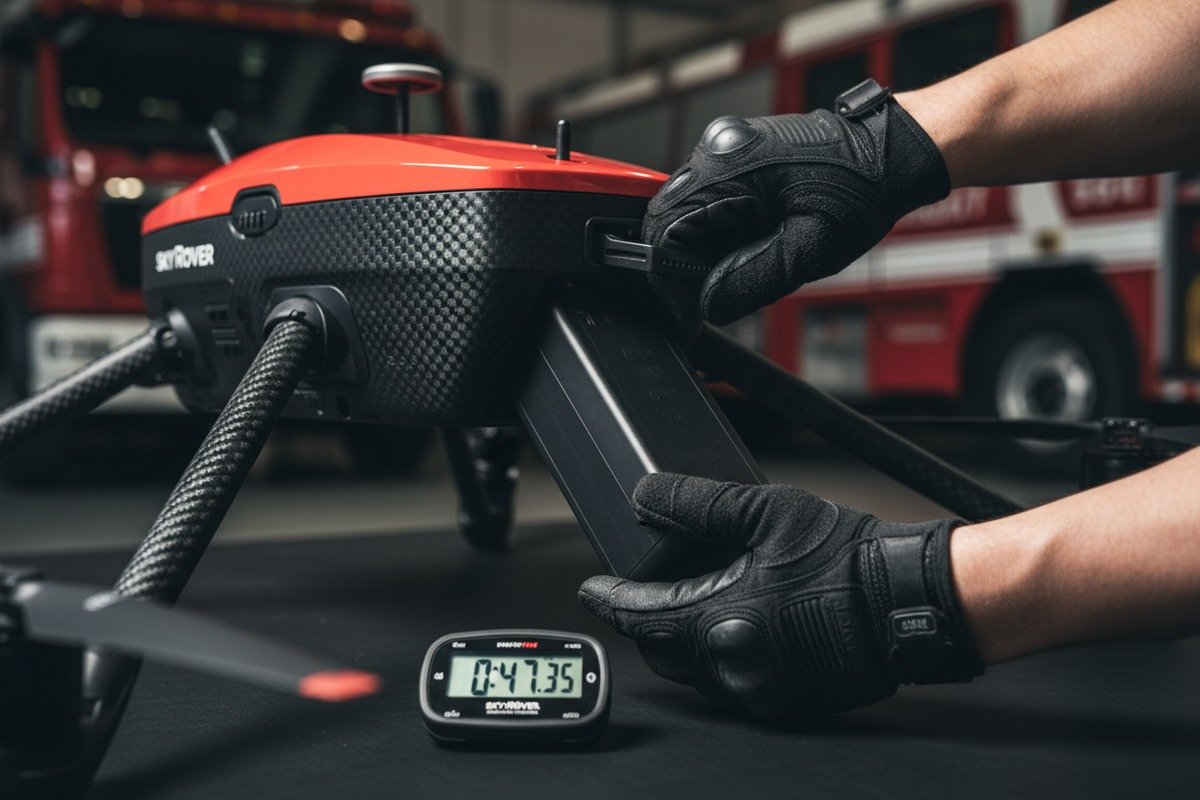
MTTR ist Ihre wichtigste Kennzahl. Sie misst die durchschnittliche Zeit, die benötigt wird, um eine Drohne wieder in den Betriebszustand zu versetzen. mittlere Reparaturzeit (MTTR) 2 Unser Ingenieurteam empfiehlt, dies vor dem Kauf selbst zu testen.
Hier erfahren Sie, wie Sie einen praktischen MTTR-Test durchführen:
- Fordern Sie vom Lieferanten eine Demodrohne an
- Stoppen Sie die Zeit, während Sie Akkus, Kameras und Nutzlastmodule austauschen
- Wiederholen Sie jeden Tausch dreimal und berechnen Sie den Durchschnitt
- Vergleichen Sie die Ergebnisse mit der vom Lieferanten angegebenen MTTR
Eine wirklich modulare Drohne sollte den Austausch von Akkus in weniger als 2 Minuten ermöglichen. Sensorwechsel sollten unter 5 Minuten dauern. Der Austausch von Nutzlastmodulen sollte unter 10 Minuten bleiben.
Wichtige Designmerkmale, die Ausfallzeiten reduzieren
Nicht alle Modularitätsansprüche sind gleich. Achten Sie auf diese spezifischen Merkmale:
| Merkmal | Warum es wichtig ist | Was ist zu prüfen? |
|---|---|---|
| Hot-swappable Batterien 3 | Keine Stromunterbrechung während des Austauschs | Können Sie den Akku im Standby-Modus wechseln? |
| Werkzeuglose Verriegelungen | Kein Suchen nach Werkzeugen im Feld | Sind Schnellverschlüsse robust? |
| Diagnoseanschlüsse | Schnelle Fehlerbehebung | Kann man den BMS-Status sofort ablesen? |
| Farbcodierte Anschlüsse | Verhindert Installationsfehler | Sind die Verbindungen narrensicher? |
| Standardisierte Befestigungspunkte 4 | Universelle Kompatibilität | Passen Zubehörteile von Drittanbietern? |
Echter Vergleich: Modulare vs. integrierte Designs
Wir haben beide Ansätze ausgiebig getestet. Hier sind die Ergebnisse:
| Metrisch | Modular Design | Integriertes Design |
|---|---|---|
| Durchschnittliche MTTR | 8-15 Minuten | 45-120 Minuten |
| Feldreparaturfähigkeit | 85% der Probleme | 20% der Probleme |
| Benötigte Werkzeuge | Keine bis minimale | Spezialwerkzeugkasten |
| Schulungszeit für Techniker | 4-8 Stunden | 40+ Stunden |
| Ersatzteilinventarkosten | Niedriger (standardisiert) | Höher (einzigartige Teile) |
Die Zahlen erzählen eine klare Geschichte. Modulare Designs reduzieren die Reparaturzeit um 40-60%. Dies bedeutet direkt mehr Flugstunden in Notfällen.
Berechnung Ihrer tatsächlichen Ausfallzeitersparnis
Berechnen Sie vor dem Kauf Ihre voraussichtlichen Einsparungen. Verwenden Sie diese Formel:
Jährliche Ausfallkosten = (Durchschnittliche Reparaturen pro Jahr) × (MTTR in Stunden) × (Stündliche Betriebskosten)
Für eine Feuerwehr, die jährlich 200 Einsätze mit 10 erforderlichen Reparaturen durchführt, ist der Unterschied erheblich. Eine modulare Drohne mit 15-minütiger MTTR im Vergleich zu einer integrierten Drohne mit 90-minütiger MTTR spart jährlich über 12 Betriebsstunden.
Welche Funktionen sollte ich überprüfen, um sicherzustellen, dass meine Feuerwehrdrohne mit zukünftigen Sensor-Upgrades kompatibel ist?
Unser F&E-Team entwickelt ständig neue Sensorintegrationen. Wir wissen, dass sich die Feuerlöschtechnologie rasant weiterentwickelt. Ihre Drohneninvestition muss sich an die Innovationen von morgen anpassen.
Stellen Sie die Kompatibilität zukünftiger Sensor-Upgrades sicher, indem Sie eine offene Payload-Bay-Architektur überprüfen, die Standardisierung der elektrischen Schnittstellen prüfen, Pfade für Software-Upgrades bestätigen und die Abwärtskompatibilität testen. Achten Sie auf modulare Nutzlastkapazitäten von 10-25 kg mit universellen Montagesystemen.

Bewertung der Nutzlastschacht-Architektur
Der Nutzlastschacht ist Ihr Upgrade-Gateway. Sein Design bestimmt, welche Sensoren Sie später hinzufügen können. Untersuchen Sie bei der Inspektion einer Drohne folgende Elemente:
Physikalische Kompatibilitätsfaktoren:
- Abmessungen und Muster der Montageschienen
- Maximale Nutzlastgewichtskapazität
- Einstellbereich des Schwerpunkts
- Qualität der Vibrationsisolierung
Schwerlastplattformen wie die YSF-150 bieten eine Gesamtkapazität von 150 kg mit 23 kg pro Löschanlagenmodul. Dieser Spielraum ermöglicht erhebliche zukünftige Upgrades.
Elektrische und Datenschnittstellenstandards
Standardisierte Schnittstellen verhindern Vendor Lock-in. Fragen Sie Lieferanten nach ihren Steckverbindern:
| Schnittstellentyp | Industriestandard | Proprietäres Risiko |
|---|---|---|
| Stromanschlüsse | XT60/XT90 | Niedrig |
| Datenprotokolle | MAVLink 5, DJI SDK | Mittel |
| Videoausgabe | HDMI, IP-Streaming | Niedrig |
| Sensorhalterungen | Picatinny-Schienen | Mittel |
| Gimbal-Schnittstellen | Variiert stark | Hoch |
Fordern Sie Dokumentation zu elektrischen Spezifikationen an. Spannungsbereiche, Stromstärken und Kommunikationsprotokolle sollten klar angegeben sein.
Software-Upgrade-Pfade
Hardware means nothing without software support. Modern firefighting drones integrate AI for real-time fire assessment. Verify these software capabilities:
Essential software features:
- Over-the-Air-Firmware-Updates
- Open API 6 for third-party sensor integration
- Modulare Softwarearchitektur
- Cloud-based flight logging
Drones like the DOFEC series offer onboard AI that adapts to new sensors automatically. This reduces reconfiguration time when upgrading.
Future-Proofing Checklist
Use this checklist when evaluating upgrade potential:
- Does the manufacturer publish interface specifications?
- Are firmware updates free for the drone's expected lifespan?
- Can third-party sensors integrate without voiding warranty?
- Is there a documented upgrade path for the next 3-5 years?
- Does the supplier offer upgrade installation services?
Our experience shows that 70% of new drone models now feature true modularity. However, only about 40% offer genuine open architectures for third-party upgrades.
Sensor Upgrade Cost Analysis
Plan your upgrade budget carefully:
| Sensor-Typ | Typische Kosten | Integrationskomplexität |
|---|---|---|
| Wärmebildkamera-Upgrade | $3,000-8,000 | Niedrig |
| Gasdetektionssensor | $2,000-5,000 | Mittel |
| LiDAR-Mapping-Einheit | $8,000-15,000 | Hoch |
| Fortschrittlicher KI-Prozessor | $4,000-10,000 | Mittel |
| Funkgerät mit erweiterter Reichweite | $1,500-4,000 | Niedrig |
Modulare Drohnen sparen typischerweise 30-50% bei Installations-Upgrades im Vergleich zu integrierten Designs. Die Einsparungen ergeben sich aus reduziertem Arbeitsaufwand und entfallenden Flugwerkmodifikationen.
Wie überprüfe ich die Zuverlässigkeit von modularen Komponenten unter extremen Brandbedingungen?
In unseren Testeinrichtungen simulieren wir raue Umgebungen, denen Drohnen bei tatsächlichen Bränden ausgesetzt sind. Hitze, Rauch, Wasser und Trümmer stellen jede Verbindung auf die Probe. Ihre Bewertung muss diese Extreme berücksichtigen.
Überprüfen Sie die Zuverlässigkeit modularer Komponenten durch Durchführung von Belastungstests unter simulierten Brandbedingungen, Überprüfung der IP-Schutzarten für Wasser- und Staubbeständigkeit, Überprüfung der Betriebstemperaturbereiche (mindestens -20 °C bis 60 °C) und Anforderung von Zyklustestdaten, die eine Haltbarkeit von über 100 Komponentenwechseln zeigen.

Temperatur- und Umgebungsbewertungen
Brandorte stellen extreme thermische Herausforderungen dar. Eine Drohne, die in der Nähe von Flammen schwebt, erfährt schnelle Temperaturschwankungen. Modulare Verbindungen müssen währenddessen ihre Integrität bewahren.
Minimale Umweltspezifikationen für die Brandbekämpfung:
| Parameter | Mindestanforderung | Bevorzugte Spezifikation |
|---|---|---|
| Betriebstemperatur | -10°C bis 50°C | -20°C bis 60°C |
| Wasserbeständigkeit | IP54 | IP67 |
| Staubschutz | IP5X | IP6X |
| Vibrationsfestigkeit | 2G Beschleunigung | 5G Beschleunigung |
| Feuchtigkeitsbereich | 20-80% RH | 10-95% RH |
Die DJI Matrice 300 RTK übersteht beispielsweise Hochtemperaturstandorte mit dokumentierter Leistung. Fordern Sie ähnliche Dokumentationen von jedem Lieferanten an.
Haltbarkeitstests von Steckverbindern und Gelenken
Modulare Gelenke stellen potenzielle Fehlerstellen dar. Unser Qualitätskontrollprozess umfasst strenge Steckverbinderprüfungen. Sie sollten Nachweise anfordern über:
Ergebnisse der Zyklustests:
- Mindestens 100 Einsteck-/Entnahmezyklen für Akkus
- Mindestens 50 Wechselzyklen für Nutzlasten
- Messungen des Kontaktwiderstands der Steckverbinder
- Ermüdungsprüfung des Verriegelungsmechanismus
Einige Kritiker argumentieren, dass modulare Gelenke bei starken Vibrationen oder thermischer Belastung versagen können. Diese Sorge ist bei schlecht konstruierten Systemen berechtigt. Hochwertige modulare Drohnen verwenden Luft- und Raumfahrt-Konnektoren 7 die die Mil-Spec-Anforderungen übertreffen.
Überlegungen zur Haltbarkeit in der Praxis
Wir empfehlen diese praktischen Tests vor dem Kauf:
Protokoll zur Feldsimulation:
- Setzen Sie die Drohne 5 Minuten lang direktem Wassersprühstrahl aus
- Betreiben Sie sie 30 Minuten lang bei Temperaturen über 40 °C
- Setzen Sie sie simulierter Rauchexposition aus
- Führen Sie schnelle Komponentenwechsel durch, während Sie feuerfeste Handschuhe tragen
- Überprüfen Sie alle elektrischen Verbindungen auf Korrosionsbeständigkeit
Dokumentieren Sie alles. Vergleichen Sie Ihre Ergebnisse mit den Herstellerangaben. Abweichungen decken Marketingübertreibungen auf.
Kompromisse zwischen Gewicht und Leistung
Modulare Designs erhöhen das Gewicht durch Steckverbinder und Gehäuse. Dies wirkt sich auf die Flugzeit und die Nutzlastkapazität aus. Hier ist die ehrliche Abwägung:
| Faktor | Modulare Auswirkungen | Strategie zur Risikominderung |
|---|---|---|
| Zusätzliches Gewicht | +5-15% gegenüber integriert | Wählen Sie leichte Steckverbinder-Materialien |
| Flugzeitreduzierung | -5-10% typisch | Wählen Sie Batterien mit höherer Kapazität |
| Risiko von Steckerausfällen | Besteht an jeder Verbindung | Fordern Sie redundante Verbindungsdesigns an |
| Erhöhung der Reparaturgeschwindigkeit | +40-60% schneller | Überwiegt die Gewichtseinbuße für die meisten Benutzer |
Für Feuerwehren mit hohem Einsatzaufkommen überwiegt der Wartungsgeschwindigkeitsvorteil bei weitem die geringe Gewichtseinbuße. Kleine Abteilungen mit begrenzten Einsätzen bevorzugen möglicherweise einfachere integrierte Designs.
BMS und vorausschauende Fehlererkennung
Modern Batteriemanagementsysteme (BMS) 8 verwandeln die Wartung von reaktiv zu vorausschauend. Erweiterte BMS-Funktionen umfassen:
- Echtzeit-Zellspannungsüberwachung
- Erkennung von Temperatur-Anomalien
- Zyklenzählverfolgung
- Restlebensdauer-Schätzung
Diese Systeme können Ausfälle vorhersagen, bevor sie auftreten, und die Batterielebensdauer um 20-30% verlängern. Fragen Sie bei der Bewertung von Drohnen nach BMS-Funktionen und Datenzugänglichkeit.
Kann mein Lieferant die technischen Unterlagen und Teile anbieten, die ich für modulare Reparaturen benötige?
Wenn wir Drohnen in die Vereinigten Staaten und nach Europa versenden, legen wir umfassende Dokumentationspakete bei. Wir verstehen, dass Ihr Wartungsteam klare Anleitungen benötigt. Nicht alle Lieferanten erfüllen diesen Standard.
Überprüfen Sie die Dokumentationsfähigkeit des Lieferanten, indem Sie vollständige Wartungshandbücher, Ersatzteilkataloge mit Preisen, Schaltpläne, Verfahren zur Softwareaktualisierung und Schulungsmaterialien anfordern. Bestätigen Sie Garantien für die Teileverfügbarkeit und maximale Lieferzeiten für kritische Komponenten.
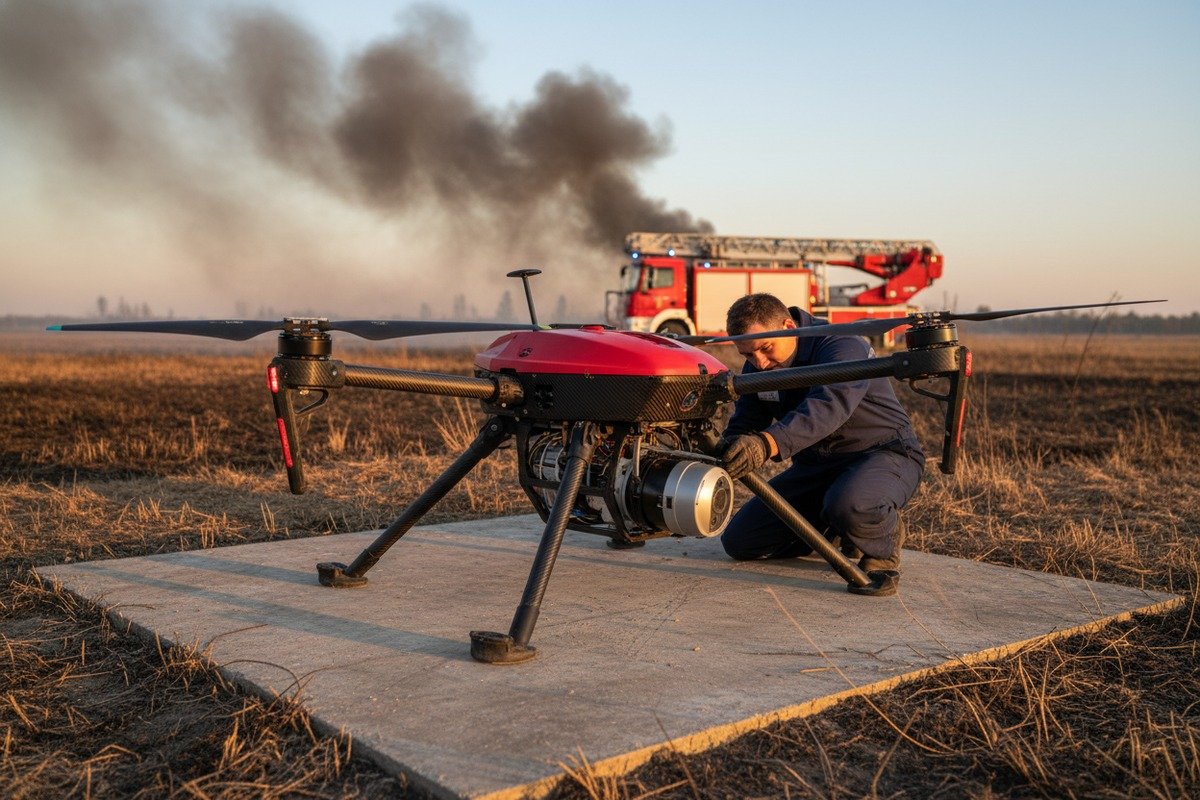
Wesentliche Dokumentationsanforderungen
Bevor Sie einen Kaufvertrag unterzeichnen, fordern Sie diese Dokumente an:
Erforderliches Dokumentationspaket:
- Vollständiges Wartungshandbuch mit Schritt-für-Schritt-Anleitungen
- Explosionszeichnungen mit Teilenummern
- Schaltpläne
- Anleitungen zur Softwareinstallation und -aktualisierung
- Fehlerbehebungsflussdiagramme
- Sicherheitskonformitätszertifikate
Lieferanten, denen diese Dokumentation fehlt, können Ihre Wartungsanforderungen nicht angemessen erfüllen. Verzichten Sie auf unvollständige Angebote.
Bewertung der Ersatzteilverfügbarkeit
Die Teileverfügbarkeit trennt gute von schlechten Lieferanten. Bewerten Sie das Ersatzteilprogramm sorgfältig:
| Bewertungskriterien | Mindeststandard | Idealer Standard |
|---|---|---|
| Vollständigkeit des Ersatzteilkatalogs | 80% der aufgeführten Komponenten | 100% Abdeckung |
| Lagerverfügbarkeit | 60-tägige Lieferung | Versand innerhalb derselben Woche |
| Preistransparenz | Angebot innerhalb von 48 Stunden | Veröffentlichte Preisliste |
| Mindestbestellmengen | Angemessen für kleine Abteilungen | Einzelstückbestellung |
| Teilegarantie | 90 Tage | 1 Jahr |
Fordern Sie vor dem Kauf den Ersatzteilkatalog des Lieferanten an. Ersatzteilkataloge 9 Stellen Sie sicher, dass kritische Komponenten wie Motoren, ESCs und Flugsteuerungen leicht verfügbar sind.
Schulungs- und technischer Support-Bewertung
Ihr Wartungsteam benötigt eine angemessene Schulung. Bewerten Sie die Supportangebote:
Elemente des Schulungsprogramms:
- Erstzertifizierung des Bedieners
- Ausbildung zum Wartungstechniker
- Schulung zur Softwareadministration
- Jährliche Auffrischungskurse
- Fernunterstützung bei der Fehlerbehebung
Unser Unternehmen bietet Lieferung von Tür zu Tür mit Schulungspaketen. Wir bieten auch technischen Fernsupport per Videoanruf an. Dieses Supportniveau sollte Standard sein.
Langfristige Support-Verpflichtungen
Die Drohnentechnologie entwickelt sich schnell. Stellen Sie sicher, dass Ihr Lieferant sich zu langfristigem Support verpflichtet:
Wichtige Fragen, die Sie stellen sollten:
- Wie lange werden Sie Ersatzteile für dieses Modell herstellen?
- Wie lange ist Ihr Zeitplan für die Firmware-Unterstützung?
- Bieten Sie Upgrade-Pfade zu neueren Modellen an?
- Können Sie bei Bedarf Technikerbesuche vor Ort anbieten?
- Welche Reaktionszeitgarantien haben Sie?
Holen Sie sich diese Zusagen schriftlich. Mündliche Zusagen sind wertlos, wenn Ihre Drohne am Boden ist.
Kostenberechnungen für den Besitz
Berechnen Sie die gesamten Wartungskosten über die erwartete Lebensdauer der Drohne:
| Kostenkategorie | Jahr 1 | Jahr 2 | Jahr 3 | Jahr 4 | Jahr 5 |
|---|---|---|---|---|---|
| Geplante Wartung | $500 | $500 | $500 | $500 | $500 |
| Ersatzteile (geschätzt) | $1,000 | $1,500 | $2,000 | $2,500 | $3,000 |
| Schulungsaktualisierungen | $300 | $0 | $300 | $0 | $300 |
| Software-Abonnements | $200 | $200 | $200 | $200 | $200 |
| Jährliche Gesamtsumme | $2,000 | $2,200 | $3,000 | $3,200 | $4,000 |
Modulare Drohnen mit standardisierten Teilen weisen in der Regel 30-40% niedrigere Lebenszykluskosten auf als proprietäre Systeme. Dieser Vorteil wächst bei mehrjähriger Nutzung.
Checkliste zur Lieferantenbewertung
Verwenden Sie diese abschließende Checkliste, um die Fähigkeiten des Lieferanten zu bewerten:
- Vollständige Dokumentation vor dem Kauf
- Ersatzteilkatalog mit transparenten Preisen
- Garantierte Ersatzteilverfügbarkeit für mindestens 5 Jahre
- Schulungsprogramm für Wartungstechniker
- Inklusive Fernwartungssupport
- Klare Garantiebedingungen und Reparaturverfahren
- Exportdokumentation und Zertifizierungsunterstützung
- Referenzen von bestehenden Kunden
Lieferanten, die all diese Kriterien erfüllen, verdienen ernsthafte Beachtung. Diejenigen, die dies nicht können, sollten von Ihrer Bewertung ausgeschlossen werden.
Schlussfolgerung
Die Bewertung des modularen Designs erfordert systematische Tests von MTTR, Upgrade-Kompatibilität, Zuverlässigkeit unter extremen Bedingungen und Lieferantenunterstützung. Fordern Sie praktische Vorführungen und schriftliche Dokumentationen an. Ihre Investition in eine ordnungsgemäße Bewertung heute verhindert kostspielige Betriebsausfälle morgen.
Fußnoten
1. Wikipedia bietet eine umfassende und maßgebliche Erklärung von IP-Schutzarten (Ingress Protection Codes) gemäß der Norm IEC 60529. ︎
2. Bietet eine umfassende Definition und Erklärung von MTTR als wichtiger Wartungsmetrik. ︎
3. Erklärt die Technologie und die Vorteile von Hot-Swap-Akkus für den unterbrechungsfreien Gerätebetrieb. ︎
4. Veranschaulicht die Bedeutung standardisierter Montagesysteme für die Integration verschiedener Drohnen-Nutzlasten und Zubehörteile. ︎
5. Offizieller Entwicklerleitfaden für MAVLink, ein leichtgewichtiges Nachrichtenprotokoll für Drohnen. ︎
6. Definiert Open API und seine Bedeutung für die Ermöglichung von Integrationen von Drittanbieter-Software und Sensoren. ︎
7. Beschreibt die Spezifikationen und die Zuverlässigkeit von Steckverbindern, die für anspruchsvolle Luft- und Raumfahrt- sowie Militäranwendungen entwickelt wurden. ︎
8. Wikipedia bietet einen umfassenden und maßgeblichen Überblick über Batteriemanagementsysteme (BMS), einschließlich ihrer Funktionen, Überwachungsmöglichkeiten und Bedeutung. ︎
9. Hebt die entscheidende Rolle von Ersatzteilkatalogen bei der Rationalisierung der Wartung und der Gewährleistung der Betriebskontinuität hervor. ︎

 English
  Español de México
  Deutsch
  Français
  Русский
  العربية
