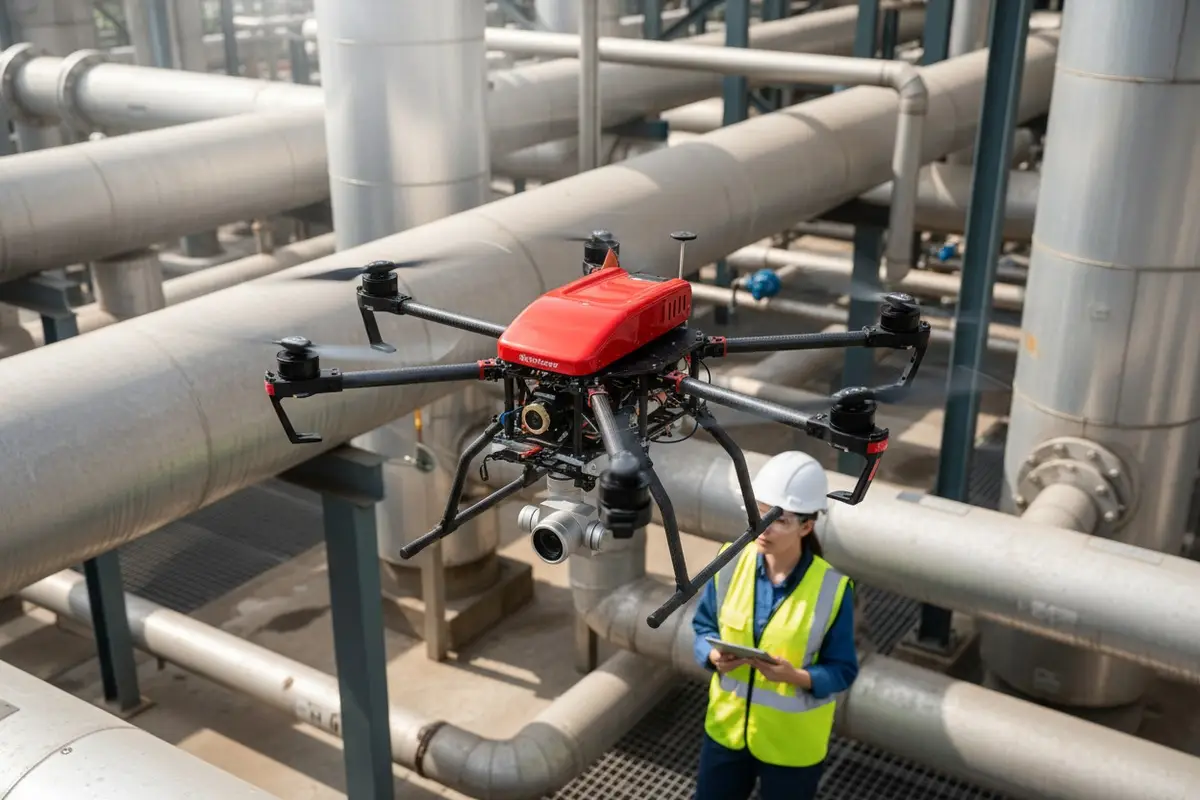
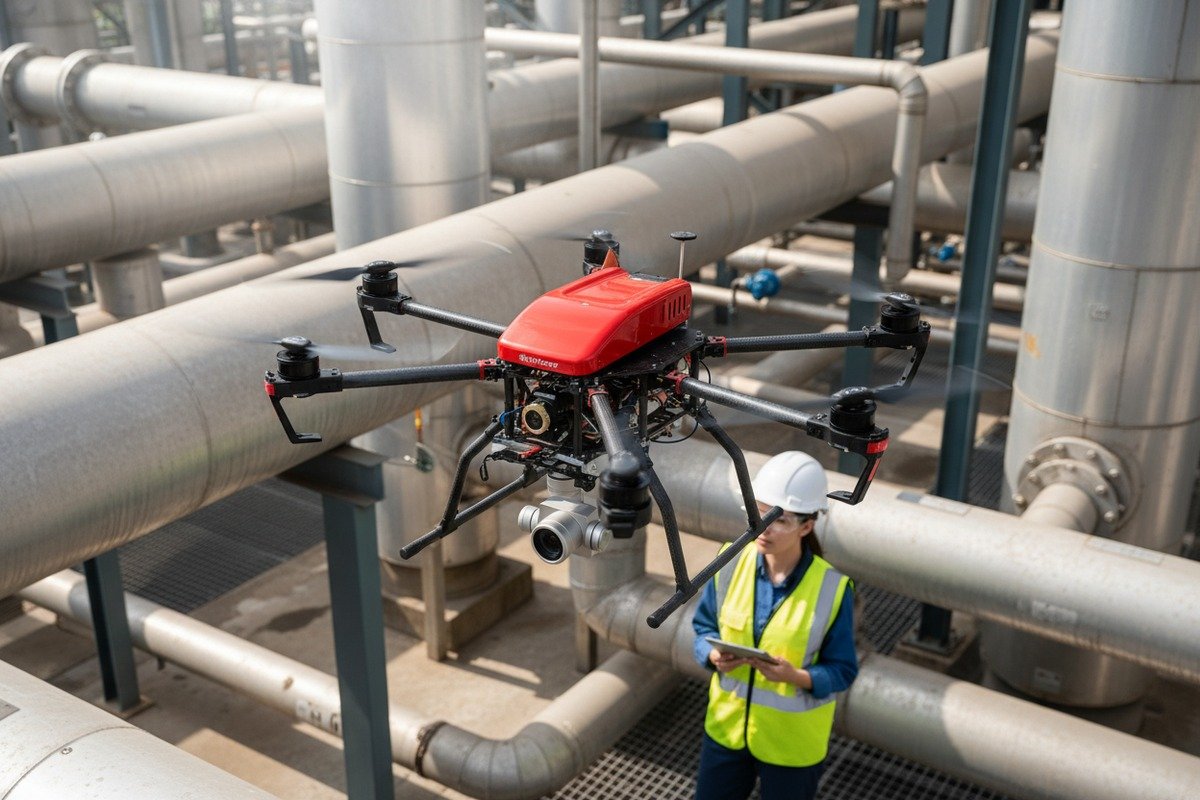
Jede Woche überprüft unser Ingenieurteam Vorfallberichte von Bränden in Chemieanlagen. Eine falsche Abbiegung in der Nähe einer druckbeaufschlagten Pipeline 1 kann eine Katastrophe auslösen. Die Einsätze für eine zuverlässige Hindernisvermeidung sind Leben und Tod.
Um die Zuverlässigkeit der Hindernisvermeidung von Löschdrohnen in Chemieanlagen zu bewerten, testen Sie die Sensorleistung unter Rauch und Hitze, überprüfen Sie die multidirektionale Erfassungsabdeckung, bewerten Sie die KI-Reaktionszeiten auf dynamische Hindernisse, prüfen Sie die Einhaltung industrieller Sicherheitsstandards und validieren Sie die Systemredundanz durch simulierte Gefahrenstoff-Szenarien.
Dieser Leitfaden beschreibt die genauen Schritte, die Sie benötigen. Wir behandeln Sensortechnologien, Testmethoden, erforderliche Dokumentation und Anpassungsoptionen. Tauchen wir ein in das, was für sichere Drohnenoperationen in gefährlichen Umgebungen wirklich zählt.
Wenn wir unsere Flugsteuerungssysteme entwickeln, verbringen wir Monate damit, verschiedene Sensor-Kombinationen zu testen. Chemieanlagen stellen einzigartige Herausforderungen dar. Dichte Rohrleitungen, schwebende Tanks und enge Korridore erfordern präzise Erkennung aus jedem Winkel.
Suchen Sie nach Drohnen, die mit Multi-Sensor-Fusionssystemen ausgestattet sind, die LiDAR, Stereo-Kameras, Ultraschallsensoren und Millimeterwellenradar kombinieren. Diese Technologien müssen eine 360-Grad-Erfassungsabdeckung mit einer Reichweite von mindestens 10-15 Metern bieten, um sicher durch komplexe Rohrleitungssysteme von Chemieanlagen zu navigieren.

Verständnis der Sensor-Fusions-Technologie
Kein einzelner Sensor funktioniert unter allen Bedingungen perfekt. LiDAR 2 zeichnet sich durch die Kartierung fester Strukturen aus, hat aber Schwierigkeiten mit reflektierenden Oberflächen. Kameras liefern reichhaltige visuelle Daten, versagen aber bei Rauch. Ultraschallsensoren erkennen nahe Hindernisse, haben aber eine begrenzte Reichweite. Millimeterwellen-Radar 3 durchdringt Rauch, bietet aber eine geringere Auflösung.
Unsere Ingenieure integrieren mehrere Sensortypen in ein System. Die Flugsteuerung verarbeitet Daten aus allen Quellen gleichzeitig. Dieser Ansatz schafft Redundanz. Wenn ein Sensor ausfällt, kompensieren andere.
Wichtige Sensortypen für die Navigation in Chemieanlagen
| Sensor-Typ | Erfassungsreichweite | Bester Anwendungsfall | Einschränkungen |
|---|---|---|---|
| LiDAR | 15-30 Meter | 3D-Kartierung von Strukturen | Schwierigkeiten mit Glas und Wasser |
| Stereoskopische Sicht | 10-20 Meter | Objekterkennung | Versagt bei schlechten Lichtverhältnissen und Rauch |
| Ultraschall | 1-5 Meter | Nahbereichserkennung | Begrenzte Reichweite, windanfällig |
| Millimeterwellen-Radar | 20-40 Meter | Allwetter-Erkennung | Geringere Auflösung als LiDAR |
| Infrarot | 5-15 Meter | Wärmequellenerkennung | Kann keine kalten Hindernisse erkennen |
Anforderungen an die Erfassungsabdeckung
Sechs-Richtungs-Erfassung ist der Mindeststandard für industrielle Anwendungen. Obere, untere, vordere, hintere, linke und rechte Erfassung verhindert Kollisionen aus jedem Winkel. Einige fortschrittliche Modelle bieten diagonale Erfassungszonen für eine noch bessere Abdeckung.
In unseren Testanlagen simulieren wir Umgebungen von Chemieanlagen mit nachgebildeten Rohrleitungen in verschiedenen Höhen. Drohnen müssen horizontale Rohre in Kopfhöhe und vertikale Steigleitungen vom Boden bis zur Decke erkennen. Das System sollte Hindernisse in mindestens 10 Metern Entfernung erkennen, um eine ausreichende Bremsdistanz zu ermöglichen.
Verarbeitungsgeschwindigkeit ist wichtig
Sensordaten sind ohne schnelle Verarbeitung bedeutungslos. Wenn sich unsere Drohnen mit 5 Metern pro Sekunde Hindernissen nähern, hat das System etwa 2 Sekunden Zeit zum Erkennen, Verarbeiten und Reagieren. Alles Langsamere birgt Kollisionsrisiken.
Achten Sie auf Spezifikationen, die eine Bildwiederholrate der Hinderniserkennung von mindestens 10 Hz zeigen. Das bedeutet, dass das System sein Verständnis der Umgebung 10 Mal pro Sekunde aktualisiert. Höhere Raten ermöglichen eine reibungslosere Navigation in unübersichtlichen Bereichen.
Integration mit Wärme- und Gassensoren
Moderne Feuerwehrdrohnen kombinieren Hindernisvermeidung mit Gefahrstofferkennung 4. Dieselbe Sensoranordnung, die Kollisionen verhindert, kann Gaslecks und Wärmequellen identifizieren. Diese Integration schafft ein vollständiges Situationsbewusstseinspaket.
Bewerten Sie bei der Beurteilung von Drohnen die Datenfreigabe zwischen Navigationssensoren und Nutzlastsensoren. Nahtlose Integration bedeutet, dass die Drohne sowohl physische Hindernisse als auch erkannte chemische Wolen automatisch vermeiden kann.
Wie kann ich testen, ob das Hindernisvermeidungssystem unter starkem Rauch und extremer Hitze zuverlässig bleibt?
Unser Qualitätskontrollteam testet jede Drohne Umgebungsbelastungstests 5 vor dem Versand. Wir haben gelernt, dass Laborleistungen selten den realen Bedingungen entsprechen. Rauch, Hitze und chemische Dämpfe beeinträchtigen die Sensorgenauigkeit auf eine Weise, die Spezifikationen nicht offenlegen.
Testen Sie die Zuverlässigkeit der Hindernisvermeidung durch kontrollierte Rauchkammerversuche, thermische Belastungstests bis zu den Nenn-Temperaturgrenzen der Drohne und simulierte Chemieanlagen-Szenarien mit repräsentativen Hindernissen. Messen Sie die Erkennungsgenauigkeit, die Verschlechterung der Reaktionszeit und die Fehlalarmraten unter jeder Bedingung.
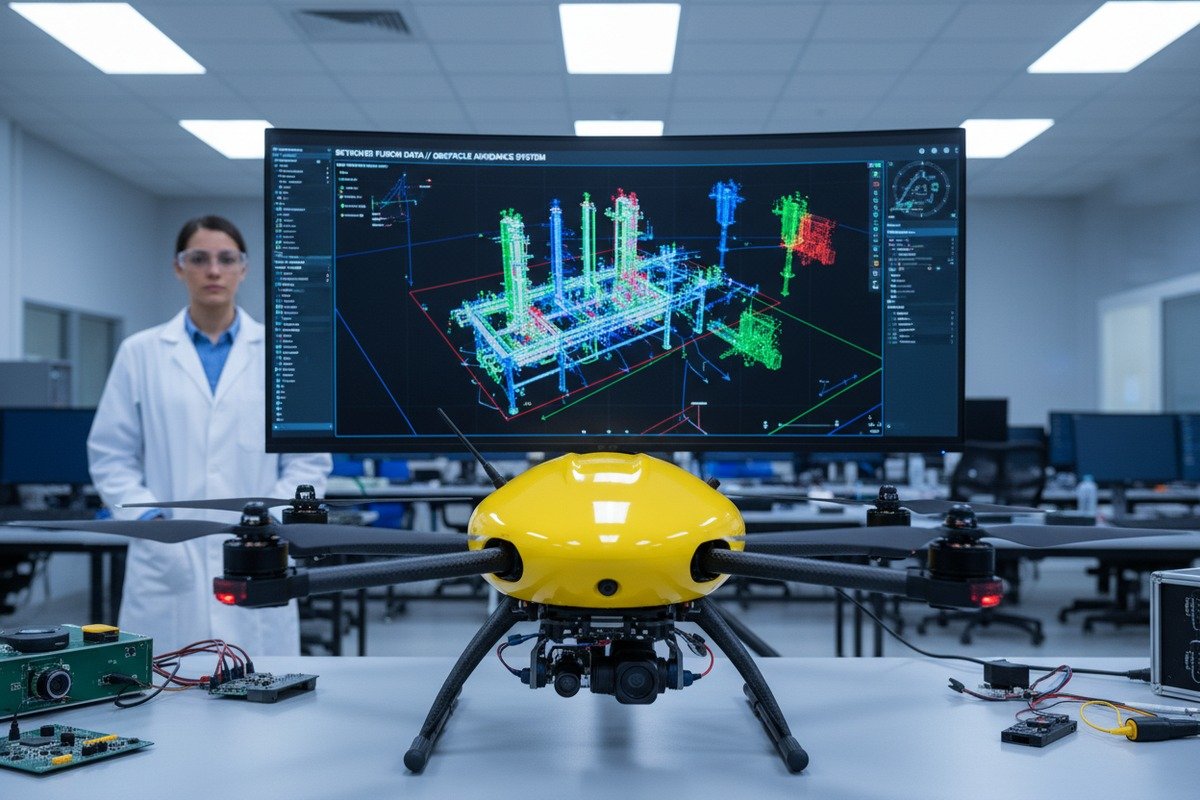
Erstellung eines umfassenden Testprotokolls
Beginnen Sie mit Basistests unter klaren Bedingungen. Erfassen Sie Erkennungsdistanzen, Reaktionszeiten und Navigationsgenauigkeit. Diese Zahlen werden zu Ihrem Referenzpunkt für die Messung der Verschlechterung unter Belastung.
Führen Sie als Nächstes einzelne Variablen ein. Testen Sie nur in Rauch, dann nur in Hitze, dann unter kombinierten Bedingungen. Dieser Ansatz identifiziert, welcher Umweltfaktor den größten Leistungsverlust verursacht.
Rauchtestmethoden
Schaffen Sie kontrollierte Rauchumgebungen mit Theaterrauchmaschinen oder kontrollierten Bränden. Messen Sie die Rauchdichte mit Sichtmessgeräten. Brände in Chemieanlagen erzeugen Rauch mit spezifischen Eigenschaften. Ölbasierter Rauch verhält sich anders als Holzrauch.
| Rauchdichte | Sichtbarkeit | Erwartete Sensorwirkung | Testdauer |
|---|---|---|---|
| Licht | 10+ Meter | Minimale Verschlechterung | 15 Minuten |
| Mäßig | 5-10 Meter | Kamerasysteme betroffen | 15 Minuten |
| Schwer | 2-5 Meter | Die meisten optischen Sensoren fallen aus | 10 Minuten |
| Extrem | Unter 2 Meter | Nur Radar/Ultraschall funktioniert | 5 Minuten |
Erfassen Sie die Erkennungsgenauigkeit auf jeder Dichtestufe. Akzeptable Drohnen sollten unter moderaten Rauchbedingungen eine Erkennungsgenauigkeit von mindestens 80% beibehalten.
Thermische Belastungstests
Brände in Chemieanlagen erzeugen extreme Hitze. Oberflächentemperaturen können in der Nähe von aktiven Flammen 200°C überschreiten. Der Drohnenkörper selbst kann bei längeren Einsätzen 60-80°C erreichen.
Testen Sie in Wärmekammern mit schrittweiser Temperaturerhöhung. Überwachen Sie die Sensorgenauigkeit, wenn die Temperaturen steigen. Die meisten optischen Systeme beginnen oberhalb von 50°C zu degradieren. Elektronische Komponenten können oberhalb der Nennwerte Fehlfunktionen aufweisen.
Achten Sie besonders auf die Leistung von LiDAR. Hitzeflimmern erzeugt falsche Messwerte. Das System kann nicht vorhandene Hindernisse erkennen oder reale übersehen. Dieses Phänomen verstärkt sich in der Nähe von Wärmequellen.
Tests zur Simulation realer Umgebungen
Bauen Sie Nachbauten von Chemieanlagen mit repräsentativen Hindernissen. Fügen Sie hängende Rohre in verschiedenen Höhen, vertikale Säulen und enge Passagen hinzu. Fügen Sie Rauchgeneratoren und Wärmequellen hinzu, um Brandbedingungen zu simulieren.
Führen Sie die Drohne mehrmals durch Navigationskurse. Berechnen Sie Kollisionsraten und Beinaheunfälle. Ein zuverlässiges System sollte Kurse ohne Kollision in mindestens 95% der Versuche unter moderaten Stressbedingungen absolvieren.
Dokumentation der Testergebnisse
Erstellen Sie detaillierte Aufzeichnungen aller Tests. Fügen Sie Umgebungsdaten, Drohnenleistungsdaten und alle beobachteten Anomalien hinzu. Diese Dokumentation ist wertvoll für Garantieansprüche, Versicherungszwecke und die Einhaltung von Vorschriften.
Zeichnen Sie alle Tests aus mehreren Blickwinkeln auf Video auf. Das Filmmaterial liefert Beweise für das Systemverhalten, die Daten allein nicht erfassen können. Wir legen Testvideos jeder Drohne bei, die wir an Industriekunden versenden.
Langzeit-Degradationsbewertung
Sensoren erleiden durch wiederholte Exposition Schäden. Rußablagerungen auf Kameralinsen. Temperaturzyklen belasten elektronische Verbindungen. Ätzende Dämpfe greifen Metallkomponenten an.
Führen Sie identische Tests nach 10, 50 und 100 Stunden simulierter Chemieanlagenbetrieb durch. Vergleichen Sie die Ergebnisse mit Basisdaten. Akzeptable Degradationsraten sollten 5% Leistungsverlust pro 50 Betriebsstunden nicht überschreiten.
Welche Dokumentation sollte ich von meinem Hersteller anfordern, um nachzuweisen, dass die Kollisionsvermeidungsfähigkeiten seiner Drohne Industriestandards erfüllen?
Wenn wir Exportdokumentationen für US-amerikanische und europäische Kunden vorbereiten, stellen wir umfangreiche Zertifizierungspakete zusammen. Einkaufsmanager tragen eine erhebliche Haftung, wenn Geräte während Notfällen ausfallen. Eine ordnungsgemäße Dokumentation schützt alle Beteiligten.
Fordern Sie Testberichte von Drittanbietern, Konformitätszertifikate für relevante Standards (ASTM, ISO, IP-Schutzarten), Sensor-Kalibrierungsaufzeichnungen, Dokumentationen zur Fehlerartenanalyse und Leistungsdaten aus simulierten industriellen Szenarien an. Überprüfen Sie, ob die EMV/EMI-Tests den Betrieb in elektromagnetisch dichten Umgebungen bestätigen.
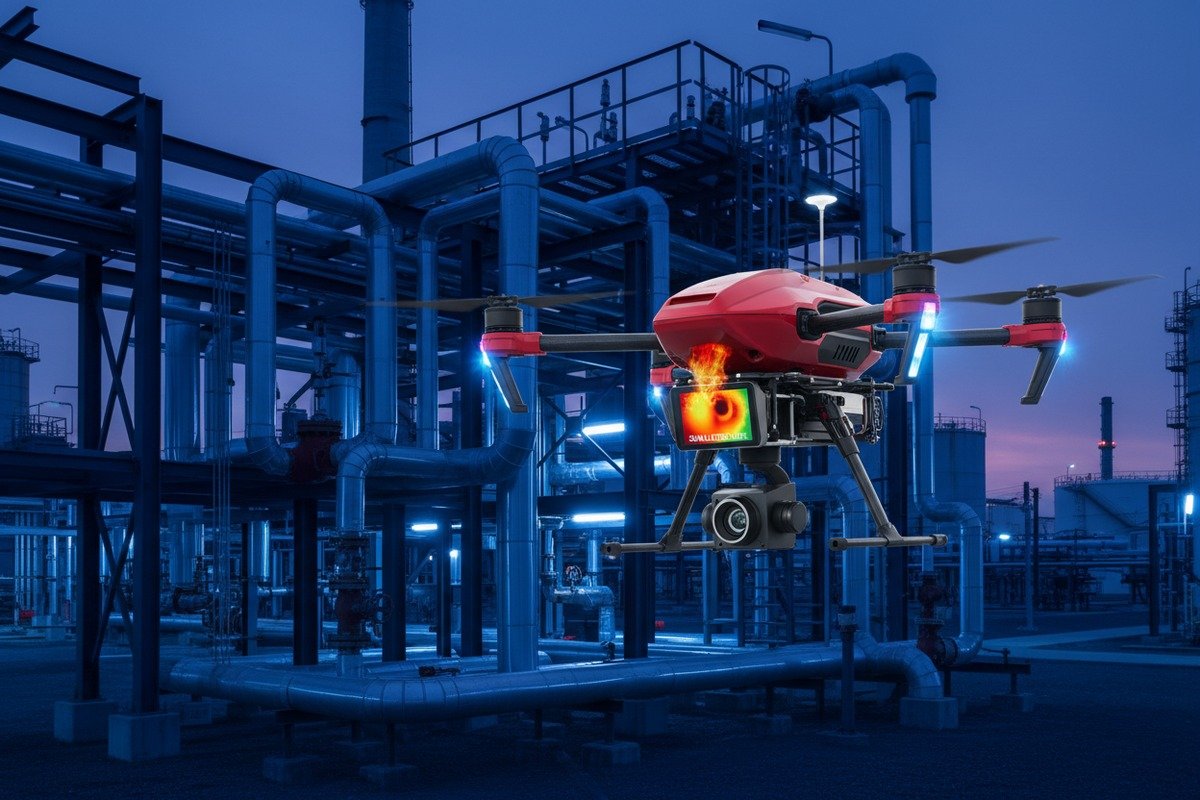
Wesentliche Zertifizierungsdokumente
Unterschiedliche Märkte erfordern unterschiedliche Zertifizierungen. Das Verständnis, welche Dokumente für Ihre Gerichtsbarkeit wichtig sind, verhindert Verzögerungen und gewährleistet die Einhaltung gesetzlicher Vorschriften.
| Dokumenttyp | Zweck | Ausstellende Behörde | Gültigkeitsdauer |
|---|---|---|---|
| CE-Kennzeichnung | Zugang zum europäischen Markt | Benannte Stelle | Unbegrenzt mit Konformität |
| FCC-Zertifizierung | US-Funkfrequenzzulassung | FCC oder akkreditiertes Labor | Laufende Konformität |
| IP-Schutzart-Zertifikat | Umweltschutzniveau | Drittanbieterlabor | Pro Designversion |
| EMV-Prüfbericht | Elektromagnetische Verträglichkeit | Akkreditiertes EMV-Labor | Pro Designversion |
| ASTM-Konformitätsbericht | Luftfahrtsicherheitsstandards | Akkreditierte Prüfeinrichtung | Jährliche Überprüfung |
Verständnis von IP-Schutzarten für Chemieanlagen
IP-Einstufungen 6 zeigen Schutz gegen Staub und Wasser. Chemieanlagen erfordern IP55 oder höher. Die erste Ziffer (5) bedeutet staubgeschützt. Die zweite Ziffer (5) bedeutet Schutz gegen Wasserstrahlen.
Standard-IP-Schutzarten berücksichtigen jedoch keine korrosiven Chemikalien. Fordern Sie zusätzliche Dokumentation an, die die Materialverträglichkeit mit gängigen Industriechemikalien zeigt. Dies beinhaltet die Beständigkeit gegen Säuren, Basen und organische Lösungsmittel.
Drittanbieter-Testberichte
Herstellerangaben erfordern eine unabhängige Überprüfung. Testberichte von Drittanbietern aus akkreditierten Laboren liefern unvoreingenommene Leistungsdaten.
Achten Sie auf Testberichte, die die Genauigkeit der Hinderniserkennung in verschiedenen Entfernungen, Messungen der Reaktionszeit unter verschiedenen Bedingungen sowie Fehlalarmraten (positiv/negativ) abdecken. Berichte sollten Beschreibungen der Testmethodik und der Umgebungsbedingungen während der Tests enthalten.
Kalibrierungsaufzeichnungen für Sensoren
Jeder Sensor muss vor der Installation kalibriert werden. Kalibrierungsaufzeichnungen zeigen, dass die Drohne das Werk mit ordnungsgemäß konfigurierten Sensoren verlassen hat.
Fordern Sie Kalibrierungszertifikate für LiDAR-Einheiten, Kamerasysteme und Näherungssensoren an. Diese Dokumente sollten Kalibrierungsdaten, verwendete Referenzstandards und gemessene Genauigkeitswerte enthalten.
Dokumentation der Fehlerartenanalyse
Hersteller sollten bereitstellen Analyse von Fehlerarten und deren Auswirkungen 7 (FMEA) Dokumentation. Dies zeigt, dass sie potenzielle Fehlerquellen identifiziert und Minderungsstrategien implementiert haben.
Wichtige Fragen, die Sie stellen sollten: Was passiert, wenn der primäre Hindernissensor ausfällt? Wie reagiert das System auf widersprüchliche Sensordaten? Welche Notfallverfahren werden bei Systemfehlfunktionen aktiviert?
EMC/EMI-Testdokumentation
Chemieanlagen enthalten zahlreiche Quellen für elektromagnetische Interferenzen. Motorantriebe, Funkkommunikation und Hochspannungsgeräte schaffen herausfordernde HF-Umgebungen.
EMC-Prüfberichte 8 sollte zeigen, dass die Drohne bei Einwirkung von elektromagnetischen Feldern, die für Industrieumgebungen typisch sind, korrekt funktioniert. EMI-Berichte zeigen, dass die Drohne die Kommunikationssysteme der Anlage nicht stört.
Cybersicherheitsdokumentation
Moderne Drohnen sind vernetzte Geräte. Hindernisvermeidungssysteme basieren auf Software, die kompromittiert werden könnte.
Fordern Sie eine Dokumentation der Cybersicherheitstests an, einschließlich der Ergebnisse von Penetrationstests, Verschlüsselungsstandards für die Datenübertragung und Verfahren für Firmware-Updates. Dies schützt vor Hacking-Versuchen, die Sicherheitssysteme deaktivieren könnten.
Kann ich mit einem Lieferanten zusammenarbeiten, um die Software zur Hindernisvermeidung an die Gefahrenzonenanforderungen meiner spezifischen Einrichtung anzupassen?
Unser Entwicklungsteam arbeitet regelmäßig mit Industriekunden an Anpassungsprojekten zusammen. Die Standard-Hinderniserkennung funktioniert für allgemeine Anwendungen. Chemieanlagen benötigen spezialisierte Konfigurationen, die standortspezifische Gefahren berücksichtigen.
Ja, renommierte Hersteller bieten kundenspezifische Anpassungen der Hindernisvermeidungssoftware an, einschließlich standortspezifischer No-Fly-Zonen, Integration von Chemikalienwolkenvermeidung, benutzerdefinierter Einstellungen für die Erkennungsempfindlichkeit und Abbildung von Anlagenlayouts. Fordern Sie eine technische Beratung an, um Anforderungen zu definieren und Entwicklungszeitpläne und Kosten festzulegen.

Arten verfügbarer Anpassungen
Softwareanpassungen reichen von einfachen Parameteranpassungen bis hin zu vollständigen Algorithmusänderungen. Das Verständnis der Optionen hilft Ihnen, geeignete Lösungen anzufordern.
Integration der Anlagenkartierung
Die häufigste Anpassung besteht darin, die CAD-Zeichnungen 9 Ihrer Anlage in das Drohnennavigationssystem zu laden. Dies gibt der Drohne Vorkenntnisse über permanente Strukturen.
Mit geladenen Anlagenkarten unterscheidet die Drohne zwischen erwarteten Hindernissen (bekannte Rohre und Tanks) und unerwarteten Hindernissen (Trümmer oder Personal). Dies reduziert Fehlalarme und behält gleichzeitig die Empfindlichkeit gegenüber echten Gefahren bei.
Programmierung von Gefahrenzonen
Chemieanlagen haben definierte Gefahrenzonen mit unterschiedlichen Risikostufen. Passen Sie das Verhalten der Drohne für jede Zone an.
| Zonentyp | Risikostufe | Empfohlenes Drohnenverhalten | Anpassungsoptionen |
|---|---|---|---|
| Sichere Zone | Niedrig | Normalbetrieb | Standard-Vermeidung |
| Sperrzone | Mittel | Erhöhte Vorsicht | Erhöhte Empfindlichkeit |
| Explosionsrisikozone | Hoch | Begrenzter Zugang | Automatischer Rückzug bei Erkennung |
| Flugverbotszone | Kritisch | Zutritt verboten | Erzwingung harter Grenzen |
Integration chemischer Wolken
Erweiterte Anpassung verbindet Hindernisvermeidung mit chemischen Detektionssystemen. Die Drohne behandelt erkannte chemische Wolken als zu vermeidende Hindernisse.
Dies erfordert die Integration von Gassensordaten in den Pfadplanungsalgorithmus. Das System muss die Ausbreitungsmuster von Wolken berechnen und Routen planen, die die Exposition minimieren und gleichzeitig die Mission erfüllen.
Mensch-in-der-Schleife-Überschreibungssysteme
Notsituationen erfordern menschliches Urteilsvermögen. Passen Sie Überschreibungsfunktionen an, die es Bedienern ermöglichen, die Drohne durch Situationen zu steuern, die das autonome System nicht bewältigen kann.
Semi-autonome Modi ermöglichen es Bedienern, Wegpunkte festzulegen, während die Drohne die Hindernisvermeidung zwischen den Punkten übernimmt. Die vollständige manuelle Übersteuerung deaktiviert die autonome Vermeidung für Situationen, die menschliche Kontrolle erfordern.
Entwicklungsprozess und Zeitplan
Anpassungsprojekte folgen strukturierten Entwicklungsprozessen. Die Erstberatung definiert Anforderungen und Machbarkeit. Die technische Bewertung bestimmt den technischen Ansatz und den Ressourcenbedarf.
Typische Entwicklungszeiträume reichen von 4 Wochen für Parameteranpassungen bis zu 6 Monaten für größere Algorithmusänderungen. Fordern Sie detaillierte Projektpläne mit Meilensteinen und Liefergegenständen an.
Test- und Validierungsanforderungen
Kundenspezifische Software erfordert umfangreiche Tests vor der Bereitstellung. Hersteller sollten Testpläne für alle kundenspezifischen Funktionen bereitstellen.
Wir führen Werksabnahmetests vor dem Versand durch. Die standortbezogene Abnahmetestung überprüft die Leistung in Ihrer tatsächlichen Einrichtung. Beide Testphasen sollten Ihr Betriebsteam einbeziehen.
Laufende Unterstützung und Updates
Kundenspezifische Software schafft laufende Support-Beziehungen. Klären Sie die Support-Bedingungen vor Projektbeginn.
Fragen Sie nach Reaktionszeiten für Fehlerbehebungen, Verfahren zur Anforderung von Verbesserungen und Kompatibilität mit zukünftigen Hardware-Updates. Schriftliche Service Level Agreements schützen beide Parteien.
Kostenüberlegungen
Die Kosten für kundenspezifische Anpassungen variieren stark je nach Komplexität. Einfache Parameteränderungen können im Kaufpreis enthalten sein. Größere Entwicklungen erfordern Ingenieurgebühren und längere Zeitpläne.
Fordern Sie detaillierte Angebote an, die Entwicklungs-, Test- und laufende Supportkosten aufschlüsseln. Vergleichen Sie die gesamten Betriebskosten und nicht nur die anfänglichen Entwicklungskosten.
Schlussfolgerung
Die Bewertung der Zuverlässigkeit von Hinderniserkennungssystemen für Feuerlöschdrohnen erfordert systematische Tests und eine ordnungsgemäße Dokumentation. Arbeiten Sie eng mit Herstellern zusammen, die die Anforderungen von Chemieanlagen verstehen und Anpassungsunterstützung bieten können.
Fußnoten
1. Bietet Informationen zur Sicherheit und zum Betrieb von Druckleitungen. ︎
2. Erklärt die LiDAR-Technologie, ihre Prinzipien und vielfältigen Anwendungen. ︎
3. Ersetzte den HTTP 404 PDF-Link durch eine maßgebliche Wikipedia-Seite, die Millimeterwellensensorik erklärt. ︎
4. Ersetzte den HTTP 404-Link durch eine Ressource zu Hazmat-Feldtests und Nachweismethoden. ︎
5. Ersetzte den unbekannten HTTP-Link durch eine maßgebliche Wikipedia-Seite, die Environmental Stress Screening definiert. ︎
6. Ersetzte den HTTP 403-Link durch eine maßgebliche Wikipedia-Seite, die IP-Codes (Schutzarten) erklärt. ︎
7. Bietet Anleitungen zur FMEA-Methodik zur Identifizierung und Minderung potenzieller Ausfälle. ︎
8. Informationen zur Geräteautorisierung und zu Anforderungen an die elektromagnetische Verträglichkeit (EMV). ︎
9. Ersetzte den HTTP 404-Link durch eine maßgebliche Wikipedia-Seite, die Computer-Aided Design (CAD) definiert. ︎
 English
  Español de México
  Deutsch
  Français
  Русский
  العربية
Comments
No comments yet. Be the first to share your thoughts!
Leave a Comment