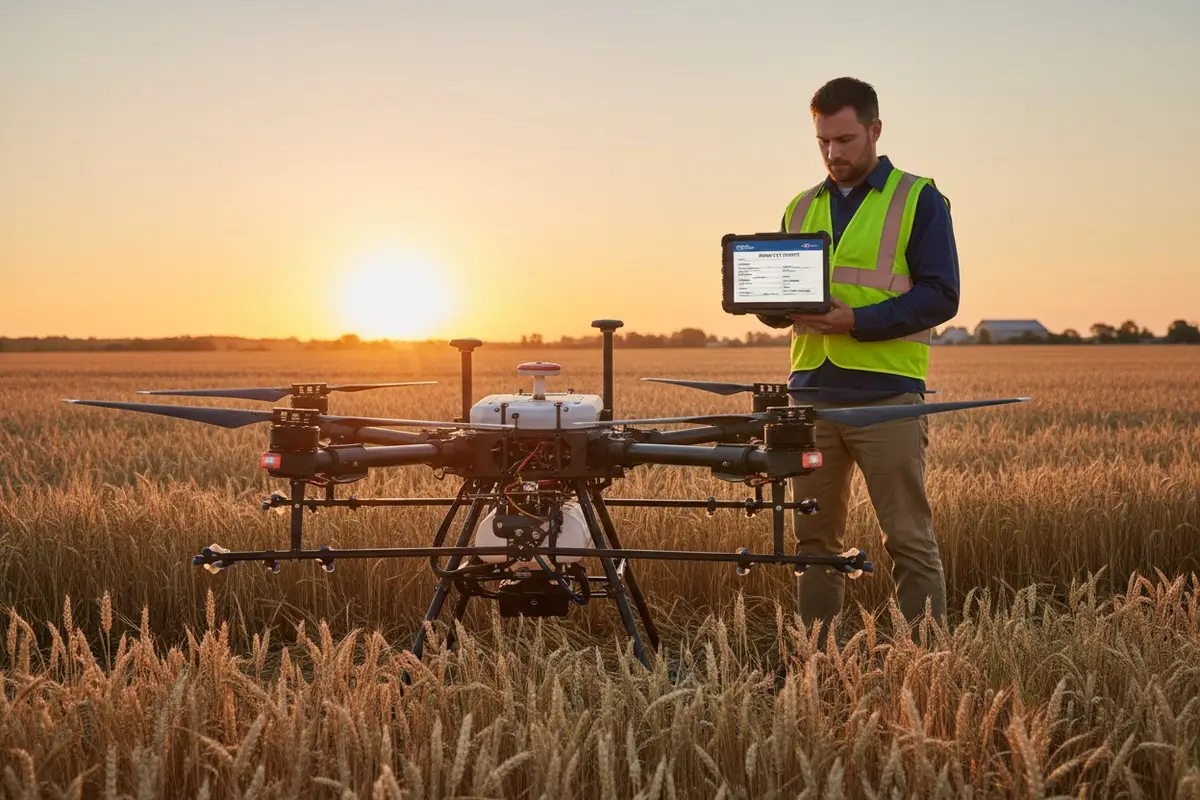

Jede Woche bearbeitet unser Kundensupport-Team Anrufe von amerikanischen Distributoren, die wegen Lizenzen verwirrt sind bundesstaatliche FAA Part 107 Zertifizierung 1. Sie kauften unsere landwirtschaftlichen Sprühdrohnen, testeten sie brillant und stellten dann fest, dass sie ohne entsprechende Zertifizierungen nicht legal betrieben werden können. Dieses vielschichtige regulatorische Labyrinth kostet Unternehmen Zeit und Geld.
US-amerikanische Drohnen-Sprühgeräte in der Landwirtschaft erfordern als Grundlage eine bundesstaatliche FAA Part 107-Zertifizierung, mit Part 137 Agricultural Aircraft Operator Certificates für das Ausbringen von Pestiziden. Jeder Bundesstaat fügt dann seine eigenen Lizenzanforderungen für gewerbliche Pestizidanwender hinzu, die in der Regel eine Kernzertifizierung plus eine Freigabe für die Luftanwendung von der staatlichen Landwirtschaftsbehörde verlangen.
Lassen Sie mich Ihnen genau erklären, was Sie wissen müssen Part 137 Zertifikate für landwirtschaftliche Flugzeugbetreiber 2. Die folgenden Abschnitte erläutern die bundesstaatlichen Anforderungen, bundesstaatspezifischen Regeln, Multi-State-Betrieb und technische Compliance-Standards.
Wie finde ich die spezifischen Lizenzierungsregeln für Agrardrohnen für meinen Bundesstaat?
Wenn wir Sprühdrohnen in verschiedene US-Bundesstaaten versenden, erinnern wir unsere Kunden immer daran, dass die bundesstaatliche Compliance nur der Anfang ist. Die eigentliche Komplexität verbirgt sich in den Vorschriften auf bundesstaatlicher Ebene. Viele Betreiber gehen davon aus, dass eine Lizenz alles abdeckt. Dieser Fehler kann zu Geldstrafen oder Stilllegungen des Betriebs führen.
Kontaktieren Sie direkt das Pestizidbüro des Landwirtschaftsministeriums Ihres Bundesstaates, um die aktuellen Anforderungen zu erfahren. Die meisten Bundesstaaten verlangen eine gewerbliche Pestizidanwenderlizenz mit einer Zusatzausbildung für den Luftverkehr. Besuchen Sie die offizielle Website der Landwirtschaft Ihres Bundesstaates, suchen Sie nach "Pestizidanwenderzertifizierung" und fordern Sie die spezifischen Anwendungsanforderungen für Drohnen oder unbemannte Luftfahrzeuge an.

Beginnen Sie mit Ihrem Landwirtschaftsministerium des Bundesstaates
Es gibt keine zentrale bundesstaatliche Datenbank, die die Drohnensprühregeln jedes Bundesstaates auflistet. Sie müssen sich direkt an die Quelle wenden. Das Landwirtschaftsministerium jedes Bundesstaates unterhält Programme zur Lizenzierung von Pestizidanwendern. Suchen Sie auf deren Websites nach Begriffen wie "gewerbliche Anwenderzertifizierung" oder "Luft-Pestizidlizenz".
Einige Bundesstaaten haben spezifische Leitliniendokumente für Drohnen erstellt. Andere stufen Drohnen einfach unter bestehende Kategorien für die Anwendung aus der Luft ein. Rufen Sie das Pestizidbüro an und fragen Sie speziell nach unbemannten Luftfahrtsystemen 3. Mitarbeiter können klären, ob Drohnen unter die Standardregeln für den Luftverkehr fallen oder eine separate Zertifizierung erfordern.
Überblick über die bundesstaatliche Lizenzierungsstruktur
Die meisten Bundesstaaten folgen einem ähnlichen Rahmen, unterscheiden sich aber in den Details. Hier ist eine allgemeine Aufschlüsselung:
| Lizenzkomponente | Beschreibung | Typische Anforderung |
|---|---|---|
| Kernzertifizierung | Allgemeine Kenntnisse zur Pestizidsicherheit und Handhabung | Schriftliche Prüfung erforderlich |
| Luftkategorie | Spezielle Genehmigung für die Anwendung aus der Luft | Zusätzliche Prüfung oder Schulung |
| Gewerblich vs. Privat | Gewerbliche Betreiber verlangen Gebühren; private Anwender wenden auf eigenem Land an | Gewerblich hat strengere Anforderungen |
| Staatliche Registrierung | Einige Staaten verlangen eine Drohnenregistrierung über die FAA hinaus | Variiert je nach Bundesstaat |
| Aufkleber/Genehmigungen | Visuelle Identifizierung für gewerbliche Betriebe | Oft erforderlich, wenn Gebühren erhoben werden |
Tennessee: Ein detailliertes Beispiel
Tennessee bietet einen der klarsten regulatorischen Rahmenbedingungen. Betreiber benötigen eine FAA Part 107-Zertifizierung plus die Prüfung "Unmanned Aircraft General-Small". Für die Ausbringung von Pestiziden ist eine Part 137-Zertifizierung zwingend erforderlich.
Gewerbliche Anwender müssen eine Zertifizierung der Kategorie 1 (Landwirtschaft) oder Kategorie 2 (Forstschädlinge) erwerben. Sie benötigen außerdem eine Lizenz für Luftanwender und einen Luftaufkleber, wenn sie Dienstleistungen gegen Gebühr anbieten. Private Anwender auf eigenem Grund und Boden haben geringere Anforderungen, benötigen aber dennoch eine ordnungsgemäße Anwenderzertifizierung.
Ressourcen, die Sie zuerst prüfen sollten
Bevor Sie in einem Bundesstaat tätig werden, sammeln Sie Informationen aus diesen Quellen:
- Landwirtschaftsministerium des Bundesstaates 4 offizielle Website
- Seite des staatlichen Zertifizierungsprogramms für Pestizidanwender
- FAA DroneZone 5 für den bundesstaatlichen Registrierungsstatus
- EPA-Datenbank für Pestizidkennzeichnungen zur Produktkonformität
Kontaktieren Sie die staatlichen Büros direkt, wenn Websites unklar sind. Vorschriften ändern sich häufig und Online-Informationen können veraltet sein.
Welche Anforderungen der FAA-Teil 137 muss ich erfüllen, bevor ich staatliche Genehmigungen beantrage?
Unser Ingenieurteam entwickelt Sprühsysteme für Nutzlasten bis zu 40 Litern. Aber selbst die leistungsfähigste Drohne bleibt ohne die richtige FAA-Zertifizierung untätig. Teil 137 ist das bundesstaatliche Tor zu landwirtschaftlichen Flugbetrieben. Das Verständnis dessen verhindert kostspielige Verzögerungen.
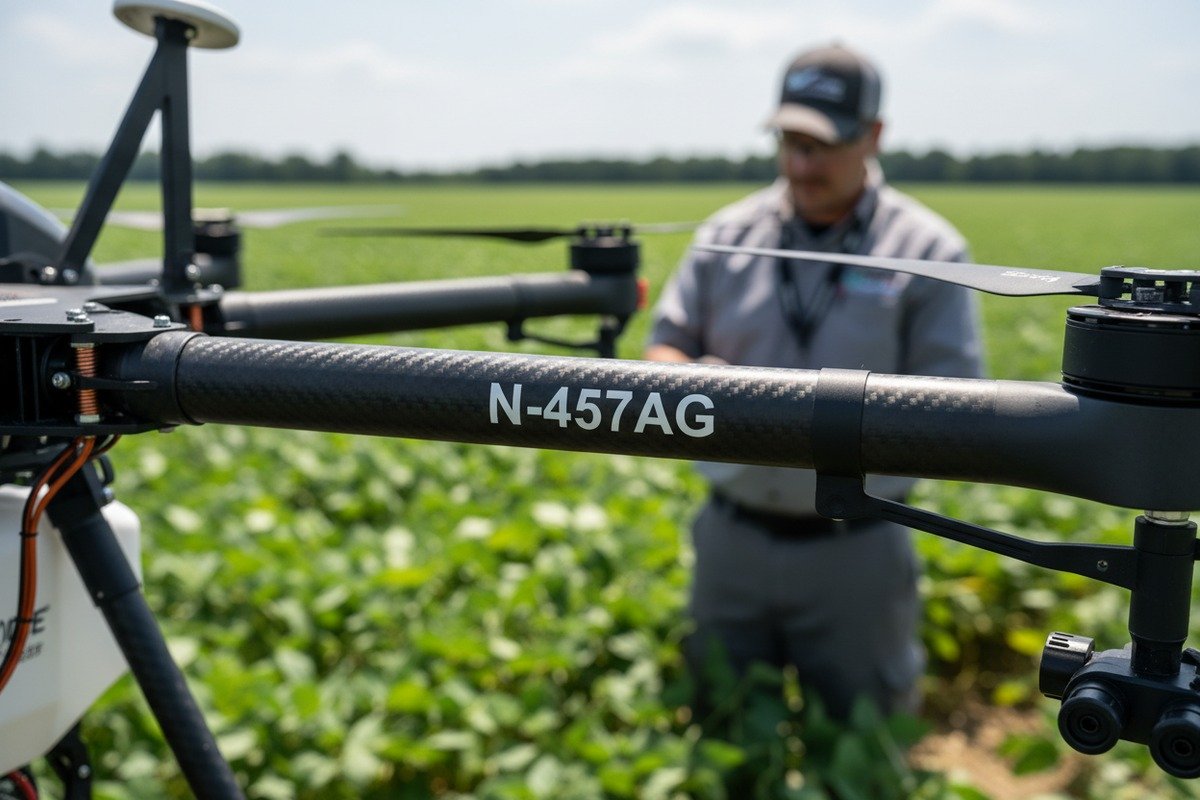
FAA Teil 137 verlangt von Betreibern den Nachweis der Kompetenz im Betrieb von Agrarflugzeugen, die ordnungsgemäße Registrierung von Luftfahrzeugen mit Anzeige der N-Nummer, den Abschluss einer erforderlichen Versicherung und die Einhaltung von Betriebsregeln für das Ausbringen von Substanzen. Sie müssen einen Antrag bei Ihrem örtlichen FAA Flight Standards District Office einreichen und Wissens- und Fähigkeitstests bestehen.
Wann Teil 137 gilt
Teil 137 regelt landwirtschaftliche Flugbetriebe, die das Ausbringen von Substanzen beinhalten. Wenn Ihre Drohne Pestizide, Düngemittel oder Samen versprüht, gilt Teil 137. Einfache Bild- oder Kartierungsflüge lösen diese Anforderung nicht aus.
Das Gewicht spielt eine erhebliche Rolle. Drohnen unter 55 Pfund beim Start können für allgemeine kommerzielle Flüge unter Teil 107 betrieben werden. Das Ausbringen von landwirtschaftlichen Substanzen erfordert jedoch Teil 137, unabhängig vom Gewicht. Schwerere Drohnen über 55 Pfund benötigen zusätzliche Ausnahmen gemäß Abschnitt 44807.
Teil 137 Antragsverfahren
Der Antragsprozess umfasst mehrere Schritte:
| Schritt | Aktion | Details |
|---|---|---|
| 1 | Kontaktieren Sie das FSDO | Wenden Sie sich an Ihr örtliches Flight Standards District Office |
| 2 | Antrag einreichen | Verwenden Sie das FAA-Formular 8610-1 für die Betreiberzertifizierung |
| 3 | Wissenstest | Bestehen Sie die Prüfung für den Betrieb von Agrarflugzeugen |
| 4 | Fähigkeitsnachweis | Zeigen Sie Kompetenz bei Ausbringungsvorgängen |
| 5 | Flugzeugregistrierung | Registrieren Sie die Drohne mit N-Nummer zur Identifizierung |
| 6 | Zertifikat erhalten | Erhalten Sie ein Zertifikat für den Betrieb von Agrarflugzeugen |
Wissens- und Fähigkeitsanforderungen
Die FAA prüft Kenntnisse über sichere Handhabungsverfahren, Betriebsbeschränkungen und Notfallprotokolle. Sie müssen verstehen, wie Agrarchemikalien mit Flugzeugsystemen interagieren. Abdriftmanagement, Pufferzonen und Umweltaspekte werden in Prüfungen behandelt.
Fähigkeitsnachweise erfordern den Nachweis praktischer Kompetenz. Prüfer bewerten Ihre Fähigkeit, landwirtschaftliche Substanzen sicher zu laden, zu dosieren und zu reinigen. Sie beurteilen Flugmuster, Höhenhaltung und Anwendungsgenauigkeit.
Versicherung und Dokumentation
Betreiber nach Teil 137 müssen eine Haftpflichtversicherung mit Mindestabdeckungsvoraussetzungen abschließen. Viele Bundesstaaten fügen ihren eigenen Versicherungsanforderungen zusätzliche staatliche Mandate hinzu. Halten Sie Versicherungszertifikate während des Betriebs aktuell und zugänglich.
Zu den Dokumentationsanforderungen gehören Wartungsprotokolle, Pilotenaufzeichnungen und Betriebshandbücher. Inspektoren können diese Aufzeichnungen bei Audits anfordern. Eine organisierte Dokumentation demonstriert professionelle Abläufe und schützt vor Compliance-Problemen.
Aktuelle Entwicklungen der FAA
Die FAA hat die Fähigkeiten für landwirtschaftliche Drohnenbetreiber erweitert. Updates vom März 2024 ermöglichten Schwarmoperationen, Nachtflüge und Flüge außerhalb der Sichtweite für bestimmte schwere Drohnen. Diese Änderungen kommen großen landwirtschaftlichen Betrieben zugute, erfordern jedoch zusätzliche Genehmigungen.
Die Behörde strafft die Prozesse für Ausnahmen nach Teil 137, Abschnitt 44807 und für medizinische Zertifikate der dritten Klasse. Zukünftige Genehmigungszeiten könnten erheblich sinken. Bleiben Sie über offizielle Kanäle über Ankündigungen der FAA auf dem Laufenden.
Benötige ich für jeden Bundesstaat, in dem ich tätig bin, eine separate gewerbliche Schädlingsbekämpferlizenz?
Unsere Händler bedienen oft Kunden in mehreren Bundesstaaten. Ein Unternehmen mit Sitz in Texas könnte Kunden in Oklahoma, Louisiana und New Mexico haben. Dies wirft eine wichtige Frage nach der Portabilität von Lizenzen auf. Die Antwort hat erhebliche Auswirkungen auf die Geschäftsplanung.
Ja, die meisten Bundesstaaten verlangen, dass Betreiber eine eigene Lizenz als gewerblicher Pestizidanwender besitzen, um innerhalb ihrer Grenzen zu sprühen. Einige Bundesstaaten bieten gegenseitige Lizenzierungsvereinbarungen an, die den Prozess für Anwender, die bereits in teilnehmenden Bundesstaaten zertifiziert sind, vereinfachen. Prüfen Sie die gegenseitigen Lizenzierungsrichtlinien jedes Bundesstaates, bevor Sie davon ausgehen, dass Ihre Heimatlizenz automatisch übertragen wird.
Verständnis der staatlichen Lizenzunabhängigkeit
Jeder Bundesstaat verwaltet sein Programm für Pestizidanwender unabhängig. Ihre kommerzielle Anwenderlizenz aus Kalifornien berechtigt Sie nicht automatisch zu Operationen in Arizona. Staatliche Landwirtschaftsministerien schützen ihre Einwohner durch lokale Aufsicht.
Diese Unabhängigkeit besteht, da Schädlingsdruck, Kulturen und Umweltbedingungen zwischen den Bundesstaaten stark variieren. Ein zertifizierter Anwender im feuchten Florida steht vor anderen Herausforderungen als einer im trockenen Nevada. Staaten passen Schulungen und Prüfungen an lokale Bedingungen an.
Gegenseitige Lizenzvereinbarungen
Es gibt gute Nachrichten für Betreiber, die in mehreren Bundesstaaten tätig sind. Viele Bundesstaaten nehmen an gegenseitige Lizenzierungsvereinbarungen 6. Diese Vereinbarungen erkennen Zertifizierungen aus anderen teilnehmenden Staaten an und reduzieren so redundante Tests.
Gegenseitigkeit funktioniert typischerweise auf zwei Arten:
| Art der Gegenseitigkeit | Beschreibung | Prozess |
|---|---|---|
| Volle Gegenseitigkeit | Lizenzübertragung vollständig | Antrag mit Zertifizierung des Heimatstaates einreichen |
| Teilweise Gegenseitigkeit | Kernprüfung entfällt; Kategorieprüfungen erforderlich | Staatsspezifische Luftkategorieprüfung ablegen |
| Keine Gegenseitigkeit | Vollständige Zertifizierung erforderlich | Alle Prüfungen als neuer Bewerber bestehen |
Schritte für den Multi-State-Betrieb
Planen Sie Ihre Lizenzierungsstrategie, bevor Sie Ihre Geschäftstätigkeit erweitern. Befolgen Sie diese Schritte:
- Zielstaaten identifizieren wo Kunden Dienstleistungen benötigen
- Recherchieren Sie die Website des Pestizidbüros jedes Bundesstaates nach Gegenseitigkeitsrichtlinien
- Kontaktieren Sie die Landesbüros direkt, um aktuelle Vereinbarungen zu bestätigen
- Sammeln Sie Dokumentation einschließlich Kopien der Heimatstaat-Lizenz und Testergebnisse
- Reichen Sie Anträge ein mit den erforderlichen Gebühren bei jedem neuen Bundesstaat
- Absolvieren Sie zusätzliche Schulungen wenn Bundesstaaten lokale Bildungsstunden verlangen
- Pflegen Sie alle Lizenzen durch Weiterbildung und Verlängerung
Häufige Fallstricke bei der Gegenseitigkeit
Gegenseitigkeit bedeutet keine automatische Genehmigung. Bundesstaaten können zusätzliche Schritte verlangen, auch wenn Vereinbarungen bestehen. Einige verlangen von Antragstellern, bundesstaatsspezifische Prüfungen zu bestehen, die lokale Schädlinge, Feldfrüchte oder Umweltvorschriften abdecken.
Genehmigungen für die Kategorie "Luft" unterliegen manchmal einer strengeren Prüfung als andere Kategorien. Bundesstaaten können Ihre Kernzertifizierung akzeptieren, aber eine eigene Prüfung für die Luftfahrt verlangen. Überprüfen Sie immer die spezifischen Kategorien, die unter gegenseitige Vereinbarungen fallen.
Lizenzen über Bundesstaaten hinweg aktuell halten
Die Verwaltung mehrerer Lizenzen in verschiedenen Bundesstaaten erfordert Organisation. Jeder Bundesstaat legt seine eigenen Verlängerungsfristen, Weiterbildungsanforderungen und Gebührenordnungen fest. Erstellen Sie ein Nachverfolgungssystem, um Lücken zu vermeiden.
Abgelaufene Lizenzen in einem Bundesstaat stoppen dort sofort den Betrieb. Einige Bundesstaaten verhängen Strafen für den Betrieb mit abgelaufenen Zertifizierungen. Professionelle Betreiber führen Kalender mit Verlängerungsfristen und Weiterbildungsanforderungen für jeden Bundesstaat, in dem sie Lizenzen besitzen.
How can I ensure my drone fleet meets the technical standards required for state spraying certifications?
Unsere Produktionshalle testet jede Drohne nach strengen Leistungsstandards. Die Erfüllung unserer Werksvorgaben garantiert jedoch nicht die Einhaltung der amerikanischen Vorschriften. Technische Anforderungen gehen über die Flugfähigkeit hinaus und umfassen Registrierung, Kennzeichnung und Kalibrierung der Ausrüstung.
Stellen Sie sicher, dass jede Drohne die ordnungsgemäße FAA-Registrierung und N-Nummer-Kennzeichnungen aufweist, überprüfen Sie, ob die Kalibrierung der Sprühanlagen den Anforderungen des Pestizidetiketts entspricht, bestätigen Sie, dass die Nutzlastkapazitäten das Gesamtgewicht innerhalb der Zertifizierungsgrenzen halten, und führen Sie detaillierte Aufzeichnungen über alle Geräteinspektionen und Wartungsarbeiten.

FAA-Registrierungs- und Kennzeichnungspflichten
Jede gewerbliche Drohne muss über DroneZone bei der FAA registriert werden. Landwirtschaftliche Sprühdrohnen, die unter Teil 137 betrieben werden, benötigen eine N-Nummern-Registrierung, ähnlich wie bemannte Flugzeuge. Zeigen Sie diese Nummer gut sichtbar an der Außenseite des Fluggeräts an, wo Inspektoren sie leicht ablesen können.
Die Registrierung beinhaltet die Einreichung von Fluggerätespezifikationen, einschließlich Hersteller, Modell und Seriennummer. Halten Sie die Registrierungszertifikate aktuell. Eine abgelaufene Registrierung macht Ihr Fluggerät bis zur Erneuerung flugunfähig.
Gewichtsbeschränkungen und -grenzen
Das Gewicht der Drohne beeinflusst, welche Vorschriften gelten. Die kritische Schwelle liegt bei einem maximalen Startgewicht von 55 Pfund, einschließlich Nutzlast. Unsere 40-Liter-Sprühdrohnen nähern sich dieser Grenze, wenn sie voll beladen sind.
| Gewichtsklasse | Vorschriften | Zusätzliche Anforderungen |
|---|---|---|
| Unter 25 lbs | Teil 107 + Teil 137 | Standardregistrierung |
| 55 lbs und mehr | Teil 137 + Abschnitt 44807 | Sondergenehmigung erforderlich |
| Über 55 lbs mit Genehmigung | Erweiterte Fähigkeiten möglich | Schwärmen, BVLOS kann zutreffen |
Berechnen Sie das maximale Startgewicht genau. Berücksichtigen Sie das Flugzeug, den Akku, den Sprühtank bei voller Kapazität und sämtliches Zubehör. Unterschätzung des Gewichts führt zu Verstößen gegen die Vorschriften.
Kalibrierung des Sprühsystems
Pestizidetiketten 8 geben die Aufwandmengen an. Ihr Sprühsystem muss Chemikalien innerhalb der auf dem Etikett angegebenen Parameter liefern. Die Kalibrierung gewährleistet die richtige Tropfengröße, Durchflussrate und Abdeckungsmuster.
Eine unsachgemäße Kalibrierung führt zu mehreren Problemen. Unterdosierung führt nicht zur wirksamen Bekämpfung von Schädlingen. Überdosierung verschwendet Chemikalien und kann gegen die Etikettenanforderungen verstoßen. Beide Szenarien setzen Betreiber Haftungsrisiken aus.
Dokumentieren Sie alle Kalibrierungsaktivitäten. Notieren Sie Düsentypen, Druckeinstellungen, Durchflussraten und Testergebnisse. Diese Dokumentation beweist die Einhaltung von Vorschriften bei Inspektionen und schützt vor Ansprüchen wegen unsachgemäßer Anwendung.
Einhaltung von Pestizidetiketten
Die EPA verlangt die strikte Einhaltung von Pestizidproduktetiketten. Etiketten geben alles von den Aufwandmengen bis zu den Pufferzonenanforderungen vor. Einige Produkte geben "nur Bodenanwendung" an und dürfen nicht legal per Drohne angewendet werden.
Überprüfen Sie, ob jedes Pestizid, das Sie anwenden möchten, eine Kennzeichnung trägt, die die Anwendung aus der Luft oder per Drohne erlaubt. Einige Etiketten beziehen sich speziell auf "RPAS" (ferngesteuerte Flugzeugsysteme). Andere verwenden eine allgemeinere Sprache für "Luftanwendung", die Drohnen einschließt.
Aufzeichnungen über die Wartung der Ausrüstung
Führen Sie für jedes Flugzeug in Ihrer Flotte umfassende Wartungsprotokolle. Erfassen Sie Inspektionen, Reparaturen, den Austausch von Komponenten und Software-Updates. Aufsichtsbehörden können diese Aufzeichnungen während Audits anfordern.
Präventive Wartungspläne variieren je nach Hersteller. Unsere Drohnen enthalten empfohlene Inspektionsintervalle in der technischen Dokumentation. Die Einhaltung dieser Zeitpläne verlängert die Lebensdauer der Ausrüstung und demonstriert professionelle Abläufe.
FCC-Konformitätsüberlegungen
Aktuelle FCC-Regeln wirken sich auf die Beschaffung von Drohnenausrüstung aus. Ab Januar 2026 unterliegen neue Genehmigungen für bestimmte im Ausland hergestellte Drohnen und Komponenten Einschränkungen. Bestehende Flotten bleiben bis mindestens Januar 2027 betriebsbereit.
Betreiber, die neue Ausrüstung kaufen, sollten den FCC-Konformitätsstatus überprüfen. Blue UAS gelistete Produkte und im Inland hergestellte Alternativen vermeiden diese Einschränkungen. Planen Sie Flottenerweiterungen unter Berücksichtigung der regulatorischen Zeitpläne.
Schlussfolgerung
Die Navigation durch die Lizenzen für landwirtschaftliche Drohnensprühgeräte in den USA erfordert die Beachtung der bundesstaatlichen FAA-Anforderungen, der staatlichen Zertifizierungen für Pestizidanwender und der technischen Compliance-Standards. Beginnen Sie mit dem Landwirtschaftsministerium Ihres Bundesstaates, um spezifische Regeln zu erfahren. Planen Sie die Lizenzierung für mehrere Bundesstaaten, wenn Ihre Betriebe über Grenzen hinweg tätig sind. Eine ordnungsgemäße Vorbereitung hält Ihre Drohnenflotte legal und profitabel in der Luft.
Fußnoten
1. Erläutert die bundesstaatlichen Anforderungen für den kommerziellen Drohnenbetrieb. ︎
2. Details zur bundesstaatlichen Zertifizierung für landwirtschaftliche Flugbetriebe. ︎
3. HTTP 404 durch die Hauptseite des FAA Unmanned Aircraft Systems (UAS) ersetzt. ︎
4. HTTP 404 durch die Wikipedia-Kategorienseite mit einer Liste der Landwirtschaftsministerien der US-Bundesstaaten ersetzt, da kein direkter Artikel gefunden wurde. ︎
5. Leitet Benutzer zum offiziellen FAA-Portal für die Drohnenregistrierung weiter. ︎
6. HTTP 404 durch eine offizielle Seite des Washington State Department of Agriculture zu gegenseitigen Pestizid-Lizenzen ersetzt. ︎
7. Definiert und erklärt die Anforderungen für diese spezielle Lizenz. ︎
8. Erklärt die Bedeutung der Einhaltung von Pestizidproduktetiketten. ︎
9. Beschreibt die Bedeutung und den Prozess der Kalibrierung von landwirtschaftlichen Sprühsystemen. ︎
 English
  Español de México
  Deutsch
  Français
  Русский
  العربية
Comments
No comments yet. Be the first to share your thoughts!
Leave a Comment