
Als unser Ingenieurteam die Siebdruckverfahren für landwirtschaftliche Drohnenkörper entwickelte, stellten wir schnell fest, dass Käufer oft Schwierigkeiten haben, ihre Branding-Anforderungen klar zu kommunizieren. Die Verwirrung führt zu Verzögerungen, falsch gedruckten Logos und verschwendeten Lagerbeständen.
Um kundenspezifische Siebdruck-Firmenlogos auf Agrardrohnen anzufordern, kontaktieren Sie Lieferanten, die OEM/ODM-Dienstleistungen anbieten, stellen Sie Vektor-Logo-Dateien mit genauen Farbcodes bereit, geben Sie Platzierungsorte am Drohnenkörper an, bestätigen Sie Mindestbestellmengen und fordern Sie Muster vor der Massenproduktion an, um die Haltbarkeit und Qualität des Drucks zu überprüfen.
Um Ihr Firmenbranding auf landwirtschaftliche Sprühdrohnen zu bringen, bedarf es sorgfältiger Planung und klarer Kommunikation mit Ihrem Lieferanten. Lassen Sie mich Sie Schritt für Schritt durch den gesamten Prozess führen.
Welche technischen Spezifikationen muss ich für den Siebdruck meines Logos auf Agrardrohnen angeben?
Viele Einkaufsmanager senden uns Bilder mit niedriger Auflösung und erwarten perfekte Ergebnisse. In unserer Produktionsstätte lehnen wir etwa 30 % der ersten Logo-Einreichungen ab, da ihnen grundlegende technische Anforderungen fehlen. Das verschwendet Zeit für alle Beteiligten.
Sie müssen Vektorgrafikdateien in Formaten wie AI, EPS oder SVG, genaue Pantone- oder CMYK-Farbwerte, gewünschte Abmessungen in Millimetern und bevorzugte Platzierungsorte angeben. Fügen Sie ein Mockup bei, das die Logo-Position am Drohnenkörper zeigt, wobei Sensoren, Lüftungsschlitze und bewegliche Teile vermieden werden.

Verständnis der Dateiformatanforderungen
Vektordateien 1 sind unerlässlich für eine saubere Siebdruckwiedergabe 2. Im Gegensatz zu JPG- oder PNG-Bildern lassen sich Vektorgrafiken ohne Qualitätsverlust skalieren. Unsere Drucktechniker können Ihr Logo so skalieren, dass es auf jede Drohnenoberfläche passt und gleichzeitig scharfe Kanten beibehält.
Die am häufigsten akzeptierten Formate sind Adobe Illustrator (AI), Encapsulated PostScript (EPS), Scalable Vector Graphics (SVG) und PDF mit eingebetteten Vektoren. Wenn Sie nur Rasterbilder haben, bitten Sie Ihren Grafikdesigner, diese vor der Einreichung zu konvertieren.
Farbspezifikation ist wichtig
Farbgenauigkeit wird entscheidend, wenn Ihre gebrandeten Drohnen auf Messen oder auf Kundenfeldern erscheinen. Wir verwenden Pantone Matching System (PMS) Codes 3 als Industriestandard. CMYK-Werte dienen als Backup-Option.
| Art der Farbspezifikation | Empfohlen für | Genauigkeitsgrad |
|---|---|---|
| Pantone (PMS) | Genaue Markenfarben | Höchste |
| CMYK | Druckproduktion | Hoch |
| RGB | Nur für Bildschirmanzeige | Nicht zum Drucken geeignet |
| Hex-Codes | Nur für die Webnutzung | Nicht zum Drucken geeignet |
Richtlinien für Platzierung und Größe
Agrardrohnen haben spezifische Bereiche, die für den Logodruck geeignet sind. Die Kohlefaser 4 Karosserieteile, Akkudeckel und Armabschnitte bieten flache Oberflächen. Vermeiden Sie es, Logos über Lüftungsschlitzen, LED-Anzeigen oder Propellermotoren zu platzieren.
Unsere Ingenieure empfehlen Logos mit einer Breite zwischen 50 mm und 200 mm für eine gute Sichtbarkeit während des Betriebs. Größere Logos erfordern mehrere Druckdurchgänge, was die Kosten und die Produktionszeit erhöht.
Materialverträglichkeitsprüfung
Das Oberflächenmaterial der Drohne beeinflusst die Haftung der Tinte. Kohlefaser erfordert eine andere Vorbereitung als ABS-Kunststoff oder eine Aluminiumlegierung. Wenn Sie Spezifikationen einreichen, geben Sie an, wo das Logo angebracht werden soll.
Standard-Agrardrohnen verwenden diese gängigen Materialien:
- Rahmen aus Kohlefaserverbundwerkstoff
- Haubenabdeckungen aus ABS-Kunststoff
- Arme aus Aluminiumlegierung
- Polycarbonat-Batteriegehäuse
Jedes Material benötigt spezifische Tintenformulierungen und Aushärtungsprozesse.
Wie kann ich sicherstellen, dass das individuell siebgedruckte Logo auf meinen Drohnen rauen Außenbedingungen standhält?
Agrardrohnen sind täglich extremen Bedingungen ausgesetzt. Wir haben gesehen, wie Logos innerhalb weniger Wochen verblassten, wenn Lieferanten billige Tinten verwendeten oder die richtige Oberflächenvorbereitung übersprangen. Der Ruf Ihrer Marke fliegt mit jeder Drohne mit, die Sie verkaufen.
Stellen Sie die Haltbarkeit des Logos sicher, indem Sie vor dem Druck UV-beständige Tinten, chemikalienbeständige Beschichtungen und eine ordnungsgemäße Oberflächenbehandlung anfordern. Bitten Sie Lieferanten um Ergebnisse von Haltbarkeitstests, fordern Sie Musterplatten an, die Pestiziden und Sonnenlicht ausgesetzt waren, und verifizieren Sie, dass der Tintenhärtungsprozess industriellen Standards für Außengeräte entspricht.
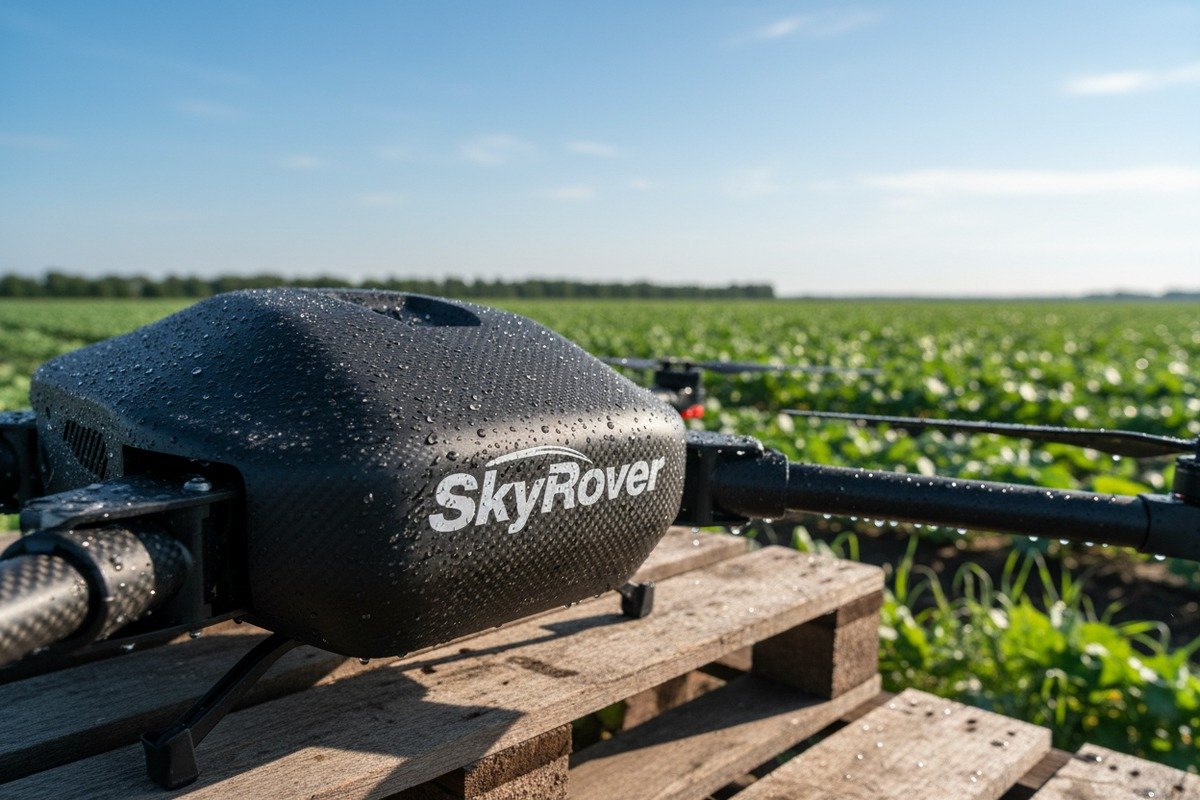
Die Bedrohungen, denen Ihr Logo ausgesetzt ist
Agrar-Sprühdrohnen sind Bedingungen ausgesetzt, die Standarddrucke zerstören. Pestizide enthalten Lösungsmittel, die normale Tinten auflösen. Düngerrückstände bilden korrosive Ablagerungen. Direkte Sonneneinstrahlung verursacht UV-Degradation 5 innerhalb weniger Monate.
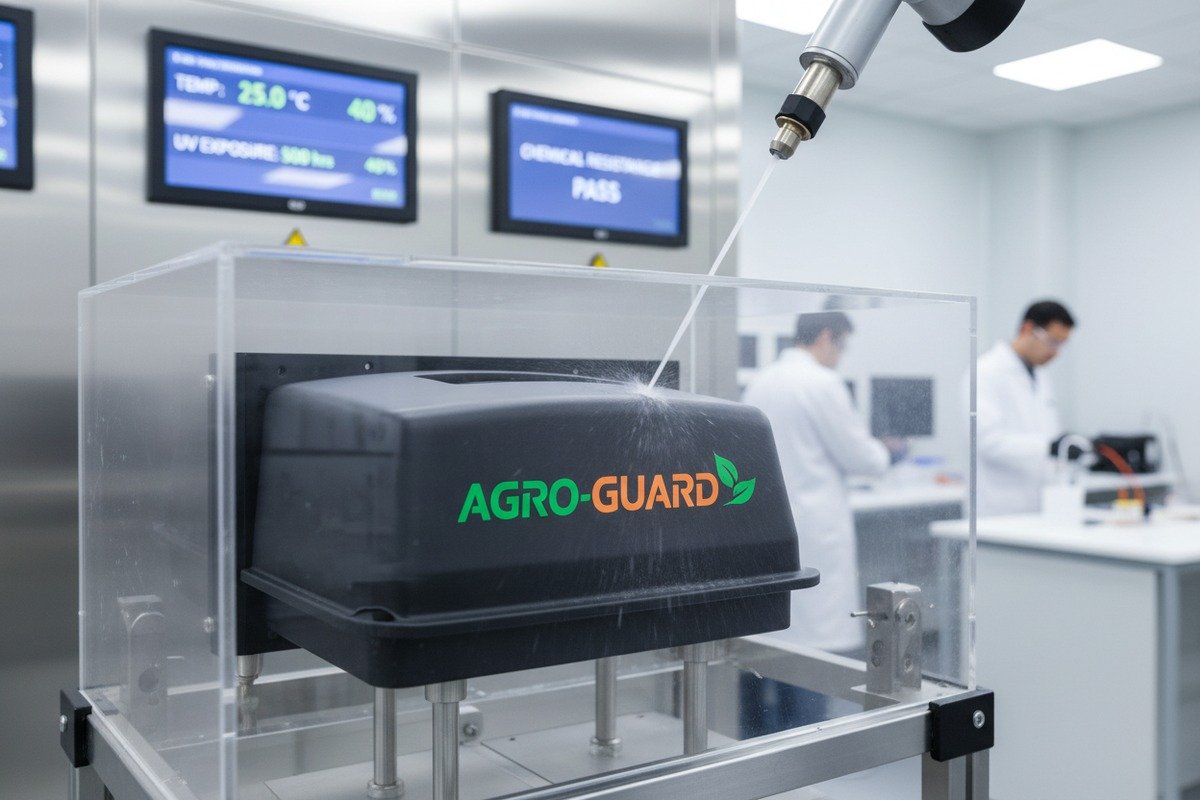
Wenn wir die Haltbarkeit von Logos in unserer Einrichtung testen, setzen wir Musterplatten folgenden Bedingungen aus:
- 500 Stunden UV-Lichtexposition
- Direkter Kontakt mit gängigen Pestiziden
- Temperaturwechsel von -20 °C bis 60 °C
- Simulation von Hochdruck-Wassersprühstrahlen
Tintenauswahl für landwirtschaftliche Anwendungen
Nicht alle Siebdruckfarben überstehen landwirtschaftliche Umgebungen. Industrielle Polyurethan- und Epoxidharzfarben 6 bieten eine überlegene chemische Beständigkeit im Vergleich zu Standardoptionen.
| Tintenart | UV-Beständigkeit | Chemikalienbeständigkeit | Kostenniveau | Beste Anwendung |
|---|---|---|---|---|
| Lösungsmittelbasiert | Mäßig | Niedrig | Haushalt | Innengeräte |
| Polyurethane | Hoch | Hoch | Mittelklasse | Allgemeine Außenanwendung |
| Epoxidharz-basiert | Sehr hoch | Sehr hoch | Premium | Landwirtschaftliche/chemische Exposition |
| Keramik-infundiert | Ausgezeichnet | Ausgezeichnet | Höchste | Extreme Bedingungen |
Oberflächenvorbereitungsprotokolle
Eine ordnungsgemäße Oberflächenvorbereitung bestimmt 80% der Langlebigkeit des Logos. Vor dem Druck muss die Drohnenoberfläche gereinigt, leicht angeschliffen und grundiert werden. Das Überspringen dieser Schritte führt zum Abblättern innerhalb der ersten Nutzungssaison.
Unser Produktionsteam folgt einem strengen Fünf-Schritte-Prozess:
- Lösungsmittelreinigung zur Entfernung von Herstellungsölen
- Leichte Abriebbehandlung zur Schaffung mechanischer Bindung
- Primerauftrag passend zum Substratmaterial
- Tintenauftrag bei kontrollierter Luftfeuchtigkeit
- Hitzetrocknung bei spezifizierten Temperaturen
Schutzlack-Optionen
Nach dem Siebdruck schützt eine klare Schutzschicht Ihr Logo vor direktem chemischem Kontakt. Zweikomponenten-Polyurethan-Schutzlacke bieten den besten Schutz für landwirtschaftliche Anwendungen.
Fragen Sie Ihren Lieferanten nach seinen Schutzlack-Optionen. Einige Hersteller überspringen diesen Schritt, um Kosten zu senken, aber das Logo versagt vorzeitig.
Tests vor der vollen Produktion
Fordern Sie immer Musterteile an, bevor Sie sich zu Großaufträgen verpflichten. Führen Sie Ihre eigenen Feldtests durch, indem Sie Muster den tatsächlichen Chemikalien aussetzen, die Ihre Kunden verwenden werden.
Wir stellen ernsthaften Käufern Testtafeln zur Verfügung. Sie können diese Tafeln mit ihren lokalen Pestizidmarken besprühen und die Ergebnisse nach 30 Tagen Freiluftaussetzung bewerten.
Was sind die typischen Mindestbestellmengen und Lieferzeiten für die Anbringung meines Firmenlogos auf Drohnenhardware?
Die Budgetplanung wird schwierig, wenn Lieferanten MOQ-Anforderungen bis spät in die Verhandlungen verstecken. Unser Verkaufsteam erhält jede Woche Anfragen von Käufern, die schockiert sind über Mengen, die sie entdecken, nachdem sie Zeit in die Designfreigabe investiert haben.
Typische Mindestbestellmengen für siebgedruckte Agrardrohnen reichen je nach Lieferant von 10 bis 50 Einheiten. Die Lieferzeiten verlängern sich um 4 bis 8 Wochen über die Standardproduktionspläne hinaus. Rechnen Sie mit zusätzlichen Kosten pro Einheit von 15 bis 50 US-Dollar für kundenspezifisches Branding, wobei die Einrichtungsgebühren zwischen 200 und 500 US-Dollar liegen.

Verständnis von MOQ-Strukturen
Mindestbestellmengen 7 existieren, weil Siebdruck Einrichtungszeit und spezielle Materialien erfordert. Das Erstellen von Drucksieben, das Mischen von kundenspezifischen Tintenfarben und die Kalibrierung von Geräten kosten unabhängig von der Menge Geld.
| Größe bestellen | Typischer MOQ-Bereich | Branding-Kosten pro Einheit | Einrichtungsgebühr |
|---|---|---|---|
| Kleine Charge | 10-20 Einheiten | $35-50 | $400-500 |
| Mittlere Charge | 21-50 Einheiten | $20-35 | $250-400 |
| Große Charge | 51-100 Einheiten | $15-25 | $200-300 |
| Großauftrag | 100+ Einheiten | $10-15 | Oft erlassen |
Faktoren, die die Lieferzeiten beeinflussen
Benutzerdefinierte Siebdruckverfahren fügen dem Standardproduktionsprozess mehrere Schritte hinzu. Jeder Schritt erfordert Zeit für Vorbereitung, Ausführung und Qualitätsprüfung.
Die typische Zeitaufschlüsselung umfasst:
- Überprüfung und Genehmigung der Logo-Datei: 3-5 Werktage
- Erstellung des Siebs und Vorbereitung der Tinte: 2-3 Werktage
- Oberflächenvorbereitung der Drohnenkörper: 1-2 Werktage
- Druck- und Aushärtungsprozess: 3-5 Werktage
- Qualitätsprüfung: 1-2 Werktage
- Standardproduktionsintegration: variiert je nach Bestellgröße
Die zusätzliche Gesamtzeit beträgt durchschnittlich 2-4 Wochen über die Standardfertigungspläne hinaus.
Bessere Konditionen verhandeln
Lieferanten bieten Flexibilität für engagierte Käufer. Wenn Sie wiederkehrende Bestellungen planen, verhandeln Sie im Voraus Mengenrabattvereinbarungen. Viele Hersteller reduzieren die Mindestbestellmengen für Kunden, die sich zu jährlichen Einkaufsvolumen verpflichten.
Wir arbeiten mit Distributoren über Rahmenverträge zusammen. Sie verpflichten sich zu vierteljährlichen Bestellungen, und wir halten Lagerbestände mit deren Branding bereit.
Zu berücksichtigende versteckte Kosten
Neben den offensichtlichen Stückkosten fallen bei kundenspezifischem Branding mehrere versteckte Ausgaben an. Fordern Sie detaillierte Angebote an, die Folgendes enthalten:
- Gebühren für die Sieberstellung
- Kosten für kundenspezifische Farbmischungen
- Kosten für die Musterproduktion
- Nacharbeitsgebühren für abgelehnte Einheiten
- Lagerkosten für gebrandete Bestände
Optionen für Eilbestellungen
Dringende Bestellungen kosten mehr, retten aber Situationen. Die meisten Lieferanten bieten eine beschleunigte Bearbeitung gegen Aufpreis an. Rechnen Sie mit 25-50%igen Kostensteigerungen für Eilbestellungen beim Siebdruck.
Planen Sie saisonale Bestellungen weit im Voraus. Die Frühjahrspflanzsaison führt zu Nachfragespitzen, die die Lieferzeiten branchenweit verlängern.
Kann mein Lieferant sowohl den Siebdruck als auch die kundenspezifische Verpackung für eine komplette OEM-Drohnenlösung übernehmen?
Einige Käufer koordinieren separat mit Drohnenherstellern und Verpackungslieferanten. Dies führt zu logistischen Albträumen. Lieferungen kommen zu unterschiedlichen Zeiten an. Qualitätsstandards variieren. Markenkonsistenz leidet.
Viele Hersteller von Agrardrohnen bieten komplette OEM-Lösungen an, einschließlich Siebdruck-Branding und kundenspezifischer Verpackung. Suchen Sie nach Lieferanten, die OEM/ODM-Dienstleistungen anbieten und End-to-End-Lösungen bereitstellen können. Fordern Sie Muster von sowohl gebrandeten Drohnen als auch von Verpackungen zusammen an, um Konsistenz und Qualität zu überprüfen, bevor Sie Großaufträge platzieren.
Was Complete OEM Solutions beinhalten
Vollständige OEM-Partnerschaften 8 gehen über den einfachen Logodruck hinaus. Umfassende Lieferanten kümmern sich um jedes kundenorientierte Element Ihrer Produktpräsentation.
Eine komplette OEM-Lösung für Agrardrohnen beinhaltet typischerweise:
- Siebgedruckte Logos auf Drohnenkörpern
- Gebrandete Controller-Schnittstellen
- Kundenspezifische Verpackungsboxen mit Ihrem Branding
- Gebrandete Benutzerhandbücher und Dokumentation
- Kundenspezifische Splash-Screens für die Flugsoftware
- Gebrandete Tragetaschen oder Transportbehälter
Bewertung der Lieferantenfähigkeiten
Nicht jeder Drohnenhersteller kann komplette OEM-Pakete liefern. Stellen Sie während der Lieferantenbewertung spezifische Fragen:
| Fähigkeit | Fragen, die Sie stellen sollten | Rote Fahnen |
|---|---|---|
| Inhouse-Druck | Haben Sie Siebdruckausrüstung vor Ort? | An Dritte ausgelagert |
| Verpackungsdesign | Können Sie Verpackungsmuster zeigen? | Nur generische Optionen |
| Dokumentation | Wer erstellt Benutzerhandbücher? | Keine Lokalisierung verfügbar |
| Software-Anpassung | Können Sie Boot-Bildschirme ändern? | Gesperrte Firmware |
| Qualitätskontrolle | Wie stellen Sie die Markenkonsistenz sicher? | Kein Inspektionsprozess |
Vorteile eines Single-Source-OEM
Die Zusammenarbeit mit einem einzigen Lieferanten für alles vereinfacht Ihre Geschäftsabläufe. Sie erhalten einzelne Lieferungen mit abgestimmtem Inventar. Qualitätsprobleme lassen sich auf eine verantwortliche Partei zurückführen.
Konsolidierte OEM-Bestellungen verbessern auch die Verhandlungsmacht. Der Gesamtauftragswert steigt, was Ihnen Verhandlungsvorteile für bessere Preise über alle Komponenten hinweg verschafft.
Verpackungsüberlegungen für landwirtschaftliche Drohnen
Agrardrohnen benötigen eine robuste Verpackung für den internationalen Versand. Standard-Kartonagen schützen Propellerbaugruppen und Sensorarrays während des Transports nicht.
Professionelle OEM-Pakete beinhalten:
- Kundenspezifische Schaumstoffeinsätze, die den Drohnenabmessungen entsprechen
- Verstärkte Außenkartons, die für die Stapelung ausgelegt sind
- Feuchtigkeitsdichte Beutel für den Seeversand
- Gebrandete interne Dokumententaschen
- Montageanleitungskarten mit Ihren Unternehmensdaten
Qualitätsprüfverfahren
Fordern Sie vor der Genehmigung der vollständigen Produktion vollständige Musterpakete an. Bewerten Sie jedes gebrandete Element gemeinsam. Prüfen Sie, ob die Farben über Drohnenkörper, Verpackung und Dokumentation hinweg übereinstimmen.
Unser Qualitätsteam verwendet kalibrierte Farbmessgeräte. Wir überprüfen Pantone-Übereinstimmungen innerhalb akzeptabler Delta-E-Toleranzen über alle gebrandeten Komponenten hinweg.
Garantie- und Support-Implikationen
Kundenspezifisches Branding sollte die Herstellergarantien nicht ungültig machen. Holen Sie sich schriftliche Bestätigung, dass Siebdrucklogos die Garantieabdeckung nicht beeinträchtigen.
Besprechen Sie die Verfügbarkeit von Ersatzteilen. Gebrandete Ersatzkomponenten erfordern möglicherweise eine separate Lagerverwaltung und längere Lieferzeiten als Standardteile.
Schlussfolgerung
Benutzerdefinierte Siebdrucklogos verwandeln generische Agrardrohnen in markenrechtlich geschützte Geschäftsvermögenswerte. Bereiten Sie geeignete Vektordateien vor, spezifizieren Sie Anforderungen an haltbare Tinte, planen Sie MOQs und Lieferzeiten und wählen Sie Lieferanten, die komplette OEM-Lösungen anbieten. Ihre markengeschützten Drohnen repräsentieren Ihr Unternehmen professionell in jedem Einsatzgebiet.
Fußnoten
1. Definiert Vektordateien und ihre Bedeutung für skalierbare, qualitativ hochwertige Grafiken. ︎
2. Erklärt den Prozess und die Technik des Siebdrucks. ︎
3. Offizielle Quelle, die das standardisierte Farbwiedergabesystem erklärt. ︎
4. Bietet einen Überblick über die Eigenschaften und Verwendungen von Kohlefaser. ︎
5. Autoritative Quelle (Wikipedia), erklärt das Konzept, HTTPS. ︎
6. Bietet eine gute Erklärung von Epoxidfarben für den Siebdruck, HTTPS. ︎
7. Definiert die Mindestbestellmenge (MOQ) und ihre Bedeutung in der Fertigung. ︎
8. Erklärt Beziehungen zwischen Originalausrüstungsherstellern (OEM) in der Fertigung. ︎

 English
  Español de México
  Deutsch
  Français
  Русский
  العربية
