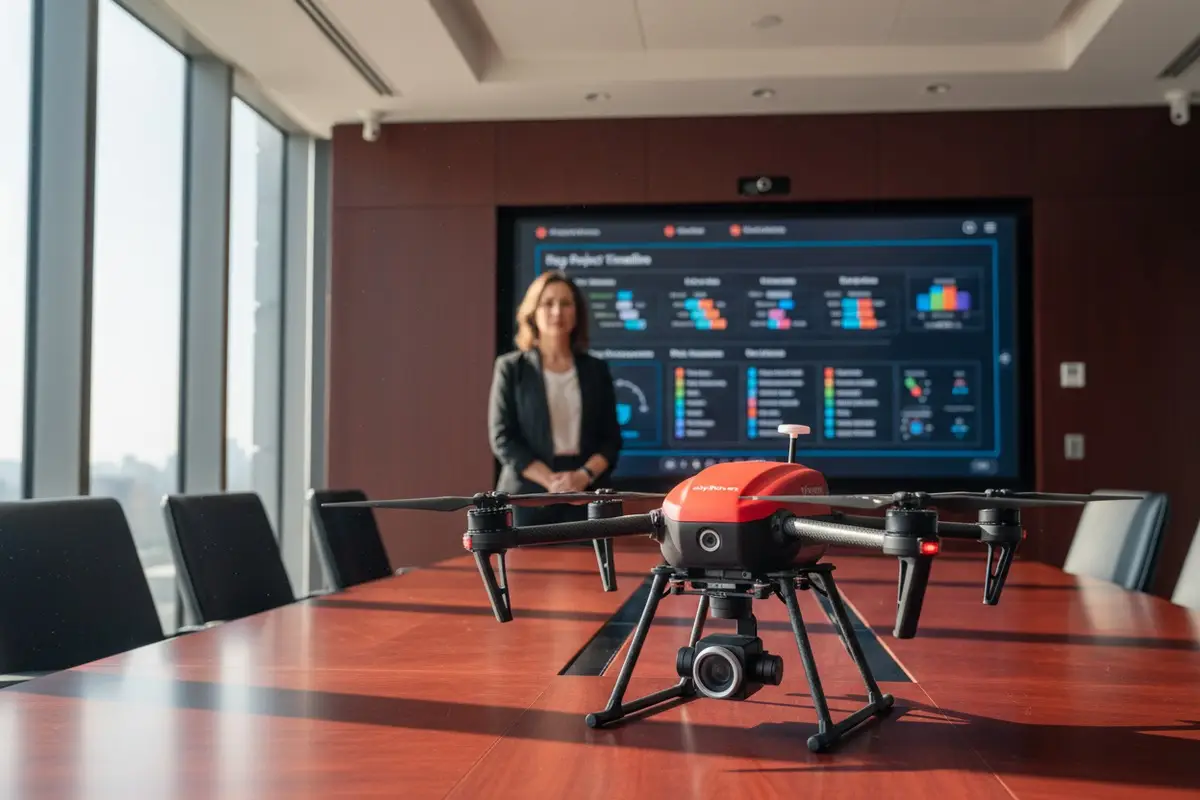
Als unser Ingenieurteam zum ersten Mal kundenspezifische Feuerlöschdrohnenprojekte in Angriff nahm, unterschätzten wir, wie Vorschriften die Zeitpläne um Monate verlängern könnten FAA-Konformität 1. Viele Käufer erleben die gleiche Frustration – sie müssen dringende operative Bedürfnisse mit komplexen Entwicklungsrealitäten in Einklang bringen.
Die Bewertung von Zeitplänen und Risiken für die Entwicklung kundenspezifischer Feuerlöschdrohnen erfordert die Bewertung von Technologiereifegraden, regulatorischen Wegen, technischen Haltbarkeitsstandards und Schwachstellen in der Lieferkette. Die meisten kundenspezifischen Projekte dauern 12-36 Monate, abhängig von der Komplexität, wobei die Einhaltung der FAA-Vorschriften und die Beschaffung von Komponenten die größten Verzögerungsfaktoren darstellen.
Dieser Leitfaden zerlegt jeden kritischen Bewertungsbereich Schwarmfähigkeit 2. Sie lernen realistische Zeitrahmen, wichtige Risikokategorien und praktische Möglichkeiten zur Überprüfung der Fähigkeiten des Herstellers kennen, bevor Sie sich zu einem kundenspezifischen Drohnenprojekt verpflichten.
Wie viel Zeit sollte ich realistischerweise für die F&E- und Prototypenphasen meiner kundenspezifischen Feuerlöschdrohne einplanen?
Unsere Produktionsteams haben Dutzende von kundenspezifischen Drohnenprojekten abgeschlossen, und Zeitplanerwartungen sind nach wie vor die häufigste Quelle für Missverständnisse mit Kunden elektromagnetisch verrauschte Umgebungen 3. Die Lücke zwischen gewünschten Lieferterminen und realistischen Entwicklungsplänen führt auf beiden Seiten zu Frustration.
Planen Sie 6-12 Monate für grundlegende F&E und Prototypenentwicklung mit Standardkomponenten, 12-24 Monate für die vollständige kundenspezifische Produktion mit Einhaltung von Vorschriften und 24-36 Monate für erweiterte Funktionen wie Schwarmfähigkeit oder schwere Nutzlastsysteme ein. Genehmigungen von Aufsichtsbehörden verlängern die Zeit oft um zusätzliche 6-12 Monate.

Entwicklungsphasen verstehen
Die Entwicklung kundenspezifischer Feuerlöschdrohnen durchläuft verschiedene Phasen. Jede Phase hat ihre eigenen Zeitrahmenfaktoren und potenzielle Verzögerungen. Wenn wir Projekte mit Kunden planen, teilen wir die Arbeit in sechs Kernphasen auf.
Die erste Phase umfasst die Bedarfsanalyse und Planung. Dies dauert 4-8 Wochen. In dieser Zeit definieren wir operative Anwendungsfälle, Umgebungsbedingungen, Sensoranforderungen und Anforderungen an die Nutzlastkapazität. Feuerwehren, die im Westen der USA tätig sind, stehen vor anderen Herausforderungen als städtische Rettungsteams. Diese Unterschiede prägen jede nachfolgende Entscheidung.
Die zweite Phase beinhaltet Machbarkeitsnachweise und Demoflüge. Dies erfordert in der Regel 8-16 Wochen. Unsere Ingenieure bauen erste Prototypen mit vorhandenen Komponenten, um Kernkonzepte zu validieren. Integration von Wärmebildkameras 4, Flugstabilität bei Wind und grundlegende Autonomiefunktionen werden hier getestet.
Zeitplanaufschlüsselung nach Projektkomplexität
| Projekttyp | F&E-Phase | Prototyping | Testen & Validierung | Gesamtzeitplan |
|---|---|---|---|---|
| Einfach kundenspezifisch (Standardkomponenten) | 2-3 Monate | 2-4 Monate | 2-4 Monate | 6-12 Monate |
| Mittelmäßig kundenspezifisch (modifizierte Systeme) | 4-6 Monate | 4-8 Monate | 4-6 Monate | 12-24 Monate |
| Fortgeschritten kundenspezifisch (Schwärme, schwere Nutzlasten) | 8-12 Monate | 8-12 Monate | 8-12 Monate | 24-36 Monate |
Faktoren, die Zeitpläne beschleunigen oder verzögern
Mehrere Faktoren können Ihr Projekt beschleunigen. Die Zusammenarbeit mit Herstellern, die über bestehende Technologiestacks für KI-Hindernisvermeidung 5 verfügen, reduziert die Entwicklungszeit erheblich. Unsere Flugsteuerungen integrieren bereits eine 360-Grad-Hinderniserkennung, was den Kunden monatelange Softwareentwicklung erspart.
Anbieterpakete, die Schulungen und Bereitstellungsunterstützung beinhalten, beschleunigen ebenfalls die Zeitpläne. Wenn wir Schulungen vor Ort als Teil des Projektumfangs anbieten, integrieren Kunden Drohnen schneller in den Betrieb.
Verzögerungen entstehen am häufigsten durch regulatorische Anforderungen. FAA-Genehmigungen für Beyond Visual Line of Sight-Betrieb 6 dauern 3-6 Monate. Wenn Ihr Projekt Schwarmoperationen oder neuartige Flugmuster erfordert, rechnen Sie damit, dass die behördliche Prüfung die Zeitpläne um 50-100 % verlängert.
Witterungstestiterationen verursachen ebenfalls Verzögerungen. Brandbekämpfungsdrohnen müssen unter extremen Bedingungen funktionieren. Tests über mehrere Jahreszeiten hinweg – Sommerhitze, Winterkälte, starker Wind – können nicht komprimiert werden. Unsere Testprotokolle erfordern eine Mindestdatenerfassung über mehrere Wetterszenarien hinweg, bevor wir Produktionseinheiten genehmigen.
Realistische Meilensteinplanung
Für eine kundenspezifische Brandbekämpfungsdrohne mittlerer Komplexität sieht ein realistischer Zeitplan wie folgt aus:
Monate 1-2: Anforderungsdokumentation und Machbarkeitsstudie
Monate 3-5: Komponentenauswahl und erste Prototypenmontage
Monate 6-8: Flugtests und Leistungsvalidierung
Monate 9-12: Softwareintegration und Kalibrierung des Wärmesensors
Monate 13-16: Umgebungsbelastungstests
Monate 17-20: Einreichung von Zulassungsanträgen und Compliance-Verifizierung
Monate 21-24: Lieferung von Produktionseinheiten und Schulung der Bediener
Dieser Zeitplan geht davon aus, dass nach Monat 6 keine größeren Designänderungen vorgenommen werden. Vom Kunden gewünschte Änderungen nach Beginn der Prototypenentwicklung verlängern in der Regel die Zeit um 2-4 Monate pro wesentlicher Änderung.
Welche technischen Risiken sollte ich bewerten, um sicherzustellen, dass meine kundenspezifische Drohne die industriellen Haltbarkeitsstandards erfüllt?
Während der Werksabnahmetests haben wir Drohnen gesehen, die unter kontrollierten Bedingungen perfekt funktionierten, aber dramatisch versagten, als sie gleichzeitig Rauch, Hitze und Wind ausgesetzt waren. Die technische Risikobewertung muss über grundlegende Spezifikationen hinausgehen.
Bewerten Sie Batterie- und Nutzlastbeschränkungen unter thermischer Belastung, Wetteranfälligkeit bei extremen Temperaturen, KI-Zuverlässigkeit bei schlechten Sichtverhältnissen, strukturelle Integrität gegenüber Hitzeeinwirkung und Signalbeibehaltung in elektromagnetisch verrauschten Umgebungen. Jede Risikokategorie erfordert spezifische Testprotokolle und Akzeptanzkriterien.

Risiken bei Akkus und Stromversorgungssystemen
Die Akkuleistung verschlechtert sich unter Brandbekämpfungsbedingungen erheblich. Hohe Umgebungstemperaturen reduzieren die Kapazität von Lithiumbatterien um 15-25%. Kalte Bedingungen unter dem Gefrierpunkt können die Flugzeit um 30-40% verkürzen.
Wenn wir Brandbekämpfungsdrohnen entwickeln, spezifizieren wir Akkus mit einer Betriebstemperatur von -20 °C bis +60 °C. Hot-Swap-Akku-Systeme ermöglichen kontinuierliche Einsätze, fügen aber mechanische Komplexität und potenzielle Fehlerquellen hinzu.
| Risikofaktor | Ebene der Auswirkungen | Strategie zur Risikominderung | Testanforderungen |
|---|---|---|---|
| Kapazitätsverlust bei hohen Temperaturen | Hoch | Thermomanagementsysteme | 50+ Stunden bei 50 °C Umgebungstemperatur |
| Leistungsabfall bei Kälte | Mittel | Akku-Aufwärmsysteme | 20+ Stunden bei -10 °C Umgebungstemperatur |
| Schnelle Entladung unter Last | Hoch | Überdimensionierte Akkukapazität | Volle Nutzlast-Flugtests |
| Ladezyklus-Degradation | Mittel | Premium-Zellchemie | 500+ Zyklen-Ausdauertests |
Strukturelle und Materialhaltbarkeit
Feuerlöschdrohnen sind extremen Umweltbelastungen ausgesetzt. Strahlungswärme von Bränden kann in unmittelbarer Nähe 1000 °C überschreiten. Rauchpartikel verstopfen Kühlsysteme. Wasser und Löschmittel korrodieren Elektronik.
Unsere Carbonfaserrahmen widerstehen Temperaturen bis zu 150 °C ohne Verformung. Motorgehäuse verwenden abgedichtete Lager, um das Eindringen von Partikeln zu verhindern. Alle externen Elektroniken erhalten eine Schutzbeschichtung gegen Feuchtigkeit und chemische Einwirkung.
Wetter- und Umweltbeständigkeit
Wind ist die häufigste Ursache für Ausfälle von Feuerlöschdrohnen. Waldbrände erzeugen eigene Wettermuster mit plötzlichen Böen von über 40 mph. Unsere Drohnen behalten einen stabilen Flug bei anhaltenden Winden von 25 mph mit Böen bis 35 mph.
Regen und Wassersprühnebel erfordern IP54 oder höhere Bewertungen 7 für zuverlässigen Betrieb. Rauchdichte beeinträchtigt die GPS-Signalqualität und visuelle Navigationssysteme. Wir integrieren redundante Positionierungssysteme, die GPS, GLONASS und visuelle Odometrie kombinieren, um die Navigation unter beeinträchtigten Bedingungen aufrechtzuerhalten.
KI- und Autonomie-Zuverlässigkeit
Autonome Navigation in Brandumgebungen birgt einzigartige Herausforderungen. Thermische Strömungen erzeugen Turbulenzen, die Höhenmesser verwirren. Rauch reduziert die LiDAR-Reichweite von über 100 Metern auf unter 20 Meter. Flammen erzeugen falsche Hindernisse für optische Vermeidungsysteme.
Unsere KI-Systeme nutzen Sensor-Fusion 8 eine Kombination aus Wärmebildkamera, Radar und Trägheitsmessung. Diese Redundanz stellt sicher, dass die Navigation fortgesetzt wird, wenn einzelne Sensoren ausfallen oder falsche Daten liefern. Testprotokolle erfordern eine erfolgreiche Hindernisvermeidung, wenn zwei von drei Sensorsystemen deaktiviert sind.
Signal- und Kommunikationsintegrität
Hochfrequenzstörungen in der Nähe von Brandherden sind stark. Funkgeräte von Einsatzfahrzeugen, Flugzeugkommunikation und Koronaentladungen von Stromleitungen erzeugen elektromagnetisches Rauschen. Videoübertragung und Steuersignale müssen zuverlässig bleiben.
Wir spezifizieren Frequenzsprung-Spreizspektrum-Funkgeräte mit automatischer Kanalauswahl. Steuerverbindungen halten die Verbindung über eine Reichweite von mehr als 9 Meilen bei klaren Bedingungen und über 3 Meilen in Umgebungen mit hoher Störung aufrecht. Protokolle für Signalverlust bringen Drohnen automatisch zu den Startpunkten zurück.
Wie kann ich überprüfen, ob mein Hersteller über die technische Tiefe verfügt, um meine spezifische Softwareintegration zu bewältigen?
Wenn Kunden unsere Einrichtung in Xi'an besuchen, führen wir sie durch unsere Softwareentwicklungsumgebung und demonstrieren Live-Code-Änderungen. Diese Transparenz unterscheidet Hersteller mit echter Ingenieurskompetenz von denen, die Produkte anderer weiterverkaufen.
Überprüfen Sie die technische Tiefe, indem Sie API-Dokumentationen anfordern, frühere Integrationsfallstudien überprüfen, direkt mit Softwareentwicklungsteams sprechen, Demogeräte mit Ihren spezifischen Protokollen testen und laufende technische Supportzusagen bestätigen. Hersteller sollten Versionskontrollsysteme vorweisen und Optionen für Quellcode-Treuhand hinterlegen.

Schlüsselindikatoren für Softwarekompetenz
Wahre Ingenieurtiefe zeigt sich in der Dokumentationsqualität. Wenn wir API-Dokumentation bereitstellen, enthält sie vollständige Funktionsbibliotheken, Fehlerbehandlungsverfahren und Integrationsbeispiele. Vage oder unvollständige Dokumentation signalisiert begrenzte interne Entwicklungskapazitäten.
Bitten Sie darum, die Entwicklungsumgebung des Herstellers zu sehen. Unser 70-köpfiges Team umfasst 15 engagierte Software-Ingenieure, die Flugsteuerungsfirmware, Bodenstationsanwendungen und Cloud-Datenplattformen schreiben und warten. Unternehmen ohne eigene Softwareteams können keine sinnvolle Anpassung bieten.
Fragen, die Sie Ihrem Hersteller stellen sollten
| Frage | Starke Antwort | Schwache Antwort |
|---|---|---|
| Welches SDK stellen Sie zur Verfügung? | Vollständiges SDK mit dokumentierten APIs und Beispielcode | "Wir können nach dem Kauf besprechen" |
| Können Sie mit unserem Brandmanagementsystem integrieren? | Ja, wir haben ähnliche Integrationen mit [spezifische Beispiele] durchgeführt. | "Es sollte möglich sein" |
| Wer kümmert sich nach der Lieferung um den Software-Support? | Unser internes Team mit definierten SLAs | "Unser Lieferant bietet Support" |
| Bieten Sie Source-Code-Escrow an? | Ja, über [spezifischer Escrow-Dienst] | "Was ist Escrow?" |
Testen der Integration vor dem Kauf
Fordern Sie eine Demoeinheit für Integrationstests an, bevor Sie Bestellungen abschließen. Wir versenden routinemäßig Bewertungseinheiten an qualifizierte Käufer für Bewertungszeiträume von 30-60 Tagen. Dies ermöglicht Ihrem technischen Team, die Kompatibilität mit bestehenden Systemen zu überprüfen.
Testen Sie während der Bewertung diese spezifischen Funktionen:
- Datenexport in Ihre Incident-Management-Systeme
- Echtzeit-Video-Streaming zu Ihrer Kommando-Infrastruktur
- Automatisierte Flugprotokollierung in Ihren erforderlichen Formaten
- Integration mit Thermalbildkamera-Analysesoftware
Bewertung von Support-Verpflichtungen
Software erfordert fortlaufenden Support. Fehlerbehebungen, Sicherheitsupdates und Kompatibilitätspatches sind während der gesamten Produktlebensdauer erforderlich. Unsere Standardverträge beinhalten 1-jährige Software-Updates mit optionalen erweiterten Supportverträgen.
Fragen Sie nach Reaktionszeitverpflichtungen. Wenn Kunden Softwareprobleme melden, reagiert unser Support-Team innerhalb von 24 Stunden bei kritischen Problemen und 72 Stunden bei nicht kritischen Anfragen. Fernwartungsdiagnose ermöglicht es uns in den meisten Fällen, Probleme ohne Vor-Ort-Besuche zu beheben.
Die Verfügbarkeit von Schulungen zeigt die technische Tiefe. Wir bieten Schulungen für Bediener, Zertifizierungen für Wartungstechniker und Kurse für Datenanalysten an. Hersteller ohne Schulungsprogramme verfügen wahrscheinlich nicht über die Expertise, um komplexe Integrationen zu unterstützen.
Warnsignale, auf die Sie achten sollten
Vermeiden Sie Hersteller, die technische Fragen nicht direkt beantworten können. Wenn Vertriebsmitarbeiter bei grundlegenden Softwarefragen "die Fabrik kontaktieren" müssen, sind die internen technischen Fähigkeiten begrenzt.
Seien Sie vorsichtig bei Herstellern, die unbegrenzte Anpassungen zu niedrigen Preisen anbieten. Qualitativ hochwertige Softwareentwicklung erfordert erhebliche Investitionen. Unrealistisch niedrige Angebote führen oft zu unvollständigen Implementierungen oder abgebrochenen Projekten.
Fordern Sie Referenzen von Kunden mit ähnlichen Integrationsanforderungen an. Wenn potenzielle Kunden unsere bestehenden Kunden kontaktieren, berichten diese durchweg, dass unser technischer Support die Erwartungen übertrifft. Hersteller, die keine Referenzen bereitstellen wollen, haben möglicherweise schlechte Erfolgsbilanzen.
Welche Logistik- und Compliance-Risiken könnten die Lieferung meiner kundenspezifischen Drohnenbestellung potenziell verzögern?
Unser Exportteam bearbeitet wöchentlich Sendungen in die Vereinigten Staaten und nach Europa. Trotz dieser Erfahrung treten immer noch unerwartete Zollverzögerungen, Engpässe bei Komponenten und Zertifizierungsverzögerungen auf. Das Verständnis dieser Risiken ermöglicht eine bessere Planung.
Zu den wichtigsten Logistik- und Compliance-Risiken gehören Schwankungen im Zeitplan der FAA-Zertifizierung, Fehler bei der Zollabfertigungsdokumentation, Unterbrechungen der Lieferkette für Spezialkomponenten, Änderungen der Exportkontrollbestimmungen und Engpässe bei der Frachtkapazität während der Spitzenzeiten. Planen Sie einen Puffer von 4-8 Wochen für internationale Sendungen über die angegebenen Liefertermine hinaus ein.
Verzögerungen bei der Einhaltung von Vorschriften
FAA-Zertifizierungsprozesse variieren unvorhersehbar. Standardgenehmigungen für kommerzielle Operationen dauern 90-180 Tage. BVLOS-Genehmigungen – erstmals 2021 erteilt – dauern jetzt 6-12 Monate. Genehmigungen für Schwarmoperationen bleiben selten und sind stark fallabhängig.
NIST-Teststandards 9 im Jahr 2022 festgelegt, bieten Compliance-Benchmarks. Drohnen, die diese Standards erfüllen, durchlaufen reibungslosere Genehmigungsprozesse. Unsere Brandbekämpfungsdrohnen entsprechen den NIST-Testprotokollen, die wir in Zertifizierungspaketen für Kunden dokumentieren.
| Compliance-Element | Typischer Zeitplan | Risikofaktoren | Milderung |
|---|---|---|---|
| FAA Part 107-Zertifizierung | 2-4 Wochen | Anwendungsfehler | Vorabprüfung |
| BVLOS-Ausnahmegenehmigung | 6-12 Monate | Neuartige Flugprofile | Frühzeitige Antragstellung |
| Einfuhrdokumentation | 2-4 Wochen | Klassifizierungsfehler | Erfahrener Broker |
| Staatliche/lokale Genehmigungen | 4-8 Wochen | Jurisdiktionsunterschiede | Lokale Rechtsprüfung |
Schwachstellen in der Lieferkette
Spezialkomponenten haben längere Lieferzeiten als Standardteile. Hochleistungsmotoren, Wärmebildsensoren und feuerfeste Materialien haben oft Lieferzeiten von 12-16 Wochen. Komponenten aus einer einzigen Quelle bergen ein besonderes Risiko.
Die Zolländerungen für 2024-2025, die chinesische Drohnenexporte betrafen, führten zu vorübergehender Marktunsicherheit. Während sich unsere Lieferketten anpassten, stiegen die Kosten für einige Komponenten. Wir unterhalten strategische Lagerbestände kritischer Teile, um uns gegen Lieferunterbrechungen abzusichern.
Zoll- und Importherausforderungen
Eine ordnungsgemäße Dokumentation verhindert Zollverzögerungen. Erforderliche Dokumente sind Handelsrechnungen, Packlisten, Ursprungszeugnisse und Erklärungen zur Technologiekontrolle. Fehlende oder falsche Dokumente führen zu Rückhaltungen von 2-4 Wochen.
Die harmonisierte Zolltarifklassifizierung beeinflusst sowohl die Kosten als auch die Abfertigungsgeschwindigkeit. Industriedrohnen können je nach Hauptfunktion unter mehreren Codes klassifiziert werden. Wir arbeiten mit erfahrenen Zollagenten in den Zielländern zusammen, um eine korrekte Klassifizierung sicherzustellen.
Exportkontrollvorschriften erfordern die Überprüfung, dass die Drohnentechnologie nicht unter eingeschränkte Kategorien fällt. Die meisten kommerziellen Feuerwehrdrohnen werden von der Exportkontrolle freigegeben, aber Nutzlastsysteme und bestimmte Sensorpakete erfordern eine zusätzliche Prüfung.
Fracht- und Logistikzeiten
Luftfrachtkapazitätsbeschränkungen beeinträchtigen die Liefertermine während der Hauptsaison. Der Versand für die Feiertage im 4. Quartal und das chinesische Neujahrsfest im 1. Quartal führen zu Kapazitätsengpässen. Wir empfehlen, Bestellungen 8-12 Wochen vor den erforderlichen Lieferterminen aufzugeben, um Verzögerungen während der Hauptsaison zu vermeiden.
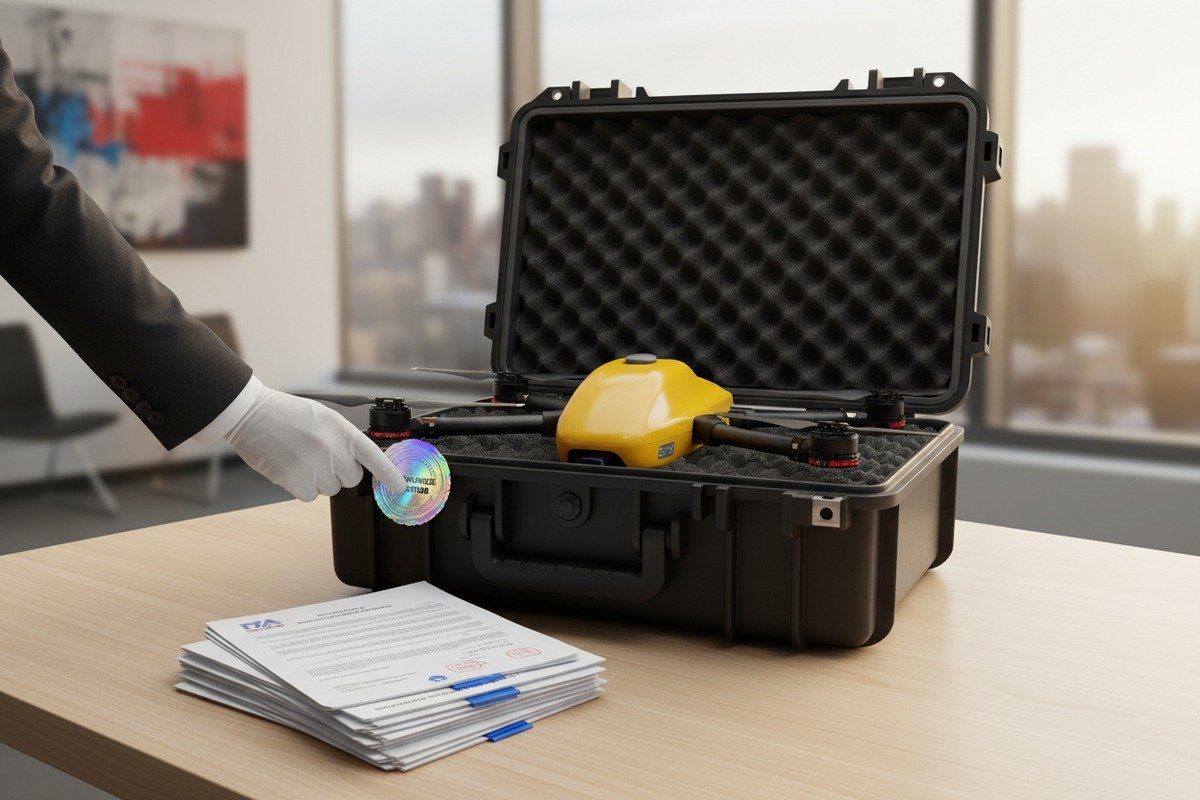
Spezialverpackungen für Drohnenlieferungen erfordern zusätzliche Handhabung. Unsere Kisten enthalten Schaumstoffpolsterung, Feuchtigkeitskontrolle und Stoßindikatoren. Beschädigte Lieferungen aufgrund unzureichender Verpackung führen zu Verzögerungen von 4-8 Wochen für den Ersatz.
Minderung von Lieferrisiken
Wir bieten mehrere Optionen zur Reduzierung von Lieferrisiken. Die phasenweise Lieferung teilt große Bestellungen in mehrere Sendungen auf, um eine teilweise Verfügbarkeit zu gewährleisten, auch wenn eine Sendung Verzögerungen erfährt. Die Vorpositionierung von Lagerbeständen in US-Lagern eliminiert die Einfuhrzeit für wiederkehrende Bestellungen.
Klare Kommunikationsprotokolle verhindern Missverständnisse. Unsere Projektmanager liefern wöchentliche Statusaktualisierungen während der Produktion. Kunden erhalten sofort nach dem Versand Tracking-Informationen. Alle potenziellen Verzögerungen lösen eine sofortige Benachrichtigung mit aktualisierten Zeitplänen aus.
Die Tür-zu-Tür-Lieferung eliminiert Übergaberisiken. Wir pflegen Beziehungen zu Spediteuren, Zollagenten und Zustelldiensten in allen wichtigen Märkten. Dieser integrierte Ansatz reduziert die gesamte Transitzeit und bietet eine einzige Verantwortlichkeit.
Schlussfolgerung
Die kundenspezifische Entwicklung von Feuerlöschdrohnen erfordert realistische Zeitplanerwartungen, eine gründliche Bewertung technischer Risiken, verifizierte Herstellerfähigkeiten und eine proaktive Logistikplanung. Planen Sie je nach Komplexität 12-36 Monate ein und halten Sie während des gesamten Prozesses eine offene Kommunikation mit Ihrem Fertigungspartner aufrecht.
Fußnoten
1. Maßgebliche Quelle für Vorschriften und Compliance für kommerzielle Drohnen. ︎
2. Bietet einen allgemeinen Überblick über Drohnenschwarmtechnologie und -anwendungen. ︎
3. Allgemeine Erklärung von EMI, relevant für die Signalintegrität von Drohnen. ︎
4. Branchenführer für Wärmebildtechnik, relevant für Feuerlöschdrohnenanwendungen. ︎
5. Erklärt das Konzept der Hindernisvermeidung in Robotik und KI. ︎
6. Direkte FAA-Richtlinien für BVLOS-Betrieb von Drohnen. ︎
7. Maßgebliche Quelle für Ingress Protection (IP)-Codes und -Standards. ︎
8. Ersetzt durch einen umfassenden und maßgeblichen Wikipedia-Artikel zur Sensorfusion. ︎
9. Offizielle Ankündigung und Details von NIST zu Drohnenteststandards. ︎
 English
  Español de México
  Deutsch
  Français
  Русский
  العربية
Comments
No comments yet. Be the first to share your thoughts!
Leave a Comment