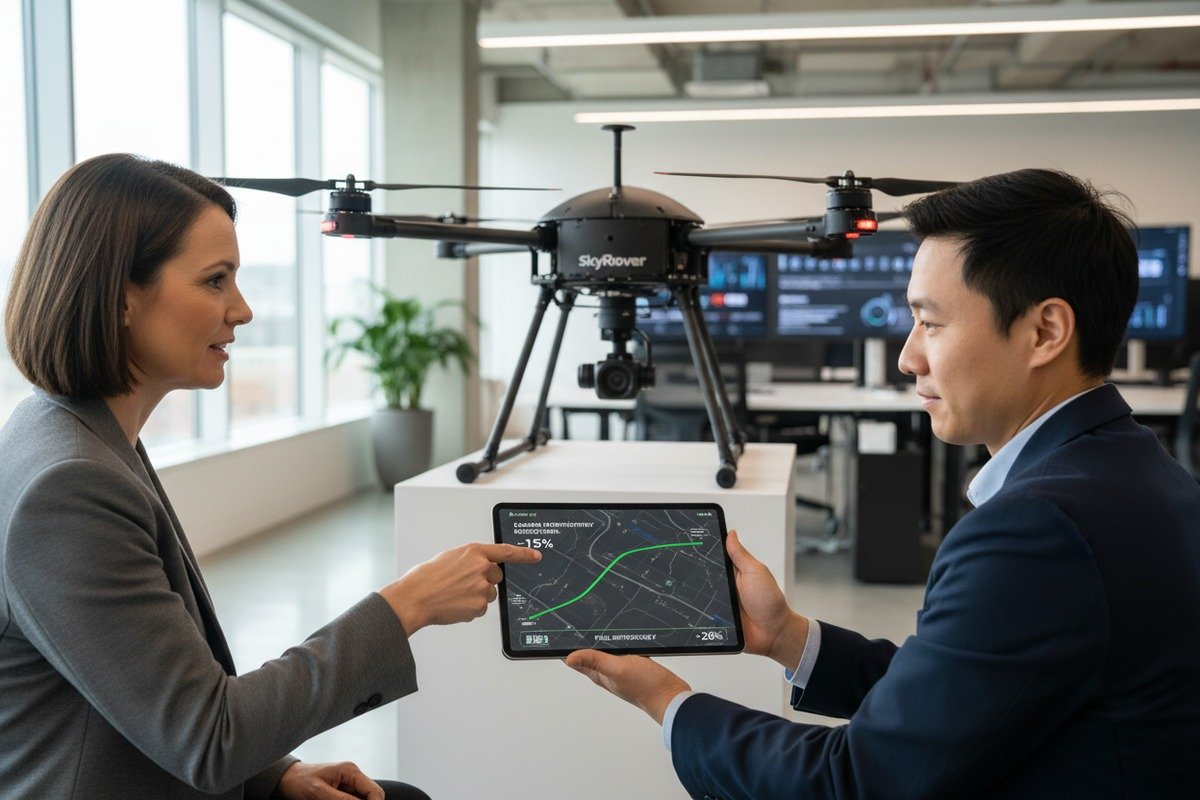
Als unser Produktionsteam zum ersten Mal Anfragen zu CO2-Fußabdaten 1 für unsere Agrardrohnen erhielt, erkannten wir, dass sich das Gespräch verlagert hatte. Käufer wollten nicht mehr nur Flugzeitangaben und Nutzlastkapazität Fabrikenergiequellen 2. Sie wollten einen Nachweis über die Umweltauswirkungen.
Um die Vorteile der CO2-Neutralität mit Lieferanten zu besprechen, fordern Sie Daten zu den Emissionen über den gesamten Lebenszyklus, Kennzahlen zur Energieeffizienz und Nachhaltigkeitszertifizierungen an. Erkundigen Sie sich nach Batterierecyclingprogrammen, der Nutzung erneuerbarer Energien in der Fertigung und kundenspezifischen Softwareoptionen, die Flugrouten optimieren, um den Energieverbrauch und die Betriebsemissionen zu reduzieren.
Dieser Leitfaden führt Sie durch die genauen Fragen, die Sie stellen müssen, die Daten, die Sie anfordern müssen, und die Strategien, um sicherzustellen, dass Ihr Drohnenlieferant mit Ihren CO2-neutralen Zielen übereinstimmt. Lassen Sie uns das Schritt für Schritt aufschlüsseln.
Wie kann ich beurteilen, ob der Herstellungsprozess eines Lieferanten die CO2-Neutralitätsverpflichtungen meines Unternehmens unterstützt?
Viele Einkaufsmanager haben Schwierigkeiten, die Nachhaltigkeitsaussagen von Lieferanten zu überprüfen. Die Herausforderung ist real. Ohne klare Kennzahlen riskieren Sie, mit Lieferanten zusammenzuarbeiten, die grün reden, aber schmutzig handeln.
Um den Herstellungsprozess eines Lieferanten zu bewerten, fordern Sie Dokumentationen zu den Energiequellen des Werks, den Protokollen für das Abfallmanagement, den Praktiken der Materialbeschaffung und externen Umweltprüfungen an. Achten Sie auf die ISO 14001-Zertifizierung, den Anteil erneuerbarer Energien und transparente Berichte über den CO2-Fußabdruck, die die Produktions-, Montage- und Versandphasen abdecken.

Beginnen Sie mit Fragen zur Energiequelle
Das Erste, was wir besuchenden Einkaufsteams sagen, ist einfach: Fragen Sie, woher der Strom kommt. In unserer Xi'an-Anlage verfolgen wir den Energieverbrauch nach Produktionsstufe. Diese Detailgenauigkeit ist wichtig.
Ein Lieferant, der 80% kohlebefeuerte Elektrizität verwendet, hat ein ganz anderes Kohlenstoffprofil als einer, der Solar- oder Windenergie nutzt. Fordern Sie eine Aufschlüsselung an. Bitten Sie um Stromrechnungen oder Zertifikate für erneuerbare Energien, falls verfügbar.
Untersuchen Sie die Materialbeschaffungspraktiken
Kohlefaserrahmen, Lithiumbatterien und elektronische Komponenten tragen alle eingebundener Kohlenstoff 3. Die Gewinnung, Verarbeitung und der Transport dieser Materialien tragen erheblich zu den Gesamtemissionen bei.
Fragen Sie Ihren Lieferanten:
- Woher beziehen Sie Kohlefaser?
- Verwenden Sie recyceltes Aluminium für Rahmenteile?
- Woher stammen Ihre Lithium-Ionen-Zellen?
| Kriterien für die Bewertung | Fragen, die Sie stellen sollten | Rote Fahnen |
|---|---|---|
| Energiequellen | Welcher Prozentsatz des Stroms im Werk stammt aus erneuerbaren Energien? | Keine Daten verfügbar oder ausweichende Antworten |
| Abfallmanagement | Wie gehen Sie mit Produktionsabfällen und defekten Batterien um? | Kein Recyclingprogramm vorhanden |
| Materialbeschaffung | Verfolgen Sie den CO2-Fußabdruck von Rohstoffen? | Lieferanten aus einer Hand ohne Transparenz |
| Transport | Welche Versandmethoden verwenden Sie für den Export? | Ausschließlich Luftfracht ohne Alternativen |
| Zertifizierungen | Besitzen Sie ISO 14001 oder eine gleichwertige Zertifizierung? | Keine externen Umweltprüfungen |
Fordern Sie eine unabhängige Verifizierung an
Selbst gemeldete Daten haben Grenzen. Fragen Sie, ob Ihr Lieferant unabhängige Umweltprüfungen durchführt. ISO 14001-Zertifizierung 4 demonstriert ein Engagement für Umweltmanagementsysteme. Einige Lieferanten nehmen auch teil an Kohlenstoffberichterstattungsprojekten 5.
Während unseres jüngsten Fabrik-Upgrades haben wir in Solarpanels investiert, die 40% unseres Daches bedecken. Diese Entscheidung beruhte direkt auf Kundenfeedback. Ihre Fragen treiben das Verhalten der Lieferanten an.
Berücksichtigen Sie den gesamten Produktionslebenszyklus
Die Fertigung ist nur ein Teil. Verpackungsmaterialien, Testverfahren und Qualitätskontrolle verbrauchen alle Ressourcen. Fragen Sie nach:
- Recyclingfähigkeit der Verpackung
- Energieverbrauch bei Testflügen
- Fehlerraten und Abfall von fehlerhaften Einheiten
Eine Fehlerrate von 5% bedeutet 5% mehr verschwendete Materialien, Energie und Emissionen. Lieferanten mit strenger Qualitätskontrolle produzieren inhärent weniger Emissionen pro gelieferter Einheit.
Welche Energieeffizienzdaten sollte ich von meinem Lieferanten anfordern, um das Kohlenstoffeinsparpotenzial meiner Agrardrohnen nachzuweisen?
Zahlen sind wichtig, wenn Nachhaltigkeitsinitiativen den Stakeholdern präsentiert werden. Vage Behauptungen über "grüne Technologie" werden weder Vorstandsmitglieder noch Aufsichtsbehörden zufriedenstellen. Sie benötigen harte Daten.
Fordern Sie spezifische Energieeffizienzkennzahlen an, einschließlich Wattstunden pro abgedeckter Hektar, Batterieladezyklen, Ladeenergieverbrauch, Wirkungsgradbewertungen des Motors und vergleichbare Kraftstoffeinsparungen im Vergleich zu herkömmlichen Geräten. Australische Studien zeigen, dass landwirtschaftliche Drohnen bei der Pestizidanwendung eine Kraftstoffreduzierung von bis zu 90% im Vergleich zu Traktoren erzielen.
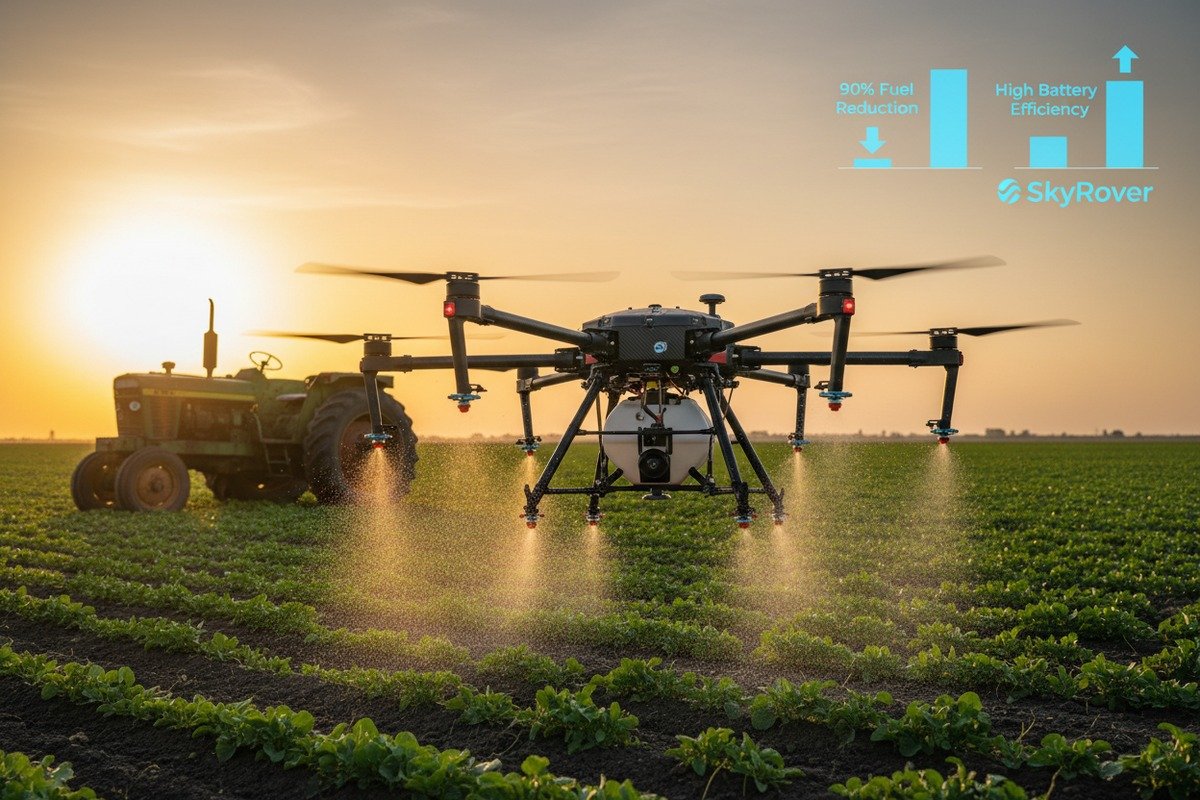
Wichtige Kennzahlen, die zählen
Wenn unser Ingenieurteam Effizienzberichte für Exportkunden erstellt, konzentrieren wir uns auf umsetzbare Zahlen. Hier ist, was Sie anfordern sollten:
| Metrisch | Warum es wichtig ist | Benchmark-Bereich |
|---|---|---|
| Wh pro Hektar | Misst die pro abgedeckter Fläche verbrauchte Energie | 15-30 Wh/ha für Sprühvorgänge |
| Batterielebensdauer (Zyklen) | Gibt die gesamte betriebliche Lebensdauer vor dem Austausch an | 500-1000 Zyklen für Qualitätszellen |
| Ladeeffizienz | Energieverlust während des Ladevorgangs | 85-95% Effizienz ist Standard |
| Motoreffizienz | Prozentsatz der in Schub umgewandelten elektrischen Energie | 80-88% für bürstenlose Motoren |
| Nutzlast-zu-Gewicht-Verhältnis | Höhere Verhältnisse bedeuten weniger Energieverschwendung bei der Bewegung der Drohne selbst | 0,4-0,6 für Sprühdrohnen |
Vergleich mit traditionellen Methoden
Die wahre Geschichte zeigt sich beim Vergleich von Drohnenbetrieben mit herkömmlichen Landmaschinen. A Diesel-Traktor 6 Das Versprühen von Pestiziden verbraucht etwa 15-20 Liter Kraftstoff pro 100 Hektar. Eine elektrische Drohne, die die gleiche Aufgabe ausführt, verbraucht etwa 3-5 kWh Strom.
Umrechnung dieser Zahlen in CO2-Äquivalente 7:
- Diesel-Traktor: 40-50 kg CO2 pro 100 Hektar
- Elektrische Drohne: 1,5-3 kg CO2 pro 100 Hektar (abhängig von der CO2-Intensität des Stromnetzes)
Dies entspricht einer Emissionsreduzierung von 90-95% allein für die Anwendungsphase.
Fordern Sie reale Leistungsdaten an
Laborspezifikationen unterscheiden sich von der Feldleistung. Fragen Sie Ihren Lieferanten nach:
- Fallstudien aus ähnlichen Klimazonen und Anbauarten
- Kundenreferenzen mit quantifizierten Einsparungen
- GPS-Flugprotokolle, die die tatsächliche Abdeckungseffizienz zeigen
Unsere Kunden in kalifornischen Mandelplantagen berichten, dass sie 3.000 Hektar mit präziser Spot-Behandlung abgedeckt haben und den Chemikalienverbrauch im Vergleich zu flächendeckenden Sprühverfahren um 35% reduziert haben.
Berücksichtigen Sie die Ladeinfrastruktur
Der Standort des Batterieladens beeinflusst den gesamten CO2-Fußabdruck. Drohnen, die von einem solarbetriebenen Bauernhofgebäude aus aufgeladen werden, haben nahezu keine betrieblichen Emissionen. Diejenigen, die aus einem kohlelastigen Stromnetz aufgeladen werden, produzieren immer noch indirekte Emissionen.
Fragen Sie Lieferanten nach:
- Kompatibilität mit tragbaren Solarladesystemen
- Schnellladefähigkeiten zur maximalen Nutzung des Sonnenfensters
- Batteriewechselsysteme für kontinuierlichen Betrieb
Langfristige Effizienzdegradation
Batterien verlieren mit der Zeit an Kapazität. Eine Drohne, die im Neuzustand 45 Minuten Flugzeit erreicht, schafft nach 300 Zyklen möglicherweise nur noch 35 Minuten. Diese Degradation wirkt sich auf Ihre Energieeffizienzkalkulationen aus.
Fordern Sie Degradationskurven von Ihrem Lieferanten an. Qualitätshersteller testen die Batterieleistung über Hunderte von Zyklen und können realistische Lebensdauerprognosen liefern.
Wie stelle ich sicher, dass mein Drohnenlieferant die Zertifizierungen bereitstellt, die zur Validierung meiner grünen Beschaffungsstrategie erforderlich sind?
Beschaffungsrichtlinien verlangen zunehmend dokumentierte Nachweise zur Einhaltung von Umweltvorschriften. Ohne entsprechende Zertifizierungen bleiben Ihre Nachhaltigkeitsaussagen anfällig für Prüfungsprobleme und Greenwashing-Vorwürfe.
Stellen Sie sicher, dass Ihr Drohnenlieferant eine Umweltmanagementzertifizierung nach ISO 14001, eine CE-Kennzeichnung mit RoHS-Konformität für Beschränkungen gefährlicher Stoffe, Batterie-Zertifizierungen wie UN38.3 für den sicheren Transport und idealerweise eine Verifizierung des CO2-Fußabdrucks von anerkannten Stellen vorlegt. Fordern Sie Kopien aller Zertifikate an und überprüfen Sie deren Gültigkeit bei den ausstellenden Organisationen.

Checkliste für wesentliche Zertifizierungen
Unser Exportdokumentationsteam verfügt über aktuelle Zertifizierungen für alle wichtigen Märkte. Hier ist, was Sie überprüfen sollten:
| Zertifizierung | Zweck | Relevanz für Klimaneutralität |
|---|---|---|
| ISO 14001 | Umweltmanagementsysteme | Zeigt systematischen Ansatz zur Reduzierung der Umweltauswirkungen |
| CE-Kennzeichnung | Europäische Konformität | Enthält RoHS-Konformität 8 Beschränkung gefährlicher Materialien |
| UN38.3 | Sicherheit von Lithiumbatterien | Stellt sicher, dass ordnungsgemäße Protokolle für den Umgang und die Entsorgung von Batterien vorhanden sind |
| FCC Teil 107 | Einhaltung der US-Funkfrequenzvorschriften | Erforderlich für den legalen US-Betrieb |
| Carbon Trust Zertifizierung | Drittanbieter-CO2-Fußabdruck-Verifizierung | Bietet unabhängige Validierung von Emissionsangaben |
| MSDS-Dokumentation | Sicherheitsdatenblätter | Details zur chemischen Zusammensetzung für das Recycling am Lebensende |
Echtheit von Zertifikaten überprüfen
Leider gibt es in der Drohnenindustrie betrügerische Zertifizierungen. Schützen Sie sich, indem Sie:
- Zertifikatsnummern anfordern und Datenbanken der ausstellenden Stelle prüfen
- Zertifizierungsorganisationen direkt kontaktieren
- Prüfberichte anfordern, nicht nur Zertifikate
Als wir letztes Jahr unsere ISO 14001-Zertifizierung erneuert haben, dauerte der Auditprozess drei Tage und umfasste jeden Aspekt unserer Geschäftstätigkeit. Legitime Zertifizierungen erfordern fortlaufende Einhaltung, nicht einmalige Zahlungen.
Zertifizierungen an Ihre Marktanforderungen anpassen
Unterschiedliche Märkte haben unterschiedliche Anforderungen. Europäische Käufer benötigen die CE-Kennzeichnung. US-Kunden benötigen die FCC-Konformität. Einige Regierungsaufträge schreiben spezifische Umweltzertifizierungen vor.
Fragen Sie Ihren Lieferanten:
- Für welche Märkte sind Sie derzeit zertifiziert?
- Können Sie marktspezifische Dokumentationspakete bereitstellen?
- Wie schnell können Sie bei Bedarf zusätzliche Zertifizierungen erhalten?
Suchen Sie nach freiwilligen Umweltverpflichtungen
Über obligatorische Zertifizierungen hinaus verfolgen fortschrittliche Lieferanten freiwillige Standards. Dazu gehören:
- Teilnahme am Carbon Disclosure Project
- Ausrichtung an der Science-Based Targets initiative
- Mitgliedschaft in Koalitionen für nachhaltiges Wirtschaften
Diese Verpflichtungen signalisieren echte Umweltprioritäten und nicht nur die Einhaltung von Mindeststandards.
Dokumentieren Sie alles für Prüfspuren
Ihre Beschaffungsdateien sollten Folgendes enthalten:
- Kopien von Zertifikaten mit Gültigkeitsdaten
- Umweltschutzrichtlinien von Lieferanten
- Korrespondenz zur Bestätigung von Nachhaltigkeitspraktiken
- Alle Berichte von Drittanbietern zur Überprüfung
Wenn Prüfer Ihre Ansprüche an grüne Beschaffung prüfen, demonstriert eine vollständige Dokumentation die gebotene Sorgfalt. Wir stellen allen Exportkunden zu diesem Zweck umfassende Zertifizierungspakete zur Verfügung.
Kann ich mit meinem Lieferanten an benutzerdefinierten Softwarefunktionen zusammenarbeiten, die den CO2-Fußabdruck meiner Drohnenflotte insgesamt reduzieren?
Standarddrohnen eignen sich für grundlegende Einsätze. Aber ernsthafte CO2-Reduzierung erfordert Optimierung auf Softwareebene. Flugrouten, Sensorintegration und Flottenkoordination bieten alle Effizienzsteigerungen, die Hardware allein nicht erreichen kann.
Ja, Sie können mit Lieferanten an kundenspezifischen Softwarefunktionen zusammenarbeiten, darunter optimierte Flugpfadalgorithmen, Präzisionsanwendungszuordnungen basierend auf Echtzeit-Sensordaten, Batteriemanagementsysteme, die die Lebensdauer verlängern, und Flottenkoordinationssoftware, die redundante Abdeckung minimiert. Diese Anpassungen können den Energieverbrauch im Vergleich zu Standardkonfigurationen um 15-30 % senken.

Optimierung der Flugroute
Der kürzeste Weg zwischen zwei Punkten ist nicht immer der effizienteste. Windmuster, Höhenunterschiede und Hindernisvermeidung beeinflussen den Energieverbrauch.
Wenn unser Softwareteam mit Kunden an kundenspezifischer Flugplanung arbeitet, berücksichtigen wir:
- Vorherrschende Windrichtung zur Minimierung der Motorbelastung
- Geländefolgung, die eine optimale Sprühhöhe beibehält
- Rückflugrouten, die die verbleibende Akkukapazität berücksichtigen
Intelligente Routenplanung kann die Flugzeit um 20% bei gleicher Abdeckung reduzieren. Das bedeutet direkt Energieeinsparungen.
Integration von Präzisionsanwendungen
Generische Sprühmuster verschwenden Chemikalien und Energie. Kundenspezifische Software, die sich mit Bodensensoren, NDVI-Kameras und Feuchtigkeitsmonitoren integriert, ermöglicht eine gezielte Anwendung.
Betrachten Sie diesen Vergleich:
| Anwendungsmethode | Abdeckungsansatz | Ressourcennutzung | Energie pro Hektar |
|---|---|---|---|
| Flächensprühung | Gleichmäßige Anwendung auf dem gesamten Feld | 100% Grundlinie | 100% Grundlinie |
| Zonenbasiert | Unterschiedliche Raten für zugeordnete Zonen | 70-85% der Basislinie | 85-90% der Basislinie |
| Echtzeit-Variable Rate | Kontinuierliche Anpassung basierend auf Live-Sensordaten | 50-65% der Basislinie | 70-80% der Basislinie |
Wir haben kundenspezifische Integrationsmodule für mehrere US-amerikanische Agrardienstleistungsunternehmen entwickelt. Ihr Feedback treibt die kontinuierliche Verbesserung voran.
Batteriemanagement-Software
Die Software steuert Ladezyklen, Entladeraten und Zellenausgleich. Optimiertes Batteriemanagement 9 verlängert die nutzbare Lebensdauer und erhält die Effizienz.
Fragen Sie Ihren Lieferanten nach:
- Temperaturkompensierte Ladealgorithmen
- Zellbasierte Überwachung und Ausgleich
- Vorhersagende Wartungswarnungen vor Leistungsverschlechterung
Unser Batteriemanagementsystem umfasst eine cloudbasierte Überwachung, die Betreiber alarmiert, wenn Zellen ungleichmäßig zu altern beginnen, und so einen vorzeitigen Austausch des Packs verhindert.
Flottenkoordinationssysteme
Große Betriebe, die mehrere Drohnen betreiben, profitieren enorm von Koordinationssoftware. Ohne sie verschwenden Drohnen Energie durch doppelte Abdeckung oder unnötige Reisen.
Zu beantragende Flottenmanagementfunktionen:
- Automatische Aufgabenverteilung basierend auf dem Batteriestatus
- Kollisionsvermeidung mit minimaler Routenabweichung
- Synchronisierte Ladepläne zur Anpassung an Spitzen der Solarenergieerzeugung
Datenanalyse für kontinuierliche Verbesserung
Jeder Flug generiert Daten. Benutzerdefinierte Analyse-Dashboards können identifizieren:
- Routen, die durchweg mehr Energie verbrauchen
- Betreiber, deren Techniken die Akkukapazität verschwenden
- Wetterbedingungen, die die Effizienz verringern
Im Laufe der Zeit ermöglicht diese Datengrundlage iterative Verbesserungen. Ein Kunde reduzierte den durchschnittlichen Energieverbrauch pro Hektar um 22% über zwei Anbausaisons hinweg, indem er einfach auf Erkenntnisse aus Flugdaten reagierte.
Entwicklungszusammenarbeitsmodelle
Nicht jeder Käufer wünscht das gleiche Maß an Anpassung. Wir bieten verschiedene Kooperationsmodelle an:
- Standard Plus: Kleinere Parameteranpassungen an bestehender Software
- Benutzerdefinierte Integration: Verbindung unserer Drohnen mit Ihren bestehenden Farmmanagementsystemen
- Vollständige Entwicklung: Entwicklung von Funktionen von Grund auf für einzigartige betriebliche Anforderungen
Das richtige Modell hängt von Ihren technischen Fähigkeiten, Ihrem Budget und Ihren spezifischen Zielen zur Reduzierung von CO2-Emissionen ab.
Schlussfolgerung
Die Diskussion von CO2-neutralen Vorteilen mit Ihrem Lieferanten für Agrardrohnen erfordert Vorbereitung, spezifische Fragen und klare Dokumentationsanforderungen. Konzentrieren Sie sich auf Herstellungsprozesse, Daten zur Energieeffizienz, Zertifizierungen und Möglichkeiten für benutzerdefinierte Software. Die Lieferanten, die mit detaillierten, überprüfbaren Informationen antworten, sind die Partner, mit denen es sich lohnt, Beziehungen aufzubauen. Beginnen Sie mit einem Gespräch, verfolgen Sie die Ergebnisse und skalieren Sie Ihre Strategie für grüne Beschaffung von dort aus.
Fußnoten
1. Ersetzt durch einen maßgeblichen EPA-Rechner, der auch den CO2-Fußabdruck erklärt. ︎
2. Erklärt Arten von Energiequellen, die in Industriesektoren verwendet werden, und deren Verbrauch. ︎
3. Ersetzt durch eine maßgebliche Regierungsquelle (California Air Resources Board), die den grauen CO2-Fußabdruck definiert. ︎
4. Ersetzt durch eine maßgebliche EPA-Seite, die Umweltmanagementsysteme nach ISO 14001 erklärt. ︎
5. Offizielle Website von CDP, die seine Rolle bei der Offenlegung von Umweltdaten für Unternehmen und Städte detailliert beschreibt. ︎
6. Erörtert EPA-Vorschriften und Umweltauswirkungen von Dieselmotoren in Landmaschinen. ︎
7. Definiert CO2-Äquivalente (CO2e) als Metrik für den Vergleich von Treibhausgasemissionen. ︎
8. Offizielle EU-Richtlinie zur Beschränkung gefährlicher Stoffe in Elektrogeräten zum Umweltschutz. ︎
9. Erklärt, wie Batteriemanagementsysteme die Batterieleistung und -lebensdauer überwachen und optimieren. ︎

 English
  Español de México
  Deutsch
  Français
  Русский
  العربية
