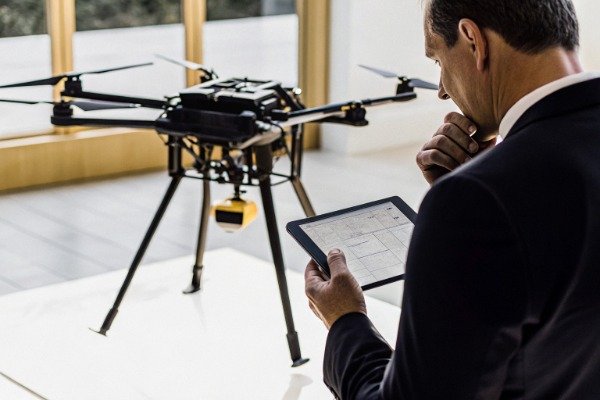
Bei unserem täglichen Geschäft analysieren wir häufig Angebote von Wettbewerbern, die unmöglich niedrig erscheinen. Während preisgünstige Optionen für Beschaffungsteams attraktiv sind, beeinträchtigen diese unterbewerteten Einheiten oft kritische Sicherheitsfunktionen, die für die Brandbekämpfung benötigt werden.
Ein deutlich niedrigeres Angebot deutet typischerweise auf die Verwendung von generalüberholten Komponenten, fehlende technische Unterstützung nach dem Verkauf und beeinträchtigte Batteriesicherheit hin. Diese Risiken führen oft zu Missionsversagen, versteckten logistischen Kosten und Nichteinhaltung von Sicherheitsvorschriften, was letztendlich Personal gefährdet und die Gesamtkosten des Eigentums erhöht.
Lassen Sie uns die spezifischen Gefahren aufschlüsseln, die hinter diesen attraktiven, aber trügerischen Preisschildern verborgen sind.
Könnte ein deutlich niedrigerer Preis auf die Verwendung von generalüberholten oder minderwertigen Komponenten hindeuten?
Bei der Auswahl von Materialien für unsere SkyRover-Flotte lehnen wir Komponenten ab, die strengen Belastungstests nicht standhalten. Im Gegensatz dazu verwenden Budget-Lieferanten oft diese abgelehnten Teile, was zu erheblichen Zuverlässigkeitsproblemen für Endverbraucher führt.
Ja, drastisch niedrigere Angebote ergeben sich oft daraus, dass Lieferanten generalüberholte Motoren, GPS-Module für den Verbraucherbereich oder abgelehnte Sensoren verwenden. Diesen minderwertigen Komponenten fehlt die Haltbarkeit, die für Umgebungen mit hohen Temperaturen erforderlich ist, was zu strukturellen Ausfällen, Signalverlust und katastrophalen Fehlfunktionen während aktiver Brandbekämpfungseinsätze führt.
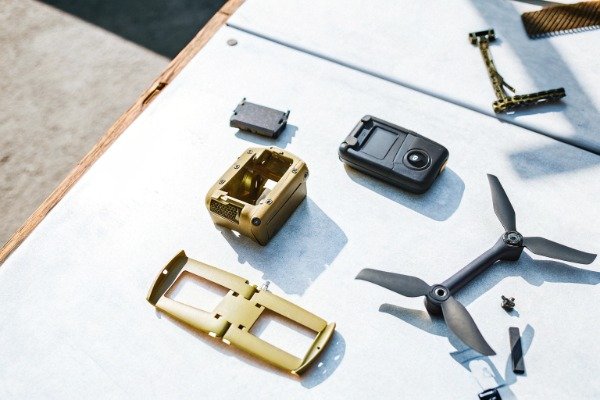
Bei der Bewertung eines Angebots, das weit unter dem Marktdurchschnitt von $10.000 bis $60.000 für professionelle Brandbekämpfungsdrohnen liegt, ist die Hardwarequalität normalerweise das erste Opfer. In unserem Ingenieurlabor haben wir kostengünstige Konkurrenzgeräte zerlegt und nur "Graumarkt"-Innenkomponenten gefunden. Dies sind oft Teile, die die Qualitätskontrolle in großen Fabriken nicht bestanden haben oder aus gebrauchten Geräten geborgen, generalüberholt und als neu verkauft wurden.
Graumarkt 1
Die versteckte Gefahr von Unterhaltungselektronik
Damit eine Drohne der intensiven Hitze und den Störungen einer Brandzone standhalten kann, benötigt sie eine industrielle Abschirmung und Redundanz. Billige Modelle ersetzen häufig industrielle Flugsteuerungen durch Versionen für Hobbyisten. Während diese in einem Park gut fliegen mögen, fehlt ihnen die elektromagnetische Abschirmung, die für den Betrieb in der Nähe von Hochspannungsleitungen oder inmitten des Funkchaos eines Notfalleinsatzes erforderlich ist.
Darüber hinaus ist die strukturelle Integrität des Flugwerks oft beeinträchtigt. Wir verwenden hochwertige Kohlefaserverbundwerkstoffe, um sicherzustellen, dass unsere Drohnen thermischen Aufwinden standhalten können. Günstige Alternativen verwenden oft billigere Kunststoffe oder Glasfasermischungen. In Umgebungen mit hohen Temperaturen können diese Materialien erweichen oder sich verziehen, was zu Instabilität des Flugwerks oder sogar zum Schmelzen von Armgelenken während des Fluges führt.
Kohlefaserverbundwerkstoffe 2
Sensorgenauigkeit und thermische Kalibrierung
Die Brandbekämpfung ist stark auf genaue thermische Daten angewiesen. Eine professionelle radiometrische Wärmebildkamera ist aufgrund der erforderlichen Sensor-Kalibrierung zur genauen Erkennung von Hotspots durch Rauch teuer. Billige Drohnen verwenden oft unkalibrierte Sensoren mit geringer Auflösung. Dies führt zu "Geister"-Messwerten, bei denen die Drohne den Kern des Feuers nicht identifizieren kann oder schlimmer noch, Bodentruppen an den falschen Ort leitet.
Nachfolgend finden Sie einen Vergleich der Komponenten, die typischerweise in professionellen vs. günstigen Drohnen zu finden sind:
| Bauteil-Kategorie | Professioneller Standard (SkyRover/Branchenführer) | Günstige / Budget-Alternative | Mögliches Risiko |
|---|---|---|---|
| Flugwerkmaterial | Hochmoduliger Kohlefaser | Kunststoff oder minderwertiges Glasfaser | Schmelzen oder Verziehen bei hoher Hitze; strukturelles Versagen. |
| GPS-Modul | Redundante RTK GNSS | Einzelnes GPS für Verbraucher | Positionsverlust bei Rauch; Abstürze. |
| Wärmebildkamera | Radiometrisch, hohe Auflösung (640×512+) | Nicht-radiometrisch, niedrige Auflösung (<320×240) | Ungenaue Temperaturmessungen; schlechte Sicht. |
| Antrieb | Industriemotoren mit aktiver Kühlung | Hobby-Motoren ohne Staubschutz | Motorschaden durch Asche-/Staubansaugung. |
Bedeutet ein günstiges Angebot, dass der Lieferant keinen technischen Support nach dem Verkauf leistet?
Unser Team widmet erhebliche Ressourcen, um US-Kunden bei der Integration unserer Systeme zu unterstützen. Umgekehrt stellen wir fest, dass Anbieter, die Tiefstpreise anbieten, selten ein Support-Personal unterhalten, wodurch Käufer bei Problemen isoliert bleiben.
Ein günstiges Angebot schließt fast immer einen umfassenden Kundendienst aus. Billiganbieter senken die Kosten, indem sie Fernunterstützung, Firmware-Updates und Reparaturteams eliminieren, sodass Sie bei Softwarefehlern oder dringendem Bedarf an Spezialteilen mit unbrauchbarer Ausrüstung gestrandet sind.
Die Realität von Industriemaschinen ist, dass sie Wartung erfordern. Wenn Sie eine Feuerwehrdrohne kaufen, kaufen Sie nicht nur einen fliegenden Roboter; Sie kaufen eine Fähigkeit, die rund um die Uhr verfügbar sein muss. Die Preisdifferenz zwischen einer Einheit für 5.000 € und einer Einheit für 25.000 € wird oft durch den Wegfall der Serviceebene finanziert.
Abschnitt 301 3
Das "Ghosting"-Phänomen
Wir haben unzählige Geschichten von Händlern gehört, die kostengünstige Einheiten gekauft haben, nur um festzustellen, dass der Lieferant nach der Überweisung des Geldes nicht mehr erreichbar war. Wenn ein Firmware-Fehler verhindert, dass die Drohne abhebt, oder ein Motor nach einer harten Landung ausgetauscht werden muss, gibt es niemanden, den man anrufen kann. Diesen Lieferanten fehlen oft englischsprachige Supportteams oder Ingenieure, die komplexe Probleme aus der Ferne diagnostizieren können.
Firmware and Security Updates
Industriedrohnen laufen mit komplexer Software, die regelmäßig gepatcht werden muss, um Fehler zu beheben und Sicherheitslücken zu schließen. Premium-Hersteller berücksichtigen die Kosten für die laufende Softwareentwicklung in ihrer Preisgestaltung. Ein Billiganbieter liefert das Produkt typischerweise mit "eingefrorener" Firmware. Wenn eine Schwachstelle entdeckt wird – wie z. B. eine Schwäche, die Signalstörungen ermöglicht –, gibt es keinen Patch. Für Feuerwehren ist dies ein kritischer Schwachpunkt, da ungepatchte Drohnen zu Haftungsrisiken werden können.
Verfügbarkeit von Ersatzteilen
In unserem Lager halten wir Ersatzteile für Modelle vor, die wir vor fünf Jahren auf den Markt gebracht haben. Diese Lagerhaltung kostet Geld. Billiganbieter arbeiten auf "Batch"-Basis. Sobald eine Produktionscharge verkauft ist, wechseln sie zum nächsten Modell und ändern oft die Designs komplett. Das bedeutet, wenn Sie sechs Monate nach dem Kauf einen Propellerarm brechen, stellen Sie möglicherweise fest, dass Ersatzteile einfach nicht existieren, was die gesamte Investition wertlos macht.
| Unterstützungsfunktion | Angebot eines Premium-Anbieters | Angebot eines Billiganbieters | Auswirkungen auf den Betrieb |
|---|---|---|---|
| Fern-Fehlerbehebung | 24/7 oder Antwort an Geschäftstagen | Nur E-Mail, langsame oder keine Antwort | Längere Ausfallzeiten während Notfällen. |
| Firmware-Aktualisierungen | Regelmäßige Sicherheits- und Funktions-Patches | Keine oder sehr selten | Anfälligkeit für Hacking; Softwarefehler bleiben bestehen. |
| Ersatzteilbestand | Garantierte Verfügbarkeit für 5+ Jahre | Keine Garantie; oft schnell veraltet | Drohne wird nach kleineren Schäden zu Elektroschrott. |
| Schulungsressourcen | Handbücher, Videos, Simulatortraining | Nur grundlegende Schnellstartanleitung | Pilotenfehler nimmt zu; höheres Absturzrisiko. |
Wie könnte die Qualität und Sicherheit der Batterie bei einer kostengünstigen Drohne beeinträchtigt werden?
Wir testen jeden Akku rigoros im Zyklenbetrieb, um die Stabilität unter hoher Last zu gewährleisten. Wettbewerber, die sparen, überspringen diese Sicherheitsprüfungen oft und liefern Stromversorgungseinheiten, die unvorhersehbar und gefährlich sind.
FCC-Konformität 4
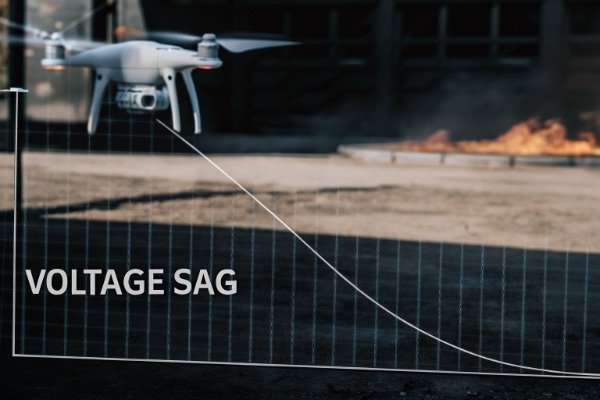
Billige Drohnen verwenden häufig Akkus mit geringerer Energiedichte und schlechten Wärmemanagementsystemen, um Geld zu sparen. Diese kompromittierten Stromversorgungseinheiten leiden unter Spannungseinbrüchen unter Last, was die Flugzeit erheblich verkürzt und das Risiko von Ausfällen während des Fluges oder Bränden bei intensiven Einsätzen erhöht.
Der Akku ist das Herzstück der Drohne, insbesondere bei schweren Löschdrohnen, die Nutzlasten wie Brandbomben oder schwere Gimbal-Kameras tragen. Hochleistungs-Lithium-Polymer- (LiPo) oder Festkörperakkus sind teuer in der Herstellung, da sie massive Stromstöße liefern müssen, ohne zu überhitzen.
Lithium-Polymer (LiPo) 6
Das Risiko von Spannungseinbrüchen
In einem Brandfall muss eine Drohne möglicherweise schnell aufsteigen, um einem plötzlichen Flammenausbruch zu entkommen. Dieses Manöver erfordert einen enormen Stromanstieg. Hochwertige Akkus halten ihre Spannung während dieses Anstiegs aufrecht. Billige Akkus, oft aus "B-Ware"-Zellen gefertigt, leiden unter Spannungseinbrüchen. Die Flugsteuerung der Drohne erkennt diesen Abfall, geht davon aus, dass der Akku leer ist, und leitet eine Notlandung ein – möglicherweise direkt ins Feuer.
Thermisches Durchgehen und Ladesicherheit
Feuerbekämpfungsdrohnen werden in LKWs gelagert und in heißen Umgebungen eingesetzt. Wir investieren in Batteriemanagementsysteme (BMS), die die Zelltemperatur aktiv überwachen und ausgleichen. Billige Akkus verwenden oft rudimentäre BMS-Platine, die keinen Schutz vor Überladung oder Überhitzung bieten. Wir haben Fälle gesehen, in denen billige Akkus beim Laden in einer Feuerwache anschwollen oder Feuer fingen, was eine direkte Gefahr für die Einrichtung selbst darstellte.
Die "Flugzeit"-Täuschung
Marketingmaterialien für billige Drohnen werben oft mit "45 Minuten Flugzeit". Dies wird jedoch normalerweise auf Meereshöhe, ohne Wind und ohne Nutzlast getestet. Sobald Sie eine Wärmebildkamera anbringen und bei 15 mph Wind fliegen, bricht die Leistung eines billigen Akkus zusammen, und Sie erhalten vielleicht 15 Minuten nutzbare Zeit. Premium-Akkus sind konservativer bewertet und halten besser unter dem Gewicht von Nutzlasten und der Belastung durch Windwiderstand stand.
Vergleich der Akkuklassen
| Merkmal | Grade A Zellen (Verwendet von SkyRover) | Grade B/C Zellen (Verwendet in günstigen Drohnen) |
|---|---|---|
| Interner Widerstand | Niedrig (Hohe Effizienz, weniger Wärme) | Hoch (Verschwendete Energie, Überhitzung) |
| Zykluslebensdauer | 300-500+ Zyklen | <100 Zyklen vor Degradation |
| Entladerate (C-Rating) | Echte hohe Entladung (z. B. 25C+) | Überzogene Bewertungen (Spannungseinbrüche) |
| Sicherheitskonsistenz | Abgestimmte Zellen, stabile Chemie | Nicht abgestimmte Zellen, Risiko von Aufblähungen |
Wir legen Wert auf Transparenz, indem wir unseren US-Partnern Tür-zu-Tür-Bedingungen (DDP) anbieten. Wir warnen unsere Kunden jedoch davor, dass extrem niedrige Angebote normalerweise teure logistische Belastungen und regulatorische Risiken auf den Käufer verlagern.
Batteriemanagementsysteme 7
Ja, extrem niedrige Anfangsangebote lassen oft wesentliche Logistikkosten wie robuste Verpackung, Exportlizenzen und Zollgebühren aus. Käufer sehen sich häufig unerwarteten Gebühren für Verpackung, Versicherung und Einhaltung von Vorschriften am Einfuhrhafen gegenüber, was die endgültigen Landekosten verdoppeln kann.
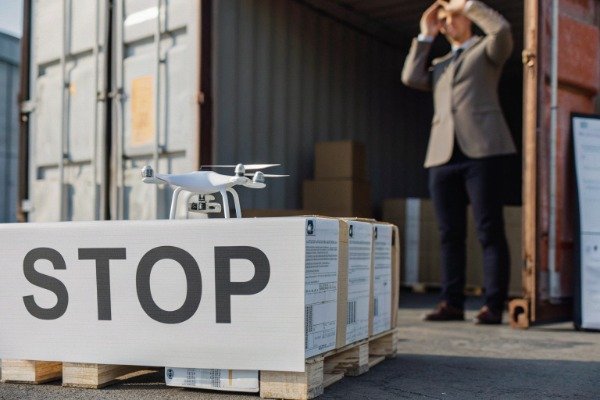
Wenn Sie ein Angebot sehen, das 50% unter dem Marktdurchschnitt liegt, müssen Sie fragen: "Was ist der Incoterm?" Viele Billiganbieter zitieren "EXW" (Ex Works), was bedeutet, dass ihre Verantwortung an ihrer Fabriktür in China endet. Der Preis erscheint niedrig, weil er nichts als die nackte Drohne enthält.
radiometrische Wärmebildkamera 9
Die Verpackungsfalle
Industriedrohnen sind empfindliche Instrumente. Wir versenden unsere Einheiten in speziell geformten, militärtauglichen Hartschalenkoffern, die vor Stößen und Feuchtigkeit schützen. Um Kosten zu senken, versenden Budget-Lieferanten Drohnen oft in Kartons mit minimalem Schaumstoff. Wir haben Sendungen erlebt, die mit zerdrückten Gimbals und verbogenen Fahrwerken in den USA ankamen, weil die Verpackung die trans-pazifische Reise nicht überstehen konnte. Der Käufer muss dann Reparaturen bezahlen, bevor die Drohne überhaupt geflogen ist.
Zoll- und regulatorische Albträume
Der Import von Drohnen in die USA erfordert spezifische Dokumentationen, insbesondere in Bezug auf die FCC-Konformität und Batterie-Zertifizierungen (UN38.3). Etablierte Hersteller kümmern sich um diesen Papierkram. Billige Lieferanten kennzeichnen Waren oft falsch, um Steuern zu vermeiden, oder ihnen fehlen einfach die notwendigen Zertifizierungen. Wenn der US-Zoll eine Sendung wegen fehlender FCC-ID oder ordnungsgemäßer Batteriedokumentation beanstandet, können die Waren auf Kosten des Käufers beschlagnahmt oder zurückgeschickt werden.
Versteckte Gebühren am Hafen
Wenn das Angebot "DDP" (Delivered Duty Paid) nicht enthält, ist der Käufer für die US-Importzölle verantwortlich. Für chinesische Elektronik können diese Zölle erheblich sein (oft 25% gemäß Abschnitt 301). Eine 5.000-Dollar-Drohne wird plötzlich zu einer 6.250-Dollar-Drohne, zuzüglich Maklergebühren, Hafenwartungsgebühren und Kosten für den Binnentransport. Plötzlich ist die "günstige" Option nicht mehr so günstig, und der Käufer muss sich mit komplexen Importgesetzen auseinandersetzen, für die er nicht geschult ist.
Schlussfolgerung
Die Beschaffung von Brandbekämpfungsdrohnen ausschließlich auf Basis des niedrigsten Preises birgt Risiken von Hardwareausfällen, Sicherheitsgefahren und versteckten Kosten. Die Investition in zuverlässige Ausrüstung gewährleistet den Erfolg der Mission und die Sicherheit des Piloten.
elektromagnetischen Abschirmung 10
Fußnoten
1. Definiert die unautorisierten Handelskanäle, die oft zur Beschaffung günstigerer, potenziell unzuverlässiger Komponenten verwendet werden. ︎
2. Beschreibt die Materialeigenschaften der hochfesten Verbundwerkstoffe, die für die strukturelle Integrität verwendet werden. ︎
3. Bietet offiziellen Kontext zu den spezifischen Handelstarifen, die auf importierte Elektronik angewendet werden. ︎
4. Verweist auf die offiziellen US-Regulierungsstandards für die Zulassung von Hochfrequenzgeräten. ︎
5. Erklärt die internationalen Handelsbedingungen, die Versandverantwortlichkeiten und -kosten definieren. ︎
6. Bietet Hintergrundinformationen zum spezifischen Batteriekammerstandard, der in Hochleistungsdrohnen verwendet wird. ︎
7. Definiert das elektronische System, das für die Überwachung der Zellgesundheit und die Verhinderung von thermischem Durchgehen verantwortlich ist. ︎
8. Erklärt das elektrische Phänomen, bei dem die Leistung unter Last abfällt und die Flugstabilität gefährdet. ︎
9. Beschreibt die spezialisierte Bildgebungstechnologie, die zur Messung der Temperatur und zur Erkennung von Brand-Hotspots verwendet wird. ︎
10. Erklärt den Schutzmechanismus, der erforderlich ist, um Interferenzen von Hochspannungsleitungen und Funksignalen zu verhindern. ︎
 English
  Español de México
  Deutsch
  Français
  Русский
  العربية
Comments
No comments yet. Be the first to share your thoughts!
Leave a Comment