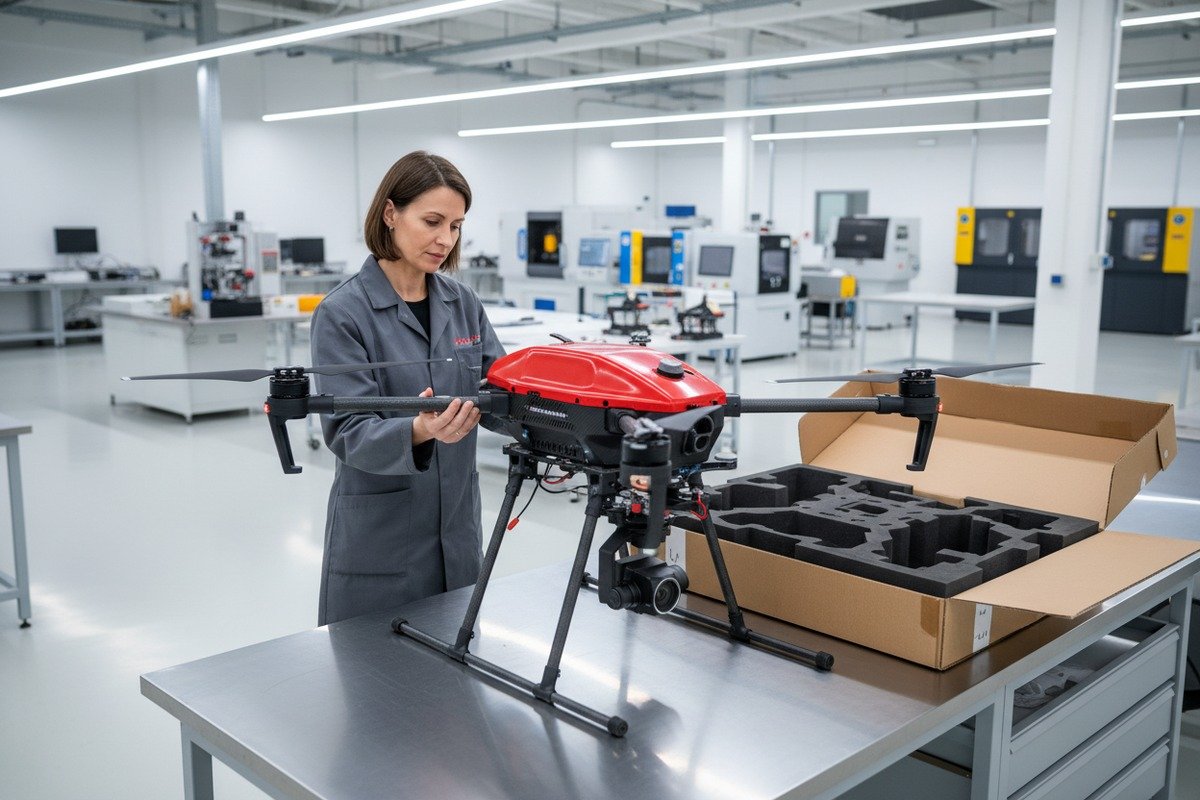
Jedes Jahr erhält unsere Versandabteilung besorgniserregende Anrufe von Überseedistributoren ISTA-Falltestzertifikate 1. Ihre Brandbekämpfungsdrohnen 2 kamen mit gerissenen Kameragimbal-Halterungen oder beschädigten Batteriefächern an. Das Problem lässt sich auf einen übersehenen Schritt zurückführen: Verpackungsprüfung 3.
Yes, you should absolutely verify packaging drop tests when sourcing firefighting drones. These high-value units contain fragile sensors, thermal cameras, and lithium batteries that can suffer invisible damage during international transit. Verified drop test reports from suppliers protect your investment, ensure mission readiness, and prevent costly delays in emergency response deployment.
Lassen Sie mich Ihnen genau erklären, was Sie über die Verpackungsprüfung wissen müssen MIL-STD-810G Umwelttests 4. Dieser Leitfaden behandelt alles, von spezifischen Testberichten bis hin zu kundenspezifischen Verpackungsoptionen für Ihre Eigenmarkenprodukte.
Wie kann ich sicher sein, dass meine Feuerwehrdrohnen den Strapazen des internationalen Transports standhalten?
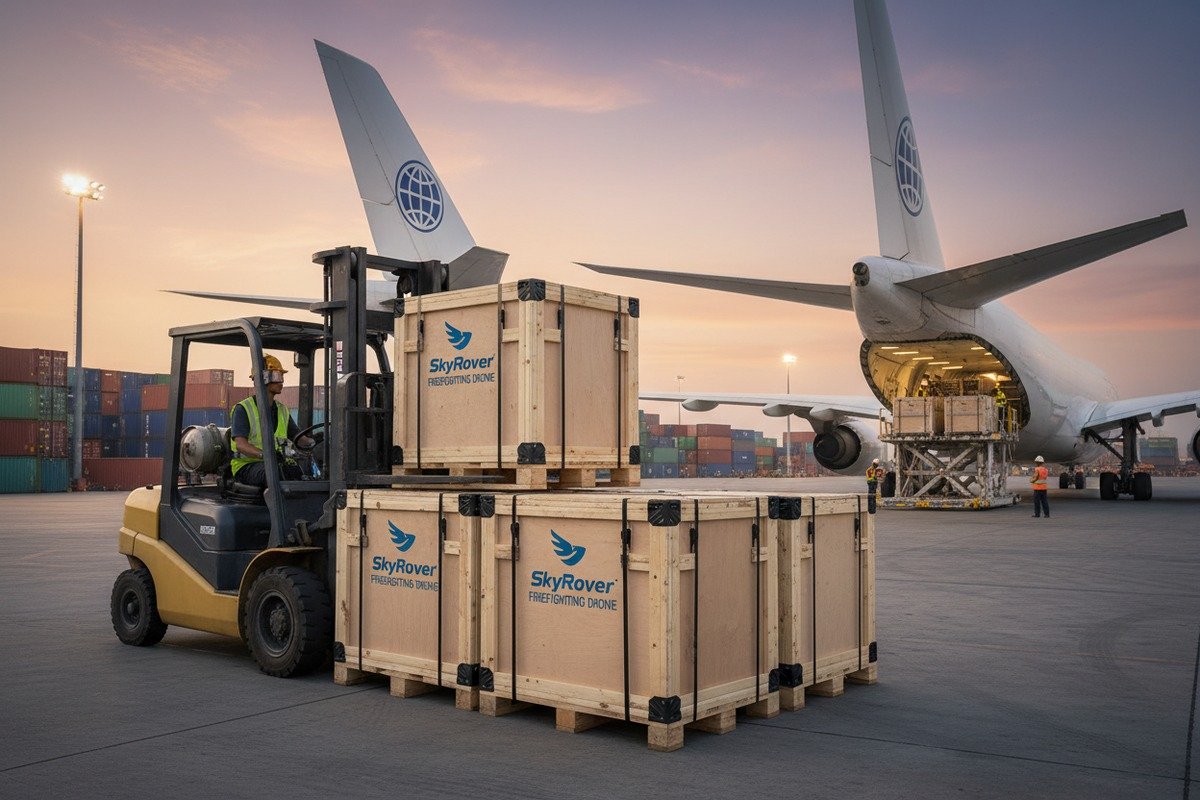
Wenn wir unsere SkyRover-Feuerwehrdrohnen von Xi'an in die Vereinigten Staaten oder nach Europa versenden, durchlaufen die Pakete mehrere Handhabungspunkte 49 CFR 178.603 Konformitätsdokumentation 5. Jeder Transfer birgt Risiken. Gabelstapler, Förderbänder und Lagerhausabstürze bedrohen Ihre Investition.
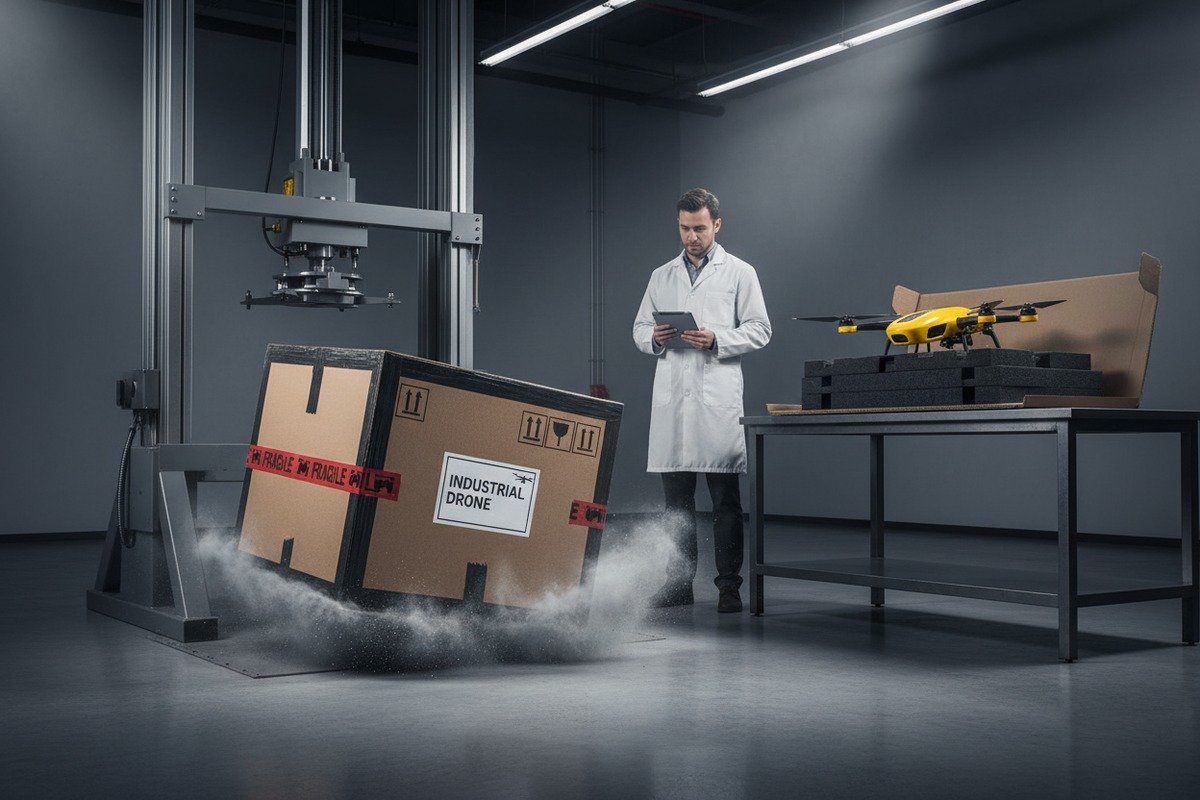
Sie können sicherstellen, dass Ihre Feuerlöschdrohnen den internationalen Transport überstehen, indem Sie von Ihrem Lieferanten verifizierte ASTM D5276- oder ISTA-Falltestzertifikate anfordern. Diese Tests simulieren reale Versandbedingungen, einschließlich freier Fallhöhen von 76-122 cm auf Betonoberflächen. Überprüfen Sie zusätzlich das Verpackungsdesign auf Schaumstoffpolsterung, Eckenschutz und Vibrationsdämpfungsmerkmale.
Die Transitreise verstehen
Ihre Feuerwehrdrohnen stehen vor einer brutalen Reise. Von unserem Werk bis zu Ihrer Lagerhaustür kann jede Einheit 15-20 verschiedene Handhabungsereignisse erleben kundenspezifische Verpackung 6. Unser Qualitätskontrollteam hat letztes Jahr Sendungen verfolgt. Wir stellten fest, dass Pakete auf einer typischen China-zu-USA-Route durchschnittlich 3-5 signifikante Stöße erfahren.
Die gefährlichsten Momente treten auf bei:
- Be- und Entladen von Schiffscontainern
- Transfer zwischen verschiedenen Transportfahrzeugen
- Automatisierte Sortierung in Distributionszentren
- Zustellungen auf der letzten Meile
Kritische Komponenten in Gefahr
Feuerlöschdrohnen enthalten besonders empfindliche Komponenten. Im Gegensatz zu zivilen Drohnen tragen diese Industrie-Einheiten hochentwickelte Nutzlasten im Wert von Tausenden von Dollar.
| Komponente | Gefährdungsgrad | Stoßempfindlichkeit | Ersatzkosten |
|---|---|---|---|
| Wärmebildkamera 7 | Sehr hoch | Kalibrierungsverschiebung bei 50g Kraft | $2,000-5,000 |
| 3-Achsen-Gimbal-System | Hoch | Lagerschaden bei 30g Kraft | $800-1,500 |
| Lithium-Akkupacks 8 | Hoch | Zellschäden, Brandgefahr | $500-1,200 |
| Fluglotse | Mittel | Risiko von Firmware-Beschädigung | $400-800 |
| Arme aus Kohlefaser | Mittel | Mikrofrakturen | $200-400 pro Stück |
| Propellermotoren | Mittel | Wellenfehlausrichtung | $150-300 pro Stück |
Was unsere Tests enthüllen
In unserer Produktionsstätte führen wir interne Falltests durch, bevor wir jedes Verpackungsdesign genehmigen. Unsere Ingenieure stellten fest, dass Standardkarton mit einfachem Schaumstoff 40% der Zeit bei Höhen über 90 cm versagt. Dies veranlasste uns, mehrschichtige Schutzsysteme zu entwickeln.
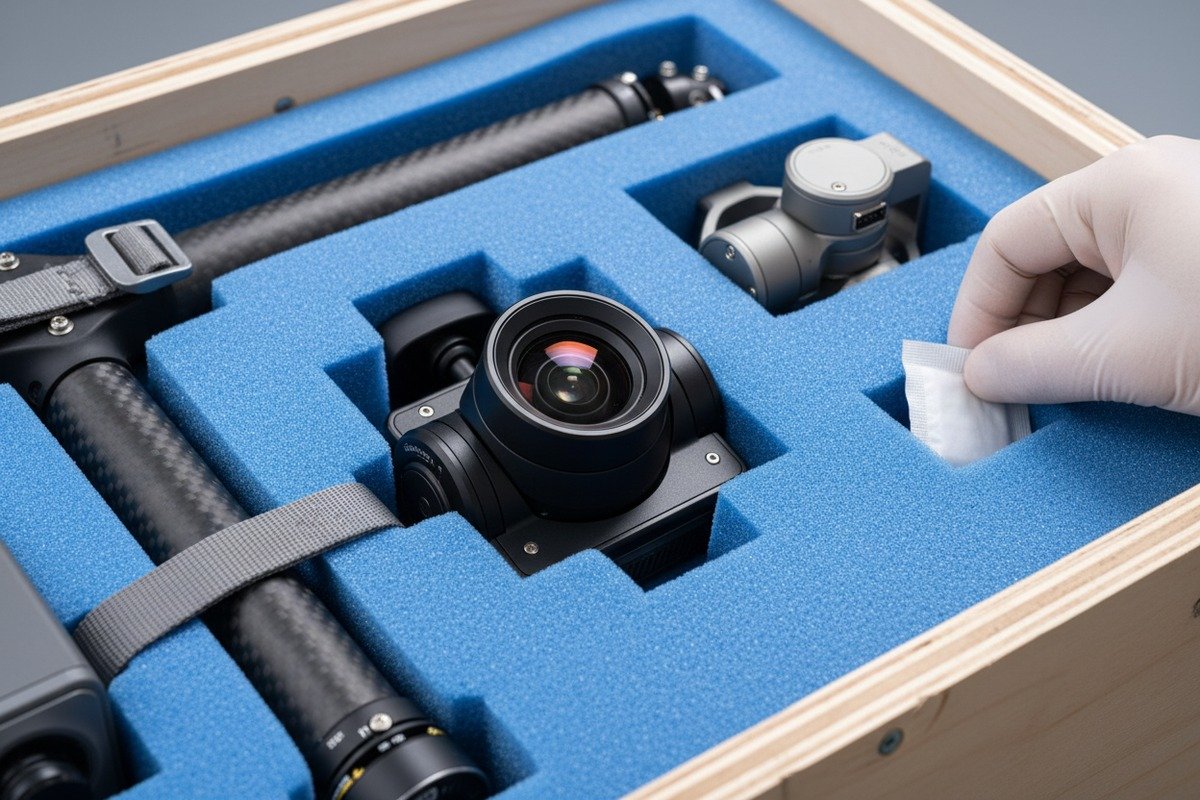
Wir verwenden hochdichten Polyethylenschaum mit speziell zugeschnittenen Hohlräumen für jedes Drohnenmodell. Das zentrale Elektronikgehäuse erhält besondere Aufmerksamkeit. Für unsere Oktokopter-Einheiten mit acht Armen haben wir segmentierte Verpackungen entwickelt, die jeden Arm einzeln sichern.
Überprüfungsschritte, die Sie unternehmen sollten
Fordern Sie vor jeder Bestellung Folgendes von Ihrem Lieferanten an:
- Schriftliche Falltestberichte mit Angabe der getesteten Höhen und Ausrichtungen
- Fotos oder Videos von tatsächlichen Verpackungstests
- Materialspezifikationen für Polstermaterialien
- Daten zur Temperatur- und Feuchtigkeitsbeständigkeit von Verpackungsmaterialien
- Zertifizierung durch ein Drittlabor, falls verfügbar
Welche spezifischen Verpackungs-Falltestberichte sollte ich von meinem Drohnenlieferanten anfordern?
Unser Exportteam bearbeitet täglich Anfragen zu Dokumentationen. Viele Käufer bitten um Versandzertifikate, vergessen aber die Verpackungsprüfung. Diese Nachlässigkeit kostet sie später. Die richtigen Testberichte schützen Sie vor versteckten Schäden und Garantieansprüchen.
Fordern Sie Berichte über Falltests nach ASTM D5276, Zertifikate für Vertriebssimulationen der ISTA 2A- oder 3A-Serie und Dokumentationen für Umwelttests nach MIL-STD-810G für militärische Einheiten an. Jeder Bericht sollte Fallhöhen, getestete Ausrichtungen, Oberflächenarten, Stichprobengrößen und Pass/Fail-Kriterien angeben. Für den Versand von Lithiumbatterien fordern Sie außerdem die Konformitätsdokumentation gemäß 49 CFR 178.603 an.

Wesentliche Teststandards erklärt
Unterschiedliche Standards dienen unterschiedlichen Zwecken. Das Verständnis jedes einzelnen hilft Ihnen, die richtige Dokumentation anzufordern.
| Standard | Zweck | Fallhöhe | Am besten für |
|---|---|---|---|
| ASTM D5276 | Freifall-Schlagfestigkeit | 76-122 cm | Allgemeine Versandverifizierung |
| ISTA 2A | Teilweise Simulationstests | Variabel nach Gewicht | Budgetbewusste Verifizierung |
| ISTA 3A | Vollständige Distributionssimulation | Variabel nach Gewicht | Umfassender Schutz |
| MIL-STD-810G | Militärische Umweltbelastung | 122+ cm | Schwere/Regierungsaufträge |
| EN 15552 | Europäische Verpackungsstandards | 80-100 cm | EU-Marktkonformität |
| 49 CFR 178.603 | Gefahrgut-/Batterietransport | Gemäß Vorschrift | Lithiumbatterieversendungen |
Lesen und Interpretieren von Testberichten
Wenn wir unseren Händlern Falltestdokumentationen zur Verfügung stellen, enthalten wir spezifische Details, die wichtig sind. Ein ordnungsgemäßer Bericht sollte enthalten:
Details zur Testkonfiguration:
- Genaues getestetes Drohnenmodell
- Gesamtgewicht des Pakets einschließlich aller Zubehörteile
- Verpackungsabmessungen und -materialien
- Dicke und Dichtewerte der Polsterung
Parameter der Testdurchführung:
- Fallhöhe für jede Testsequenz
- Anzahl der durchgeführten Stürze
- Ausrichtung für jeden Sturz (flach, Ecke, Kante)
- Oberflächenmaterial (Beton, Stahl oder Stein)
- Umgebungstemperatur während der Prüfung
Dokumentation der Ergebnisse:
- Visuelle Inspektionsergebnisse nach jedem Sturz
- Funktionstest-Ergebnisse nach dem Sturz
- Fotos des Verpackungszustands
- Jegliche beobachtete Beschädigung mit Messungen
Warnsignale in der Lieferantendokumentation
Unser Verkaufsteam hat fragwürdige Testberichte von Wettbewerbern gesehen. Achten Sie auf diese Warnzeichen:
- Generische Berichte ohne spezifische Modellnummern
- Fehlende Angaben zur Fallhöhe
- Selbstzertifizierte Tests ohne Verifizierung durch Dritte
- Tests nur an leerer Verpackung durchgeführt
- Keine Funktionsprüfung nach Falltests
- Outdated reports from packaging designs no longer in use
How We Handle Documentation Requests
At our facility, we maintain a library of current test reports for each product line. When clients request documentation, we provide:
- Original lab test certificates with official stamps
- Internal quality control drop test records
- Packaging specification sheets with material certifications
- Video recordings of select drop test sequences upon request
We also offer pre-shipment inspection services where clients can witness packaging verification firsthand via video call.
Wird mein Geschäft unter kostspieligen Verzögerungen leiden, wenn ich die Verpackungsprüfung für meine Drohnenbestellungen überspringe?
We have seen it happen too many times. A fire department urgently needs drone replacements after a wildfire season. Their distributor shipped units without verifying packaging. Half arrived damaged. The resulting delays cost everyone money and damaged relationships.
Ja, das Überspringen der Verpackungsprüfung führt häufig zu kostspieligen Verzögerungen von durchschnittlich 2-4 Wochen für Ersatzlieferungen, zuzüglich zusätzlicher Ausgaben, einschließlich Rückversandgebühren, Zollabfertigung für Nachsendungen, Kosten für beschleunigte Fracht und entgangene Einnahmen aus stornierten Verträgen. Für Programme wie "Drohne als Ersthelfer" können diese Verzögerungen die Notfallreaktionsfähigkeiten bei kritischen Vorfällen beeinträchtigen.
The True Cost of Shipping Damage
Many buyers focus only on product pricing. They ignore the downstream costs of damaged goods. Our customer service records show the real expenses.
| Kostenkategorie | Typischer Betrag | Recovery Time |
|---|---|---|
| Rückversand nach China | $300-800 | K.A. |
| Produktion von Ersatzgeräten | Produktkosten | 2-3 Wochen |
| Express-Luftfracht | $1,500-3,000 | 5-7 Tage |
| Zollabfertigung | $200-500 | 3-5 Tage |
| Kundenentschädigung | Variabel | Unmittelbar |
| Verlorener Vertragswert | $5,000-50,000+ | Dauerhaft |
| Reputationsschaden | Unkalkulierbar | Langfristig |
Reale Auswirkungen auf den Betrieb
Wenn Löschdrohnen beschädigt ankommen, breiten sich die Auswirkungen schnell aus. Betrachten Sie dieses Szenario, mit dem unser Händler in Kalifornien konfrontiert war:
Eine Kreisfeuerwehr bestellte sechs Einheiten für ihr Sommerprogramm zur Bekämpfung von Waldbränden. Zwei Drohnen kamen mit Gimbal-Schäden an, die bei äußerer Inspektion nicht sichtbar waren. Die Abteilung setzte sie während eines Buschbrandes ein. Beide Einheiten produzierten aufgrund von Kalibrierungsfehlern unbrauchbare Wärmebilder.
Der Feuerwehrchef reichte eine formelle Beschwerde ein. Unser Händler musste Ersatzgeräte per Luftfracht eilig liefern. Die zusätzlichen Gesamtkosten überstiegen 8.000 US-Dollar. Schlimmer noch, die Abteilung verschob ihren nächsten Einkaufszyklus um ein Jahr, während sie alternative Lieferanten prüfte.
Versteckte Schäden verursachen größere Probleme
Der gefährlichste Versand-Schaden ist der, den man nicht sehen kann. In unserem Reparaturzentrum finden wir häufig:
Interne Batterieprobleme:
Lithiumzellen können durch Stöße interne Schäden erleiden, ohne äußere Spuren zu hinterlassen. Diese Zellen können zunächst funktionieren, aber unter Last ausfallen oder ein Risiko für thermisches Durchgehen entwickeln. Unsere Techniker führen jetzt eine Batteriediagnose bei allen Einheiten durch, die Versandansprüche hatten.
Kalibrierungsdrift von Sensoren:
Wärmebildkameras und multispektrale Sensoren erfordern eine präzise Kalibrierung. Ein Stoß von 50 g kann optische Elemente um mikroskopische Beträge verschieben. Die Drohne schaltet sich normal ein, liefert aber während des Brandbekämpfungseinsatzes ungenaue Daten.
Strukturelle Mikrofrakturen:
Kohlefaserarme können durch wiederholte kleine Stöße Haarrisse entwickeln. Diese Brüche wachsen unter Flugbelastung. Wir haben Fälle dokumentiert, in denen Arme Wochen nach der Lieferung mitten im Flug versagten.
Schutz Ihrer Drone-as-First-Responder-Programme
DFR-Programme erfordern eine sofortige Einsatzbereitschaft. Es bleibt keine Zeit, beschädigte Geräte zu beheben, wenn Leben auf dem Spiel stehen. Unsere Militär- und Regierungskunden verstehen das.
Wir empfehlen diese zusätzlichen Verifizierungsschritte für DFR-Anwendungen:
- Funktionstests vor dem Versand mit dokumentiertem Video erforderlich
- Fotos von der Verpackungsinspektion jeder einzelnen Einheit anfordern
- Stoßanzeige-Etiketten auf jeder Verpackung spezifizieren
- Klare Verfahren für Schadensmeldungen vor der Bestellung festlegen
- Versicherungsschutz für hochwertige Sendungen in Betracht ziehen
Kann ich kundenspezifische Verpackungen für meine Private-Label-Feuerwehrdrohnen anfordern, um die Sicherheit zu gewährleisten?
Wenn unsere Private-Label-Partner ihre Markenvisionen zu uns bringen, wird die Verpackung Teil des Gesprächs. Ihre Marke verdient Schutz, der Ihren Qualitätsstandards entspricht. Wir entwickeln Verpackungslösungen, die sowohl Marketing- als auch technische Anforderungen erfüllen.
Ja, renommierte Drohnenhersteller bieten kundenspezifische Verpackungen für Private-Label-Löschdrohnen an. Dies umfasst gebrandete Außengrafiken, maßgeschneiderte Schaumstoffeinsätze, die für Ihre spezifische Modellkonfiguration geformt sind, verstärkte Ecken für verbesserten Fallschutz, integrierte Zubehörfächer und Verpackungen, die für Ihre typischen Versandrouten und Handhabungsbedingungen optimiert sind. Planen Sie 4-6 Wochen für die Entwicklung kundenspezifischer Verpackungen ein.
Entwicklungsprozess für kundenspezifische Verpackungen
Unser Verpackungsingenieurteam verfolgt einen strukturierten Ansatz. Jedes Private-Label-Projekt erhält besondere Aufmerksamkeit.
Phase 1: Anforderungsermittlung
Wir dokumentieren Ihre spezifischen Bedürfnisse, einschließlich:
- Zielmärkte und typische Versandrouten
- Erwartungen an die Handhabungsumgebung
- Visuelle Anforderungen der Marke
- Budgetparameter
- Nachhaltigkeitspräferenzen
Phase 2: Design und Prototyping
Unsere Ingenieure erstellen CAD-Modelle der vorgeschlagenen Verpackungslösungen. Wir erstellen physische Prototypen zur Überprüfung. Die meisten Projekte erfordern 2-3 Designiterationen vor der Genehmigung.
Phase 3: Test und Validierung
Jedes kundenspezifische Design durchläuft unser standardmäßiges Falltestprotokoll. Wir testen aus Höhen, die Ihre typischen Versandvorgaben übersteigen. Fehlgeschlagene Designs werden zur Überarbeitung an die Ingenieurabteilung zurückgegeben.
Phase 4: Produktion und Dokumentation
Genehmigte Designs gehen in die Massenproduktion. Wir stellen eine vollständige Dokumentation zur Verfügung, einschließlich Prüfzertifikaten, Materialspezifikationen und Montageanleitungen.
Kundenspezifische Optionen verfügbar
| Funktionskategorie | Standard-Option | Premium-Option | Unternehmensoption |
|---|---|---|---|
| Außendruck | Einzelfarbiges Logo | Vollfarbgrafiken | Kundenspezifische Stanzformen |
| Schaumstoffpolsterung | Standard-PE-Schaumstoff | Hochdichter EVA-Schaum | Kundenspezifisch geformtes EPP |
| Eckenschutz | Kartonecken | Eckenschutz aus Kunststoff | Aluminiumverstärkung |
| Zubehöraufbewahrung | Offenes Fach | Unterteilte Bereiche | Geformte Einzelzellen |
| Gehäusematerial | Doppelwellpappe | Dreifachwellpappe | Starrer Kunststoffkoffer |
| Klimaschutz | Standard | Feuchtigkeitsschutzfolie | Wärmeisolierung |
Vorteile des kundenspezifischen Engineerings
Private-Label-Partner, die in kundenspezifische Verpackungen investieren, berichten von erheblichen Vorteilen:
Markenwahrnehmung:
Professionelle Verpackungen steigern den wahrgenommenen Wert. Feuerwehr und Rettungsdienste erwarten Ausrüstung, die ernsthaftes Engineering widerspiegelt. Billige Verpackungen untergraben das Vertrauen in das Produkt selbst.
Schadensreduzierung:
Eine für Ihr spezifisches Drohnenmodell entwickelte Verpackung eliminiert Lücken und Bewegungen. Generische Verpackungen lassen oft Platz für Komponenten, die sich verschieben können. Unsere kundenspezifischen Schaumstoffeinsätze halten jedes Teil fest an seinem Platz.
Unboxing-Erlebnis:
Beamte der öffentlichen Beschaffung bewerten oft mehrere Anbieter gleichzeitig. Der erste Eindruck zählt. Ein gut gestaltetes Unboxing-Erlebnis zeigt die Liebe zum Detail in Ihrem gesamten Unternehmen.
Werterhaltungsgarantie:
Viele Rettungsdienste verkaufen oder übertragen Geräte nach mehreren Jahren weiter. Originalverpackungen in gutem Zustand verbessern den Wiederverkaufswert. Maßgeschneiderte Koffer dienen auch als langfristige Aufbewahrungslösungen.
Zusammenarbeit mit uns bei kundenspezifischen Verpackungen
Unser Team bei SkyRover begrüßt Diskussionen über kundenspezifische Verpackungen in jeder Phase Ihres Projekts. Ob Sie geringfügige Änderungen an bestehenden Designs oder völlig neue Lösungen benötigen, wir verfügen über die technische Kompetenz, um diese zu liefern.
Für Private-Label-Projekte nehmen wir die Verpackungsentwicklung in unseren Gesamtprojektzeitplan auf. Typischerweise läuft das Verpackungsdesign parallel zu allen Produktanpassungsarbeiten. Dieser Ansatz stellt sicher, dass Ihre vollständige Markenlösung gleichzeitig fertig ist.
Wir bieten auch laufende Programme zur Verbesserung der Verpackung an. Nach Ihren ersten Lieferungen analysieren wir Schadensberichte und verfeinern die Designs entsprechend. Dieser kontinuierliche Verbesserungsansatz hat unseren langfristigen Partnern geholfen, Schadensraten von unter 1% zu erzielen.
Schlussfolgerung
Die Überprüfung von Verpackungs-Falltests schützt Ihre Investition, Ihren Ruf und Ihre Kunden. Fordern Sie ordnungsgemäße Dokumentation an, verstehen Sie die Standards und erwägen Sie kundenspezifische Lösungen für Ihre Private-Label-Produkte. Der geringe anfängliche Aufwand verhindert größere Probleme später.
Fußnoten
1. Erläutert die Standards der International Safe Transit Association (ISTA) für Leistungstests von Verpackungen. ︎
2. Ersetzt durch einen Wikipedia-Artikel über Drohnen im Waldbrandmanagement, eine maßgebliche und umfassende Quelle, die den Ankertext und den Kontext direkt abgleicht. ︎
3. Erläutert die Bedeutung und den Prozess der Überprüfung von Verpackungen für die Produktsicherheit. ︎
4. Erläutert den US-Militärstandard für Umwelttechnik-Überlegungen und Labortests. ︎
5. Beschreibt die spezifischen US Code of Federal Regulations für Falltests von Verpackungen für Gefahrgüter. ︎
6. Erklärt den Prozess und die Vorteile der Entwicklung spezialisierter Verpackungslösungen für Produkte. ︎
7. Bietet eine umfassende Anleitung zur Wärmebildtechnik, ihren Arten und Anwendungen. ︎
8. Bietet wichtige Sicherheitsinformationen und Gefahren im Zusammenhang mit Lithium-Ionen-Akkupacks. ︎
9. Bietet die offizielle Standardtestmethode für Falltests von beladenen Behältern im freien Fall. ︎

 English
  Español de México
  Deutsch
  Français
  Русский
  العربية
