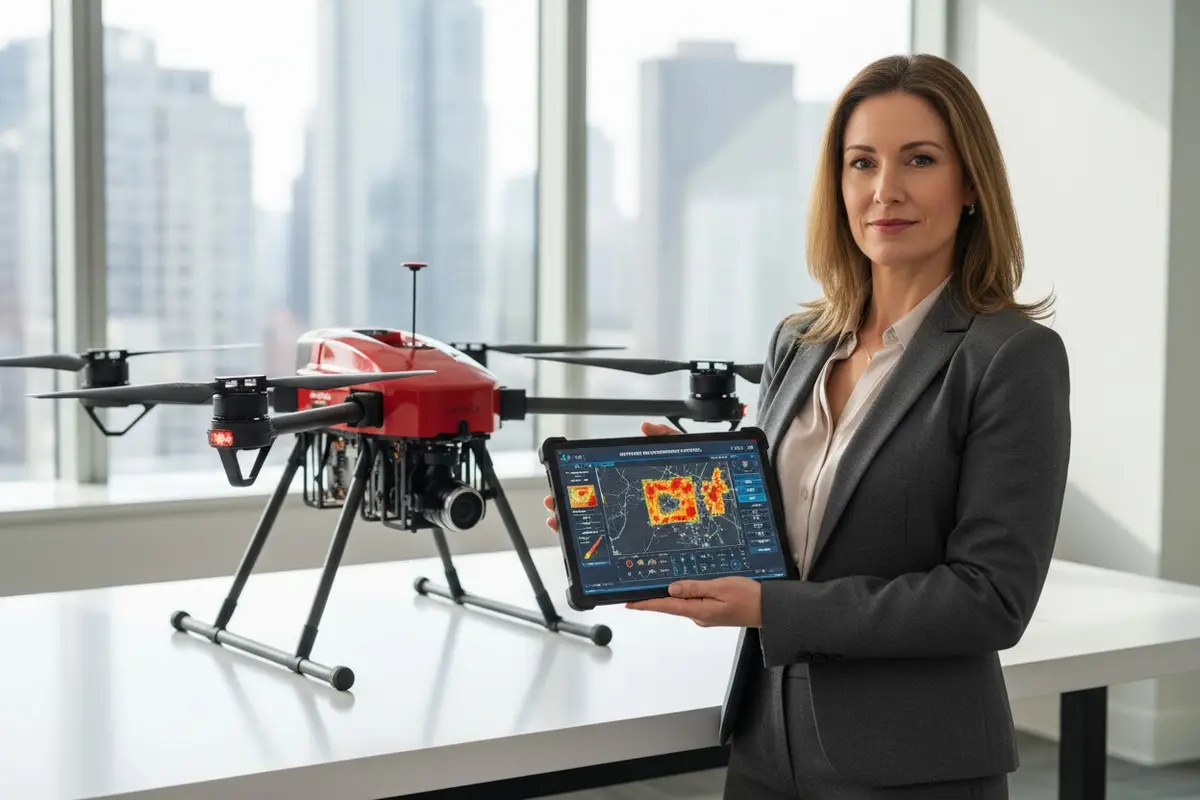

Als unser Ingenieurteam zum ersten Mal eine Bodenstationssoftware 1 Für Feuerwehren haben wir schnell gelernt, dass Einsatzkräfte mehr als nur eine Fernbedienung benötigen. Sie brauchen ein vollständiges Kommandozentrum, das unter Druck funktioniert.
Um die Bodenstationssoftware für Feuerwehrdrohnen zu bewerten, sollten US-Käufer die Benutzerfreundlichkeit der Benutzeroberfläche in Notfällen, die Anpassungsoptionen für die Flottenverwaltung, die Einhaltung der Datensicherheitsvorschriften für kommunale Verträge und die Qualität des technischen Supports nach der Bereitstellung bewerten. Diese vier Faktoren bestimmen den operativen Erfolg und den langfristigen Wert.
Dieser Leitfaden gliedert jeden kritischen Bewertungsbereich. Wir teilen praktische Einblicke aus unserer Erfahrung mit der Lieferung von Feuerlöschdrohnen an US-Feuerwehren. Tauchen wir in die Details ein.
Wie kann ich sicherstellen, dass die Bodenstationsschnittstelle für meine Feuerwehrteams während Notfalleinsätzen intuitiv genug ist?
Bei stressigen Brandereignissen zählt jede Sekunde. Unsere Feldtests mit US-Feuerwehren zeigten, dass komplexe Schnittstellen gefährliche Verzögerungen verursachen. Bediener benötigen sofortigen Zugriff auf thermische Daten 2 und Drohnensteuerungen, ohne durch Menüs suchen zu müssen.
Eine intuitive Bodenstationsschnittstelle sollte Wärme- und HD-Kamerabilder nebeneinander anzeigen, einen Ein-Klick-Zugriff auf kritische Bedienelemente bieten und nur minimale Schulung für eine kompetente Bedienung erfordern. Achten Sie auf Software mit klarer visueller Hierarchie, großen, berührungsfreundlichen Schaltflächen und anpassbaren Dashboard-Layouts, die dem Workflow Ihres Teams entsprechen.

Warum Schnittstellendesign im Notfalleinsatz wichtig ist
Feuerwehren können sich keine Lernkurven während aktiver Einsätze leisten. Bei der Entwicklung unserer Bodenstationssoftware priorisieren wir, was Bediener als "Muscle-Memory-Navigation" bezeichnen. Das bedeutet, dass kritische Funktionen immer an derselben Stelle erscheinen. Bediener sollten auf den Umschalter für Wärmebildaufnahmen, den Kamerazoom und die Flugsteuerung zugreifen können, ohne den Blick vom Bildschirm abzuwenden.
Echtzeit-Datenstreaming bildet das Rückgrat effektiver Brandbekämpfungsoperationen. Die Software muss Video-, Wärmebild- und Telemetriedaten gleichzeitig anzeigen. Unsere Systeme verarbeiten eine Wärmebildauflösung von 640 x 512 Pixeln mit einem Sichtfeld von 61 Grad. Dies liefert eine Bilddetailgenauigkeit von etwa 0,5 Fuß pro Pixel – genug, um Hotspots genau zu identifizieren.
Wichtige Schnittstellenelemente zur Bewertung
| Schnittstellenelement | Was zu beachten ist | Warum es wichtig ist |
|---|---|---|
| Kameraanzeige | Nebeneinanderliegende HD- und Wärmebildansichten | Ermöglicht schnellen Vergleich zur Identifizierung von Hotspots |
| Steuerungslayout | Große, klar beschriftete Tasten | Reduziert Fehler unter Stress |
| Kartenintegration | Echtzeit-GPS-Überlagerung auf Basiskarten | Zeigt die Drohnenposition relativ zum Feuerperimeter an |
| Warnsystem | Visuelle und akustische Benachrichtigungen | Warnt Bediener vor Batterie-, Signal- oder Luftraumproblemen |
| Datenerfassung | Ein-Klick-Aufnahmeumschaltung | Erfasst Beweise ohne komplexe Schritte |
Trainingszeit als Qualitätsindikator
Gute Software reduziert den Schulungsaufwand. Wenn wir Systeme bei US-Feuerwehren einsetzen, verfolgen wir, wie schnell Teams die Kompetenz erreichen. Qualitativ hochwertige Bodenstationssoftware sollte innerhalb von vier Stunden Schulung grundlegende Kompetenz ermöglichen. Komplexe Funktionen erfordern möglicherweise zusätzliche Sitzungen, aber Kernnotfallfunktionen müssen sofort zugänglich sein.
Die Software sollte auch unterschiedliche Fähigkeitsstufen unterstützen. Neue Bediener benötigen geführte Modi mit begrenzten Bedienelementen. Erfahrene Piloten benötigen Zugriff auf erweiterte Einstellungen. Dieser mehrschichtige Ansatz verhindert Unfälle und ermöglicht gleichzeitig Wachstum.
Testen der Benutzeroberfläche vor dem Kauf
Fordern Sie eine Demonstration unter realistischen Bedingungen an. Bitten Sie den Hersteller, ein Feuerszenario zu simulieren, in dem Sie Folgendes tun müssen:
- Starten Sie die Drohne innerhalb von 90 Sekunden
- Wechseln Sie zwischen Thermal- und HD-Kameras
- Markieren Sie die Koordinaten von Hotspots für Bodenteams
- Streamen Sie Video an einen entfernten Einsatzleitstand
Messen Sie die Zeit für jede Aufgabe. Vergleichen Sie die Ergebnisse verschiedener Softwareoptionen. Die Benutzeroberfläche, die die schnellsten und genauesten Ergebnisse liefert, gewinnt.
Kann ich die Softwarefunktionen anpassen oder die Benutzeroberfläche als OEM gestalten, um sie an meine spezifischen Anforderungen an das Flottenmanagement anzupassen?
Unsere Partnerschaftserfahrung mit US-Distributoren zeigt, dass eine Einheitssoftware selten den operativen Anforderungen gerecht wird. Feuerwehren in verschiedenen Bundesstaaten haben einzigartige Protokolle. Distributoren benötigen markenrechtlich geschützte Lösungen, um ihre eigene Marktpräsenz aufzubauen.
Ja, Qualitätshersteller bieten umfangreiche Anpassungsoptionen, einschließlich White-Label-Branding, benutzerdefinierte Dashboard-Layouts, Flotten-spezifische Funktionssätze und API-Integrationen mit bestehenden Systemen. Bestätigen Sie bei der Beschaffung die OEM-Fähigkeiten des Herstellers, die Mindestbestellmengen und den Entwicklungszeitplan für benutzerdefinierte Funktionen.
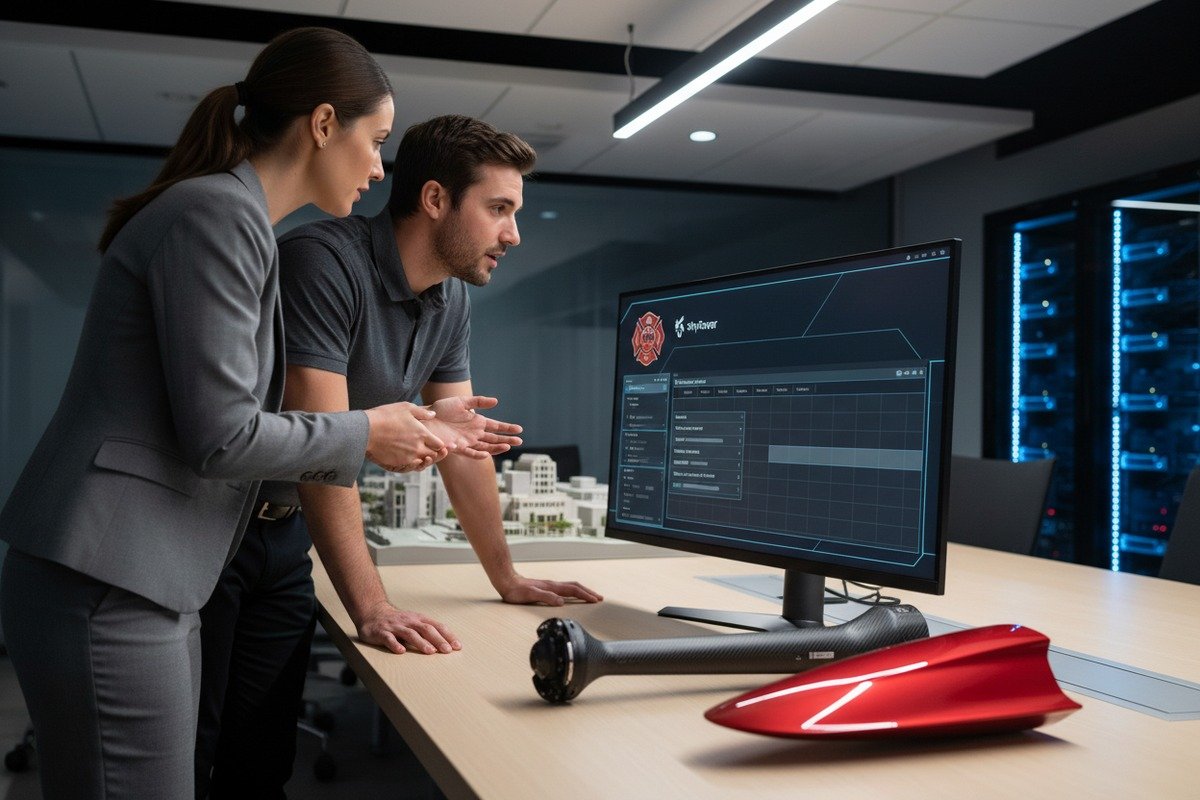
Verständnis von OEM- und Anpassungsstufen
Anpassung existiert auf einem Spektrum. Grundlegende Optionen umfassen den Austausch des Logos und Änderungen des Farbschemas. Erweiterte Anpassung beinhaltet die Entwicklung von Funktionen, die Neugestaltung von Arbeitsabläufen und die Integration mit Drittanbietersystemen. Unser Entwicklungsteam arbeitet mit Kunden auf jeder Ebene zusammen.
| Anpassungsstufe | Was ist enthalten | Typischer Zeitplan |
|---|---|---|
| Grundlegendes Branding | Logo, Farben, Startbildschirm | 1-2 Wochen |
| Benutzeroberflächen-Layout | Dashboard-Anordnung, Schaltflächenplatzierung | 3-4 Wochen |
| Funktionsmodifikation | Aktivieren/Deaktivieren spezifischer Funktionen | 4-6 weeks |
| Kundenspezifische Entwicklung | Neue Funktionen, API-Einbindung 3s | 8-12 weeks |
| Vollständiges White-Label | Komplette Neugestaltung mit benutzerdefinierten Funktionen | 12-16 Wochen |
Flottenmanagement-Funktionen
Multi-Drohnen-Betrieb erfordert spezialisierte Flottenmanagement-Funktionen 4. Die Software sollte mehrere Flugzeuge gleichzeitig verfolgen. Bediener benötigen Transparenz über den Batteriestatus, Wartungspläne und Flugprotokolle der gesamten Flotte.
Wenn wir Systeme für große US-Feuerwehren konfigurieren, beinhalten wir:
- Zentralisierte Drohnenregistrierung und -verfolgung
- Automatisierte Wartungswarnungen basierend auf Flugstunden
- Verwaltung von Pilotenlizenzen und Schulungsaufzeichnungen
- Missionshistorie mit durchsuchbaren Archiven
- Werkzeuge zur Ressourcenallokation für Multi-Einsatz-Szenarien
Diese Funktionen werden kritisch, wenn Abteilungen von Ein-Drohnen-Betrieben zu koordinierten Flotteneinsätzen übergehen.
API-Integrationsanforderungen
Moderne Feuerwehren nutzen mehrere Softwaresysteme. Ihre Bodenstation sollte sich mit bestehenden Werkzeugen verbinden. Gängige Integrationspunkte sind:
- GIS-Plattformen für die Kartierung
- CAD-Systeme (Computer-Aided Dispatch)
- Software für das Einsatzmanagement
- Videomanagementsysteme in Kommandozentralen
- Cloud-Speicher für die Datenarchivierung
Fragen Sie die Hersteller nach ihrer API-Dokumentation. Gut dokumentierte APIs deuten auf ausgereifte Software hin, die für den Unternehmenseinsatz bereit ist.
Fragen zur Anpassung
Bevor Sie eine Vereinbarung unterzeichnen, klären Sie diese Punkte:
- Was ist die Mindestbestellmenge für OEM-Branding?
- Wem gehört das geistige Eigentum für kundenspezifisch entwickelte Funktionen?
- Kann ich nach der anfänglichen Bereitstellung Funktionsänderungen beantragen?
- Welche laufenden Kosten fallen für Software-Updates von kundenspezifischen Builds an?
- Wie gehen Sie mit der Versionskontrolle um, wenn sich die Basissoftware aktualisiert?
Diese Fragen zeigen, ob der Hersteller wirklich langfristige Anpassungspartnerschaften unterstützt oder nur oberflächliche Branding-Optionen anbietet.
Bietet die Software die für meine US-Kommunalverträge erforderlichen Datensicherheits- und Verschlüsselungsprotokolle?
Regierungsaufträge haben strenge Cybersicherheitsanforderungen 5. Wenn wir Feuerwehrdrohnen an US-Kommunen exportieren, steht die Einhaltung von Sicherheitsvorschriften ganz oben auf der Beschaffungscheckliste. Unsichere Systeme legen sensible Vorfallsdaten offen und bergen Haftungsrisiken.
Konforme Bodenstationssoftware muss End-to-End-Verschlüsselung für alle Datenübertragungen, sichere Authentifizierungsprotokolle, Audit-Protokollierung und Datenspeicherung, die den CJIS- oder gleichwertigen Standards entspricht, umfassen. Überprüfen Sie, ob der Hersteller Sicherheitsdokumentationen bereitstellt und die Einhaltung Ihrer spezifischen Vertragsanforderungen nachweisen kann.

Verständnis der US-kommunalen Sicherheitsanforderungen
Verschiedene Regierungsebenen legen unterschiedliche Standards fest. Bundesaufträge erfordern oft die FedRAMP-Konformität. Landes- und lokale Verträge können sich auf CJIS (Criminal Justice Information Services) Security Policy 6 oder NIST-Frameworks beziehen. Feuerwehren, die sensible Standortdaten verarbeiten, benötigen angemessenen Schutz.
| Sicherheitsstandard | Gilt für | Wichtige Anforderungen |
|---|---|---|
| CJIS-Sicherheitsrichtlinie | Zugriff auf Daten von Strafverfolgungsbehörden | Verschlüsselung, Zugriffskontrolle, Audit-Protokolle |
| NIST 800-53 | Bundesweite Systeme | Umfassende Sicherheitskontrollen |
| FedRAMP | Cloud-Dienste für den Bundesgebrauch | Sicherheitsbewertung durch Dritte |
| Bundesstaatspezifisch | Variiert je nach Bundesstaat | Lokale Beschaffungsregeln prüfen |
Kritische Sicherheitsmerkmale
Unsere Bodenstationssoftware umfasst mehrere Sicherheitsebenen. Datenverschlüsselung schützt Informationen sowohl während der Übertragung als auch im Ruhezustand. AES-256-Verschlüsselung ist zum Standard für Regierungsanwendungen geworden.
Authentifizierungskontrollen bestimmen, wer auf das System zugreifen kann. Achten Sie auf:
- Multi-Faktor-Authentifizierungsoptionen 7
- Rollenbasierte Zugriffskontrolle
- Sitzungs-Timeout-Einstellungen
- Sperren nach fehlgeschlagenen Anmeldeversuchen
- Anforderungen an die Passwortkomplexität
Audit-Protokollierung schafft Rechenschaftspflicht. Jede Aktion in der Software sollte einen zeitgestempelten Datensatz generieren. Dazu gehören Anmeldeversuche, Konfigurationsänderungen, Missionsbefehle und Datenexporte. Diese Protokolle beweisen die Einhaltung von Vorschriften während Audits und Untersuchungen.
Bedenken hinsichtlich der Sicherheit der Lieferkette
US-Regierungsbehörden überprüfen zunehmend die Herkunft von Drohnenherstellern. Einige Verträge verbieten Geräte aus bestimmten Ländern oder Unternehmen. Andere verlangen eine Dokumentation der Komponentenbeschaffung in der gesamten Lieferkette.
Wenn wir mit US-Regierungsauftragnehmern zusammenarbeiten, bieten wir Folgendes an:
- Dokumentation der Herkunft von Komponenten
- Überprüfung des Herstellungsortes
- Offenlegung des Standorts der Softwareentwicklung
- Sicherheitsaudits durch Dritte auf Anfrage
Transparente Hersteller begrüßen diese Fragen. Ausweichende Antworten deuten auf potenzielle Compliance-Probleme hin.
Sichere Kommunikationsverbindungen
Die Funkverbindung zwischen Drohne und Bodenstation stellt einen Schwachpunkt dar. Angreifer könnten Daten abfangen oder bösartige Befehle einschleusen. Sichere Systeme verwenden verschlüsselte Kommunikationsprotokolle und Frequenzsprungverfahren, um Störungen zu verhindern.
Fragen Sie nach:
- Methoden zur Verschlüsselung der Kommunikation
- Fähigkeiten zur Störungsbekämpfung
- Protokolle zur Signalauthentifizierung
- Notfallverhalten bei kompromittierter Kommunikation
Diese technischen Details sind für den Betrieb in umkämpften Umgebungen oder an sensiblen Orten wichtig.
Welchen Umfang an technischem Remote-Support und Softwarewartung erhalte ich vom Hersteller nach der anfänglichen Bereitstellung?
Der Kundendienst nach dem Verkauf trennt zuverlässige Hersteller von problematischen. Unser Kundendienstteam bearbeitet Supportanfragen von US-Feuerwehren über mehrere Zeitzonen hinweg. Wir haben gelernt, dass die Bereitstellung nur der Anfang der Beziehung ist.
Erwarten Sie gestaffelten Support, einschließlich Notfall-Hotlines rund um die Uhr für kritische Ausfälle, Fernwartungsfunktionen, regelmäßige Software-Updates mit neuen Funktionen und Sicherheitspatches sowie dedizierte Account Manager für Flottenkunden. Klären Sie Reaktionszeitgarantien, Support-Zeiten und Eskalationsverfahren in Ihrem Kaufvertrag.

Erwartungen an die Supportstruktur
Professionelle Hersteller bieten strukturierte Support-Stufen an. Jede Stufe behandelt unterschiedliche Dringlichkeit und Komplexität.
| Stufe unterstützen | Reaktionszeit | Verfügbarkeit | Typische Probleme |
|---|---|---|---|
| Notfall | Unter 1 Stunde | 24/7 | Systemausfälle während aktiver Einsätze |
| Priorität | Unter 4 Stunden | Geschäftszeiten | Betriebsprobleme, die Missionen beeinträchtigen |
| Standard | Unter 24 Stunden | Geschäftszeiten | Konfigurationsfragen, kleinere Fehler |
| Geplant | Termin | Geschäftszeiten | Schulung, Optimierung, Upgrades |
Wenn wir Supportvereinbarungen mit US-Kunden abschließen, berücksichtigen wir Zeitunterschiede. Unser Team in Xi'an hält überlappende Stunden mit den US-Geschäftszeiten ein. Für Notfallunterstützung bieten wir eine Rund-um-die-Uhr-Abdeckung.
Ferndiagnose-Funktionen
Moderne Bodenstationssoftware sollte enthalten Fernwartungsfunktionen 8. Diese ermöglichen es Support-Technikern:
- Systemprotokolle ohne physischen Zugriff anzeigen
- Softwarekonflikte remote identifizieren
- Konfigurationskorrekturen direkt pushen
- Systemzustand proaktiv überwachen
Mit entsprechenden Berechtigungen können unsere Techniker auf Kundensysteme zugreifen und Probleme lösen, ohne Hardware versenden zu müssen. Dies reduziert Ausfallzeiten im Vergleich zu herkömmlichen Supportmodellen drastisch.
Software-Update- und Wartungsrichtlinien
Software erfordert laufende Wartung. Sicherheitslücken entstehen. Betriebssysteme werden aktualisiert. Neue Funktionen werden notwendig. Ihre Kaufvereinbarung sollte klären:
- Häufigkeit der Aktualisierung: Wie oft veröffentlicht der Hersteller Updates?
- Update-Bereitstellung: Sind Updates automatisch oder manuell?
- Abwärtskompatibilität: Funktionieren Updates mit vorhandener Hardware?
- Update-Kosten: Sind Updates enthalten oder separat bepreist?
- End-of-Life-Richtlinie: Wie lange wird der Hersteller Ihre Version unterstützen?
Wir veröffentlichen in der Regel monatlich Sicherheitspatches und vierteljährlich Funktionsupdates. Große Versionsupgrades erfolgen jährlich. Alle Updates für aktive Supportverträge sind ohne zusätzliche Kosten enthalten.
Ersatzteile und Reparaturdienste
Softwaresupport ist mit Hardwaresupport verbunden. Wenn Drohnen repariert werden müssen, ist eine schnelle Ersatzteilverfügbarkeit wichtig. Fragen Sie die Hersteller nach:
- Ersatzteilbestand für Ihr spezifisches Modell
- Versandzeiten zu Ihrem Standort
- Reparaturzeiten
- Verfügbarkeit von Leihgeräten während der Reparaturen
Lange Lieferzeiten für Ersatzteile – bei einigen Lieferanten üblich – können Ihre gesamte Flotte lahmlegen. Wir unterhalten einen in den USA ansässigen Ersatzteilbestand, um eine schnelle Lieferung für unsere amerikanischen Kunden zu gewährleisten.
Aufbau einer langfristigen Support-Beziehung
Die besten Support-Beziehungen sind proaktiv, nicht reaktiv. Qualitätshersteller bieten:
- Regelmäßige Check-in-Anrufe zur Überprüfung der Systemleistung
- Vorabinformationen über bevorstehende Updates
- Schulungsauffrischungen bei signifikanten Softwareänderungen
- Feedback-Kanäle, die die Produktentwicklung beeinflussen
Wenn Sie Drohnensysteme für die Brandbekämpfung beschaffen, wählen Sie einen langfristigen Partner. Bewerten Sie die Supportfähigkeiten genauso sorgfältig wie das Produkt selbst.
Schlussfolgerung
Die Bewertung von Bodenstationssoftware für Feuerwehrdrohnen erfordert die Prüfung der Benutzeroberfläche, Anpassungsoptionen, Sicherheitskonformität und Supportqualität. Nehmen Sie sich Zeit, Systeme unter realistischen Bedingungen zu testen. Wählen Sie einen Hersteller, der Sie auch nach dem ersten Verkauf unterstützt.
Fußnoten
1. Erklärt die Funktion und Komponenten der Drohnen-Bodenkontrollstationssoftware. ︎
2. Beschreibt, wie Wärmebildkameras auf Drohnen Wärmeabdatierten erfassen und nutzen. ︎
3. Definiert API-Integration und ihre Bedeutung für die Verbindung verschiedener Softwaresysteme. ︎
4. Ersetzt durch eine führende UAS-Flottenmanagementplattform, die Funktionen für Sicherheit, Compliance und operative Intelligenz detailliert beschreibt. ︎
5. Erklärt die sich entwickelnden Cybersicherheitsanforderungen für Regierungsauftragnehmer und Bundesbehörden. ︎
6. Bietet den offiziellen Überblick über die Sicherheitsrichtlinien des FBI für Strafverfolgungsbehörden (Criminal Justice Information Services Security Policy). ︎
7. Erklärt, was Multi-Faktor-Authentifizierung ist und welche Rolle sie bei der Verbesserung der digitalen Sicherheit spielt. ︎
8. Beschreibt die Fähigkeiten und Vorteile von Fernwartungssoftware für Fehlerbehebung und Wartung. ︎

 English
  Español de México
  Deutsch
  Français
  Русский
  العربية
Comments
No comments yet. Be the first to share your thoughts!
Leave a Comment