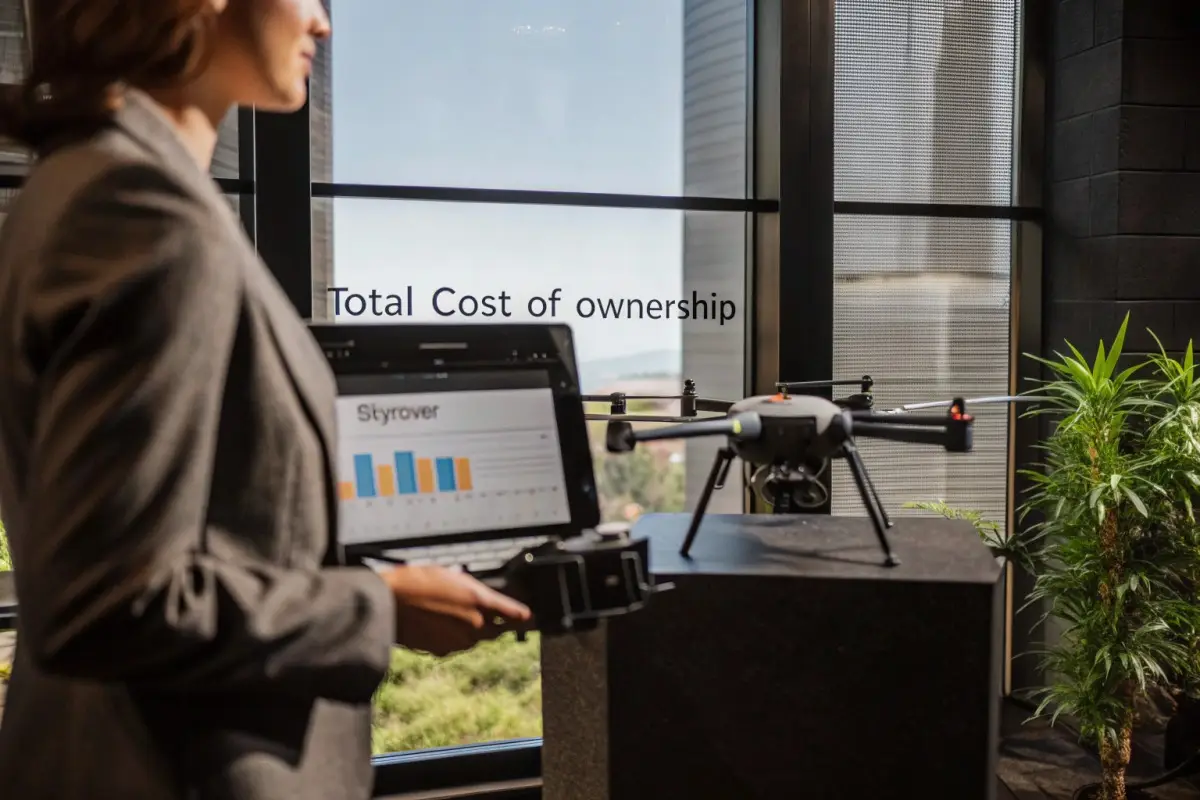
Als unser Ingenieurteam mit der Entwicklung von Löschdrohnen begann, stellten wir schnell fest, dass der Kaufpreis nur einen Teil der Geschichte erzählt. Viele Käufer konzentrieren sich auf die Anschaffungskosten, sehen sich aber später mit Budgetüberraschungen konfrontiert.
Um sich ordnungsgemäß nach den gesamten Lebenszykluskosten für die Wartung zu erkundigen, fordern Sie von Ihrem Lieferanten eine detaillierte Aufschlüsselung der Gesamtkosten (Total Cost of Ownership) an, die Batteriewechselzyklen, Ersatzteilpreise, Gebühren für Software-Updates, technische Supportpakete und voraussichtliche Reparaturkosten über die fünf- bis siebenjährige Betriebslebensdauer der Drohne abdeckt.
Das Verständnis dieser Kosten im Voraus hilft Ihnen, Budgets genau zu planen und finanzielle Belastungen während kritischer Notfalleinsätze zu vermeiden. Lassen Sie mich Sie durch die wichtigsten Fragen führen, die Sie stellen sollten.
Wie kann ich die langfristigen Kosten für Ersatzteile und Batterieziklen meiner Feuerwehrdrohnenflotte genau abschätzen?
Während unserer Produktionstests durchlaufen wir jede Drohne Hunderte von Flugzyklen 1. Dies liefert uns reale Daten über den Verschleiß von Komponenten. Viele Käufer unterschätzen, wie schnell Teile ersetzt werden müssen.
Um langfristige Ersatzkosten zu schätzen, fordern Sie die Batteriezertifizierung des Lieferanten, Daten zur Lebensdauer des Motors, die Häufigkeit des Propellerersatzes und eine vollständige Preisliste für Ersatzteile an. Berechnen Sie den jährlichen Verbrauch basierend auf Ihren prognostizierten Flugstunden und multiplizieren Sie ihn über den erwarteten fünfjährigen Betriebszeitraum.

Verständnis von Batteriedegradationsmustern
Batterien stellen die größten wiederkehrenden Kosten im Drohnenbetrieb dar. Aus unseren Testdaten, Lithium-Polymer-Akkus 2 behalten typischerweise 80% Kapazität nach 300-400 Ladezyklen. Nach diesem Punkt nehmen die Flugzeiten merklich ab.
Für Löscheinsätze ist dies von großer Bedeutung. Eine Batterie, die einst 30 Minuten Flugzeit bot, liefert nach erheblichem Gebrauch möglicherweise nur noch 22-24 Minuten. Diese Reduzierung wirkt sich auf die Missionsplanung und die Betriebssicherheit aus.
Wenn wir Drohnen an US-Feuerwehren liefern, empfehlen wir den Kauf von mindestens vier bis sechs Ersatzbatterien 3 pro Flugzeug. Jeder 20-30-minütige Löscheinsatz erfordert eine volle Batterie. Längere Einsätze können fünf oder mehr Batterien pro Tag erfordern.
Wichtige Fragen zu Batteriekosten
Ask your supplier these specific questions:
- Was ist die Nennzykluslebensdauer, bevor die Kapazität unter 80% fällt?
- Was sind die Kosten pro Ersatzbatterie?
- Gibt es Mengenrabatte für Flottenbestellungen?
- Wie ist die Lieferzeit für Batteriebestellungen?
- Bieten Sie eine Software zur Überwachung des Batteriezustands an?
Zeitplan für den Austausch von Komponenten
Neben Batterien verschleißen auch andere Teile vorhersehbar. Hier ist ein typischer Austauschplan, den wir unseren Kunden anbieten:
| Komponente | Erwartete Lebenserwartung | Kostenbereich für Ersatz | Anmerkungen |
|---|---|---|---|
| Propeller | 50-100 flight hours | $50-$150 pro Satz | Sofort ersetzen, wenn beschädigt |
| Motoren | 500-800 Flugstunden | $200-$500 Stück | Hitzeeinwirkung beschleunigt den Verschleiß |
| ESCs (elektronische Drehzahlregler) | 800-1200 Flugstunden | $150-$300 pro Stück | Auf Anzeichen von Überhitzung achten |
| Fahrwerk | 300-500 Landungen | $100-$250 pro Satz | Abhängig von den Geländebedingungen |
| Gimbal-Lager | 400-600 Flugstunden | $75-$200 | Das Gewicht der Wärmebildkamera beeinflusst die Lebensdauer |
Berechnung Ihres jährlichen Ersatzteilbudgets
Um ein genaues Budget zu erstellen, gehen Sie wie folgt vor:
Schätzen Sie zunächst Ihre jährlichen Flugstunden 4. Eine geschäftige Feuerwehr kann pro Drohne 200-400 Stunden pro Jahr fliegen. Zweitens teilen Sie dies durch die Lebensdauer der Komponente, um die Austauschhäufigkeit zu ermitteln. Drittens multiplizieren Sie mit den Komponentenkosten.
Wenn Sie beispielsweise 300 Stunden pro Jahr fliegen und Propeller durchschnittlich 75 Stunden halten, benötigen Sie vier Propellersätze pro Jahr. Bei 100 € pro Satz sind das 400 € pro Jahr nur für Propeller eines Fluggeräts.
Unsere Kunden vergessen oft, Versandkosten und Einfuhrzölle in ihre Berechnungen einzubeziehen. Für US-Käufer, die aus China importieren, addieren Sie 15-25 % zu den Teilekosten für die Logistik.
Welche spezifischen Fragen sollte ich einem Lieferanten stellen, um sicherzustellen, dass mein Wartungsbudget Fernunterstützung und Software-Updates abdeckt?
Unser technisches Support-Team bearbeitet Anrufe von Feuerwehren aus drei Kontinenten. Wir haben gelernt, dass die Supportanforderungen zwischen den Organisationen stark variieren. Einige benötigen bei jedem Update Unterstützung. Andere rufen nur im Notfall an.
Bitten Sie Lieferanten, schriftliche Dokumentationen zu Reaktionszeiten des Supports, verfügbaren Support-Kanälen, Häufigkeit und Kosten von Software-Updates, Remote-Diagnosefähigkeiten sowie dazu, ob Supportgebühren im Kaufpreis enthalten sind oder separate jährliche Abonnements erfordern, bereitzustellen.

Support-Paketstrukturen
Lieferanten strukturieren den Support unterschiedlich. Das Verständnis dieser Modelle hilft Ihnen, genau zu budgetieren und Überraschungen zu vermeiden.
Einige Hersteller beinhalten ein Jahr vollständigen Support im Kaufpreis. Danach zahlen Sie jährliche Gebühren. Andere berechnen von Anfang an separat. Einige bieten lebenslangen Basis-Support, berechnen aber Premium-Dienste.
Hier ist ein Vergleich gängiger Support-Modelle:
| Support-Modell | Typische jährliche Kosten | Was ist enthalten | Am besten für |
|---|---|---|---|
| Grundlegend inklusive | $0 (erstes Jahr) | E-Mail-Support, grundlegende Fehlerbehebung | Preisbewusste Käufer |
| Standard-Abonnement | $500-$2.000/Jahr | Telefonsupport, Software-Updates 5, Ferndiagnose | Die meisten Feuerwehren |
| Premium-Support | $3.000-$8.000/Jahr | 24/7-Hotline, Prioritätsreparaturen, Vor-Ort-Besuche | Kritische Einsätze |
| Bezahlung pro Vorfall | $150-$500/Anruf | Nur bei Bedarf | Seltene Supportanfragen |
Wesentliche Fragen an Ihren Lieferanten
Wenn wir uns mit potenziellen Kunden treffen, ermutigen wir sie, detaillierte Fragen zu stellen. Vage Antworten bedeuten normalerweise versteckte Kosten später.
Fragen Sie nach Garantien für die Reaktionszeit. Wird jemand innerhalb einer Stunde antworten? Vier Stunden? Vierundzwanzig Stunden? Bei Notfalldiensten ist eine langsame Reaktion während eines Waldbrandereignisses inakzeptabel.
Fragen Sie nach Zeitzonenabdeckung. Wenn sich Ihr Lieferant in China befindet und Sie in Kalifornien sind, wer beantwortet Anrufe um 2 Uhr morgens Pazifikzeit? Unser Team unterhält aus diesem Grund Personal über Zeitzonen hinweg.
Fragen Sie nach Sprachunterstützung. Technische Fehlerbehebung erfordert klare Kommunikation. Missverständnisse während eines Notfalls können gefährlich sein.
Kosten und Häufigkeit von Software-Updates
Software-Updates werden in Wartungsbudgets oft übersehen. Firmware von Flugsteuerungen, Nutzlastmanagementsysteme und Bodenstationsanwendungen erfordern alle regelmäßige Updates.
Einige Updates sind für die Sicherheit oder die Einhaltung gesetzlicher Vorschriften zwingend erforderlich. Andere fügen Funktionen hinzu, die Sie möglicherweise benötigen oder nicht. Fragen Sie Ihren Lieferanten:
- Sind Software-Updates im Kaufpreis enthalten?
- Wenn nicht, wie hoch ist die jährliche Gebühr für die Softwarewartung?
- Wie werden obligatorische Sicherheitsupdates gehandhabt?
- Können wir optionale Updates ablehnen?
- Erfordern Updates Systemausfallzeiten?
Remote-Diagnosefähigkeiten
Moderne Drohnen können Leistungsdaten an die Hersteller übertragen. Dies ermöglicht Fernwartung 6 ohne Rücksendung des Fluggeräts.
Bei der Kalibrierung von Flugsteuerungen in unserer Einrichtung können wir oft Probleme aus der Ferne identifizieren, indem wir Telemetrielogs überprüfen. Dies spart Kunden Zeit und Versandkosten. Fragen Sie, ob Ihr Lieferant diese Möglichkeit anbietet und ob zusätzliche Gebühren anfallen.
Wie bewerte ich die Verarbeitungsqualität und Haltbarkeit einer Drohne, um meine unerwarteten Reparaturkosten über ihre Lebensdauer zu minimieren?
Wenn wir unsere Feuerlöschdrohnen entwickeln, testen wir sie unter extremen Bedingungen. Wir setzen die Flugwerke hohen Temperaturen, starkem Regen und Staubstürmen aus. Nicht alle Hersteller führen diese Art von Tests durch.
Bewerten Sie die Verarbeitungsqualität, indem Sie Materialspezifikationen, IP-Schutzarten für Wasser- und Staubbeständigkeit, Crashtest-Ergebnisse, Betriebstemperaturbereiche und Referenzen von Kunden anfordern, die in ähnlichen Umgebungen tätig sind. Physische Inspektion und Testflüge decken Qualitäten auf, die Spezifikationen nicht erfassen können.

Indikatoren für die Materialqualität
Die bei der Drohnenkonstruktion verwendeten Materialien wirken sich direkt auf Haltbarkeit und Reparaturhäufigkeit aus. Hier ist, worauf Sie achten sollten:
Rahmen aus Kohlefaser 7 widerstehen Stößen besser als Kunststoffalternativen. Allerdings variiert die Qualität von Kohlefaser. Kohlefaser in Luftfahrtqualität ist teurer, aber widersteht Belastungen besser als Materialien in Industriequalität.
Motorgehäuse sollten aus Aluminium oder hochwertigem Stahl bestehen, nicht aus Kunststoff. Kunststoff-Motorhalterungen reißen unter Vibrationsbelastung. Metallkomponenten sind zwar im Voraus teurer, müssen aber selten ersetzt werden.
Die Qualität des Kabelbaums ist von erheblicher Bedeutung. Billige Verkabelungen entwickeln Kurzschlüsse und Brüche, insbesondere in Umgebungen mit starken Vibrationen. Fragen Sie nach dem Drahtquerschnitt, der Qualität der Steckverbinder und dem Design der Zugentlastung.
Umweltschutzklassen
IP-Schutzarten (Ingress Protection) 8 sagen Ihnen, wie gut eine Drohne Wasser und Staub widersteht. Für Feuerlöscheinsätze ist dies von großer Bedeutung.
| IP-Bewertung | Staubschutz | Wasserschutz | Eignung für Brandbekämpfung |
|---|---|---|---|
| IP43 | Geschützt gegen Objekte >1mm | Geschützt gegen Spritzwasser | Minimal; nur bei schönem Wetter |
| IP54 | Geschützt gegen Staubeintritt | Geschützt gegen Spritzwasser | Moderat; leichter Regen akzeptabel |
| IP55 | Geschützt gegen Staubeintritt | Geschützt gegen Wasserstrahlen | Gut; die meisten Bedingungen akzeptabel |
| IP67 | Staubdicht | Geschützt gegen Eintauchen | Ausgezeichnet; starker Regen und Sprühwasser |
Die meisten Budget-Drohnen bieten IP43- oder IP54-Schutzklassen. Unsere Feuerwehrdrohnen erreichen mindestens IP55, da Rauch, Asche und Wassereinwirkung bei realen Einsätzen unvermeidlich sind.
Bewertung der Stoßfestigkeit
Brandbekämpfungsumgebungen bergen Kollisionsrisiken. Drohnen stoßen gegen Bäume, Gebäude und Stromleitungen. Wie gut eine Drohne einen Aufprall übersteht, bestimmt die Reparaturkosten.
Fragen Sie Lieferanten nach Verfahren für Stoßfestigkeitstests. Seriöse Hersteller lassen ihre Fluggeräte aus verschiedenen Höhen und Winkeln fallen. Fordern Sie Videoaufzeichnungen dieser Tests an.
Modulare Bauweise reduziert Reparaturkosten. Wenn nur die beschädigte Komponente ausgetauscht werden muss, sind die Reparaturen günstiger, als wenn die gesamte Zelle gewartet werden muss. Unser Ingenieurteam entwickelt Befestigungspunkte, um Aufprallenergie zu absorbieren und kritische Systeme zu schützen.
Hitzebeständigkeit für Brandbekämpfungseinsätze
Die Brandbekämpfung bedeutet den Einsatz in der Nähe von intensiver Hitze. Standarddrohnen versagen unter diesen Bedingungen schnell.
Fragen Sie nach den Betriebstemperaturspezifikationen. Die meisten kommerziellen Drohnen arbeiten zwischen -10°C und 40°C. Feuerwehrdrohnen sollten Umgebungstemperaturen von 50°C oder höher bewältigen können. Auch interne Komponenten benötigen Hitzeschutz.
Hitzebeständige Beschichtungen, thermische Barrieren um Elektronik und Hochtemperatur-Schmierstoffe verlängern die Lebensdauer in Brandumgebungen. Diese Merkmale erhöhen die Herstellungskosten, reduzieren aber Ausfälle aufgrund von Hitze erheblich.
Warnsignale bei der Verarbeitungsqualität
Bei Werksbesuchen habe ich Qualitätsprobleme festgestellt, die auf zukünftige Ausfälle hindeuten. Achten Sie auf diese Warnzeichen:
- Sichtbarer Kleberüberlauf an Verbindungsstellen
- Inkonsistente Schraubendrehmomente
- Lose oder schlecht verlegte Verkabelung
- Kunststoffkomponenten an hochbelasteten Stellen
- Fehlende oder unzureichende Wetterabdichtung
- Schlechte Lötqualität auf Leiterplatten
Besuchen Sie nach Möglichkeit die Produktionsstätte oder fordern Sie detaillierte Produktionsfotos an. Qualitätsprobleme, die während der Fertigung sichtbar sind, verursachen Probleme im Feld.
Welche Dokumentation sollte ich anfordern, um zu bestätigen, dass mein Lieferant eine zuverlässige und kostengünstige Lieferkette für kritische Reparaturkomponenten anbietet?
Unser Exportteam bearbeitet jede Woche Sendungen in die USA. Wir haben gelernt, dass Dokumentationslücken zu Verzögerungen und unerwarteten Kosten führen. Vollständige Unterlagen schützen Käufer und Verkäufer.
Fordern Sie Ersatzteillisten, Garantien für Komponentenlieferzeiten, Dokumentationen von autorisierten Händlern, Zollkonformitätszertifikate und schriftliche Vereinbarungen an, die die Verfügbarkeit von Teilen nach dem Kauf festlegen. Diese Dokumente schützen vor Lieferkettenunterbrechungen, die Ihre Flotte am Boden halten könnten.

Checkliste für kritische Dokumentation
Sammeln Sie diese Dokumente, bevor Sie einen Kaufvertrag unterzeichnen:
Ersatzteilpreisliste: Ein vollständiger Katalog mit aktuellen Preisen für jede austauschbare Komponente. Die Preise sollten für mindestens ein Jahr garantiert sein.
Lieferzeitplan: Schriftliche Zusagen, wie schnell Teile nach der Bestellung versendet werden. Standardkomponenten sollten innerhalb von 48-72 Stunden versendet werden. Spezialteile können länger dauern, sollten aber definierte Zeitpläne haben.
Lagerbestandszertifizierung: Bestätigung, dass der Lieferant über ausreichende Ersatzteilbestände verfügt. Fordern Sie Lagerberichte an, die die Lagerbestände kritischer Komponenten zeigen.
Lieferkettenkarte: Dokumentation, die zeigt, woher die Komponenten stammen. Dies hilft bei der Einschätzung von Lieferkettenrisiken. Wenn alle kritischen Teile aus einer einzigen Fabrik stammen, sind Lieferunterbrechungen wahrscheinlich.
Garantien für Ersatzteilverfügbarkeit
Der Markt für Feuerwehrdrohnen entwickelt sich rasant. Modelle sind innerhalb von drei bis fünf Jahren veraltet. Dies birgt Risiken bei der Ersatzteilverfügbarkeit.
Bitten Sie Ihren Lieferanten um schriftliche Garantien für die Ersatzteilverfügbarkeit. Ein seriöser Hersteller sollte sich verpflichten, Ersatzteile mindestens sieben Jahre nach dem Versand der letzten Einheit zu liefern. Einige bieten Zehnjahresgarantien an.
Ohne diese Garantien riskieren Sie, Geräte zu besitzen, die nicht repariert werden können. Wir haben erlebt, dass Feuerwehren funktionierende Drohnen außer Betrieb nehmen mussten, nur weil Ersatzmotoren nicht mehr verfügbar waren.
Bewertung der Zuverlässigkeit der Lieferkette
Probleme in der Lieferkette 9 führen zu Flugausfällen. Während der globalen Logistikstörungen der letzten Jahre konnten viele Drohnenbetreiber monatelang keine Ersatzteile erhalten.
Berücksichtigen Sie diese Faktoren:
Geografische Vielfalt: Verwendet der Lieferant Komponenten aus mehreren Regionen? Abhängigkeiten von einer einzigen Quelle bergen Risiken.
Lagerort: Werden Ersatzteile in Ihrem Land gelagert? Lokale Lagerbestände bedeuten schnellere Lieferung und keine Zollverzögerungen.
Alternative Lieferanten: Können Sie kompatible Teile von Drittanbietern beziehen, wenn der Hauptlieferant ausfällt? Proprietäre Komponenten schaffen Abhängigkeit.
Finanzielle Stabilität: Ist der Lieferant finanziell gesund? Unternehmen in finanziellen Schwierigkeiten können oft keine Lagerbestände aufrechterhalten oder Garantien einhalten.
Import- und Zollunterlagen
Für US-Käufer, die aus China importieren, beeinflussen Zolldokumente sowohl die Kosten als auch die Geschwindigkeit. Fehlende Unterlagen verursachen Verzögerungen an den Häfen.
Fordern Sie diese Dokumente vor dem Versand an:
| Dokument | Zweck | Wer liefert |
|---|---|---|
| Handelsrechnung | Erklärt den Wert für Zölle | Anbieter |
| Packliste | Details zum Inhalt | Anbieter |
| Ursprungszeugnis | Bestätigt den Herstellungsort | Lieferant oder Handelskammer |
| Ausfuhrgenehmigung | Genehmigt den Export aus dem Ursprungsland | Anbieter |
| Konformitätszertifikate | Beweist erfüllte Sicherheitsstandards | Lieferant oder Prüflabor |
| Zolltarifnummer (Harmonized System Code) | Legt die Zollsätze fest | Lieferant oder Zollagent |
Erfahrene Lieferanten wie wir erledigen diese Dokumente routinemäßig. Unerfahrene Lieferanten können Verzögerungen verursachen oder falsche Dokumentationen liefern, die Zollkontrollen auslösen.
Redundanz in Ihre Lieferkette einbauen
Intelligente Beschaffung beinhaltet Notfallplanung. Erwägen Sie diese Strategien:
Kritische Ersatzteile im Voraus mit Ihrer Erstbestellung kaufen. Batterien, Propeller und Motoren fallen am häufigsten aus. Ersatzteile auf Lager zu haben, verhindert Betriebsausfälle.
Identifizieren Sie alternative Lieferanten für gängige Komponenten. Selbst wenn Sie keine exakten Ersatzteile erhalten können, können kompatible Alternativen Ihre Flotte während Lieferunterbrechungen flugfähig halten.
Dokumentieren Sie alle Teilenummern, Spezifikationen und Quellen. Wenn Ihr Hauptlieferant ausfällt, hilft diese Information, schnell Alternativen zu finden.
Schlussfolgerung
Die gesamten Lebenszykluskosten für die Wartung wirken sich erheblich auf Ihre Investition in Feuerwehrdrohnen aus. Indem Sie detaillierte Fragen zu Akkuzyklen, Supportpaketen, Verarbeitungsqualität und Zuverlässigkeit der Lieferkette stellen, schützen Sie Ihr Budget und stellen die Einsatzbereitschaft sicher. Beginnen Sie diese Gespräche frühzeitig in Ihrem Beschaffungsprozess.
Fußnoten
1. Erklärt, wie sich die Anzahl der Akkuzyklen auf die Lebensdauer und den Austauschbedarf von Drohnenakkus auswirkt. ︎
2. Beschreibt die Verbreitung und Eigenschaften von Lithium-Polymer-Akkus in Drohnen. ︎
3. Erörtert die Akkulaufzeit von Drohnen und die Flugplanung, was die Notwendigkeit mehrerer Akkus unterstützt. ︎
4. Erörtert Faktoren, die die Flugzeit von Drohnen beeinflussen, was für die Schätzung des jährlichen Verbrauchs unerlässlich ist. ︎
5. Erklärt die Bedeutung von Firmware-Updates für die Leistung, Sicherheit und Funktionalität von Drohnen. ︎
6. Definiert Fernwartungsdiagnose als den Prozess der Identifizierung von Problemen aus der Ferne. ︎
7. Beschreibt, warum Kohlefaser aufgrund von Festigkeit und Gewicht ein überlegenes Material für Drohnenrahmen ist. ︎
8. Erklärt den internationalen Standard für den Schutz vor Festkörpern und Flüssigkeiten. ︎
9. Erklärt die Ursachen und Auswirkungen weit verbreiteter Störungen in der Lieferkette. ︎
 English
  Español de México
  Deutsch
  Français
  Русский
  العربية
Comments
No comments yet. Be the first to share your thoughts!
Leave a Comment