
Zu sehen, wie eine glänzende neue Drohne während eines kritischen Notfalls keine Verbindung zum Kommandozentrum herstellen kann, ist ein Albtraum, den wir jeden Tag in unserer Montagehalle zu verhindern suchen.
Sie sollten einen umfassenden Vorschlag anfordern, der die Überprüfung der API-Kompatibilität, definierte Protokolle für die Abnahmetests vor Ort (SAT) und einen klaren Zeitplan für die Inbetriebnahme nach dem “Train-the-Trainer”-Prinzip enthält. Fordern Sie ausdrücklich Interoperabilitätsnachweise für Ihre spezifische Kommando-Software an und verlangen Sie eine Service Level Agreement (SLA), die die ersten 24 Monate der Systemintegrationsunterstützung abdeckt.
Lassen Sie uns die wesentlichen Schritte aufschlüsseln, um sicherzustellen, dass Ihre neue Flotte vom ersten Tag an nahtlos funktioniert.
Welche technischen Spezifikationen sollte ich vorbereiten, bevor ich einen Vorschlag zur Systemintegration anfordere?
Wenn wir eingehende Ausschreibungen in unserer Zentrale in Xi'an prüfen, verzögern vage Anforderungen bezüglich der bestehenden Infrastruktur oft den Engineering-Prozess um Wochen oder sogar Monate.
Erstellen Sie ein detailliertes Betriebsprofil, das Missionstypen wie die Unterdrückung von Hochhausbränden oder die Waldüberwachung definiert, zusammen mit spezifischen Anforderungen an das Nutzlastgewicht und Datenverschlüsselungsstandards (AES-256). Sie müssen auch alle älteren Funkfrequenzen und Videoreceiver-Modelle auflisten, die derzeit in Gebrauch sind, um notwendige Hardware-Brücken zu identifizieren.
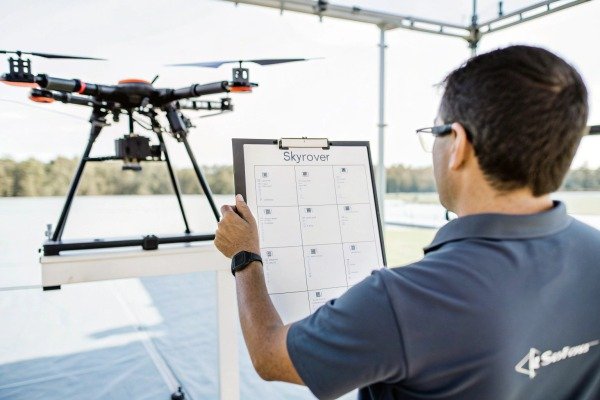
Wenn Sie sich an einen Lieferanten für ein komplexes integriertes System wenden, ist die "Hardware" nur die halbe Miete. Aus unserer Sicht an der Produktionslinie müssen wir genau wissen, wie die Drohne in Ihr aktuelles Ökosystem passt. Ein Standard-Quadrocopter mag auf einem Testfeld perfekt fliegen, aber ohne präzise Spezifikationen kann er möglicherweise nicht mit Ihren spezifischen Feuerwehrwagen-Monitoren oder Einsatzleitbildschirmen integriert werden.
Definition von Betriebsszenarien
Der erste Schritt besteht darin, über allgemeine Begriffe wie "Feuerwehr" hinauszugehen. Wir müssen das spezifische Missionsprofil kennen. Eine Drohne, die für Hochhausbrände konfiguriert ist, erfordert andere Hochhausbrände 1 Sensor-Kalibrierungen und Nutzlastabwurfmechanismen als eine, die zur Überwachung von Waldbränden über fünf Meilen verwendet wird. Waldbrandüberwachung 2
- Hochhaus-Einsätze: Konzentrieren Sie sich auf Signalpenetration durch Beton, Wärmebildkameras mit spezifischen Temperatureinstellungen (bis zu 1000°C) und Hindernisvermeidung in GPS-verweigerten Umgebungen.
- Einsätze in Waldgebieten: Konzentrieren Sie sich auf Langstreckenübertragung, Windbeständigkeit und Integration mit GIS-Mapping-Software zur Verfolgung von Hotspots.
Wenn Sie diese Szenarien in Ihrer Ausschreibung (RFP) nicht angeben, konfigurieren wir den Flugcontroller möglicherweise mit generischen Parametern, die für Ihre realen Anforderungen "sicher", aber ineffizient sind.
Inventar älterer Hardware
Viele Feuerwehren in den USA arbeiten immer noch mit spezifischen analogen Frequenzen oder verwenden ältere analoge Frequenzen 3 Videorezeptoren. Moderne Industriedrohnen übertragen typischerweise verschlüsselte digitale Signale. Wenn Sie Ihre aktuelle Ausrüstung nicht auflisten, können wir die notwendigen "Brücken" nicht entwickeln."
Wenn beispielsweise Ihr mobiles Kommandozentrum eine ältere Version von Videomanagementsoftware verwendet Videomanagementsoftware 4, müssen wir möglicherweise eine benutzerdefinierte Middleware entwickeln oder einen Hardware-Decoder liefern. Ohne diese Informationen im Voraus riskieren Sie, ein System zu erhalten, das isoliert funktioniert, aber keine kritischen Informationen mit dem Bodenteam teilen kann.
Tabelle: Checkliste für wesentliche technische Spezifikationen
| Kategorie | Zu liefernde Spezifikationsdetails | Warum es für den Hersteller wichtig ist |
|---|---|---|
| Missionsprofil | Hochhaus, Wald, Gefahrstoffe, SAR | Ermittelt Motor-Kv, Batterietyp und Sensorabstimmung. |
| Konnektivität | 4G/5G, Funkfrequenz (900MHz/2,4GHz), Wi-Fi | Entscheidend für die Antennenauswahl und die Einhaltung gesetzlicher Vorschriften. |
| Bestehende IT | Version der Steuerungssoftware, Server-Betriebssystem, Netzwerksicherheit | Ermöglicht uns die Überprüfung der API-Kompatibilität und der Datenformate. |
| Nutzlasten | Thermische Auflösung, Zoomstufe, Gewicht des Abwurfmechanismus | Beeinflusst die Berechnung des Schwerpunkts und die Wahl des Gimbals. |
Wie stelle ich sicher, dass die Kommunikationsprotokolle der Drohne mit meinem bestehenden Feuerleitstand kompatibel sind?
Unsere Flugsteuerungstechniker verbringen unzählige Stunden mit der Abstimmung von Telemetrieströmen Telemetrieströme 5, aber Kompatibilitätsprobleme treten immer noch auf, wenn die Protokolle nicht frühzeitig in der Entwurfsphase abgeglichen werden.
Fordern Sie, dass der Lieferant ein offenes SDK oder eine API-Dokumentation bereitstellt, die Standardübertragungsprotokolle wie RTSP für Video und MAVLink für Telemetrie unterstützt. Fordern Sie eine Proof-of-Concept-Demonstration an, bei der die Drohne Live-Daten direkt an Ihre spezifische Vorfallmanagementsoftware überträgt, bevor Sie den Vertrag abschließen.
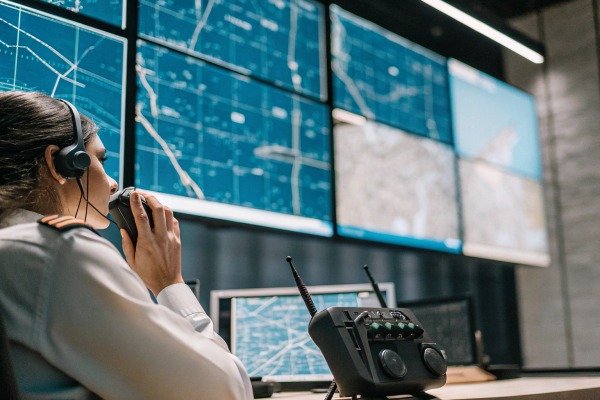
In der Welt der Industriedrohnen ist "proprietär" oft der Feind der Integration. Wenn wir Systeme für den Export entwickeln, priorisieren wir offene Standards, aber viele Käufer vergessen, danach zu fragen. Wenn eine Drohne eine Sprache spricht, die Ihr Leitstand nicht versteht, sind die Daten nutzlos.
Offene Standards fordern
Sie sollten ausdrücklich Unterstützung für universelle Protokolle anfordern. Der gängigste Standard für Drohnentelemetrie ist MAVLink. Wenn Ihre Leitstellensoftware auf Standard-Branchenplattformen basiert, verarbeitet sie wahrscheinlich MAVLink-Daten. MAVLink-Daten 6 Für Video ist, RTSP (Real-Time Streaming Protocol) der Goldstandard für latenzarme Übertragung.
Wenn ein Lieferant darauf besteht, eine geschlossene, proprietäre App zu verwenden, die keine Daten teilt, ist dies ein Warnsignal für ein komplexes integriertes System. Sie benötigen den Videostream auf dem Tablet des Einsatzleiters, nicht nur auf der Fernbedienung des Piloten.
Die Bedeutung von Latenztests
Protokollkompatibilität bedeutet nicht nur "Verbindung"; es geht um Geschwindigkeit. Bei einem Brand ist eine Verzögerung von 30 Sekunden im Videostream inakzeptabel. Wir empfehlen, eine strenge KPI in Ihrem Vertrag festzulegen: Die Videolatenz muss unter 500 Millisekunden liegen von der Drohnenkamera bis zum Bildschirm der Leitstelle.
Um dies zu erreichen, müssen wir oft die Bitrate und die Komprimierungseinstellungen des Übertragungsmoduls der Drohne anpassen. Wenn Sie damit warten, bis die Drohne eintrifft, um dies zu testen, kann dies eine Firmware-Neufassung erfordern. Durch die frühzeitige Anforderung einer "Hardware-Bridge"-Bewertung können wir feststellen, ob Ihre aktuelle Netzwerkinfrastruktur den High-Bandwidth-Stream bewältigen kann oder ob wir ein dediziertes Edge-Computing-Modul bereitstellen müssen, um Edge-Computing 7 Daten lokal vor der Übertragung zu verarbeiten.
Cybersicherheit und Datensouveränität
Kommunikation bedeutet nicht nur Fluss; es geht um Sicherheit. Regierungsbehörden müssen sicherstellen, dass Daten nicht weitergeleitet werden Regierungsbehörden 8 through unauthorized servers.
- Anfrage: AES-256 encryption on all links.
- Verify: That the video stream goes Point-to-Point (P2P) or to your private cloud, not the manufacturer's public cloud.
Table: Common Protocols and Their Functions
| Protokoll | Funktion | Integration Requirement |
|---|---|---|
| MAVLink | Telemetry (GPS, Battery, Attitude) | Must be supported by Command Center software. |
| RTSP / RTMP | Live Video Streaming | Requires stable network bandwidth (4G/LTE or Mesh). |
| JSON / REST API | Data Logging & Post-Flight Analysis | Used for automated flight log storage and maintenance tracking. |
Welche spezifischen Testverfahren sollte ich während der Inbetriebnahme- und Abnahmephase verlangen?
We always advise clients that a drone sitting in a box is useless; true operational readiness comes from rigorous, site-specific validation protocols.
Require a two-phase acceptance protocol consisting of a Factory Acceptance Test (FAT) to verify hardware specs and a Site Acceptance Test (SAT) to validate thermal accuracy and connectivity in your local environment. Ensure these tests include failure simulation, such as signal loss and battery redundancy checks.
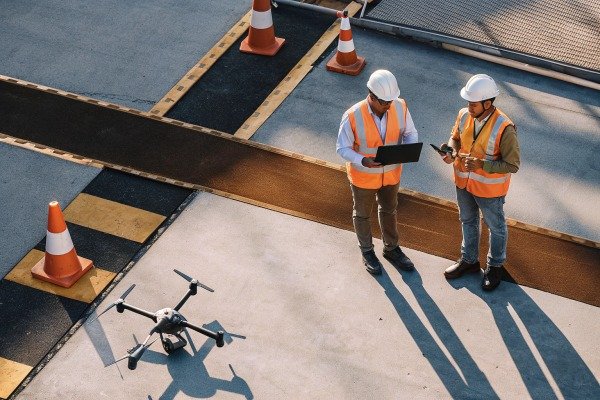
Die Inbetriebnahme ist die Brücke zwischen einem Produkt und einer Lösung. Wenn wir eine Drohne aus unserem Werk versenden, hat sie unsere internen Qualitätsprüfungen bestanden, aber sie hat noch nicht Ihre spezifische Umgebung kennengelernt. Eine robuste Inbetriebnahme-Anfrage stellt sicher, dass das System dort funktioniert, wo es darauf ankommt: bei Ihrem Brandort.
Werksabnahmeprüfung (FAT)
Dies geschieht, bevor die Drohne unser Werk verlässt. Sie können einen Videoanruf anfordern oder einen Vertreter entsenden.
- Verifizierung: Bestätigen Sie, dass die Drohne das angegebene Nutzlastgewicht heben kann.
- Ausdauer: Überprüfen Sie, ob die Flugzeit unter Last dem Datenblatt entspricht.
- Thermische Kalibrierung: Überprüfen Sie, ob die Wärmebildkamera Temperaturen gegen eine bekannte Schwarzkörperquelle genau wiedergibt.
Site Acceptance Test (SAT)
Dies ist die kritischste Phase. Sie findet an Ihrem Standort statt. Unterzeichnen Sie das endgültige Abnahmezertifikat erst, wenn diese Tests bestanden wurden:
- Konnektivitäts-Stresstest: Fliegen Sie die Drohne bis zur maximal erforderlichen Reichweite (z. B. 5 Meilen) und überprüfen Sie, ob die Videoübertragung stabil bleibt.
- Integrationsvalidierung: Lösen Sie einen Alarm auf der Drohne aus (z. B. "Hohe Temperatur erkannt") und überprüfen Sie, ob dieser sofort auf Ihrem Leitstellenbildschirm erscheint.
- Fehlersimulationen: Trennen Sie absichtlich das Signal des Fernsteuergeräts. Kehrt die Drohne automatisch zum Ausgangspunkt (RTH) zurück, wie programmiert?
"Train-the-Trainer"-Inbetriebnahme
Hardware funktioniert, aber Menschen versagen. Anstatt einer grundlegenden Flugschulung fordern Sie ein "Train-the-Trainer"-Modell an. Wir stellen fest, dass es für Ihre leitenden Beamten weitaus wertvoller ist, ihnen beizubringen, wie man Fehler behebt, Firmware aktualisiert und Sensoren kalibriert, als ihnen nur beizubringen, wie man die Steuerknüppel bedient. Dies befähigt Ihr Team, kleinere technische Probleme zu lösen, ohne auf unser Support-Team in einer anderen Zeitzone warten zu müssen.
Tabelle: Empfohlene Szenarien für Abnahmetestfehler
| Test-Szenario | Verfahren | Erfolgskriterien |
|---|---|---|
| Linkverlust | Schalten Sie die Bodenkontrollstation während des Fluges aus. | Die Drohne schwebt 10 Sekunden lang und führt dann Return-to-Home aus. |
| Videolatenz | Winken Sie mit der Hand vor der Kamera in maximaler Entfernung. | Bewegung erscheint auf dem Bildschirm des Command Centers in < 500 ms. |
| Geofencing | Fliegen Sie in Richtung einer Sperrgebietsgrenze. | Die Drohne bremst automatisch und weigert sich einzutreten. |
| Niedriger Batteriestand | Simulieren Sie eine kritisch niedrige Batteriespannung. | Die Drohne erzwingt eine automatische Landung, um einen Absturz zu verhindern. |
Wie kann ich feststellen, ob der Lieferant über ausreichende technische Ressourcen verfügt, um komplexe Anpassungen zu unterstützen?
Bei unseren Kooperationen mit US-Partnern stellen wir fest, dass eine erfolgreiche Anpassung vollständig von der Tiefe des Ingenieurteams des Lieferanten abhängt.
Bewerten Sie den Lieferanten, indem Sie Fallstudien früherer komplexer Integrationen anfordern und während der Pre-Sales-Phase direkten Zugang zu seinem Software-Engineering-Team verlangen. Überprüfen Sie seine Fähigkeit, benutzerdefinierte Treiber für einzigartige Nutzlasten zu schreiben, und prüfen Sie, ob sie einen dedizierten Support-Ingenieur für die Fehlerbehebung nach der Bereitstellung anbieten.
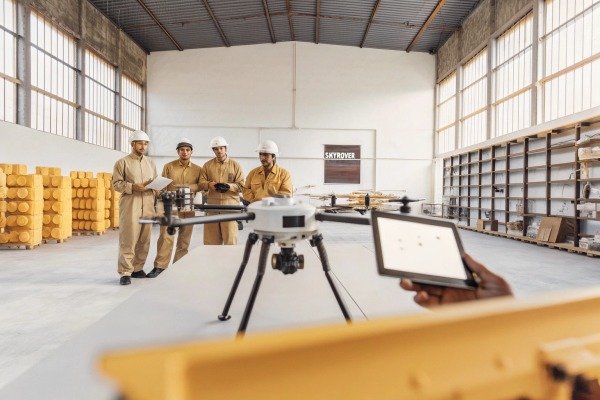
Viele Unternehmen, die Drohnen verkaufen, sind nur "Box Movers" – sie kaufen von einer Fabrik und verkaufen an Sie weiter. Für ein komplexes Brandbekämpfungssystem benötigen Sie einen Partner mit F&E-Fähigkeiten, nicht nur ein Verkaufsteam. Wenn der Lieferant den Code nicht ändern oder eine benutzerdefinierte Halterung entwerfen kann, wird Ihr Integrationsprojekt ins Stocken geraten.
Bewertung der F&E-Fähigkeiten
Woran erkennen Sie, ob sie es ernst meinen? Stellen Sie technische Fragen, die ein Verkäufer nicht beantworten kann.
- Frage: "Können Sie die PID-Einstellungen des Flugreglers ändern, um PID-Einstellungen 9 Hochwindstabilität für unsere spezifische Nutzlast?"
- Frage: "Wenn wir unsere API für das Kommandozentrum nächstes Jahr aktualisieren, können Sie dann ein Firmware-Update für die Drohne pushen Firmware-Update 10 um es anzupassen?"
Wenn sie für jede Antwort die "Fabrik fragen" müssen, fehlen ihnen die internen Ressourcen, die Sie benötigen. Wir ermutigen Kunden, nach einer Videotour durch das F&E-Labor oder einem Gespräch mit dem leitenden Softwareentwickler zu fragen.
Die Notwendigkeit von benutzerdefinierten Treibern
Feuerwehrleute haben oft spezielle Altgeräte, wie z. B. bestimmte Gassensoren oder Strahlungsdetektoren. Die Integration dieser erfordert das Schreiben von benutzerdefinierten Treibern, damit das Gehirn der Drohne mit dem Sensor kommunizieren kann. Ein Lieferant mit starken Ingenieurressourcen wird Folgendes anbieten: SDK-Unterstützung und kundenspezifische Entwicklungsdienstleistungen. Sie sollten Ihnen Beispiele zeigen können, bei denen sie dies für andere Kunden getan haben.
Service Level Agreements (SLA)
Der technische Support sollte nicht mit der Lieferung enden. Komplexe Systeme haben Fehler. Ihr Vertrag sollte eine SLA enthalten, die den Zugang zu einem technischen Ingenieur (nicht nur zu einem Skriptleser des Helpdesks) innerhalb eines festgelegten Zeitrahmens garantiert.
- Standard-Support: E-Mail-Antwort innerhalb von 24 Stunden.
- Kritischer Support: Fern-Diagnosesitzung innerhalb von 4 Stunden.
Checkliste: Anzeichen eines fähigen Engineering-Partners
- Internes Software-Team: Sie können Code schreiben, nicht nur Einstellungen konfigurieren.
- Modulares Hardware-Design: Sie können kundenspezifische Halterungen für Ihre Sensoren 3D-drucken oder bearbeiten.
- Dokumentation: Sie stellen detaillierte API-Handbücher zur Verfügung, nicht nur eine "Schnellstartanleitung"."
- Update-Historie: Sie veröffentlichen regelmäßige Firmware-Updates, die Funktionen hinzufügen und nicht nur Fehler beheben.
Schlussfolgerung
Eine ordnungsgemäße Integration verwandelt Hardware in einen Lebensretter. Indem Sie detaillierte Spezifikationen, rigorose Tests und verifizierten technischen Support verlangen, stellen Sie sicher, dass Ihre Flotte für den Einsatz unter widrigen Bedingungen bereit ist.
Fußnoten
1. Maßgebliche Statistiken und Standards für den Hochhaus-Brandbekämpfungseinsatz. ︎
2. Offizielles US-Regierungsprogramm zur Nutzung von Drohnen für das Brandmanagement. ︎
3. Regulierungsbehörde, die das Frequenzspektrum für öffentliche Sicherheitsfunkdienste und ältere Bänder überwacht. ︎
4. Führender Anbieter von Open-Platform-Videomanagementsoftware. ︎
5. Weit verbreitete Open-Source-Flugsteuerungssoftware zur Verwaltung von Telemetriedaten. ︎
6. Offizielle Dokumentation für das Standard-Drohnen-Telemetrieprotokoll. ︎
7. Überblick über Edge-Computing-Konzepte für die lokale Datenverarbeitung. ︎
8. US-Behörde, die Cybersicherheitsrichtlinien für Regierungsorganisationen bereitstellt. ︎
9. Bildungsressource, die die PID-Regelungslogik erklärt, die in Flugsteuerungen verwendet wird. ︎
10. Hersteller-Supportportal zur Wartung der Drohnen-Firmware. ︎
 English
  Español de México
  Deutsch
  Français
  Русский
  العربية
Comments
No comments yet. Be the first to share your thoughts!
Leave a Comment