
Wenn wir unsere SkyRover-Einheiten in unserer Anlage in Chengdu testen, wissen wir, dass ein Batterieausfall während einer Rettungsmission nicht nur eine Unannehmlichkeit ist; er stellt ein kritisches Sicherheitsrisiko dar. kritisches Sicherheitsrisiko 1 Viele Einkaufsmanager, mit denen wir in den USA sprechen, konzentrieren sich stark auf die Flugzeitangaben, übersehen aber oft die versteckte Gefahr unsachgemäßer Batteriepflege, bis ein Akku anschwillt oder mitten im Betrieb ausfällt. Um Ihre Investition zu schützen und die Einsatzbereitschaft zu gewährleisten, ist das Verständnis der Rolle des Lieferanten bei der Batterieberatung unerlässlich.
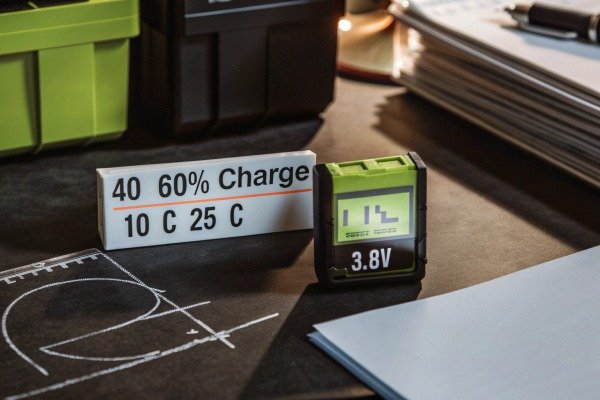
Seriöse Anbieter von Feuerlöschdrohnen stellen in der Regel spezifische Dokumentationen zur Lagerung von Lithiumbatterien zur Verfügung, die einen Ladezustand von 40 % bis 60 % (ca. 3,8 V pro Zelle) für längere Ruhezeiten vorschreiben. Diese Richtlinien schreiben auch strenge Temperaturkontrollen zwischen 10 °C und 25 °C vor, um Kapazitätsverlust und Sicherheitsrisiken wie thermisches Durchgehen zu verhindern.
Im Folgenden erläutern wir die spezifischen Protokolle und Dokumentationen, die Sie von einem hochwertigen Industriepartner erwarten sollten.
Wie soll ich die Batterien meiner Feuerlöschdrohne lagern, wenn sie nicht in Gebrauch sind?
Nach unserer Erfahrung im Export an Feuerwehren in ganz Europa und den USA ist die häufigste Ursache für einen frühen Batterieausfall nicht die Flugbelastung, sondern die unsachgemäße Lagerung in heißen Fahrzeugen oder gefrorenen Lagerräumen. Wir haben einwandfreie Hardware gesehen, die einfach ruiniert wurde, weil sie wochenlang voll geladen in einem feuchten Schrank lag.
Lagern Sie Ihre Feuerlöschdrohnenakkus in einer feuerfesten LiPo-Sicherheitstasche oder einem metallenen explosionsgeschützten Schrank, der in einem trockenen, klimatisierten Raum zwischen 15 °C und 25 °C (59 °F–77 °F) aufbewahrt wird. Stellen Sie sicher, dass der Ladezustand bei etwa 3,8 V pro Zelle (40–60 %) gehalten wird, um eine interne chemische Zersetzung oder gefährliche Schwellungen zu verhindern.
Die Wissenschaft hinter der Lagerspannung
Die Chemie der Lithium-Polymer- (LiPo) und Lithium-Ionen-Batterien, die wir in Industriedrohnen verwenden, ist flüchtig. Wenn Sie einen Akku mit 100 % Ladung lagern, übt die hohe Spannung immensen Druck auf die interne Chemie aus, was zu einer Zersetzung des Elektrolyten und zur Gasbildung führt. Zersetzung des Elektrolyten 2– das ist es, was dazu führt, dass der Akku "aufbläht" oder anschwillt. Umgekehrt führt die Lagerung eines Akkus bei 0 % dazu, dass die Spannung aufgrund der natürlichen Selbstentladung unter den kritischen Schwellenwert fällt, wodurch die Zelle unaufladbar und chemisch instabil wird.
Wir raten unseren Kunden, den "Sweet Spot" der Lagerspannung anzustreben. Für eine Standard-LiPo-Zelle liegt dieser typischerweise bei 3,80 V bis 3,85 V. Dieses Spannungsniveau ist chemisch stabil und minimiert die Bildung von Lithiumdendriten, die den Separator durchdringen können. Lithium-Dendriten 3 und interne Kurzschlüsse verursachen.
Anforderungen an die Umweltkontrolle
Die Temperaturkontrolle ist für Industrieanlagen keine Option. Während unsere Drohnen für den Einsatz unter rauen Bedingungen gebaut sind, sind die Akkus im Ruhezustand empfindlich. Die Lagerung von Akkus in einem nicht isolierten Schuppen während eines eisigen Winters oder eines heißen Sommers verschlechtert ihren Innenwiderstand. Innenwiderstand 4 Ein höherer Innenwiderstand bedeutet, dass der Akku unter Last einbricht, was möglicherweise nur wenige Minuten nach dem Start eine Warnung bei niedriger Spannung auslöst. Warnung bei niedriger Spannung 5
Physikalische Isolierung und Sicherheit
Die Sicherheitsinfrastruktur ist ein wichtiger Teil der Lagerung. Feuerwachen sollten diese Akkus wie Gefahrstoffe behandeln. Gefahrstoffe 6 Wir empfehlen einen gestaffelten Lageransatz: Einzelne Akkus kommen in feuerfeste Glasfasertaschen, und diese Taschen kommen in einen Stahlschrank. Diese Eindämmungsstrategie stellt sicher, dass, wenn eine defekte Zelle einen thermischen Durchgang erleidet, sie nicht den gesamten Vorrat entzündet thermisches Durchgehen 7 oder das Gebäude.
Temperatureinfluss auf die Akkugesundheit
| Storage Temperature | Selbstentladungsrate (ca.) | Risikostufe |
|---|---|---|
| 10°C – 20°C (50°F – 68°F) | < 2% pro Monat | Niedrig (Ideal) |
| 25°C – 30°C (77°F – 86°F) | 3% – 5% pro Monat | Mäßig |
| > 40°C (> 104°F) | > 10% pro Monat | Hoch (permanente Schäden) |
| < 0°C (< 32°F) | Variabel | Hoch (Beschichtungsrisiko beim Laden) |
Welche Wartungsroutine verlängert die Lebensdauer meiner Industriedrohnenakkus?
Unsere Ingenieure analysieren regelmäßig Flugprotokolle von zurückgegebenen Geräten und stellen oft fest, dass “defekte” Akkus tatsächlich nur Opfer von Vernachlässigung waren. Es ist frustrierend für einen Einkaufsmanager, ein Budget für Ersatzteile zu genehmigen, nur um dann festzustellen, dass die ursprüngliche Garnitur kaputtgegangen ist, weil der Wartungsplan ignoriert wurde.
Um die Lebensdauer zu verlängern, führen Sie alle drei Monate einen vollständigen Lade-Entlade-Zyklus durch, um das Batteriemanagementsystem (BMS) neu zu kalibrieren und genaue Prozentanzeigen sicherzustellen. Führen Sie außerdem vor jedem Flug Sichtprüfungen auf physische Schäden, Korrosion oder Schwellungen durch und vermeiden Sie “Schnellladen”, es sei denn, dies ist für eine Notfallreaktion dringend erforderlich.

Das Bereitschaftsparadox bei der Brandbekämpfung
Feuerwehren stehen vor einer einzigartigen Herausforderung, die wir als "Bereitschaftsparadox" bezeichnen. Lagerungsrichtlinien besagen, dass Akkus bei 50% gehalten werden sollen, aber die Notfallreaktion erfordert 100% Bereitschaft. Sie können einem Feuerwehrchef nicht sagen, er solle 45 Minuten auf das Aufladen der Akkus warten, während ein Gebäude brennt.
Um dies zu lösen, empfehlen wir eine Rotationsflottenstrategie. Wenn Sie zehn Akkusätze haben, halten Sie zwei Sätze vollständig aufgeladen für den sofortigen Einsatz und die anderen acht auf Lagerspannung. Rotieren Sie sie wöchentlich. Dies stellt sicher, dass kein einzelner Akku monatelang bei 100% Spannung liegt, was der schnellste Weg ist, einen LiPo-Akku zu zerstören.
Kalibrierung des BMS
Die "Smart Battery"-Chips in Industriedrohnen verfolgen Energie rein und Energie raus, um die verbleibende Flugzeit abzuschätzen. Mit der Zeit sammeln sich kleine Berechnungsfehler an. Wenn Sie nur flache Entladungen durchführen (z. B. Landung bei 60%), verliert das BMS den Überblick über den wahren "Nullpunkt".
Alle drei Monate (oder alle 20 Zyklen) müssen Sie einen Tiefzyklus durchführen. Dies beinhaltet das Aufladen auf 100% und dann das Entladen der Drohne (entweder durch Schweben oder mit einem speziellen Entlader) auf etwa 15% oder niedrige Spannungswarnstufen. Dies setzt die digitale Tankanzeige zurück und verhindert das schreckliche Szenario, in dem ein Pilot auf dem Bildschirm "30% verbleibend" sieht, aber die Drohne plötzlich die Stromversorgung verliert und abstürzt.
Protokoll für Sicht- und physische Inspektion
Wartung ist auch taktil. Wir schulen unsere Techniker darin, die Oberflächen der Akkus zu fühlen. Ein gesunder Akku sollte perfekt flach sein. Jede leichte Krümmung oder "Schwammigkeit" deutet auf Gasansammlungen hin. Anschlüsse müssen auf Kohlenstoffablagerungen (schwarze Markierungen) untersucht werden, die den Widerstand und die Wärme erhöhen.
Vierteljährliche Wartungscheckliste
| Aktionspunkt | Frequenz | Zweck |
|---|---|---|
| Visuelle Kontrolle | Vor/Nach dem Flug | Identifizieren Sie Schwellungen, Risse oder Drahtbrüche. |
| Reinigung des Steckers | Monatlich | Entfernen Sie Oxidation, um eine effiziente Kraftübertragung zu gewährleisten. |
| Tiefzyklus | Alle 3 Monate | Kalibrieren Sie das BMS neu für eine genaue Prozentanzeige. |
| Firmware-Aktualisierung | Wie freigegeben | Stellen Sie sicher, dass die BMS-Logik mit den neuesten Sicherheitsalgorithmen übereinstimmt. |
Wird der Hersteller ein detailliertes Handbuch für Batteriesicherheit und -pflege bereitstellen?
Wenn wir Dokumentationen für unsere US-Kunden vorbereiten, wissen wir, dass eine einfache “Bedienungsanleitung” für professionelle Haftungsstandards nicht ausreicht. Wir sehen oft, dass Wettbewerber ein einzelnes Blatt Papier bereitstellen, was Beschaffungsmanager haftbar macht, wenn Sicherheitsprotokolle unklar oder gar nicht vorhanden sind.
Ja, seriöse Hersteller stellen detaillierte Sicherheitshandbücher zur Verfügung, einschließlich Sicherheitsdatenblättern (MSDS) für die Transportkonformität und spezifischen Spannungstabellen. Generische Lieferanten lassen jedoch oft kritische Kontexte wie Dekontaminationsverfahren nach Rauchexposition weg, daher müssen Sie diese spezialisierten industriellen Protokolle ausdrücklich anfordern.

Unterscheidung zwischen Verbraucher- und Industriedokumentation
Es gibt eine riesige Lücke zwischen dem Handbuch für eine Hobby-Drohne und einer industriellen Brandbekämpfungsplattform. Ein Standardhandbuch könnte sagen: "Kühl lagern." Ein Industriegerätehandbuch eines seriösen Herstellers wird angeben: "In einer feuerbeständigen Umgebung der Klasse D mit aktiver Belüftung lagern."
Wenn Sie bei uns oder ähnlichen High-End-Lieferanten kaufen, sollte die Dokumentation ein MSDS (Material Safety Data Sheet) enthalten. Dieses Dokument ist für den Versand von Lithiumbatterien per Luftfracht gesetzlich vorgeschrieben und für Ihren örtlichen Brandschutzbeauftragten entscheidend, um zu wissen, welche chemischen Gefahren in Ihrem Lagerraum vorhanden sind.
Das fehlende Glied: Dekontamination nach der Mission
Ein Bereich, in dem wir einen Mangel an Informationen im allgemeinen Markt feststellen, ist die Nachmissionspflege. Brandbekämpfungsdrohnen fliegen durch Rauch, der leitfähige Partikel und ätzenden Ruß enthält. leitfähige Partikel 8 Wenn sich diese Partikel auf den Batteriekontakten absetzen oder in das BMS-Gehäuse gelangen, können sie später während der Lagerung Kurzschlüsse verursachen.
Wir raten unseren Kunden, nach Handbüchern zu suchen, die Reinigungsverfahren enthalten. Dies beinhaltet normalerweise das Abwischen des Batteriegehäuses und der Kontakte mit Isopropylalkohol nach jedem Flug, der einer starken Rauchentwicklung ausgesetzt war. Wenn das Handbuch Ihres Lieferanten dies nicht abdeckt, verpacken sie möglicherweise nur eine Standard-Kameradrohne als "Feuerwehr"-Einheit neu, ohne die Betriebsumgebung zu verstehen.
Garantiebestimmungen
Das Handbuch ist auch ein rechtlicher Schutzschild. Die meisten Industriegarantien enthalten strenge Klauseln bezüglich der Batteriewartung. Wenn eine Batterie ausfällt und die internen Protokolle zeigen, dass sie sechs Monate lang bei 0% Spannung gelagert wurde, ist die Garantie ungültig. Das Handbuch liefert die "Spielregeln" zur Aufrechterhaltung dieser Garantie. Es ist unerlässlich, dass Ihr Logistikteam das Kleingedruckte bezüglich "Tiefentladung" und Lagertemperaturen liest, um finanzielle Verluste durch abgelehnte Ansprüche zu vermeiden.
Checkliste für die Beschaffungsdokumentation
| Dokumenttyp | Funktion | Kritisch für |
|---|---|---|
| Benutzerhandbuch | Grundlegende Betriebs- und Ladeanweisungen. | Piloten |
| MSDS / SDS | Chemische Zusammensetzung und Gefahrenhandhabung. | Logistik-/Sicherheitsbeauftragte |
| Garantiepolitik | Definiert Missbrauch vs. Defektkriterien. | Einkaufsmanager |
| Firmware-Protokolle | Erklärt, wie Daten für Ansprüche aufgezeichnet werden. | Wartungstechniker |
Wie gehe ich mit den Ladezyklen meiner Drohnenflotte während der Langzeitlagerung um?
Wir bauen unsere Ladestationen intelligent, weil wir wissen, dass das menschliche Gedächtnis fehleranfällig ist. Sich darauf zu verlassen, dass ein Lagerverwalter jede Woche manuell Batterien entlädt, ist fehleranfällig. Deshalb integrieren wir Automatisierung in unsere Bodenunterstützungsausrüstung.
Nutzen Sie die Funktion “Speichermodus” intelligenter Ladestationen, die Batterien automatisch auf 3,8 V entlädt, wenn sie länger als ein paar Tage voll geladen bleiben. Lagern Sie sie langfristig, überprüfen Sie die Spannungspegel monatlich und führen Sie eine Wartungsladung durch, wenn eine Zelle unter 3,7 V fällt, um einen irreversiblen Zellkollaps zu verhindern.
Intelligente Batteriesysteme nutzen
Moderne Industriebatterien sind nicht nur chemische Ziegel; sie sind Computer. Das Batteriemanagementsystem (BMS) in unseren Packs ist darauf ausgelegt, die Zellen zu schützen. Batteriemanagementsystem 9 Hochwertige Ladegeräte verfügen jetzt über eine spezielle "Speichern"-Taste. Wenn diese gedrückt wird, analysiert das Ladegerät die Batterie:
- Wenn die Batterie unter 50 % liegt, lädt sie diese auf bis 3,8 V.
- Wenn die Batterie zu 100 % geladen ist, entlädt sie diese auf bis 3,8 V.
Diese Automatisierung nimmt das Rätselraten ab. Sie müssen jedoch sicherstellen, dass Ihr Team diesen Modus tatsächlich nutzt, bevor es die Ausrüstung wegräumt. Wir sehen oft, dass Crews landen, alles "nur für den Fall" zu 100 % aufladen und es dann einen Monat lang liegen lassen.
Selbstentladung managen
Auch wenn sie getrennt ist, ist eine Batterie chemisch aktiv. Das BMS selbst verbraucht eine winzige Menge Strom, um sein Gedächtnis aufrechtzuerhalten. Dies wird als parasitäre Entladung bezeichnet. parasitäre Entladung 10 Wenn Sie eine Batterie bei 50 % lagern, kann sie über einige Monate auf 45 % fallen. Das ist in Ordnung.
Wenn Sie ihn jedoch bei 10% lagern und sechs Monate lang ignorieren, wird die parasitäre Entladung die Spannung unter das absolute Minimum (ca. 3,0 V pro Zelle) ziehen. Sobald dies geschieht, verschlechtert sich die Chemie, und Sicherheitsschaltungen können den Akku dauerhaft sperren, um eine Brandgefahr beim Aufladen zu verhindern. Wir empfehlen einen "Touch-Point" alle 30 Tage: Drücken Sie einfach den Netzschalter, um die LED-Anzeigen zu überprüfen. Wenn sie auf eine Anzeige fallen, laden Sie ihn wieder auf das Lagerniveau auf.
Vorausschauende Wartung durch Daten
Fortschrittliche Ladestationen werden oft mit PC-Software verbunden. Dies ermöglicht es Ihnen, den "Gesundheitszustand" des Akkus zu sehen. Wir ermutigen Einkaufsmanager, nach Systemen zu fragen, die "Zellabweichungen" protokollieren."
In einem gesunden Akkupack entladen sich alle Zellen mit der gleichen Geschwindigkeit. Wenn Zelle #1 3,8 V und Zelle #4 3,6 V hat, haben Sie ein Abweichungsproblem. Diese Unwucht ist ein führender Indikator für einen Ausfall. Indem Sie dies während eines Wartungszyklus erkennen, können Sie den Akku ausmustern vor er versagt in der Luft über einer Brandstelle.
Schlussfolgerung
Die Zuverlässigkeit Ihrer Feuerwehrdrohnenflotte wird durch die Disziplin Ihres Batteriemanagements bestimmt. Während Lieferanten wie wir die Hardware und die Richtlinien bereitstellen – von 3,8-V-Speicherregeln bis hin zu Klimatisierungsvorschriften –, beruht die Umsetzung auf Ihren internen Protokollen. Durch die Einhaltung strenger Temperaturkontrollen, die Nutzung intelligenter Speicherlademodi und die Befolgung eines strengen Inspektionsplans schützen Sie nicht nur die Lebensdauer Ihrer Anlagen, sondern auch die Sicherheit des Personals, das von ihnen abhängig ist.
Fußnoten
1. Offizielle Sicherheitsmitteilung zu den Gefahren im Zusammenhang mit der Verwendung und Handhabung von Lithium-Ionen-Akkus. ︎
2. Wissenschaftliche Ressource, die die chemischen Abbauprozesse in lithiumbasierten Akkuzellen erklärt. ︎
3. Technischer Überblick des Herstellers über Lithium-Ionen-Technologie und interne Sicherheitsmechanismen. ︎
4. Sicherheitsrichtlinien der Universität, die die Umgebungsfaktoren detailliert beschreiben, die die Stabilität von Lithium-Akkus beeinflussen. ︎
5. Offizielle Herstellerdokumentation zu Wartung und Sicherheitsprotokollen für Industriedrohnen. ︎
6. Regierungsverordnungen und -richtlinien für den sicheren Transport und die Handhabung von Lithium-Akkus. ︎
7. Forschungs- und Sicherheitsstandards für Energiespeichersysteme von einer führenden Brandschutzorganisation. ︎
8. Allgemeiner Hintergrund zu atmosphärischen Partikeln und ihren physikalischen Eigenschaften. ︎
9. Technische Standards für die Sicherheit und Zuverlässigkeit von Lithium-Ionen-Batteriemanagementsystemen. ︎
10. Allgemeiner Verweis auf das Konzept des parasitären Leistungsverlusts in elektrischen Systemen. ︎

 English
  Español de México
  Deutsch
  Français
  Русский
  العربية
