
Auf unserem Testfeld in Xi'an warten wir oft auf das härteste Wetter, um unsere Prototypen zu fliegen. Brandherde sind chaotisch, und eine Drohne, die nur wenige Meter abdriftet, kann Bodentruppen gefährden oder in ein brennendes Gebäude stürzen. Wenn Sie ein Gerät kaufen, das auf dem Papier gut aussieht, aber im Sturm versagt, riskieren Sie einen Betriebsausfall.
Um die Schwebepräzision zu bewerten, vergewissern Sie sich, dass die Drohne eine Echtzeit-Kinematik (RTK)-Positionierung anstelle von Standard-GPS verwendet und über Motoren mit hohem Drehmoment und ausreichender Spannung verfügt. Sie müssen auch Flugprotokolle anfordern, die die Positionsabweichung unter Last zeigen, um sicherzustellen, dass das Flugzeug auch bei turbulenten Windböen eine Zentimetergenauigkeit beibehalten kann.
Hier erfahren Sie, wie Sie die technischen Details analysieren, bevor Sie eine Bestellung unterschreiben.
Welche technischen Spezifikationen deuten darauf hin, dass eine Drohne bei starkem Wind stabil schweben kann?
Wenn unsere Ingenieure die Spezifikationen für ein neues SkyRover-Modell definieren, wissen wir, dass generische Windklassifizierungen Käufer oft irreführen. Ein einfaches Etikett “Windwiderstandsstufe 5” sagt Ihnen nicht, ob die Drohne eine Wärmebildkamera ruhig halten kann. Sie müssen tiefer in die Antriebs- und Sensorarchitektur eintauchen.
Achten Sie auf eine IP55- oder höhere Klassifizierung in Kombination mit einem spezifischen maximalen Windwiderstand von mindestens 12 Metern pro Sekunde. Priorisieren Sie zusätzlich Spezifikationen, die redundante IMUs und omnidirektionale Sensorsysteme wie Millimeterwellenradar oder LiDAR auflisten, die das Flugzeug stabilisieren, auch wenn Rauch die visuellen Positionierungssensoren verdeckt.

Die Bedeutung des Spielraums des Antriebssystems
Beim Schweben bei starkem Wind geht es nicht um Gewicht, sondern um Reaktionszeit. Wenn eine Böe eine Drohne trifft, erkennt der Flugcontroller die unbefohlene Bewegung und beschleunigt die Motoren auf der Lee-Seite, um dies auszugleichen. Wenn die Motoren bereits nahe ihrer maximalen Kapazität arbeiten, nur um die Nutzlast zu heben, haben sie keinen Spielraum mehr, um gegen den Wind anzukämpfen.
In unserer Fabrik kombinieren wir Hochspannungsbatterien (oft 12S oder höher) mit Motoren mit niedrigem KV und hohem Drehmoment. Diese Kombination ermöglicht es der Drohne, große Propeller effizient zu drehen und gleichzeitig eine Leistungsreserve zu behalten. Wenn Sie ein Datenblatt lesen, achten Sie auf das Schub-Gewichts-Verhältnis. Schub-Gewichts-Verhältnis 1 Für Feuerwehrdrohnen ist ein Verhältnis von mindestens 2:1 erforderlich. Das bedeutet, dass die Motoren den doppelten Schub erzeugen können, der zum einfachen Schweben erforderlich ist, und die nötige Kraft liefern, um die Drohne während einer Böe wieder in Position zu bringen.
Sensorsysteme jenseits von GPS
Standard-GPS reicht für Brandherde nicht aus. GPS hat typischerweise eine Genauigkeit von wenigen Metern. In einem Szenario mit starkem Wind in der Nähe eines Gebäudes ist eine Abweichung von zwei Metern inakzeptabel.
Sie sollten nach Echtzeit-Kinematik (RTK)-Modulen suchen. Echtzeit-Kinematik (RTK)-Module 2 RTK korrigiert GPS-Fehler in Echtzeit und bietet Zentimeter-Präzision. Satelliten sind jedoch nicht der einzige Faktor. Feuer erzeugt Rauch, und Rauch blendet Standard-Optical-Flow-Sensoren (die kleinen Kameras am Bauch von Consumer-Drohnen).
High-End-Industriedrohnen verwenden Millimeterwellenradar oder LiDAR für Höhen- und Positionsstabilität. Millimeterwellenradar oder LiDAR 3 Millimeterwellenradar 4 Diese Wellenlängen durchdringen Rauch und Staub besser als Kameras. Wenn im Datenblatt nur "Visuelle Positionierung" erwähnt wird, wird die Drohne wahrscheinlich abdriften, wenn der Rauch dichter wird, unabhängig von der Windgeschwindigkeit.
Strukturelle Steifigkeitsmetriken
Das Material des Flugwerks bestimmt, wie der Flugcontroller die Motoren abstimmt. Ein Kunststoffrahmen biegt sich unter hoher Windlast. Dieses Biegen verwirrt die Inertial Measurement Unit (IMU) und führt zu Oszillationen (Wackeln). Inertial Measurement Unit (IMU) 5
Wir verwenden Aluminium in Luft- und Raumfahrtqualität und Kohlefaser in unseren Schwerlast-Einheiten. Kohlefaser 6 Aluminium in Luft- und Raumfahrtqualität 7 Diese Steifigkeit stellt sicher, dass jede von den Sensoren erkannte Vibration eine echte Bewegung ist und keine Rahmenverformung. Überprüfen Sie bei der Auswertung eines Datenblatts die Materialzusammensetzung. Vermeiden Sie Rahmen, die für strukturelle Arme stark auf spritzgegossenen Kunststoff angewiesen sind.
Vergleich der Stabilitätsspezifikationen
Die folgende Tabelle zeigt den Unterschied zwischen einer handelsüblichen Drohne und einer spezialisierten Feuerwehreinheit.
| Merkmal | Standard kommerzielle Drohne | Professionelle Feuerlöschdrohne | Warum es für Wind wichtig ist |
|---|---|---|---|
| Positionierung | GPS + GLONASS | RTK + GPS + BeiDou + Galileo | RTK verhindert Drift; Multi-Konstellation sorgt für Sperre in Tälern. |
| Sensorik | Optische / Visuelle Sensoren | LiDAR / mmWave Radar | Radar funktioniert bei Rauch; optische Sensoren versagen, was zu Drift führt. |
| Windwiderstandsklasse | Stufe 5 (8-10 m/s) | Stufe 6-7 (12-15+ m/s) | Höhere Bewertungen bedeuten, dass die Drohne unter Sturmbedingungen betrieben werden kann. |
| Schubverhältnis | 1.5 : 1 | > 2,0 : 1 | Überschüssige Leistung ist erforderlich, um plötzlichen Böen entgegenzuwirken. |
| Material des Rahmens | Kunststoff / Verbundwerkstoff | Kohlefaser / 7075 Aluminium | Starre Rahmen verhindern Sensorverwirrung bei starken Vibrationen. |
Wie kann ich die Windwiderstandsansprüche des Herstellers überprüfen, bevor ich eine Bestellung aufgeben?
In unserer Erfahrung beim Export in die USA sehen wir oft, dass Kunden sich ausschließlich auf die Broschüre verlassen, was zu Enttäuschungen führen kann. Marketingmaterialien heben häufig “theoretische Maximalwerte” hervor, anstatt die operative Realität. Sie müssen validieren, dass unsere Werkstests Ihre realen Einsatzbedingungen widerspiegeln.
Fordern Sie unbearbeitete Videoaufnahmen der Drohne an, die bei starkem Wind schwebt, zusammen mit einer verifizierten Anemometeranzeige. Sie sollten auch Zertifizierungen von Drittlaboren anfordern, die die IP-Schutzart und die Ergebnisse von Windkanaltests bestätigen, um sicherzustellen, dass die Daten von einer unabhängigen Stelle stammen und nicht nur vom internen Marketingteam des Herstellers.
Das Problem mit "Maximaler Windgeschwindigkeit"
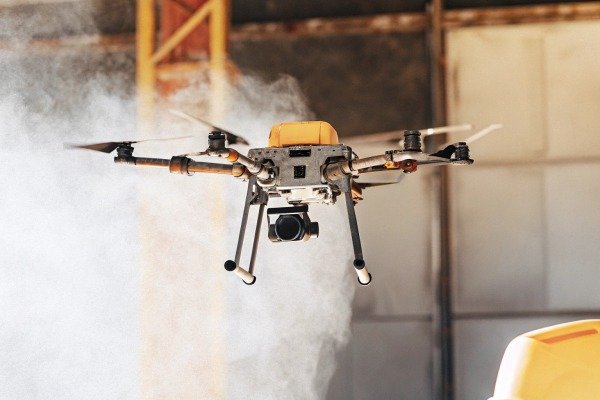
Ein Hersteller könnte behaupten, dass eine Drohne bei 15 m/s Wind fliegen kann. Obwohl das technisch richtig ist – die Drohne stürzt vielleicht nicht ab –, bedeutet das nicht, dass sie einsatzfähig ist. Bei dieser Geschwindigkeit könnte eine Drohne geringerer Qualität in einem 45-Grad-Winkel kippen, um ihre Position zu halten. Wenn das Gimbal diesen extremen Winkel nicht ausgleichen kann, blickt Ihre Wärmebildkamera in den Himmel oder auf den Boden, nicht auf das Feuer.
Wenn die Überprüfung stattfindet, fragen Sie nicht nur "Kann sie fliegen?". Fragen Sie "Kann sie arbeiten?". Wir ermutigen unsere Partner, auf Stabilität zu achten, nicht nur auf Überleben.
Videoanalyse
Wenn Sie einen Videobeweis anfordern, achten Sie auf spezifische visuelle Hinweise. Akzeptieren Sie kein Video mit überlagerter Musik oder schnellen Schnitten. Sie möchten einen kontinuierlichen, rohen Clip.
- Horizont-Check: Beobachten Sie die Videoübertragung der Drohnenkamera. Bleibt der Horizont waagerecht oder zittert er? Wenn der Horizont wackelt, kämpfen die Gimbal-Motoren zu stark gegen die Bewegung der Drohne.
- Stabilität des Landegestells: Betrachten Sie die Drohne aus der Bodenperspektive. Vibrieren die Landebeine? Hochfrequente Vibrationen deuten darauf hin, dass der Flugcontroller Schwierigkeiten hat, die Motoren gegen den Wind abzustimmen.
- Positionsbeibehaltung: Im Video sollte ein fester Referenzpunkt am Boden vorhanden sein (wie ein Kegel oder eine Linie). Die Drohne sollte nicht mehr als ein paar Zentimeter von diesem Punkt abweichen.
Zertifizierungen von Drittanbietern
In China lassen seriöse Hersteller ihre Geräte von staatlich zertifizierten Laboren rigoros testen. Wir tun dies, um Zertifizierungen wie die "Ministry of Public Security" Feuerproduktzertifizierung zu erhalten.
Sie sollten den vollständigen Testbericht anfordern, nicht nur das Zertifikat. Der Bericht enthält Diagramme, die die Positionsabweichung bei verschiedenen Windgeschwindigkeiten zeigen. Wenn ein Lieferant sich weigert, den rohen Testbericht zu teilen und ihn als "Geschäftsgeheimnis" behandelt, seien Sie vorsichtig. Grundlegende Leistungsdaten sollten transparent sein.
Die Metrik "Schwebegenauigkeit"
Spezifikationen listen oft die Schwebegenauigkeit als "Vertikal: ±0,1 m, Horizontal: ±0,3 m" auf. Fragen Sie den Lieferanten: "Ist diese Spezifikation bei maximaler Windgeschwindigkeit gültig?" Normalerweise gelten diese Zahlen für ruhige Tage.
Fordern Sie die "Dynamische Positionsgenauigkeit" an. Dies ist eine schwerer zu findende Zahl, aber Ingenieurteams haben sie. Sie beschreibt, wie stark sich die Drohne bewegt, wenn sie einer externen Kraft ausgesetzt ist.
Checkliste für die Überprüfung
Verwenden Sie diese Tabelle, um die Dokumente zu verfolgen, die Sie von potenziellen Lieferanten erhalten.
| Dokument / Nachweis | Was zu beachten ist | Rote Flagge |
|---|---|---|
| Windkanalbericht | Daten zum Stromverbrauch des Motors bei verschiedenen Windgeschwindigkeiten. | Der Bericht ist nur eine Seite lang oder enthält keine Grafiken. |
| Feldtest-Video | Anemometer im Bild sichtbar; durchgehende Aufnahme. | Das Video ist bearbeitet, Zeitlupe oder ohne Ton. |
| Flugprotokolle | .DAT- oder .CSV-Dateien mit IMU-Daten. | Der Lieferant weigert sich, Rohprotokolldateien zu senden. |
| Gimbal-Spezifikationen | Mechanischer Bereich (z. B. Neigung -90° bis +30°). | Ein begrenzter Winkelbereich bedeutet, dass sich die Kamerasicht mit dem Wind neigt. |
Wird die Drohne eine präzise Positionierung beibehalten, während sie eine schwere Feuerlöschlast trägt?
Wir müssen unsere Flugalgorithmen oft neu gestalten, wenn wir einen 25 Kilogramm schweren Feuerlöschtank an ein Chassis anbringen. Die Physik des Fluges ändert sich schnell, wenn Sie Gewicht hinzufügen, insbesondere Flüssigkeiten, die sich bewegen. Eine Drohne, die im leeren Zustand perfekt schwebt, kann gefährlich und instabil werden, sobald sie mit einer schweren Nutzlast beladen ist.
Schwere Nutzlasten erhöhen den Schwerpunkt und das Trägheitsmoment der Drohne erheblich, was die Windstabilisierung langsamer und energieintensiver macht. Um Präzision zu gewährleisten, überprüfen Sie, ob der Flugregler dynamische Nutzlastkompensationsalgorithmen enthält und ob das Antriebssystem für das spezifische Gesamtgewicht mit einer Sicherheitsmarge ausgelegt ist.

Der Schwalleffekt
Feuerlöschdrohnen tragen oft flüssige Nutzlasten – Wasser oder Löschmittel. Feuerlöschdrohnen 8 Im Gegensatz zu einer festen Kamera oder einer Kiste mit Fracht bewegt sich Flüssigkeit. Wenn ein Windstoß den Drohne trifft, neigt sich die Drohne zum Ausgleich. Die Flüssigkeit im Tank strömt zur tiefen Seite.
Diese Gewichtsverlagerung (Schwerpunktverschiebung) wirkt dem Stabilisierungsversuch der Drohne entgegen. Sie erzeugt einen Pendel-Effekt. Wenn die Flugsteuerung nicht darauf programmiert ist, dies vorherzusehen, wird die Drohne übersteuern und hin und her schwingen, bis sie möglicherweise umkippt.
Fragen Sie beim Kauf, ob die Drohne über einen "Flüssignutzlastmodus" oder spezifische Abstimmungsparameter für Tankaufsätze verfügt. Unser Softwareteam entwickelt spezifische PID-Einstellungen (Proportional-Integral-Derivative), die die Flugbefehle bei angebrachtem Tank glätten und diese Oszillation verhindern.
Batteriespannungsabfall
Eine schwere Nutzlast erfordert mehr Strom von der Batterie, nur um die Drohne in der Luft zu halten. Wenn Sie starken Wind hinzufügen, benötigen die Motoren noch mehr mehr Leistung, um die Turbulenzen zu bekämpfen.
Dies birgt die Gefahr eines Spannungseinbruchs. Die Batteriespannung kann unter den Sicherheitsschwellenwert fallen und eine erzwungene Landung wegen "schwacher Batterie" auslösen, auch wenn die Batterie noch Ladung hat. Das ist über einem Feuer gefährlich.
Sie müssen die "C-Rate" (Entladerate) der Batterien bewerten. Für Schwerlastbetriebe bei Wind sind Batterien mit hoher C-Rate nicht verhandelbar. Sie können massive Stromstöße liefern, ohne dass die Spannung einbricht.
Trägheit und Bremsweg
Eine schwere Drohne hat eine hohe Trägheit. Sie ist schwerer in Bewegung zu setzen, aber viel schwerer zu stoppen. Bei starkem Wind, wenn ein Windstoß die Drohne in Richtung eines Gebäudes drückt, müssen die Motoren unglaublich hart arbeiten, um diese Trägheit zu überwinden.
Die Positionierungsgenauigkeit verschlechtert sich mit dem Gewicht. Während eine leichtere Drohne eine Genauigkeit von 10 cm halten kann, kann ein voll beladener Schwerlasttransporter 50 cm abdriften, bevor er korrigiert. Sie müssen diese Pufferzone kennen. Betreiben Sie eine schwere Drohne bei starkem Wind niemals in einem Abstand von 2 Metern zu einem Gebäude.
Nutzlasttyp vs. Stabilitätseinfluss
Unterschiedliche Nutzlasten beeinflussen die Aerodynamik und Stabilität der Drohne unterschiedlich.
| Nutzlast Typ | Aerodynamisches Profil | Stabilitätsproblem | Strategie zur Risikominderung |
|---|---|---|---|
| Wärmebildkamera | Klein, dicht, fest. | Gering. Minimaler Windwiderstand. | Die Standard-Gimbal-Stabilisierung ist normalerweise ausreichend. |
| Drop Box (trocken) | Kastenartig, erzeugt Widerstand. | Mittel. Fängt Wind wie ein Segel ein. | Von oben anfliegen; sicherstellen, dass die Box mittig unter dem Rahmen ist. |
| Flüssigkeitstank | Schwere, flüssige Bewegung. | Hoch. Das Schwappen verändert den Schwerpunkt dynamisch. | Baffled Tanks (interne Wände zur Strömungsunterbrechung); Software-Tuning. |
| Feuerwehrschlauch | An den Boden gebunden. | Extrem. Abwärtsgerichteter Widerstand + physische Leine. | Dedizierter "Tether Mode" erforderlich; höhere Höhenhaltung. |
Welche spezifischen Feldtestdaten sollte ich anfordern, um die Schwebegenauigkeit bei Turbulenzen zu bestätigen?
Unsere Ingenieure analysieren nach jedem Testflug Gigabytes an Log-Daten und suchen nach den kleinsten Anomalien. Als Käufer sollten Sie keine Angst haben, nach diesen Daten zu fragen. Intuition reicht nicht aus; Sie benötigen harte Zahlen, die beweisen, dass das Fluggerät die unsichtbaren chaotischen Strömungen über einem Feuer bewältigen kann.
Fordern Sie Flugprotokoll-Exporte an, die die XYZ-Positionsfehler-Varianz und die Motor-PWM- (Pulsweitenmodulation) Sättigungsstufen während des Schwebens bei starkem Wind anzeigen. Diese Daten zeigen, ob die Drohne Schwierigkeiten hatte, ihre Position zu halten, oder ob sie über ausreichende Leistungsreserven verfügte, um unerwartete Turbulenzen zu bewältigen.

XYZ-Positionsvarianz
Der ehrlichste Datenpunkt ist die XYZ-Positionsvarianz. In den Flugprotokollen zeigt diese Daten den Unterschied zwischen dem Ort, an dem die Drohne 10. sie ist. es und wo es eigentlich ist.
- X- und Y-Achsen: Stellen die horizontale Bewegung dar. Bei einem Wind von 12 m/s möchten Sie eine Abweichung von weniger als 0,5 Metern sehen. Wenn das Diagramm Spitzen von 1-2 Metern zeigt, wird die Drohne erheblich herumgeweht.
- Z-Achse: Stellt die Höhe dar. Dies ist entscheidend für die Brandbekämpfung. Wenn die Drohne plötzlich 1 Meter fällt, könnte sie von Flammen verschluckt werden. Die Z-Abweichung sollte extrem gering sein, typischerweise unter 0,2 Metern.
Fordern Sie ein Diagramm dieser Daten während eines 5-minütigen Schwebens bei starkem Wind an. Eine gerade Linie ist unmöglich, aber Sie möchten enge, kleine Wellen, keine großen Spitzen.
Motor-Sättigungsstufen (PWM-Ausgang)
Flugsteuerungen senden Signale an Motoren mittels Pulsweitenmodulation (PWM). Pulsweitenmodulation (PWM) 9 Normalerweise ist dies eine Skala von 1000 bis 2000 (oder 0% bis 100%).
Wenn die Protokolle zeigen, dass die Motoren bei 85% oder 90% Gas laufen, nur um im Wind zu schweben, ist die Drohne gefährlich. Sie hat "Sättigung" erreicht. Wenn ein stärkerer Windstoß auftritt, haben die Motoren keine Leistung mehr (sie können nicht über 100% hinausgehen), und die Drohne verliert die Kontrolle.
Idealerweise sollte im starken Wind die durchschnittliche Gas-Schwebe-Prozentzahl 65-70% nicht überschreiten. Dies lässt eine Sicherheitsmarge von 30% für Notfallmanöver.
IMU-Vibrationsdaten
Turbulenzen verursachen Vibrationen. Übermäßige Vibrationen verwirren die Sensoren. Flugprotokolle zeichnen die Vibrationspegel auf den X-, Y- und Z-Achsen auf.
Wenn die Vibrationspegel zu hoch sind ("Clipping"), versagen die Filter der Drohnensoftware. Dies führt zu "Fly-aways", bei denen die Drohne in zufällige Richtungen davonrast. Bei der Überprüfung der Daten stellen Sie sicher, dass die Vibrationspegel auch während windiger Flüge innerhalb der "grünen Zone" (normalerweise unter 2,0 G Rauschen) bleiben.
Protokolle zur thermischen Drosselung
Winde an einer Brandstelle sind heiß. Heiße Luft ist weniger dicht und bietet weniger Auftrieb. Außerdem erzeugen die Motoren und elektronischen Drehzahlregler (ESCs) Wärme. Electronic Speed Controllers (ESCs) 10
Wenn die Innentemperatur der ESCs zu hoch wird, drosseln sie die Leistung, um sich selbst zu schützen (thermische Drosselung). Dies verringert die Fähigkeit der Drohne, dem Wind entgegenzuwirken. Überprüfen Sie die Temperaturprotokolle. Gute Drohnen verfügen über aktive Kühldesigns (Lüfter oder Kühlkörper), die die Komponenten auch bei starker Beanspruchung in einer heißen Umgebung kühl halten.
Interpretation der Daten: Ein Einkaufsführer
| Datenpunkt | Was ist gut? | Was ist gefährlich? |
|---|---|---|
| Horizontale Abweichung (XY) | < 30cm Abweichung | > 1,0m Spitzen |
| Vertikale Halterung (Z) | < 10cm Abweichung | > 50cm Abfälle |
| Motor-Drosselklappe | Durchschnittlich 50-60% (Spitzen 75%) | Durchschnittlich > 80% (Spitzen 100%) |
| Satellitenanzahl | > 20 Satelliten gesperrt | < 12 Satelliten (anfällig für GPS-Verlust) |
| Batteriespannung | Linearer, stetiger Rückgang | Plötzliche Abstürze/Erholung (Durchhängen) |
Schlussfolgerung
Die Bewertung der Schwebepräzision von Feuerlöschdrohnen erfordert einen Blick über die Hochglanz-Marketingbroschüren hinaus. Sie erfordert eine technische Überprüfung der Antriebsarchitektur, der Sensorredundanz und der realen Flugdaten. Priorisieren Sie Systeme mit RTK, Hochdrehmomentantrieb und nachweisbarer Stabilität unter dynamischen Bedingungen. Wenn ein Hersteller keine Rohdaten oder Videobeweise für Windbeständigkeit liefern kann, ist er wahrscheinlich nicht für die Anforderungen Ihrer Mission gerüstet. Sicherheit in der Luft bedeutet direkte Sicherheit am Boden.
Fußnoten
1. Wissenschaftliche Erklärung der Schub- und Gewichtsprinzipien in Antriebssystemen. ︎
2. Offizielle Erklärung der US-Regierung zur RTK-Technologie für präzise Positionierung. ︎
3. Allgemeiner Hintergrund zur Lichtdetektions- und Entfernungsmesstechnologie für die räumliche Kartierung. ︎
4. Technische Forschung zur Radarleistung in rauchigen und verdeckten Umgebungen. ︎
5. Erklärt, wie IMUs Kraft, Winkelgeschwindigkeit und Ausrichtung messen. ︎
6. Technische Spezifikationen und Vorteile von Kohlefaser in Hochleistungs-Strukturanwendungen. ︎
7. Informationen über die Eigenschaften und Standards von Aluminiumlegierungen, die in der Luft- und Raumfahrt eingesetzt werden. ︎
8. Offizielle Informationen über Luftfahrtprogramme und den Einsatz von Technologie im Brandschutz. ︎
9. Technischer Leitfaden, wie PWM-Signale die Motorgeschwindigkeit und Elektronik steuern. ︎
10. Technische Dokumentation zur ESC-Architektur und zum Wärmemanagement in Drohnen. ︎
 English
  Español de México
  Deutsch
  Français
  Русский
  العربية
Comments
No comments yet. Be the first to share your thoughts!
Leave a Comment