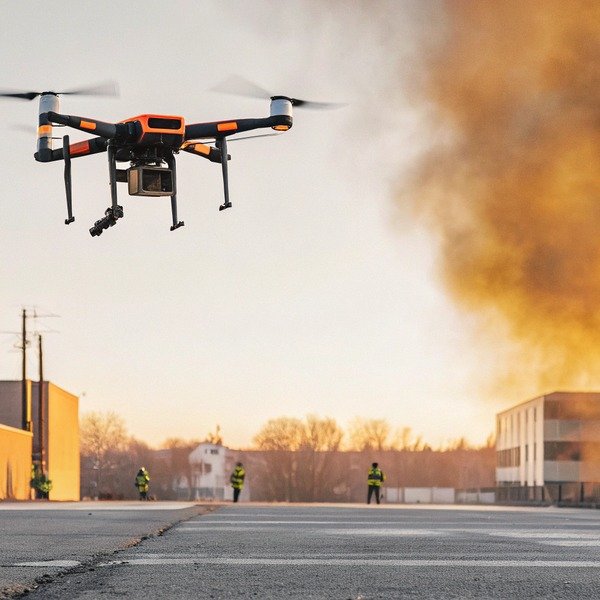
Das Fliegen von schweren Drohnen in dunkle, rauchgefüllte Himmel ist stressig genug, ohne sich Sorgen machen zu müssen, ob ein bemannter Hubschrauber Ihr Fluggerät sehen kann. In unserer Testanlage in Xi'an sehen wir oft Sicherheitsmanager, die mit genau dieser Angst kämpfen. Sie müssen wissen, dass Ihre Flotte sichtbar und legal ist, bevor der erste Notruf eingeht.
Um die Einhaltung zu überprüfen, müssen Sie sicherstellen, dass die Drohne mit einer Antikollisionsbeleuchtung ausgestattet ist, die mindestens 3 Seemeilen weit sichtbar ist und eine Blinkfrequenz zwischen 40 und 100 Zyklen pro Minute hat. Käufer sollten dies validieren, indem sie unabhängige photometrische Testberichte anfordern und bestätigen, dass die Spezifikationen ausdrücklich FAA Teil 107.29 oder gleichwertige lokale Luftfahrtstandards angeben.
Schauen wir uns die spezifischen Regeln an, die Sie überprüfen müssen, um Ihre Einsätze sicher und konform zu halten.
Welche spezifischen Luftfahrtvorschriften müssen meine Feuerlöschdrohnenlichter für den Nachtbetrieb erfüllen?
Wenn wir unsere SkyRover-Einheiten in die Vereinigten Staaten exportieren, kalibrieren wir unsere Beleuchtungssysteme rigoros, um den bundesstaatlichen Luftraumanforderungen zu entsprechen. Wir wissen, dass das Verfehlen einer einzigen Spezifikation zur Blinkfrequenz eine ganze städtische Flotte am Boden halten kann.
Ihre Feuerlöschdrohnenlichter müssen FAA Teil 107.29 entsprechen, das Antikollisionslichter vorschreibt, die aus 3 Seemeilen Entfernung in alle Richtungen sichtbar sind. Zusätzlich müssen diese Lichter eine Blinkfrequenz zwischen 40 und 100 Zyklen pro Minute haben, um das Fluggerät während der bürgerlichen Dämmerung und des Nachtbetriebs von Bodenlichtern und Sternen zu unterscheiden.

Verständnis der Kernanforderungen der FAA
Die wichtigste Vorschrift für kommerzielle Drohnenbetreiber in den Vereinigten Staaten ist die Federal Aviation Administration (FAA) Teil 107.29. FAA Teil 107.29 1 Während viele Käufer sich auf die Nutzlastkapazität oder die thermische Wärmekamera 2 Kameraauflösung konzentrieren, ist das Beleuchtungssystem das rechtliche Tor zum Betrieb nach Sonnenuntergang. In unserer Ingenieurabteilung behandeln wir Beleuchtung nicht als Zubehör, sondern als kritisches Sicherheitssystem.
Die Vorschrift ist leistungsbasiert. Das bedeutet, dass die FAA uns nicht genau vorschreibt, welche LED-Marke wir verwenden sollen, aber sie verlangen ein bestimmtes Ergebnis: Sichtbarkeit. Die "3 Seemeilen"-Regel ist nicht verhandelbar. Dies ist deutlich weiter als die Sichtlinie (VLOS), die für den Piloten erforderlich ist. Der Zweck ist sicherzustellen, dass andere Flugzeuge – wie Polizei- oder Krankenwagenhubschrauber, die oft bei Brandorten anwesend sind – Ihre Drohne lange vor einer Kollision erkennen können.
Kollisionsschutz- vs. Positionsleuchten
Ein häufiger Punkt der Verwirrung, den wir für unsere Händler klären, ist der Unterschied zwischen "Navigations-/Positionsleuchten" und "Kollisionsschutzleuchten". Standardmäßige rote und grüne LEDs an den Drohnenarmen sind für den Piloten hilfreich, um die Ausrichtung zu bestimmen (in welche Richtung die Nase zeigt) Ausrichtung bestimmen 3, aber sie erfüllen im Allgemeinen nicht die Intensität, die für die Einhaltung von Teil 107.29 erforderlich ist.
Für den legalen Nachtflug benötigen Sie Hochleistungs-Stroboskope. Hochleistungs-Stroboskope 4 Diese unterscheiden sich von Dauerlichtern. Ein Dauerlicht kann sich leicht mit Straßenlaternen oder entfernten Turmlichtern vermischen. Ein Stroboskop, das 40 bis 100 Mal pro Minute blinkt, löst eine primäre Reaktion im menschlichen Auge aus und zieht sofort die Aufmerksamkeit auf sich.
Kritische Spezifikationen für die Beschaffung
Wenn Sie ein Datenblatt von einem Lieferanten prüfen, müssen Sie nach bestimmten Zahlen suchen. "Super hell" ist Marketing-Sprache; "500 Lumen" oder "effektive Candela" sind Ingenieurdaten. Nachfolgend finden Sie eine Aufschlüsselung der Unterschiede, die Sie identifizieren müssen.
Tabelle 1: Unterscheidung zwischen Drohnenlichttypen
| Merkmal | Kollisionsschutzleuchten (erforderlich) | Navigations-/Positionsleuchten (optional, aber empfohlen) |
|---|---|---|
| Hauptfunktion | Kollisionsvermeidung mit anderen Flugzeugen. | Pilotenorientierung und Statusanzeige. |
| FAA Requirement | Obligatorisch für Nachtbetrieb (Teil 107.29). | Nicht gesetzlich vorgeschrieben zur Kollisionsvermeidung. |
| Blinkfrequenz | 40–100 Zyklen pro Minute. | Normalerweise durchgehend oder langsam blinkend (Status). |
| Sichtbarkeitsreichweite | Mindestens 3 Seemeilen (ca. 4,8 km). | Normalerweise sichtbar für < 1 Meile. |
| Typische Farbe | Weiß (höchste Intensität) oder Rot. | Rot (Backbord), Grün (Steuerbord). |
| Leistungsaufnahme | Mittel bis Hoch (kann die Batterie beeinträchtigen). | Niedrig. |
Wenn ein Lieferant versucht, Ihnen eine Drohne zur Brandbekämpfung mit nur durchgehend roten und grünen Lichtern zu verkaufen und behauptet, sie sei "nachtflugtauglich", liegt er wahrscheinlich falsch bezüglich der US-Vorschriften. Sie müssen auf die Stroboskope bestehen.
Wir erhalten oft E-Mails von Einkaufsmanagern, die nach einer “FAA-Zertifizierung” für unsere Drohnenlichter fragen, die es technisch gesehen für Einzelteile nicht gibt. Stattdessen stellen wir unseren Partnern spezifische technische Dokumentationen zur Verfügung, die die Leistungsfähigkeit durch rigorose Labortests belegen.
Sie sollten eine Konformitätserklärung des Herstellers anfordern, die durch einen photometrischen Prüfbericht eines akkreditierten Labors gestützt wird. Dieser Bericht muss die effektive Intensität des Lichts in verschiedenen Winkeln verifizieren, um eine 360-Grad-Sichtbarkeit nachzuweisen, und bestätigen, dass die Blinkfrequenz strikt im erforderlichen Bereich von 40–100 Zyklen pro Minute liegt.

Der Mythos der "FAA-zertifizierten" Lichter vs. Realität
Es ist wichtig zu verstehen, dass die FAA keine Zertifikate für Drohnenzubehör ausstellt, so wie sie eine Boeing 737 zertifiziert. Wenn ein Anbieter behauptet, ein Licht sei "FAA-zertifiziert", meint er normalerweise, dass es "FAA-konform" sei. Die Beweislast liegt letztendlich beim verantwortlichen Fernpiloten. Als Käufer können Sie dieses Risiko jedoch mindern, indem Sie die richtigen Unterlagen von uns oder jedem anderen Hersteller verlangen.
Was ein photometrischer Bericht Ihnen sagt
Ein einfaches "Konformitätszertifikat" (CoC) ist oft nur ein Stück Papier, das von einem Fabrikmanager unterschrieben wurde. Es ist besser als nichts, aber für risikoreiche Brandbekämpfungseinsätze benötigen Sie Rohdaten. Wir empfehlen, nach einem Photometrischer Prüfbericht.
Dieses Dokument stammt aus einem Labor, das mit einem Goniophotometer ausgestattet ist – einem Gerät, das die Lichtintensität aus jedem Winkel misst. ausgestattet mit einem Goniophotometer 5 Ein Licht kann 3 Meilen weit sichtbar sein, wenn man direkt auf die LED schaut, aber was ist, wenn die Drohne während des Hochgeschwindigkeitsflugs 30 Grad nach vorne geneigt ist? Oder was ist, wenn sich die Drohne über dem Beobachter befindet? Der Bericht sollte ein "Polardiagramm" der Lichtintensität zeigen, um sicherzustellen, dass es keine toten Winkel gibt, die durch den Rahmen der Drohne oder die Platzierung des Akkus verursacht werden.
NVIS-Kompatibilität für gemischten Luftraum
Bei Brandbekämpfungseinsätzen teilen Sie sich oft den Luftraum mit bemannten Hubschraubern, die Nachtsicht-Bildsysteme (NVIS) verwenden. Nachtsicht-Bildsysteme 6 Standard-weiße LEDs können manchmal zu hell für Nachtsichtbrillen (NVG) sein und ein "Blooming" verursachen, das den Hubschrauberpiloten blendet.
Obwohl nicht streng nach Teil 107.29 für alle Benutzer vorgeschrieben, verlangen Behörden, die unter einer Ausnahmegenehmigung oder speziellen Genehmigungen für öffentliche Sicherheit tätig sind, oft NVIS-freundliche Beleuchtung. Dies beinhaltet normalerweise Infrarot (IR)-Emitter oder spezifische Wellenlängen, die für NVGs sichtbar sind, aber das Bild nicht überstrahlen. Wenn Ihre Abteilung mit Luftunterstützung zusammenarbeitet, fragen Sie den Hersteller nach den NVIS-Kompatibilitätsspezifikationen.
Checkliste für die Lieferantenüberprüfung
Verwenden Sie diese Tabelle, um die von Ihrem Drohnenlieferanten bereitgestellten Dokumente zu überprüfen.
Tabelle 2: Checkliste für Konformitätsdokumentation
| Name des Dokuments | Was zu beachten ist | Rote Fahnen |
|---|---|---|
| Technisches Datenblatt | Explizite Erwähnung von "3 Statute Mile Visibility" und "Blitzfrequenz: 40-100/min." | Vage Begriffe wie "Hohe Sichtbarkeit" ohne Zahlen. |
| Photometrischer Prüfbericht | Candela-Messungen bei horizontalen und vertikalen Winkeln. | Bericht ist nur ein generisches Bild oder es fehlt ein Testdatum. |
| Konformitätserklärung | Unterzeichnete Erklärung unter Berufung auf FAA Teil 107.29 oder lokale Entsprechung (z. B. Transport Transport Canada 7 Kanada). | Zitate irrelevanter Standards (z. B. "CE-zertifiziert" bezieht sich auf die Sicherheit von Elektronik, nicht auf die Sichtbarkeit in der Luftfahrt). |
| Batterie-Auswirkungsstudie | Daten darüber, wie sich die Lichter auf die Flugzeit auswirken (z. B. "reduziert die Flugzeit um 2%"). | Keine Daten zum Stromverbrauch. |
Wie kann ich die Sichtweite und Intensität der Antikollisionslichter testen, bevor ich die Bestellung abschließe?
Bevor wir ein neues Modell aus unserer Fabrik versenden, führt unser QA-Team Nachtflugtests in abgelegenen Gebieten durch, um die Leistung der Lichter visuell zu bestätigen. Wir glauben, dass Labordaten immer durch reale Validierung gestützt werden müssen, um die Sicherheit im Feld zu gewährleisten.
Um die Sichtbarkeit zu testen, führen Sie einen Nachtflugtest durch, bei dem die Drohne bis zu 3 Meilen (oder die maximal zulässige Sichtlinie) geflogen wird, während Beobachter die deutliche Stroboskop-Sichtbarkeit überprüfen. Sie können auch die Blitzfrequenz mit einer einfachen Stoppuhr oder einer Smartphone-App messen, um sicherzustellen, dass sie 40 bis 100 Mal pro Minute durchläuft.

Durchführung eines Feld-Sichtbarkeitstests
Während Laborberichte unerlässlich sind, geht nichts über den "Augentest". Wenn Sie eine Demoeinheit haben, planen Sie einen Test während der bürgerlichen Dämmerung oder bei völliger Dunkelheit. bürgerliche Dämmerung 8 Sie benötigen eine freie Sichtlinie, wie z. B. eine lange Strecke einer unbewohnten Straße oder ein offenes Feld.
Lassen Sie den Piloten die Drohne vom Beobachter wegfliegen. Der Beobachter sollte Sichtkontakt halten. Sichtkontakt 9 Während Teil 107 verlangt, dass der Pilot die Drohne sehen kann, muss die Licht muss für 3 Meilen sichtbar sein. Sie können GPS-Telemetrie verwenden, um die Entfernung zu bestätigen. Wenn das Licht bei 1,5 Meilen vom Hintergrundrauschen nicht mehr zu unterscheiden ist, erfüllt es den Standard nicht, unabhängig davon, was in der Broschüre steht.
Messung der Blitzfrequenzgenauigkeit
Die Blitzfrequenz ist leichter zu überprüfen. Die FAA-Vorschrift von 40-100 Blitzen pro Minute (FPM) soll Frequenzen vermeiden, die Anfälle auslösen könnten (stroboskopischer Effekt) stroboskopischer Effekt 10 und gleichzeitig schnell genug bleiben, um sie zu verfolgen.
- Stoppuhr-Methode: Zählen Sie die Anzahl der Blitze in 60 Sekunden.
- Videoanalyse: Nehmen Sie die Drohnenlichter mit einer Smartphone-Kamera auf. Spielen Sie sie ab, um die Zyklen zu zählen.
- Konsistenzprüfung: Stellen Sie sicher, dass die Rate nicht abweicht. Einige billigere Kondensatoren laden langsam auf, was dazu führt, dass die Blitzrate sinkt, wenn die Batteriespannung schwankt. Die Rate muss während des gesamten Fluges stabil bleiben.
Bewertung der 360-Grad-Abdeckung
Feuerlöschdrohnen sind dynamisch. Sie neigen sich, rollen und schwenken. Ein Licht, das bündig auf der Oberseite der Drohne montiert ist, könnte für einen Hubschrauber, der fliegt, unsichtbar sein unterhalb der Drohne.
Wir empfehlen einen "Schwebe- und Dreh"-Test. Schweben Sie die Drohne auf Augenhöhe (sicher entfernt) und drehen Sie sie um 360 Grad. Erhöhen Sie dann die Drohne und wiederholen Sie den Vorgang. Beobachten Sie schließlich, wenn möglich, die Drohne aus einer niedrigeren Höhe. Die Antikollisionslichter sollten niemals aus dem Blickfeld verschwinden. Dies erfordert oft, dass die Lichter sowohl oben als auch unten am Flugwerk oder an den Armenden montiert werden.
Tabelle 3: Feldtestprotokoll
| Testphase | Aktion | Erfolgskriterien |
|---|---|---|
| 1. Labortest | Schalten Sie die Lichter ein und verwenden Sie eine Stoppuhr für 1 Minute. | Die Blitzanzahl liegt zwischen 40 und 100. |
| 2. Abdeckungstest | Schweben Sie die Drohne auf 100 Fuß Höhe, drehen Sie sie um 360°. | Das Licht bleibt in allen Gierwinkeln hell; keine strukturelle Blockade. |
| 3. Distanztest | Drohne bis zur VLOS-Grenze fliegen (oder 3 Meilen simulieren, falls erlaubt). | Stroboskop ist klar von Hintergrundsternen/Lichtern unterscheidbar. |
| 4. Thermische Interferenz | Drohnen-Wärmebildkamera einschalten, während die Lichter blinken. | Keine flackernden Artefakte oder "Blooming" auf dem Controller-Bildschirm sichtbar. |
Die Überprüfung des Wärmesensors
Dies ist ein besonderer Knackpunkt für Feuerwehrleute. Hochintensive Stroboskope können, wenn sie falsch montiert sind, Licht in die Wärmebildkamera der Drohne lecken lassen. Dies erzeugt ein rhythmisches "Aufblitzen" in Ihrem Wärmebild, was unglaublich ablenkend ist, wenn Sie versuchen, Hitzesignaturen einer vermissten Person oder eines Brandherds zu erkennen. Testen Sie die Lichter immer mit die Nutzlast aktiv, um eine ordnungsgemäße Abschirmung zu gewährleisten.
Wir arbeiten häufig mit Kunden zusammen, um unsere Standarddesigns zu modifizieren, da wir erkennen, dass eine Feuerwehr in Kalifornien andere Bedürfnisse hat als ein Forstamt in Kanada. Anpassung ist ein Standardbestandteil unseres Ingenieur-Supports für institutionelle Käufer.
Ja, seriöse Lieferanten können Beleuchtungssysteme anpassen, um unabhängige Stromquellen, spezifische Blinkmuster oder NVIS-Kompatibilität einzuschließen, um lokale Vorschriften wie die SFOC von Transport Canada zu erfüllen. Sie sollten diese Modifikationen während der Entwurfsphase anfordern, um sicherzustellen, dass die Lichter integriert werden, ohne Sensoren oder Aerodynamik zu beeinträchtigen.

Anpassung an internationale Standards
Während die FAA Part 107 der Maßstab in den USA ist, operieren viele unserer Kunden grenzüberschreitend oder in Gerichtsbarkeiten mit leicht unterschiedlichen Nuancen. Zum Beispiel verlangt Transport Canada oft spezifische Konformitätserklärungen für "ferngesteuerte Flugzeugsysteme" (RPAS), die in fortgeschrittenen Operationen eingesetzt werden.
Wir können die LED-Treiber anpassen, um unterschiedliche Pulsbreiten oder Intensitäten auszugeben. Wenn Ihre lokale Behörde eine bestimmte Farbe verlangt (z. B. nur rote Stroboskope für bestimmte Einsatzfahrzeuge), kann dies auf Herstellerebene geändert werden. Für die Kollisionsvermeidung wird jedoch fast universell weißes Luftfahrtlicht wegen seiner überlegenen Intensität und Reichweite bevorzugt.
Unabhängige Stromredundanz
Eine der wertvollsten Anpassungen für die Brandschutzsicherheit ist eine unabhängige Stromquelle. Standard lights draw power from the drone's main flight battery. If the main battery fails or the drone enters a "return to home" low-battery state, you don't want your lights to dim or cut out.
We can install a small, standalone battery or a capacitor backup dedicated solely to the strobe system. This ensures that even in a catastrophic power loss where the motors stop, the drone remains visible as it descends, warning people below and aiding in recovery. This is a feature often requested by risk-averse procurement managers.
Integration with Remote ID and Flight Controllers
Modern customizations go beyond just hardware. We can integrate the lighting system with the flight controller software.
- Automatic Activation: Lights can be programmed to turn on automatically when the drone arming sequence begins or when the internal clock detects civil twilight.
- Smart Dimming: For ground operations, the lights can dim automatically when the motors are idle to prevent blinding ground crew, then switch to full intensity upon takeoff.
- Remote ID Status: In some advanced configurations, the lighting pattern can indicate the health status of the Remote ID broadcast, providing a visual confirmation to the pilot that they are compliant with tracking regulations.
Avoiding "DIY" Liability
You might be tempted to buy a generic strobe from Amazon and stick it on the drone with double-sided tape. As a manufacturer, we strongly advise against this for heavy-duty firefighting drones.
- Adhesive Failure: High heat from fires can melt adhesives, causing lights to fall off.
- Aerodynamics: bulky add-ons ruin the airflow and reduce battery life.
- Garantie erlischt: Das Anzapfen der Stromkabel der Drohne durch Sie selbst kann Ihre Garantie ungültig machen.
Die Bestellung einer werkseitig integrierten, kundenspezifischen Lösung überträgt die Haftung für Installation und Tests zurück an den Hersteller und gewährleistet ein professionelles, robustes Ergebnis, das der Hitze und dem Rauch realer Einsätze standhält.
Schlussfolgerung
Die Überprüfung von Nachtnavigationslichtern ist keine reine Formsache; sie ist ein entscheidender Schritt zur Gewährleistung der Sicherheit Ihrer Feuerwehrleute und des Luftraums, den sie belegen. Indem Sie die Vorschriften verstehen, die richtigen photometrischen Berichte anfordern und eigene Feldtests durchführen, können Sie Ihre Flotte mit Zuversicht einsetzen. Bei SkyRover sind wir bereit, Ihre spezifischen Bedürfnisse mit konformen, leistungsstarken Lösungen zu unterstützen.
Fußnoten
1. Offizielle US-Bundesvorschriften für Nachtbetrieb und Beleuchtungsanforderungen von kleinen UAS. ︎
2. Branchenleitfaden zur Integration von Wärmebildkameras für den Drohnenbetrieb bei Nacht. ︎
3. Internationale Luftfahrtrichtlinien für Flugzeugausrichtung und Beleuchtungssicherheitsstandards. ︎
4. Technischer Hintergrund zur Stroboskoplichttechnologie und ihren verschiedenen Anwendungen. ︎
5. Branchenstandarddefinitionen für das Goniophotometer zur Messung der Lichtintensität. ︎
6. Technische Spezifikationen für Nachtsichtsysteme, die in professionellen Luftfahrtumgebungen eingesetzt werden. ︎
7. Offizielle kanadische Regierungsbestimmungen für sichere und legale Drohnenbetriebe. ︎
8. Offizielle Definition und Zeitpunkt der zivilen Dämmerung für die Einhaltung der Flugsicherheit. ︎
9. Allgemeiner Hintergrund zum Konzept der Sichtlinie in der Luftfahrt. ︎
10. Forschung zum Stroboskopeffekt und seinen Auswirkungen auf das menschliche Sehen und die Sicherheit. ︎
 English
  Español de México
  Deutsch
  Français
  Русский
  العربية
Comments
No comments yet. Be the first to share your thoughts!
Leave a Comment