
While overseeing final assembly at our Xi’an facility, we often emphasize that a drone’s mission success depends on its safe arrival. Broken sensors halt rescue operations immediately.
Yes, professional suppliers typically provide customized flight cases designed to protect firefighting drones during transport. These hard-shell cases feature precision-cut foam inserts, reinforced exteriors, and mobility aids like wheels, ensuring sensitive avionics and thermal sensors remain secure and operational for rapid field deployment.
Let’s explore the specific customization options that secure your investment and streamline your emergency response workflow. emergency response workflow 1
Can I customize the internal foam layout to secure my specific drone model and accessories?
Our engineering team meticulously designs internal layouts to prevent even a millimeter of movement during transit. Generic foam simply cannot protect expensive thermal payloads adequately. thermal payloads 2
Absolutely, suppliers offer CNC-machined foam inserts tailored to your specific drone airframe and accessories. This precision cutting ensures a snug fit for controllers, batteries, and payloads, eliminating vibration damage and organizing components for efficient, tool-free setup at emergency scenes.

When we collaborate with clients on a new order, the internal layout of the case is just as important as the drone itself. A firefighting drone is not a single unit; it is a system. You have the airframe, the remote controller, multiple high-capacity batteries remote controller 3, charging hubs, and delicate thermal cameras. If these items rattle around, they break.
The Precision of CNC Routing
In our factory, we do not use "pick-and-pluck" foam for industrial orders. That type of foam degrades quickly and offers poor protection. Instead, we use CNC (Computer Numerical Control) routing. Computer Numerical Control 4 This machine cuts the foam based on the exact CAD data of the drone. The result is a cavity that fits the device perfectly. This friction fit absorbs shock. If the case is dropped from a truck, the energy transfers to the foam, not the gimbal or the motor arms.
Organizing for Rapid Response
Time is the enemy during a fire. You cannot waste minutes looking for a cable. A customized layout acts as a checklist. If a slot is empty, you know you have forgotten something before you leave the station. We design these layouts to support "grab-and-go" workflows. The batteries are placed next to the charger. The propellers are stored in a way that prevents bending.
Material Hygiene
Fire scenes are dirty. Equipment gets exposed to soot, water, and chemicals. We recommend closed-cell foam for these environments. Unlike open-cell foam (like a sponge), closed-cell foam does not absorb water or oil. You can wipe it down and decontaminate it easily after a mission.
| Foam Feature | Open-Cell (Standard/Cheap) | Closed-Cell (Industrial/Custom) |
|---|---|---|
| Water Absorption | High (Absorbs fluids) | Low (Repels fluids) |
| Dauerhaftigkeit | Low (Tears easily) | High (Resists tearing) |
| Reinigung | Difficult to clean | Easy to wipe down |
| Shock Absorption | Soft, good for light items | Firm, supports heavy drones |
What materials are used to ensure the flight case protects my equipment in harsh environments?
When we test our shipping crates against impact and water intrusion, only the toughest materials survive. We refuse to ship sensitive electronics in flimsy containers.
High-quality flight cases utilize rugged materials like injection-molded polypropylene copolymer resin or reinforced aluminum composites. These materials provide military-grade impact resistance, IP67 waterproof ratings, and dust protection, ensuring your drone withstands extreme temperatures, rough handling, and wet fireground conditions.

Firefighting is not a gentle job. Your equipment will face intense heat, high-pressure water spray, and rough handling. A consumer-grade plastic box will crack under these conditions. This is why we focus on specific industrial materials for our export clients.
The Standard: Polypropylene Copolymer Resin
Most of the cases we supply are made from injection-molded polypropylene copolymer. polypropylene copolymer 5 This material is incredibly strong but also lightweight. It has a high impact rating. high impact rating 6 If a heavy tool falls on the case, the shell might scratch, but it will not shatter. This flexibility is key to absorbing energy.
Weatherproofing and IP Ratings
A customized flight case must be watertight. We ensure our cases meet IP67 standards. IP67 standards 7 The "6" means no dust can enter. The "7" means the case can be submerged in water up to one meter deep for 30 minutes without leaking. This is achieved through a rubber O-ring gasket that seals the lid when closed. For fire departments, this is non-negotiable. Your drone might be sitting on wet pavement or near a running fire hose.
Hardware Durability
The shell is only one part of the equation. We also look at the hardware. Latches should be double-throw. This means they require two distinct movements to open, preventing accidental opening if the case is snagged. Hinges should be reinforced with stainless steel pins to prevent rust.
Pressure Relief Valves
We ship drones globally, from China to the US and Europe. Air pressure changes during flight can vacuum-seal a waterproof case shut. We install automatic pressure equalization valves. pressure equalization valves 8 These let air pass through but keep water out. This ensures you can actually open your case when it arrives, or when you change altitude in mountainous terrain.
| Material / Feature | Consumer Case | Industrial Firefighting Case |
|---|---|---|
| Shell Material | Standard ABS Plastic | Polypropylene Copolymer |
| Water Resistance | Splash-proof (IP54) | Submersible (IP67) |
| Latch Type | Single clip | Double-throw safety latch |
| Hinge Pin | Plastic or mild steel | Stainless steel |
Is it possible to print my company logo on the flight case for a professional appearance?
Clients often ask our design team to add department insignias before shipping. Branding adds authority when you arrive at an incident command post. incident command post 9
Yes, most manufacturers offer customization options including UV printing, laser engraving, or adhesive decals to display your department logo. Adding agency branding enhances professional appearance, aids in asset identification during multi-agency operations, and deters theft by clearly marking the equipment owner.
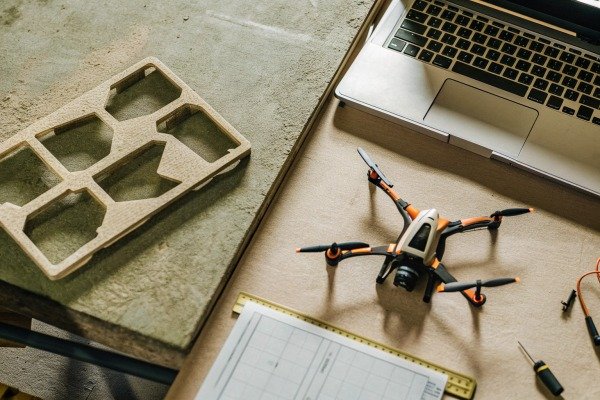
When a fire department arrives at a scene, image matters. A plain black box looks generic. A case emblazoned with the department's crest looks official. We offer several ways to achieve this, and it is more than just vanity; it is about asset management.
Branding Technologies
There are three main ways we apply logos to cases for our customers:
- Adhesive Decals: This is the most cost-effective method. We use high-strength, weather-resistant vinyl. It looks good and is easy to replace if it gets scratched.
- UV Direct Printing: For a more permanent solution, we use a large printer that applies ink directly to the plastic shell. The ink is cured with UV light. It creates a very durable, colorful image that resists fading in the sun.
- Laser Engraving: This burns the text or logo into the plastic. It is subtle usually one color but permanent. It cannot be scraped off.
Asset Identification
In large emergencies, multiple agencies respond. You might have the local fire department, state police, and federal agencies all in one location. Equipment can easily get mixed up. By customizing the case with your logo and unit number (e.g., "Engine 4 – Drone Unit"), you ensure your gear comes back to you.
Theft Deterrence
Industrial drones are high-value items. A generic case is an attractive target for theft because it is anonymous. A case marked with "Property of [City Name] Fire Department" is much harder to fence or sell on the black market. It adds a layer of security to your investment.
Professional Presentation
When you seek budget approval for new equipment, presentation helps. Showing stakeholders that you care for your equipment helps justify the cost. A branded fleet of cases demonstrates organization and professionalism to the public and to city officials.
Do the flight cases feature wheels and handles to facilitate easier transport in the field?
We know hauling heavy gear across rough terrain exhausts operators. That is why our logistics team prioritizes cases designed for human mobility.
Standard flight cases for industrial drones almost always include integrated heavy-duty wheels and retractable extension handles. These mobility features allow a single operator to transport heavy systems over paved surfaces or uneven ground, reducing fatigue and enabling rapid positioning at the launch site.

Industrial firefighting drones are not light. A fully loaded system with batteries can weigh over 15 to 20 kilograms (33 to 44 lbs). Carrying this weight by a handle for 500 meters is exhausting. Fatigue leads to mistakes. Therefore, mobility is a safety feature, not just a luxury.
Integrated Wheel Systems
We typically install polyurethane wheels with stainless steel bearings. These are similar to rollerblade wheels but much stronger. They roll smoothly on tarmac and concrete. For rougher terrain, some larger cases feature wider, off-road style wheels that prevent the case from sinking into mud or loose gravel.
Retractable Handles
To make the wheels useful, you need a handle. We use retractable extension handles, similar to luggage but much more robust. This allows the operator to tilt the case and roll it like a trolley. This "tow handle" style reduces the physical strain on the operator's back. When not in use, the handle locks down flush with the case profile so it does not snag during shipping.
Multi-Person Carry Options
Sometimes, you cannot roll the case. You might need to climb stairs or traverse rocky debris. For these situations, we ensure the case has large, rubberized handles on at least two sides (sometimes three). This allows two people to share the load, carrying the case between them.
Alternative: Backpack Solutions
For wildland firefighting, wheels are useless. wildland firefighting 10 You cannot roll a case up a mountain trail. In these specific instances, we offer hybrid solutions. This might be a soft-shell backpack with a rigid internal frame, or a hard case that attaches to a dedicated backpack frame. This moves the weight to the hips, allowing firefighters to hike to remote launch points.
| Mobility Feature | Zweck | Best Environment |
|---|---|---|
| Caster Wheels | Smooth rolling for one person | Paved roads, parking lots, airports |
| Extension Handle | Towing the case efficiently | Flat surfaces, long distances |
| Side Handles | Two-person lifting | Stairs, loading into trucks |
| Backpack Harness | Hands-free hiking | Wildland, mountains, rough trails |
Schlussfolgerung
Custom flight cases are essential for protecting your firefighting drone investment. From rugged materials to tailored interiors, these solutions ensure mission readiness and long-term durability for your critical equipment.
Fußnoten
1. NIST research on improving emergency response technologies and workflows for first responders. ︎
2. Academic research on unmanned vehicle systems and specialized sensor payloads for emergency use. ︎
3. Technical documentation for industrial-grade drone control systems and peripheral integration. ︎
4. Background information on the precision manufacturing process used for custom foam inserts. ︎
5. Technical properties and industrial applications of high-durability polypropylene copolymer resins. ︎
6. Industry standards for testing and certifying the impact resistance of plastic materials. ︎
7. International standard for ingress protection against dust and water immersion. ︎
8. Technical explanation of pressure management technology in airtight protective transit cases. ︎
9. Official FEMA resources on the Incident Command System and field operations management. ︎
10. Official US government guidance on wildland fire management and equipment requirements. ︎

 English
  Spanish
  German
  French
  Dutch
Dutch  Arabic
