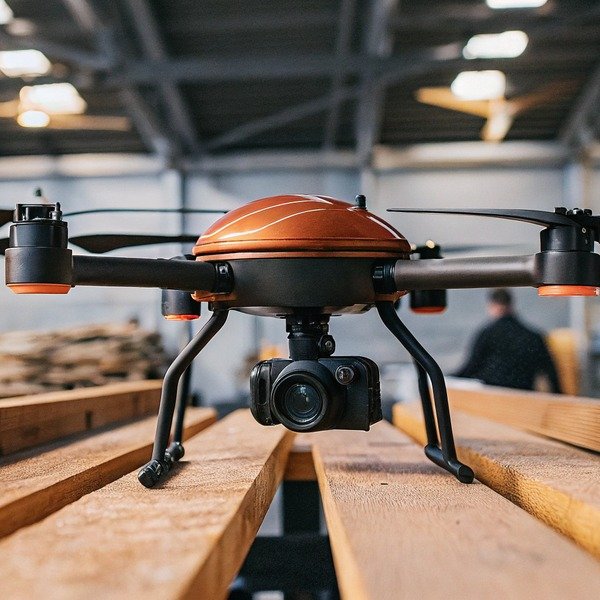
Wenn wir Flugsteuerungen für den Export konfigurieren Fluglotsen 1, wissen wir, dass Sprachbarrieren kleinere technische Probleme in operative Katastrophen verwandeln können. Sie benötigen Unterstützung, die Sie sofort versteht.
Um die Englischkenntnisse zu bestätigen, vereinbaren Sie einen Live-Videoanruf mit dem technischen Team anstelle des Verkaufspersonals, fordern Sie unzensierte Muster von Fehlerbehebungshandbüchern an und simulieren Sie ein komplexes technisches Szenario per E-Mail. Dieser Multi-Channel-Ansatz überprüft das Verständnis von gesprochener Sprache in Echtzeit und die Fähigkeit zum technischen Schreiben.
Diese Schritte verhindern Kommunikationszusammenbrüche, wenn Sekunden zählen.
Wie kann ich die Englischkenntnisse des technischen Supportteams testen, bevor ich eine Bestellung aufgeben?
Unser Produktionsteam erhält oft Panikrufe von Kunden, die woanders gekauft haben und ihre Hardwareprobleme nicht erklären können. Lassen Sie nicht zu, dass eine Sprachlücke Ihre Flotte am Boden hält.
Testen Sie die Sprachkenntnisse, indem Sie einen “Terminologie-Stresstest” durchführen. Stellen Sie spezifische technische Fragen zu Wärmebild-Isothermen oder zur Auslösung der Nutzlastfreigabe. Wenn das Supportpersonal diese Nischenmechanismen klar erklären kann, ohne auf Übersetzungssoftware zurückzugreifen, verfügt es über die erforderlichen branchenspezifischen Sprachkenntnisse.

Wenn Sie einen Lieferanten bewerten, werden Sie wahrscheinlich zuerst mit einem Vertriebsmitarbeiter sprechen. In unserer Branche werden Vertriebsmitarbeiter in der Regel speziell wegen ihrer Sprachkenntnisse eingestellt. Sie sind charmant und fließend. Sobald der Deal jedoch unterzeichnet ist, werden Sie an die Ingenieur- oder After-Sales-Abteilung übergeben. Hier tritt oft die "Sprachkluft" auf. Um nicht von dieser Klippe zu fallen, müssen Sie den Vertriebsmitarbeiter umgehen und die tatsächlichen Ingenieure testen, die Ihre Tickets bearbeiten werden.
Der Terminologie-Stresstest
Allgemeine Konversationsenglisch reicht für industrielle Drohnenoperationen nicht aus. industrielle Drohnenoperationen 2 Ein Ingenieur kann perfekt einen Kaffee auf Englisch bestellen, aber "ESC-Desynchronisation" oder "Gimbal-Überlastung" nicht verstehen. Wir empfehlen Ihnen, eine Liste spezifischer, branchenüblicher Begriffe vorzubereiten, die für Brandbekämpfungsmissionen relevant sind, und das Supportteam zu fragen. Brandbekämpfungseinsätze 3 um sie zu erklären.
Fragen Sie nicht: "Sprechen Sie Englisch?" Fragen Sie stattdessen: "Wie beheben Sie einen plötzlichen Spannungsabfall während der Auslösung einer Nutzlast?“ Spannungsabfall 4"Achten Sie auf die spezifische Terminologie, die sie verwenden. Ein fließend sprechender Ingenieur verwendet Begriffe wie "Aktuator", "Spannungseinbruch" und "Leistungsschalter". Ein nicht fließend sprechender Ingenieur, der sich auf grundlegende Übersetzungstools verlässt, verwendet möglicherweise vage Begriffe wie "Drop Machine", "Electric Go Down" oder "Open Function"."
Erkennung von Übersetzungssoftware
Achten Sie bei Textchats oder E-Mails auf die "Kopier-Einfügen-Verzögerung". Wenn Sie eine einfache technische Frage stellen und den "Tipp"-Indikator für zwei Minuten sehen, gefolgt von einem perfekt grammatikalischen, aber leicht unnatürlichen Satz, verwenden sie wahrscheinlich Google Translate oder WeChat-Übersetzung. Echte Sprachkenntnisse ermöglichen sofortige, manchmal unvollkommene, aber technisch genaue Antworten.
Vergleich der Sprachniveaus
Verwenden Sie die folgende Tabelle, um die Antworten zu kategorisieren, die Sie während Ihrer Bewertungsphase erhalten.
| Indikator | Fließender technischer Support | Hochrisiko-Support (Benutzer von Übersetzungstools) |
|---|---|---|
| Reaktionsgeschwindigkeit | Sofortiges, konversationelles Tempo. | Lange Pausen vor kurzen Antworten. |
| Wortschatz | Spezifisch: Telemetrie, Kalibrierung, Nutzlast, Drosselklappe. | Vage: Daten, Korrektur, schwere Sache, Geschwindigkeitstaste. |
| Grammatik | Natürlich, kann leichten Akzent haben, aber klare Logik. | Perfekte Grammatik (kopiert) oder gebrochenes "Chinglish"." |
| Klärung | Fragt: "Meinen Sie den vorderen linken Motor?" | Wiederholt den gleichen verwirrten Satz. |
Sollte ich eine Videokonferenz mit dem Ingenieurteam anfordern, um deren Kommunikationsfähigkeiten zu bewerten?
Wir bestehen auf Zoom-Anrufen während unserer Entwicklungsphase Zoom-Anrufe 5 da E-Mail-Threads oft Nuancen vermissen lassen. Geschriebener Text kann die Abhängigkeit von Übersetzungstools verbergen, aber Live-Video kann das nicht.
Ja, die Anforderung eines Videokonferenzgesprächs ist unerlässlich. Es zwingt das Ingenieurteam, Echtzeit-Hörverständnis und verbale Flüssigkeit ohne Hilfe von Text-to-Speech-Tools zu demonstrieren. Beobachten Sie ihre Fähigkeit, Akzente zu verstehen und sofort auf schnelle Fragen zu Flug-Sicherheitsprotokollen zu reagieren.
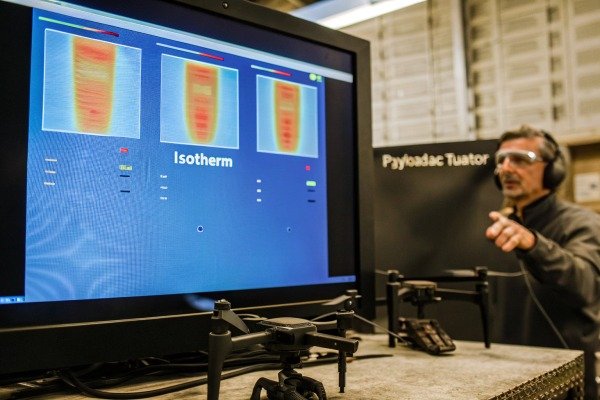
Ein Live-Videoanruf ist der ultimative Wahrheitsfinder. In unserer Fabrik sehen wir oft, wie Wettbewerber eine "Proxy"-Strategie anwenden: Ein Verkaufsmanager mit ausgezeichnetem Englisch sitzt neben dem stillen Ingenieur und übersetzt alles, was Sie sagen. Das ist gefährlich für Sie. Wenn eine Drohne der Feuerwehr im Einsatz ausfällt, können Sie nicht auf einen Übersetzer warten, um die Lösung zu vermitteln.
Identifizierung der "Proxy"-Falle
Wenn Sie den Anruf planen, geben Sie ausdrücklich an, dass Sie direkt mit dem technischen Leiter oder dem Kundendienstleiter sprechen möchten. Richten Sie Ihre Fragen während des Anrufs gezielt an die technische Person. Wenn der Verkaufsvertreter ständig unterbricht, um für sie zu antworten, oder wenn Sie sehen, dass der Ingenieur vor der Antwort vom Bildschirm wegschaut oder auf einen Tippbildschirm blickt, ist dies ein Warnsignal.
Bewertung des Hörverständnisses
Sprechen ist nur die halbe Miete; Zuhören ist wichtiger. Brandbekämpfungsumgebungen sind stressig, und Ihr Beschaffungsteam oder Ihre Piloten sprechen möglicherweise schnell oder mit starken regionalen Akzenten. Versuchen Sie während des Videoanrufs die folgenden Techniken:
- Variieren Sie Ihre Geschwindigkeit: Spezifische technische Fragen sollten schnell gestellt werden.
- Visuelle Hinweise entfernen: Schalten Sie Ihre Kamera für einen Moment aus oder bedecken Sie Ihren Mund, um sicherzustellen, dass sie Ihren Worten zuhören und nicht Lippen lesen oder anhand von Gesten raten.
- Umgangssprache verwenden: Verwenden Sie Ausdrücke wie "Die Drohne spielt verrückt" oder "Sie driftet ab". Ein fließend sprechender Mensch versteht diese Redewendungen; ein Übersetzungstool scheitert oft daran, sie richtig zu interpretieren.
Checkliste für Videoanrufe
Verwenden Sie diese Checkliste während Ihres Anrufs, um den Lieferanten zu bewerten.
| Bewertungsbereich | Was zu beachten ist | Bestanden / Nicht bestanden Kriterien |
|---|---|---|
| Direkte Interaktion | Antwortet Ihnen der Ingenieur direkt? | Nicht bestanden wenn sie darauf warten, dass der Vertriebsmitarbeiter übersetzt. |
| Akzentbehandlung | Verstehen sie Sie, ohne zu fragen "Können Sie das tippen?" | Nicht bestanden wenn sie verlangen, dass alle Fragen aufgeschrieben werden. |
| Technische Sprachgewandtheit | Können sie einen Reparaturprozess Schritt für Schritt beschreiben? | Bestanden wenn sie korrekte Verben verwenden (löten, festziehen, kalibrieren). |
| Spontaneität | Können sie unerwartete Fragen sofort beantworten? | Nicht bestanden wenn sie von einem vorbereiteten Skript vorlesen. |
Wie kann ich überprüfen, ob die technischen Handbücher und Fehlerbehebungshandbücher in klarem Englisch verfasst sind?
Unser Dokumentationsteam verbringt Wochen damit, Wartungsprotokolle zu verfeinern Wartungsprotokolle 6, dennoch sehen wir immer noch Wettbewerber, die Handbücher voller verwirrendem “Chinglish” versenden. Schlechte Anleitungen führen zu gefährlichen Wartungsfehlern.
Fordern Sie unbearbeitete PDF-Muster spezifischer Kapitel an, wie z. B. “ESC-Kalibrierung” oder “Nutzlastfreigabelogik”, anstelle von Marketingbroschüren. Überprüfen Sie diese Dokumente auf grammatikalische Präzision und natürliche Formulierungen. Hochwertige Handbücher sollten Standard-Luftfahrtterminologie verwenden und klare, schrittweise Anweisungen im Imperativ ohne mehrdeutige Formulierungen bieten.

Marketingbroschüren werden fast immer an professionelle Übersetzungsagenturen ausgelagert. Sie sehen schön aus und lesen sich perfekt. Das Benutzerhandbuch – das Dokument, das Ihre Piloten sicher hält – wird jedoch oft von den Ingenieuren selbst im eigenen Haus geschrieben. Wenn diese Ingenieure kein fließendes Englisch sprechen, wird das Handbuch Fehler enthalten, die zu Geräteschäden oder Verletzungen führen können.
Die "Chinglish"-Gefahr im technischen Betrieb
Wir haben Handbücher von Wettbewerbern gesehen, die "Arm the motors" als "Open the locking machine" übersetzen. In einem ruhigen Büro kann man das vielleicht herausfinden. Im Feldeinsatz ist Mehrdeutigkeit inakzeptabel. Wenn Sie Musterdokumentation anfordern, fragen Sie speziell nach den Abschnitten "Fehlerbehebung" und "Wartung". Diese erfordern komplexe Logikstrukturen (Wenn X passiert, dann tue Y).
Analyse von Imperativsätzen
Gute technische Texte verwenden den Imperativ technische Dokumentation 7: "Entfernen Sie den Akku", "Überprüfen Sie die Spannung", "Ziehen Sie die Schraube fest." Schlecht übersetzte Handbücher verwenden oft Passiv- oder beschreibende Formulierungen: "Der Akku sollte vom Benutzer entfernt werden" oder "Bitte ziehen Sie die Schraube fest." Diese Passivform fügt Ihren Technikern eine kognitive Belastung hinzu.
Achten Sie auf Konsistenz in der Terminologie. Wenn das Handbuch eine Komponente auf Seite 5 als "Propeller", auf Seite 10 als "Klinge" und auf Seite 12 als "Paddel" bezeichnet, fehlt dem Lieferanten ein standardisiertes technisches Glossar in englischer Sprache. standardisiertes technisches Glossar in englischer Sprache 8 Diese Inkonsistenz deutet normalerweise darauf hin, dass verschiedene Kapitel von verschiedenen Personen oder Software übersetzt wurden, ohne Qualitätskontrolle.
Häufige Fehler bei der Übersetzung von Handbüchern
| Phrasentyp | Professioneller englischer Standard | Schlechte / Maschinelle Übersetzung (Warnsignal) |
|---|---|---|
| Starten | "Schalten Sie die Drohne ein." | "Öffnen Sie die Maschinenstromversorgung." |
| Sicherheit | "Halten Sie sich von rotierenden Propellern fern." | "Berühren Sie nicht das sich drehende Blatt." |
| Verbindung | "Stellen Sie sicher, dass die Verbindung hergestellt ist." | "Stellen Sie sicher, dass die Verbindung gut ist." |
| Aktion | "Kalibrieren Sie den Kompass." | "Machen Sie die Kompasskorrektur." |
Was sind die besten Möglichkeiten, die Geschwindigkeit und Klarheit ihrer englischen E-Mail-Antworten zu beurteilen?
Wenn wir Kunden in verschiedenen US-Zeitzonen unterstützen, wissen wir, dass eine 24-stündige Wartezeit auf eine verwirrte Antwort den Betrieb stoppt. Langsame, unklare E-Mails zerstören die Einsatzbereitschaft.
Senden Sie ein komplexes, mehrteiliges technisches Szenario außerhalb der regulären Geschäftszeiten an ihr Support-Ticket-System. Bewerten Sie die Antwortzeit und prüfen Sie, ob die Antwort jeden spezifischen Punkt logisch behandelt. Ein fließendes Team wird eine strukturierte, kohärente Antwort liefern, anstatt fragmentierte Sätze oder unzusammenhängende vorformulierte Vorlagen.
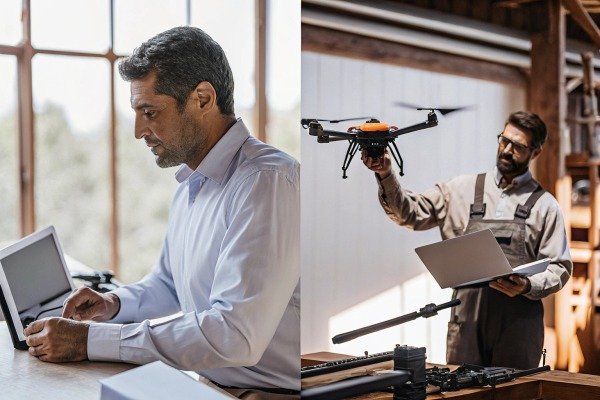
E-Mail ist die Lebensader des internationalen Handels internationaler Handel 9, insbesondere für technischen Support, der Logdateien technischer Support 10 und Firmware-Updates beinhaltet. Ein Lieferant mag reaktionsschnell sein, aber wenn seine Antwort unverständlich ist, ist sie nutzlos. Sie müssen ihre Leseverständnis und ihre Fähigkeit, eine komplexe Antwort zu strukturieren, testen.
Die Strategie der mehrteiligen Frage
Senden Sie keine einfache Frage. Senden Sie ein Szenario, das logische Schlussfolgerungen erfordert. Zum Beispiel:
"Ich habe eine SkyRover Drohne. Der linke Hinterradmotor dreht sich, aber die LED blinkt rot, und die Telemetrie zeigt einen 'Kompassfehler' nur, wenn ich über 50 Meter fliege. Was sollte ich zuerst überprüfen, und beeinträchtigt dies die Garantie?"
Diese E-Mail enthält drei verschiedene Elemente:
- Das Symptom: Motor dreht sich + rote LED.
- Die Bedingung: Kompassfehler in der Höhe (was technisch ungewöhnlich ist und ihre Logik testet).
- Die administrative Frage: Auswirkung auf die Garantie.
Analyse der Antwortlogik
Ein fließendes, professionelles Support-Team wird dies aufschlüsseln. Sie werden das LED-Problem ansprechen, erklären, warum der Kompassfehler in der Höhe seltsam ist (oder Störungen vorschlagen) und die Garantiebestimmungen klären.
Ein Team, das sich auf Schlüsselwörter und automatische Übersetzungen verlässt, wird sich oft an einem Wort wie "Kompassfehler" festhalten und eine generische Vorlage zur Kalibrierung des Kompasses einfügen, wobei das Motorproblem und die Garantiefrage vollständig ignoriert werden. Dieser "Keyword-Matching"-Antwortstil zeigt, dass der volle Kontext Ihrer englischen E-Mail nicht verstanden wurde.
Bewertung von Ton und Klarheit
Achten Sie auf den Ton. Ist er professionell und hilfreich oder kurz angebunden und abweisend? Kulturelle Unterschiede bestehen, aber Standard-Geschäftsenglisch sollte höflich und direkt sein. Achten Sie auch auf die "Ja/Nein"-Falle. Wenn Sie fragen: "Soll ich es zurückschicken oder hier reparieren lassen?" und sie mit "Ja" antworten, haben sie die Frage nicht verstanden. Dies ist ein klassisches Zeichen für geringe Sprachkenntnisse.
Schlussfolgerung
Die Überprüfung der Sprachkenntnisse stellt sicher, dass Ihre Feuerwehrdrohnen einsatzbereit bleiben. Testen Sie deren Sprech-, Lese- und Schreibfähigkeiten, bevor Sie bezahlen, um Sicherheit und Zuverlässigkeit zu gewährleisten.
Fußnoten
1. Offizielle technische Spezifikationen eines großen Drohnenherstellers bezüglich Flugsteuerungssystemen. ︎
2. Allgemeiner Hintergrund zu den verschiedenen industriellen Anwendungen von unbemannten Luftfahrzeugen. ︎
3. Offizieller Regierungsbericht über den Einsatz von Drohnen in der Feuerwehr und im Rettungsdienst. ︎
4. Wissenschaftliche Erklärung des Spannungsabfalls im Kontext der Elektrotechnik. ︎
5. Offizielle Dokumentation für das für technische Bewertungen erwähnte Videokonferenz-Tool. ︎
6. FAA-Richtlinien für Wartungsaufzeichnungen und Protokolle im Luftfahrtbereich zur Einhaltung von Sicherheitsvorschriften. ︎
7. Bildungsressource zu den Standards und Best Practices für professionelles technisches Schreiben. ︎
8. Internationale Standards für die Erstellung und Pflege von technischen Glossaren und Terminologien. ︎
9. Überblick über die Prinzipien und die Bedeutung des globalen Handels für technische Lieferanten. ︎
10. Industriestandard für Schnittstellenprotokolle im technischen Support für unbemannte Luftfahrtsysteme. ︎


 English
  Español de México
  Deutsch
  Français
  Русский
  العربية
Comments
No comments yet. Be the first to share your thoughts!
Leave a Comment