
Es schmerzhaft, wenn ein vielversprechendes Geschäft wegen einer missverstandenen Geste scheitert. In unserer Zentrale in Xi'an sehen wir, wie internationale Käufer mit ungeschriebenen Regeln kämpfen und die Lieferung kritischer Feuerlöschgeräte verzögern.
Erfolg beim Kauf chinesischer Feuerlöschdrohnen hängt vom Meistern ab guanxi (Beziehungen) und dem Schutz von Mianzi (Gesicht). Sie müssen dem Aufbau von Vertrauen durch gemeinsames Essen Priorität einräumen, hierarchische Entscheidungsfindung respektieren und indirekte Kommunikationsmuster interpretieren. Wenn Sie Verhandlungen als langfristige Partnerschaft und nicht als einmalige Transaktion betrachten, erhalten Sie bessere Preise und Unterstützung.
Lassen Sie uns untersuchen, wie Sie diese Nuancen für eine erfolgreiche Partnerschaft meistern können.
Wie wirkt sich das Konzept von Guanxi auf meine langfristige Geschäftsbeziehung mit Drohnenherstellern aus?
Unsere Kunden eilen oft, um Verträge zu unterzeichnen, und verpassen dabei das eigentliche Fundament des Geschäfts hier. Ohne eine persönliche Bindung fühlt sich selbst die beste rechtliche Vereinbarung für unsere lokalen Teams leer an.
Guanxi verwandelt einen transaktionalen Lieferanten in einen loyalen Partner, der Ihre Bestellungen bei Engpässen priorisiert. Es erfordert Zeitinvestitionen in soziale Interaktionen, wie z. B. Abendessen, bevor über Geschäfte gesprochen wird. Eine starke persönliche Verbindung stellt sicher, dass Ihre Feuerlöschdrohnen erstklassigen technischen Support und Prioritätsstatus in der Produktionslinie erhalten.

Das Fundament des Vertrauens vor Verträgen
Im Westen vertrauen Sie vielleicht einem Unternehmen, weil der Vertrag rechtlich bindend ist. Hier bei SkyRover betrachten wir den Vertrag als Momentaufnahme der Beziehung zu einem bestimmten Zeitpunkt, aber die Beziehung selbst ist das, was dafür sorgt, dass die Arbeit erledigt wird. Wir nennen das Guanxi. Es geht nicht nur um Networking. Es ist ein System von gegenseitigen Gefälligkeiten und langfristigem gegenseitigem Nutzen.
Wenn Sie unsere Feuerlöschdrohnen kaufen, erwerben Sie ein komplexes System, das Wärmebildkameras, Flugsteuerungen und Sicherheitsprotokolle umfasst. Fluglotsen 1 Wärmebildkameras 2 Sicherheitsprotokolle 3 Wenn am Freitagabend ein technisches Problem auftritt, besagt ein Vertrag, dass wir innerhalb von 48 Stunden antworten werden. Guanxi bedeutet, dass ich sofort abnehme und meine Ingenieure bitte, Überstunden zu machen, weil ich Sie als Freund betrachte.
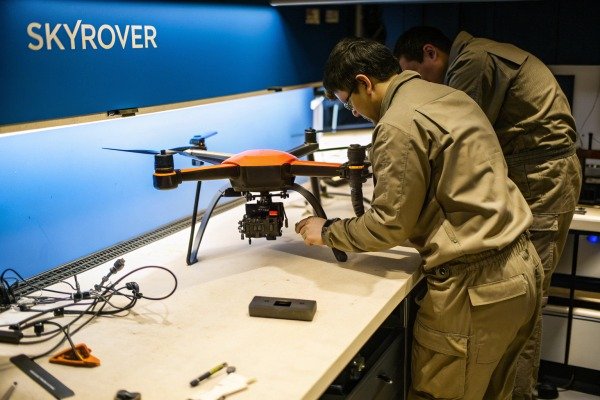
Viele Käufer überspringen das "Small Talk". Sie springen direkt zum Preis der schwarzen Quadrocopter mit dem orangefarbenen Gehäuse. Dies signalisiert uns, dass Sie nur an einer Transaktion interessiert sind. Wenn ein größerer Käufer kommt, könnten Sie Ihren Platz in der Produktionswarteschlange verlieren. Wenn Sie jedoch beim ersten Treffen über unsere Familien, unsere Heimatstadt Xi'an und gemeinsame Werte sprechen, bauen Sie ein Sicherheitsnetz für Ihr Unternehmen auf.
Von Transaktional zu Relational
Sie müssen Ihre Denkweise von "ein Produkt kaufen" zu "in einen Partner investieren" ändern. Dies gilt insbesondere für High-Tech-Exporte wie Drohnen, bei denen Lieferketten volatil sind. Lieferketten sind volatil 4 High-Tech-Exporte 5
Tabelle 1: Transaktionale vs. Relationale Ansätze
| Merkmal | Transaktionaler Ansatz (westlicher Stil) | Relationaler Ansatz (Guanxi Stil) |
|---|---|---|
| Schwerpunkt | Sofortiger Deal, niedrigster Preis, unterschriebener Vertrag. | Langfristiger Wert, gegenseitiges Vertrauen, zukünftige Gefälligkeiten. |
| Kommunikation | Direkt, legalistisch, E-Mail-zentriert. | Indirekt, persönlich, persönlich oder per WeChat. |
| Problem Solving | Verweisen Sie auf die Vertragsklauseln und Strafen. | Wenden Sie sich direkt an die Schlüsselperson, um einen Gefallen zu erbitten. |
| Ziel des Treffens | Unterschreiben Sie das Papier und gehen Sie. | Gemeinsam essen, gemeinsam trinken, eine Bindung aufbauen. |
Die Rolle des After-Sales-Supports
Für Industriedrohnen ist der Verkauf nur der Anfang. Industriedrohnen 6 Sie benötigen Firmware-Updates, Ersatzpropeller und möglicherweise Anpassungen für neue Nutzlasten. In der chinesischen Geschäftskultur wird Hardware oft als einziger greifbarer Vermögenswert angesehen. Softwareunterstützung und Fehlerbehebung werden kulturell manchmal eher als "kostenlose Gefälligkeiten" denn als bezahlte Dienstleistungen betrachtet.
Wenn Sie starke Guanxi, unsere Ingenieure passen die Flugbahnalgorithmen gerne an Ihre spezifischen Bedürfnisse an, ohne jede Stunde abzurechnen. Wenn die Beziehung kalt und rein vertraglich ist, wird jede Anfrage zu einer Verhandlung. Wir ziehen es vor, Geschäfte mit Menschen zu machen, die wir mögen. Die Investition von Budget in eine Reise zu uns oder die Ausrichtung eines Abendessens ist oft wertvoller als die Beauftragung eines Anwalts, um eine strengere Strafklausel auszuarbeiten.
Wie kann ich höflich gegen Preise oder Zeitpläne vorgehen, ohne dass der Lieferant sein Gesicht verliert?
Wir respektieren Käufer, die hart verhandeln, aber aggressive Forderungen können unsere Ingenieure zum Schweigen bringen. Das Finden des Gleichgewichts zwischen Festigkeit und Respekt verhindert, dass sich unser Team während kritischer Diskussionen zurückzieht.
Um effektiv zurückzudrücken, beschuldigen Sie externe Faktoren wie Budgetausschüsse, anstatt den Lieferanten direkt zu kritisieren. Verwenden Sie Vermittler, um Unzufriedenheit privat zu übermitteln. Formulieren Sie Ihre Anfragen als gemeinsame Anstrengung, um den gegenseitigen Erfolg zu gewährleisten, und ermöglichen Sie es dem Lieferanten, die Bedingungen anzupassen, ohne einen Fehler zuzugeben oder sich öffentlich gedemütigt zu fühlen.

Schutz Mianzi (Gesicht)
Mianzi, oder "Gesicht", ist die soziale Währung von Ruf und Würde in China. Wenn Sie einem Lieferanten offen sagen: "Ihr Preis ist zu hoch" oder "Ihre Zeitplanung ist unmöglich", greifen Sie sein Gesicht an. In einer Gruppensituation ist dies katastrophal. Wenn Sie einen Manager vor seinen Untergebenen das Gesicht verlieren lassen, wird die Verhandlung wahrscheinlich scheitern, unabhängig von der Logik.
Anstatt direkter Ablehnung empfehlen wir die Strategie "Externe Schuldzuweisung". Sagen Sie nicht Sie mag den Preis nicht. Sagen Sie, dass Ihre "Finanzabteilung" oder Ihr "Chef" ein strenges Limit gesetzt hat. Dies beseitigt den persönlichen Konflikt zwischen Ihnen und mir. Es ermöglicht uns, gemeinsam an der "Lösung" des von dieser dritten Partei geschaffenen Problems zu arbeiten.
Kollaborative Problemlösung
Wenn Sie den Lieferzeitplan für eine Drohnenflotte anpassen müssen, gehen Sie es als gemeinsame Herausforderung an. Wenn wir beispielsweise eine Lieferung von 30 Tagen angeben, Sie sie aber in 20 Tagen benötigen, fordern Sie sie nicht. Fragen Sie: "Welche Hindernisse müssen wir gemeinsam aus dem Weg räumen, um ein 20-Tage-Ziel zu erreichen?" Dies befähigt uns, eine Lösung anzubieten, anstatt uns zu zwingen, ein Versagen zu verteidigen.
Verwendung von Vermittlern für schwierige Themen
Manchmal ist eine direkte Konfrontation unvermeidlich. In diesen Fällen nutzen Sie einen Mittelsmann oder Stellvertreter, um die schlechte Nachricht zu überbringen. Dies bewahrt die Harmonie zwischen den Hauptentscheidungsträgern. Wenn es einen Streit über die Qualität der X-förmigen Propellerarme gibt, lassen Sie Ihren technischen Leiter privat mit unserem technischen Leiter darüber sprechen. Bringen Sie es nicht zum ersten Mal im Vorstandssaal zur Sprache.
Tabelle 2: Formulierungen zur Wahrung des Gesichts
| Aggressive Formulierung (Vermeiden) | Gesichtsrettende Alternative (Empfohlen) |
|---|---|
| "Ihr Preis ist lächerlich." | "Mein Budgetausschuss hat mir ein sehr strenges Limit gesetzt." |
| "Sie haben über die Spezifikationen gelogen." | "Wir haben die technischen Parameter möglicherweise missverstanden." |
| "Diese Qualität ist inakzeptabel." | "Unsere lokalen Sicherheitsstandards erfordern eine andere Oberflächenbehandlung." |
| "Ich stimme Ihnen nicht zu." | "Ich verstehe Ihren Punkt; wir stehen jedoch vor einer Herausforderung." |
Umgang mit technischen Diskrepanzen
Wenn Sie feststellen, dass die Auflösung der Wärmebildkamera nicht den Versprechungen entspricht, beschuldigen Sie den Lieferanten niemals der Unehrlichkeit. In der chinesischen Kultur stimmen Vertriebsteams manchmal Spezifikationen zu, in der Hoffnung, dass die Ingenieure sie später erreichen können. Es ist Optimismus, nicht unbedingt Bosheit.
Formulieren Sie die Korrektur als "neue Anforderung". Sie könnten sagen: "Unsere operativen Bedürfnisse haben sich weiterentwickelt, und wir benötigen nun strengstens diese spezifischen Sensordaten." Dies ermöglicht es dem Lieferanten, die Komponente aufzurüsten, ohne zuzugeben, dass er ursprünglich falsch lag. Es kostet Sie nichts, höflich zu sein, aber es rettet den Deal davor, aufgrund verletzter Egos zusammenzubrechen.
Wie soll ich indirekte Kommunikation oder Schweigen in kritischen Verhandlungsphasen interpretieren?
Wenn unser Vertriebsteam schweigt, gehen westliche Partner oft davon aus, dass der Deal tot ist. Normalerweise bauen wir einfach intern einen Konsens zwischen unseren Ingenieur- und Managementabteilungen auf.
Schweigen signalisiert oft, dass der Lieferant intern berät, um einen Gruppenkonsens zu erreichen, nicht dass er Sie ablehnt. Indirekte Formulierungen wie "wir werden das prüfen" bedeuten normalerweise "nein" oder "das ist schwierig". Sie müssen auf Zögern achten und zwischen den Zeilen lesen, anstatt eine direkte Ablehnung zu erwarten.
Die Bedeutung von "Ja"
Einer der verwirrendsten Aspekte für westliche Käufer ist das Wort "Ja". Im Englischen bedeutet "Ja" Zustimmung. Im chinesischen Geschäftsgespräch bedeutet "Ja" (oder shi) oft "Ich höre zu" oder "Ich verstehe, was Sie sagen". Es bestätigt nicht, dass wir Ihren Bedingungen zustimmen oder dass wir tun werden, was Sie verlangt haben.
Sie müssen nach Kontext hinweisen suchen. Wenn wir sagen: "Ja, wir verstehen Ihre Anfrage", aber keine spezifischen Details oder einen Zeitplan liefern, ist dies wahrscheinlich eine höfliche Ablenkung. Wir legen Wert auf Harmonie und vermeiden es, direkt "Nein" zu sagen, da dies Gesichtsverlust verursacht. Sie hören vielleicht Formulierungen wie:
- "Das ist eine sehr interessante Idee."
- "Wir müssen das weiter untersuchen."
- "Lassen Sie uns das mit der Führung besprechen."
Dies sind höfliche Arten zu sagen, dass die Anfrage schwierig oder unmöglich ist.
Hierarchie und Konsens-Entscheidungsfindung
Im Gegensatz zu vielen westlichen Unternehmen, in denen ein Einkaufsmanager eine spontane Entscheidung treffen kann, arbeiten chinesische Unternehmen nach strenger Hierarchie und Gruppenkonsens. Selbst wenn ich der CEO bin, muss ich möglicherweise meinen Produktionsleiter, meine Lieferkettenpartner und meine Investoren konsultieren, bevor ich einer größeren Preiskonzession für ein kundenspezifisches oranges Gehäuse zustimme.
Dies führt zu Schweigeperioden. Westler werden während dieser Lücken oft ängstlich und versuchen, sie durch weitere Zugeständnisse zu füllen. Das ist ein Fehler. Wenn wir schweigen, denken wir nach. Seien Sie geduldig. Geduld wird als Zeichen von Stärke und Ernsthaftigkeit angesehen. Das überstürzte Vorgehen signalisiert, dass Sie verzweifelt sind oder keine Autorität haben.
Ganzheitliche Denkweisen
Wir denken ganzheitlich (zhengti guannian). Westliche Verhandlungsführer wollen oft Zeile für Zeile vorgehen: Preis vereinbaren, dann Lieferung vereinbaren, dann Support vereinbaren. Wir ziehen es vor, alles auf einmal zu besprechen. Wir geben Ihnen möglicherweise keine endgültige Antwort zum Preis, bis wir die Lieferbedingungen, die Garantiezeit und die Zahlungsstruktur kennen.
Tabelle 3: Indirekte Signale entschlüsseln
| Signal / Ausdruck | Westliche Interpretation | Chinesische Bedeutung |
|---|---|---|
| Stille (Tage/Wochen) | Sie ignorieren mich / haben das Interesse verloren. | Interne Diskussion / Warten auf Genehmigung. |
| "Es ist schwierig." | Eine zu überwindende Herausforderung. | Ein höfliches "Nein"." |
| "Wir werden unser Bestes geben." | Eine Verpflichtung, es zu tun. | Erwartungen für wahrscheinliches Scheitern managen. |
| "Ja, ja." | Einigung / Deal gemacht. | Ich höre Sie / Ich achte aufmerksam. |
Überprüfung von Informationen
Da eine direkte Ablehnung selten ist, müssen Sie technische Behauptungen über einen "Nebenkanal" überprüfen. Hier hilft es, einen Kontakt in unserer Ingenieurabteilung zu haben. Ihr Ingenieur spricht mit unserem Ingenieur. In diesem Peer-to-Peer-Kanal ist die Kommunikation oft viel direkter. Unser Ingenieur könnte Ihrem sagen: "Der Vertriebschef hat 40 Minuten Flugzeit versprochen, aber realistisch gesehen werden Sie mit dieser schweren Kamera 32 Minuten erreichen." Das ist kein Verrat; es ist eine andere Kommunikationsebene.
Welche spezifischen Geschäftsgepflogenheiten muss ich bei einem Besuch einer Fabrik in China beachten?
Die Betreuung von Kunden in unserer Einrichtung in Chengdu ist für uns ein Highlight, aber kleine Fehltritte passieren. Wir bemerken, wenn Besucher auf dem falschen Stuhl sitzen oder einen Toast ablehnen.
Sie müssen die Hierarchie respektieren, indem Sie der ranghöchsten Person zuerst den Raum betreten lassen und den Ehrenplatz mit Blick auf die Tür annehmen. Nehmen Sie während Banketten an den Trinkritualen teil, um Respekt zu zeigen. Tauschen Sie immer Visitenkarten mit beiden Händen aus und kritisieren Sie die Einrichtung niemals offen vor untergeordnetem Personal.

Die Bedeutung der Hierarchie in Besprechungen
Wenn Sie unsere Fabrik besuchen, um die Drohnenproduktionslinien zu inspizieren, ist die Sitzordnung im Konferenzraum nicht zufällig. Sitzordnung 7 Der Hauptsitz ist normalerweise der Tür zugewandt. Dies ist für die ranghöchste Person von Ihrer Seite und die ranghöchste Person von unserer Seite.
Wenn Sie ein Junior-Manager sind, sitzen Sie nicht dort. Warten Sie, bis Sie zu Ihrem Platz geleitet werden. Wir beobachten die Disziplin Ihres Teams. Wenn Ihr untergeordnetes Personal Ihren leitenden Vorgesetzten unterbricht, empfinden wir Ihr Unternehmen als unorganisiert. Wir erwarten eine einheitliche Front. In unserer Kultur spricht der Chef, und das Team unterstützt.
Visitenkarten-Rituale
Der Austausch von Visitenkarten ist ein formelles Ritual. Austausch von Visitenkarten 8 Schieben Sie sie nicht wie eine Spielkarte über den Tisch.
- Halten Sie die Karte mit zwei Händen an den Ecken.
- Richten Sie den Text so aus, dass der Empfänger ihn lesen kann.
- Wenn Sie meine Karte erhalten, nehmen Sie sie mit zwei Händen entgegen.
- Lesen Sie sie einige Sekunden lang sorgfältig durch, um meinen Titel zu würdigen.
- Legen Sie sie auf den Tisch vor sich, nicht in Ihre Gesäßtasche.
Bankett und Toast
Geschäfte werden im Sitzungssaal abgeschlossen, aber am Esstisch entschieden. Wenn wir Sie zum Abendessen einladen, müssen Sie kommen. Eine Ablehnung bedeutet eine Zurückweisung unserer Freundschaft.
Während des Essens werden wir anstoßen (Ganbei). Sie sollten dem Gastgeber zuprosten. Wenn Sie Gläser anstoßen, versuchen Sie, den Rand Ihres Glases leicht unter meinen zu senken. Dies bedeutet Demut und Respekt. Sie müssen keinen Alkohol trinken, wenn Sie nicht können, aber Sie müssen an dem Ritual teilnehmen, vielleicht mit Tee, und Ihren Grund höflich erklären (z. B. Gesundheit oder Politik).
Qualitätskontrolle und "Cha Bu Duo"
Sie könnten auf die Cha Bu Duo Denkweise stoßen, die sich mit "gut genug" oder "fast da" übersetzt. In der Hightech-Fertigung wie bei Feuerwehrdrohnen reicht "fast" nicht aus. Ein "gut genug" ausgewuchteter Propeller verursacht Vibrationen und Abstürze.
Aber kritisieren Sie die Arbeiter in der Fabrikhalle nicht direkt. Das lässt sie ihr Gesicht verlieren. Betonen Sie stattdessen "Sicherheit" und "Standards"."
- Falsch: "Diese Lackierung am orangefarbenen Gehäuse ist schlampig."
- Richtig: "Für unsere Feuerwehren muss das gut sichtbare Orange perfekt für die Sicherheit unter Rauchentwicklungsbedingungen sein."
Indem Sie die Qualitätskontrolle als Sicherheitsanforderung für den Endverbraucher (den Feuerwehrmann) darstellen, stimmen Sie unsere moralische Pflicht mit Ihrem Qualitätsstandard überein. Qualitätskontrolle 9 Das motiviert uns, präzise zu sein, ohne uns kritisiert zu fühlen.
Verständnis für Dual-Use-Sensibilität
Unsere Drohnen sind leistungsstark. Sie verfügen über Motoren mit hoher Traglast und fortschrittliche Kameras. Seien Sie bei Ihrem Besuch vorsichtig, wenn Sie über "Export Exportkontrollen 10 Kontrollen" oder "militärische Anwendungen" sprechen. Auch wenn Sie für zivile Brandbekämpfung einkaufen, kann die Andeutung, dass unsere Technologie "sensibel" oder "spionagefähig" ist, beleidigend oder politisch gefährlich sein. Behandeln Sie das Produkt als Werkzeug zur Rettung von Leben. Konzentrieren Sie sich auf den humanitären Aspekt – das Löschen von Bränden und die Rettung von Menschen. Dies ist eine sichere, positive gemeinsame Basis, die politische Spannungen vermeidet.
Schlussfolgerung
Die Beherrschung dieser kulturellen Nuancen stellt sicher, dass Ihre Drohnenflotte für die Brandbekämpfung pünktlich eintrifft und perfekt funktioniert. Respektieren Sie unsere Traditionen, und wir werden Berge versetzen, um Ihre Mission zu unterstützen.
Fußnoten
1. Industriestandards für Nutzlastschnittstellen und Flugsteuerungssysteme in UAS. ︎
2. Technische Dokumentation und Anwendungen für Wärmebildtechnik in Brandbekämpfungsszenarien. ︎
3. Internationale Standards für unbemannte Luftfahrtsysteme, die Betriebssicherheit und Qualität gewährleisten. ︎
4. Expertenanalyse des Risikomanagements in der Lieferkette für High-Tech-Fertigungssektoren. ︎
5. Offizielle Regierungsrichtlinien für den internationalen Handel mit Hochtechnologieprodukten. ︎
6. Nachrichtenbericht über das Wachstum und die wirtschaftlichen Auswirkungen des globalen Marktes für Industriedrohnen. ︎
7. Bildungsressource über chinesische Geschäftsetikette und die Bedeutung hierarchischer Sitzordnungen. ︎
8. Hintergrund zur kulturellen Bedeutung und Etikette des Austauschs von Visitenkarten in China. ︎
9. Professionelle Ressourcen zur Definition von Qualitätskontrollstandards und deren Umsetzung in der Fertigung. ︎
10. Offizielle US-Regulierungen für den Export von sensiblen Technologien wie Drohnen. ︎

 English
  Español de México
  Deutsch
  Français
  Русский
  العربية
