
Als ein Prototyp während eines unserer frühen thermischen Tests mitten im Flug schmolz thermische Ausdehnung zwischen Materialien 1 Kammertests verfolgten unser Ingenieurteam wochenlang. Sie können sich keinen Ausrüstungsversagen leisten, wenn Leben auf dem Spiel steht.
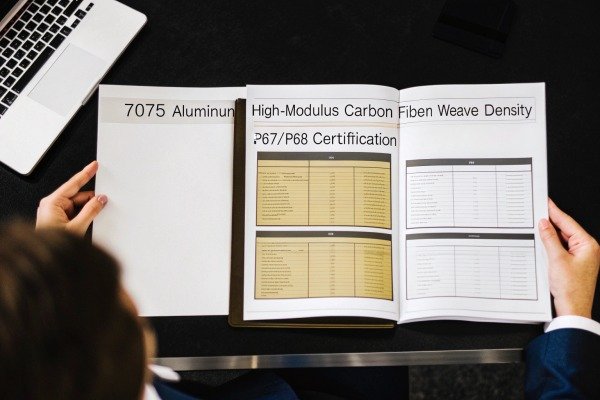
Sie müssen Lieferanten Materialspezifikationen wie 7075 Aluminium oder die Webdichte von Kohlefaser mit hohem Modul anfordern, um die strukturelle Integrität zu gewährleisten. Fordern Sie spezifische Schutzart (IP)-Bewertungen, kontinuierliche Hitzetoleranzdaten und Testberichte von Drittanbietern an, die die Leistung unter extremen Wind- und thermischen Bedingungen bestätigen.
Lassen Sie uns die kritischen Fragen untersuchen, die Sie stellen müssen, um sicherzustellen, dass Ihre Flotte die Hitze übersteht.
Welche spezifischen Details sollte ich über die Kohlefaserverbundwerkstoffe anfordern, um hohe Festigkeit und geringes Gewicht zu gewährleisten?
Wir lehnen oft billigere Kohlefaserplatten ab, die identisch aussehen, aber unter Last brechen. Hochwertige Verbundwerkstoffe sind unerlässlich, um die Nutzlastkapazität mit der Flugdauer auszugleichen.
Fragen Sie speziell nach der Kohlefaserqualität, der Webdichte und der Harzart, die bei der Konstruktion der Flugzeugzelle verwendet werden. Fordern Sie Daten zur Zugfestigkeit und die Bestätigung von Materialien in Luft- und Raumfahrtqualität an, um sicherzustellen, dass die Drohne ein optimales Verhältnis von Festigkeit zu Gewicht für schwere Brandbekämpfungslasten bietet.

Wenn wir Materialien für unsere Produktionslinie beziehen, wissen wir, dass "Kohlefaser" ein Oberbegriff ist, der schlechte Qualität verbergen kann. Viele Lieferanten geben möglicherweise einfach an, dass ihre Drohnen aus Kohlefaser bestehen, aber dies sind nicht genügend Informationen für einen Einkaufsmanager. Kohlefaser 2 Um sicherzustellen, dass Sie ein langlebiges Produkt erhalten, müssen Sie tiefer in die Spezifikationen des Verbundwerkstoffs eintauchen Verbundwerkstoffe 3 Materialien.
Die Bedeutung von Harztemperaturangaben
Die Faser selbst sorgt für Festigkeit, aber das Harz hält sie zusammen. Bei Brandbekämpfungsszenarien können Standardharze bei relativ niedrigen Temperaturen erweichen, was zu strukturellem Versagen führt. Strukturelles Versagen 4 Sie sollten Ihren Lieferanten fragen, ob er Hochtemperatur-Epoxidharze verwendet. Standardharze können bereits bei Temperaturen von 60 °C bis 80 °C ihre strukturelle Integrität verlieren. Für Feuerlöschzwecke benötigen Sie Harze, die deutlich höheren Umgebungstemperaturen standhalten, ohne sich abzulösen.
Webdichte und Dicke
Das Gewebe der Kohlefaser bestimmt, wie sie Belastungen standhält. Ein Gewebe mit höherem Modul bietet größere Steifigkeit, was entscheidend ist, wenn schwere Nutzlasten wie Feuerlöschbälle oder schwere Zoomkameras transportiert werden. Wenn die Arme zu stark nachgeben, verwirrt dies den Flugregler und verursacht Instabilität. Fragen Sie nach der Wandstärke der Kohlefaserrohre. Ein Rohr mag dick aussehen, aber wenn es hauptsächlich aus Harz und wenig Faser besteht, wird es spröde sein.
Hier ist eine Vergleichstabelle, die Ihnen bei der Bewertung der Antworten von Lieferanten bezüglich Materialien hilft:
| Materialtyp | Profis | Nachteile | Wichtige Frage |
|---|---|---|---|
| Standard-Kohlefaser | Leicht, günstig | Geringe Hitzebeständigkeit, spröde | "Was ist die Glasübergangstemperatur (Tg) des verwendeten Harzes?" |
| Luft- und Raumfahrt-Kohlefaser | Hohe Steifigkeit, hitzebeständig | Teuer | "Können Sie das Datenblatt für den Zugmodul bereitstellen?" |
| 7075 Luftfahrtaluminium | Extrem langlebig, vorhersehbares Versagen | Schwerer als Kohlefaser | "Ist der Rahmen eine Aluminiumlegierung 6061 oder 7075?" |
| Hybrid (Kohlefaser + Al) | Bestes Gleichgewicht von Gewicht/Stärke | Verbindungspunkte können versagen | "Wie werden die Metall-zu-Kohlenstoff-Verbindungen verbunden und getestet?" |
Indem Sie diese spezifischen Fragen stellen, signalisieren Sie dem Lieferanten, dass Sie die Ingenieurskunst hinter dem Produkt verstehen. Dies entmutigt ihn oft, minderwertige Konfigurationen anzubieten.
Wie frage ich Lieferanten nach dem Nachweis, dass die Flugzeugzelle hohen Temperaturen und rauen Wetterbedingungen standhält?
Unsere Wärmekammern laufen ununterbrochen, um Infernos zu simulieren, da Standardkunststoffe sofort verrotten. Sie benötigen die Gewissheit, dass sich Ihre Drohne in der Nähe eines Feuers nicht verformt.
Fordern Sie Berichte über thermische Zyklustests und Delaminationsschwellen für Verbundteile an, um die Hitzebeständigkeit zu überprüfen. Fordern Sie Videobeweise von Windkanaltests bis Stufe 7 und Zertifikate über die Schutzart (IP) an, um die Widerstandsfähigkeit gegen Rauch, Regen und Asche nachzuweisen.
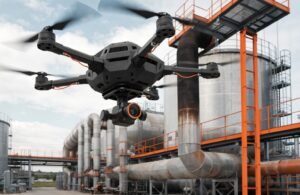
Brandbekämpfungsumgebungen gehören zu den feindlichsten Orten für jede elektronische Ausrüstung. Es geht nicht nur um die Hitze; es geht um die Kombination von Hitze, Wasser, Rauch und leitfähigen Partikeln. leitfähige Partikel 5 Wenn wir unsere Systeme entwickeln, müssen wir plötzliche Temperaturänderungen berücksichtigen – vom kalten Feuerwehrauto zu einem sengend heißen Aufwind.
IP-Schutzarten im Kontext verstehen
Lieferanten prahlen oft mit IP-Schutzarten, aber Sie müssen überprüfen, was diese Schutzarten tatsächlich abdecken. IP-Einstufungen 6 Eine IP54-Bewertung kann Wasserspritzer abhalten, aber sie hält möglicherweise keine feinen Rußpartikel zurück. Ruß ist leitfähig und kann interne Elektronik kurzschließen, wenn die Zelle nicht richtig abgedichtet ist. Wir empfehlen, für Feuerwehrdrohnen mindestens IP65 oder IP67 anzufordern. Brandbekämpfungsdrohnen 7
Wärmeausdehnungs-Fehlanpassungen
Ein versteckter Killer von Drohnenzellen ist der Unterschied in der Wärmeausdehnung zwischen den Materialien. Kohlefaser dehnt sich bei Hitze sehr wenig aus, während Aluminium mehr. Wenn eine Drohne Aluminiumverbindungen hat, die mit Kohlenstoffrohren verklebt sind, kann hohe Hitze dazu führen, dass der Klebstoff reißt und die Verbindungen sich lösen. Sie sollten den Lieferanten fragen, wie er diese Fehlanpassung des "thermischen Ausdehnungskoeffizienten" handhabt. Verwenden sie zusätzlich zum Klebstoff mechanische Befestigungselemente (Schrauben/Nieten)?
Strahlungswärme vs. Umgebungswärme
Es gibt einen Unterschied zwischen der Lufttemperatur und der Strahlungswärme, die von einem Feuer ausgeht. Strahlungswärme kann Kunststoffteile schmelzen, auch wenn die Luft kühl ist. Fragen Sie, ob die Zelle wärmeabschirmende Materialien oder reflektierende Beschichtungen enthält.
Verwenden Sie diese Checkliste, wenn Sie Lieferanten zur Umweltdauerhaftigkeit befragen:
- Windwiderstand: Akzeptieren Sie nicht einfach "Stufe 7". Fordern Sie eine Grafik an, die die Stabilität bei verschiedenen Windgeschwindigkeiten zeigt.
- Regentest: Fragen Sie, ob sie mit Hochdruckstrahlen (simuliert Feuerwehrschläuche) oder nur mit sanftem Regen testen.
- Korrosion: Löschschaum ist ätzend. Fragen Sie, ob die Metallteile eloxierte Beschichtungen haben, um chemischer Korrosion zu widerstehen.
- Betriebsbereich: Stellen Sie sicher, dass der getestete Bereich von -20 °C bis mindestens 50 °C abgedeckt ist.
Welche Daten zu Schlagfestigkeit und Lasttests sollte ich vor Abschluss des Kaufs anfordern?
Wir testen Prototypen wiederholt auf Abstürze, da Ausfälle des Fahrwerks im Einsatz kostspielig sind. Eine Feuerlöschdrohne muss raue Landungen und Aufprall von Trümmern überstehen, ohne zu zerbrechen.
Fordern Sie Ergebnisse von Falltests aus bestimmten Höhen und Daten zur Durchbiegung der Nutzlast über längere Flugdauern an. Erkundigen Sie sich nach Ermüdungsprüfungen der Struktur und fordern Sie Nachweise an, die zeigen, dass die Zelle unter maximaler Last steif bleibt, um gefährliche Schwingungen während kritischer Einsätze zu verhindern.

Im Einsatz landen Piloten nicht immer sanft. Manchmal müssen sie die Drohne schnell auf unebenem Gelände absetzen, oder die Drohne könnte einen Ast streifen. Wenn die Zelle zu spröde ist, wird ein kleiner Unfall zu einem Totalverlust. Wir betonen gegenüber unseren Kunden, dass die Schlagfestigkeit genauso wichtig ist wie die Flugzeit.
Der Standard für Falltests
Es gibt keinen universellen Standard für Drohnen-Falltests wie bei Handys, daher müssen Sie spezifisch sein. Fragen Sie den Lieferanten: "Aus welcher Höhe kann diese Drohne auf Beton fallen gelassen werden, ohne strukturell zu versagen?" Eine robuste Industriedrohne sollte einen Sturz von mindestens 0,5 bis 1 Meter auf ihr Fahrwerk überstehen. Wenn sie diesen Test nicht durchgeführt haben, ist das ein Warnsignal.
Tragfähigkeit und Armdurchbiegung
Wenn eine Drohne eine schwere Nutzlast trägt, biegen sich die Arme aufgrund des Schubs der Motoren nach oben. Wenn sie sich zu stark biegen, können die Propeller den Drohnenkörper berühren oder die Flugdynamik wird instabil. Wir messen diese "Durchbiegung" in Millimetern. Sie sollten Daten zur Armdurchbiegung bei maximalem Startgewicht anfordern.
Ermüdungsprüfung
Aluminium biegt sich, aber Kohlefaser ermüdet anders. Mikrorisse können sich im Laufe der Zeit durch Vibrationen bilden. Dies ist mit bloßem Auge nicht sichtbar, führt aber zu plötzlichem Versagen. Fragen Sie den Lieferanten, ob er Vibrationsausdauertests durchführt. Vibrationsausdauertest 8 Dies beinhaltet das Rütteln des Drohnenrahmens auf einer Maschine über Hunderte von Stunden, um jahrelange Nutzung zu simulieren.
Hier ist eine Aufschlüsselung der Tests, auf die Sie in ihren Berichten achten sollten:
| Test Typ | Zweck | Was zu beachten ist |
|---|---|---|
| Statischer Belastungstest | Misst die Armfestigkeit | Die Arme sollten sich unter Volllast nicht mehr als 5 mm biegen. |
| Falltest | Simuliert raue Landungen | Das Fahrwerk bleibt aus 1 m Höhe intakt. |
| Vibrationstest | Prüft die Ermüdungslebensdauer | Keine losen Schrauben oder Risse nach über 100 Stunden. |
| Zugversuch | Prüft die Materialqualität | Bestätigt die Angaben zur Kohlefaserqualität. |
Wie kann ich feststellen, ob die Drohnenstruktur für langfristige Haltbarkeit und einfache Feldwartung ausgelegt ist?
Unser Serviceteam weiß, dass modulare Designs Missionen retten, wenn Sekunden zählen. Komplizierte Reparaturen halten wertvolle Vermögenswerte am Boden, während Brände weiter brennen.
Fragen Sie Lieferanten nach der Modularität von Armen und Fahrwerken für schnelle Feldwechsel. Fordern Sie die Daten zur mittleren Ausfallzeit zwischen Ausfällen (MTBF) an und prüfen Sie, ob das Design einen einfachen Zugang zu internen Komponenten ermöglicht, ohne die schützende Abdichtung des Flugwerks zu beeinträchtigen.

Haltbarkeit bedeutet nicht nur, nicht kaputt zu gehen; es geht darum, wie schnell Sie es reparieren können, wenn es doch passiert. Nach unserer Erfahrung mit Exportkunden ist die größte Frustration, wochenlang auf einen Ersatzarm zu warten. Ein gut konstruiertes Flugwerk ermöglicht modulare Reparaturen.
Modularität vs. Integration
Einige Drohnen sind als "Monocoque" (einschalig) gebaut einschalige 9 Schale). Diese sind stark, aber nicht zu reparieren. Wenn ein Arm bricht, ersetzen Sie die gesamte Drohne. Für die Brandbekämpfung empfehlen wir modulare Bauweisen, bei denen Arme, Fahrwerk und Motorhalterungen verschraubt und nicht nur verklebt sind. Fragen Sie den Lieferanten: "Wenn ein Arm bricht, kann ich ihn im Feld mit Standardwerkzeugen ersetzen, oder muss er zur Fabrik zurückgeschickt werden?"
Haltbarkeit der Steckverbinder
Die Haltbarkeit der Zelle erstreckt sich auch auf die elektrischen Steckverbinder, die in den Rahmen integriert sind. Wenn sich die Arme falten (was für den Transport üblich ist), verdrehen und drehen sich die Kabel im Inneren. Mit der Zeit verschleißt dies die Isolierung. Fragen Sie nach der Zyklenlebensdauer des Klappmechanismus. Ein gutes Scharnier sollte für Tausende von Klappzyklen ausgelegt sein.
Wartungszugang
Fragen Sie schließlich nach dem Zugang zum Flugregler und zu den elektronischen Drehzahlreglern (ESCs). elektronischen Drehzahlregler 10 In einem abgedichteten, wasserdichten Rahmen sind diese oft tief im Inneren vergraben. Ein intelligentes Design verwendet eine Klappe mit einer hochwertigen Dichtung. Dies ermöglicht es Ihnen, die Drohne zur Inspektion zu öffnen, ohne die wasserdichte Dichtung zu zerstören.
Checkliste für wichtige Wartungsfragen
- Ersatzteilverfügbarkeit: "Verkaufen Sie einzelne Zellekomponenten wie Arme und Fahrwerk separat?"
- Werkzeuge: "Erfordert der Austausch eines Motorarms Spezialwerkzeuge?"
- Klebegarantie: "Bieten Sie eine Garantie speziell gegen das Versagen von Kohlenstoff-Aluminium-Bindungen an?"
- MTBF: "Wie hoch ist die mittlere Betriebsdauer zwischen Ausfällen für den Faltmechanismus?"
Schlussfolgerung
Eine gründliche Prüfung der Materialien stellt sicher, dass Ihre Investition die Flammen übersteht. Stellen Sie noch heute die richtigen Fragen, um eine zuverlässige Flotte für die Notfälle von morgen zu sichern.
Fußnoten
1. Maßgebliche technische Ressource, die erklärt, wie sich verschiedene Materialien bei Temperaturänderungen ausdehnen und zusammenziehen. ︎
2. Bietet allgemeine Hintergrundinformationen zu den Eigenschaften und der Herstellung von Kohlefaserwerkstoffen. ︎
3. Technische Spezifikationen eines führenden Herstellers von Hochleistungs-Kohlefaser- und Verbundwerkstoffen. ︎
4. Akademische Forschung zur Mechanik und Verhinderung von Strukturversagen in Verbundstrukturen. ︎
5. Offizielle Informationen zu Partikeln und leitfähiger Ruß, die elektronische Systeme beeinträchtigen können. ︎
6. Die offizielle Definition und die Normen der International Electrotechnical Commission für Schutzarten (Ingress Protection). ︎
7. Offizielle NIST-Forschung zur Bereitstellung und Prüfung von UAS in Brandbekämpfungsumgebungen. ︎
8. Internationale Norm für Umweltprüfungen von Geräten, insbesondere in Bezug auf Vibrationen und mechanische Belastungen. ︎
9. Erklärt das Strukturkonzept des Monocoque-Designs im Vergleich zur modularen Flugwerkkonstruktion. ︎
10. Technische Dokumentation eines großen Herstellers über die Leistung von Drohnenantriebs- und Steuerungssystemen. ︎

 English
  Español de México
  Deutsch
  Français
  Русский
  العربية
Comments
No comments yet. Be the first to share your thoughts!
Leave a Comment