Welche Marketingmaterialien benötige ich von Lieferanten, um das Produkt in den USA zu bewerben, wenn ich Feuerlöschdrohnen beziehe?
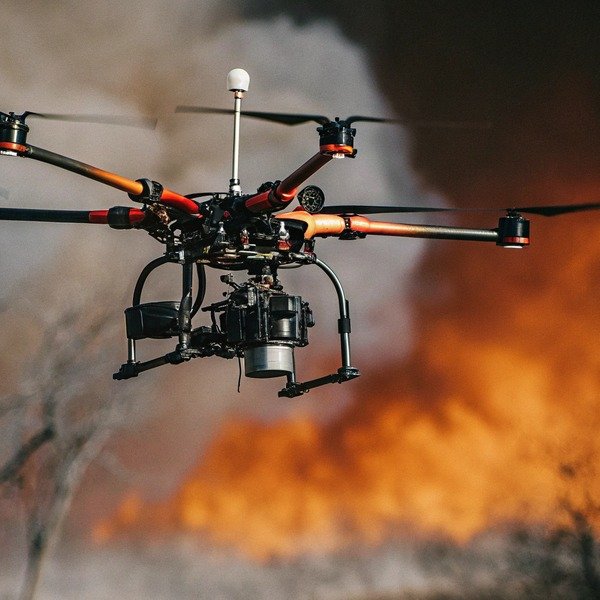
Wenn wir das Design eines neuen Octocopters in unserer Anlage in Xi'an fertigstellen neuer Octocopter 1, wissen wir, dass überlegene Hardware allein in den Vereinigten Staaten keine Geschäfte abschließt. Es kann frustrierend sein, eine Hochleistungsmaschine zu haben, die sich einfach nicht verkauft, weil die begleitende Dokumentation einen risikoscheuen Feuerwehrchef nicht überzeugt. Ohne den richtigen Beweis ist selbst die beste Drohne in den Augen eines Beschaffungsbeamten nur ein teures Spielzeug.
Um Feuerlöschdrohnen in den USA effektiv zu bewerben, müssen Lieferanten unveröffentlichtes Wärmebildmaterial, detaillierte 4K-Optik-Zoom-Demos und umfassende technische Datenblätter, die IP-Schutzarten und Nutzlastkapazitäten bestätigen, bereitstellen. Darüber hinaus sind NDAA-Konformitätserklärungen, NIST-Leistungsberichte und bearbeitbare White-Label-Broschüren unerlässlich, um strenge staatliche Beschaffungsstandards zu erfüllen.
Untersuchen wir die spezifischen Vermögenswerte, die Sie von Ihrem Fertigungspartner verlangen sollten, um diese wettbewerbsfähigen Verträge zu sichern.
Welche hochwertigen Videodemonstrationen und Produktfotos sollte ich für meine Website anfordern?
Unser Marketingteam sieht häufig, wie Distributoren Schwierigkeiten haben, Fuß zu fassen, weil sie sich auf generische, computergenerierte Bilder verlassen und nicht auf reale Beweise. Wenn Sie einer Feuerwehr nicht genau zeigen können, wie der Sensor durch dichten Rauch dringt, wird sie Ihren Vorschlag wahrscheinlich zugunsten eines etablierteren Wettbewerbers ignorieren.
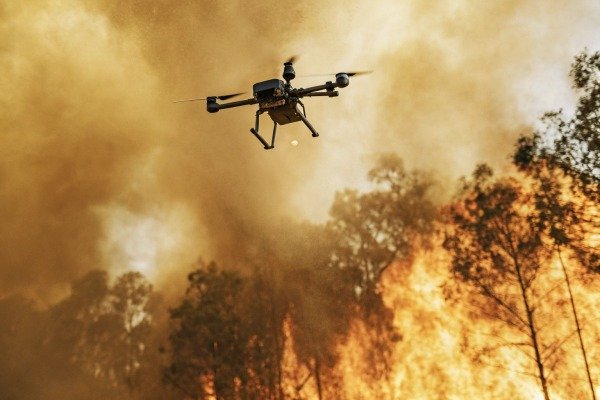
Fordern Sie unveröffentlichte 4K-Videoclips an, die die Genauigkeit des Wärmesensors im Rauch und die Klarheit des optischen Zooms aus großer Höhe demonstrieren. Sie benötigen auch hochauflösende 360-Grad-Produkt-Renderings und Rohmaterial von der Flugstabilität bei starkem Wind, um skeptische Feuerwehren von der betrieblichen Zuverlässigkeit zu überzeugen.
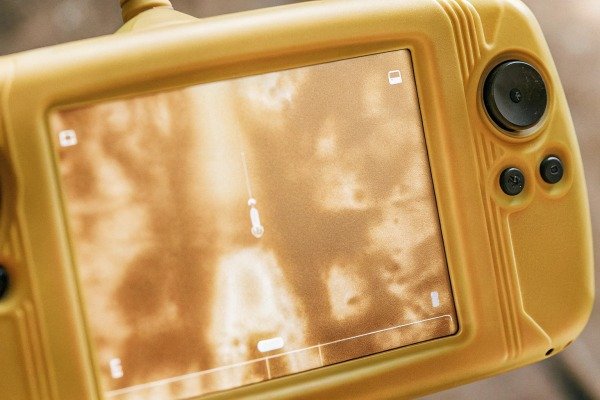
Die Macht des visuellen Beweises im öffentlichen Sektor
Auf dem US-Markt arbeiten Feuerwehrleute und Sicherheitsbeamte nach der Philosophie "Vertrauen, aber überprüfen". Wenn wir mit unseren US-Partnern zusammenarbeiten, stellen wir fest, dass polierte, filmische Trailer oft schlechter abschneiden als rohes, authentisches Filmmaterial. Käufer möchten das Werkzeug unter hässlichen, realen Bedingungen arbeiten sehen, nicht in einer sterilisierten Studioumgebung.
Sie müssen Ihren Lieferanten um rohe Videodateien (wenn möglich im LOG-Format) bitten, die den Übergang von RGB (visuell) zu Thermal (IR) Modi zeigen. Thermal (IR) Modi 2 Dies ist entscheidend, um zu demonstrieren, wie schnell ein Pilot einen Hotspot identifizieren kann. Darüber hinaus ist Stabilitätsmaterial nicht verhandelbar. Feuerlöschdrohnen operieren oft in den starken Aufwinden, die durch Brände entstehen. Sie sollten unveröffentlichte Clips anfordern, in denen die Drohne bei Windgeschwindigkeiten von über 12 m/s (ca. 27 mph) schwebt. Wenn das Gimbal wackelt oder der Horizont abdriftet, ist das Filmmaterial für einen professionellen Käufer nutzlos.
Wesentliche visuelle Assets Checkliste
Um eine Website mit hoher Konversionsrate zu erstellen, muss Ihre Medienbibliothek vielfältig sein. Es reicht nicht aus, nur den Drohnenflug zu zeigen; Sie müssen die Ergebnisse des Fluges zeigen. Nachfolgend finden Sie eine Checkliste der spezifischen visuellen Assets, die Sie von Ihrem Lieferanten erhalten sollten, bevor Sie Ihre Kampagne starten.
| Asset-Typ | Technische Anforderung | Zweck für US-Käufer |
|---|---|---|
| Thermalsensor-Demo | 640×512 Auflösung, 30Hz Bildwiederholrate | Beweist die Fähigkeit, durch Rauch zu sehen und Hotspots zu erkennen. |
| Optischer Zoom-Test | 4K-Video, 30x Hybrid-Zoom | Zeigt die Fähigkeit, Gefahrstoffschilder aus sicherer Entfernung zu lesen. |
| Windwiderstands-Clip | Ununterbrochenes 60-Sekunden-Schweben bei starkem Wind | Validiert die Flugstabilität für konsistente Datenerfassung. |
| 360°-Produkt-Spin | Transparenter Hintergrund PNG-Sequenz | Ermöglicht es Webbesuchern, die Qualität der Flugzeugzelle zu beurteilen. |
| Geschwindigkeit des Einsatzes | Zeitraffer- oder Echtzeit-Setup-Video | Beweist, dass das System in weniger als 2 Minuten flugfähig ist. |
Hochauflösende statische Bilder
Über Videos hinaus benötigen Sie spezifische Fotografien. Akzeptieren Sie keine JPEGs mit niedriger Auflösung. Fordern Sie hochauflösende Bilder an, die die Anschlüsse, Akkuschließmechanismen und die Nutzlastabwurfsysteme (wie z. B. Abwurfsysteme für Feuerlöschbälle) zeigen. US-Wartungspersonal beurteilt anhand dieser Fotos die Haltbarkeit. Sie möchten Kohlefasergeflecht, robuste Anschlüsse und wetterfeste Verbindungen sehen. Wenn Ihre Fotos unscharf oder bearbeitet aussehen, weckt dies Misstrauen hinsichtlich der Verarbeitungsqualität.
Welche technischen Datenblätter und Leistungsberichte sind für US-Feuerwehren entscheidend?
Unsere Ingenieure generieren während der Testphase Terabytes an Flugdaten, aber wir wissen, dass Rohprotokolle für die meisten Käufer überwältigend sind. Wenn Sie ein verwirrendes Durcheinander von Zahlen präsentieren, werden Beschaffungsmanager Ihr Angebot wegen mangelnder Klarheit bei kritischen Kennzahlen wie der Flugzeit unter Last ablehnen.
Kritische Dokumente umfassen detaillierte Spezifikationsblätter mit Angabe der maximalen Nutzlastkapazität, der Akkulaufzeit unter Last und bestätigter IP-Schutzarten für Wasser- und Staubbeständigkeit. Sie müssen auch Hitzebeständigkeitsdaten und Windtoleranzberichte vorlegen, um zu demonstrieren, dass die Drohne extremen Waldbrandumgebungen standhält.
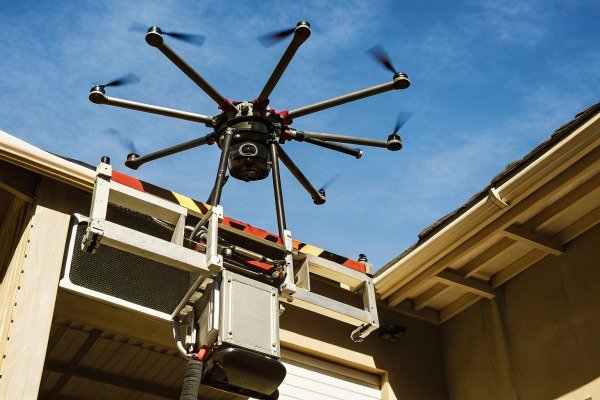
Spezifikationen für Regierungsangebote entschlüsseln
In den Vereinigten Staaten kaufen Feuerwehren Ausrüstung oft über formelle Ausschreibungsverfahren oder Zuschüsse wie den FEMA Assistance to Firefighters Grant (AFG). FEMA Assistance to Firefighters Grant 3 Diese Anträge erfordern präzise technische Daten. Vage Behauptungen wie "lange Flugzeit" sind inakzeptabel. Sie benötigen ein Dokument, das ausdrücklich "35 Minuten Flugzeit mit 5 kg Nutzlast" angibt."
Wir empfehlen, Ihren Lieferanten nach einem "Technical Data Package" (TDP) zu fragen, das Leistungsdiagramme enthält. Beispielsweise ist ein Diagramm, das den Zusammenhang zwischen Nutzlastgewicht und Akkulaufzeit zeigt, äußerst überzeugend. Es hilft dem Planungsbeauftragten der Abteilung zu verstehen, wie lange die Drohne mit einer schweren Wärmebildkamera im Vergleich zu einem leichteren Scheinwerfer in der Luft bleiben kann.
Hitze- und Umgebungsbeständigkeit
Feuerbekämpfungsdrohnen sind Bedingungen ausgesetzt, die Unterhaltungselektronik schmelzen würden. Sie müssen Spezifikationen bezüglich des Betriebstemperaturbereichs angeben. Verwendet die Drohne hochtemperaturbeständige Materialien? Gibt es ein Kühlsystem für den Flugcontroller?
Darüber hinaus ist die Schutzart (IP-Schutzart) ein wichtiges Verkaufsargument. Schutzart IP (Ingress Protection) 4 Schutz gegen Eindringen 5 Eine Brandszene beinhaltet Wasserschläuche, Nebel und Asche. Eine Einstufung von IP54 ist der Mindeststandard, aber IP67 wird bevorzugt. Ihr Datenblatt muss diese Einstufung klar anzeigen, idealerweise untermauert durch einen Bericht eines Drittlabors.
Wichtige Leistungskennzahlen für die US-Beschaffung
Die folgende Tabelle beschreibt die spezifischen Datenpunkte, auf die US-Beschaffungsbeamte bei der Vergleiche von Drohnenmodellen achten. Stellen Sie sicher, dass Ihr Lieferant diese Daten in einem bearbeitbaren Format bereitstellt, damit Sie Einheiten (z. B. Meter in Fuß) für Ihr lokales Publikum umrechnen können.
| Metrisch | US-Standardpräferenz | Warum es wichtig ist |
|---|---|---|
| Schutz gegen Eindringen | IP54 oder höher | Schützt vor Schlauchwasser und leitfähiger Asche/Staub. |
| Datenübertragung | AES-256-Verschlüsselung | Obligatorisch für die Sicherheit; Videoübertragungen können nicht abgefangen werden. |
| Betriebstemperatur | -4°F bis 122°F (-20°C bis 50°C) | Gewährleistet Zuverlässigkeit bei Winterfrost und Waldbrandhitze. |
| Maximale Nutzlast | > 5 lbs (2,2 kg) | Muss professionelle Multi-Sensor-Gimbals oder Abwurfvorrichtungen tragen. |
| Windwiderstand | > 27 mph (12 m/s) | Betriebsfähigkeit während Sturmfronten oder Aufwinden. |
Benötige ich spezielle Sicherheitszertifizierungen und Compliance-Dokumentation, um das Vertrauen der Käufer zu stärken?
Wir verbringen Monate mit der Koordination mit Prüflaboren, da wir verstehen, dass sich die regulatorische Landschaft in den USA schnell gegen ausländische Technologie verschiebt. Der Verkauf nicht konformer Ausrüstung setzt Ihr Unternehmen rechtlichen Risiken aus und stellt sicher, dass Ihr Produkt von bundesstaatlichen oder staatlich finanzierten Projekten disqualifiziert wird.
Ja, Sicherheitszertifizierungen sind obligatorisch, um Vertrauen aufzubauen. Sie benötigen Dokumentationen, die die NDAA-Konformität nachweisen, um zu verifizieren, dass keine verbotenen Komponenten verwendet werden. Darüber hinaus benötigen Sie FCC-Zertifikate für Funkübertragungen, FAA Remote ID-Modul-Verifizierung und UN38.3-Batteriesicherheitstestberichte, um den legalen Betrieb zu gewährleisten.
Navigation in der NDAA-Landschaft
Der National Defense Authorization Act (NDAA) ist das wichtigste Thema National Defense Authorization Act (NDAA) 6 für Industriedrohnen National Defense Authorization Act 7 derzeit in den USA. Viele Bundesbehörden und Abteilungen, die Bundesmittel erhalten, dürfen keine Drohnen kaufen, die kritische Komponenten aus bestimmten aufgeführten Ländern enthalten.
Während unsere Produktionsbasis in China liegt, arbeiten wir mit Partnern zusammen, um Transparenz in der Lieferkette zu gewährleisten. Sie müssen Ihren Lieferanten nach einer "Component Breakdown Statement" oder einer NDAA-Konformitätserklärung fragen, wenn das Modell für diesen Markt bestimmt ist. Dieses Dokument besagt, dass kritische Komponenten wie die Flugsteuerungs-Chips oder Kommunikationsmodule von konformen Anbietern (oft aus den USA oder Taiwan) bezogen werden. Ohne dies ist Ihr Markt streng auf die Privatwirtschaft beschränkt, was Sie vom lukrativen staatlichen Sektor ausschließt.
FAA- und FCC-Anforderungen
Über die Geopolitik hinaus gibt es strenge Luftfahrtvorschriften. Die FAA verlangt, dass alle Drohnen über 250 g ein Remote ID-Signal aussenden. Entfernte ID 8 Remote ID-Signal 9 Ihr Lieferant muss eine Konformitätserklärung (Declaration of Compliance - DoC) vorlegen, die beweist, dass das Remote ID-Modul der Drohne von der FAA zugelassen ist. Wenn Sie eine Drohne ohne diese Zulassung importieren, können Ihre Kunden sie nicht legal im Freien fliegen.
Ebenso muss das Funksystem FCC-zertifiziert sein. Der US-Zoll kann Elektronik beschlagnahmen, die keine FCC-ID hat. Stellen Sie sicher, dass sowohl die Funkfernsteuerung als auch die Drohneneinheit über gültige FCC-Zertifizierungsetiketten und -dokumentationen verfügen.
Batteriestandardsicherheit
Der Versand von Lithiumbatterien ist gefährlich und stark reguliert. Um Drohnen in die USA zu importieren und sie dann per Boden- oder Luftfracht an Kunden zu versenden, benötigen Sie UN38.3-Prüfberichte. UN38.3 Testberichte 10 Diese Zertifizierung beweist, dass die Batterien Tests auf Höhensimulation, thermische Zyklen, Vibrationen und externe Kurzschlüsse bestanden haben.
Konformitätscheckliste für den US-Import
| Zertifizierung / Dokument | Ausstellende Behörde/Standard | Notwendigkeitsstufe |
|---|---|---|
| FCC-Genehmigung für die Ausrüstung | FCC (USA) | Obligatorisch für Funkübertragung. |
| Remote-ID-Erklärung | FAA (USA) | Obligatorisch für den Flug im Freien. |
| UN38.3 Testbericht | UN-Transportstandards | Obligatorisch für den Versand von Batterien. |
| NDAA-Konformitätserklärung | US-Regierungsliste | Kritisch für Regierungsverkäufe. |
| NIST-Testmethoden für Luftroboter | NIST | Empfohlen für Leistungsnachweise. |
Kann ich White-Label-Marketingmaterialien oder bearbeitbare Broschüren erhalten, um meine eigene Marke zu unterstützen?
Unsere OEM-Partner fordern häufig bearbeitbare Dateien an, da sie ihre eigene Markenautorität im lokalen Markt etablieren möchten. Wir glauben, dass Ihre Marke im Mittelpunkt stehen sollte, wenn Sie sich einem Stadtrat präsentieren. Deshalb unterstützen wir die Bereitstellung von Quelldateien, die Sie anpassen können.
Lieferanten sollten vollständig bearbeitbare Quelldateien für Broschüren, Benutzerhandbücher und Schulungsleitfäden bereitstellen. Dies ermöglicht es Ihnen, Ihr Branding einzufügen, die Sprache für US-Terminologie anzupassen und spezifische Servicepakete wie Wartung oder Schulung hervorzuheben, ohne den ursprünglichen ausländischen Hersteller preiszugeben.
Die Bedeutung von Quelldateien
Der Erhalt einer PDF-Datei reicht nicht aus. Sie können keinen Tippfehler korrigieren, keine Maßeinheit von "Metern" in "Fuß" ändern oder das Logo des Herstellers durch Ihr eigenes ersetzen. Sie müssen die "Quelldateien" anfordern – normalerweise Adobe InDesign (.indd), Illustrator (.ai) oder Photoshop (.psd) Dateien.
Mit diesen Dateien können Sie das Marketing "amerikanisieren". Beispielsweise klingen direkte Übersetzungen aus dem Chinesischen ins Englische oft steif oder technisch. Durch die Bearbeitung des Quelltextes können Sie den Text so umschreiben, dass er klingt, als wäre er von einem US-Feuerwehrchef für einen US-Feuerwehrchef geschrieben worden. Sie können auch generische Stockfotos durch die spezifischen Demofotos ersetzen, die Sie lokal aufgenommen haben.
Schulungsmaterialien und Handbücher
Einer der größten Schmerzpunkte für US-Käufer ist die mangelhafte Dokumentation. Wenn eine Feuerwehr eine Drohne für 20.000 € kauft, erwartet sie eine klare und professionelle Bedienungsanleitung. Bitten Sie Ihren Lieferanten um die Word-Dokumente der Benutzerhandbücher.
Dies ermöglicht es Ihnen, eine "Schnellstartanleitung" mit Ihrem Logo zu erstellen. Sie können Ihre lokale Support-Telefonnummer und E-Mail-Adresse direkt in das Handbuch einfügen. Dies schafft nicht nur Vertrauen, sondern stellt auch sicher, dass der Kunde bei Bedarf anruft Sie, nicht die Fabrik in China. Diese Kontrolle über die Kundenbeziehung ist entscheidend für wiederkehrende Einnahmen aus Ersatzteilen und Reparaturen.
Fallstudien und ROI-Rechner
Bitten Sie abschließend den Lieferanten, ob er "anonymisierte" Fallstudien hat. Wir haben oft Daten, die zeigen, wie unsere Drohnen bei Waldbränden Zeit gespart oder bei der Suche nach vermissten Personen geholfen haben. Sie können diese Rohdaten nehmen und in eine Fallstudie mit Ihrem Branding umwandeln.
Darüber hinaus ist ein ROI-Rechner (Return on Investment) ein leistungsstarkes Verkaufsinstrument. Fordern Sie die Rohdaten zu Batteriezuständen und Wartungskosten an. Sie können dann eine einfache Tabellenkalkulation für Ihre Kunden erstellen, die ihnen zeigt, wie viel günstiger die Nutzung einer Drohne für die Luftüberwachung ist als der Einsatz eines bemannten Hubschraubers.
Schlussfolgerung
Die Beschaffung der Hardware ist nur der erste Schritt beim Aufbau eines erfolgreichen Drohnengeschäfts in den USA. Um den Markt für Feuerwehren wirklich zu durchdringen, müssen Sie von Ihrem Lieferanten eine umfassende Palette an Marketing- und technischen Ressourcen verlangen. Durch die Sicherung hochwertiger Wärmebilder, präziser technischer Datenpakete, überprüfbarer Sicherheitszertifizierungen und bearbeitbarer White-Label-Dokumente rüsten Sie Ihr Verkaufsteam mit den notwendigen Mitteln aus, um Vertrauen aufzubauen und Regierungsaufträge zu gewinnen.
Fußnoten
1. Wikipedia-Eintrag, der die Multirotor-Konfiguration für das Design von Feuerlöschdrohnen definiert. ︎
2. Technischer Leitfaden eines führenden Sensorherstellers, der Wärmebildmodi für die öffentliche Sicherheit erklärt. ︎
3. Offizielle Regierungsseite für das spezifische Förderprogramm. ︎
4. Offizielle internationale Standardisierungsorganisation, die IP-Schutzarten definiert. ︎
5. Internationaler Standard für Ingress Protection-Schutzarten, der zur Bewertung der Haltbarkeit von Drohnen in nassen/staubigen Umgebungen verwendet wird. ︎
6. Offizielle staatliche Erklärung zur Gesetzgebung. ︎
7. Wikipedia-Übersicht über die Gesetzgebung, die die Beschaffung von Drohnen und die Einhaltung von Lieferkettenvorschriften in den USA betrifft. ︎
8. Offizielle FAA-Seite, die die Anforderungen an die Fernidentifizierung (Remote ID) darlegt. ︎
9. FAA-Regulierungsseite, die die Anforderungen an die Fernidentifizierung (Remote ID) für den Drohnenbetrieb in den USA erläutert. ︎
10. Branchenautorität für Versandvorschriften für Lithiumbatterien. ︎
 English
  Español de México
  Deutsch
  Français
  Русский
  العربية
Schreibe einen Kommentar