1. Wenn ich Feuerlöschdrohnen aus China importiere, wie sollte ich deren Vorteile meinen Endkunden präsentieren?
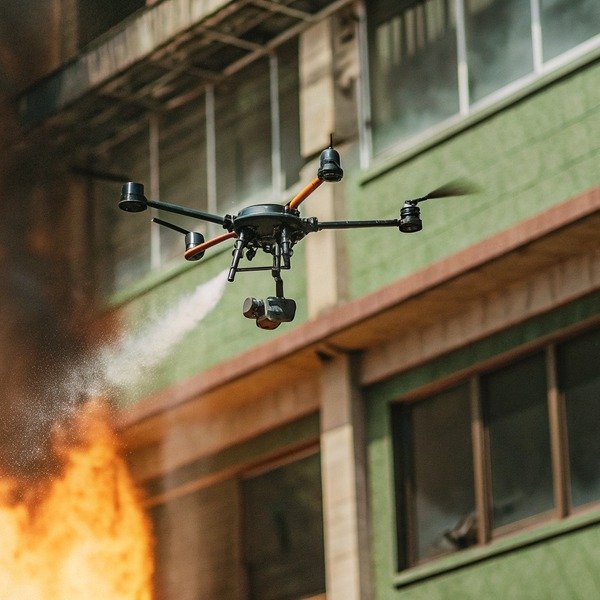
Wenn wir in unserer Zentrale in Xi'an Flugsteuerungen entwickeln, hören wir oft von Händlern, wie sie unsere Technologie skeptischen westlichen Feuerwehrchefs präsentieren sollen, die Sicherheit über alles andere stellen. Feuerwehrchefs 1 über alles andere.
Um chinesische Feuerwehrdrohnen effektiv zu präsentieren, konzentrieren Sie sich auf das überlegene Preis-Leistungs-Verhältnis, das größere Flottenbeschaffungen ermöglicht, demonstrieren Sie die modulare Nutzlastflexibilität für verschiedene Brandklassen und heben Sie die bewährte Zuverlässigkeit in Hochwärmezonen hervor. Betonen Sie die luftgetrennte Datensicherheit und die lokale Ersatzteilverfügbarkeit, um Bedenken hinsichtlich der Einführung ausländischer Technologie zu überwinden.
Hier erfahren Sie, wie Sie Einwände systematisch entkräften und lukrative Regierungsaufträge gewinnen können.
Welche technischen Schlüsselmerkmale sollte ich hervorheben, um Verträge mit lokalen Feuerwehren zu gewinnen?
Unser Ingenieurteam stimmt unsere Oktokopter speziell auf schnelle Einsatzbereitschaft ab, da wir wissen, dass jede Sekunde zählt, wenn Ihre Kunden städtische Brände oder Chemikalienverschüttungen bekämpfen.
Betonen Sie das modulare Nutzlastsystem, das einen schnellen Wechsel zwischen Wärmebildkameras, Pulverlöscher und angebundenen Schlauchaufsätzen ermöglicht. Heben Sie die Integration von KI-gestützter Hinderniserkennung und Nachtsichtfähigkeiten hervor, die einen sicheren Betrieb in komplexen, rauchgefüllten Umgebungen gewährleisten, in die herkömmliche Drehleitern nicht vordringen können.
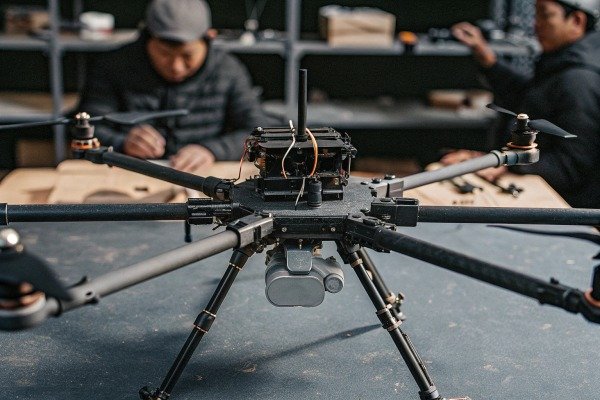
Um einen Vertrag mit einer lokalen Feuerwehr zu gewinnen, müssen Sie das Gespräch über grundlegende Flugspezifikationen hinausführen. Feuerwehrchefs suchen nach taktischen Lösungen, nicht nur nach fliegenden Kameras. Bei der Entwicklung unserer SkyRover-Serie konzentrieren wir uns auf drei spezifische Bereiche, die unmittelbare Probleme auf Bodenebene lösen: das Konzept des "angebundenen Flughydranten", Multispektralvision und Nutzlastmodularität.
Der angebundene Flughydrant
Ihr stärkstes Verkaufsargument ist die Fähigkeit, die physischen Einschränkungen von Bodengeräten zu umgehen. Herkömmliche Drehleitern haben oft Schwierigkeiten, über das 10. Stockwerk hinauszureichen oder enge Gassen zu befahren. Unsere Schwerlast- Schwerlast-Oktokopter 2 Oktokopter können als "angebundene Flughydranten" vermarktet werden. Durch die Verbindung mit einer Wasserquelle am Boden über einen Hochdruckschlauch fungiert die Drohne als unendlich erweiterbare Düse. Dies ermöglicht es den Einsatzkräften, Brände in Hochhäusern kontinuierlich zu löschen, ohne zur Batterieladung landen zu müssen, da die Leitung auch Strom liefert.
Durch den Rauch sehen
Sicht ist der Hauptfeind bei einem Gebäudebrand. Wir rüsten unsere Drohnen mit Dual-Sensor-Gimbals aus, die über hochauflösende Wärmebildkameras verfügen thermische Zoomkameras 3 Bildgebung. Wärmebildtechnik 4 Sie sollten Ihren Kunden erklären, dass diese Technologie es dem Einsatzleiter ermöglicht, durch dichten, schwarzen Rauch zu "sehen". Sie können den genauen Brandherd (den heißesten Punkt) identifizieren und, was noch wichtiger ist, Wärmesignaturen von eingeschlossenen Opfern oder desorientierten Feuerwehrleuten lokalisieren. Diese Situationserkennung rettet Leben und reduziert die Zeit, die Einsatzkräfte in Gefahrenzonen verbringen.
Modulare Nutzlast-Vielseitigkeit
Betonen Sie abschließend, dass sie kein Einwegwerkzeug kaufen. Unsere Schnellwechselhalterungen ermöglichen es der Drohne, sich an die Mission anzupassen. In den ersten fünf Minuten ist sie ein Aufklärer mit einer Wärmebildkamera. Zehn Minuten später transportiert sie Feuerlöschbälle oder einen Pulverlöscher für Chemiebrände, bei denen Wasser gefährlich ist. Diese Flexibilität macht die Investition über verschiedene Abteilungsbudgets hinweg gerechtfertigt.
Vergleich: Drohne vs. traditioneller Drehleiterwagen
| Merkmal | SkyRover Heavy-Lift Octocopter | Traditioneller Drehleiterwagen |
|---|---|---|
| Maximale vertikale Reichweite | 300+ Meter (unbegrenzt durch Ausleger) | ca. 30-40 Meter (100 Fuß) |
| Einrichtungszeit | < 3 Minuten (Aus dem Koffer entnehmen) | 10-15 Minuten (Positionieren & stabilisieren) |
| Zugangsfähigkeit | Enge Gassen, Dächer, Wälder | Beschränkt auf asphaltierte, breite Straßen |
| Risiko für die Besatzung | Null (Fernbetrieb) | Hoch (Personal auf der Leiter) |
| Kapitalkosten | $25.000 – $50.000 | $800.000 – $1.200.000 |
Wie kann ich die Zuverlässigkeit und Langlebigkeit chinesischer Drohnen in Umgebungen mit hoher Hitze nachweisen?
Wir testen unsere Fluggestelle in den sengenden Sommern von Chengdu, um sicherzustellen, dass die Materialien den extremen Temperaturen und Turbulenzen in der Nähe von aktiven Brandlinien standhalten.
Demonstrieren Sie Zuverlässigkeit, indem Sie Daten aus Belastungstests bei Temperaturen über 60 °C vorlegen und Fallstudien wie die Waldbrände in Chongqing teilen. Zeigen Sie den Einsatz von hochwertigen Kohlefaserverbundwerkstoffen und redundanten Flugsystemen, die auch bei Ausfall eines Motors während kritischer Einsätze Stabilität gewährleisten.
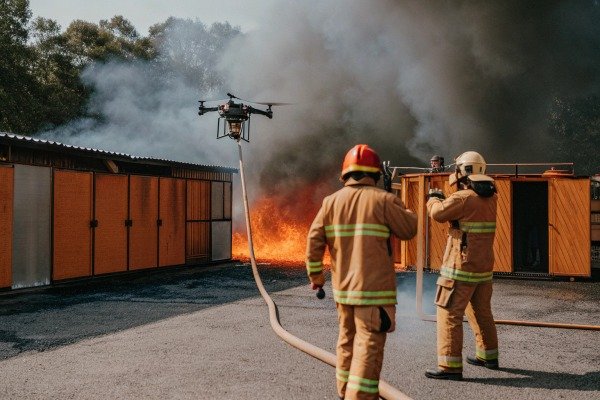
Zuverlässigkeit ist das wichtigste Anliegen westlicher Käufer, oft befeuert durch Missverständnisse über die "billige" Herstellung. Um dem entgegenzuwirken, müssen Sie sich auf Materialwissenschaft und reale Beweise verlassen. Wenn wir Materialien für unsere Feuerwehrlinie beschaffen, verwenden wir keine Standard-Kunststoffe für Verbraucher. Wir verwenden Kohlefaser in Luft- und Raumfahrtqualität und hochtemperaturbeständige Harze. Kohlefaser 5
Materialwissenschaft und Hitzebeständigkeit
Sie müssen dem Endkunden erklären, dass die Drohne so gebaut ist, dass sie der Umgebung, in der sie arbeitet, standhält. Unsere Propeller und Motorhalterungen sind getestet, um Strahlungswärme standzuhalten, die Standard-Quadrocopter schmelzen würde. Wir versiegeln auch unsere Flugsteuerungen und ESCs (Electronic Speed Controllers) gegen Partikel wie Ruß und Asche Feinstaub 6, die leitfähig sind und bei minderwertigen Maschinen Kurzschlüsse verursachen können. Indem Sie das Produkt als "Industriequalität" und nicht als "Verbraucherqualität" bezeichnen, trennen Sie unsere Geräte von den Spielzeugen, die sie online sehen könnten.
Der Redundanzfaktor
Feuerwehrleute fürchten Geräteausfälle mehr als Menschenmengen oder Besatzungen. Unser Oktocopter-Design ist beabsichtigt; es bietet eine Sicherheitsebene, die Quadrocopter nicht erreichen können. Wenn ein Motor aufgrund von Hitzestress oder Aufprall ausfällt, kompensiert der Flugalgorithmus sofort, sodass der Pilot sicher landen kann, anstatt abzustürzen. Diese "Fail-Safe"-Fähigkeit ist ein entscheidender Diskussionspunkt bei Sicherheitsschulungen.
Reale Beweise: Die Fallstudie Chongqing
Verlassen Sie sich nicht nur auf Spezifikationen. Wir empfehlen dringend, sich auf die Waldbrände in Chongqing 2022 zu beziehen. Bei dieser Katastrophe Waldbrände in Chongqing 7, waren chinesische Industriedrohnen (ähnlich den von Ihnen importierten Modellen) maßgeblich beteiligt. Sie transportierten Tausende Pfund an Vorräten und Löschmitteln auf steile Berge, die für Lastwagen unzugänglich und für Bodentrupps zu gefährlich waren. Die Vorführung von Aufnahmen oder Berichten von diesem Ereignis beweist, dass diese Technologie in Szenarien, die weitaus schlimmer sind als ein typischer Vorstadtbrand, praxiserprobt ist.
Hitzestress-Leistungsdaten
| Komponente | Standard-Drohnenlimit | SkyRover-Löschaufbau |
|---|---|---|
| Betriebstemperatur | 0°C bis 40°C | -20°C bis 65°C (Strahlungswärme >100°C) |
| Windwiderstand | 8-10 m/s (Stufe 5) | 15-18 m/s (Stufe 7) |
| Schutz gegen Eindringen | Keine / IP43 | IP55 (Regen- und Aschebeständig) |
| Stabilität der Datenverbindung | Fällt bei dichter Rauchinferferenz aus | Dreifach redundantes Frequenzsprungverfahren |
Wie kommuniziere ich effektiv das Kosten-Nutzen-Verhältnis im Vergleich zu heimischen Alternativen?
Bei Preisverhandlungen mit unseren Komponentenlieferanten optimieren wir jede Kostenposition, damit Sie Ihren Kunden ganze Flotten zum Preis einer einzelnen heimischen Einheit anbieten können.
Rahmen Sie das Wertversprechen nicht nur als geringere Hardwarekosten, sondern als totale operative Effizienz. Erklären Sie, dass Agenturen zum Preis einer westlichen Einheit eine Drei-Drohnen-Flotte einsetzen können: eine für die thermische Aufklärung, eine zum Löschen und eine als Ersatz, was ihre taktische Abdeckung erheblich vervielfacht.
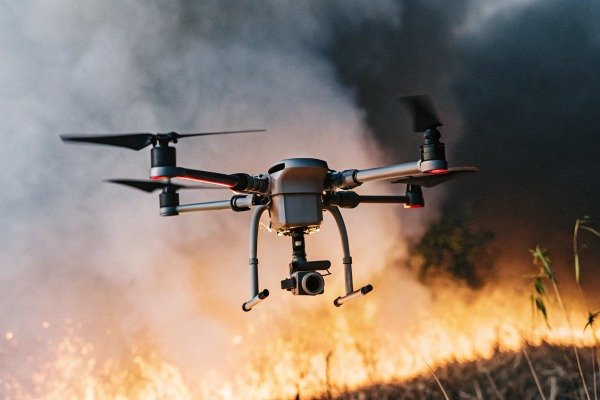
Das Argument hier ist nicht, "billig" zu sein, sondern "Kraftmultiplikation". Wenn wir nach Europa oder in die USA exportieren, stellen wir fest, dass heimische Marken oft einen Aufpreis für den Markennamen verlangen, nicht unbedingt für überlegene Fähigkeiten. Sie haben die einzigartige Gelegenheit, die Budgetbeschränkungen umzukehren.
Die "Fleet Multiplier"-Strategie
Anstatt eine Drohne zu verkaufen, verkaufen Sie ein System. Eine Feuerwehr mit einem Budget von 50.000 € kauft möglicherweise eine High-End-Inlandsdrohne. Wenn diese Drohne abstürzt oder der Akku leer ist, ist ihre Luftkapazität weg. Mit unserer Preisstruktur könnte dasselbe Budget drei SkyRover-Einheiten beschaffen.
- Drohne A (Scout): Ausgestattet mit thermischen Zoomkameras für die Einsatzleitung.
- Drohne B (Action): Ausgestattet mit einem Nutzlastabwurfsystem zum Abwerfen von Feuerbällen oder Schwimmwesten.
- Drohne C (Reserve): Bereit zum sofortigen Start, wenn der Akku von Drohne A leer ist.
Dies gewährleistet eine 100%ige Betriebszeit während eines Notfalls. Kein Feuerwehrchef möchte 45 Minuten auf das Aufladen von Akkus warten, während ein Gebäude brennt.
Niedrigere Gesamtbetriebskosten (TCO)
Über den ursprünglichen Kauf hinaus sind die Wartungskosten ein wichtiger Faktor. Heimische Reparaturdienste können überhöht teuer sein, mit Stundensätzen, die Luft- und Raumfahrtstandards entsprechen. Da wir Ihnen erschwingliche Ersatzteile liefern, sinken die langfristigen Wartungskosten erheblich. Sie können einen Servicevertrag anbieten, der für Sie profitabel ist, aber für die Abteilung immer noch günstiger ist, als eine Drohne eines westlichen Konkurrenten zu warten.
ROI durch Ressourcenoptimierung
Helfen Sie dem Kunden, die versteckten Einsparungen zu erkennen. Das Entsenden einer Drohne zur Erkundung eines Chemielecks kostet nur wenige Cent Strom. Das Entsenden eines HazMat-Teams in Anzügen kostet Tausende HazMat-Team 8 an Zeit, Ausrüstungsverschleiß und Haftungsrisiko. Wenn die Drohne feststellt, dass das Gebiet sicher ist, spart die Abteilung massive Ressourcen. Die Drohne amortisiert sich in nur wenigen erfolgreichen Einsätzen.
Flottenbeschaffungsmacht: $60.000 Budget-Szenario
| Szenario | Erworbene Einheiten | Fähigkeiten | Betriebsbereitschaft | Risiko des Totalverlusts |
|---|---|---|---|---|
| Inländischer Wettbewerber | 1 Einheit | Thermokamera + RGB-Kamera | 30 Min Flug / 60 Min Aufladung | Hoch (Wenn Einheit abstürzt, ist die Fähigkeit 0%) |
| SkyRover Import | 3 Einheiten + Ersatzteile | 1 Thermokamera, 1 Frachtabwurf, 1 Ersatzgerät | Kontinuierlich (Rotation) | Niedrig (Ersatzgeräte verfügbar) |
Was sollte ich sagen, um Bedenken der Kunden hinsichtlich langfristiger Wartung und technischem Support auszuräumen?
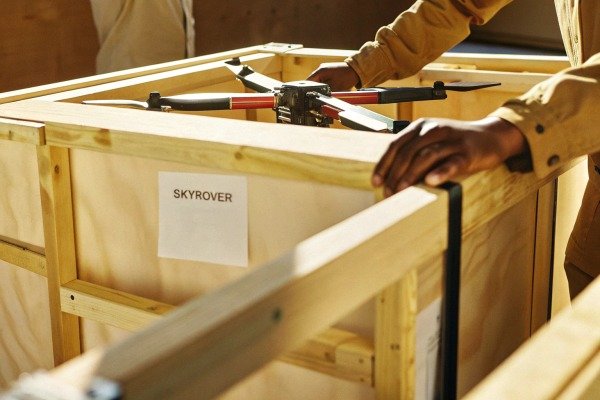
Wir wissen, dass eine am Boden stehende Drohne nutzlos ist, deshalb legen wir jeder Exportlieferung, die wir an Sie senden, Ersatz-Motorarme und Propeller bei.
Kontern Sie Wartungsängste, indem Sie ein "Local Continuity Promise" anbieten, das einen heimischen Bestand an kritischen Verschleißteilen wie Motoren und Propellern garantiert. Arbeiten Sie mit dem Hersteller zusammen, um Fernwartungs-Video-Support und detaillierte Reparaturhandbücher bereitzustellen, um eine Ausfallzeit von kritischen lebensrettenden Geräten zu vermeiden.
Der größte Albtraum für einen Einkaufsmanager wie Sie ist der Verkauf eines Produkts, das kaputt geht und nicht schnell repariert werden kann. Wir verstehen diese Angst. Die Wahrnehmung ist, dass sie wochenlang auf eine Lieferung aus China warten müssen, wenn ein Teil kaputt geht. Sie müssen diesen Einwand sofort entkräften, indem Sie Ihr Geschäftsmodell von "Wiederverkäufer" zu "Servicepartner" ändern."
Das Versprechen lokaler Kontinuität
Verkaufen Sie nicht nur die Drohne; verkaufen Sie die Betriebszeit. Wir empfehlen Ihnen, zusammen mit jeder größeren Bestellung ein "Service-Kit" zu kaufen. Dieses Kit enthält Motoren, ESCs, Arme, Fahrwerke und zusätzliche Propeller. Wenn Sie sich an die Feuerwehr wenden, sagen Sie ihnen: "Ich habe die Teile in meinem Lager in Ihrem Bundesstaat. Wenn Sie am Dienstag abstürzen, werden Sie am Donnerstag wieder fliegen." Dieses Maß an Sicherheit konkurriert mit heimischen Herstellern.
Nutzung der Herstellerunterstützung
Obwohl wir physisch in China ansässig sind, ist unsere digitale Präsenz global. Wir stellen unseren Distributoren detaillierte Video-Reparaturanleitungen und Schaltpläne zur Verfügung. Sie sollten dies als "Direct-to-Engineer"-Support vermarkten. Wenn Ihre Techniker auf ein komplexes Problem stoßen, können wir uns zu einer Video-Besprechung zusammenschalten, um Fehler zu beheben. Sie können Ihren Kunden sagen, dass sie die Unterstützung der ursprünglichen Werksingenieure haben, nicht nur eines Vertriebsmitarbeiters.
Umgang mit Datensicherheit (Die "Air-Gap")
Wartung ist nicht nur Hardware; es geht um Software-Vertrauen. Viele Regierungsbehörden machen sich Sorgen über Daten, die an ausländische Server zurückfließen. Sie müssen betonen, dass unsere Industriedrohnen im "Local Data Mode" oder vollständig "Air-Gapped" betrieben werden können. Air-Gapped 9."
- Kein Internet erforderlich: Die Drohne fliegt über eine direkte Funkverbindung Funkverbindung 10 Verbindung zum Controller.
- Offline-Karten: Kartendaten können lokal zwischengespeichert werden.
- SD-Kartenspeicher: Video- und Flugprotokolle werden physisch auf der Drohne gespeichert, nicht in der Cloud.
Indem Sie beweisen, dass die Daten niemals ihre Hoheit verlassen, eliminieren Sie das politische Risiko, das mit dem Import ausländischer Technologie verbunden ist.
Schlussfolgerung
Um Verträge zu gewinnen, müssen Sie diese Drohnen nicht als ausländische Gadgets positionieren, sondern als unverzichtbare, kostengünstige lebensrettende Werkzeuge. Indem Sie lokalen Support garantieren, robuste Zuverlässigkeit beweisen und einen unschlagbaren Flottenwert demonstrieren, verwandeln Sie Skepsis in eine sichere, langfristige Partnerschaft.
Fußnoten
1. Die International Association of Fire Chiefs ist die führende Branchenorganisation. ︎
2. Technische Spezifikationen für industrielle Schwerlastdrohnenplattformen, die in der Logistik und bei der Notfallrettung eingesetzt werden. ︎
3. Professionelle Wärmebildlösungen für den Einsatz bei der Feuerwehrleitung und Suchoperationen. ︎
4. Standard für Wärmebildgeräte, die von Feuerwehren verwendet werden, um Leistung und Sicherheit zu gewährleisten. ︎
5. Wissenschaftlicher Hintergrund zu den Eigenschaften und der Herstellung von Kohlefaserwerkstoffen. ︎
6. Internationale Norm für Ingress Protection-Schutzarten gegen Feststoffe und Flüssigkeiten. ︎
7. Bericht einer großen Nachrichtenagentur, der das zitierte spezifische historische Ereignis bestätigt. ︎
8. Offizielle Ressource der US-Regierung, die Protokolle für den Umgang mit Gefahrstoffen definiert. ︎
9. NIST liefert die maßgebliche Cybersicherheitsdefinition für isolierte Netzwerksysteme. ︎
10. Technische Erklärung von Funksteuerungssystemen, die für den ferngesteuerten Betrieb von Fahrzeugen und Drohnen verwendet werden. ︎
 English
  Español de México
  Deutsch
  Français
  Русский
  العربية
Schreibe einen Kommentar