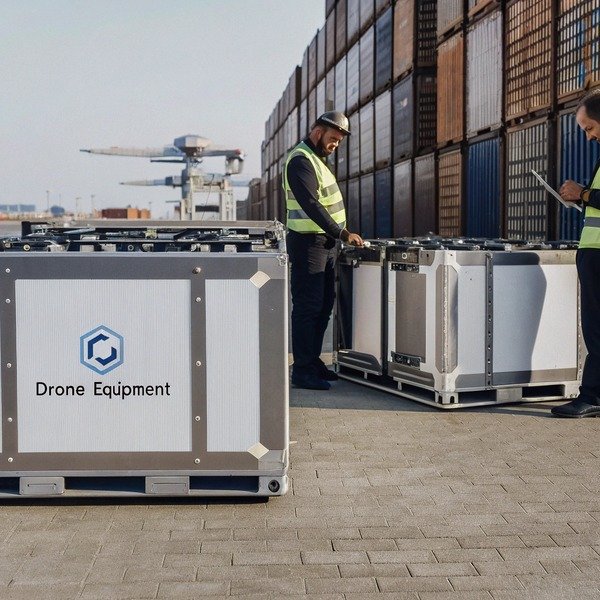
Es schmerzhaft, unsere präzisionsgefertigten Drohnen ungenutzt im Zoll zu sehen. Unerwartete Verzögerungen bedrohen Ihre wichtigen Brandschutzverträge, aber wir wissen genau, wie wir diese kostspieligen logistischen Albträume verhindern können.
Die Zusammenarbeit mit dem Zoll erfordert die sofortige Einreichung einer vollständigen Dokumentensammlung, einschließlich Handelsrechnungen und HS-Code 8806-Erklärungen, bei Ankunft. Sie müssen UN38.3-Batteriezertifizierungen vorlegen und alle erhobenen Zölle umgehend bezahlen, um die Freigabe Ihrer industriellen Oktocopter zu ermöglichen.
Hier finden Sie alles, was Sie wissen müssen, um Ihre Sendung reibungslos abzuwickeln und Ihre Flotte einsatzbereit zu machen.
Welche wichtigen Dokumente muss ich vorlegen, um meine Feuerwehrdrohnen beim Zoll abzufertigen?
Wir sehen oft, dass Sendungen markiert werden, weil ein einziges Dokument fehlt. Ohne die richtige Dokumentation bleibt Ihre kritische Ausrüstung stecken, während die Lagergebühren schnell anfallen und Ihr Budget bedrohen.
Sie müssen eine Handelsrechnung, eine Packliste und einen Frachtbrief vorlegen. Für unsere Feuerwehrdrohnen benötigen Sie außerdem ein Ursprungszeugnis und spezifische technische Datenblätter, die die HS-Code-Klassifizierung verifizieren und sicherstellen, dass die Beamten die Sendung schnell anhand der regulatorischen Standards validieren können.
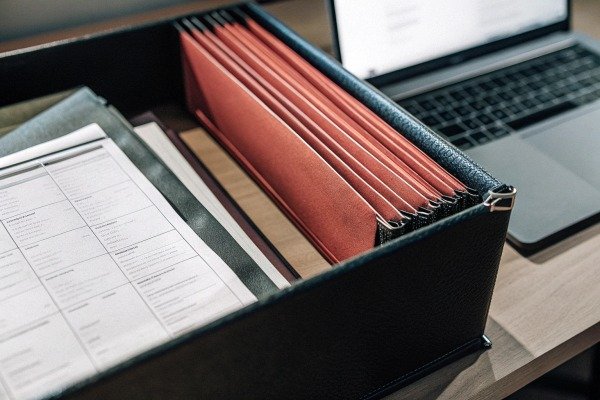
Wenn wir eine Sendung aus unserem Werk in Xi'an vorbereiten, stellen wir sicher, dass jedes Dokument perfekt mit der physischen Fracht übereinstimmt. Die Grundlage für einen erfolgreichen Import liegt in der Genauigkeit Ihrer Unterlagen. Wenn die Dokumente nicht exakt mit der Fracht übereinstimmen, werden die Zollbeamten die Sendung zur physischen Prüfung markieren, was Ihre Zeitplanung um Tage verlängert.
Die entscheidende Rolle von HS-Codes
Der Harmonized System (HS)-Code ist die numerische Sprache, die Zollbeamte verwenden Code des Harmonisierten Systems (HS) 1 um zu identifizieren, was sich in der Kiste befindet. Für unbemannte Luftfahrzeuge (UAVs) fällt dies typischerweise unter die Überschrift 8806. Die Wahl des falschen Codes kann zu Geldstrafen oder Beschlagnahmung führen.
- 8806.22 / 8806.23: Diese Codes gelten oft für das maximale Startgewicht der Drohne.
- 8806.99: Dies kann für bestimmte Teile oder Zubehörteile gelten, wenn sie separat versendet werden.
Wir stellen unseren Kunden die genauen HS-Codes basierend auf der Nutzlastkapazität und dem Gewicht des spezifischen Oktokoptermodells zur Verfügung. Sie müssen sicherstellen, dass Ihr Zollagent die Einfuhr mit diesen genauen Codes vornimmt. Wenn der Beamte die Drohne inspiziert und glaubt, dass sie in eine andere Kategorie fällt – vielleicht aufgrund eines Missverständnisses ihrer Feuerlösch-Nutzlast im Vergleich zu einer Standard-Kameradrohne –, kann er den Zollsatz neu bewerten.
Aufschlüsselung der wesentlichen Unterlagen
Über die Standard-Versandetiketten hinaus sind bestimmte Dokumente für industrielle Elektronik nicht verhandelbar. Die Handelsrechnung muss den Wert der Drohne, der Bodenkontrollstation und aller separaten Nutzlasten detailliert angeben. Vage Beschreibungen wie "Elektronische Ausrüstung" sind Warnsignale. Wir listen die Artikel spezifisch auf, wie z. B. "Unbemannt Unbemannte Luftfahrzeuge 2 Flugzeuge für Feuerlöschzwecke."
Die Packliste ist ebenso wichtig. Sie muss die spezifischen Seriennummern der Flugwerke und Controller angeben. Wenn der Zoll beschließt, eine Kiste zu öffnen, wird er die Seriennummer des Geräts mit Ihrer Liste abgleichen. Abweichungen hier sind fatal für eine schnelle Abfertigung.
Nachfolgend finden Sie eine Aufschlüsselung der Dokumente, die Sie bereithalten müssen, bevor das Schiff anlegt:
Tabelle 1: Wesentliche Einfuhrdokumente & Funktionen
| Name des Dokuments | Hauptfunktion | Wichtige Anforderung für die Genehmigung |
|---|---|---|
| Handelsrechnung | Deklariert den Wert für die Zollbewertung. | Muss Stückpreis, Gesamtwert und Währung klar auflisten. |
| Packliste | detailliert den physischen Inhalt. | Muss Kartonanzahl, Gewicht und Abmessungen genau übereinstimmen. |
| Konnossement (B/L) | Nachweis des Eigentums und des Transports. | Die Angaben des Empfängers müssen mit Ihrer Handelsregistereintragung übereinstimmen. |
| Ursprungszeugnis | Bestätigt, wo die Waren hergestellt wurden. | Entscheidend für die Festlegung von Zöllen oder Ausnahmen. |
| Technisches Datenblatt | Erklärt die Produktfunktion. | Hilft Beamten bei der Überprüfung der HS-Code-Klassifizierung. |
Indem Sie diese bereithalten, weisen Sie dem Beamten nach, dass es sich um eine legitime Transaktion für professionelle Ausrüstung handelt und nicht um einen Graumarkt-Import.
Wie gehe ich während des Inspektionsprozesses mit spezifischen Vorschriften für Drohnenbatterien um?
Lithiumbatterien sind Gefahrgüter, die intensive Prüfungen auslösen. Lithium-Batterien 3 Unsachgemäße Kennzeichnung unserer Batteriekisten kann zu unbegrenzten Verzögerungen führen und Ihre Einsatzbereitschaft und Flugpläne gefährden.
Reichen Sie gültige UN38.3-Prüfberichte und Sicherheitsdatenblätter (MSDS) für alle Hochleistungs-Lithiumbatterien ein. Stellen Sie sicher, dass die Außenverpackung strikt den Kennzeichnungsvorschriften für Gefahrgüter entspricht, da Inspektoren diese Sicherheitskennzeichnungen überprüfen, bevor sie Stromaggregate freigeben.
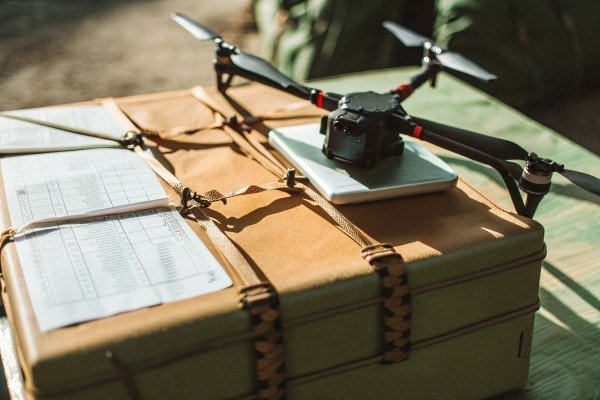
Intelligente Hochleistungs-Flugbatterien sind das Herzstück unserer Schwerlastdrohnen, aber sie sind auch die am stärksten regulierte Komponente in der Box. Internationale Versandvorschriften behandeln große Lithium-Ionen-Akkus als Gefahrgut (DG). Gefährliche Güter 4 Wenn diese am Hafen ankommen, achten die Sicherheitsbeamten nicht auf die Flugfähigkeit der Drohne; sie achten auf chemische Sicherheit.
Verstehen von UN38.3 und MSDS
Bevor wir eine Batterie verpacken, durchläuft sie strenge Tests Tests, die als UN38.3 bekannt sind 5 bekannt als UN38.3. Diese testen die Höhensimulation, thermische Zyklen, Vibrationen, Stöße und externe Kurzschlüsse.
- Die Anforderung: Sie können nicht einfach sagen, dass die Batterien sicher sind. Sie müssen den offiziellen UN38.3 Test Summary Report vorlegen.
- Das MSDS: Das Sicherheitsdatenblatt (Material Safety Data Sheet) beschreibt die chemische Zusammensetzung und die Notfallverfahren. Sicherheitsdatenblatt 6
Wenn ein Zollinspektor ein großes Akkupack ohne diese beiden Dokumente, die der Anmeldung beigefügt sind, sieht, wird die Sendung sofort gestoppt. Sie müssen wissen, dass der Inhalt bekannt und verwaltet wird, falls der Behälter heiß wird oder beschädigt wird.
Verpackungs- und Kennzeichnungsvorschriften
Wir verpacken Batterien auf spezielle Weise, um die IATA- und Seestandards zu erfüllen, oft trennen wir sie vom Drohnenrahmen oder verpacken sie "in Ausrüstung enthalten", abhängig von der Wattstunden (Wh)-Bewertung.
- Klasse 9 Etiketten: Die Außenkartons müssen das Klasse 9 Gefahrgut-Diamantetikett tragen.
- Wattstunden-Kennzeichnungen: Das Gehäuse der Batterie selbst muss klar die Spannung und Kapazität angeben.
Während einer Inspektion prüfen die Beamten, ob die physischen Etiketten mit den Unterlagen übereinstimmen. Wenn Ihre Dokumentation "16.000 mAh" besagt, das Etikett aber verdeckt oder fehlt, werden sie vom Schlimmsten ausgehen. Wir stellen sicher, dass diese sichtbar sind, aber Sie sollten Ihren Broker anweisen, diese Zertifikate im Einreichungspaket hervorzuheben.
Tabelle 2: Batterievorschriften
| Konformitätsfaktor | Beschreibung | Inspektionsschwerpunkt |
|---|---|---|
| UN38.3 Zertifizierung | Obligatorischer Sicherheitsprüfstandard. | Überprüft die Beständigkeit gegen Stöße, Hitze und Druck. |
| MSDS / SDS | Chemisches Sicherheitsdokument. | Wird von HazMat-Teams im Falle von Lecks oder Bränden verwendet. |
| Klasse 9 Etikettierung | Visuelle Warnung auf Kartons. | Muss auf der Außenseite der Palette/Kiste sichtbar sein. |
| Ladezustand (State of Charge, SoC) | Batterieladezustandsgrenzen. | Normalerweise muss ≤30% für Luftfracht sein, für Seefracht reguliert. |
Behandeln Sie Batterien nicht als Zubehör; behandeln Sie sie als reguläre chemische Fracht. Diese Denkweise verhindert die meisten batteriebedingten Verzögerungen.
Was sind die häufigsten Gründe, warum meine industrielle Drohnensendung an der Grenze festgehalten werden könnte?
Nichts ist schlimmer als eine vage Benachrichtigung über “Festsetzung”. Dual-Use-Technologie 7 Wir beraten unsere Kunden häufig, wie sie Auslöser wie nicht deklarierte Zubehörteile oder Verwechslungen mit Dual-Use-Technologie vermeiden können, die Lieferungen stoppen.
Sendungen werden häufig aufgrund falscher HS-Code-Klassifizierungen, fehlender Ursprungslandkennzeichnungen oder nicht deklarierter Ersatzteile festgesetzt. Darüber hinaus können fortschrittliche Wärmebildkameras Dual-Use-Technologie-Prüfungen auslösen, wenn die richtigen Endbenutzer Endbenutzerzertifikat (EUC) 8 Zertifikate und Erklärungen zur zivilen Nutzung nicht im Voraus eingereicht werden.

In unseren Jahren des Exports in die USA und nach Europa haben wir Sendungen aus Gründen festsetzen sehen, die geringfügig erscheinen, aber erhebliche rechtliche Auswirkungen haben. Das Verständnis dieser Auslöser ermöglicht es Ihnen, ihnen zuvorzukommen.
Bedenken hinsichtlich Dual-Use-Technologie
Brandbekämpfungsdrohnen sind mit leistungsstarken Werkzeugen ausgestattet, die sich mit Militärtechnologie überschneiden.
- Thermische Sensoren: Die hochauflösenden Wärmebildkameras, die verwendet werden, um durch Rauch Hotspots zu erkennen, sind in vielen Gerichtsbarkeiten ebenfalls kontrollierte Güter. Zollbeamte können diese als "Dual-Use"-Güter kennzeichnen.
- Die Lösung: Möglicherweise müssen Sie eine Endbenutzerzertifikat (EUC) unterzeichnen, die erklärt, dass die Ausrüstung ausschließlich für die zivile Brandbekämpfung und nicht für militärische Zwecke verwendet wird. Wir stellen diese Vorlagen zur Verfügung, aber Sie müssen sie unterzeichnen und einreichen.
Wenn der Beamte vermutet, dass der Wärmesensor eine bestimmte Bildrate überschreitet thermischer Sensor 9 (oft 9 Hz oder 30 Hz je nach Regulierung) ohne Lizenz, werden die Waren festgesetzt, bis das Handelsministerium oder eine gleichwertige Behörde sie freigibt.
Nicht deklarierte Zubehörteile und "Gratisbeigaben"
Manchmal bittet uns ein Händler, als Zeichen des guten Willens ein paar zusätzliche Propeller oder ein Reparaturset beizulegen.
- Die Falle: Wenn diese zusätzlichen Artikel nicht auf der Handelsrechnung aufgeführt sind, stimmt die Stückzahl nicht mit der physischen Prüfung überein.
- Die Konsequenz: Der Zoll betrachtet dies als Schmuggel oder Unterbewertung. Selbst ein Satz von 50 € Propellern kann eine Drohnensendung im Wert von 50.000 € aufhalten.
Ursprungslandkennzeichnungen
Jeder einzelne Artikel muss mit seinem Ursprungsland gekennzeichnet sein. "Made in China" muss auf der Drohne, dem Controller und der Verpackung sichtbar sein. Wenn wir einen Aufkleber übersehen oder er abgefallen ist, kann der Zoll die Einfuhr verweigern. Wir sind auf unserer Produktionslinie sehr sorgfältig, aber Sie sollten sich bewusst sein, dass dies ein häufiger Kontrollpunkt ist.
Prüfungen des geistigen Eigentums (IP)
Der Zoll ist die Grenzkontrolle für Marken. Wenn Ihr Papierkram besagt, dass die Drohne ein "SkyRover" ist, das Logo aber anders aussieht oder wenn es Komponenten gibt, die wie gefälschte Versionen anderer Marken aussehen, werden sie eine Untersuchung einleiten. Wenn Sie direkt vom Hersteller oder einem autorisierten Händler kaufen, entfällt dieses Risiko, da wir die Autorisierungsschreiben zur Nachweis der Echtheit bereitstellen.
Wie kann ich mit meinem Zollagenten zusammenarbeiten, um Inspektionsprobleme effizient zu lösen?
Direkte Kommunikation mit Beamten ist schwierig. Sich auf einen passiven Makler zu verlassen, kann zu wochenlangem Schweigen führen, während Ihr Team auf seine Ausrüstung wartet.
Ermächtigen Sie Ihren Makler, indem Sie ihm digitale Produktpässe und sofortige Antworten auf Informationsanfragen (CF-28) zur Verfügung stellen. Halten Sie die Kommunikationswege offen, damit er technische Spezifikationen wie Rahmenmaterialien oder Softwareursprünge direkt mit dem prüfenden Beamten klären kann.

Ihr Zollmakler ist Ihr Fürsprecher, aber er ist nur so gut wie die Informationen, die Sie ihm geben. Wenn wir eine Drohne versenden, senden wir ein digitales Paket an den Kunden, aber es liegt an Ihnen, sicherzustellen, dass der Makler es tatsächlich liest.
Die "Digital Product Passport"-Strategie
Warten Sie nicht, bis der Zoll Fragen stellt. Wir empfehlen, Ihrem Makler vor Ankunft des Schiffes einen "Digital Product Passport" zur Verfügung zu stellen. Dieser beinhaltet:
- Fotos der Ladung: Zeigen Sie, wie die Drohne verpackt und unverpackt aussieht.
- Schaltpläne: Ein einfaches Diagramm, das zeigt, wo sich die Batterien befinden und was die Nutzlast ist.
- Anwendungsfall-Erklärung: Ein einseitiges Schreiben auf dem Briefkopf Ihrer Abteilung, das erklärt: "Diese Drohnen sind für die Feuerwehr der Stadt bestimmt."
Wenn ein Beamter den Import in Frage stellt, kann Ihr Zollagent diese Datei sofort weiterleiten. Sie verwandelt ein verdächtiges "unidentifiziertes Flugobjekt" in den Augen des Beamten in ein "städtisches Sicherheitstool".
Beantwortung von Informationsanfragen (CF-28)
In den USA kann der Zoll ein Formular CF-28 (Informationsanfrage) ausstellen. Formular CF-28 (Informationsanfrage) 10 Sie könnten fragen: "Ist diese Drohne NDAA-konform?" oder "Enthält sie bestimmte Funksender?"
- Geschwindigkeit ist entscheidend: Sie haben eine Frist, aber eine sofortige Antwort ist besser.
- Technische Genauigkeit: Wenn sie nach der Funkfrequenz gefragt werden, raten Sie nicht. Fragen Sie unser Ingenieurteam. Wir können die FCC-ID oder die CE-Zertifizierungsnummern angeben.
Handhabung von physischen Untersuchungen
Wenn Ihre Sendung zu einer intensiven Untersuchung (bei der der Container zerlegt wird) ausgewählt wird, koordiniert Ihr Zollagent den Transport zu einer CES (Centralized Examination Station). Sie können dies nicht verhindern, aber Sie können es beschleunigen, indem Sie die Untersuchungsgebühren sofort bezahlen. Verzögerungen bei der Zahlung bedeuten, dass Ihre Kiste hinten in der Warteschlange steht.
Tabelle 3: Verantwortlichkeiten des Maklers vs. Käufers
| Verantwortung | Zollmakler | Käufer (Sie) |
|---|---|---|
| Klassifizierung | Reicht die spezifischen HS-Eingabedaten ein. | Stellt Produktbeschreibung und Anwendungsfall bereit. |
| Zollzahlung | Leitet Gelder an den Zoll weiter. | Genehmigt die Zahlung/stellt Gelder bereit. |
| Anfragen | Spricht direkt mit Zollbeamten. | Liefert technische Antworten und Zertifikate. |
| Freigabe der Fracht | Stellt den Lieferschein aus. | Koordiniert den endgültigen LKW-Transport vom Hafen. |
Indem Sie Ihren Makler als Partner und nicht als Dienstleister behandeln, stellen Sie sicher, dass er im Falle von Komplikationen die Mittel hat, sich für die Freigabe Ihrer Fracht einzusetzen.
Schlussfolgerung
Proaktive Vorbereitung sorgt dafür, dass Ihre Flotte pünktlich ankommt. Durch sorgfältiges Management von Dokumenten und Batteriebestimmungen sichern Sie Ihre Investition und Ihre operativen Zeitpläne. Beginnen Sie diese Zusammenarbeit, bevor die Sendung unser Werk verlässt.
Fußnoten
1. Offizielle Definition der HS-Nomenklatur durch die Weltzollorganisation. ︎
2. Umfassender Überblick über die UAV-Technologie und -Geschichte. ︎
3. Pädagogische Sicherheitsrichtlinien zum Umgang und zu den Risiken von lithiumbasierten Stromzellen. ︎
4. Standards der International Air Transport Association für den Versand gefährlicher Güter. ︎
5. Offizielle Quelle für das UN-Handbuch über Prüfungen und Kriterien für Lithiumbatterien. ︎
6. Staatlicher Leitfaden zur Erklärung von Anforderungen und Standards für Sicherheitsdatenblätter. ︎
7. Offizielle EU-Richtlinien zu Vorschriften für Gegenstände mit zivilen und militärischen Anwendungen. ︎
8. Offizielle Leitlinien des US-Handelsministeriums zu Endverbraucherkontrollen und Zertifizierung. ︎
9. Technische Dokumentation eines führenden Herstellers zur Drohnen-Wärmebildtechnik. ︎
10. Offizielle Seite des US-Zoll- und Grenzschutzamtes mit Einzelheiten zu Formular 28-Verfahren. ︎

 English
  Español de México
  Deutsch
  Français
  Русский
  العربية
