
Wenn wir unseren Ingenieuren bei den letzten Flugtests in Xi'an zusehen, wissen wir, wie besorgt Käufer sind, beschädigte Waren zu erhalten. Sie investieren viel, aber die Entfernung schafft Unsicherheit darüber, was tatsächlich ankommt.
Obwohl nicht von den FAA-Vorschriften vorgeschrieben, wird die Beauftragung einer unabhängigen Prüfstelle für Großaufträge oder neue Lieferanten dringend empfohlen, um Spezifikationen, Firmware-Regionalsperren und die Integrität der Verpackung zu überprüfen und die kommerzielle Sicherheit zu gewährleisten, bevor die Waren das Werk verlassen.
Hier erfahren Sie, wie Sie entscheiden können, ob dieser zusätzliche Schritt Ihre Investition schützt.
Lohnt sich die Kosten einer unabhängigen Prüfung für meine Bestellung von Agrardrohnen?
Wir sagen unseren US-Kunden oft, dass Seelenfrieden seinen Preis hat. Wenn Sie hochwertige Maschinen importieren, sparen Sie erheblich Geld, indem Sie eine einzige “Dead on Arrival”-Einheit vermeiden.
Die Kosten einer unabhängigen Prüfung lohnen sich in der Regel, wenn der Gesamtauftragswert $10.000 übersteigt oder komplexe Systeme beinhaltet, da die Kosten im Vergleich zu den Tausenden von Dollar, die für die internationale Rücksendung defekter Drohnen mit Lithium Lithium-Polymer-Batterien 1-Ionen-Akkus erforderlich sind, vernachlässigbar sind.

Wenn Sie Industriegüter wie die SkyRover Agrarserie importieren, kaufen Sie nicht nur ein Spielzeug; Sie investieren in ein Geschäftsvermögen. Eine Standard-Drittanbieterprüfung kann zwischen $200 und $500 pro Mann-Tag kosten. Für den Kauf einer einzelnen Drohne mag dies steil erscheinen. Für einen Händler, der zehn Einheiten bestellt, sinken die Kosten pro Einheit jedoch dramatisch, was sie zu einer klugen Versicherungspolice macht.
Der eigentliche Wert liegt in der Vermeidung des Albtraums der "Reverse Logistics". Agrardrohnen enthalten Gefahrstoffe – insbesondere Hochleistungs-Lithium Gefahrstoffe 2 -Polymer-Akkus und manchmal Pestizidrückstände, wenn sie unsachgemäß getestet werden. Die Rücksendung dieser Artikel von den USA nach China ist nicht nur teuer; sie ist oft rechtlich unmöglich ohne spezielle Zertifizierungen für Gefahrgüter Zertifizierungen für Gefahrgüter 3.
H3: Die Mathematik hinter der Entscheidung
Wenn Sie eine Drohne mit einem gesprungenen Fahrwerk oder einer defekten Sprühpumpe erhalten, können Sie sie nicht einfach zurückschicken. Die Frachtkosten für eine Drohne mit hoher Nutzlast können einfach über $800 betragen. Wenn Sie die Inspektion überspringen, um $300 zu sparen, riskieren Sie einen Verlust von über $1.000 plus Ausfallzeiten.
Berücksichtigen Sie die Komplexität der Maschine. Eine landwirtschaftliche Drohne verfügt über mehrere Untersysteme:
- Antrieb: Motoren und ESCs.
- Anwendung: Pumpen, Düsen und Tanks.
- Avionik: Flugsteuerungen, Radar und GPS.
Wenn eines dieser Systeme ausfällt, ist die Drohne am Boden. Ein Inspektor überprüft diese Integrationspunkte.
H3: Kosten-Nutzen-Analyse-Szenarien
Wir haben gängige Szenarien aufgeschlüsselt, um Ihnen bei der Berechnung des ROI zu helfen.
| Szenario | Bestellwert | Inspektionskosten | Potenzielle Kosten für Risiken (Rückgabe/Reparatur) | Urteil |
|---|---|---|---|---|
| Einzelne Einheit (Test) | $5,000 | $300 (6%) | $1,200+ | Grenzwertig (Garantie in Anspruch nehmen) |
| Kleine Charge (5 Einheiten) | $25,000 | $300 (1.2%) | $6,000+ | Sehr lohnenswert |
| Containerladung | $150,000+ | $600 (0.4%) | $30,000+ | Obligatorisch |
Für einzelne Einheiten raten wir unseren Kunden oft, sich auf die Videoaufzeichnungen unserer Fabrik zu verlassen, anstatt einen externen Agenten zu beauftragen. Wenn jedoch Ihr Volumen wächst, wird die Inspektionsgebühr zu einem winzigen Bruchteil Ihrer Risikominimierungsstrategie.
Kann ich mich auf die internen Qualitätskontrollberichte der Fabrik verlassen, anstatt einen Agenten zu beauftragen?
Wir generieren Terabytes von Flugprotokollen und Testdaten für jede Drohne, die wir bauen. Wir verstehen jedoch, dass Vertrauen Verifizierung erfordert und interne Berichte zwischen verschiedenen Herstellern stark variieren.
Sie können sich nur auf interne Qualitätskontrollberichte verlassen, wenn die Fabrik überprüfbare Beweise wie rohe Flugprotokolle, ungeschnittene Flugvideos mit sichtbarer Seriennummer und eine Live-Videoanruf-Demonstration liefert und nicht nur eine abgehakte Papierliste.

Der Begriff "QC-Bericht" wird in unserer Branche locker verwendet. Einige Fabriken liefern ein einfaches Blatt Papier mit einem "Bestanden"-Stempel. Das ist nutzlos. Ein echter industrieller Qualitätssicherungsprozess beinhaltet rigorose Qualitätssicherungsprozess 4 Tests Qualitätssicherungsprozess 5 jedes Sensors und Aktuators.
In unserer Einrichtung unterscheiden wir zwischen einer "Checkliste" und einem "Datenpaket". Eine Checkliste beruht auf der Ehrlichkeit des Personals. Ein Datenpaket liefert Beweise. Wenn Sie entscheiden, ob Sie einen Agenten beauftragen, fragen Sie den Lieferanten nach einem Muster seines Standard-QC-Berichts. Wenn ihm datenspezifische Daten zur Seriennummer fehlen, benötigen Sie einen Agenten.
H3: Was ein vertrauenswürdiger Fabrikbericht beinhaltet
Wenn Sie sich entscheiden, den externen Agenten zu überspringen, müssen Sie von Ihrem Lieferanten Folgendes verlangen, bevor Sie die Restzahlung leisten:
- Geotagged Fotos: Bilder der spezifischen Drohne mit sichtbarer Seriennummer, verpackt im Karton.
- Flugprotokolle: Die tatsächlichen
.binoder.logDateien vom Flugcontroller, die zeigen, dass der Testflug stattgefunden hat. Sie können diese in einen Log-Viewer hochladen, um Vibrationen und GPS-Gesundheit zu sehen. GPS 6. - Sprühtest-Video: Ein Video, das die funktionierende Pumpe und die sprühenden Wasserdüsen zeigt und beweist, dass die Sanitäranlagen nicht verstopft sind.
H3: Die "Golden Sample"-Falle
Ein Risiko bei der Abhängigkeit von internen Berichten ist das "Golden Sample". Ein unehrlicher Lieferant könnte eine perfekte Drohne testen und Ihnen die Daten für diese Einheit senden, während er Ihnen eine andere, nicht getestete Einheit liefert.
Um dem entgegenzuwirken, sollten Sie einen Live-Videoanruf anfordern. Bitten Sie den Vertriebsmitarbeiter, ins Lager zu gehen, eine zufällige Kiste auszuwählen (wenn Sie mehrere bestellt haben) und sie zu öffnen. Überprüfen Sie die Seriennummer live. Dies setzt den Lieferanten unter Druck, sicherzustellen, dass alle Einheiten dem Standard entsprechen, nicht nur die "Demo"-Einheit.
| Merkmal | Interner Fabrikbericht (Standard) | Inspektionsbericht eines Drittanbieters |
|---|---|---|
| Voreingenommenheit | Hoch (Selbstkontrolle) | Niedrig (Arbeitet für Sie) |
| Umfang | Funktionsprüfungen (Fliegt es?) | Verpackung & Konformität (Ist es richtig gekennzeichnet?) |
| Nachweise | Oft nur eine Checkliste | Fotos/Videos von jedem Mangel |
| Kosten | Kostenlos (Inbegriffen) | 200 € – 500 € |
Wenn Ihr Lieferant zögert, detaillierte digitale Beweise vorzulegen, beauftragen Sie den Agenten sofort.
Welche Schlüsselindikatoren sollten getestet werden, bevor meine Drohnen das Werk verlassen?
Wenn wir unsere Flugsteuerungen kalibrieren, suchen wir nach winzigen Abweichungen in den Sensordaten. Für einen Käufer muss sich der Fokus von technischen Nuancen auf funktionale Zuverlässigkeit und behördliche Konformität verlagern.
Zu testende Leistungskennzahlen sind die Konsistenz der Batteriespannung, die Erfassungszeit des GPS-Signals, die Genauigkeit der Pumpenflussrate und die Firmware-Regionseinstellungen, um sicherzustellen, dass die Drohne nicht per Software an den chinesischen Inlandsmarkt gebunden ist.
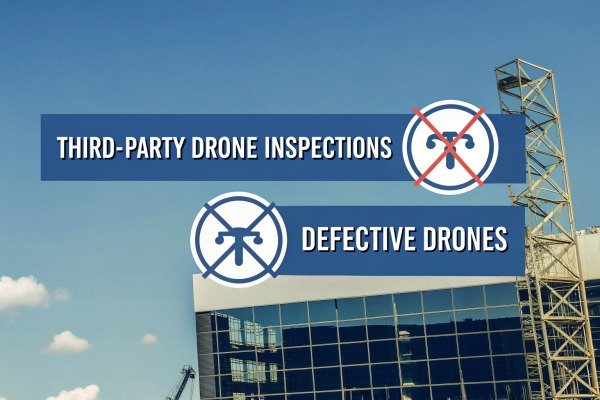
Agrardrohnen sind robuste Werkzeuge. Ein Kratzer auf der Kunststoffschale ist weniger wichtig als eine Abweichung im Pumpendruck. Wenn Sie einen Inspektor (oder die Fabrik) anweisen, müssen Sie ein spezifisches Testprotokoll bereitstellen. Sagen Sie nicht einfach "Qualität prüfen". Seien Sie spezifisch bezüglich der KPIs (Key Performance Indicators), die Ihren Betrieb beeinflussen.
H3: Kritische elektronische und Antriebsprüfungen
Der häufigste Fehlerpunkt ist das Antriebssystem. Wenn ein Motor leicht unausgeglichen ist, verursacht er Vibrationen, die das IMU (Inertial Measurement Unit) verwirren. Trägheitsmessgerät 7.
- Vibrationspegel: Der Inspektor sollte einen Schwebetest anfordern und die Vibrationsprotokolle überprüfen. Hohe Vibrationen führen zum "Toilettenschaukel-Effekt" (Kreisflüge) oder zum Ausfall während des Fluges.
- GPS-Signalerkennungsgeschwindigkeit: Eine Drohne sollte in einem offenen Feld innerhalb von 2 Minuten ein Signal von mindestens 12 Satelliten empfangen. Wenn es 10 Minuten dauert, ist das GPS-Modul defekt oder schlecht abgeschirmt.
H3: Überprüfung des Sprühsystems
Im Gegensatz zu Kameradrohnen verfügen Agrardrohnen über eine Verrohrung. Dies ist ein nasses System, das auf Elektronik trifft – ein Rezept für eine Katastrophe, wenn es nicht perfekt montiert ist.
- Durchflusstest: Betreiben Sie die Pumpe bei 100%. Entspricht die Ausgabe der Spezifikation? Wenn die Spezifikation 5 l/min angibt, die Pumpe aber nur 3 l/min liefert, sind Ihre Berechnungen für die Feldspritze falsch.
- Dichtheitsprüfung: Setzen Sie das System unter Druck und warten Sie 5 Minuten. Achten Sie auf Tropfen an den Verbindungsstellen. Ein Tropfen im Inneren der Verkleidung kann während des Fluges die Hauptplatine kurzschließen.
H3: Indikatoren für den Batteriezustand
Batterien sind der teuerste Verbrauchsmaterial. Eine "unbenutzte" Drohne könnte sechs Monate im Lager gelegen haben, was die Batterie verschlechtert.
- Zellabweichung: Die Spannungsdifferenz zwischen der höchsten und der niedrigsten Zelle sollte weniger als 0,02 V betragen.
- Ladezyklen: Die Software muss 0-2 Zyklen anzeigen (Werkstests). Wenn 20 Zyklen angezeigt werden, kaufen Sie einen gebrauchten Akku.
| Komponente | KPI zum Testen | Akzeptabler Standard |
|---|---|---|
| Batterie | Abweichung der Zellspannung | < 0,02V Unterschied |
| GPS | Satelliten-Erfassung | > 12 Satelliten in < 2 Minuten |
| Pumpen | Durchflussraten-Konsistenz | ±5% der Nennspezifikation |
| IMU | Vibration Z-Achse | < 15 m/s/s während des Schwebens |
| Software | Regionssperre | Entsperrt / US-Version bestätigt |
Welche Risiken bestehen, wenn ich die Inspektion vor dem Versand für Industriedrohnen überspringe?
Nach unserer Erfahrung bei der Behebung von Importproblemen für Kunden sind die größten Probleme selten mechanische Ausfälle, sondern Papierkram und Compliance-Lücken. Das Überspringen der Inspektion lässt Sie blind für diese bürokratischen Fallstricke.
Das Überspringen der Inspektion vor dem Versand birgt das Risiko, Drohnen mit inkompatiblen Netzsteckern, fehlenden regulatorischen Etiketten, die zu Zollbeschlagnahmungen führen, oder Firmware zu erhalten, die die Drohne außerhalb Chinas deaktiviert und die Ausrüstung bei Ankunft völlig unbrauchbar macht.

Der physische Zustand der Drohne ist nur die halbe Miete. Die andere Hälfte besteht darin, sicherzustellen, dass die Drohne legal in Ihr Land einreisen und dort betrieben werden kann. Wir haben Container gesehen, die wochenlang in Long Beach oder Rotterdam festsaßen, nur weil ein Akkuetikett fehlte.
H3: Der Albtraum von Regionssperren
Dies ist das mit Abstand kritischste Risiko für internationale Käufer. Viele Flugsteuerungen (wie die von großen Marken) haben "Geo-Fencing" oder Regionssperren Regionsperren 8.
- Das Problem: Eine in China aktivierte Drohne kann auf die Region "CN" beschränkt sein. Wenn Sie sie in die USA bringen, erkennt die Software, dass der GPS-Standort nicht mit der zulässigen Region übereinstimmt, und verhindert, dass die Motoren starten.
- Die Lösung: Dies muss überprüft werden vor Versand. Ein Inspektor muss die Drohne mit dem Internet verbinden und überprüfen, ob der Regionalcode auf "Global" oder "US" eingestellt ist. Sobald sie versandt wurde, kann die Fernentsperrung schwierig sein oder die Intervention des Herstellers erfordern, die Tage dauert.
H3: Zoll- und Gefahrgutkonformität
Agrardrohnen verwenden große LiPo-Akkus. Dies sind Gefahrgut der Klasse 9.
- Kennzeichnung: Die Außenverpackung muss die korrekten UN3480- oder UN3481-Etiketten tragen UN3480 9. Wenn ein Inspektor dies nicht überprüft, kann Ihre Sendung von der Fluggesellschaft abgelehnt oder vom Zoll beschlagnahmt werden.
- Wattstunden-Angaben: Auf dem Akkuetikett müssen die Wattstunden klar angegeben sein. Wenn das Etikett abgerieben oder fehlt, geht der Zoll vom Schlimmsten aus und beschlagnahmt es.
H3: Fehlendes Zubehör
Es klingt trivial, aber es passiert ständig. Sie bestellen ein "Ready-to-Fly"-Kit. Es kommt an, aber der spezielle Ladestecker ist vom Typ I spezieller Ladestecker 10 (China/Australien) anstelle von Typ B (USA). Oder die winzigen Schrauben zur Befestigung der Propeller fehlen.
- Konsequenz: Sie haben ein $15.000-Papiergewicht, während Sie 2 Wochen auf ein $5-Kabel warten, das per DHL geliefert wird.
- Prävention: Eine Packlistenkontrolle durch einen Inspektor ist Gold wert. Sie legen jedes Kabel, jede Schraube und jede Anleitung aus, um sicherzustellen, dass das Kit vollständig ist.
Schlussfolgerung
Die Entscheidung für eine Inspektion durch Dritte wägt Risiko gegen Kosten ab. Bei einzelnen Einheiten von vertrauenswürdigen Partnern kann ein Videobeweis aus der Fabrik ausreichen. Bei Großaufträgen ist eine Inspektion eine nicht verhandelbare Versicherung für Ihr Unternehmen.
Fußnoten
1. Technische Standards für wiederaufladbare Batterien in mobilen Geräten und Industrieanlagen. ︎
2. Offizielle Quelle der US-Regierung, die Gefahrstoffe in der Luftfahrt regelt. ︎
3. Internationale Standards für den Transport von Gefahrstoffen auf dem Luftweg. ︎
4. Globaler Standard für Qualitätsmanagementsysteme und industrielle Qualitätssicherung. ︎
5. Links zum internationalen Standard für Qualitätsmanagementsysteme. ︎
6. Offizielle Website der US-Regierung mit technischen Details zu GPS. ︎
7. Allgemeiner Hintergrund zur Sensortechnologie, die in Flugsteuerungen von Drohnen verwendet wird. ︎
8. Allgemeiner Hintergrund zu softwarebasierten geografischen Beschränkungen in elektronischen Geräten. ︎
9. Maßgebliche Quelle für internationale Lufttransportvorschriften bezüglich Lithiumbatterien. ︎
10. Produktdokumentation für ein führendes industrielles Agrardrohnen-System. ︎
 English
  Español de México
  Deutsch
  Français
  Русский
  العربية
Comments
No comments yet. Be the first to share your thoughts!
Leave a Comment