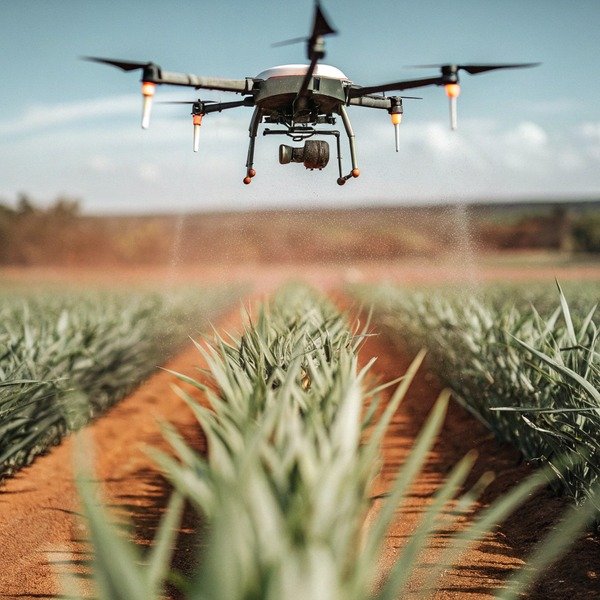
Wenn unsere Ingenieure mit US-Kunden kommunizieren, stellen wir fest, dass reine Hardware-Spezifikationen keinen garantierten regulatorischen Erfolg bedeuten. Der eigentliche Test ist, ob die Designlogik mit den strengen amerikanischen Sicherheitsprotokollen übereinstimmt.
Um die US-Betriebskenntnisse eines Lieferanten zu validieren, vergewissern Sie sich, dass sein Ingenieurteam die Einhaltung der FAA-Vorschriften für das Abwerfen von Lasten gemäß Teil 137 nachweisen kann, die Höhenkonstanz innerhalb von fünf Fuß verifizieren kann und dass seine Software die von der EPA vorgeschriebenen Pufferzonen unterstützt. Fordern Sie spezifische Testdaten zu diesen für die USA kritischen Sicherheits- und Leistungskennzahlen an.
Hier erfahren Sie, wie Sie Ihren Lieferanten technisch bewerten können, um sicherzustellen, dass er für den US-Markt produziert.
Welche FAA-Konformitätsdokumentation sollte ich anfordern, um sicherzustellen, dass die Drohne die US-amerikanischen regulatorischen Standards erfüllt?
Wir bereiten normalerweise spezifische Datenpakete für unsere amerikanischen Partner vor, weil wir wissen, dass Standard-chinesische Testberichte für die FAA nicht ausreichend sind. Sie müssen nachweisen, dass die Maschine gemäß den bundesstaatlichen Sicherheitsvorschriften funktioniert.
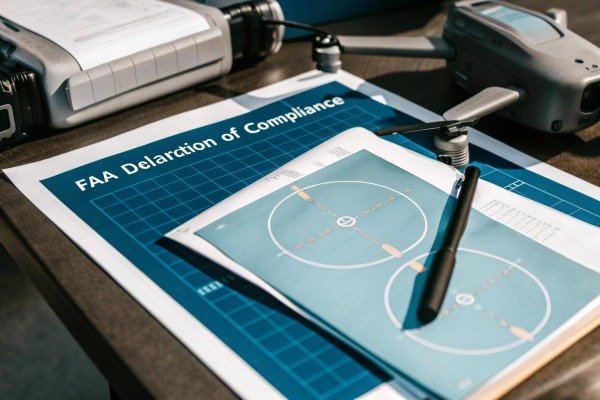
Fordern Sie eine gültige FAA-Konformitätserklärung für die Remote-ID-Hardware und detaillierte Flugtestberichte an, die das Abwerfen von Lasten innerhalb von 45 Sekunden zeigen. Bitten Sie zusätzlich um Höhenhaltungsleistungsdiagramme, um zu beweisen, dass die Drohne die stabile Höhe für eine konsistente US-Luftapplikation beibehält.

Die kritische 45-Sekunden-Abwurfregel
Die aufschlussreichste technische Frage, die Sie einem chinesischen Lieferanten stellen können, betrifft das Notablassventil. Gemäß den FAA-Vorschriften Teil 137 muss ein Agrarflugzeug in der Lage sein, FAA Part 137 regulations 1 seine landwirtschaftliche Nutzlast innerhalb von etwa 45 Sekunden abzuwerfen. Dies ist eine Sicherheitsanforderung, um sicherzustellen, dass das Flugzeug im Notfall schnell Gewicht reduzieren kann.
Auf unserem heimischen Markt in China ist diese spezifische Zeitbeschränkung nicht der primäre Fokus der Regulierung. Daher verfügen viele Standard-Agrardrohnen über kleine schwerkraftgespeiste Auslässe, die zwei oder drei Minuten zum Entleeren eines vollen Tanks benötigen können. Wenn ein Lieferant Ihnen eine Drohne schickt, die ihre Ladung nicht schnell abwerfen kann, deutet dies darauf hin, dass sein Ingenieurteam Teil 137 nicht gelesen hat. Sie sollten ein Video oder einen Testbericht anfordern, der die vollständige Entleerung des Tanks speziell zeitlich erfasst. Wenn sie dies nicht bereitstellen können, ist die Drohne möglicherweise nicht für die Zertifizierung konform.
Höhenkonstanz für Teil 137
Ein weiterer wichtiger Unterschied liegt in der Höhenkonstanz. Die FAA erwartet von Agrarflugzeugen, dass sie eine konstante Höhe halten, um sicherzustellen, dass die chemische Ausbringung sicher und effektiv ist. Der Standard sieht im Allgemeinen eine maximale Abweichung von fünf Fuß während der Schwadläufe vor.
Wir testen unsere Flugsteuerungen, um sicherzustellen, dass die Radarhöhenmesser schnell genug reagieren, um diese enge Toleranz einzuhalten. Wenn die Drohne eines Lieferanten während eines Laufs um 10 oder 15 Fuß schwankt, wirkt sich dies auf die Schwadbreite und das Abdriftpotenzial aus. Sie sollten Flugprotokolldaten anfordern, die die Höhenleistung der Drohne über unebenem Gelände zeigen. Diese Daten belegen, dass der Modus "Geländefolgung" auf die Präzision abgestimmt ist, die von US-Regulierungsbehörden gefordert wird, und nicht nur auf die allgemeine Hindernisvermeidung.
Dokumentationscheckliste
Bei der Bewertung eines neuen Lieferanten empfehlen wir, dessen Dokumentation mit dieser Checkliste zu vergleichen. Sie hebt den Unterschied zwischen einer generischen Drohne und einer für die USA gebauten Drohne hervor.
| Dokumentationspunkt | Warum US-Vorschriften (FAA) dies erfordern | Reaktion auf rote Flaggen |
|---|---|---|
| Testbericht zur Lastabwurfvorrichtung | Nachweis der Fähigkeit, die Nutzlast in <45 Sekunden abzuwerfen (Teil 137 Sicherheit). | "Der Tank entleert sich beim Sprühen automatisch." |
| Daten zur Höhenhaltung | Gewährleistet Sprühkonstanz (±5 Fuß) und Abdriftmanagement. | "Es verfügt über Radar zur Hindernisvermeidung." |
| Remote ID DOC | Obligatorisch für alle Drohnen über 250 g, um legal im US-Luftraum zu fliegen. | "Sie können später ein Drittanbieter-Modul hinzufügen." |
| FCC-Zertifizierung | Stellt sicher, dass die Funkübertragung nicht mit US-Frequenzen interferiert. | "Es funktioniert nach dem globalen 2,4-GHz-Standard." |
Wie kann ich überprüfen, ob die Flugsteuerungssoftware mit meinen bestehenden amerikanischen Präzisionslandwirtschaftswerkzeugen integriert ist?
Unsere Softwareentwickler verbringen Wochen damit, sicherzustellen, dass unsere API nahtlos mit Plattformen wie dem John Deere Operations Center kommuniziert. John Deere Betriebszentrum 2 John Deere Betriebszentrum 3 Wir wissen, dass die Drohne in den USA nur ein Teil eines größeren digitalen Farm-Ökosystems ist.
Stellen Sie sicher, dass die Missionsplanungssoftware der Drohne US-amerikanische Shapefiles (.shp) und KML-Daten nativ ohne Konvertierungsfehler importiert. Sie müssen auch bestätigen, dass die API eine nahtlose Datenübertragung zu amerikanischen Farmmanagement-Plattformen ermöglicht und gleichzeitig sensible Flugprotokolle auf US-basierten oder konformen Cloud-Servern hostet.
Mehr als nur Wegpunkte: Der Shapefile-Standard
Auf dem US-Markt ist die Präzisionslandwirtschaft stark auf GIS-Daten (Geographic Information System) angewiesen. Landwirte und Agronomen definieren Feldgrenzen mithilfe spezifischer Dateiformate, insbesondere des Shapefiles (.shp). insbesondere des Shapefiles 4 oder KML/KMZ-Formaten. Eine häufige Frustration für Importeure ist der Erhalt einer Drohne, die nur proprietäre Kartenformate akzeptiert oder vom Bediener verlangt, das Feld manuell mit einem Fernbedienungsgerät abzugehen, um Grenzen festzulegen.
Wenn wir unsere Bodenstationssoftware programmieren, legen wir Wert auf die Möglichkeit, diese Dateien direkt zu importieren. Sie sollten den Lieferanten bitten, Ihnen eine Demoversion seiner Software oder eine Bildschirmaufnahme des Importvorgangs eines Standard-Shapefiles zuzusenden. Wenn das System abstürzt, die Geometrie beschädigt oder das Feld aufgrund von Koordinatensystemfehlern (wie der Verwechslung von WGS84 mit GCJ-02, das in China verwendet wird) am falschen Ort platziert, ist seine Software nicht für den amerikanischen Betrieb bereit.
Datensicherheit und Serverstandort
Datenschutz wird zu einem riesigen Anliegen für die US-Landwirtschaft. Landwirte sind besorgt über die Speicherung ihrer Ertragsdaten und Feldkarten auf ausländischen Servern. Ein Lieferant, der den US-Markt versteht, wird eine klare Datenrichtlinie haben.
Sie müssen fragen, wo sich der Cloud-Server befindet. Ein technisches Team, das die Bedürfnisse amerikanischer Kunden versteht, wird oft US-basierte Server (wie AWS US East) verwenden AWS US East 5 für seine amerikanische Flotte oder einen "Offline-Modus" anbieten, bei dem Daten niemals das Tablet verlassen. Wenn die Antwort des Lieferanten vage ist oder er bestätigt, dass alle Daten unverschlüsselt über einen Server in China geleitet werden, ist dies ein erhebliches Eintrittsbarriere für viele US-Regierungs- und kommerzielle Verträge.
Integrationsfähigkeiten
Die Fähigkeit zur Integration mit Drittanbieter-Software unterscheidet ein Spielzeug von einem Werkzeug. Wir stellen unseren großen US-Distributoren oft ein SDK (Software Development Kit) zur Verfügung, damit diese benutzerdefinierte Apps erstellen können. Hier erfahren Sie, wie Sie die Softwarereife bewerten können:
| Funktionskategorie | Basis-/generische Drohne | US-Marktreifes Drohne |
|---|---|---|
| Feldgrenzen-Import | Manuelle Kartierung nur über Fernbedienung. | Direkter Import von .shp-, .kml- und .json-Dateien. |
| Sprühprotokolle | Einfache Aufzeichnungen über "Flugzeit" und "verbrauchte Batterie". | Detaillierte "As-Applied"-Karten, kompatibel mit landwirtschaftlicher Software. |
| Datenspeicherung | Cloud-Synchronisierung mit dem heimischen Server des Herstellers. | Lokale Speicheroption oder Cloud-Server mit Sitz in den USA. |
| Einheitensystem | Nur metrisch (Meter/Liter). | Umschalter für imperiale Einheiten (Acres/Gallonen/Fuß). |
Wie bestätige ich, dass das Ingenieurteam die US-Anforderungen für die Sprühnebelkontrolle und die Düsenkonfiguration versteht?
Wir testen ständig verschiedene Düsen Drücke in unseren Windkanälen, da wir verstehen, dass die EPA Abdrift nicht als Unfall, sondern als Verstoß betrachtet. Die US-Standards für Tröpfchengröße sind weitaus strenger als in vielen anderen Regionen.
Fragen Sie, ob ihr Sprühsystemdesign mit dem Tier 3 AgDRIFT-Modell der EPA bewertet wurde. Bestätigen Sie, dass sie ISO-Standard-Düsenanschlüsse verwenden, die mit US-Marken wie TeeJet kompatibel sind, und fordern Sie Daten zur Tröpfchenspektrumanalyse an, um die Einhaltung spezifischer US-Pestizid-Label-Beschränkungen sicherzustellen.
Der Übergang zum Tier 3 AgDRIFT-Modell
Die regulatorische Landschaft in den USA verändert sich. Die EPA bewegt sich hin zu komplexeren Modellen zur Bewertung von Umweltrisiken. Insbesondere das Tier 3 AgDRIFT-Modell wird zum Standard. AgDRIFT-Modell 6 zur Bewertung des Verhaltens von Sprühanwendungen aus der Luft. Dieses Modell berücksichtigt die Nachlaufverwirbelung des Flugzeugs, die Tropfengröße und die Windbedingungen.
Ein generischer Lieferant könnte Ihnen einfach sagen, dass seine Drohne "gleichmäßig sprüht". Ein Lieferant mit technischem Fachwissen auf dem US-Markt wird verstehen, dass der Rotorabwind der Drohne beeinflusst, wo die Chemikalie landet. Sie sollten fragen, ob sie Driftmodellierungen durchgeführt haben. Selbst wenn sie nicht die vollständige EPA-Simulation selbst durchgeführt haben, sollten sie in der Lage sein zu erklären, wie ihr Rotordesign den "Wirbel"-Effekt minimiert, der feine Tröpfchen nach oben und vom Feld wegzieht.
Düsenauswahl und Tropfengröße
In China ist die Sprühanwendung mit extrem geringem Volumen (ULV) mit sehr feinem Nebel (Zerstäubern) beliebt, da sie die Blätter gut bedeckt. In den USA verbieten jedoch viele Herbiziletiketten ausdrücklich feine Tröpfchen, da sie zu leicht abdriften. Sie schreiben "grobe" oder "extra grobe" Tröpfchen gemäß den ASABE S572-Standards vor. ASABE S572-Standards 7
Wenn ein Lieferant darauf besteht, dass seine Rotationszerstäuber (die feinen Nebel erzeugen) die einzige Option sind, versteht er die US-Herbizidanwendung nicht. Das Ingenieurteam muss ein Standard-druckbasiertes System mit Düsenkörpern nach ISO-Standard anbieten. Dies ermöglicht es dem amerikanischen Betreiber, eine TeeJet- oder Hypro-Düse einzuschrauben, um die genaue Tropfengröße zu erhalten TeeJet- oder Hypro-Düse 8 die vom chemischen Etikett gefordert wird.
Tropfengrößenklassifizierungen
Wir verwenden die folgende Tabelle, um unsere internen Teams darüber aufzuklären, warum US-Kunden bestimmte Düseneinstellungen ablehnen. Sie können diese verwenden, um Ihren Lieferanten zu befragen.
| Tropfenkategorie (ASABE S572) | Farbcode | Typischer US-Anwendungsfall | Lieferantenanforderung |
|---|---|---|---|
| Fein (F) | Orange | Fungizide, Insektizide (hohes Abdrift-Risiko). | Muss für Herbizide einstellbar/vermeidbar sein. |
| Mittel (M) | Gelb | Einige Kontakt-Herbizide. | Standard-Druckdüsenfähigkeit. |
| Grob (C) | Blau | Systemische Herbizide (z. B. Glyphosat). | Kritisch: Muss grobe Düsen unterstützen, um Abdrift zu verhindern. |
| Extra Grob (XC) | Weiß | Abdriftanfällige Chemikalien (z. B. Dicamba). | Pumpsystem muss hohen Durchfluss für große Tropfen bewältigen. |
Welche technischen Fragen sollte ich stellen, um die Erfahrung des Lieferanten mit US-Pflanzenschutzszenarien zu bewerten?
Unser Support-Team weiß, dass US-Drohnenbetreiber oft den Luftraum mit Sprühflugzeugen teilen, die mit 140 Meilen pro Stunde fliegen. Wir entwickeln unsere Systeme so, dass sie in dieses Umfeld mit hohem Risiko passen, nicht nur um isoliert zu fliegen.
Erkundigen Sie sich, wie ihre Kollisionsvermeidungslogik bemannte Agrarflugzeuge priorisiert, eine wichtige Anforderung der NAAA. Stellen Sie spezifische Fragen zur Festlegung unregelmäßiger Pufferzonen für empfindliche Kulturen und ob ihr Support-Team den Unterschied zwischen den betrieblichen Einschränkungen von Teil 107 und Teil 137 versteht.
Protokolle für geteilten Luftraum
Eines der gefährlichsten Szenarien in der US-Agrarluftfahrt ist, wenn eine Drohne und ein bemanntes Flugzeug (Sprühflugzeug) im selben Gebiet arbeiten. Die National Agricultural Aviation Association (NAAA) hat strenge Richtlinien hierfür. National Agricultural Aviation Association 9 Das Prinzip "Sehen und Ausweichen" ist von größter Bedeutung.
Wenn Sie den technischen Leiter des Lieferanten interviewen, fragen Sie ihn: "Wie reagiert die Drohne, wenn ein tief fliegendes Flugzeug erkannt wird?" Eine allgemeine Antwort ist: "Sie nutzt Radar zum Stoppen." Eine sachkundige Antwort beinhaltet die Integration von ADS-B In. Die Drohne sollte in der Lage sein, das Signal eines bemannten Flugzeugs zu erkennen und automatisch ihre Höhe zu senken oder sofort zum Ausgangspunkt zurückzukehren. Wenn der Lieferant nicht weiß, was ADS-B ist oder warum ein Sprühflugzeug was ADS-B ist 10 in 10 Fuß Höhe über dem Boden fliegen könnte, entwirft er nicht für die Realität des US-Luftraums.
Der Standard "Operation Safe"
Die NAAA betreibt ein Programm namens "Operation Safe", das Sprühmuster kalibriert. Lieferanten, die sich an den US-Markt richten, beziehen sich oft darauf. Sie sollten den Lieferanten fragen, wie seine Pumpenkalibrierungslogik funktioniert. US-Betreiber müssen eine spezifische "Gallonen pro Hektar" (GPA)-Rate einstellen.
Wenn die Software der Drohne es Ihnen nur erlaubt, "Liter pro Minute" (Durchflussrate) einzustellen, ohne die Geschwindigkeit und die Sprühbreite zu berechnen, um ein Gesamtvolumen pro Fläche zu ermitteln, muss der Betreiber komplexe Berechnungen im Kopf durchführen. Dies führt zu illegalen Ausbringungsraten. Die Software muss es dem Benutzer ermöglichen, die Ziel-GPA (z. B. 2 Gallonen pro Hektar) einzugeben, und die Drohne sollte die Pumpengeschwindigkeit automatisch an ihre Fluggeschwindigkeit anpassen. Dies ist eine grundlegende Erwartung für US-Betreiber, die oft in grundlegender Firmware fehlt.
Betriebliche Warnsignale
Achten Sie schließlich darauf, wie sie über die "Pufferzone" sprechen. In den USA ist eine Pufferzone eine gesetzliche harte Grenze (z. B. 100 Fuß von einem Fluss entfernt). Die Drohne darf keinen einzigen Tropfen in dieser Zone versprühen.
- Schlechte Antwort: "Man kann einfach aufhören, in der Nähe des Flusses zu fliegen."
- Gute Antwort: "Unsere Software ermöglicht es Ihnen, ein 'No-Spray Zone'-Polygon zu zeichnen. Die Pumpe schaltet 10 Fuß vor der Linie automatisch ab, um Systemverzögerungen zu berücksichtigen, und wir erstellen einen Post-Flight-Bericht, der beweist, dass in diesem Bereich kein Sprühnebel aufgetreten ist."
Dieses Detailniveau zeigt, dass das Ingenieurteam versteht, dass für Sie die Einhaltung von Vorschriften genauso wichtig ist wie das Fliegen selbst.
Schlussfolgerung
Um festzustellen, ob ein chinesischer Lieferant US-Standards versteht, müssen Sie über das Datenblatt hinausgehen. Sie müssen sein Verständnis von FAA Part 137-Sicherheitsmechanismen wie der 45-Sekunden-Abwurfregel, die Fähigkeit seiner Software, US-Datenformate und -sicherheit zu verarbeiten, und seine technische Anpassung an EPA-Driftmodelle untersuchen. Ein Lieferant, der Daten zur Höhenkonstanz liefern, grobe Tropfenanwendungen unterstützen und die Sicherheit des gemeinsamen Luftraums diskutieren kann, verkauft nicht nur eine Drohne; er liefert ein konformes Werkzeug für Ihr Unternehmen.
Fußnoten
1. Offizielle Quelle der staatlichen Regulierung für den Betrieb von Agrarflugzeugen. ︎
2. Offizielle Produktseite für die spezifische genannte wichtige Branchenplattform. ︎
3. Offizielle Produktseite für die genannte Präzisionslandwirtschaftsplattform. ︎
4. Allgemeiner Hintergrund zum branchenüblichen GIS-Dateiformat. ︎
5. Offizielle Dokumentation für die genannte Cloud-Infrastruktur. ︎
6. Offizielle EPA-Seite, die das spezifische für die Einhaltung erforderliche Driftmodell beschreibt. ︎
7. Branchenstandard für die Klassifizierung von Tropfengrößen in der Luftfahrtanwendung. ︎
8. Offizielle Website des branchenüblichen Düsenherstellers. ︎
9. Offizielle Website der wichtigsten US-Branchenorganisation für die Agrarluftfahrt. ︎
10. Technische Erklärung der genannten Luftüberwachungstechnologie. ︎

 English
  Español de México
  Deutsch
  Français
  Русский
  العربية
