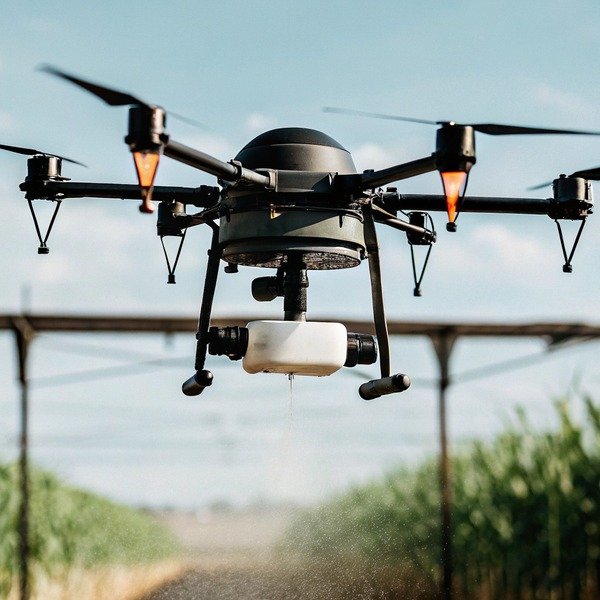
Einen Drohnenrahmen zu sehen, der nach nur wenigen Monaten Betrieb reißt, ist eine frustrierende und kostspielige Erfahrung für jeden Flottenmanager. Batteriewechsel 1. In unserer Testanlage in Xi'an haben wir beobachtet, dass Standard-Gewerbespezifikationen oft die intensive repetitive Belastung täglicher landwirtschaftlicher Zeitpläne nicht berücksichtigen.
Sie müssen Ermüdungsprüfberichte priorisieren, die mindestens 10.000 erfolgreiche Druckzyklen bei voller Nutzlast zeigen. Wichtige Kennzahlen sind eine Stoßfestigkeit in vertikaler Richtung von über 5g, S-N-Kurvendaten für Materialspannungsbegrenzungen und dynamische Falltest-Ergebnisse, die unebenes Geländeverhalten simulieren und nicht nur flache Laboroberflächen.
Lassen Sie uns genau aufschlüsseln, welche Zahlen Sie auf einem technischen Datenblatt sehen müssen, um langfristige Zuverlässigkeit und Rentabilität zu gewährleisten.
Was ist die Mindestanzahl von Zykluswiederholungen, nach der ich in einem gültigen Ermüdungsprüfbericht suchen sollte?
Viele Käufer übersehen die schiere Anzahl von Landungen, die eine Agrardrohne während einer Spitzen-Sprühsaison durchführt. Wenn wir unsere SkyRover-Modelle für den Export zertifizieren, simulieren wir jahrelange Beanspruchung in nur wenigen Wochen, um die strukturelle Langlebigkeit zu garantieren. strukturelle Langlebigkeit 2
Für landwirtschaftliche Einsätze mit hoher Frequenz müssen gültige Ermüdungsberichte mindestens 10.000 bis 15.000 erfolgreiche Lastzyklen ohne strukturelle Verformung nachweisen. Dieses Volumen repliziert ungefähr drei Jahre intensiver täglicher Nutzung und berücksichtigt die repetitive Belastung durch automatisierte Batteriewechsel und Flüssigkeitsnachfüllstopps, die in der modernen Landwirtschaft üblich sind.

Den "Zyklus" in der Landwirtschaft verstehen
In der Welt der Drohnenherstellung bezieht sich ein "Zyklus" auf eine vollständige Abfolge von Start und Landung. Bei einer Fotodrohne kann dies alle 30 Minuten einmal vorkommen. In der Landwirtschaft ist das Betriebsprofil jedoch völlig anders. Eine Drohne, die einen 30-Liter-Tank trägt, entleert ihre Nutzlast in 10 bis 12 Minuten. 30-Liter-Tank 3 Er landet, erhält einen Batteriewechsel und eine Nachfüllung und startet wieder. Dies geschieht während der Hochsaison 40 bis 50 Mal pro Tag und Maschine.
Wenn wir fehlerhafte Konkurrenzprodukte analysieren, ist das Problem selten ein einzelnes katastrophales Ereignis. Stattdessen handelt es sich um kumulative Ermüdung. Das Fahrwerk absorbiert wiederholt den Aufprall des Drohnengewichts plus der verbleibenden flüssigen Nutzlast. Wenn ein Lieferant Daten liefert, die auf der Standardnutzung von Logistikdrohnen basieren (vielleicht 5 Zyklen pro Tag), sind diese Daten für die Landwirtschaft nutzlos. Sie benötigen den Nachweis, dass das Fahrwerk den Hochfrequenzrhythmus der Feldarbeit bewältigen kann.
Die versteckte Gefahr der Aluminiumermüdung
Viele Fahrwerksstreben werden aufgrund ihrer Kosteneffizienz und ihres geringen Gewichts aus Aluminiumlegierungen hergestellt. Aluminium hat jedoch eine besondere Eigenschaft: Es hat keine Ermüdungsgrenze. Ermüdungsgrenze 4 Ermüdungsgrenze 5 Das bedeutet, dass selbst kleine Spannungen, wenn sie oft genug wiederholt werden, schließlich zum Reißen des Metalls führen.
Bei der Überprüfung von Testberichten müssen Sie speziell für die verwendete Legierung die "S-N-Kurve" (Spannung-Anzahl der Zyklen) suchen. Wenn der Bericht bei 1.000 Zyklen endet, fliegen Sie im Blindflug. Wir belasten unsere Prüfstände bis zu 15.000 Zyklen oder mehr. Dies stellt sicher, dass sich die mikroskopischen Veränderungen in der Metallstruktur während der Lebensdauer der Maschine nicht zu sichtbaren Rissen ausbreiten. Wenn ein Lieferant Ihnen keine Daten über 2.000 Zyklen hinaus vorlegen kann, hat er die Drohne wahrscheinlich für den Hobbygebrauch und nicht für industrielle Anwendungen konzipiert.
Zykluszahl vs. operative Realität
Es ist auch wichtig zu verstehen, was in diesen Berichten einen "erfolgreichen" Zyklus ausmacht. Einige Hersteller zählen einen Zyklus als erfolgreich, wenn das Bein nicht bricht. Wir definieren Erfolg jedoch als null plastische Verformung. Wenn sich das Bein nach 5.000 Landungen auch nur um 1 Millimeter biegt, ändert sich die Geometrie der Drohne. Dies beeinträchtigt die Kalibrierung des Radars und der Sprühdüsen.
Nachfolgend finden Sie eine Anleitung, die Ihnen hilft, Zyklusdaten basierend auf Ihren betrieblichen Anforderungen zu interpretieren.
Tabelle 1: Mindestempfohlene Ermüdungszyklen nach Nutzungsintensität
| Betriebliche Intensität | Tägliche Flüge (Durchschnitt) | Jährliche Zyklen (geschätzt) | Erforderliche Mindesttestzyklen | Risikostufe mit Standardfahrwerk |
|---|---|---|---|---|
| Leichte Beanspruchung (Punktuelle Sprühung) | 10 – 20 | 1.500 – 2.000 | 5,000+ | Niedrig |
| Mittlere Beanspruchung (Kleine Betriebe) | 20 – 35 | 3.000 – 4.500 | 8,000+ | Mäßig |
| Schwere Beanspruchung (Gewerbliche Flotte) | 40 – 60 | 6.000 – 8.000 | 15,000+ | Kritisch |
| Kontinuierlicher Betrieb (24-Stunden-Schicht) | 60+ | 10,000+ | 20,000+ | Extrem |
Fragen Sie immer nach der "Zyklus bis zum Ausfall"-Nummer, nicht nur nach der "Testdauer". Ein Test, der bei 5.000 Zyklen ohne Ausfall stoppt, ist gut, aber ein Test, der bis zum Ausfall bei 18.000 Zyklen lief, gibt Ihnen eine definitive Lebensdauer-Obergrenze.
Wie beeinflusst die maximale Nutzlastkapazität die Kennzahlen der vertikalen Stoßfestigkeit, die ich überprüfen muss?
Eine schwere Drohne, die hart auf dem Boden aufschlägt, ist ein Physikproblem, das schwache Rahmen zerstört. Unser Ingenieurteam passt die Steifigkeit der Streben ständig an, um volle Tanks zu bewältigen, die bei Notlandungen oder schnellen Abstiegen aufschlagen.
Wenn die Nutzlastkapazität steigt, muss die Kennzahl für die vertikale Stoßfestigkeit nichtlinear skalieren, um höhere kinetische Energie zu absorbieren. Sie sollten überprüfen, ob das Fahrwerk für Falltests aus 30 Zentimetern Höhe für Spitzenaufprallkräfte von mindestens dem 2,5-fachen des maximalen Abfluggewichts (MTOW) ausgelegt ist.

Die Physik schwerer Aufprälle
Wenn Sie von einer 10-Liter-Drohne zu einer 50-Liter-Drohne wechseln, fügen Sie nicht nur Gewicht hinzu; Sie multiplizieren die kinetische Energie, die bei jeder Landung beteiligt ist. kinetische Energie 6 Die kinetische Energie wird berechnet als Kinetische Energie 7 $E_k = \frac{1}{2}mv^2$. Da Agrardrohnen oft schnell absteigen, um die Effizienz zu maximieren, kann die Geschwindigkeit ($v$) beim Aufprall erheblich sein.
Wenn eine 50 kg schwere Drohne mit einer Sinkgeschwindigkeit von 1 Meter pro Sekunde landet, muss das Fahrwerk sofort eine enorme Energiemenge absorbieren. Wenn das Fahrwerk zu steif ist, überträgt sich diese Energie direkt auf den Kohlefaserrahmen und verursacht Mikrorisse. Kohlefaserrahmen 8 Wenn es zu weich ist, schlägt die Drohne auf dem Boden auf und beschädigt den Spritztank oder die Sensoren.
Verständnis von G-Kraft-Bewertungen
Bei Falltests verwenden wir Wägezellen (Sensoren, die Kräfte messen), die unter dem Fahrwerk platziert werden. Wir suchen nach der "Spitzenaufprallkraft". Auf einem Datenblatt kann dies in Newton oder als G-Kraft-Mehrfaches ausgedrückt werden.
Für eine schwere Agrardrohne ist eine Bewertung von "1G" (die ihr eigenes Gewicht trägt) bedeutungslos. Das Fahrwerk muss dynamischen Stößen standhalten. Wir empfehlen eine Bewertung von mindestens 2,5 G bis 3 G. Das bedeutet, wenn Ihre Drohne voll beladen 50 kg wiegt, sollte das Fahrwerk einer momentanen Kraft von 125 kg bis 150 kg standhalten können, ohne zu knicken.
Der "Schwall"-Faktor
Eine spezifische Kennzahl, die in allgemeinen Berichten oft fehlt, ist der Einfluss der Bewegung der flüssigen Nutzlast. Im Gegensatz zu einer festen Frachtkiste bewegt sich flüssiger Dünger. Wenn eine Drohne auf den Boden trifft, bewegt sich die Flüssigkeit im Tank weiter nach unten und erzeugt einen sekundären Aufprallspitzenwert Millisekunden nach der ersten Landung.
Wir nennen dies den "Wasserschlag-Effekt" in der Landungsdynamik. Standard-Falltests verwenden feste Gewichte, da diese im Labor einfacher zu handhaben sind. Sie sollten Ihren Lieferanten jedoch fragen, ob seine Daten zur vertikalen Stoßbelastung "Strömungsdynamik" beinhalten oder ob er während des Tests eine flüssige Nutzlast verwendet hat. Fahrwerke, die nur mit festen Gewichten getestet wurden, können unter der spezifischen aufwallenden Belastung eines Flüssigkeitstanks versagen.
Tabelle 2: Empfohlene Aufprallkraftbewertungen nach Nutzlastklasse
| Drohnenkapazität | Max. Abfluggewicht (MTOW) | Min. Spitzenkraft (Newton) | Fallhöhe (Min.) | Hauptstrukturelles Risiko |
|---|---|---|---|---|
| 10 Liter | ~25 kg | > 650 N | 20 cm | Gelenkbrechen |
| 30 Liter | ~55 kg | > 1.500 N | 30 cm | Rohrverbiegung |
| 50 Liter | ~90 kg | > 2.500 N | 40 cm | Rahmenbruch |
| 70+ Liter | ~120 kg | > 3.500 N | 50 cm | Hydraulikausfall |
Wenn im Datenblatt die Fallhöhe oder die Art der Nutzlast (fest vs. flüssig) nicht angegeben ist, ist die Stoßfestigkeit wahrscheinlich übertrieben. Gehen Sie immer vom schlimmsten Fall aus: ein voller Tank, der auf hartem Boden landet.
Welche Materialspannungsindikatoren deuten darauf hin, dass das Fahrwerk langfristig stark beansprucht wird?
Materialien reagieren unterschiedlich, wenn sie über die Zeit Feuchtigkeit und Vibrationen ausgesetzt sind. Wir lehnen oft Legierungsproben ab, die auf dem Papier stark aussehen, aber nach Tests im Klimaschrank unsere mikroskopische Korrosionsermüdungsanalyse nicht bestehen.
Die kritischsten Spannungsindikatoren sind die Mikrorissausbreitungsrate und die Ermüdungsgrenze auf der S-N-Kurve. Bei Verbundwerkstoffen prüfen Sie die Delaminationsbeständigkeitsdaten, während Aluminiumkomponenten Korrosionsermüdungsinteraktionskennzahlen benötigen, die die Beibehaltung der strukturellen Integrität nach Exposition gegenüber Feuchtigkeit und ätzenden chemischen Düngemitteln zeigen.
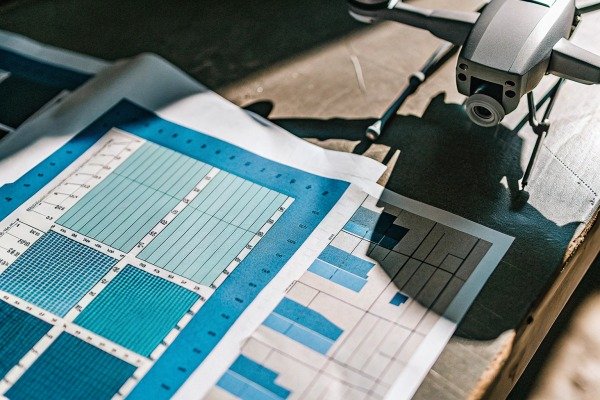
Kohlefaser vs. Aluminium Spannungsmarker
Die meisten High-End-Agrardrohnen verwenden eine Mischung aus Kohlefaserrohren und Aluminiumverbindungen. Diese beiden Materialien versagen auf sehr unterschiedliche Weise, und Sie müssen für jedes unterschiedliche Datenpunkte suchen.
Für Kohlefaser, ist die Gefahr Delamination. Dies ist, wo die Schichten des Verbundwerkstoffs intern trennen. Sie können dies nicht mit bloßem Auge sehen. Die relevante Testmetrik hier ist die "Interlaminare Scherfestigkeit" (ILSS) nach Ermüdungszyklen. Wenn die ILSS nach 1.000 Zyklen um mehr als 10% sinkt, werden die Rohre unter normaler Last schließlich brechen. Wir verwenden Ultraschallscans, um dies zu überprüfen, und Sie sollten fragen, ob der Lieferant zerstörungsfreie Prüfungen (ZfP) an seinen Ermüdungsproben durchführt.
Für Aluminium (normalerweise 7075 oder 6061 Serie), ist die Schlüsselmetrik die "Rissausbreitungsrate". Sobald ein mikroskopischer Riss entsteht, wie schnell wächst er? In einer Umgebung mit hoher Vibration wie einer Drohne kann ein Mikroriss in nur wenigen Flugstunden zu einem katastrophalen Ausfall führen.
Korrosionsermüdungsinteraktion
Dies ist ein Bereich, in dem wir viele generische Drohnen scheitern sehen. Agrarumgebungen sind hart. Das Fahrwerk ist ständig Pestiziden, Fungiziden und Düngemitteln ausgesetzt, von denen viele korrosiv sind.
Standardermüdungsprüfungen werden in sauberen, trockenen Labors durchgeführt. Wenn Aluminium jedoch korrodiert, sinkt seine Ermüdungsgrenze drastisch – manchmal um 50 % oder mehr. Dieses Phänomen wird als "Korrosionsermüdung" bezeichnet."
Bei der Überprüfung von Materialspezifikationen sollten Sie nach Ergebnissen von "Salzsprühtests" in Kombination mit Belastungstests suchen. Ein Bericht, der besagt "500 Stunden Salzsprühtest bestanden", ist gut für Rost, aber ein Bericht, der besagt "90 % Tragfähigkeit nach Salzsprühtest beibehalten", ist das, was Sie tatsächlich benötigen. Dies beweist, dass die chemische Einwirkung die Fähigkeit des Metalls, Landungen zu verkraften, nicht geschwächt hat.
Vibrationsresonanzdaten
Ein weiterer Spannungsindikator beinhaltet Vibrationen. Jede Struktur hat eine "Eigenfrequenz"." Eigenfrequenz 9 Wenn die Vibration des Drohnenmotors mit der Eigenfrequenz des Fahrwerks übereinstimmt, tritt Resonanz auf. Dies wirkt wie ein unsichtbarer Hammer, der Tausende Male pro Sekunde auf die Struktur einschlägt.
Fortgeschrittene Testberichte enthalten eine Grafik zur "Schwingungsübertragbarkeit". Sie möchten sehen, dass die Eigenfrequenz des Fahrwerks weit von der Betriebsfrequenz der Motoren entfernt ist (normalerweise 60-100 Hz für große Drohnen). Wenn diese Zahlen übereinstimmen, versagt das Fahrwerk aufgrund von Vibrationsbelastung vorzeitig, unabhängig davon, wie gut das Material ist.
Tabelle 3: Checkliste für Materialspannungsmetriken
| Komponentmaterial | Primärer Ausfallmodus | Wichtige Testdaten zur Anforderung | Warnzeichen in Berichten |
|---|---|---|---|
| Kohlefaser | Delamination | Interlaminare Scherfestigkeit (ILSS) | Keine Ultraschall-/Röntgenvalidierung |
| Aluminiumlegierung | Ermüdungsrisse | S-N-Kurve & Rissfortschrittsrate | Keine Zykluszahl angegeben |
| Gelenke/Halterungen | Lockerung/Scherung | Drehmomentrückhaltung nach Vibration | "Nur "statische Last" |
| Beschichtungen | Chemische Korrosion | Tragfähigkeit nach Korrosion | Nur Sichtprüfung |
Spiegelt die Standard-Laborermüdungsprüfung den Verschleiß von unebenem Ackerlandgelände genau wider?
Ein flacher Betonboden im Labor ist nichts wie ein schlammiges, gefurchtes Maisfeld. Unsere Feldtests in Chengdu beweisen, dass reale Kräfte aus unvorhersehbaren Winkeln kommen und Scherbelastungen erzeugen, die bei Standard-Falltests aus der Höhe völlig übersehen werden.
Standard-Labortests können Feldausfälle oft nicht vorhersagen, da sie vertikale Lasten gleichmäßig anwenden. Sie benötigen Testdaten, die asymmetrische Aufprallszenarien beinhalten, bei denen ein Bein zuerst auf dem Boden aufschlägt und seitliche Scherkräfte erzeugt, die eine Landung auf schrägem oder gefurchtem Ackerland nachahmen.

Der Mythos der flachen Landung
Im Labor wird eine Drohne perfekt eben auf eine flache Stahlplatte fallen gelassen. Die Kraft verteilt sich gleichmäßig auf alle vier (oder sechs) Landebeine. Dies ist das "ideale" Szenario.
In der realen Welt landet ein Landwirt auf einer unebenen Straße mit Schlaglöchern, einem Hang oder direkt über einer Feldfurche. In diesen Szenarien trifft ein Bein zuerst auf den Boden. Dieses einzelne Bein trägt kurzzeitig das gesamte Gewicht der Drohne plus die Aufprallträgheit. Da der Boden uneben ist, ist die Kraft nicht nur vertikal, sondern drückt das Bein auch seitlich.
Seitliche Scher- und Spreizkräfte
Diese seitlichen Kräfte werden als "seitliche Scherung" bezeichnet. Standard-Fahrwerke sind vertikal (Druck) stark ausgelegt. Viele Designs sind jedoch horizontal schwach. Wenn eine schwere Drohne auf einer schrägen Fläche landet, wollen die Beine "spreizen" oder sich nach außen bewegen.
Wenn die Testdaten nur "Vertikale Kompression" enthalten, sind sie unzureichend. Sie müssen nach "Seitenlast" oder "seitlicher statischer Last" suchen. Zum Beispiel testen wir unsere Ausrüstung, indem wir Kraft von der Seite anwenden, um eine Landung mit 15 Grad Neigung zu simulieren. Dies stellt sicher, dass die Montagehalterungen – wo die Ausrüstung mit dem Hauptkörper verbunden ist – nicht abbrechen, wenn die Drohne ungeschickt landet.
Hybrides Testen: Der Goldstandard
Da wir wissen, dass Labortests Grenzen haben, befürworten wir einen hybriden Testansatz. Ein verantwortungsbewusster Hersteller sollte Daten sowohl aus dem Labor (für konsistente, wiederholbare Benchmarks) als auch aus dem Feld (für reale Validierung) liefern.
Felddaten erscheinen in Berichten normalerweise als "Flugteststunden" in bestimmten Umgebungen. Achten Sie auf Hinweise bezüglich:
- Geländevielfalt: Wurde es nur auf Beton getestet oder auch auf weichem Boden und Kies?
- Windbedingungen: Starker Wind zwingt die Drohne, in einem Winkel zu landen (Seitenwindlandung), was eine enorme Torsionsbelastung (Drehmoment) auf das Fahrwerk ausübt.
- Befestigungsintegrität: Feldberichte sollten verfolgen, wie oft Schrauben und Bolzen nachgezogen werden müssen. Im Labor lockern sich Bolzen selten. Auf einem Bauernhof lockern Vibrationen und unebene Landungen Bolzen schnell.
Warum "Kippsturz"-Widerstand wichtig ist
Unebenes Gelände erhöht auch das Risiko eines Kippens. Während dies wie ein Pilotenfehler klingt, spielt das Design des Fahrwerks eine große Rolle. Breitere Spuren und flexible "Füße" können Unebenheiten besser absorbieren als starre Kufen.
Testdaten zum "statischen Neigungswinkel" geben an, wie steil eine Neigung ist, auf der die Drohne landen kann, bevor sie umfällt. Ein höherer Winkel (z. B. 25 Grad) deutet auf einen stabileren, bodennahen Schwerpunkt hin, der im Allgemeinen mit einer besseren Haltbarkeit bei unebenem Gelände korreliert.
H3: Vergleich von Testumgebungen
| Test Typ | Kraftrichtung | Simulierte Szenarien | Einschränkung |
|---|---|---|---|
| Standard-Lab-Drop | 100% Vertikal | Perfekte Landeplattform | Ignoriert Seitenkräfte |
| Asymmetrischer Drop | Einbeiniger Fokus | Auf einen Stein/Furche treffen | Schwer zu standardisieren |
| Seitenlasttest | Horizontal/Lateral | Landung auf einer Neigung | Statisch (erfasst keinen Aufprall) |
| Feld-Ausdauer | Mehrachsig (Zufällig) | Reale landwirtschaftliche Bedingungen | Variablen sind unkontrolliert |
Vertrauen Sie letztendlich keinem Zertifikat, das nur ISO-Laborstandards zitiert. ISO-Laborstandards 10 Fragen Sie den Lieferanten: "Wie schneidet dieses Fahrwerk ab, wenn es mit vollem Tank auf einer 15-Grad-Rampe landet?" Ihre Antwort – und die Daten, mit denen sie diese untermauern – werden Ihnen alles sagen, was Sie wissen müssen.
Schlussfolgerung
Die Auswahl der richtigen Agrardrohne erfordert einen Blick über die Flugzeit und Sprühbreite hinaus. Die Ermüdungsdaten des Fahrwerks sind der beste Indikator dafür, ob eine Maschine fünf Jahre oder fünf Monate hält. Indem Sie auf Berichte bestehen, die hohe Zyklenfestigkeit, nichtlineare Schlagzähigkeit und asymmetrische Geländetests zeigen, schützen Sie Ihre Investition vor kostspieligen Ausfallzeiten. Wir glauben, dass Transparenz bei Tests die Grundlage für Vertrauen ist, und wir ermutigen Sie, von Ihren Lieferanten Rohdaten zu verlangen.
Fußnoten
1. IEEE-Forschung zu automatisierten Batteriewechselsystemen für Industriedrohnen. ︎
2. Die FAA gibt Richtlinien zur strukturellen Integrität und Wartung für kommerzielle UAS-Betriebe heraus. ︎
3. Die Agras T30 von DJI ist ein Maßstab für die Spezifikationen von 30-Liter-Agrardrohnen. ︎
4. Erklärt das grundlegende materialwissenschaftliche Konzept von Spannungsniveaus, unter denen kein Versagen auftritt. ︎
5. Definiert das metallurgische Konzept, das erklärt, warum Aluminium unter Belastung schließlich versagt. ︎
6. Die EASA definiert Sicherheitsanforderungen und kinetische Energie-Schwellenwerte für Drohnenkategorien. ︎
7. Offizielle NASA-Erklärung der physikalischen Formel zur Berechnung der Aufprallkraft. ︎
8. Toray ist ein führender Hersteller von Kohlefaser, die in Hochleistungs-Drohnenrahmen verwendet wird. ︎
9. Hintergrund zum physikalischen Konzept von Resonanz und Eigenfrequenz in Strukturen. ︎
10. Links zur Internationalen Organisation für Normung, die bezüglich Testprotokollen erwähnt wird. ︎

 English
  Español de México
  Deutsch
  Français
  Русский
  العربية
