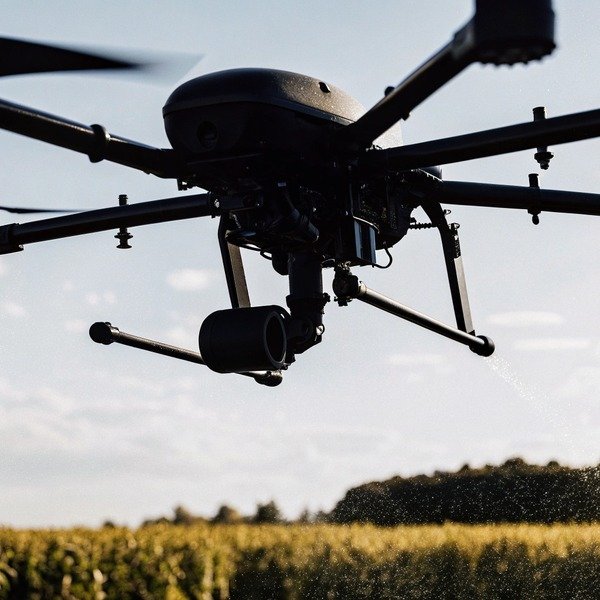
Wir sehen oft, dass Kunden im Hochsommer mit überhitzten Drohnen zu kämpfen haben. Das Ignorieren von thermischen Spezifikationen führt zu kostspieligen Ausfallzeiten, wenn Ihre Pflanzen am dringendsten gespritzt werden müssen.
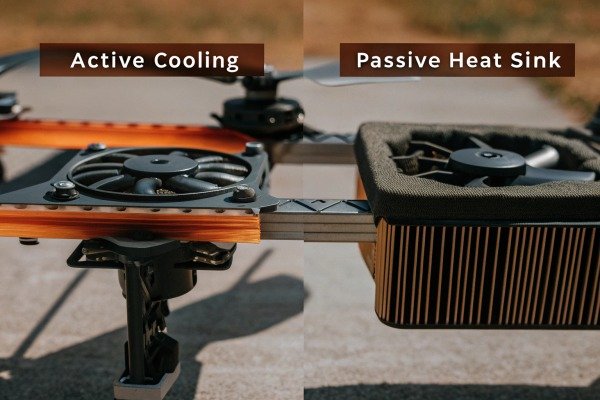
Sie sollten sich nach dem spezifischen Temperaturregelbereich, der Art der verwendeten Kühltechnologie (aktive Mini-Kühler im Vergleich zu passiven Kühlkörpern) und der thermischen Wiederherstellungszeit zwischen den Flügen erkundigen. Fordern Sie Daten zur Leistung des Systems bei Umgebungstemperaturen über 40 °C an und verifizieren Sie, ob Echtzeit-Thermotelemeterie enthalten ist.
Lassen Sie uns die genauen technischen Fragen aufschlüsseln, die Sie stellen müssen, um sicherzustellen, dass Ihre Ausrüstung hält.
Nach welchen spezifischen Kühltechnologien sollte ich bei Hochleistungs-Agrardrohnen Ausschau halten?
Unser Ingenieurteam testet verschiedene Kühlmethoden, um die intensive Hitze zu bewältigen, die von Hochleistungsbatterien erzeugt wird Hochleistungsbatterien 1. Sich auf veraltete Kühltechnologie zu verlassen, birgt Risiken für Ihren Betrieb.
Achten Sie auf aktive Mini-Kühler-Systeme oder fortschrittliche aerodynamische Kühlkörper, die für hohe Entladeströme ausgelegt sind. Aktive Systeme verwenden Kompressoren oder Lüfter, um die Temperaturen aktiv zu senken, während hochwertige passive Systeme leitfähige Aluminiumlegierungen verwenden. Aktive Kühlung ist überlegen, um Ausfallzeiten während intensiver, aufeinanderfolgender Flugzyklen zu minimieren.

Wenn wir unsere SkyRover-Drohnen entwickeln, debattieren wir ständig die Kompromisse zwischen Gewicht und Kühlkapazität. Als Käufer müssen Sie die beiden Hauptkategorien von Kühltechnologien verstehen, die heute auf dem Markt erhältlich sind: Passive luftgekühlte Systeme und Aktive Mini-Kühler-Systeme.
Passive vs. aktive Kühlarchitekturen
Passive Systeme sind in vielen Standardmodellen üblich. Sie verlassen sich auf die physische Bewegung der Drohne und das Design von Kühlkörpern – typischerweise aus hochleitfähigem Material gefertigt. Kühlkörper 2 Aluminiumlegierungen – zur Wärmeableitung. In unseren Tests funktionieren diese gut für gemäßigte Klimazonen. Wenn Sie jedoch in Regionen wie Texas oder Queensland tätig sind, wo die Bodentemperaturen in die Höhe schnellen, hat die passive Kühlung oft Schwierigkeiten, die Wärme zwischen den Flügen schnell genug abzuführen.
Aktive Systeme sind die entscheidenden Faktoren für die hochintensive Landwirtschaft. Diese beinhalten oft Minikompressoren (die mit 12V-, 24V- oder 48V-Schaltungen betrieben werden) oder Gebläse. Einige fortschrittliche Einheiten, ähnlich denen, die Sie vielleicht in neueren Wettbewerbsmodellen wie der DJI T100 Batteriestation sehen, kühlen die Batterie während des Ladevorgangs tatsächlich. DJI T100 3
Die Rolle der Kühlleistung
Sie sollten Lieferanten nach der Kühlleistung fragen, die normalerweise in Watt gemessen wird. Ein Hochleistungs-Minikühler sollte zwischen 100W und 700W Kühlleistung bieten. Diese Kennzahl gibt an, wie schnell das System Wärme aus den Batteriezellen abführen kann.
Vergleich der Kühltechnologien
Verwenden Sie die folgende Tabelle, um zu vergleichen, welche Technologie zum Betriebsprofil Ihres Hofes passt.
| Merkmal | Passive luftgekühlte Kühlkörper | Aktive Mini-Kühler-Systeme | Kryogene/Flüssigkeitskühlung (im Entstehen begriffen) |
|---|---|---|---|
| Primärer Mechanismus | Luftstrom & Wärmeleitfähigkeit | Kältekompressoren & Lüfter | Flüssigwasserstoff/Kühlmittelzirkulation |
| Kühlleistung | Gering bis mäßig | Hoch (100-700W) | Extrem |
| Gewichtseinfluss | Leicht (in den Rahmen integriert) | Schwer (erhöht die Nutzlast oder das Gewicht der Station) | Sehr schwer |
| Bester Anwendungsfall | Gemäßigte Klimazonen, geringere Einschaltdauern | Heiße Klimazonen, kontinuierliches Sprühen | Langzeit-Kartierung (Zukunftstechnologie) |
| Kosten | Niedrig | Hoch | Sehr hoch |
Aufkommende Technologien
Obwohl derzeit selten, beobachten wir Entwicklungen bei kryogenen Kühlsystemen, die mit flüssigwasserstoffbetriebenen Brennstoffzellen integriert sind. flüssigwasserstoffbetriebene Brennstoffzellen 4 Unternehmen wie NEOEx Systems forschen daran für Flugzeiten von über 20 Stunden. Auch wenn Sie dies heute wahrscheinlich nicht kaufen werden, zeigt die Nachfrage nach solchen Systemen den Anbietern, dass Sie sich auf dem Markt auskennen.
Wie geht das Kühlsystem mit kontinuierlichem Betrieb in Umgebungen mit hohen Temperaturen um?
Wir simulieren sengende Feldbedingungen in unserem Labor in Chengdu, um die Zuverlässigkeit zu gewährleisten. Wenn eine Drohne keiner kontinuierlichen Hitze standhält, gerät Ihr Sprühplan schnell ins Wanken.
Das System sollte über eine hohe Wärmeableitungsfähigkeit verfügen, die in der Lage ist, die Batterietemperaturen im optimalen Bereich von 15-35 °C zu halten, auch wenn die Außentemperatur 40 °C übersteigt. Effektive Systeme nutzen Echtzeitüberwachung, um die Kühlintensität anzupassen und so eine thermische Drosselung zu verhindern, die die Flugleistung reduziert oder zu Abschaltungen während des Einsatzes führt.
Landwirtschaftliche Drohnen fliegen nicht einmal und fliegen dann nach Hause. Sie fliegen, wechseln Batterien, füllen auf und fliegen wieder. Dieser Zyklus erzeugt einen "Heat Soak"-Effekt, bei dem sich die internen Komponenten nie vollständig abkühlen. Wenn wir in heiße Klimazonen wie den südlichen USA exportieren, raten wir den Kunden, dass die Umgebungstemperatur nur die halbe Miete ist. Umgebungstemperatur 5 Der eigentliche Feind ist die interne Wärmeentwicklung durch Hochstromentladung.
Verständnis der thermischen Erholungszeit
Sie müssen die Anbieter nach der "thermischen Erholungszeit" fragen. Dies ist die Zeit, die eine Batterie oder ein Motor benötigt, um sich nach einer vollständigen Entladung wieder auf eine sichere Betriebstemperatur abzukühlen. In einem passiven System kann dies im Schatten 30 Minuten dauern. Mit einer aktiven Kühlstation streben wir an, diese Zeit auf unter 10 Minuten zu reduzieren. Wenn die Erholungszeit länger ist als Ihre Ladezeit, werden Ihnen irgendwann die kühlen Batterien ausgehen, was Ihren Betrieb zum Erliegen bringt.
Das Problem der thermischen Drosselung
Moderne Flugsteuerungen verfügen über Sicherheitsfunktionen namens thermische Drosselung thermischer Drosselung 6. Wenn die elektronischen Drehzahlregler (ESCs) oder das Batteriemanagementsystem (BMS) eine Überhitzung erkennen, reduziert die Drohne automatisch die Leistung.
- Das Symptom: Ihre Drohne fühlt sich träge an, steigt langsam oder kehrt frühzeitig nach Hause zurück.
- Die Ursache: Das Kühlsystem kann die Umgebungswärme plus die Betriebswärme nicht bewältigen.
Umweltvariablen
Hitze ist nicht der einzige Faktor. Luftfeuchtigkeit und Höhe spielen eine Rolle. Drohnen sind für die Kühlluftstromeffizienz auf die Luftdichte angewiesen. In großen Höhen ist die Luft dünner, was bedeutet, dass Lüfter und Kühlkörper weniger effektiv sind. Wenn sich Ihre Farm in großer Höhe befindet, benötigen Sie eine noch robustere Kühlreserve.
Betriebsgrenzentabelle
Hier ist, wie die Leistung typischerweise ohne aktive Kühlung bei steigenden Temperaturen abnimmt.
| Umgebungstemperatur | Auswirkung der Kühlluftstromeffizienz | Betriebsrisiko | Empfohlene Maßnahmen |
|---|---|---|---|
| Unter 25°C (77°F) | Optimal | Niedrig | Standardbetrieb. |
| 25°C – 35°C (77°F – 95°F) | Moderate Reduzierung | Moderat (Akku warm) | Temperaturen überwachen; kurze Pausen einlegen. |
| 35°C – 40°C | Deutliche Reduzierung | Hoch (Thermische Drosselung wahrscheinlich) | Aktive Kühlstation erforderlich. |
| Über 40°C | Kritische Reduzierung | Schwerwiegend (Abschaltung/Beschädigung) | Betrieb einstellen oder aggressive externe Kühlung nutzen. |
Warum ist eine effiziente Wärmeableitung entscheidend für die Lebensdauer von Motoren und Batterien?
Unsere Serviceabteilung erhält häufig beschädigte Geräte, die ausschließlich durch schlechtes Wärmemanagement verursacht wurden. Überhitzung verschlechtert teure Komponenten schneller als jeder andere betriebliche Stressfaktor.
Eine effiziente Wärmeableitung verhindert die Verschlechterung der Batteriezusammensetzung und den Abbau der Motorisolierung, der durch übermäßige thermische Belastung verursacht wird. Das Kühlen der Komponenten gewährleistet eine konstante Spannungsausgabe, verhindert einen permanenten Kapazitätsverlust und verlängert die allgemeine Lebensdauer der teuersten Hardware-Assets der Drohne.

Die finanziellen Auswirkungen schlechter Kühlung werden oft erst zu spät sichtbar. Wir sagen unseren Händlern, dass ein Kühlsystem eine Versicherungspolice für den Antriebsstrang der Drohne ist. Wenn Sie eine Drohne kaufen, kaufen Sie im Wesentlichen einen Verbrauchsgut – die Batterie. Die Lebensdauer dieses Guts ist direkt an die Temperaturregelung gebunden.
Verschlechterung der Batteriezusammensetzung
Lithium-Polymer Lithium-Polymer-Akkus 7 Batterien arbeiten am besten zwischen 15°C und 35°C. Lithium-Polymer-Akkus 8 Wenn die Temperaturen während der Entladung 50°C überschreiten:
- Interner Widerstand steigt: Die Batterie muss härter arbeiten, um die gleiche Leistung zu liefern, was eine Rückkopplungsschleife von mehr Wärme erzeugt.
- Kapazitätsverlust: Sie können nach nur wenigen Wochen überhitzter Flüge dauerhaft 1-2 Minuten Flugzeit verlieren.
- Aufblähen: Überhitzung verursacht Gasansammlungen in den Zellen, was die Batterie physisch zerstört.
Lebensdauer von Motor und ESC
Es geht nicht nur um die Batterien. Die Motoren und elektronischen Drehzahlregler (ESCs) verarbeiten massive Ströme – oft kontinuierlich 40+ Ampere.
- Isolationsdurchbruch: Die Kupferwicklungen in Motoren sind mit einer Isolierung beschichtet. Chronische hohe Hitze macht diese Isolierung spröde und führt zu Kurzschlüssen.
- Entmagnetisierung von Magneten: Hohe Hitze kann die Neodym-Magnete in den Motoren dauerhaft schwächen und die Hubkapazität im Laufe der Zeit verringern.
Die Kosten der Vernachlässigung
Wir haben Daten von zurückgegebenen Einheiten analysiert und eine klare Korrelation festgestellt. Kunden, die aktive Kühlstationen während des Ladevorgangs nutzen, verlängern die Lebensdauer ihrer Batterien um 30-50% im Vergleich zu denen, die heiße Batterien sofort aufladen.
Tabelle zur Auswirkung auf die Lebensdauer von Komponenten
| Komponente | Normale Betriebstemperatur | Überhitzte Temperatur | Folge von Überhitzung | Finanzielle Auswirkungen |
|---|---|---|---|---|
| Li-Po-Akku | 20°C – 40°C | > 60°C | Permanenter Kapazitätsverlust, Aufblähung | Hoch (Häufiger Austausch) |
| Bürstenloser Motor | 40°C - 60°C | > 90°C | Magnetabschwächung, Lagerausfall | Mittel (Austausch des Motors) |
| ESC | 40°C – 70°C | > 100°C | Plötzlicher Ausfall, Absturz in der Luft | Hoch (Potenzial für Drohnenverlust) |
Wie kann ich die Testdaten des Herstellers bezüglich der Wärmeableitungsleistung überprüfen?
Wir ermutigen Käufer, rohe Testdaten zu verlangen, anstatt Marketingaussagen zu akzeptieren. Ohne verifizierte Daten riskieren Sie, in ein System zu investieren, das unter realem Druck versagt.
Fordern Sie spezifische Stresstestberichte an, die kontinuierliche Betriebskurven bei hohen Umgebungstemperaturen zeigen, nicht nur Labor-Durchschnittswerte. Bitten Sie um Zertifizierungen von Drittanbietern oder Feldprotokolle, die die thermische Erholungszeit und die internen Komponententemperaturen während Einsätzen mit hoher Last in realen landwirtschaftlichen Umgebungen dokumentieren.
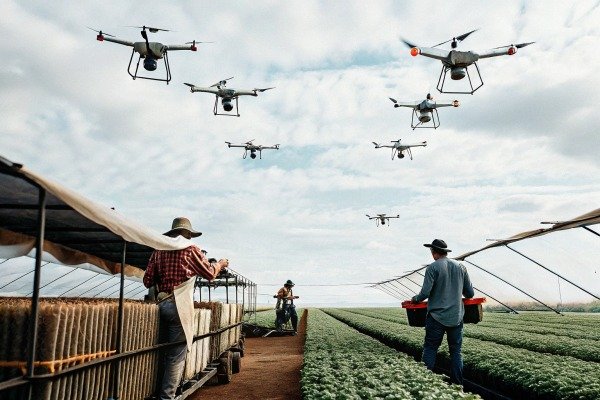
In der Drohnenindustrie verbergen Hochglanzbroschüren oft die Wahrheit. Wenn wir mit sachkundigen Einkaufsmanagern zu tun haben, fragen sie nach den "schmutzigen Daten" – den ungeschliffenen Protokollen aus Feldversuchen. Das sollten Sie auch tun. Akzeptieren Sie kein einfaches "Ja, es hat Kühlung."
Wesentliche Dokumentation, die angefordert werden sollte
Wenn Sie mit einem Lieferanten sprechen, fragen Sie nach einem "Stresstestbericht für Dauerlast." Dieses Dokument sollte die Temperaturkurve des Akkus und der Motoren über 10 oder 20 aufeinanderfolgende Flüge zeigen.
- Achten Sie auf das Plateau: Stabilisiert sich die Temperatur oder steigt sie mit jedem Flug weiter an? Wenn sie weiter steigt, ist das Kühlsystem unzureichend.
- Umgebungstemperatur-Basislinie: Überprüfen Sie, wie hoch die Umgebungstemperatur während des Tests war. Ein Test bei 20 °C ist für einen Landwirt in einem 40 °C heißen Sommer irrelevant.
Analyse der thermischen Telemetrie
Fragen Sie, ob die Drohnensoftware eine thermische Telemetrie in Echtzeit bereitstellt. Können Sie die ESC- und Akkutemperatur auf Ihrem Fernbediener sehen?
- Intelligente Funktionen: Fortschrittliche Systeme, wie die von uns entwickelten, beinhalten vorausschauende Überhitzungswarnungen. Die Software sollte Sie warnen, vor wenn die Drohne in einen kritischen Zustand gerät.
- Datenprotokollierung: Können Sie nach der Mission Flugprotokolle herunterladen, um die thermische Historie einzusehen? Dies ist entscheidend für Garantieansprüche.
IP-Schutzarten vs. Kühl-Luftstrom
Es gibt einen Konflikt zwischen Kühlung und Schutz. Große Lüftungsschlitze sorgen für gute Kühlung, lassen aber Staub und Wasser eindringen.
- Die zu stellende Frage: "Wie wirkt sich die IP-Schutzart (Ingress Protection) auf IP-Schutzart (Ingress Protection) 9 die Kühleffizienz aus?"
- Ein abgedichtetes System (IP67) ist hervorragend für die Haltbarkeit, aber schlecht für die Wärmeableitung, es sei denn, es werden fortschrittliche interne Kühlkörper oder Flüssigkeitskühlung verwendet. Sie müssen überprüfen, ob der Hersteller diese gegensätzlichen Bedürfnisse ausgeglichen hat.
Checkliste zur Feldverifizierung
Bevor Sie die Bestellung unterschreiben, stellen Sie diese drei Fragen:
- "Können Sie mir eine Fallstudie über den Betrieb dieser Drohne bei Temperaturen von über 40 °C zeigen?"
- "Deckt die Garantie thermische Schäden ab, wenn ich innerhalb Ihrer angegebenen Umgebungsgrenzwerte operiere?"
- "Was ist die genaue Kühlleistung (in Watt) der Ladestation?"
Schlussfolgerung
Die Frage nach der Wärmeableitung ist keine technische Spitzfindigkeit; sie ist eine direkte Anfrage an die Zuverlässigkeit und Rentabilität Ihres landwirtschaftlichen Betriebs. Fragen zur Wärmeableitung 10 Indem Sie spezifische Daten zu Kühltechnologien, thermischen Erholungszeiten und Belastungstest-Ergebnissen verlangen, stellen Sie sicher, dass Ihre Investition der harten Realität der Feldarbeit standhält.
Fußnoten
1. Offizielle Erklärung des Energieministeriums zur Lithium-Ionen-Batterietechnologie und deren Funktionsweise. ︎
2. Maßgebliche technische Ressource, die Kühlkörper und ihre Wärmeleitfähigkeitseigenschaften definiert. ︎
3. Offizielle Herstellerseite für die im Artikel erwähnte Serie von Agrardrohnen. ︎
4. Wikipedia-Übersicht über die Wasserstoff-Brennstoffzellentechnologie, die als aufkommende Kühllösung erwähnt wird. ︎
5. Offizielle staatliche Sicherheitsinformationen zu hohen Umgebungstemperaturen und Hitzestress. ︎
6. Führender Branchenakteur erklärt das technische Konzept des Thermal Throttling in der Elektronik. ︎
7. Allgemeine Hintergrundinformationen zur spezifischen Batterietechnologie, die in Drohnen verwendet wird. ︎
8. Allgemeine Hintergrundinformationen zur Chemie und den Eigenschaften von Lithium-Polymer-Akkus. ︎
9. Die Internationale Elektrotechnische Kommission ist die offizielle Stelle, die IP-Schutzartstandards festlegt. ︎
10. Industriestandards für Wärmemanagement und Wärmeableitung in unbemannten Luftfahrtsystemen. ︎
 English
  Español de México
  Deutsch
  Français
  Русский
  العربية
Comments
No comments yet. Be the first to share your thoughts!
Leave a Comment