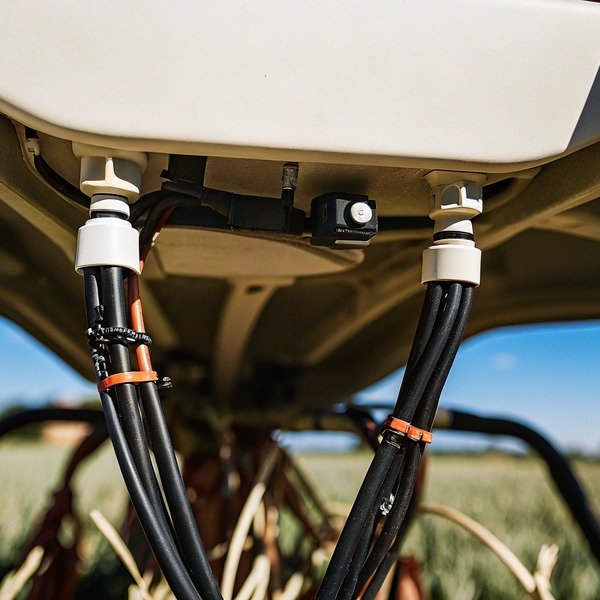
Es ist herzzerreißend zu sehen, wie eine Drohne wegen eines einfachen losen Kabels abstürzt. An unseren Montagelinien legen wir Wert auf organisierte Layouts, da wir wissen, dass chaotische Verkabelung teure Hardware während des Feldeinsatzes zerstört.
Sie sollten die Sauberkeit der Verkabelung bewerten, indem Sie auf organisierte Bündelung, sichere Befestigung mit Clips und ordnungsgemäße Zugentlastung an Steckverbindern achten. Sichere Layouts verhindern Vibrationsschäden und elektromagnetische Interferenzen und gewährleisten einen zuverlässigen Betrieb in rauen landwirtschaftlichen Umgebungen, in denen Feuchtigkeit und chemische Einwirkung ständige Risiken darstellen.
Untersuchen wir die spezifischen Details, die ein professionelles, sicheres Verkabelungssystem von einer Haftung unterscheiden.
Wie erkenne ich, ob die Verkabelung ausreichend vor Pestizidkorrosion und Feuchtigkeit geschützt ist?
Beim Testen neuer Sprühmodelle stellten wir fest, dass Standardkabel schnell degradieren. Sie müssen die spezifischen Materialien erkennen, die rauen Agrarchemikalien standhalten, und nicht nur generische Isolierungen.
Identifizieren Sie ausreichenden Schutz, indem Sie nach Steckverbindern mit IP67- oder IP68-Schutzart und korrosionsbeständigen Isoliermaterialien wie Teflon oder vernetztem Polyethylen suchen. Hochwertige Kabelbäume verwenden versiegelte, wasserdichte Stecker und schützende geflochtene Nylonummantelungen, um Feuchtigkeit und saure Pestizide daran zu hindern, die Kupferleiter im Inneren zu korrodieren.
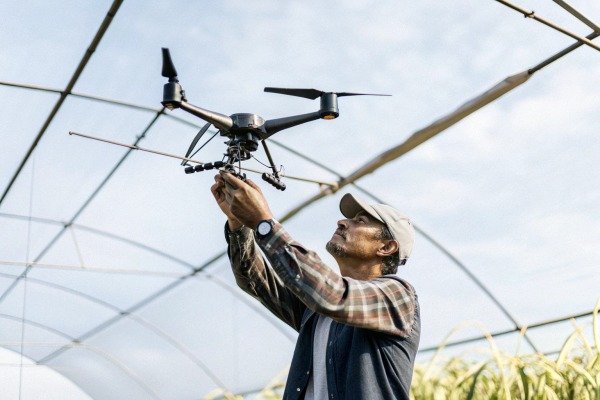
Wenn Sie eine Drohne für die Landwirtschaft bewerten, müssen Sie über die Oberfläche hinausblicken. Die Umgebung auf einem Bauernhof ist eine der feindlichsten Umgebungen für Elektronik. Wir sehen oft Drohnen, die zur Reparatur zurückkehren, bei denen das interne Kupfer grün und spröde geworden ist, ein klares Zeichen für chemische Einwirkung. Dies geschieht, weil viele Pestizide und Düngemittel hochkorrosiv sind. Pestizide und Düngemittel 1 Wenn der Kabelbaum nicht speziell dafür ausgelegt ist, diesen Mitteln zu widerstehen, reißt die Isolierung schließlich und führt zu Kurzschlüssen oder einem vollständigen Stromausfall während des Fluges.
Verständnis von Ingress Protection (IP)-Schutzarten
Das Erste, was Sie überprüfen sollten, ist die IP-Schutzart der Steckverbinder. IP-Einstufung 2 Eine Standarddrohne verwendet möglicherweise IP54, das vor Spritzwasser schützt, aber dies ist für die Landwirtschaft nicht ausreichend. Sie benötigen Steckverbinder mit der Schutzart IP67 oder idealerweise IP68. IP67 oder IP68 3 Dies stellt sicher, dass Wasser nicht in die Anschlusspunkte eindringen kann, selbst wenn die Drohne mit Flüssigkeit besprüht oder mit einem Hochdruckreiniger gereinigt wird.
Die Gefahr der Kapillarwirkung
Eine versteckte Gefahr, vor der wir unsere Kunden warnen, ist das "Dochtwirken" oder die Kapillarwirkung. Kapillarwirkung 4 Wenn ein Stecker nicht richtig abgedichtet ist, kann Flüssigkeit in die Isolierung des Drahtes eindringen und das Kabel von innen heraus verrotten lassen. Um dies zu verhindern, suchen Sie nach Vergießen – einem Prozess, bei dem eine feste Verbindung die Rückseite des Steckers ausfüllt – und Gummidichtungen an jedem Eintrittspunkt.
Materialauswahl ist wichtig
Die visuelle Inspektion sollte sich auch auf das Material der Kabelummantelung konzentrieren. Standard-PVC ist billig, härtet aber unter UV-Einwirkung und chemischem Kontakt aus und reißt. Hochwertige Agrardrohnen verwenden Materialien, die flexibel und intakt bleiben.
Tabelle 1: Vergleich der Isolationsmaterialien für Kabel
| Materialtyp | Beständigkeit gegen Chemikalien | UV-Stabilität | Flexibilität | Empfohlen für Agrardrohnen? |
|---|---|---|---|---|
| Standard-PVC | Niedrig | Niedrig | Mäßig | Nein |
| Vernetztes PE (XLPE) | Hoch | Hoch | Mäßig | Ja |
| Teflon (PTFE) | Sehr hoch | Ausgezeichnet | Niedrig | Ja (für Bereiche mit hoher Hitze) |
| Silikon | Mäßig | Hoch | Sehr hoch | Ja (mit Schutzhülle) |
Durch die Überprüfung dieser Materialien und Bewertungen stellen Sie sicher, dass Ihre Flotte nicht nur den Flug, sondern auch den anschließenden Reinigungsprozess übersteht.
Kann ein unorganisiertes Kabel-Layout zu elektromagnetischen Interferenzen und instabilem Flugverhalten führen?
Während unseres Kalibrierungsprozesses des Flugcontrollers führen wir Instabilitäten oft auf unordentliche Verkabelung zurück. Signalrauschen kann eine Präzisionsmission in eine gefährliche Abweichung oder einen Absturz verwandeln.
Ja, unordentliche Kabel verursachen häufig elektromagnetische Interferenzen (EMI), indem sie Hochstromleitungen über empfindliche Signalleitungen kreuzen lassen. Diese Nähe erzeugt Rauschen, das GPS-Sperren und Flugsteuerungsdaten stört, was zu Drift, instabilem Schweben oder vollständigem Kontrollverlust während autonomer Sprühmissionen führt.
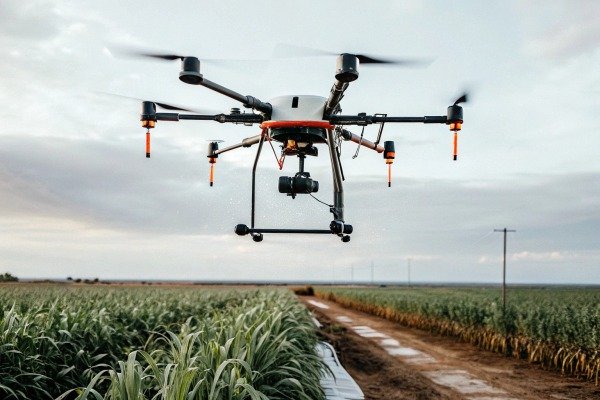
Elektromagnetische Interferenzen (EMI) sind ein unsichtbarer Killer der Drohnenzuverlässigkeit. Elektromagnetische Interferenzen (EMI) 5 Elektromagnetische Interferenzen 6 In unserer Testanlage behandeln wir die Kabelführung als kritische Ingenieursdisziplin, nicht nur als ästhetische Wahl. Wenn eine Agrardrohne eine schwere Nutzlast hebt, ziehen die Motoren massive Strommengen. Diese Stromkabel werden effektiv zu starken Elektromagneten. Wenn empfindliche Datenkabel – wie die vom Kompass, GPS oder Empfänger – zu nahe an diesen Stromleitungen verlegt werden, werden die Daten beschädigt.
Der "Antenneneffekt"
Betrachten Sie lose Drähte als Antennen. Wenn eine Signalleitung zu lang und zufällig aufgewickelt ist (eine übliche Abkürzung bei fauler Herstellung), nimmt sie mehr Rauschen auf. Wir verwenden Twisted-Pair-Kabel für Datenleitungen, da die Verdrehung externe Interferenzen aufhebt. Bei der Inspektion einer Drohne sollten Sie nach eng verdrillten Datenkabeln suchen, die, wo immer möglich, mit einer metallischen Folienlage abgeschirmt sind.
Physische Trennung ist entscheidend
Ein sicheres Layout erzwingt eine strenge physische Trennung zwischen Strom und Daten. Sie sollten sehen, wie die dicken roten und schwarzen Stromkabel entlang einer Seite des Rahmens oder Arms verlegt sind, während die dünneren Datenkabel einen anderen Weg nehmen. Wenn Sie ein "Spaghetti"-Chaos sehen, bei dem dicke und dünne Drähte in einem engen Bündel mit Kabelbindern zusammengehalten werden, ist das ein großes Warnsignal. Diese Nähe induziert "Übersprechen", bei dem das Magnetfeld des Motorstroms in die empfindlichen Flugsteuerungssignale eindringt.
Folgen von EMI in der Landwirtschaft
Die realen Auswirkungen von EMI sind gravierend. In der Präzisionslandwirtschaft ist Ihre Drohne auf RTK (Real-Time Kinematic) Positionierung angewiesen RTK (Real-Time Kinematic) 7 Präzisionslandwirtschaft 8 um mit zentimetergenauer Genauigkeit zu sprühen. EMI kann dazu führen, dass die Drohne diese Sperre verliert. Wir haben Fälle gesehen, in denen Drohnen plötzlich in Hindernisse abdrifteten oder an Höhe verloren, weil der Flugcontroller "verrauschte" Sensordaten empfing.
Abschirmungstechniken
Achten Sie auf Ferritringe (zylindrische Perlen) an Kabeln, die mit dem Flugcontroller verbunden sind. Diese Komponenten unterdrücken hochfrequentes Rauschen. Ein Lieferant, der diese installiert, zeigt ein Verständnis für HF-Hygiene (Hochfrequenz).
Wird eine unordentliche Verkabelungsstruktur es meinem Team erschweren, Teile auszutauschen oder Wartungsarbeiten durchzuführen?
Wir entwerfen unsere Rahmen in dem Wissen, dass Zeit Geld während der Erntesaison ist. Wenn Ihre Techniker Schwierigkeiten haben, einen Draht zu verfolgen, verlieren Sie wertvolle Sprühstunden und erhöhen die Betriebskosten.
Eine unordentliche Verkabelungsstruktur erhöht die Wartungsstillstandszeiten erheblich, da Techniker Fehler nicht leicht verfolgen oder Komponenten austauschen können, ohne nicht verwandte Kabel zu entfernen. Saubere Layouts mit modularen Steckverbindern und klarer Beschriftung ermöglichen einen schnellen Austausch von Teilen, was für die Minimierung von Betriebsverzögerungen während der geschäftigen Anbausaison entscheidend ist.
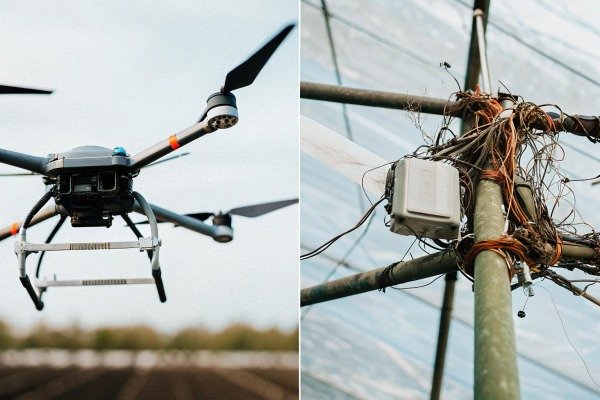
Agrardrohnen sind Arbeitstiere; sie werden irgendwann Reparaturen aufgrund von Verschleiß oder kleineren Unfällen benötigen. Das Verkabelungslayout bestimmt, ob ein einfacher Motoraustausch 15 Minuten oder 3 Stunden dauert. Wenn wir unsere Systeme entwerfen, konzentrieren wir uns auf "Wartungsfreundlichkeit". Ein unordentliches Kabelgewirr schließt Sie im Wesentlichen aus Ihrer eigenen Maschine aus.
Der Albtraum integrierter Bündel
Bei einer schlecht konstruierten Drohne sind Kabel oft direkt auf Verteilerplatinen gelötet oder unter verklebten Komponenten vergraben. Wenn ein Motor ausfällt, muss Ihr Techniker möglicherweise Kabelbinder im gesamten Rahmen durchtrennen und dabei möglicherweise andere Kabel beschädigen. Sie möchten ein modulares Design sehen. Das bedeutet, dass jeder Arm, jede Pumpe und jeder Sensor einen eigenen Anschlusspunkt haben sollte, der abgezogen werden kann, ohne den Rest des Systems zu stören.
Farbcodierung und Beschriftung
Ein professionelles Layout spricht eine klare visuelle Sprache. Stromkabel sollten konsistent gefärbt sein (normalerweise Rot/Schwarz) und Signalkabel einem Standardmuster folgen. Idealerweise liefert der Hersteller Beschriftungen an den Kabelenden. Stellen Sie sich vor, Sie sind im Feld, schwitzen unter der Sonne und versuchen, eine Pumpe zu reparieren. Eine Beschriftung wie "Pumpe-Links-Vorne" erspart Frustration und verhindert katastrophale Verdrahtungsfehler.
Zugänglichkeit von Verteilerplatinen
Prüfen Sie, wo sich die Hauptstromverteilerplatine befindet. Ist sie tief im Rumpf vergraben und erfordert die Demontage des oberen Baldachins, des Tanks und des Fahrwerks? Oder ist sie über eine Serviceklappe zugänglich? Ein sauberes Verdrahtungslayout führt Kabel zu einem zugänglichen Knotenpunkt. Dies beschleunigt nicht nur Reparaturen, sondern erleichtert auch die Inspektion von Anschlüssen auf Verkohlung oder Lockerheit während der routinemäßigen Wartung.
Tabelle 2: Wartungsauswirkungen von Verdrahtungslayouts
| Wartung Aufgabe | Organisiertes, modulares Layout | Unordentliches, integriertes Layout | Auswirkungen auf den Betrieb |
|---|---|---|---|
| Austausch des Motors | 15–20 Minuten | 60–90 Minuten | Reduzierte Sprühzeit |
| Diagnose eines Kurzschlusses | Schnelle visuelle Verfolgung & Isolierung | Vollständige Demontage erforderlich | Hohe Arbeitskosten |
| Fehlerrisiko | Niedrig (verriegelbare Steckverbinder) | Hoch (verwirrende Kabel) | Potenzial für Sekundärschäden |
Die Investition in eine Drohne mit einem sauberen, modularen Aufbau ist im Wesentlichen eine Vorauszahlung für geringere Wartungskosten in der Zukunft.
Welche visuellen Hinweise in der Verkabelung belegen, dass der Lieferant strenge industrielle Qualitätskontrollen einhält?
Wenn wir unsere eigenen Produktionschargen prüfen, suchen wir nach spezifischen Anzeichen von Disziplin. Diese kleinen visuellen Details offenbaren oft die wahre Kultur der Fabrik und die Zuverlässigkeit des Produkts.
Visuelle Beweise für eine strenge Qualitätskontrolle sind ein gleichmäßiger Abstand zwischen den Kabelbindern, die Verwendung von Schrumpfschläuchen an allen Steckverbindern und einheitliche Biegeradien. Hochwertige Lieferanten verwenden außerdem manipulationssichere Siegel und lasergedruckte Identifikationsetiketten auf jedem Kabelbaum, um Rückverfolgbarkeit und Verantwortlichkeit zu gewährleisten.
Sie müssen kein Elektrotechniker sein, um Qualität zu beurteilen; Sie müssen nur wissen, wie ein "disziplinierter" Kabelbaum aussieht. Der Unterschied zwischen einer Drohne, die in einer Garage gebaut wurde, und einer, die in einer ISO-zertifizierten Fabrik gebaut wurde ISO-zertifizierte Fabrik 9 zeigt sich in der Konsistenz der Montage.
Die "Service-Schlaufe" und Spannung
Schauen Sie sich an, wo die Kabel mit den Komponenten verbunden sind. Ist das Kabel straff wie eine Gitarrensaite gespannt? Das ist ein bevorstehender Ausfall. Gute Fertigungspraxis beinhaltet eine "Service-Schlaufe" – ein kleines zusätzliches Spiel, das die Spannung am Stecker verhindert. Dieses Spiel muss jedoch gesichert werden. Wenn die Kabel herumflattern, ermüden sie und brechen durch Vibrationen. Es ist ein feines Gleichgewicht, das nur erfahrene Hersteller beherrschen.
Kabelbinder-Disziplin
Untersuchen Sie die Kabelbinder oder Kabelclips. Sind sie gleichmäßig verteilt? Sind die Schnittenden der Kabelbinder bündig und glatt oder scharf und gezackt? Scharfe Kanten können in benachbarte Kabel (und die Hände Ihres Technikers) schneiden. Außerdem, wenn ein Kabelbinder zu fest angezogen wird, zerquetscht er die Kabelisolierung, verändert seinen elektrischen Widerstand und schafft eine Schwachstelle. Wir schulen unser Montageteam darin, Drehmomentschlüssel zu verwenden, die den exakt richtigen Druck ausüben.
Biegeradius
Kabel sind nicht dafür gedacht, flach gefaltet zu werden. Jedes Kabel hat einen Mindest- Mindest-'Biegeradius' 10 "Biegeradius". Wenn Sie Kabel sehen, die in einem scharfen 90-Grad-Winkel um eine Carbonfaserrahmenkante gebogen sind, sind die inneren Kupferstränge wahrscheinlich beansprucht oder gebrochen. Professionelle Layouts verwenden Tüllen oder 3D-gedruckte Führungen, um Kabel sanft um Ecken zu leiten.
Steckerintegrität
Überprüfen Sie die Rückseite der Stecker. Sie sollten Schrumpfschläuche sehen, die den Übergang vom Draht zum Metallstift abdecken. Dies entlastet und verhindert das Eindringen von Feuchtigkeit. Wenn Sie blankes Metall oder bunte Einzeldrähte sehen, die aus der Rückseite eines Steckers hervorlugen, hat der Lieferant bei der Montage Zeit gespart.
Tabelle 3: Checkliste für visuelle Inspektion (Bestanden/Nicht bestanden)
| Visual Indicator | Bestanden Standard | Nicht bestanden Signal |
|---|---|---|
| Kabelführung | Parallel, gruppiert und geführt | Verheddert, kreuzend, zufällig |
| Rahmenkanten | Durch Tüllen oder Gitter geschützt | Drähte reiben direkt auf Carbon/Metall |
| Stecker | Gesichert, geschrumpft, beschriftet | Lose, blankes Metall, keine Zugentlastung |
| Schlapp | Konsistente Service-Schleifen | Straffe Kabel oder übermäßiges Herabhängen |
Indem Sie Ihr Auge schulen, diese Details zu erkennen, können Sie minderwertige Lieferanten aussortieren, bevor Sie die Drohne überhaupt einschalten.
Schlussfolgerung
Die Bewertung des Kabelbaums einer Agrardrohne ist nicht nur eine Frage der Ästhetik; es ist eine kritische Beurteilung von Sicherheit, Zuverlässigkeit und langfristigem Wert. Eine ordentliche, geschützte und gut organisierte Verlegung weist auf einen Hersteller hin, der die harten Realitäten der Landwirtschaft versteht. Indem Sie diese Standards priorisieren, schützen Sie Ihre Investition und stellen sicher, dass Ihr Betrieb Saison für Saison reibungslos läuft.
Fußnoten
1. EPA-Informationen zu den chemischen Eigenschaften und der Sicherheit von landwirtschaftlichen Substanzen. ︎
2. Offizielle IEC-Normen für den Schutz vor dem Eindringen von Wasser und Feststoffen (Ingress Protection). ︎
3. Offizielle Definition der Ingress Protection-Schutzarten durch die Internationale Elektrotechnische Kommission. ︎
4. Erklärt das physikalische Phänomen der Flüssigkeitswanderung durch enge Räume in der Verkabelung. ︎
5. Maßgebliche staatliche Erklärung zu EMI und ihren Auswirkungen auf Elektronik. ︎
6. Allgemeiner Hintergrund zum Konzept von EMI und seinen Auswirkungen auf Elektronik. ︎
7. Erklärung der hochpräzisen GNSS-Positionierungstechnologie durch einen Branchenführer. ︎
8. FAO-Ressourcen zu digitalen und präzisen Landwirtschaftstechnologien und -standards. ︎
9. Offizielle ISO 9001-Normen für Qualitätsmanagement in Produktionsumgebungen. ︎
10. Technischer Standard für die Kabelinstallation zur Vermeidung von Schäden an inneren Leitern. ︎

 English
  Español de México
  Deutsch
  Français
  Русский
  العربية
