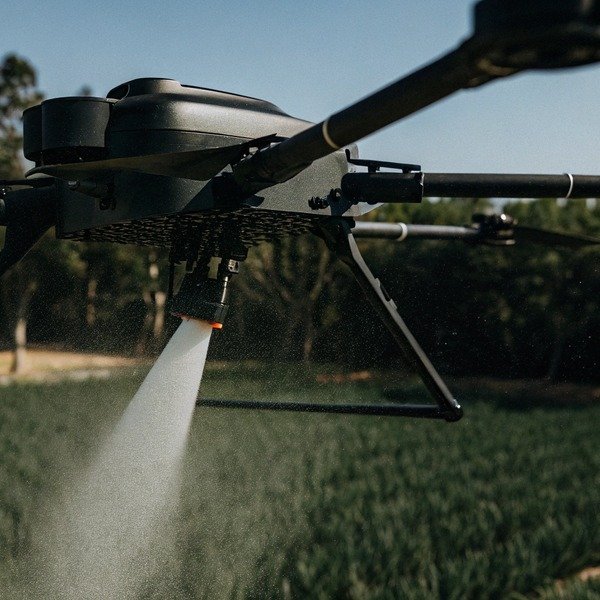
Wir sehen häufig, dass Käufer Schwierigkeiten haben, die Bauqualität über Bildschirme zu beurteilen, und ihre Ernte auf unbewiesene Geräte riskieren, die in Videos perfekt aussehen, aber bei kritischen Feldarbeiten versagen. Harmonisiertes System (HS)-Code 1.
Die größten Fallstricke bei der virtuellen Beschaffung von Agrardrohnen sind die Überprüfung der Legitimität der Herstellung ohne Besichtigung vor Ort, die Identifizierung nicht kalibrierter Sensordaten, das Übersehen von Lücken in der lokalen technischen Unterstützung und die Nichteinhaltung der DDP-Versandfähigkeiten für gefährliche Lithiumbatterien.
Lassen Sie uns untersuchen, wie Sie diese kostspieligen Fehler vermeiden und einen Partner sichern können, der zuverlässige Ergebnisse liefert. Drängen Sie immer auf DDP. 2.
Wie kann ich die Produktionskapazität und die Zertifizierungen eines Lieferanten ohne physischen Besuch überprüfen?
Wenn wir unsere eigene Lieferkette prüfen, wissen wir, dass Hochglanzbroschüren oft leere Lagerhallen verbergen, was zu verspäteten Lieferungen und keinerlei Rechtsmitteln führt, wenn Fristen nahen. Harmonisiertes System (HS)-Code 3.
Überprüfen Sie einen Lieferanten aus der Ferne, indem Sie Live-Video-Werksbesichtigungen anfordern, die spezifische Produktionslinien in Echtzeit zeigen, überprüfbare ISO 9001-Zertifizierungen in offiziellen Registerdatenbanken prüfen und Kundenreferenzen verlangen, die tatsächliche Liefermengen bestätigen.
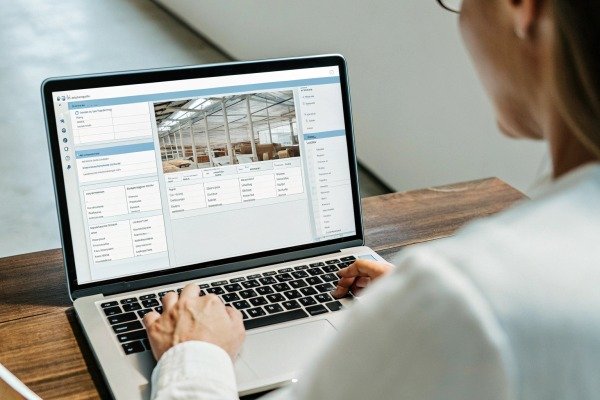
Die Identifizierung eines echten Herstellers in einer virtuellen Umgebung ist schwierig. Virtuelle Messestände sehen oft identisch aus, unabhängig davon, ob es sich bei dem Unternehmen um eine riesige Fabrik oder ein kleines Handelsbüro handelt. Sie müssen über die Marketingmaterialien hinausblicken, um die Wahrheit zu finden.
Das Live-Video-Audit
Verlassen Sie sich niemals auf vorab aufgezeichnete Werksbesichtigungen. Jeder kann ein Videoteam engagieren, um einen gemieteten Standort einen Tag lang zu filmen. Fordern Sie stattdessen während Ihrer ersten Verhandlungen einen Live-Videoanruf über Zoom oder WhatsApp an. Bitten Sie den Vertriebsmitarbeiter, auf den Fabrikboden zu gehen. Bitten Sie ihn, Ihnen spezifische Maschinen zu zeigen, wie z. B. die CNC-Stationen, an denen Drohnenrahmen geschnitten werden, oder die Montagelinie, an der Flugsteuerungen installiert werden. Fluglotsen 4
Ein legitimer Hersteller wird Ihnen gerne seine Abläufe zeigen. Wenn er sich weigert oder Ausreden über "Geschäftsgeheimnisse" macht, ist dies ein großes Warnsignal. Es bedeutet oft, dass er die Fabrik nicht besitzt oder keinen Lagerbestand hat.
Analyse von Lieferantentypen
Es ist entscheidend zu wissen, ob Sie es mit einer Fabrik oder einem Zwischenhändler zu tun haben. Beide haben Vor- und Nachteile, aber Sie müssen wissen, wen Sie bezahlen.
Tabelle: Fabrik vs. Handelsunternehmen Signale
| Merkmal | Echter Hersteller (Fabrik) | Handelsunternehmen (Wiederverkäufer) |
|---|---|---|
| Produktpalette | Konzentriert sich auf eine bestimmte Nische (z. B. nur Agrardrohnen) | Verkauft alles (Drohnen, Spielzeug, Kabel, Kameras) |
| Personalisierung | Kann Rahmendesign oder Softwarefunktionen ändern | Kann nur einen Logo-Aufkleber anbringen |
| Technische Antworten | Ingenieure überprüfen Details schnell | Antworten dauern Tage (sie müssen die Fabrik fragen) |
| Video-Beweis | Kann sofort Live-Montagelinien zeigen | Lehnt Live-Anrufe ab oder zeigt nur Büroräume |
Überprüfung von Zertifizierungen
Akzeptieren Sie keine PDF-Datei als Nachweis. Viele Zertifikate sind gefälscht. Wenn ein Lieferant behauptet, eine ISO 9001-Managementzertifizierung zu haben, fragen Sie nach der Lizenznummer. ISO 9001-Managementzertifizierung 5 ISO 9001-Managementzertifizierung 6 Besuchen Sie die Website der ausstellenden Stelle und verifizieren Sie diese. Für Agrardrohnen suchen Sie nach spezifischen Zertifizierungen wie CE, FCC und RoHS. Wenn Sie sich in den USA oder Europa befinden, sind diese für den Import nicht verhandelbar. Ein Lieferant, der keine überprüfbaren Dokumente vorlegen kann, birgt das Risiko, dass Ihre Waren vom Zoll beschlagnahmt werden.
Welche spezifischen technischen Fragen zeigen, ob die Leistung der Agrardrohne den Spezifikationen entspricht?
Unsere Ingenieure verbringen Wochen mit der Kalibrierung von Sprühdüsen, doch viele virtuelle Anbieter behaupten unmögliche Durchflussraten, die zu einer ungleichmäßigen Feldbedeckung und verschwendeten chemischen Betriebsmitteln führen.
Fordern Sie unbearbeitete Flugprotokolle an, die den Spannungsabfall der Batterie unter voller Nutzlast zeigen, spezifische Durchflussdaten der Düsen bei unterschiedlichen Drücken und Nachweise von Hindernisvermeidungstests in staubigen Umgebungen mit hoher Interferenzauslastung anstelle von sauberen Laboreinstellungen.

Technische Spezifikationen auf einer Website stellen oft das "Best-Case-Szenario" dar. Im Feld sind die Bedingungen nie perfekt. Um die Wahrheit herauszufinden, müssen Sie Fragen stellen, die tiefer gehen als die Broschüre.
Überprüfung der Batterieleistung
Die häufigste Lüge in der Drohnenindustrie betrifft die Flugzeit. Ein Datenblatt kann "25 Minuten Flugzeit" angeben, aber dies wird oft beim Schweben mit leerem Tank gemessen. Sie müssen die "Flugzeit bei voller Nutzlast" kennen."
Bitten Sie den Lieferanten um ein Spannungsprofil-Diagramm. Dies zeigt, wie sich die Batterie verhält, wenn die Drohne einen vollen Flüssigkeitstank trägt. Wenn die Spannung zu schnell abfällt (Spannungsabfall), kann die Drohne vom Himmel fallen, bevor die Arbeit erledigt ist.
Genauigkeit des Sprühsystems
Agrardrohnen sind Präzisionswerkzeuge. Wenn die Durchflussrate inkonsistent ist, verbrennen Sie Pflanzen oder töten keine Schädlinge. Fragen Sie nicht nur "Was ist die Durchflussrate?" Fragen Sie nach der Abweichungsspanne.
- Pumpentyp: Fragen Sie, ob sie Schlauchpumpen oder Membranpumpen verwenden. Schlauchpumpen sind im Allgemeinen haltbarer für korrosive Chemikalien.
- Düsenkalibrierung: Fragen Sie, wie sie den Durchflussmesser kalibrieren. Ein guter Lieferant hat ein spezifisches Protokoll dafür.
Software und Geofencing
Hardware ist nur die halbe Miete. Viele auf virtuellen Messen verkaufte Drohnen werden mit generischer Software geliefert, die in Ihrer Region möglicherweise nicht funktioniert.
Tabelle: Technischer Realitätscheck
| Spezifikation | Marketing-Anspruch | Die Frage, die Sie stellen müssen |
|---|---|---|
| Flugzeit | "Bis zu 30 Minuten" | "Wie lange ist die Flugzeit mit einem vollen 30-Liter-Tank bei einer Geschwindigkeit von 5 Metern pro Sekunde?" |
| Reichweite | "5 km Reichweite" | "Wie groß ist die stabile Übertragungsdistanz in 3 Metern Höhe in einem Maisfeld?" |
| Hindernisvermeidung | "360-Grad-Radar" | "Erkennt das Radar dünne Stromleitungen und tote Äste oder nur große Mauern?" |
| Wasserabdichtung | "IP67-zertifiziert" | "Ist die gesamte Drohne IP67 oder nur die Flugsteuerungsbox?" |
Die Bitte um ein Feldtestvideo
Bitten Sie den Lieferanten, einen bestimmten Test für Sie aufzuzeichnen. Bitten Sie ihn zum Beispiel, die Drohne geradeaus fliegen zu lassen, Wasser zu sprühen und dann automatisch zum Ausgangspunkt zurückzukehren. Dies beweist, dass die Software funktioniert und das GPS stabil ist. Wenn sie stattdessen ein generisches Marketingvideo senden, seien Sie sehr vorsichtig.
Wie kann ich sicherstellen, dass der Lieferant einen zuverlässigen Kundendienst und die Verfügbarkeit von Ersatzteilen anbietet?
Wir unterhalten einen eigenen Ersatzteilbestand, weil wir wissen, dass Ausfallzeiten die Gewinne in der Landwirtschaft vernichten, während viele virtuelle Verkäufer verschwinden, sobald ein Rotorarm während der Saison bricht.
Stellen Sie eine zuverlässige Unterstützung sicher, indem Sie überprüfen, ob der Lieferant eine dokumentierte Liste seines Ersatzteilbestands mit garantierten Lieferzeiten hat, englischsprachige technische Handbücher anbietet und direkten Zugang zu Ingenieuren und nicht nur zu allgemeinen Vertriebsmitarbeitern bietet.
In der Landwirtschaft ist Timing alles. Wenn Ihre Drohne während des Sprühfensters ausfällt, können Sie nicht drei Wochen auf ein Ersatzteil aus China warten. Sie brauchen einen Lieferanten, der die Dringlichkeit Ihres Geschäfts versteht.
Der "Erntesaison"-Test
Stellen Sie dem Lieferanten diese spezifische Frage: "Wenn ein Motor am Dienstag ausfällt, wie schnell können Sie einen Ersatz an meinen Standort versenden?" Wenn die Antwort lautet: "Wir werden das mit der Fabrik klären", gehen Sie weg. Ein professioneller Lieferant hält wichtige Teile auf Lager und kann sie sofort per DHL oder FedEx versenden.
Verfügbarkeit von Ersatzteilen
Sie sollten zusammen mit Ihrer Drohne ein "Crash-Kit" kaufen. Dieses Kit enthält die Teile, die am wahrscheinlichsten kaputt gehen. Indem Sie dies im Voraus kaufen, testen Sie die Fähigkeit des Lieferanten, Teile zu liefern, bevor Sie sie überhaupt benötigen.
Tabelle: Checkliste für wesentliche Ersatzteile
| Komponente | Warum Sie es brauchen | Empfohlene Menge |
|---|---|---|
| Propeller | Sie gehen bei einem Absturz zuerst kaputt. | 2 vollständige Sätze (CW/CCW) |
| Fahrwerk | Hält hoher Belastung bei rauen Landungen stand. | 1 Satz |
| Sprühdüsen | Verstopfen leicht mit dickflüssigen Chemikalien. | 10+ Einheiten |
| Regler/Motor | Kann nach starker Beanspruchung überhitzen oder ausfallen. | 1 Ersatzgerät |
| Pumpen | Verschleißen mit der Zeit durch Chemikalien. | 1 Ersatzgerät |
Technische Dokumentation und Schulung
Fordern Sie vor dem Kauf eine Kopie der Bedienungsanleitung an. Wenn die Anleitung auf Chinesisch oder schlecht übersetztem Englisch ist, werden Sie später ernsthafte Probleme bei der Behebung von Fehlern haben.
Fragen Sie, ob sie Video-Tutorials anbieten. Gute Lieferanten haben eine Bibliothek von YouTube-Videos, die zeigen, wie man eine Pumpe austauscht, den Kompass kalibriert und die Firmware aktualisiert. Wenn sie nur eine PDF-Datei anbieten, werden Sie bei Reparaturen Schwierigkeiten haben.
Fern-Ingenieurunterstützung
Fragen Sie, ob ihre Techniker aus der Ferne helfen können. Einige fortschrittliche Drohnensysteme ermöglichen es Ingenieuren, Flugprotokolle aus der Ferne einzusehen, um Probleme zu diagnostizieren. Fragen Sie: "Kann ich Ihnen die Flugprotokolldatei zur Analyse schicken, wenn die Drohne unregelmäßig fliegt?" Ein Lieferant, der "ja" sagt, hat ein echtes Ingenieurteam. Ein Lieferant, der sagt: "Schicken Sie die Drohne einfach zurück", kostet Sie Tausende von Versandkosten und Monate an Zeit.
Welche Warnsignale deuten darauf hin, dass ein Lieferant Schwierigkeiten mit dem internationalen Versand und der Zollabfertigung haben könnte?
Unser Logistikteam navigiert täglich durch komplexe Gefahrgutvorschriften, während unerfahrene Lieferanten aufgrund falscher Batterieetikettierung oder fehlender Dokumentation häufig mit Zollbeschlagnahmungen konfrontiert werden.
Achten Sie auf Lieferanten, die keine spezifischen HS-Codes für Agrardrohnen angeben können, UN38.3-Batterietransporttestberichte vermissen lassen oder sich weigern, DDP-Versandbedingungen anzubieten, die das Risiko der Zollabfertigung auf sie legen.
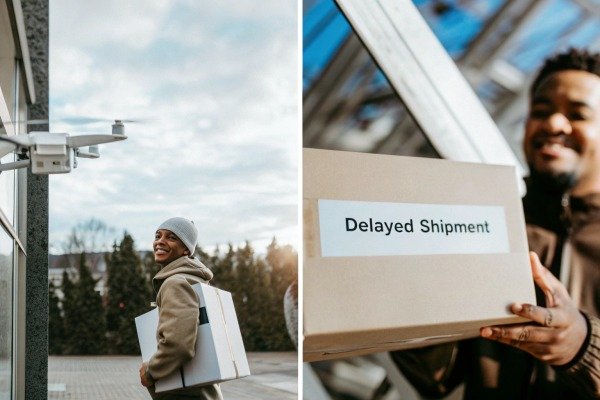
Der Versand riesiger Drohnen mit Hochleistungs-Lithiumbatterien ist nicht mit dem Versand eines T-Shirts zu vergleichen. Er beinhaltet Gefahrgutvorschriften (DG), komplexe Zölle und strenge Einfuhrbestimmungen. Gefahrgutvorschriften (DG) 7 Ein Lieferant, der den Versand als nachträglichen Gedanken betrachtet, ist ein großes Warnsignal.
Die Batterieversandfalle
Agrardrohnen verwenden massive Lithium-Polymer-Akkus (LiPo). Lithium-Polymer-Akkus (LiPo) 8 Lithium-Polymer-Akkus (LiPo) 9 Diese sind als Gefahrgut der Klasse 9 klassifiziert. Sie können nicht einfach in einen Karton gepackt werden. Sie erfordern:
- UN38.3-Zertifizierung: Nachweis, dass der Akku flugsicher ist.
- DG-Verpackung: Spezielle Kartons mit Warnhinweisen.
- Spezialisierte Spediteure: Standardpost kann sie nicht transportieren.
Wenn ein Lieferant sagt: "Wir kennzeichnen es als Spielzeug, um Versandkosten zu sparen", machen Sie keine Geschäfte mit ihm. Dies ist illegal und führt dazu, dass Ihre Drohne vom Zoll zerstört wird.
Incoterms verstehen
Die Versandbedingungen legen fest, wer das Risiko trägt.
- FOB (Frei an Bord): Der Lieferant lädt es auf das Schiff, und dann ist es Ihr Problem. Wenn es beim US-Zoll hängen bleibt, müssen Sie es beheben.
- DDP (Delivered Duty Paid): Der Lieferant kümmert sich um alles, einschließlich Zoll und Abgaben, und liefert es an Ihre Haustür.
Für einen neuen Käufer, Drängen Sie immer auf DDP.. Es zwingt den Lieferanten, das Risiko zu übernehmen. Wenn er DDP ablehnt, bedeutet dies möglicherweise, dass er sich seiner Fähigkeit, den Zoll in Ihrem Land zu passieren, nicht sicher ist.
Versteckte Kosten und Zölle
Virtuelle Lieferanten geben oft einen niedrigen Preis an, der Einfuhrzölle ausschließt. In den USA können Drohnen aus China Section 301-Zöllen unterliegen. Abschnitt 301 Zölle 10 Sie müssen das Harmonisiertes System (HS)-Code.
- Fragen Sie den Lieferanten: "Welchen HS-Code werden Sie für die Rechnung verwenden?"
- Überprüfen Sie diesen Code anhand Ihrer lokalen Zoll-Datenbank.
- Wenn der Lieferant nicht weiß, was ein HS-Code ist, hat er wahrscheinlich wenig Erfahrung mit dem Export in Ihre Region.
Dokumentationsgenauigkeit
Für die Zollabfertigung sind eine Handelsrechnung und eine Packliste erforderlich. Diese müssen exakt übereinstimmen. Wenn auf der Rechnung "Agricultural Sprayer" steht, auf der Kiste aber "UAV", wird der Zoll sie zurückhalten. Bitten Sie um eine Musterrechnung einer früheren Lieferung (mit geschwärzten privaten Informationen). Dies beweist, dass sie wissen, wie sie die Papiere korrekt vorbereiten.
Schlussfolgerung
Virtuelles Sourcing erfordert Wachsamkeit. Durch die Validierung der Produktionskapazität, das Fernprüfen von Spezifikationen und die Sicherung der Logistik stellen Sie sicher, dass Ihre Flotte dann Leistung bringt, wenn es am wichtigsten ist. Wählen Sie Partner, die Wert auf Transparenz legen.
Fußnoten
1. Globaler Standard für die Klassifizierung gehandelter Produkte für Zollzwecke. ︎
2. Erklärung internationaler Handelsbedingungen für Versand und Lieferung. ︎
3. Die Weltzollorganisation verwaltet das internationale HS-Nomenklatursystem. ︎
4. Technische Dokumentation für industrielle Flugsteuerungssysteme von einem Marktführer. ︎
5. Offizielle ISO-Seite, die den Qualitätsmanagementstandard 9001 definiert. ︎
6. Offizieller Standard für Qualitätsmanagementsysteme, die zur Überprüfung der Legitimität der Fertigung verwendet werden. ︎
7. Die IATA legt die globalen Standards für den Transport gefährlicher Güter auf dem Luftweg fest. ︎
8. Allgemeiner Hintergrund zur Batterietechnologie, die in landwirtschaftlichen Drohnen verwendet wird. ︎
9. Maßgebliche technische Übersicht über die Lithium-Polymer-Batterietechnologie. ︎
10. Offizielle USTR-Ressource mit Details zu Section 301-Zollmaßnahmen. ︎

 English
  Español de México
  Deutsch
  Français
  Русский
  العربية
