
Wenn wir unsere Flugplattformen im Werk entwickeln, wissen wir, dass eine Drohne am Boden Geld verliert. Sie können sich keine Ausfallzeiten während der kritischen Sprühsaison leisten.
Um die Wartungsfreundlichkeit zu bewerten, priorisieren Sie Drohnen mit modularem Design für den werkzeuglosen Austausch von Teilen und überprüfen Sie die lokale Verfügbarkeit wichtiger Ersatzteile wie Düsen und Propeller. Stellen Sie sicher, dass der Hersteller zugängliche Servicehandbücher, Fernunterstützungskanäle und einen klaren Zeitplan für die vorbeugende Wartung anbietet, um die langfristigen Betriebskosten zu minimieren.
Werfen wir einen Blick auf die spezifischen Funktionen, die Ihre Flotte am Fliegen halten.
Verfügt die Agrardrohne über ein modulares Design, das es mir ermöglicht, Teile schnell auszutauschen?
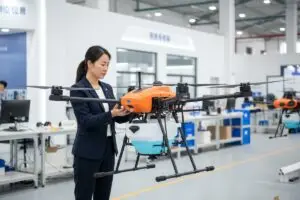
Unser Ingenieurteam konzentriert sich stark auf die Reparaturfähigkeit im Feld, da wir die Dringlichkeit der Erntesaison verstehen. Wenn ein Arm bricht, benötigen Sie keinen Lötkolben, um ihn zu reparieren.
Ein echtes modulares Design ermöglicht es Ihnen, einzelne Komponenten wie Arme, Motoren oder Fahrwerke in wenigen Minuten ohne Spezialwerkzeug auszutauschen. Achten Sie auf Schnellverschlüsse und Plug-and-Play-Anschlüsse, die das Löten überflüssig machen und sicherstellen, dass Sie Reparaturen vor Ort sofort durchführen und den Betrieb wieder aufnehmen können, ohne das Gerät einschicken zu müssen.

Wenn Sie eine Drohne zum Kauf bewerten, ist das physische Design Ihr erster Indikator für die Wartungsschwierigkeit. In der Vergangenheit erforderten viele Industriedrohnen komplexe Verkabelungen und Lötungen. Industriedrohnen 1 Das bedeutete, dass Sie das Gerät in eine Werkstatt bringen mussten, wenn ein Motor ausfiel. Heute ist Zeit Ihr wertvollstes Gut.
Die Bedeutung des werkzeuglosen Austauschs
Sie sollten nach "werkzeuglosen" oder "minimalen Werkzeug"-Wartungsfunktionen suchen. Hochwertige Agrardrohnen verwenden heute Flugzeugsteckverbinder. Diese ermöglichen es Ihnen, einen Sprühtank oder eine Batterie mit einem einfachen Riegelsystem zu lösen.
Überprüfen Sie insbesondere das Armdesign. Der Drohnenarm beherbergt den Motor und den ESC (Electronic Speed Controller). Electronic Speed Controller 2 In einem modularen System, wenn ein Motor durchbrennt, entriegeln Sie den Arm, ziehen Sie den Stecker ab und schieben Sie einen neuen Arm ein. Dieser Vorgang dauert fünf Minuten. Wenn das Design nicht modular ist, könnten Sie drei Stunden mit der Demontage des Hauptkörpers verbringen.
Bewertung des Ingress Protection (IP)
Modularität darf den Schutz nicht beeinträchtigen. Agrardrohnen sind rauen Umgebungen ausgesetzt. Sie fliegen durch Wassernebel, Pestizidrückstände und Staub. Sie müssen sicherstellen, dass die modularen Verbindungspunkte ordnungsgemäß abgedichtet sind.
Überprüfen Sie die IP-Schutzart der Module. IP-Einstufung 3 IP-Einstufung 4 Wir testen unsere Steckverbinder, um sicherzustellen, dass sie auch nach Hunderten von Steckzyklen korrosionsbeständig sind. Wenn ein Modul leicht zu entfernen ist, aber Wasser in den zentralen Flugcontroller eindringen lässt, ist es ein Nachteil. Sie brauchen ein Gleichgewicht zwischen einfachem Zugang und dichter Abdichtung gegen Flüssigkeitseindringung. Flüssigkeitseindringung 5
Zu prüfende Schlüsselkomponenten
Bevor Sie einen Vertrag unterzeichnen, bitten Sie um eine Demonstration, wie die folgenden Teile ausgetauscht werden. Wenn der Verkäufer Ihnen keinen schnellen Austauschprozess zeigen kann, werden Sie wahrscheinlich später mit langen Ausfallzeiten konfrontiert sein.
| Komponente | Gewünschtes Designmerkmal | Rote Flagge |
|---|---|---|
| Propeller | Klappbare, ein-Schrauben- oder Schnellspannverschlüsse. | Feststehende Klingen, die mehrere Schrauben und Auswuchtwerkzeuge erfordern. |
| Sprühtank | Einschiebe-Mechanismus; leicht zu spülen ohne Demontage. | Verschraubt; erfordert die Entfernung der Außenhülle für den Zugang. |
| Fahrwerk | Abnehmbar mit Standard-Innensechskantschrauben. | In den Hauptrahmen aus Kohlefaser integriert (nicht reparierbar, wenn beschädigt). |
| Düsen | Drehverschlusskappen zur Reinigung von Filtern. | Gewindefittings, die einen Schraubenschlüssel und Dichtungsband erfordern. |
Wie kann ich sicherstellen, dass der Lieferant schnellen Zugang zu erschwinglichen Ersatzteilen bietet?
Wir passen unsere Lieferkettenlogistik ständig an, um sicherzustellen, dass unsere Distributoren Lieferkettenlogistik 6 in den USA niemals versiegen. Wochen auf einen einfachen Propeller zu warten, ist für Ihr Unternehmen inakzeptabel.
Stellen Sie sicher, dass Ihr Lieferant über ein lokales Lager mit Verschleißteilen wie Düsen, Filtern und Propellern in Ihrer Region verfügt. Fordern Sie eine garantierte Lieferzeit für kritische Komponenten an und fragen Sie, ob sie ein direktes Bestellportal oder ein lokales Händlernetzwerk anbieten, um internationale Versandverzögerungen zu umgehen.

Die Verfügbarkeit von Teilen ist oft wichtiger als die anfänglichen Kosten der Drohne. Eine teure Drohne, die fliegt, ist besser als eine billige Drohne, die auf eine Lieferung aus Übersee wartet.
Die Logistik lokaler Lagerbestände
Wenn Sie Drohnen importieren, müssen Sie sich nach der "letzten Meile" der Lieferkette erkundigen. Hat der Hersteller ein Lager in Ihrem Land? Oder verlassen sie sich auf lokale Händler?
Wenn wir ein Teil von unserer Fabrik in China zu einem Bauernhof in Ohio versenden, kann allein die Zollabfertigung Tage dauern. Deshalb ermutigen wir Käufer, zu prüfen, ob die Marke ein lokales Servicezentrum eingerichtet hat. Sie sollten nach einer Liste autorisierter Händler in der Nähe Ihres Betriebs fragen. Ein Händler in Reichweite kann Ihre Ernte retten.
Standard- vs. proprietäre Teile
Die Wartungsfreundlichkeit hängt auch von der Standardisierung ab. Einige Komponenten, wie Schrauben, Muttern und bestimmte elektrische Steckverbinder, sollten Standardgrößen haben. Kritische Teile wie Batterien und Motoren sind jedoch oft proprietär.
Sie müssen wissen, welche Teile Sie in einem örtlichen Baumarkt kaufen können und welche vom Hersteller stammen müssen. Hochwertige Agrardrohnen verwenden oft spezielle Hochdruckdüsen. Obwohl diese eine bessere Sprühabdeckung bieten, sind sie einzigartig. Sie müssen sicherstellen, dass Ihr Lieferant diese spezifischen Düsen in Großpackungen verkauft.
Empfohlener Ersatzteil-Kit
Wir raten unseren Kunden immer, zusammen mit der Drohne ein "Crash-Kit" oder ein "Wartungskit" zu kaufen. Warten Sie nicht auf einen Ausfall, um Teile zu bestellen. Ein Lagerbestand vor Ort verwandelt eine dreitägige Verzögerung in eine dreißigminütige Reparatur.
Hier ist eine Aufschlüsselung, wie ein proaktiver Wartungsbestand für einen Standard-Agrarbetrieb aussieht.
| Kategorie | Artikelname | Empfohlener Lagerbestand | Warum Sie es brauchen |
|---|---|---|---|
| Verbrauchsmaterial | Propeller (CW und CCW) | 2 vollständige Sätze | Propeller brechen am häufigsten bei kleineren Kollisionen. |
| Filtration | Sprühtankfilter / Düsenfilter | 10 Einheiten | Chemikalien verstopfen Filter schnell; der Austausch ist schneller als die Reinigung. |
| Sprühen | Zentrifugal- oder Druckdüsen | 4 Einheiten | Verschleiß beeinflusst die Tropfengröße; ersetzen, um die Präzision zu erhalten. |
| Struktur | Landegestelle Kufen | 1 Paar | Harte Landungen können das Fahrwerk beschädigen; Ersatzteile halten die Drohne stabil. |
| Hardware | Schrauben- und Bolzenset | 1 Satz | Vibrationen können Schrauben lösen; der Verlust einer sollte Sie nicht am Fliegen hindern. |
Welche Fernunterstützung erhalte ich, wenn ich Probleme vor Ort beheben muss?
Unsere Support-Mitarbeiter rufen Kunden oft direkt im Feld per Video an, um Probleme mit der Sensor-Kalibrierung zu diagnostizieren. Sensor-Kalibrierung 7 Sie brauchen sofortige Antworten, keine automatisierte E-Mail-Antwort drei Tage später.
Effektiver Remote-Support sollte Echtzeit-Video-Fehlerbehebung, Zugang zu detaillierten Online-Wissensdatenbanken und direkte Kommunikationskanäle wie WhatsApp oder WeChat umfassen. Stellen Sie sicher, dass der Hersteller Diagnosesoftware bereitstellt, die es Technikern ermöglicht, Flugprotokolle aus der Ferne einzusehen, um Firmware- oder Hardwarefehler ohne physische Inspektion zu identifizieren.

Agrardrohnen sind komplexe Computer. Softwareprobleme, Kompassfehler und Probleme mit der Sensor-Kalibrierung sind häufig. Wenn Sie im Feld sind, können Sie sich nicht allein auf ein PDF-Handbuch verlassen.
Echtzeit-Kommunikationskanäle
E-Mail ist für den Feldeinsatz zu langsam. Wenn wir mit internationalen Kunden arbeiten, nutzen wir Instant-Messaging-Apps. Sie sollten prüfen, ob Ihr Lieferant Support über WhatsApp, WeChat oder eine spezielle Telefonleitung anbietet.
Fragen Sie nach den Supportzeiten. Wenn Ihr Lieferant in Asien ansässig ist und Sie sich in den USA befinden, gibt es dann eine Überschneidung der Arbeitszeiten? Wir schulen unsere Teams, um verschiedene Zeitzonen abzudecken, aber nicht jeder Hersteller tut dies. Ein Lieferant, der einen 24/7-Support anbietet oder einen lokalen Vertreter in Ihrer Zeitzone hat, ist ein enormer Vorteil.
Remote-Diagnosefähigkeiten
Moderne Drohnen generieren detaillierte Flugprotokolle. Diese "Blackbox"-Dateien zeichnen Motorgeschwindigkeit, Spannung, GPS-Signal und Piloteingaben auf. GPS-Signal 8
Ein guter technischer Support basiert auf diesen Protokollen. Fragen Sie den Verkäufer: "Wie teile ich Ihnen die Flugdaten mit?" Die besten Systeme ermöglichen es Ihnen, Protokolle direkt vom Controller in die Cloud hochzuladen. Der Techniker kann die Daten dann sofort analysieren. Er könnte sehen, dass "Motor #3 überhitzt", was Ihnen genau sagt, was zu reparieren ist. Das spart stundenlanges Rätselraten.
Qualität von Sprache und Dokumentation
Klare Kommunikation verhindert Fehler. Wir haben viele Betreiber gesehen, die Schwierigkeiten hatten, weil die Handbücher schlecht übersetzt waren.
Laden Sie vor dem Kauf das Benutzerhandbuch von der Website des Herstellers herunter. Lesen Sie den Abschnitt zur Wartung. Ist das Englisch klar? Sind die Diagramme leicht verständlich? Wenn das Handbuch verwirrend ist, wird der technische Support wahrscheinlich auch schwierig sein. Suchen Sie auch nach Video-Tutorials. Ein fünfminütiges Video über "So kalibrieren Sie den Durchflussmesser" ist oft wertvoller als fünfzig Seiten Text.
Wie schätze ich die langfristigen Wartungskosten ein, bevor ich einen Kauf tätige?
Wir berechnen die Lebenszykluskosten für jeden Motor und jede Pumpe, die wir in unserer Anlage in Xi'an testen. Sie müssen über den Anschaffungspreis hinausblicken, um die tatsächlichen Betriebskosten zu ermitteln.
Schätzen Sie die langfristigen Kosten, indem Sie die Lebensdauer von Verbrauchsmaterialien wie Batterien und Motoren gegen Ihre jährlichen Flugstunden berechnen. Fragen Sie den Hersteller nach dem Preis von Hauptkomponenten und den empfohlenen Austauschintervallen und berücksichtigen Sie dann die Arbeitskosten, wenn Sie Reparaturen nicht selbst durchführen können.

Der Kaufpreis ist nur die Eintrittsgebühr. Die tatsächlichen Kosten einer Agrardrohne umfassen Batterien, Verschleiß und Unfallschäden. Kluge Käufer berechnen die Gesamtkosten des Eigentums (TCO) über drei Jahre. Gesamtbetriebskosten (TCO) 9
Die versteckten Kosten von Akkus
Batterien sind die größten Betriebskosten. Agrardrohnen erfordern eine hohe Leistung. Dies belastet die Batteriezellen. Eine typische Drohnenbatterie hält möglicherweise 300 bis 500 Zyklen, bevor ihre Kapazität unter sichere Werte fällt.
Sie müssen rechnen. Wenn Sie 500 Hektar pro Tag besprühen, wie viele Zyklen werden Sie verbrauchen? Möglicherweise müssen Sie Ihre gesamte Batterieflotte jedes Jahr ersetzen. Fragen Sie den Hersteller nach der "garantierten Zyklenzahl" und den Ersatzkosten pro Batterie. Eine billigere Drohne mit teuren, kurzlebigen Batterien wird Sie auf lange Sicht mehr kosten.
Chemische Korrosion und Pumpenlebensdauer
Pumpen und Durchflussmesser verarbeiten korrosive Chemikalien. Düngemittel und Pestizide fressen Dichtungen und Kunststoffe an.
Fragen Sie den Lieferanten nach der Lebensdauer des Sprühsystems. Membranpumpen benötigen normalerweise alle 50 bis 100 Sprühstunden eine Wartung. Schlauchpumpen (die einen Schlauch quetschen) sind einfacher zu warten, da die Chemikalie nie den Pumpenmechanismus berührt – Sie ersetzen nur den Schlauch. Der Schlauch verschleißt jedoch schneller. Das Verständnis dieser Kompromisse hilft Ihnen bei der Budgetierung von Ersatzteilen.
Schätzung der jährlichen Wartungsbudgets
Um Ihnen bei der Budgetierung zu helfen, haben wir einen groben Leitfaden zusammengestellt, der auf unseren Daten von Vielnutzern basiert. Dies geht von einer Standard-Agrardrohne aus, die während einer geschäftigen Saison fliegt.
| Kostenfaktor | Häufigkeit des Austauschs | Geschätzte Kostenauswirkung |
|---|---|---|
| Batterien | Alle 300-500 Zyklen | Hoch (30% des Drohnenwerts jährlich) |
| Motoren | Alle 500-800 Flugstunden | Mittel (Arbeitsaufwand erforderlich) |
| Propeller | Alle 100 Stunden (oder bei Beschädigung) | Niedrig (Verbrauchsmaterial) |
| Sprühpumpe | Alle 200 Stunden (Dichtungssätze oder komplette Einheit) | Niedrig bis mittel |
| Düsen | Jede Saison (wegen Verschleiß) | Niedrig |
Indem Sie diese Fragen im Voraus stellen, vermeiden Sie unerwartete Rechnungen. Sie können diese Kosten in Ihre Servicepreise einbeziehen, wenn Sie ein Anbieter sind, oder in Ihr Betriebsbudget, wenn Sie ein Hofbesitzer sind.
Schlussfolgerung
Die Bewertung der Wartungsfreundlichkeit erfordert einen Blick über die Flugspezifikationen hinaus. Sie müssen die Modularität für schnelle Reparaturen bewerten, die lokale Ersatzteilverfügbarkeit sicherstellen, zuverlässigen Fernsupport bestätigen und die Lebenszykluskosten von Batterien und Pumpen berechnen. Lebenszykluskosten 10 Indem Sie sich auf diese vier Säulen konzentrieren, stellen Sie sicher, dass Ihre Agrardrohne ein profitables Werkzeug und keine kostspielige Belastung bleibt.
Fußnoten
1. Offizielle FAA-Richtlinien für den kommerziellen Drohnenbetrieb und Sicherheitsstandards. ︎
2. Technische Erklärung, wie ESCs die Motorgeschwindigkeit in Drohnen steuern. ︎
3. Technische Spezifikationen, die Standard-IP-Schutzarten für führende Agrardrohnen zeigen. ︎
4. Offizielle internationale Standarddefinition für Ingress Protection (IP)-Schutzarten. ︎
5. Allgemeiner Hintergrund zu IP-Codes und Schutz vor Flüssigkeitseintritt. ︎
6. Maßgebliche Definition vom Chartered Institute of Procurement & Supply. ︎
7. Branchenführer erklärt den technischen Prozess der Sensor-Kalibrierung. ︎
8. IEEE-Forschung zur Zuverlässigkeit und Diagnose von GPS-Signalen in unbemannten Luftfahrzeugen. ︎
9. Standardmäßige finanzielle Definition zur Bewertung langfristiger Anlagenkosten. ︎
10. Regierungsressource zur Lebenszykluskostenanalyse für die Beschaffung von Ausrüstung. ︎
 English
  Español de México
  Deutsch
  Français
  Русский
  العربية
Comments
No comments yet. Be the first to share your thoughts!
Leave a Comment