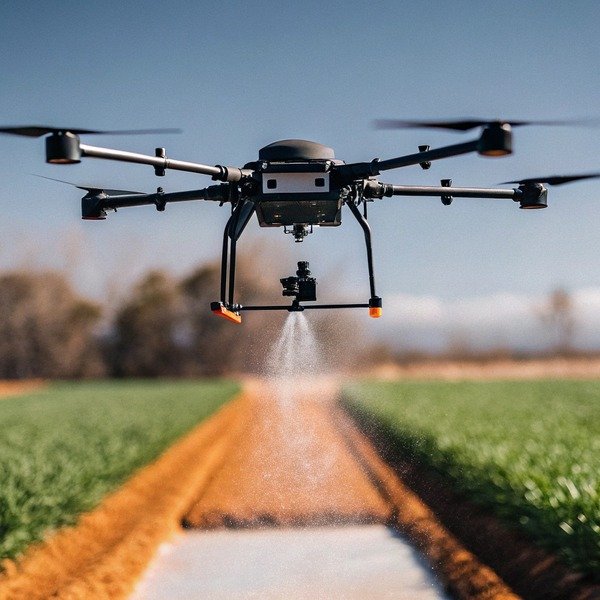
Wir sehen oft Beschaffungsmanager, die mit der Angst zu kämpfen haben, defekte Geräte zu erhalten, nachdem sie wochenlang auf den Seetransport aus unserer Fabrik gewartet haben.
Die Beauftragung einer unabhängigen Qualitätsinspektionsagentur wird dringend empfohlen, ist aber für Agrardrohnen nicht gesetzlich vorgeschrieben. Sie reduziert die Risiken von Fluginstabilität, Batterieausfall und Nichteinhaltung von Vorschriften erheblich, was angesichts der strengen Lufttüchtigkeitsvorschriften, die ab Juli 2026 in China in Kraft treten, von entscheidender Bedeutung ist.
Lassen Sie uns untersuchen, warum dieser Schritt Ihre Investition schützt.
Lohnt sich die Kosten für eine unabhängige Inspektion für meine Bestellung von Agrardrohnen?
Nach unserer Erfahrung mit internationalen Sendungen zögern Kunden oft bei der Vorauszahlung der Gebühr, aus Angst, dass diese ihre Gewinnmargen schmälert.
Bei hochwertigen Industriedrohnen sind die Inspektionskosten eine notwendige Versicherungsprämie, die typischerweise weniger als 2% des gesamten Bestellwerts ausmacht. Diese geringen Kosten verhindern den katastrophalen finanziellen Verlust durch den Erhalt von nicht funktionsfähigen Einheiten, deren Rücksendung nach China zu teuer und gefährlich ist.

Die Ökonomie der Qualitätssicherung
Wenn wir mit unseren Kunden in den USA und Europa über Preise sprechen, betonen wir immer die "Gesamtkosten inklusive Lieferung" und nicht nur den ab Werk-Preis. Gesamtlandekosten 1 Agrardrohnen sind keine einfachen Konsumspielzeuge. Es handelt sich um schwere, komplexe Industriemaschinen, die oft über 20 Kilogramm wiegen. Wenn ein Gerät mit einem Defekt ankommt, sind die Reparaturkosten astronomisch im Vergleich zu den Kosten für die Vermeidung.
Eine Standard-Inspektion durch Dritte in China kostet zwischen $300 und $800 pro Mann-Tag. unabhängige Inspektion 2 Bei einer Bestellung von zehn Agrardrohnen im Wert von $50.000 sind diese Gebühren vernachlässigbar. Wenn diese Drohnen jedoch mit fehlerhaften Flugsteuerungen oder undichten Spritztanks ankommen, stehen Sie vor einer anderen Realität. Sie können sie nicht einfach zu unserer Fabrik in Chengdu zurückschicken. Der internationale Versand von Lithiumbatterien erfordert strenge Zertifizierungen für Gefahrgut (Klasse 9 Gefahrgut). Klasse 9 Gefährliche Güter 3. Allein die Logistik kann mehr kosten als der erwartete Gewinn.
Versteckte Kosten bei Überspringen der Inspektion
Wir haben gesehen, dass Importeure diesen Schritt überspringen, um Geld zu sparen, nur um später Tausende für lokale Reparaturen auszugeben. Ohne eine Inspektion vor dem Versand riskieren Sie "Dead on Arrival" (DOA) Einheiten. Im Agrarsektor ist Timing alles. Wenn Ihre Drohne während der Sprühsaison ausfällt, verliert Ihr Kunde seinen Ernteertrag und Sie verlieren Ihren Ruf. Ein unabhängiger Inspektor agiert als Ihre Augen in unserer Produktionslinie. Er verifiziert, dass die Ware bereit ist, bevor wir den Container versiegeln.
Aufschlüsselung der Kapitalrendite (ROI)
Die folgende Tabelle veranschaulicht, warum die Vorabkosten mathematisch sinnvoll sind. Sie vergleicht die Inspektionsgebühr mit den potenziellen Verlusten durch eine einzige defekte Einheit in einer mittelgroßen Bestellung.
Kostenvergleich: Inspektion vs. Fehlerbehebung
| Kostenfaktor | Szenario A: Mit Inspektion vor dem Versand | Szenario B: Keine Inspektion (1 Defekt gefunden) |
|---|---|---|
| Vorauszahlung | $500 (1 Mann-Tag) | $0 |
| Versand der defekten Einheit | $0 (Im Werk entdeckt) | $1.200 (Rücktransportlogistik) |
| Reparaturkosten (US-Sätze) | $0 | $800 (Technikerzeit) |
| Ersatzteile | $0 (Vom Lieferanten behoben) | $400 (Neuer Motor/ESC) |
| Opportunitätskosten durch Ausfallzeiten | $0 | $5.000+ (Verpasster Vertrag) |
| Gesamte finanzielle Auswirkung | $500 | $7,400+ |
Wie Sie sehen können, zahlt sich die Inspektion fast 15 Mal aus, wenn sie nur einen einzigen schwerwiegenden Fehler aufdeckt. Wir raten unseren Partnern immer, dies nicht als Ausgabe, sondern als kritische Absicherung für ihre Lieferkette zu betrachten.
Kann ich mich auf die internen Qualitätskontrollberichte des Herstellers verlassen, anstatt eine externe Agentur zu beauftragen?
Wir sind stolz auf unsere strengen internen Testprotokolle, verstehen aber, dass blindes Vertrauen für neue Käufer riskant sein kann.
Sich ausschließlich auf interne Berichte zu verlassen, ist für neue Lieferanten riskant, da ihnen möglicherweise die Unparteilichkeit fehlt oder kleinere Montagefehler ausgelassen werden. Eine externe Agentur bietet eine unvoreingenommene Prüfung und verifiziert, dass Premium-Komponenten wie Motoren und Sensoren während der Endmontage nicht durch billigere Alternativen ersetzt wurden.
Der Unterschied zwischen interner und externer Qualitätskontrolle
Bei SkyRover testet unser internes Qualitätskontrollteam (QC) jede Drohne. Wir lassen sie fliegen, wir besprühen sie mit Wasser und wir überprüfen die Batterien. Unser internes Ziel ist jedoch die Produktionseffizienz. Ein externer Inspektor hat ein anderes Ziel: Gründe zu finden, die Lieferung abzulehnen, um Sie zu schützen. Dieser Interessenkonflikt ist gesund. Er hält Fabriken wie unsere auf Trab.
Interne Berichte konzentrieren sich oft auf "Bestanden/Nicht bestanden"-Metriken. Sie können besagen, dass die Drohne fliegt. Aber sie geben möglicherweise nicht an, dass die GPS-Synchronisation 5 Minuten statt 30 Sekunden gedauert hat oder dass der Carbonfaserrahmen einen kosmetischen Kratzer aufweist. Ein externer Inspektor dokumentiert alles. Er agiert als neutraler Schiedsrichter.
Das Risiko des Komponententauschs
Ein spezifisches Risiko in der chinesischen Drohnenindustrie ist der "Komponententausch". Dies geschieht, wenn eine Fabrik einen Preis auf Basis von High-End-Komponenten anbietet – wie z. B. Hobbywing Hobbywing Motoren 4 Motoren oder Hobbywing Motoren 5 T-Motor ESCs – aber billigere, unbranded Generika einbaut, um ihre Marge zu erhöhen.
Wenn Sie nur unseren internen Bericht lesen, steht dort "Motorfunktion: Bestanden". Es wird Ihnen nicht die Marke des Motors genannt. Ein externer Inspektor öffnet das Gehäuse. Er verifiziert die Teilenummern anhand Ihrer Bestellung. Er stellt sicher, dass die Spezifikationen, für die Sie bezahlt haben, genau dem entsprechen, was sich in der Verpackung befindet.
Blind Spots in der internen Berichterstattung
Interne Teams übersehen manchmal Probleme, die den Flug nicht direkt beeinträchtigen, aber die Haltbarkeit. Zum Beispiel könnten wir einen leicht lockeren Stecker akzeptieren, weil wir wissen, dass er funktioniert jetzt. Ein externer Inspektor wird dies als potenziellen zukünftigen Ausfallpunkt aufgrund von Vibrationen kennzeichnen.
Vergleich der Qualitätskontrollbereiche
Diese Tabelle hebt den Unterschied im Fokus zwischen dem hervor, was wir intern tun, und dem, was eine beauftragte Agentur für Sie prüft.
Interne Hersteller-QS vs. Drittanbieterinspektion
| Gekennzeichnetes Merkmal | Herstellerinterne QS (Standard) | Drittanbieterinspektion (Empfohlen) |
|---|---|---|
| Flugfunktion | Bestätigt, dass die Drohne startet und landet. | Misst die Schwebestabilität und Drift. |
| Komponentenprüfung | Prüft, ob Teile installiert sind. | Verifiziert Marken-, Modell- und Seriennummern. |
| Kosmetische Qualität | Ignoriert kleinere Kratzer oder Kleberspuren. | Markiert alle visuellen Mängel und Kennzeichnungsfehler. |
| Verpackungssicherheit | Verwendet Standard-Fabrikverpackung. | Führt Karton-Falltests für Export-Sicherheit durch. |
| Software-Einstellungen | Lädt Standard-Fabrik-Firmware. | Überprüft Regionalsperre und Spracheinstellungen. |
Durch die Beauftragung eines Dritten validieren Sie unsere Arbeit. Das bedeutet nicht, dass Sie uns nicht vertrauen. Es bedeutet, dass Sie den Prozess überprüfen. Dies führt zu einer reibungsloseren Transaktion für beide Seiten.
Welche spezifischen Leistungstests sollte ich bei einer Inspektion vor dem Versand für Industriedrohnen anfordern?
Wenn unsere Ingenieure Flugtests entwerfen, konzentrieren wir uns auf Stabilität, aber Käufer müssen Überprüfungen verlangen, die reale Feldbeanspruchungen simulieren.
Sie müssen einen funktionalen Flugtest anfordern, der Schwebestabilität, Überprüfung der Hindernisvermeidung und einen Flüssigkeitssystemdrucktest beinhaltet. Darüber hinaus sollten Inspektoren die Signalabschirmung prüfen und bestätigen, dass die Firmware-Regionalsperreinstellungen mit Ihren lokalen Luftraumvorschriften übereinstimmen, um Betriebsunterbrechungen zu verhindern.
Kritische funktionale Flugtests
Eine Drohne, die auf dem Arbeitstisch gut aussieht, kann in der Luft versagen. Sie können eine Drohne nicht effektiv inspizieren, während sie auf einem Tisch steht. Das Inspektionsprotokoll muss einen Live-Flugtest beinhalten. Der Inspektor sollte die Drohne anweisen, mindestens 10 Minuten lang auf einer bestimmten Höhe zu schweben. Dies deckt Probleme mit Batteriespannungsabfall oder Motorüberhitzung auf. Wenn die Drohne ohne Eingabe erheblich abdriftet, ist die Kalibrierung des Flugcontrollers fehlerhaft.
Hindernisvermeidung ist eine weitere kritische Funktion für Agrardrohnen. Der Inspektor sollte sich (sicher) auf die Drohne zubewegen oder ein Objekt in ihren Weg stellen, um zu überprüfen, ob die Radarsensoren greifen und das Fluggerät stoppen. Wir haben Sensoren gesehen, die installiert, aber nicht kalibriert sind, was sie im Feld nutzlos macht.
Flüssigkeitssystemdruckprüfung
Bei Agrardrohnen ist das Sprühsystem genauso wichtig wie das Flugsystem. Sprühsystem 6 Ein häufiger Defekt ist ein Leck in der Pumpe oder den Düsen. Sie sollten eine "Flüssigkeitssystemdruckprüfung" verlangen."
Der Inspektor füllt den Tank mit Wasser und betreibt die Pumpe mit maximalem Druck. Sie müssen Lecks an den Schlauchverbindungen und den Tankdichtungen überprüfen. Sie müssen auch überprüfen, ob die Sprühbreite konstant ist. Wenn eine Düse verstopft ist oder eine Pumpe schwach ist, kann die Drohne ihre Aufgabe nicht erfüllen.
Signalabschirmung und Firmware-Audits
Landwirtschaftliche Umgebungen haben oft hohe Interferenzen. Eine "Signalabschirmungsprüfung" prüft, ob die interne Verkabelung ordnungsgemäß isoliert ist. Schlechte Abschirmung führt zu Signalverlust während des Fluges.
Darüber hinaus ist die Firmware eine große Falle. China hat strenge Beschränkungen für Inlandsflüge. Flugbeschränkungen 7 Wenn wir versehentlich eine Drohne mit chinesischer Firmware in die USA versenden, könnte sie "regionsgesperrt" sein. Die Drohne weigert sich, außerhalb Chinas abzuheben. Der Inspektor muss sicherstellen, dass das GPS-Geofencing GPS-Geofencing 8 auf GPS-Geofencing 9 "Global" oder Ihre spezifische Region eingestellt ist.
Wesentliche Prüfliste
Nachfolgend finden Sie eine Checkliste mit spezifischen Tests, die Sie kopieren und in Ihr Buchungsformular für Inspektionen einfügen sollten.
Obligatorische Vorversandtests für Agrardrohnen
| Test Kategorie | Spezifische erforderliche Aktion | Kriterien für das Bestehen |
|---|---|---|
| Flugstabilität | Schweben Sie 15 Minuten lang auf 5 Metern Höhe. | Drift < 0,5 m; Keine Vibration; Batterietemperatur normal. |
| Sprühsystem | Pumpe 5 Minuten lang mit 100% Druck laufen lassen. | Keine Lecks; Gleichmäßiges Sprühmuster; Kein Druckabfall. |
| Sicherheitsmerkmale | Trigger Return-to-Home (RTH) manuell. | Drohne steigt auf sichere Höhe und landet innerhalb von 1 m vom Startpunkt. |
| Akkuprüfung | Spannung aller Zellen prüfen. | Zellabweichung < 0,05 V; Verriegelungsmechanismus sicher. |
| Firmware | System starten und GPS-Status prüfen. | Sprache ist Englisch; Kein "No-Fly Zone"-Fehler für das Ziel. |
Die Anforderung dieser spezifischen Tests stellt sicher, dass der Inspektor nicht nur die Verpackung betrachtet, sondern tatsächlich den Zweck der Maschine validiert.
Ist ein Live-Video-Werksabnahmetest eine praktikable Alternative zur unabhängigen Inspektion vor Ort?
Wir arrangieren häufig Videoanrufe für Kunden, die nicht reisen können, und ermöglichen es ihnen, ihre Drohnen aus der Ferne in Aktion zu erleben.
Video-Werksabnahmetests (FAT) sind eine nützliche Ergänzung zur Überprüfung der Flugdynamik, aber ein schlechter Ersatz für die Überprüfung der physischen Montagequalität. Video kann lose Schrauben, schlechte Lötstellen oder interne Verkabelungsprobleme nicht aufdecken und ist daher eine Teillösung und kein vollständiger Ersatz für eine Inspektion vor Ort.

Die Grenzen der Ferninspektion per Video
Technologie ermöglicht es uns, Live-Videos von unserem Flugfeld in Chengdu direkt in Ihr Büro in den USA zu streamen. Das schafft Vertrauen. Sie können sehen, wie Ihre Drohne fliegt. Sie können die Seriennummer auf dem Chassis sehen. Sie können sehen, wie die Sprühdüsen funktionieren.
Video hat jedoch erhebliche Einschränkungen. Eine Kamera kann eine lose Schraube nicht fühlen. Sie kann keine brennende Elektronik riechen. Sie kann nicht unter einem chaotischen Kabelbaum sehen. In der industriellen Fertigung steckt der Teufel im Detail. Ein Videoanruf ist inszeniert. Wir kontrollieren den Kamerawinkel. Wir kontrollieren die Beleuchtung. Obwohl wir integer handeln, könnte ein unehrlicher Lieferant einen kosmetischen Mangel oder einen falsch ausgerichteten Rahmen leicht verbergen, indem er die Kamera einfach nicht darauf richtet.
Was Video-FAT übersieht
Video ist besonders schlecht bei der Bewertung des "Ersatzteilkits". Landwirtschaftliche Drohnen erfordern häufige Wartung. Das Kit sollte spezifische Dichtungen, Schrauben und Propeller enthalten. Bei einem Videoanruf zeigen wir Ihnen möglicherweise einen Beutel mit Teilen. Sie können sie nicht durch den Bildschirm zählen oder messen. Ein Inspektor vor Ort legt sie aus und zählt jede einzelne Unterlegscheibe.
Außerdem kann Video die Verpackungsqualität nicht überprüfen. Sie können nicht sehen, ob die Schaumdichte ausreicht, um die Drohne während einer rauen Seereise zu schützen. Ein Vor-Ort-Inspektor führt einen Falltest am Karton durch. Dies ist über Zoom nicht zu replizieren.
Ein hybrider Ansatz
Wir schlagen vor, Video für den "Wow"-Faktor und den Beziehungsaufbau zu verwenden, aber eine Drittpartei für die technische Prüfung einzusetzen. Wenn Ihr Budget knapp ist, können Sie für die erste Einheit eine Video-FAT durchführen, um das Design zu überprüfen, und dann einen Inspektor für eine "zufällige Stichprobe" schicken, sobald die gesamte Bestellung verpackt ist.
Wann Video vs. Vor-Ort verwenden
- Verwenden Sie Video-FAT, wenn: Sie die Flugeigenschaften und das Design der Softwareoberfläche (UI) überprüfen möchten. Es eignet sich auch gut zur Überprüfung der Logo-Platzierung und des Brandings.
- Verwenden Sie Vor-Ort-Inspektion, wenn: Sie die Montagequalität, Wasserdichtigkeit, Einhaltung der Batteriesicherheitsvorschriften (UN38.3) UN38.3 10, und die Zählung von Großmengen überprüfen müssen.
Letztendlich beweist Video, dass die Drohne können Sie fliegt. Die Vor-Ort-Inspektion beweist, dass die Drohne gut genug gebaut ist, um weiterzufliegen.
Schlussfolgerung
Die Beschaffung von Agrardrohnen erfordert das Management komplexer Risiken. Obwohl wir zu unserer Qualität stehen, stellt die Beauftragung eines unabhängigen Inspektors die Einhaltung von Vorschriften, Sicherheit und Funktionalität sicher und schützt letztendlich Ihr Endergebnis.
Fußnoten
1. Definition der gesamten Landekosten, einschließlich Versand, Zöllen und Steuern im internationalen Handel. ︎
2. ISO 9001 ist der internationale Standard für Qualitätsmanagement- und Inspektionsprozesse. ︎
3. Offizielle internationale Standardisierungsorganisation für die Vorschriften des Luftverkehrs mit gefährlichen Gütern. ︎
4. Offizielle Website von Hobbywing, einem führenden Hersteller von Drohnenantriebssystemen, der im Text erwähnt wird. ︎
5. Offizielle Website des spezifischen Herstellers von High-End-Komponenten, der erwähnt wird. ︎
6. Industriestandards für landwirtschaftliche Sprühgeräte und die Leistung von Düsen. ︎
7. Offizielle Website der chinesischen Zivilluftfahrtbehörde bezüglich nationaler Flugvorschriften. ︎
8. Hintergrundinformationen zur Geofencing-Technologie, die zur Beschränkung von Drohnenflügen in bestimmten Gebieten eingesetzt wird. ︎
9. Maßgebliche staatliche Quelle, die Luftraumbeschränkungen erklärt, die durch Geofencing durchgesetzt werden. ︎
10. Offizielle Quelle der Vereinten Nationen, die den Batterieteststandard UN38.3 definiert. ︎

 English
  Español de México
  Deutsch
  Français
  Русский
  العربية
