 Klasse 9 Gefährliche Güter 1=”top-image-square”>
Wir kennen die Angst, auf eine Sendung zu warten, die nie ankommt. Deshalb überwacht unser Logistikteam ständig globale Handelsrouten, um eine pünktliche Lieferung zu gewährleisten. Die Überprüfung der Historie eines Lieferanten verhindert diese kostspieligen Unterbrechungen.
Um die Exportgeschichte eines Lieferanten zu überprüfen, nutzen Sie externe Zoll-Datenbanken wie ImportGenius oder Panjiva, um die Häufigkeit und das Volumen der Sendungen zu prüfen. Fordern Sie zusätzlich geschwärzte Konnossemente an und gleichen Sie den HS-Code 8806 mit ihren Exportlizenzen ab, um zu bestätigen, dass sie landwirtschaftliche Drohnen erfolgreich durch den Zoll in Ihrer spezifischen Region abgefertigt haben.
Lassen Sie uns die spezifischen Werkzeuge und Dokumente untersuchen, die Sie benötigen, um die Zuverlässigkeit eines Lieferanten effektiv zu validieren. Drohnensendungen und nicht verwandte Zubehörteile 2
Welche Drittanbieter-Datenbanken ermöglichen es mir, die Exportgeschichte eines Herstellers unabhängig zu überprüfen?
Wir erleben oft, dass Kunden von den detaillierten Online-Daten überrascht sind; Transparenz bei unseren Sendungen schafft Vertrauen, noch bevor die Verhandlungen beginnen. Der Zugriff auf diese Daten hilft Ihnen zu sehen, wer tatsächlich Produkte versendet.
Eine unabhängige Überprüfung wird am besten durch globale Handelsinformationsplattformen wie Seair Exim Solutions, ImportGenius und Cybex erreicht. Diese Datenbanken aggregieren Zoll Daten und ermöglichen es Ihnen, die Sendungsvolumen eines Lieferanten zu verfolgen, Käuferlisten zu überprüfen und die Konsistenz seiner Exporte unter spezifischen HS-Codes wie 8806 für unbemannte Luftfahrzeuge zu bestätigen.
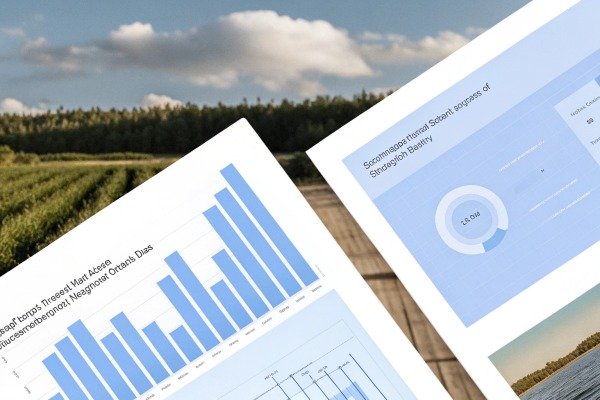
Wenn Sie investieren in hochwertige Ausrüstung wie landwirtschaftliche Drohnen investieren 3 in hochwertige Ausrüstung wie landwirtschaftliche Drohnen, reicht es nicht aus, sich auf das Wort eines Lieferanten zu verlassen. Konnossement (B/L) Daten 4 Sie benötigen objektive Daten. Drittanbieter-Datenbanken dienen als "Wahrheitsserum" für den internationalen Handelsmarkt. Diese Plattformen extrahieren Konnossement (B/L) Daten von Zollbehörden weltweit und geben Ihnen einen unverfälschten Einblick in die tatsächliche Handelstätigkeit eines Unternehmens.
Navigation durch wichtige Datenplattformen
Unterschiedliche Plattformen bieten unterschiedliche Granularitätsstufen. Um speziell landwirtschaftliche Drohnenexporte zu überprüfen, sollten Sie nach Datenbanken suchen, die eine Filterung nach HS-Code 8806 (Unbemannte Luftfahrzeuge) ermöglichen. Dies stellt sicher, dass Sie sich mit Drohnenlieferungen und nicht mit verwandten Zubehörteilen befassen.
- Seair Exim Solutions & Eximpedia: Diese eignen sich hervorragend für die Verfolgung von Lieferungen aus wichtigen Knotenpunkten wie China und Vietnam. Sie bieten oft monatliche Aktualisierungen, sodass Sie sehen können, ob ein Lieferant kürzlich (z. B. innerhalb der letzten 30 Tage) versendet hat.
- ImportGenius & Panjiva: Dies sind Industriestandards für US-Importeure. Sie ermöglichen es Ihnen, nach dem Namen des Lieferanten zu suchen, um jeden Container zu sehen, den er an US-Häfen gesendet hat.
Analyse von Transaktionsdaten
Sobald Sie auf diese Plattformen zugreifen, schauen Sie über die reine Gesamtzahl der Sendungen hinaus. Sie müssen die Qualität der Daten analysieren. Ein Lieferant behauptet möglicherweise, nach Europa und in die USA zu exportieren, aber wenn seine Aufzeichnungen nur kleine Paketlieferungen an obskure Ziele zeigen, ist dies ein Warnsignal.
Achten Sie auf "Handelsrechnungen" oder größere Containerladungen. Verfolgung von Lieferungen aus wichtigen Knotenpunkten 5 Landwirtschaftliche Drohnen sind sperrig. Eine Lieferung von 50 Einheiten erfordert erheblichen Frachtraum. Wenn die Aufzeichnungen nur leichte Luftfrachtpakete zeigen, verkauft der Lieferant möglicherweise nur Muster und erfüllt keine kommerziellen Flottenaufträge.
Tabelle 1: Vergleich von Trade Intelligence-Plattformen
| Plattformname | Am besten für | Wichtige Datenpunkte | Kostenniveau |
|---|---|---|---|
| ImportGenius | US-Import-Verifizierung | Details des Empfängers, Name des Versenders, Produktbeschreibung | Hoch |
| Seair Exim Solutions | Globale HS-Code-Verfolgung | Stückpreis, Bestimmungshafen, Ursprungsland | Mittel |
| Panjiva | Lieferketten-Mapping | Trendanalyse, Lieferantennetzwerke, Risikobewertung | Hoch |
| Volza | Schwellenländer | Sendungsfrequenz, Käufer-/Lieferantenverknüpfung | Low/Medium |
Identifizierung von "Schein"-Unternehmen
In der Drohnenindustrie geben sich einige Unternehmen als Hersteller aus, sind aber tatsächlich Handelsunternehmen. Exportaufzeichnungen helfen Ihnen, dies zu erkennen. Wenn der Name des "Versenders" in den Aufzeichnungen nicht mit dem Unternehmen übereinstimmt, mit dem Sie sprechen, oder wenn die Aufzeichnungen zeigen, dass sie komplett montierte Drohnen von einer anderen chinesischen Fabrik beziehen, haben Sie es wahrscheinlich mit einem Zwischenhändler zu tun. Das ist zwar nicht immer schlecht, birgt aber Risiken in Bezug auf After-Sales-Support und die Verfügbarkeit von Ersatzteilen.
Wie kann ich bestätigen, dass der Lieferant die Zollabfertigung für landwirtschaftliche Drohnen in meiner spezifischen Region erfolgreich abgewickelt hat?
Unser Logistikteam verbringt Wochen damit, die Dokumentation für die US-amerikanische und europäische Zollabfertigung zu perfektionieren, um sicherzustellen, dass unsere Kunden niemals Risiken einer Beschlagnahmung an der Grenze eingehen. Eine ordnungsgemäße Zollabfertigung ist ein Beweis für die Leistungsfähigkeit eines Lieferanten.
Bestätigen Sie die erfolgreiche Zollabfertigung, indem Sie geschwärzte frühere Konnossemente (B/L) für Ihr spezifisches Land anfordern. Überprüfen Sie, ob der Lieferant die erforderlichen regionalen Zertifizierungen wie FAA-Konformität oder EPA-Zulassungen für Sprühdrohnen besitzt, und prüfen Sie seine Historie im Umgang mit DDP-Sendungen (Duties and Taxes Paid), um seine logistischen Fähigkeiten nachzuweisen.

Eine erfolgreiche Ausfuhr einer Drohne aus China ist nur die halbe Miete. Der schwierigere Teil ist, sie zu bekommen in Ihr Land. Agrardrohnen unterliegen strengen Vorschriften. Sie sind keine reine Unterhaltungselektronik; sie werden oft unter Luftfahrt- und Landmaschinenvorschriften eingestuft EPA-Vorschriften 6.
Überprüfung der regionalen Konformität
Verschiedene Regionen haben strenge Einreisebestimmungen. In den Vereinigten Staaten sind landwirtschaftliche Sprühdrohnen 7 Zum Beispiel können landwirtschaftliche Sprühdrohnen in den Vereinigten Staaten unter die EPA-Vorschriften fallen, da sie Chemikalien ausbringen. In Europa benötigen sie die CE-Kennzeichnung und die Einhaltung der Maschinenrichtlinien. Maschinenrichtlinien 8
Fragen Sie bei der Prüfung eines Lieferanten nach dem Nachweis einer früheren Freigabe in Ihrer spezifischen Region. Ein Lieferant ist möglicherweise Experte für den Versand nach Südostasien, hat aber keine Ahnung von den Regeln der US-Zoll- und Grenzschutzbehörde (CBP).
- US-Markt: Prüfen Sie, ob sie ISF (Sicherheitseinreichung für Importeure) Einreichungen.
- EU-Markt: Prüfen Sie auf EORI (Economic Operators Registration and Identification) Nummernverwendung in früheren Dokumenten.
Die Bedeutung von DDP-Erfahrung
Wenn ein Lieferant anbietet DDP (Delivered Duty Paid) , bedeutet dies, dass er die volle Verantwortung für die Zollabfertigung und Steuern übernimmt. Dies ist ein riesiges positives Zeichen. Es impliziert, dass sie einen registrierten Importeur oder einen zuverlässigen Logistikpartner in Ihrem Land haben.
Wenn sie nur anbieten EXW (ab Werk) oder FOB (Frei an Bord), verlagern sie das Zollrisiko vollständig auf Sie. Obwohl dies im B2B-Bereich üblich ist, verfügt ein Lieferant ohne DDP-Erfahrung möglicherweise nicht über die Infrastruktur, um Ihnen zu helfen, wenn Ihre Waren im Hafen stecken bleiben.
H3: Kritische Zollabfertigungsindikatoren
Sie sollten prüfen, ob der Lieferant mit den ECCN (Export Control Classification Number) -Vorschriften vertraut ist. Auch wenn für viele Agrardrohnen zunehmend Ausnahmeregelungen für Lizenzen gelten (wie die BIS-Aktualisierungen von 2026), muss der Lieferant dennoch die richtigen Unterlagen einreichen.
Wenn ein Lieferant Ihnen den ECCN-Code seines Produkts nicht nennen kann (oft 9A012 oder 9A120 für große UAVs), rennen Sie weg. Das bedeutet, dass sie wahrscheinlich Sendungen als "Spielzeug" oder allgemeine Elektronik falsch deklarieren, um Kontrollen zu umgehen, was Ihr Frachtgut einem Beschlagnahmungsrisiko aussetzt.
Tabelle 2: Regionale Zollbestimmungen für Agrardrohnen
| Region | Wichtige Verordnung/Behörde | Erforderlicher Nachweis der Freigabe | Risiko der Nichteinhaltung |
|---|---|---|---|
| Vereinigte Staaten | FAA / EPA / FCC | FDA-Zugangsnummer (falls Laser ausgestattet), FCC-ID | Beschlagnahmung & Geldstrafen |
| Europäische Union | EASA / CE-Kennzeichnung | Konformitätserklärung, RoHS-Konformität | Rücksendung an den Ursprung |
| Global | Gefahrgut (IATA) | UN38.3-Testbericht für Batterien | Sendungsablehnung durch Spediteur |
Welche spezifischen Versanddokumente sollte ich anfordern, um seine Angaben über frühere internationale Lieferungen zu validieren?
Wenn wir eine Sendung aus unserem Werk in Chengdu vorbereiten, erstellen wir eine genaue Papierdokumentation, um die Herkunft und Konformität jeder Einheit nachzuweisen. Diese Dokumente sind Ihr bester Beweis für die bisherige Leistung.
Fordern Sie ein umfassendes Dokumentationspaket an, einschließlich der Handelsrechnung, des Packzettels und des Luftfrachtbriefs. Entscheidend ist, dass Sie das Ursprungszeugnis anfordern, um die Echtheit der Herstellung zu gewährleisten, und das Sicherheitsdatenblatt (SDB), um deren Fähigkeit zu überprüfen, Lithiumbatterien mit hoher Kapazität, die für den Betrieb von Agrardrohnen erforderlich sind, legal zu transportieren.

Dokumentation ist die DNA des internationalen Handels. Ein Lieferant kann eine Website fälschen, aber die Fälschung einer gestempelten, verifizierten Versanddokumentation ist viel schwieriger und stellt Betrug dar. Wenn Sie nach diesen Dokumenten fragen, testen Sie deren organisatorische Reife.
Der "geschwärzte" Test
Es ist gängige Praxis für Lieferanten, die Privatsphäre ihrer Kunden zu schützen. Daher erwarten Sie nicht, den Namen und die Adresse ihrer anderen Kunden zu sehen. Jedoch, geschwärzt Dokumente sind vollkommen akzeptabel und sehr informativ.
Fordern Sie einen "bereinigten Frachtbrief" von einer Sendung an, die in den letzten 6 Monaten in Ihr Land geschickt wurde.
- Was möchten Sie sehen: Der Ladehafen (sollte dem Standort ihrer Fabrik entsprechen, z. B. Shanghai oder Shenzhen), die Produktbeschreibung (muss "Agrardrohne" oder ähnlich lauten) und das Gewicht/Volumen.
- Worauf Sie achten sollten: Wenn im Feld "Versender" ein Logistikunternehmen anstelle des Herstellers aufgeführt ist, fragen Sie warum. Es könnte sich lediglich um ihren Spediteur handeln, es könnte aber auch darauf hindeuten, dass sie den Handel vermitteln.
Gefahrgutdokumentation (Batterien)
Agrardrohnen verwenden massive Lithium-Polymer-Akkus (oft 16.000 mAh bis 30.000 mAh). Lithium-Polymer-Batterien 9 Dies sind Gefahrgüter der Klasse 9. Der Versand erfordert spezielle Zertifizierungen:
- UN38.3 Testzusammenfassung: Weist nach, dass die Batterie Sicherheitstests bestanden hat.
- MSDS (Material Safety Data Sheet): Erforderlich für Fluggesellschaften und Reedereien.
Wenn ein Lieferant diese nicht sofort vorlegen kann, versendet er wahrscheinlich keine Batterien legal. Möglicherweise versendet er sie als "General Cargo", was illegal und gefährlich ist. Wenn es zu einem Brand kommt, könnten Sie haftbar gemacht werden.
H3: Ursprungszeugnis (COO)
Dieses Dokument ist entscheidend für die Zollberechnung. Zollberechnungen 10 Seit den Handelskriegen schwanken die Zölle auf chinesische Drohnen, die in die USA eingeführt werden. Ein gültiges COO bescheinigt genau, wo die Drohne hergestellt wurde.
- Wenn Sie sich in einem Land mit einem Freihandelsabkommen (FTA) mit dem Lieferantenland befinden, spart Ihnen das COO Geld.
- Es beweist auch, dass die Fabrik der tatsächliche Produzent ist. Handelsunternehmen haben oft Schwierigkeiten, ein COO in ihrem eigenen Namen ausstellen zu lassen, ohne die tatsächliche Fabrik preiszugeben.
Tabelle 3: Checkliste zur Dokumentenprüfung
| Name des Dokuments | Zweck | Was zu überprüfen ist |
|---|---|---|
| Konnossement (B/L) | Versandnachweis & Titel | Ladehafen stimmt mit der Region der Fabrik überein; Produktbeschreibung ist korrekt. |
| Handelsrechnung | Zollwertanmeldung | Prüfen Sie auf HS-Code 8806; Stellen Sie sicher, dass der Wert den Marktraten entspricht (Unterfakturierung ist ein Risiko). |
| Packliste | Physische Zählung | Bruttogewicht vs. Nettogewicht; Maßangaben für das Volumengewicht. |
| MSDS / UN38.3 | Sicherheit der Batterie | Ausstellungsdatum (muss aktuell sein); Kapazität entspricht den Drohnenspezifikationen. |
Zeigt die Häufigkeit vergangener Lieferungen die Zuverlässigkeit und Produktionskapazität des Lieferanten an?
Unsere Produktionslinien in Xi’an laufen nach strengen Zeitplänen, da eine gleichbleibende Exportfrequenz ein stabiles, gesundes Produktionsumfeld widerspiegelt. Eine stillstehende Linie ist ein Warnsignal für jeden Käufer.
Ja, die Versandfrequenz ist ein starker Indikator für operative Stabilität und Produktionskapazität. Regelmäßige monatliche Exporte deuten auf eine ausgereifte Lieferkette und eine aktive Kundenbasis hin, während sporadische Lieferungen auf Produktionsengpässe, Qualitätsprobleme oder einen Mangel an langfristigen Kunden hindeuten können, die für die Unterstützung von industriellen Agrardrohnenflotten unerlässlich sind.

Die Frequenz erzählt eine Geschichte, die das Volumen allein nicht erzählen kann. Ein Lieferant hat vielleicht letztes Jahr 500 Drohnen versandt, aber wenn sie alle in einem Monat verschickt wurden und im Rest des Jahres nichts versandt wurde, ist das ein Problem. Es deutet auf "Chargenproduktion" basierend auf gesammelten Bestellungen hin, anstatt auf eine kontinuierliche Fertigungskapazität.
Konsistenz vs. Einmalige Geschäfte
Landwirtschaftliche Saisons sind zyklisch, aber ein globaler Hersteller sollte das ganze Jahr über versenden, da die Anbausaison zwischen der Nord- und Südhalbkugel variiert.
- Stetiger Rhythmus: Wenn die Exportaufzeichnungen zeigen, dass jeden Monat Sendungen erfolgen (auch kleine), bedeutet dies, dass die Fabrik aktiv ist. Arbeiter sind beschäftigt, Maschinen laufen und Rohstoffe werden regelmäßig bezogen.
- Lücken in der Historie: Eine 3-monatige Exportlücke könnte auf eine Werksschließung, einen Mangel an kritischen Chips oder finanzielle Schwierigkeiten hindeuten.
Die Ersatzteilkorrelation
Die Häufigkeit ist am kritischsten für ersatzteile. Drohnen stürzen ab. Verschleißteile wie Düsen und Propeller müssen ersetzt werden.
Wenn ein Lieferant nur fertige Drohnen exportiert und keine Aufzeichnungen über den Versand kleiner Pakete mit "Flugzeugteilen" oder "Zubehör" hat, ist dies ein großes Warnsignal. Es impliziert, dass sie den Verkauf als einmalige Transaktion betrachten. Ein zuverlässiger Partner wird in seiner Exportgeschichte eine Mischung aus schweren Sendungen (Drohnen) und leichteren Sendungen (Teile) haben.
H3: "Geisterfabriken" erkennen
Einige Lieferanten sind im Wesentlichen "Geisterfabriken" – sie nehmen die Produktion nur auf, wenn sie genügend Vorbestellungen haben, um einen Container zu füllen.
- Das Risiko: Wenn Sie dringend 5 Einheiten benötigen, müssen Sie möglicherweise 3 Monate warten, bis sie weitere Bestellungen von anderen Kunden erhalten, um die Produktion aufzunehmen.
- Die Prüfung: Schauen Sie sich die Daten in den Exportaufzeichnungen. Sind sie gehäuft? Oder sind sie verteilt? Sie möchten einen Lieferanten, der ab Lager liefern kann oder eine flexible Produktionslinie mit "niedriger MOQ" (Mindestbestellmenge) hat.
Überprüfung der Produktionskapazitätsangaben
Wenn ein Lieferant behauptet, 1.000 Einheiten pro Monat produzieren zu können, seine Exportaufzeichnungen aber zeigen, dass er nie mehr als 50 Einheiten in einem einzigen Monat versandt hat, übertreibt er.
Verwenden Sie das Nettogewicht Spalte in den Exportdaten, um das Volumen abzuschätzen.
- Durchschnittliches Gewicht einer Agrardrohnen-Box: ~25-40 kg.
- Wenn eine Sendung 400 kg wiegt, sind das ungefähr 10-15 Drohnen.
- Indem Sie diese Rechnung anstellen, können Sie deren Kapazitätsangaben mit der Realität abgleichen.
Schlussfolgerung
Eine gründliche Prüfung der Exportaufzeichnungen stellt sicher, dass Sie mit einem fähigen Hersteller zusammenarbeiten, Risiken minimiert und eine zuverlässige Bereitstellung von Agrardrohnen garantiert. Durch die Überprüfung von Datenbanken, Dokumenten und der Versandhäufigkeit schützen Sie Ihre Investition von Anfang an.
Fußnoten
1. Maßgebliche IATA-Richtlinien für den Transport von Lithiumbatterien der Klasse 9, die in Drohnen verwendet werden. ︎
2. Offizieller US-Tarifplan zur Überprüfung der Drohnenklassifizierung und HS-Codes. ︎
3. Allgemeiner Hintergrund zur Technologie und ihren Einsatzmöglichkeiten in der modernen Landwirtschaft. ︎
4. Standards der Internationalen Handelskammer für Versanddokumente und Handelsbedingungen. ︎
5. Offizielle Website der ImportGenius-Handelsinformationsplattform, die im Text erwähnt wird. ︎
6. Offizielle EPA-Dokumentation zu den Compliance-Anforderungen für Pestizidanwendungsgeräte wie Agrardrohnen. ︎
7. Offizielle FAA-Vorschriften für kommerzielle Drohnenbetriebe in den Vereinigten Staaten. ︎
8. Offizielle Seite der Europäischen Kommission zu Sicherheit und Konformität von Maschinen. ︎
9. IATA-Standards für den sicheren Transport gefährlicher Lithiumbatterien auf dem Luftweg. ︎
10. Hintergrundinformationen darüber, wie Ursprungszeugnisse internationale Zolltarifberechnungen beeinflussen. ︎

 English
  Español de México
  Deutsch
  Français
  Русский
  العربية
