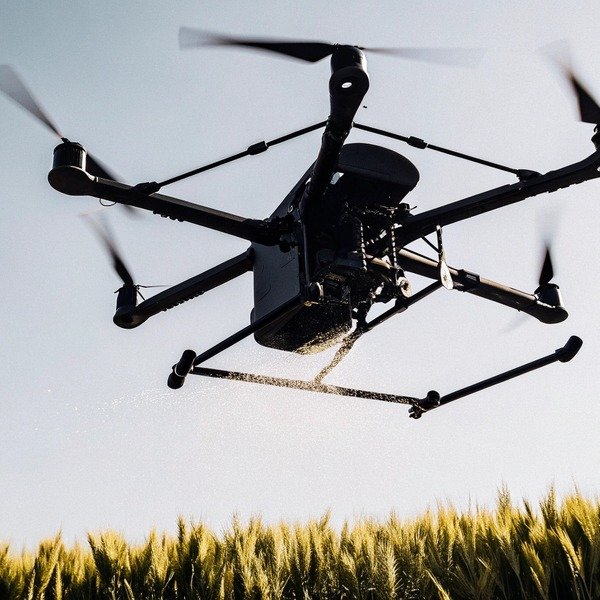
Die Bewältigung der US-Zollbestimmungen kann überwältigend sein, wenn wir unsere neuesten SkyRover-Sprühgeräte aus unserer Fabrik in Xi'an versenden HS-Code 8806 1. Verzögerungen beeinträchtigen Ihren Erntezeitplan und stören die Lieferkette.
Sie können einen zuverlässigen US-Zollagenten finden, indem Sie das aktive Maklersuchtool der CBP verwenden, um Lizenzen zu überprüfen und nach spezifischer Erfahrung mit dem HS-Code 8806 für unbemannte Luftfahrzeuge zu suchen. Suchen Sie nach Maklern, die ISF-Einreichung, Remote-Location-Einreichung und Fachkenntnisse in Bezug auf landwirtschaftliche Geräte anbieten, um eine reibungslose Zollabfertigung zu gewährleisten.
Lassen Sie uns die wesentlichen Schritte und spezifischen Qualifikationen untersuchen, die bei der Sicherung des richtigen Partners für Ihre Drohnenimporte erforderlich sind.
Welche spezifischen Qualifikationen sollte ich bei der Auswahl eines Zollagenten für den Import von Agrardrohnen beachten?
Wir haben gesehen, dass Sendungen an der Grenze stecken geblieben sind, weil allgemeine Makler die Spezifikationen unserer Flugsteuerungssysteme missverstanden haben. Die Wahl des falschen Partners birgt das Risiko teurer Lagergebühren und Compliance-Probleme.
Suchen Sie nach einem lizenzierten Makler mit einer nationalen Genehmigung für die Fernabwicklung und spezifischer Erfahrung mit den Section 301-Zöllen, die chinesische Technologie betreffen. Sie müssen die Anforderungen der Partnerregierungsbehörden verstehen, insbesondere die FAA-Drohnenregistrierung und die FCC-Funkfrequenzzertifizierungen, um die Beschlagnahme Ihrer landwirtschaftlichen Geräte an der Grenze zu verhindern.

Überprüfung des Lizenz- und nationalen Genehmigungsstatus
Wenn wir unsere Industriedrohnen in die Vereinigten Staaten exportieren, ist die erste Hürde oft die logistische Geografie. Sie können in Iowa oder Kalifornien ansässig sein, aber Ihre Sendung kann in einem Hafen in Seattle oder Los Angeles ankommen. Hier ist ein Nationale Genehmigung entscheidend. Eine Standard-Maklerlizenz erlaubt einem Makler möglicherweise nur, Einreichungen an seinem lokalen Hafen vorzunehmen. Ein Makler mit einer nationalen Genehmigung kann jedoch für Waren, die an jedem Einreisehafen in den USA ankommen, aus der Ferne Unterlagen einreichen. Diese Fähigkeit, bekannt als Remote Location Filing (RLF), stellt sicher, dass Ihr Makler sie abfertigen kann, egal wo unsere Fracht landet Remote Location Filing (RLF) 2, ohne sie an einen Unteragenten übergeben zu müssen, was den Prozess oft verlangsamt.
Sie müssen deren Status direkt über die Website der U.S. Customs and Border Protection (CBP) überprüfen. Eine aktive Lizenz ist nicht verhandelbar, aber für landwirtschaftliche Drohnen reicht eine allgemeine Lizenzierung nicht aus. Sie benötigen einen Partner, der den Unterschied zwischen einem Hobby-Spielzeug und einem industriellen Werkzeug versteht. Unsere landwirtschaftlichen Drohnen sind hochwertige Vermögenswerte, und eine falsche Einstufung kann zu erheblichen finanziellen Strafen führen.
Fachwissen über Partner-Regierungsbehörden (PGAs)
Der Import von Drohnen ist nicht nur eine Zollangelegenheit; er betrifft mehrere Bundesbehörden. Unser Ingenieurteam verbringt Monate damit, sicherzustellen, dass unsere Funkübertragungssysteme globale Standards erfüllen Funkübertragungssysteme 3, aber wenn Ihr Broker die richtigen Formulare der FCC (Federal Communications Commission) nicht einreicht, sind diese Bemühungen umsonst.
Ein qualifizierter Broker für diese Branche muss eine nachweisliche Erfolgsbilanz vorweisen können bei:
- FCC (Federal Communications Commission): Drohnen verwenden Funkfrequenzen für Fernsteuerung und Telemetrie. Funkfrequenzen 4 Der Broker muss wissen, wie Formular 740 oder dessen elektronisches Äquivalent einzureichen ist.
- FAA (Federal Aviation Administration): Während die Registrierung oft nach dem Import erfolgt, muss der Broker sicherstellen, dass die Importmanifeste mit den technischen Spezifikationen übereinstimmen, die für den späteren Betrieb gemäß Teil 107 erforderlich sind. Betrieb gemäß Teil 107 5
- EPA (Environmental Protection Agency): Obwohl unsere Drohnen elektrisch sind, verfügen einige hybride landwirtschaftliche Modelle über Benzinmotoren. Ein Broker muss wissen, wann EPA-Formulare erforderlich sind, um Verzögerungen zu vermeiden.
Verständnis der Section 301 Tarife
Da unsere Produktionsbasis in China liegt, muss Ihr Broker sehr kompetent im Umgang mit der US-chinesischen Handelspolitik sein. Viele Industrieprodukte unterliegen Section Abschnitt 301 Zölle 6 301-Tarife, die erhebliche Zölle zusätzlich zu den Standardtarifen hinzufügen. Ein qualifizierter Broker weiß, ob es aktuelle Ausnahmen für Agrartechnologie gibt oder wie der Wert korrekt deklariert wird, um sicherzustellen, dass Sie keine überhöhten Zölle auf Zubehör oder Softwarekomponenten zahlen, die separat in Rechnung gestellt werden könnten.
Checkliste für die Überprüfung von Brokern
Verwenden Sie diese Tabelle, um potenzielle Broker während Ihres ersten Beratungsgesprächs zu bewerten.
| Qualifikationskriterien | Warum sie für Agrardrohnen wichtig ist | Überprüfungsmethode |
|---|---|---|
| Nationale Genehmigung (RLF) | Ermöglicht die Zollabfertigung an jedem US-Hafen (z. B. LAX, Long Beach) unabhängig von Ihrem Standort. | Fragen Sie, ob sie "Remote Location Filing" intern durchführen. |
| Beherrschung des HTS-Codes 8806 | Verhindert eine Fehlklassifizierung als Spielzeug oder allgemeine Flugzeuge, was unterschiedliche Zollsätze mit sich bringt. | Fragen Sie nach ihrer Erfahrung mit Importen von "unbemannten Flugzeugen". |
| PGA-Kompetenz | Stellt die Einhaltung der FCC- und FAA-Vorschriften für Funk-/Flugsysteme sicher. | Fordern Sie Beispiele für frühere Einreichungen des FCC Form 740 an. |
| Kenntnisse der Sektion 301 | Entscheidend für die Berechnung genauer Landungskosten für Waren chinesischen Ursprungs. | Fragen Sie, wie sie Handelsbehelfe für in China hergestellte Technologie handhaben. |
Wie viel kostet es in der Regel, einen US-Zollagenten für die Abfertigung von Industriedrohnenlieferungen zu beauftragen?
Wenn wir DDP-Preise (Delivered Duty Paid) anbieten, überraschen versteckte Maklergebühren unsere Kunden oft und erschweren die Endrechnung. Unvorhersehbare Kosten können Ihre Gewinnmargen bei hochwertigen Maschinen schnell schmälern.
Die Gebühren für Zollagenten liegen in der Regel zwischen 150 und 300 US-Dollar pro Sendung für Standard-Abfertigungsdienste, zuzüglich Zöllen und Steuern. Zusätzliche Gebühren fallen oft für die ISF-Einreichung (25-50 US-Dollar), Zollbürgschaften (mindestens 500 US-Dollar pro Jahr oder Gebühren für einzelne Transaktionen) und die Bearbeitung komplexer behördlicher Erklärungen für die FAA- oder FCC-Konformität an.

Die Aufschlüsselung der Maklergebühren
Das Verständnis der Kostenstruktur ist für Einkaufsmanager wie Sie von entscheidender Bedeutung. Wenn wir einen Container SkyRover-Drohnen versenden, ist die "Maklergebühr" nur ein einzelner Posten auf einer größeren Rechnung. Die Grundgebühr deckt in der Regel die Verwaltungsarbeit für die Erstellung und Einreichung der Einfuhrzusammenfassung (CBP Formular 7501) beim Zoll ab. Da Agrardrohnen jedoch komplex sind, berechnen Makler oft zusätzliche Gebühren für die erforderliche zusätzliche Dateneingabe für Regierungsbehörden.
Sie sollten die folgende Gebührenstruktur erwarten:
- Teilnahmegebühr: Dies ist die Pauschalgebühr für ihre Dienstleistung. Bei einer einfachen Sendung kann sie 150 US-Dollar betragen. Bei einer komplexen Sendung mit mehreren Drohnenmodellen und Ersatzteilen kann sie auf 300 US-Dollar oder mehr steigen.
- PGA-Zuschläge: Da Drohnen eine FCC- und manchmal eine FDA- (wenn mit Lasern/Sensoren ausgestattet) oder EPA-Dateneingabe erfordern, berechnen Makler oft 15-50 US-Dollar pro zusätzlicher behördlicher Erklärung.
- ISF-Einreichungsgebühr: Bei Seefracht muss die Importer Security Filing 24 Stunden vor Abfahrt des Schiffes eingereicht werden Importer Security Filing 7 China. Makler berechnen dafür in der Regel 25 bis 50 US-Dollar.
Zollbürgschaften: Kontinuierlich vs. Einzelne Sendung
Um gewerbliche Waren in die USA zu importieren, müssen Sie eine Zollbürgschaft hinterlegen. Diese dient als Versicherungspolice, die garantiert, dass die US-Regierung ihre Zölle und Steuern erhält.
- Einzelne Einreisebürgschaft: Wenn Sie nur eine unserer Drohnen für einen Testlauf kaufen, kann eine einmalige Bürgschaft ausreichen. Die Kosten werden in der Regel als Prozentsatz des Sendungswerts berechnet (z. B. 5,00 US-Dollar pro 1.000 US-Dollar Wert), wobei eine Mindestgebühr oft um die 50-60 US-Dollar liegt.
- Dauerhafte Bürgschaft: Wenn Sie ein Händler oder ein großer landwirtschaftlicher Betrieb sind, der regelmäßige Importe plant (z. B. mehr als 3-4 Sendungen pro Jahr), ist eine kontinuierliche Bürgschaft weitaus wirtschaftlicher. Sie kostet in der Regel eine Pauschalgebühr von 450-600 US-Dollar pro Jahr und deckt alle Ihre Sendungen für 12 Monate ab. Wir empfehlen dies dringend für unsere Stammkunden, da es die Abfertigung beschleunigt.
Zoll und Steuern (Der versteckte Batzen)
Obwohl keine "Maklergebühr", erleichtert der Makler diese Zahlung. Agrardrohnen fallen im Allgemeinen unter den HTS-Code 8806.21.00 (oder ähnliche Unterpositionen je nach Gewicht). Während der allgemeine Zollsatz für einige Flugzeuge niedrig oder null sein mag, können die Section 301-Zölle auf chinesische Waren eine beträchtliche 25% Steuer hinzufügen. Ihr Makler kann auch eine Auszahlungsgebühr (normalerweise 2-3% des gesamten vorgeschossenen Betrags) berechnen, wenn er diese Zölle in Ihrem Namen bezahlt und Ihnen später eine Rechnung stellt. Um Geld zu sparen, können Sie ein ACH-Konto bei der CBP einrichten, um Zölle direkt zu bezahlen und die Auszahlungsgebühr des Maklers zu umgehen.
Geschätztes Kostenszenario
Hier ist eine hypothetische Kostenaufschlüsselung für den Import einer Lieferung von Agrardrohnen im Wert von $50.000 per Seefracht.
| Gebührenart | Geschätzte Kosten | Anmerkungen |
|---|---|---|
| Zollmaklergebühr für die Einfuhr | $150 – $250 | Pauschalgebühr für die Bearbeitung der Einfuhr. |
| ISF-Anmeldegebühr | $25 – $50 | Obligatorisch für die Sicherheit der Seefracht. |
| PGA (FCC) Bearbeitung | $25 – $50 | Gebühr für die Einreichung von Daten zur Einhaltung von Funkfrequenzen. |
| Zollbürgschaft (Einzel) | $250 – $350 | Basierend auf Wert + Pflichten (ca. $5-7 pro $1k). |
| Merchandise Processing Fee (MPF) | ~$170 | 0,3464% des Wertes (Min $31 / Max $614 für formelle Einfuhr). |
| Hafenunterhaltungsgebühr (HMF) | ~$62 | 0,125% des Wertes (Nur Seefracht). |
| Auszahlungsgebühr | ~$100 | Wenn der Broker Zölle für Sie bezahlt (vermeidbar über ACH). |
| GESAMTGEBÜHREN (Ohne Zoll) | $782 – $1.032 | Enthält nicht den tatsächlichen Zoll-/Abgabenbetrag. |
Benötige ich einen Makler mit spezieller Erfahrung in Elektronik oder Batterien, um meine Drohnen sicher zu importieren?
Unsere Lithiumbatterien sind leistungsstark, aber sie werden während des Transports auch als Gefahrgut eingestuft. Eine unsachgemäße Dokumentation für diese Komponenten kann Ihre Sendung auf unbestimmte Zeit zum Stillstand bringen.
Ja, spezialisierte Erfahrung ist entscheidend, da Hochleistungs-Lithiumbatterien strengen HAZMAT- und DOT-Vorschriften unterliegen. Ein sachkundiger Broker stellt die korrekte Kennzeichnung und Dokumentation (wie UN3480) sicher, um Strafen für gefährliche Güter zu vermeiden, und verwaltet gleichzeitig die komplexen FCC-Funkfrequenzanmeldungen, die für die elektronischen Komponenten der Drohne erforderlich sind.

Die hohen Einsätze beim Import von Lithiumbatterien
Die Batterie ist das Herzstück unserer Agrardrohnen und liefert die Ausdauer, die zum Besprühen großer Flächen benötigt wird. In den Augen von Logistik- und Zollbehörden sind diese Hochleistungs-Lithium-Polymer- (LiPo) oder Lithium-Ionen-Batterien jedoch Gefahrgut. Sie sind unter UN3480 (allein versandte Batterien) oder UN3481 (in Ausrüstung enthaltene Batterien) klassifiziert. UN3480 8
Ein allgemeiner Broker könnte eine Drohnensendung wie eine Sendung von Möbeln oder Kleidung behandeln. Dies ist ein kritischer Fehler. Wenn die Dokumentation nicht ausdrücklich die Wattstunden (Wh) Angabe und die Einhaltung der UN 38.3 Teststandards angibt, kann die Sendung vom Department of Transportation (DOT) markiert oder vom CBP zurückgehalten werden. Wir stellen mit jeder Sendung Material Safety Data Sheets (MSDS) zur Verfügung, aber Ihr Broker muss wissen, wie diese Daten den Behörden präsentiert werden. Wenn ein Broker Gefahrgüter nicht korrekt deklariert, kann die Ladung am Hafen abgewiesen werden, was zu massiven Geldstrafen und Rücksendekosten führt, die Sie, der Importeur, tragen müssten.
Elektronik und Funkfrequenzkonformität
Über die Batterien hinaus sind die "Gehirne" unserer Drohnen mit hochentwickelter Elektronik ausgestattet. Der Flugcontroller, das Radar zur Geländefolgung und die Fernbedienung senden alle Funkfrequenzen aus. In den USA regelt die FCC diese Geräte streng.
Ein erfahrener Broker weiß, dass jedes funkstrahlende Gerät eine FCC-Erklärung benötigt. Er wird uns nach dem FCC-ID Nummer für jede Komponente. Wenn Sie einen Makler beauftragen, der sich nur mit rohen Agrarrohstoffen wie Getreide oder Dünger befasst, ist er sich dieser elektronikspezifischen Anforderungen möglicherweise nicht bewusst. Wir haben Fälle gesehen, in denen Ausrüstung zurückgehalten wurde, weil der Makler die Daten des "Formulars 740" nicht eingereicht hatte und davon ausging, dass die Drohne nur "Landmaschinen" sei."
Bedenken hinsichtlich Dual-Use-Technologie
Fortgeschrittene Industriedrohnen können manchmal als "Dual-Use"-Technologie untersucht werden – was bedeutet, dass sie theoretisch für militärische Zwecke verwendet werden könnten. Während unsere Produkte ausschließlich für landwirtschaftliche Zwecke und zur Brandbekämpfung bestimmt sind, weiß ein spezialisierter Makler, wie er die Export Administration Regulations (EAR) und die Commerce Control List (CCL) navigieren kann. Export Administration Regulations (EAR) 9. Sie können wirksam gegen falsche Klassifizierungen argumentieren, die einen harmlosen Sprühgerät für Feldfrüchte als eingeschränkten Artikel kennzeichnen könnten.
Vergleich von Generalisten- und Spezialistenmaklern
| Merkmal | Generalisten-Makler | Spezialisten-Makler für Elektronik/Technik |
|---|---|---|
| Batteriewissen | Kann HAZMAT-Etiketten übersehen; betrachtet Batterien als Standardfracht. | Versteht UN3480/UN3481; prüft proaktiv MSDS und Wh-Bewertungen. |
| FCC Compliance | Übersieht oft Funkfrequenz-Anmeldungen. | Fordert FCC-IDs im Voraus an; reicht Formular 740 automatisch ein. |
| Risikobewertung | Reagiert auf Zollbeschlagnahmungen, nachdem sie passiert sind. | Antizipiert Beschlagnahmungen aufgrund von technischen Spezifikationen; bereitet Erklärungen im Voraus vor. |
| Klassifizierung | Könnte generische "Maschinen"-Codes verwenden. | Verwendet spezifische 8806-Codes für "unbemannte Luftfahrzeuge"." |
Welche Dokumente wird mein Zollagent von mir benötigen, um Verzögerungen an der US-Grenze zu vermeiden?
Wir bereiten umfangreiche Unterlagen für jeden Export vor, doch das Fehlen eines einzigen Formulars kann zu wochenlangen Verzögerungen führen. Unvollständige Dokumentation löst Inspektionen aus, die Ihren landwirtschaftlichen Betrieb zum Erliegen bringen.
Ihr Broker benötigt eine Handelsrechnung, ein Packliste, ein Konnossement und die Ankunftsmeldung. Für Drohnen müssen Sie außerdem FCC-Zertifizierungsformulare, FAA-Registrierungsdaten und ein Toxic Substance Control Act (TSCA)-Zertifikat vorlegen, das belegt, dass die Elektronik keine verbotenen chemischen Substanzen enthält.

Das Fundament: Standardversanddokumente
Um den Zollabfertigungsprozess einzuleiten, benötigt Ihr Broker den standardmäßigen "kommerziellen Satz" von Dokumenten. Wenn wir Ihre Bestellung versenden, senden wir Ihnen diese digital zu, und Sie müssen sie sofort an Ihren Broker weiterleiten.
- Handelsrechnung: Dies ist das wichtigste Dokument. Es muss den Käufer und Verkäufer, eine detaillierte Beschreibung der Drohnen (z. B. "Landwirtschaftlicher Sprühdrohne, Modell X1"), den Wert pro Einheit, das Ursprungsland (China) und die Incoterms (z. B. CIF, FOB oder DDP) auflisten. Eine vage Beschreibung wie "Landwirtschaftliche Ausrüstung" ist unzureichend und lädt zur Inspektion ein.
- Packliste: Dies gibt das Brutto- und Nettogewicht, die Abmessungen und genau an, welche Kiste welche Artikel (Drohnen, Batterien, Propeller) enthält.
- Konnossement (B/L): Ausgestellt vom Spediteur (Reederei oder Fluggesellschaft), dient dies als Empfangsbestätigung für die Fracht und als Eigentumsnachweis.
- Ankunftsmeldung: Der Spediteur sendet dies, wenn sich die Waren dem US-Hafen nähern. Dies veranlasst den Broker, die Einfuhranmeldung einzureichen.
Die Besonderheiten: Drohnen-Compliance-Dokumente
Hier kommt die spezielle Natur unserer Produkte ins Spiel. Um SkyRover-Drohnen abzufertigen, verlangt Ihr Broker technische Zertifizierungen, die wir bereitstellen, aber Sie müssen sicherstellen, dass diese im Einreichungspaket enthalten sind.
- FCC Formular 740 Daten: Ihr Broker benötigt die FCC-ID, die auf unseren Fernbedienungen und Telemetriemodulen aufgedruckt ist. Dies beweist, dass das Gerät für die Nutzung im US-Frequenzspektrum autorisiert ist.
- TSCA-Zertifizierung (Toxic Substance Control Act): Dies ist eine "negative Erklärung". Der Broker muss bescheinigen, dass die importierten chemischen Substanzen (in Kunststoffen, Klebstoffen und Elektronik) den TSCA-Vorschriften entsprechen. TSCA-Vorschriften 10. Für fertige Elektronik wie unsere ist es normalerweise ein Standardformular, das die Konformität bescheinigt, aber es muss eingereicht werden.
- Lithium-Batterie-Testbericht (UN 38.3): Wie bereits erwähnt, beweist dies, dass die Batterien stabil sind. Obwohl dies normalerweise für den Spediteur bestimmt ist, kann der Zoll es während einer HAZMAT-Inspektion anfordern.
- Lacey Act Erklärung (falls zutreffend): Wenn die Drohnenlieferung Holzkisten oder Paletten enthält, kann eine Lacey Act Erklärung bezüglich des Holzverpackungsmaterials erforderlich sein, obwohl wir normalerweise Sperrholz- oder Kunststoffpaletten verwenden, um dies zu vermeiden.
Die Bedeutung von Konsistenz
Eine häufige Fallstrick ist eine Diskrepanz zwischen den Dokumenten. Zum Beispiel besagt die Handelsrechnung "10 Drohnen", aber die Packliste besagt "10 Kartons" (die 10 Drohnen plus 10 Akkupacks enthalten können). Wenn das Gewicht auf dem Frachtbrief nicht mit der Packliste übereinstimmt, wird der Zoll dies beanstanden.
Wir empfehlen, für jede Bestellung einen "Compliance-Ordner" anzulegen. Sobald Sie die digitalen Dokumente von unserem Team erhalten, überprüfen Sie diese anhand Ihrer Bestellung. Wenn Sie eine Diskrepanz feststellen, teilen Sie uns dies sofort mit, damit wir sie korrigieren können, bevor das Schiff ankommt. Wenn Sie Ihrem Broker 4-5 Tage vor Ankunft genaue Daten zur Verfügung stellen, kann er die Waren vorab abfertigen, was bedeutet, dass Ihre Drohnen in dem Moment, in dem sie entladen werden, auf einem LKW zu Ihrem Lager sein können.
Checkliste der erforderlichen Dokumente
| Name des Dokuments | Wer stellt sie zur Verfügung? | Kritische Datenpunkte |
|---|---|---|
| Handelsrechnung | Hersteller (SkyRover) | HS-Code, Wert, Herkunftsland, Incoterms. |
| Packliste | Hersteller (SkyRover) | Nettogewicht/Bruttogewicht, Paketanzahl, Batteriedetails. |
| Konnossement | Spediteur / Frachtführer | Lade-/Löschhafen, Name des Empfängers. |
| FCC ID / Formular 740 Informationen | Hersteller (SkyRover) | FCC ID Nummer für Controller & Drohne. |
| TSCA-Zertifizierung | Importeur (Sie) / Makler | Erklärung zur chemischen Konformität (Negativerklärung). |
| Sicherheitsdatenblatt / UN 38.3 Test | Hersteller (SkyRover) | Batteriedaten zur Sicherheit und Gefahrenklassifizierung. |
Schlussfolgerung
Die Wahl des richtigen Maklers stellt sicher, dass Ihre SkyRover-Drohnen einsatzbereit bei Ihnen eintreffen. Priorisieren Sie Fachwissen zur Einhaltung von Vorschriften, um Ihre Investition zu schützen und Ihre landwirtschaftlichen Betriebe zu optimieren.
Fußnoten
1. Offizielle Suche der US International Trade Commission nach harmonisierten Zolltarifcodes für unbemannte Luftfahrzeuge. ︎
2. Offizielle CBP-Seite, die das Remote Location Filing-Programm definiert. ︎
3. Standards der Internationalen Fernmeldeunion für globale Funkkommunikation und Übertragungssysteme. ︎
4. IEEE-Standards für Funkfrequenz- und drahtlose Kommunikationsprotokolle, die in elektronischen Geräten verwendet werden. ︎
5. Offizielle FAA-Vorschriften für den kommerziellen Betrieb von kleinen unbemannten Flugsystemen. ︎
6. Hintergrundinformationen zu Handelsvorschriften und Zöllen, die auf aus China importierte Waren erhoben werden. ︎
7. Offizieller CBP-Leitfaden zu den ISF (10+2)-Anforderungen. ︎
8. Internationale Standards für den sicheren Transport von Lithium-Ionen-Batterien auf dem Luft- und Seeweg. ︎
9. Offizielle Seite der Vorschriften des Bureau of Industry and Security. ︎
10. Offizielle EPA-Seite zur TSCA-Importkonformität. ︎

 English
  Español de México
  Deutsch
  Français
  Русский
  العربية
