
Das Rammen eines hochwertigen Vermögenswerts gegen einen Strommast ist der schnellste Weg, das Vertrauen eines Kunden zu verlieren und die Gewinnmargen zu zerstören. In unserer Produktionsstätte in Xi'an verbringen wir Tausende von Stunden mit der Verfeinerung von Radarantworten, weil wir wissen, Radarantworten 1 dass Spezifikationen auf dem Papier nicht immer Sicherheit im Feld bedeuten.
Um die Leistung von Hindernisvermeidungsradaren zu bewerten, priorisieren Sie Millimeterwellentechnologie wegen ihrer Fähigkeit, Staub und Nebel zu durchdringen. Überprüfen Sie, ob die Erfassungsreichweiten die Bremswege bei Höchstgeschwindigkeiten überschreiten, prüfen Sie auf omnidirektionale 360-Grad-Abdeckung und führen Sie Feldtests durch, um Fehlalarme zu messen, die durch Sprühnebel oder dichte Pflanzenbestände verursacht werden.
Hier ist eine detaillierte Aufschlüsselung der technischen Kriterien und Testprotokolle, die Sie vor der endgültigen Beschaffung überprüfen müssen.
Welche Radarspezifikationen sind am wichtigsten, um die Sicherheit meiner Drohnenflotte zu gewährleisten?
Wir sehen oft, dass Kunden von den überwältigenden Daten auf den Komponentenblättern verschiedener Lieferanten verwirrt sind. Wenn wir unsere Flugsteuerungssysteme entwickeln, filtern wir Flugleitsysteme 2 das Marketingrauschen heraus und konzentrieren uns ausschließlich auf die Metriken, die Kollisionen in der Luft verhindern.
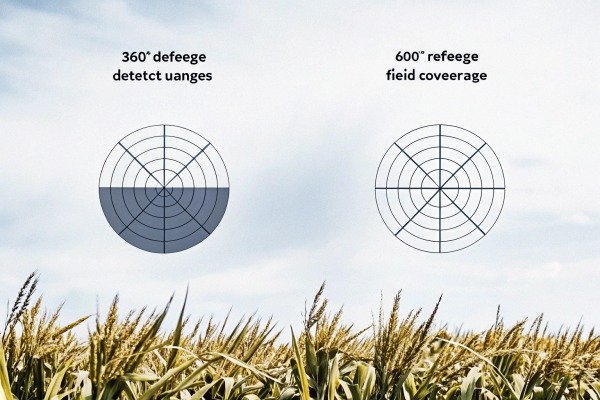
Die kritischsten Spezifikationen sind Erfassungsreichweite, Sichtfeld (FOV) und Aktualisierungsfrequenz. Eine Reichweite von mindestens 40 Metern gewährleistet sicheres Bremsen bei 10 m/s, während ein horizontales Sichtfeld von 360 Grad tote Winkel verhindert. Hohe Aktualisierungsraten über 20 Hz sind unerlässlich, um auf dünne Hindernisse wie Drähte zu reagieren.
Um wirklich zu verstehen, ob eine Drohne für Ihre Kunden sicher ist, müssen Sie über das einfache Etikett "Hindernisvermeidung" hinausblicken. Die landwirtschaftliche Umgebung ist feindselig, und Sensoren für den Verbraucherbereich können einfach nicht überleben oder angemessen funktionieren. Hier ist, worauf wir bei der Entwicklung unserer Systeme achten.
Erfassungsreichweite vs. Bremsweg
Der häufigste Fehlerpunkt, den wir bei minderwertigen Drohnen sehen, ist eine Diskrepanz zwischen Fluggeschwindigkeit und Radarrreichweite. Wenn eine Drohne mit 7 Metern pro Sekunde sprüht, benötigt sie eine erhebliche Distanz, um vollständig zum Stillstand zu kommen, ohne dass die Nutzlast schwappt und das Flugzeug destabilisiert.
- Reaktionszeit: Das System benötigt Zeit, um das Signal zu verarbeiten.
- Bremsphysik: Eine schwere Drohne (30 kg+) hat eine hohe Trägheit.
Wenn das Radar Objekte nur in 10 Metern Entfernung erkennt, die Drohne aber 15 Meter zum Anhalten benötigt, ist ein Absturz unvermeidlich. Wir empfehlen eine Mindesterkennungsreichweite von 40 bis 50 Metern für einen effektiven Betrieb.
Sichtfeld (FOV)
Frühe Generationen von Agrardrohnen hatten nur nach vorne gerichtetes Radar. Dies erwies sich als katastrophal, wenn die Drohne das Ende einer Feldreihe erreichte und ein "Return-to-Line"-Manöver durchführte, wobei sie oft seitwärts oder rückwärts in Bäume flog.
Sie müssen verlangen Omnidirektionale Sensorik. Dies wird normalerweise durch 4D-Millimeterwellenradar oder ein rotierendes Array erreicht. 4D-Millimeterwellenradar 3
- Horizontaler Sichtbereich: Sollte 360 Grad betragen.
- Vertikaler Sichtbereich: Sollte mindestens ±45 Grad betragen, um hängende Äste darüber und Geländeveränderungen darunter zu erkennen.
Auflösung und Frequenz
Die Frequenz des Radars bestimmt seine Auflösung. Ältere 24-GHz-Radare sind billiger, haben aber Schwierigkeiten, zwischen zwei nahen Objekten zu unterscheiden (wie einer Lücke zwischen Bäumen). Wir verlagern unsere Produktionslinien hin zu 77-GHz-Millimeterwellenradar. Diese höhere Frequenz bietet eine bessere Auflösung, wodurch die Drohne dünne Hindernisse wie Stromleitungen oder Abspannseile erkennen kann, die die lautlosen Killer von Agrar-UAVs sind.
Tabelle 1: Kritische Radarspezifikationen für die Landwirtschaft
| Spezifikation | Mindestanforderung | Empfohlener Standard | Warum es wichtig ist |
|---|---|---|---|
| Betriebsfrequenz | 24 GHz | 77 GHz | Höhere Frequenz erkennt dünnere Drähte und trennt nahe Objekte. |
| Erfassungsreichweite | 20 Meter | 50+ Meter | Ermöglicht der Drohne, bei voller Geschwindigkeit sicher anzuhalten. |
| Horizontales Sichtfeld | 120° (Nur vorne) | 360° (Omnidirektional) | Schützt die Drohne bei Kurven, seitlichen Bewegungen und Rückflügen. |
| Aktualisierungsrate | 10 Hz | >20 Hz | Schnellere Aktualisierungen bedeuten schnellere Reaktionszeiten auf plötzliche Hindernisse. |
Wie gut kommt das System mit der Hindernisvermeidung in staubigen oder lichtschwachen Umgebungen zurecht?
Unsere Ingenieure haben Absturzdaten aus Regionen mit hoher Luftfeuchtigkeit und starkem Staub analysiert und festgestellt, dass visuelle Sensoren als erste ausfallen. Wir wählen speziell Radarkomponenten aus, die durch das Partikelmaterial “sehen” können, das Standardkameras blind macht.
Millimeterwellen-Radarsysteme eignen sich hervorragend für Umgebungen mit schlechten Lichtverhältnissen und Staub, in denen optische Kameras versagen. Im Gegensatz zu Vision-Sensoren durchdringen Radioradarwellen Nebel, Pestizidsprühnebel und Dunkelheit ohne Signalverschlechterung. Bewerten Sie die Leistung, indem Sie die Drohne bei starkem Nebel testen, um sicherzustellen, dass sie Masten erkennt, ohne Fehlalarme durch Partikel auszulösen.

Die Landwirtschaft ist ein schmutziges Geschäft. Drohnen arbeiten in Wolken von Pestiziden, aufgewirbeltem Staub während der Ernte Wolken von Pestiziden 4, und oft bei schlechten Lichtverhältnissen am frühen Morgen oder späten Abend. Wenn Sie sich auf ein System verlassen, das hauptsächlich auf visuellen Kameras (binokulare Sicht) basiert, wird Ihre Flotte die Hälfte der Zeit am Boden bleiben. Binokulare Sicht 5
Die Einschränkung von visuellen Sensoren
Visuelle Kameras funktionieren wie menschliche Augen – sie benötigen Licht und klare Luft.
- Direktes Sonnenlicht: Blendung kann Kameras blenden und dazu führen, dass die Drohne unerwartet stoppt.
- Schwaches Licht: In der Dämmerung verlieren Kameras die Tiefenwahrnehmung.
- Verdeckung: Staub auf der Linse oder starker Nebel macht sie nutzlos.
Der Radaranteil
Die in Millimeterwellenradar verwendeten Funkwellen haben Millimeterwellenradar 6 Wellenlängen, die kleine Partikel wie Wassertropfen (Nebel) oder Staub physisch umgehen. Deshalb integrieren wir diese Sensoren. Sie liefern eine zuverlässige "Struktur" der Welt unabhängig von der Sichtbarkeit. Wenn wir unsere Drohnen testen, setzen wir sie künstlichem Rauch und Wassersprühnebel aus, um sicherzustellen, dass das Radar die "Wolke" ignoriert, aber die dahinter liegende Wand erkennt.
Umgang mit "Geister"-Hindernissen
Eine große Herausforderung in dieser Umgebung ist die Empfindlichkeitseinstellung. Wenn das Radar zu empfindlich ist, kann es eine dichte Wolke von Sprühnebel als festes Objekt interpretieren. Dies führt dazu, dass die Drohne mitten auf dem Feld heftig bremst, was den Akku verschwendet und aufgrund von Flüssigkeitsinstabilität möglicherweise zu einem Absturz führt.
- Algorithmusfilterung: Hochwertige Systeme verwenden Algorithmen, um "weiche" Echos (wie Sprühnebel) herauszufiltern und sich auf "harte" Echos (wie Pfosten) zu konzentrieren.
- Selbstreinigung: Während Radarsignale Staub durchdringen, kann eine dicke Schicht nassen Schlamms auf der Sensoroberfläche die Signale immer noch blockieren. Prüfen Sie, ob das Radargehäuse aus hydrophobem Material besteht oder leicht abwischbar ist.
Tabelle 2: Sensorleistungsvergleich unter widrigen Bedingungen
| Umwelt | Visuelle Kamera (Stereoskopie) | LiDAR | mmWave-Radar |
|---|---|---|---|
| Helles Sonnenlicht | Schlecht (Blendungsprobleme) | Gut | Ausgezeichnet |
| Völlige Dunkelheit | Fällt vollständig aus | Ausgezeichnet | Ausgezeichnet |
| Starker Staub/Nebel | Fällt vollständig aus | Moderat (Streuung) | Ausgezeichnet (durchdringt) |
| Regen/Sprühnebel | Schlecht | Mäßig | Gut |
| Kosten | Niedrig | Hoch | Mittel |
Ist Millimeterwellenradar die richtige Technologie für meine komplexen landwirtschaftlichen Terrains?
Wenn wir in Regionen mit Terrassenfeldern oder Obstgärten exportieren, raten wir unseren Kunden davon ab, sich auf einfache Ultraschallsensoren zu verlassen. Unsere Tests zeigen, dass einfache Abstandssensoren die komplexe Geometrie von unebenem Gelände oder verstreuten Baumkronen nicht bewältigen können.
Millimeterwellenradar ist derzeit die überlegene Wahl für komplexes landwirtschaftliches Gelände. Es bietet eine bessere Reichweite und Auflösung als Ultraschallsensoren und ist robuster als empfindliche LiDAR-Systeme. Es kartiert unebenes Gelände effektiv für die Geländefolgung und erkennt dünne Hindernisse wie Äste in Obstgärten, was es ideal für variable Landschaften macht.

Komplexes Gelände birgt zwei unterschiedliche Probleme: das Vermeiden von Hindernissen vor der Drohne und das Halten der richtigen Höhe über dem Boden (Geländefolgung). Boden (Geländefolgung) 7 Millimeterwellenradar ist der Industriestandard zur Lösung beider Probleme, aber Sie müssen verstehen, warum es die Alternativen übertrifft.
Warum Ultraschallsensoren versagen
Viele Einsteiger-Agrardrohnen verwenden Ultraschallsensoren für die Höhenhaltung, da diese günstig sind. Ultraschallsensoren für die Höhe verwenden 8 Sie haben jedoch erhebliche Einschränkungen:
- Schallabsorption: Pflanzen wie Mais oder Weizen können Schallwellen absorbieren, was zu keinem Rücksignal führt. Die Drohne denkt, sie fliegt hoch und kann in die Pflanze absteigen.
- Reichweite: Sie funktionieren typischerweise nur bis zu 5-8 Metern gut.
- Geschwindigkeit: Die Schallgeschwindigkeit ist im Vergleich zu Licht-/Funkwellen langsam, was bei hohen Fluggeschwindigkeiten zu Latenz führt.
Die Rolle des 4D-Imaging-Radars
Für Obstgärten und Terrassenfelder verwenden wir das, was oft als "4D-Imaging-Radar" bezeichnet wird. Diese Technologie erzeugt eine Punktwolke, die LiDAR ähnelt, aber wesentlich robuster gegenüber den Elementen ist.
- Geländefolgung: Das Radar richtet Strahlen nach unten und vorne. Es kann die Steigung eines Hügels vorhersagen, bevor die Drohne ihn erreicht, und ermöglicht es dem Flugregler, die Drosselklappe sanft anzupassen. Dies hält die Sprühhöhe konstant, was für die chemische Anwendung entscheidend ist.
- Durchdringung der Pflanzenoberfläche: In Obstgärten muss die Drohne zwischen den Bäumen fliegen. Radar kann den Stamm und schwere Äste erkennen, während kleine Blätter ignoriert werden, was einen engeren Betrieb auf engstem Raum ohne ständige Fehlalarme ermöglicht.
Haltbarkeitsbedenken
Wir bevorzugen Radar auch wegen der Haltbarkeit gegenüber LiDAR. LiDAR-Sensoren enthalten oft rotierende Spiegel oder präzise Laser, die empfindlich auf Vibrationen und Stöße reagieren. Landwirtschaftliche Drohnen sind enormen Vibrationen und rauen Landungen ausgesetzt. Radar ist eine Solid-State-Elektronik – keine beweglichen Teile –, was es für das raue Leben von Landmaschinen wesentlich haltbarer macht.
Anwendung bei Hanglagen
Wenn Ihre Kunden auf Hängen arbeiten, vergewissern Sie sich, dass das Radar über eine "Ground Slope Adaptive" Funktion verfügt. Standardradar blickt möglicherweise gerade nach unten (90 Grad). Wenn sich die Drohne einem steilen Hang nähert, reicht es nicht aus, nach unten zu blicken; sie muss nach vorne unten blicken (z. B. 45 Grad), um den ansteigenden Boden zu antizipieren.
Welche Vor-Ort-Tests sollte ich durchführen, um die Empfindlichkeit und Reaktionszeit des Radars zu bestätigen?
Wir laden unsere Händler in unsere Testfelder in Chengdu ein, um “Stresstests” persönlich zu erleben, anstatt nur ein Handbuch zu lesen. Wir empfehlen dringend, diese spezifischen Szenarien zu wiederholen, um zu überprüfen, ob die Behauptungen des Herstellers in der realen Welt Bestand haben.
Führen Sie Vor-Ort-Tests durch, indem Sie die Drohne mit unterschiedlichen Geschwindigkeiten auf Standardhindernisse wie Bäume und dünne Gefahren wie Stromleitungen zufliegen lassen. Messen Sie die tatsächliche Bremsdistanz und überprüfen Sie die “Stop-and-Hover”-Aktion. Testen Sie zusätzlich auf Fehlalarme, indem Sie durch Sprühnebel fliegen, um sicherzustellen, dass das Radar keine unnötigen Stopps auslöst.

Finalisieren Sie keine Großbestellung, bevor Sie diese drei spezifischen Tests durchgeführt haben. Diese Protokolle werden die wahre Qualität der Radarintegration und der Flugreglerlogik aufdecken.
Test 1: Der inkrementelle Bremstest
Beginnen Sie nicht mit voller Geschwindigkeit.
- Richten Sie ein weiches Ziel (wie einen Pappkartonturm oder eine Schaumstoffwand) ein, um eine Beschädigung der Drohne im Falle eines Ausfalls zu vermeiden.
- Fliegen Sie die Drohne mit 2 m/s auf das Objekt zu. Messen Sie die Entfernung, in der sie das Objekt erkennt, und die Entfernung, in der sie stoppt.
- Erhöhen Sie die Geschwindigkeit auf 5 m/s, dann auf 8 m/s und schließlich auf Höchstgeschwindigkeit (normalerweise 10-12 m/s).
- Erfolgsmetrik: Die Drohne muss stoppen vor das Objekt jedes Mal. Wenn sie mit hoher Geschwindigkeit auf das Objekt trifft, ist die Radarentfernung für die Trägheit der Drohne unzureichend.
Test 2: Die "Draht"-Herausforderung
Dies ist der schwierigste Test.
- Hängen Sie ein Standard-Elektrokabel oder ein dünnes PVC-Rohr zwischen zwei Stangen auf.
- Fliegen Sie die Drohne senkrecht zum Draht.
- Erfolgsmetrik: Erkennt das Radar es? Viele Low-End-Radare filtern dünne Objekte als "Rauschen" heraus. Wenn die Drohne direkt hindurchfliegt, stellt dies ein erhebliches Sicherheitsrisiko für landwirtschaftliche Betriebe dar, die Stromleitungen betreffen Stromleitungen 9.
Test 3: Der Drift-/Interferenztest
Dies testet auf "Fehlalarme"."
- Beladen Sie die Drohne mit Wasser (um eine Nutzlast zu simulieren).
- Fliegen Sie die Drohne während des Sprühens.
- Idealerweise fliegen Sie ihn in der Nähe einer anderen Drohne oder in einem staubigen Bereich.
- Erfolgsmetrik: Die Drohne sollte strikt ihrem Weg folgen. Wenn sie ruckelt, zufällig bremst oder unerwartet aufsteigt, interpretiert das Radar die Flüssigkeitssprühung oder den Staub als Wand. Dies macht die Drohne für die reale Arbeit unbrauchbar.
Tabelle 3: Checkliste für Feldtests zur Hindernisvermeidung
| Test Name | Zielsetzung | Kriterien für das Bestehen | Warnschilder |
|---|---|---|---|
| Hochgeschwindigkeitsbremse | Überprüfen Sie, ob die Bremsdistanz der Geschwindigkeit entspricht. | Drohne schwebt >2m vom Hindernis entfernt. | Drohne driftet über den Sicherheitsabstand hinaus oder bremst zu abrupt (kippt). |
| Eckfalle | Testen Sie den 360°-Schutz. | Drohne stoppt beim Rückwärtsfahren in eine Wand. | Drohne trifft Hindernis beim Rückwärts- oder Seitwärtsflug. |
| Draht-Detektion | Testen Sie die Auflösungsempfindlichkeit. | Erkennt Kabel >1cm Dicke. | Drohne verlangsamt sich nicht oder die visuelle Kamera übernimmt (Logs prüfen). |
| Sprühschleife | Testen Sie die Rauschfilterung. | Reibungsloser Flug während des Sprühens. | Zufälliges Bremsen ("Phantom-Hindernisse") während des Sprühvorgangs. |
Schlussfolgerung
Die Bewertung des Radars von Agrardrohnen ist nicht landwirtschaftliche Drohne 10 nur eine reine Formsache für die "Hindernisvermeidung". Sie erfordert die Sicherstellung, dass das System Millimeterwellentechnologie für Umweltrobustheit nutzt, über ausreichende Reichweite für das Gewicht und die Geschwindigkeit der Drohne verfügt und strenge Feldtests gegen Drähte und Staub besteht. Durch die Priorisierung dieser technischen Standards schützen Sie Ihre Investition und stellen sicher, dass Ihre Kunden in den herausfordernden Umgebungen der modernen Landwirtschaft sicher operieren können.
Fußnoten
1. Definiert die erwähnte technische Verarbeitungsmethode. ︎
2. Erklärt die Systemarchitektur, die die Drohne verwaltet. ︎
3. Technisches Whitepaper, das die hochauflösenden Fähigkeiten von 4D-Imaging-Radarsensoren erklärt. ︎
4. Offizielle EPA-Ressource zu Pestizidsicherheit und Umweltvorschriften für die Anwendung. ︎
5. Erklärt das Konzept des binokularen Sehens und seine Rolle bei der Tiefenwahrnehmung für optische Sensoren. ︎
6. Maßgebliche technische Definition von einem großen Hersteller. ︎
7. Peer-Review-Forschung zu Radar-basierten Geländefolgeberechnungen für unbemannte Luftfahrzeuge. ︎
8. Herstellerdokumentation, die die Betriebsprinzipien und Grenzen von Ultraschallsensoren erklärt. ︎
9. Offizielle Sicherheitsrichtlinien für die genannte Gefahr. ︎
10. Regulatorischer Kontext für landwirtschaftliche unbemannte Luftfahrzeuge. ︎
 English
  Español de México
  Deutsch
  Français
  Русский
  العربية
Comments
No comments yet. Be the first to share your thoughts!
Leave a Comment