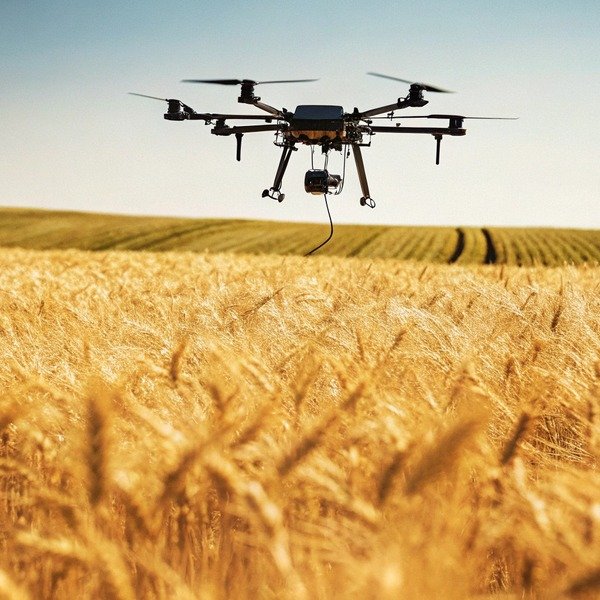
Wir erleben oft, dass internationale Kunden Angst haben, Tausende von Dollar ins Ausland zu überweisen, bevor sie ihre Produkte sehen. In unserem Werk in Xi'an wissen wir, dass der Aufbau von Vertrauen genauso wichtig ist wie die präzise Kalibrierung unserer Flugsteuerungen Fluglotsen 1.
Um das finanzielle Risiko bei der Beschaffung von landwirtschaftlichen Drohnen aus China zu minimieren, kombinieren Sie eine Vorauszahlung von 30% per telegrafischer Überweisung (T/T) mit einer Restzahlung von 70%, die erst nach einer erfolgreichen Inspektion durch einen Dritten vor dem Versand freigegeben wird. Für kleinere Erstbestellungen ist die Nutzung von Alibaba Trade Versicherung des Handels 2 Assurance bietet eine zusätzliche Sicherheit gegen Lieferverzögerungen.
Lassen Sie uns die spezifischen Zahlungsstrategien untersuchen, die ein Gleichgewicht zwischen Sicherheit und Kosteneffizienz herstellen.
Ist ein Akkreditiv die sicherste Option für große Aufträge über landwirtschaftliche Drohnen?
Wenn wir mit Regierungsbehörden oder großen landwirtschaftlichen Genossenschaften Verträge über mehrere Container aushandeln, kann der Papierkram überwältigend sein. Wir raten unseren Kunden oft, die hohen Bankgebühren sorgfältig gegen das tatsächliche Risiko der Transaktion abzuwägen.
Ein Akkreditiv ist in der Tat die sicherste Option für Großaufträge über $50.000, da die Banken die Mittel nur nach strenger Prüfung der Unterlagen freigeben. Bei kleineren Geschäften ist jedoch aufgrund der hohen Bankgebühren und der komplexen Verwaltungsanforderungen die Überweisung mit Kontrolle oft die praktischere und kostengünstigere Wahl.

Die Mechanik eines Akkreditivs (L/C)
Ein Akkreditiv fungiert als Garantie Akkreditiv 3 von einer Bank, dass die Zahlung eines Käufers an einen Verkäufer rechtzeitig und in der richtigen Höhe eingeht. Aus unserer Sicht in der Produktion stellt ein Akkreditiv sicher, dass wir bezahlt werden, solange wir die richtigen Versandpapiere vorlegen. Für Sie, den Käufer, bedeutet es, dass Ihr Geld erst dann Ihre Bank verlässt, wenn wir nachweisen können, dass die Ware versandt worden ist.
Diese Sicherheit ist jedoch mit Kosten verbunden. Die Banken verlangen für die Eröffnung und Verwaltung eines Akkreditivs erhebliche Gebühren, die oft zwischen 0,75% und 1,5% des gesamten Auftragswerts liegen. Für eine einzelne Bestellung einer landwirtschaftlichen Drohne mag sich das nicht lohnen. Aber bei einer Großbestellung von 50 Stück für ein großes amerikanisches Landwirtschaftskonsortium sind die Kosten eine kleine Versicherungsprämie gegen Nichtlieferung.
Wann sollte ein Akkreditiv im Vergleich zu einem T/T verwendet werden?
Wir empfehlen die Verwendung eines unwiderruflichen Akkreditivs auf Sicht nur, wenn der Gesamtwert der Bestellung den Verwaltungsaufwand rechtfertigt. Wenn Sie nur zwei oder drei Geräte zu Testzwecken bestellen, verlangsamt der Papierkram den Lieferprozess erheblich. In solchen Fällen ist eine Standardüberweisung (T/T) viel schneller.
Nachstehend finden Sie einen Vergleich, der Ihnen die Entscheidung auf der Grundlage Ihres Auftragsvolumens erleichtern soll:
| Merkmal | Akkreditiv (L/C) | Telegrafische Überweisung (T/T) |
|---|---|---|
| Idealer Auftragswert | Über $50.000 | Unter $50.000 |
| Transaktionsgebühren | Hoch ($200 - $1.000+) | Niedrig ($20 - $50) |
| Bearbeitungszeit | Langsam (Banken prüfen Dokumente) | Schnell (1-3 Tage) |
| Risikoprofil | Sehr niedrig (Bankgarantien) | Mäßig (hängt vom Vertrauen des Lieferanten ab) |
| Verkäufer-Präferenz | Gering (Komplexer Papierkram) | Hoch (unmittelbare Liquidität) |
Die "Dokumente vs. Waren"-Falle
Eine entscheidende Nuance bei Akkreditiven ist, dass Banken mit Dokumenten und nicht mit Drohnen handeln. Wenn wir ein Konnossement vorlegen, das den Akkreditivbedingungen entspricht, bezahlt uns die Bank. Konnossement 4 Dies garantiert nicht unbedingt die Qualität der Drohnen im Inneren des Containers. Daher müssen Sie auch bei einem Akkreditiv als eines der erforderlichen Dokumente für die Zahlungsfreigabe ein Inspektionszertifikat von einer dritten Stelle verlangen. Damit wird das Schlupfloch geschlossen, durch das ein Lieferant leere Kisten oder minderwertige Ausrüstung versenden und trotzdem bezahlt werden könnte.
Wie schützt Alibaba Trade Assurance meine Investition, wenn sich die Lieferung verzögert?
Wir listen unsere Produkte auf verschiedenen B2B-Plattformen auf, aber wir stellen häufig fest, dass Käufer die spezifischen Deckungsgrenzen falsch verstehen. Sich allein auf die Algorithmen der Plattformen zu verlassen, ohne unsere Zertifizierungen oder Produktionskapazitäten zu überprüfen, kann ein teurer Fehler sein.
Alibaba Trade Assurance schützt Ihre Investition, indem es die Gelder auf einem Treuhandkonto hält, bis die Lieferung bestätigt ist und den vereinbarten Spezifikationen entspricht. Wenn ein Lieferant nicht pünktlich liefert oder nicht konforme Waren bereitstellt, erleichtert die Plattform die Rückerstattung, wodurch das Risiko von Betrug oder Betriebsstörungen erheblich verringert wird.
Das Escrow-Modell verstehen
Trade Assurance fungiert als neutraler Vermittler Versicherung des Handels 5. Wenn Sie für Ihre landwirtschaftlichen Drohnen über die Plattform bezahlen, geht das Geld nicht sofort auf das Bankkonto unseres Unternehmens. Stattdessen wird es von dem Finanzpartner der Plattform verwaltet. Wir erhalten das Geld erst nach dem Versand der Ware und, je nach den Bedingungen, nachdem Sie den Empfang bestätigt haben.
Für Käufer, die zum ersten Mal aus China importieren, ist dies eine enorme psychologische und finanzielle Erleichterung. Damit wird die Masche "Nimm das Geld und verschwinde" effektiv unterbunden. Wenn wir oder ein anderer Lieferant die Ware nicht bis zum vertraglich vereinbarten Datum liefern, haben Sie Anspruch auf eine Rückerstattung.
Die Wichtigkeit eines detaillierten Vertrags
Der Schutz, den Trade Assurance bietet, ist nur so gut wie der Vertrag, den Sie mit dem System abschließen. Wir sehen oft, dass Käufer Bestellungen mit vagen Beschreibungen wie "10x Landwirtschaftsdrohnen" aufgeben. Kommt es zu einem Streitfall, haben die Schiedsrichter der Plattform keine spezifischen Kriterien, nach denen sie urteilen können. Plattformschiedsrichter 6
Um sich wirklich zu schützen, muss die Bestellung im System sehr detailliert sein. Sie sollte aufgelistet werden:
- Spezifische Modell-Nummern: z.B. "SkyRover-Agri-X10 mit 16L-Tank"."
- Leistungsmetriken: z.B. "Flugzeit >15 Min. bei Volllast"."
- Zubehör: z. B. "Enthält 2 Batterien und 1 Ladegerät pro Einheit"."
- Versandbedingungen: z.B. "DDP nach Los Angeles"."
Beschränkungen des Plattformschutzes
Trade Assurance eignet sich zwar hervorragend für Probleme, die nicht mit der Lieferung zusammenhängen, ist aber weniger effektiv bei subjektiven Qualitätsstreitigkeiten. Wenn die Drohne zwar fliegt, sich aber "instabil anfühlt" oder die Software "schwer zu bedienen" ist, kann es schwierig sein, eine Erstattung zu erhalten. Die Plattform sucht nach eindeutigen Beweisen für die Nichtkonformität.
Aus diesem Grund ermutigen wir unsere Kunden, Trade Assurance mit klaren technischen Spezifikationen zu kombinieren. technische Daten 7 Dies zwingt die Anbieter zur Rechenschaft. Außerdem sollten Sie bedenken, dass die Transaktionsgebühren auf diesen Plattformen höher sind als bei direkten Banküberweisungen, in der Regel etwa 2,95%. Sie zahlen für das Sicherheitsnetz.
Szenarien der finanziellen Erholung
| Szenario | Trade Assurance Outcome | Direktes T/T-Ergebnis |
|---|---|---|
| Lieferant liefert nie | Volle Rückerstattung | Totalverlust (wahrscheinlich) |
| Verspätung der Sendung um 30 Tage | Erstattung oder ausgehandelter Ausgleich | Abhängig von den Vertragsbedingungen |
| Beim Transport beschädigtes Produkt | Rückerstattung (wenn die Incoterms dies abdecken) | Versicherungsanspruch erforderlich |
| Geringfügige kosmetische Mängel | Teilweise Erstattung (schwer zu beweisen) | Abhängig vom Goodwill des Lieferanten |
Wie hoch ist der ideale Prozentsatz für die Einzahlung, um mein finanzielles Risiko zu begrenzen?
Unsere Produktionsleiter benötigen Kapital für den Kauf von Hochleistungsmotoren und Kohlefaserrahmen Kohlefaser 8 bevor die Montage beginnt. Wir erwarten jedoch nie, dass neue Partner die gesamte finanzielle Last tragen, bevor eine einzige Schraube am Fließband angezogen wird.
Der ideale Prozentsatz für eine Anzahlung liegt in der Regel bei 30% des gesamten Auftragswerts. Dieser Betrag deckt die Rohstoffkosten des Herstellers und sichert gleichzeitig den Großteil Ihres Kapitals, bis die Produktion abgeschlossen ist. Vermeiden Sie es, mehr als 50% im Voraus zu zahlen, es sei denn, Sie bestellen kundenspezifische OEM-Prototypen.
Der Standard 30/70 Split
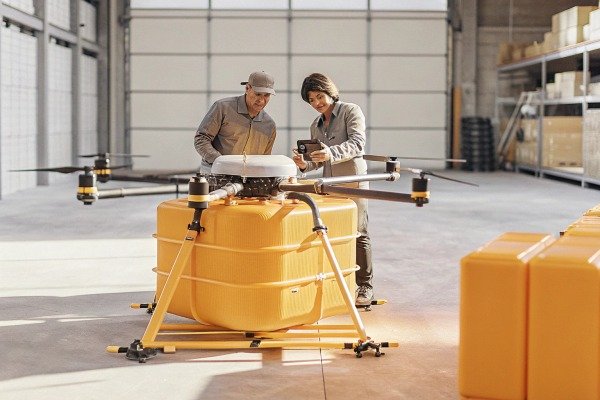
In der chinesischen Fertigungsbranche ist die Struktur "30% Anzahlung, 70% Saldo" der Goldstandard. Von unserer Seite aus bestätigt die 30%-Anzahlung, dass Sie ein ernsthafter Käufer sind. Sie ermöglicht es uns, die spezifischen Batterien, Flugsteuerungssysteme und Sprühdüsen zu beschaffen, die wir für Ihre Bestellung benötigen, ohne unseren Cashflow zu belasten.
Dadurch, dass Sie 70% des Geldes behalten, haben Sie ein großes Druckmittel. Wenn wir mit der Produktion in Verzug geraten oder wenn die ersten Fotos des fertigen Produkts nicht gut aussehen, haben Sie immer noch den Großteil des Geldes. So ist sichergestellt, dass wir motiviert bleiben, die Arbeit zu Ihrer Zufriedenheit abzuschließen.
Wenn Lieferanten höhere Kautionen verlangen
Manchmal kommt es vor, dass Lieferanten im Voraus 50% oder sogar 100% verlangen. Dies ist ein Warnsignal für Standardaufträge, aber es gibt Ausnahmen. Wenn Sie uns bitten, einen völlig neuen Drohnenrahmen zu entwickeln oder ein spezielles Kamerasystem zu integrieren, das wir normalerweise nicht auf Lager haben (OEM/ODM-Arbeit) OEM/ODM-Arbeiten 9, In diesem Fall können wir eine höhere Anzahlung verlangen (z. B. 50%), um das Risiko von Sonderanfertigungen, die wir nicht weiterverkaufen können, zu mindern.
Bei Standarddrohnen für die Landwirtschaft sollten Sie sich jedoch entschieden gegen alles wehren, was über 30% liegt. Wenn ein Lieferant bei einer Großbestellung auf 100% im Voraus besteht, deutet dies häufig auf Cashflow-Probleme hin, was für Sie ein erhebliches Risiko darstellt.
Analyse der Risikoexposition
Die nachstehende Tabelle veranschaulicht Ihr finanzielles Risiko in verschiedenen Zahlungsphasen. Für die langfristige Nachhaltigkeit ist es wichtig, dass Sie sich im Bereich "geringes Risiko" bewegen.
| Struktur der Zahlungen | Risikoniveau des Käufers | Motivation der Lieferanten | Empfohlen für |
|---|---|---|---|
| 100% Vorab | Extrem | Niedrig (Geld bereits erhalten) | Nur Stichproben (<$1.000) |
| 50% Einzahlung / 50% Saldo | Mäßig | Mäßig | Kundenspezifische/OEM-Aufträge |
| 30% Einzahlung / 70% Saldo | Niedrig | Hoch (Muss beendet werden, um bezahlt zu werden) | Kommerzielle Standardbestellungen |
| 0% Upfront (Netto 30) | Null | Sehr hoch | Etablierte Fortune 500-Partner |
Hebelwirkung beim Verhandeln
Um sich die 30%-Konditionen zu sichern, sollten Sie Ihr Potenzial für eine langfristige Partnerschaft betonen. Wenn Sie im Gespräch mit unserem Vertriebsteam erwähnen, dass es sich um einen "Probeauftrag" für eine größere Produktion in der nächsten Saison handelt, sind wir oft bereit, Standardbedingungen zu akzeptieren, um Sie für künftige Aufträge zu gewinnen. Wenn Sie außerdem anbieten, die Anzahlung umgehend zu leisten, sichern Sie sich Ihren Produktionsplatz, was die Verhandlungen vereinfacht.
Sollte ich darauf bestehen, den Restbetrag erst nach bestandener Vorversandkontrolle zu zahlen?
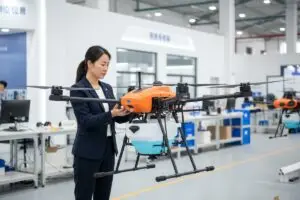
Wöchentlich laden wir externe Prüfer in unser Werk ein, um die Sprühdüsen und die Flugstabilität vor dem Verladen zu testen. Wir sind davon überzeugt, dass die Transparenz bei diesen unabhängigen Kontrollen eine stärkere langfristige Partnerschaft begründet, als es jede starre Vertragsklausel je könnte.
Ja, Sie sollten unbedingt darauf bestehen, den Restbetrag erst nach einer erfolgreichen Inspektion vor der Auslieferung zu zahlen. So stellen Sie sicher, dass die Drohnen alle technischen Spezifikationen und landwirtschaftlichen Standards erfüllen, bevor Sie Ihr finanzielles Druckmittel verlieren. Die Kopplung der Zahlung an einen bestandenen Inspektionsbericht ist Ihr stärkstes Instrument zur Qualitätskontrolle.
Die Macht der "Inspection-Linked Payment"
Diese Strategie ist Ihr ultimatives Sicherheitsnetz. Die Klausel in Ihrem Vertrag sollte lauten: "Der Restbetrag für 70% wird erst dann per Überweisung gezahlt, wenn der Käufer den von [Drittpartei-Agentur] ausgestellten Bericht über die Pre-Shipment-Inspektion (PSI) erhalten und genehmigt hat."
Auf diese Weise bringen Sie unsere Anreize mit Ihren in Einklang. Wir wollen die Abschlusszahlung, also müssen wir sicherstellen, dass jede Drohne die Inspektion besteht. Wenn wir die Prüfung nicht bestehen, müssen wir alles auf eigene Kosten auspacken, reparieren und neu verpacken, bevor wir bezahlt werden können. Das bewahrt Sie davor, einen Container voller Drohnen mit defekten GPS-Modulen oder undichten Tanks zu erhalten.
Was umfasst eine Drohneninspektion?
Bei einer ordnungsgemäßen Inspektion für landwirtschaftliche Drohnen geht es nicht nur um das Zählen von Kisten. Sie sollten einen Prüfer mit Erfahrung in der Elektrotechnik beauftragen. Wir sind daran gewöhnt, dass Inspektoren prüfen:
- Stabilität des Schwebefluges: Hält die Drohne ihre Position, ohne abzudriften?
- Sprühsystem: Sprühen die Düsen gleichmäßig, und arbeitet die Pumpe mit dem richtigen Druck?
- Batteriezustand: Sind die Zellen ausgeglichen und richtig geladen?
- Return-to-Home-Funktion: Funktioniert die Ausfallsicherung, wenn das Signal verloren geht?
Wenn Sie den Restbetrag bezahlen vor Wenn Sie diese Prüfung nicht bestanden haben und bei der Ankunft in den USA Probleme feststellen, können Sie nur die Garantie in Anspruch nehmen. Der Versand von schweren Drohnen zur Reparatur nach China ist unerschwinglich teuer und zeitaufwändig.
Umsetzung des Prozesses
Damit dies funktioniert, müssen Sie frühzeitig klare Erwartungen formulieren.
- Definieren Sie die Standards: Schicken Sie uns Ihre Qualitätscheckliste zusammen mit der ersten Bestellung.
- Wählen Sie die Agentur: Verwenden Sie seriöse Unternehmen wie SGS, Bureau Veritas Büro Veritas 10, oder spezialisierte Drohneninspektionsfirmen.
- Legen Sie die Regeln für das Scheitern fest: Wenn die Inspektion aufgrund von Qualitätsproblemen fehlschlägt, sollte der Lieferant (wir) die Gebühr für die erneute Inspektion bezahlen.
Gemeinsamer Zeitplan für Zahlung und Inspektion
| Schritt | Aktion | Finanzieller Status |
|---|---|---|
| 1 | Vertrag & PO unterschreiben | Kein Geld ausgetauscht |
| 2 | 30% Kaution bezahlen | Beginn der Produktion |
| 3 | Produktion abgeschlossen | Waren bereit im Werk |
| 4 | Inspektion vor der Verschiffung | Inspektor prüft Qualität |
| 5 | Pass-Bericht ausgestellt | Qualität bestätigt |
| 6 | Bezahlen 70% Saldo | Für den Versand freigegebene Waren |
| 7 | Versand & Lieferung | Die Waren kommen in Ihrem Lager an |
Durch die strikte Einhaltung dieses Zeitplans stellen Sie sicher, dass Sie niemals für ein Produkt bezahlen, dessen Funktionstüchtigkeit nicht erwiesen ist. So wird aus einer riskanten internationalen Transaktion ein kontrollierter, überprüfbarer Geschäftsprozess.
Schlussfolgerung
Die Sicherung Ihrer Investition erfordert mehr als nur Hoffnung, sie erfordert eine strukturierte Finanzstrategie. Indem Sie auf einer 30%-Kaution bestehen, prüfungsgebundene Restzahlungen verwenden und Plattformen wie Alibaba für kleinere Aufträge nutzen, verringern Sie Ihr Risiko drastisch. Ganz gleich, ob Sie ein Akkreditiv für Großaufträge oder eine schnelle Überweisung verwenden, das Ziel bleibt dasselbe: Sie müssen sicherstellen, dass die Qualität überprüft wird, bevor der letzte Dollar Ihr Konto verlässt.
Fußnoten
1. Hinweis auf ein führendes Open-Source-Flugsteuerungssystem, das in landwirtschaftlichen Drohnen verwendet wird. ︎
2. Offizielle Plattformdokumentation für Käuferschutz und Streitbeilegungsdienste. ︎
3. Offizieller Leitfaden der US-Regierung zur Verwendung von Akkreditiven im internationalen Handel. ︎
4. Internationale Normen für Frachtpapiere und Handelsbedingungen. ︎
5. Offizielle Dokumentation für den Alibaba Trade Assurance Schutzdienst. ︎
6. Allgemeiner Hintergrund über die Rolle neutraler Dritter bei der Beilegung von Handelsstreitigkeiten. ︎
7. Internationale Normen für die technische Dokumentation und das Qualitätsmanagement in der Fertigung. ︎
8. Maßgebliche Seite des Energieministeriums zur Erläuterung der Materialeigenschaften von Kohlenstofffasern. ︎
9. Definition des Begriffs Originalausrüstungshersteller (OEM) in einem Fertigungskontext. ︎
10. Offizielle Website der im Text genannten großen internationalen Kontrollstelle. ︎
 English
  Español de México
  Deutsch
  Français
  Русский
  العربية
Comments
No comments yet. Be the first to share your thoughts!
Leave a Comment