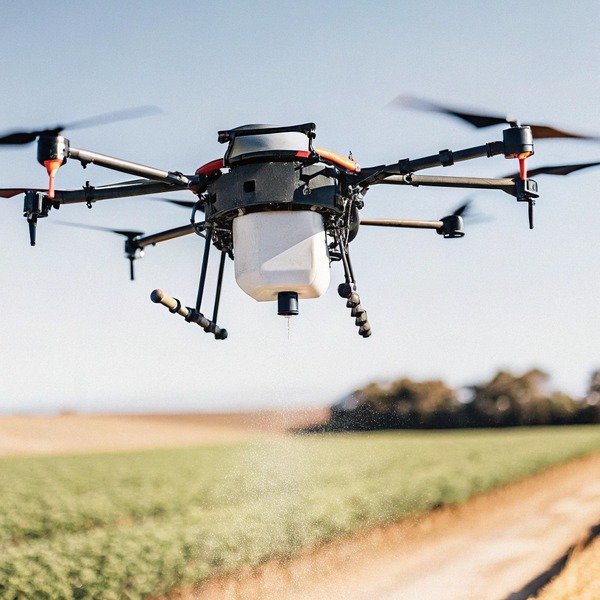
Wir beobachten, dass viele Kunden unsere Sprühgeräte überstürzt einführen und die Einhaltung der Vorschriften ignorieren, bis es zu spät ist. Dieses Versäumnis führt oft zu kostspieligen Verzögerungen an der Grenze oder zu illegalen Einsätzen.
Ja, die FCC-Zertifizierung ist für alle landwirtschaftlichen Betriebe obligatorisch. Agrardrohnen 1 Drohnen, die in die USA eingeführt werden. Ohne sie verstoßen die Geräte gegen Bundesgesetze über Funkfrequenzen, können nicht legal auf US-Kommunikationsnetze zugreifen und müssen mit einer sofortigen Beschlagnahme durch den Zoll rechnen US-Zoll und Grenzschutz 2, Dies gilt insbesondere angesichts der strengen neuen Vorschriften für unbemannte Luftfahrtsysteme ausländischer Hersteller.
Lassen Sie uns herausfinden, warum dieser Papierkram der wichtigste Teil Ihrer nächsten Sendung ist.
Was sind die Risiken, wenn ich landwirtschaftliche Drohnen ohne FCC-Zertifizierung importiere?
Unser Ingenieurteam stellt sicher, dass jedes von uns installierte Funkmodul die strengen Normen erfüllt, denn wir wissen, dass die Missachtung der Vorschriften für Signalstörungen zu gefährlichen Haftungen führt. Regeln für Signalstörungen 3 für Ihr Unternehmen.
Der Import von nicht zertifizierten landwirtschaftlichen Drohnen birgt große Risiken, darunter Geldstrafen, Beschlagnahmung der Ausrüstung und Betriebsverbote. Nicht konforme Hardware kann Notdienste oder bemannte Flugzeuge stören, was zu einer rechtlichen Haftung des Betreibers führt und im Falle eines Unfalls möglicherweise den gesamten gewerblichen Versicherungsschutz zunichte macht.

Wenn wir unsere Drohnen bauen, behandeln wir die Hochfrequenzkomponenten (RF) mit der gleichen Ernsthaftigkeit Radiofrequenz 4 wie die Flugmotoren. Landwirtschaftliche Drohnen sind kein Spielzeug, sondern schwere Industriemaschinen, die Daten über große Entfernungen übertragen. Wenn Sie eine Drohne importieren, die nicht von der Federal Communications Commission (FCC) geprüft wurde, betreiben Sie in den Augen des Gesetzes praktisch einen Piratensender. Die Risiken gehen weit über einen einfachen Klaps auf die Hand hinaus.
Die rechtlichen und finanziellen Folgen
Die FCC nimmt Verstöße gegen "Part 15" sehr ernst. Teil 15 5 Wenn Ihre importierte Drohne auf einer Frequenz betrieben wird, die kritische Infrastrukturen wie Flugsicherungs- oder Notrufkanäle stört, drohen Ihnen zivilrechtliche Strafen von bis zu Zehntausenden von Dollar pro Verstoß. Darüber hinaus hat die FCC seit dem 22. Dezember 2025 ihre "Covered List" erweitert und strenge Verbote für bestimmte im Ausland hergestellte unbemannte Luftfahrtsysteme (UAS) hinzugefügt. Wenn Ihr Lieferant Ihnen ein Modell schickt, das auf dieser Liste steht oder für das keine Genehmigung vorliegt, besitzen Sie illegale Hardware.
Ihr Sicherheitsnetz aushebeln
Die vielleicht unmittelbarste finanzielle Bedrohung für Ihr Unternehmen ist die Annullierung der Versicherung. Wir weisen unsere Partner häufig darauf hin, dass kein seriöser Versicherer einen Unfall mit illegaler Ausrüstung decken wird. Wenn eine nicht zertifizierte Drohne in eine Scheune stürzt oder einen Arbeiter verletzt, wird Ihre Haftpflichtversicherung wahrscheinlich in dem Moment annulliert, in dem der Gutachter feststellt, dass das Gerät keine gültige FCC-ID hat.
Betriebliche Störung
Nicht zertifizierte Drohnen verwenden oft "schmutzige" Funkfrequenzen. Das bedeutet, dass sie Signale in Frequenzen ableiten, die sie nicht nutzen sollten. In der Präzisionslandwirtschaft, wo die GPS-Genauigkeit von größter Bedeutung ist, können HF-Störungen zu Signalverlusten führen, was zu "Ausreißern" oder unregelmäßigen Sprühmustern führt, die die Ernte schädigen.
| Risikokategorie | Konsequenz der Nichteinhaltung | Schweregrad |
|---|---|---|
| Rechtliches | Bundesgeldstrafen und mögliche strafrechtliche Anklagen wegen Einmischung. | Hoch |
| Finanzen | Beschlagnahmung des Inventars und Totalverlust der Investitionen. | Hoch |
| Versicherung | Versicherungsausschlüsse werden ausgelöst; keine Deckung bei Unfällen. | Kritisch |
| Operativ | Signalstörungen, die zu Abstürzen oder GPS-Ausfällen führen. | Mittel |
Wird der US-Zoll meine Sendung beschlagnahmen, wenn die Drohnen keine ordnungsgemäße FCC-Dokumentation haben?
Wenn wir die Logistik für unsere US-amerikanischen Partner koordinieren, überprüfen wir jedes Dokument, das dem Frachtbrief beigefügt ist, um den Alptraum einer Hafenfeststellung zu vermeiden.
Ja, die US-amerikanische Zoll- und Grenzschutzbehörde (CBP) setzt die FCC-Bestimmungen aktiv durch und beschlagnahmt Drohnensendungen, für die keine gültige Gerätegenehmigung vorliegt. Die Beamten können die Produkte bei der Einreise auf unbestimmte Zeit zurückhalten und verlangen von Ihnen, dass Sie die Einhaltung der Vorschriften nachweisen, oder sie müssen mit der entschädigungslosen Vernichtung der Waren rechnen.

Die Beziehung zwischen US-Zoll und Grenzschutz (CBP) Beziehung zwischen den US-Zollbehörden 6 und die FCC ist strenger als je zuvor. Wir haben gesehen, wie Sendungen von anderen Exporteuren markiert wurden, nur weil der Papierkram unvollständig war. Wenn ein Container in einem US-Hafen eintrifft, fungieren die CBP-Beamten als Vollstreckungsorgan der FCC. Sie sind darauf geschult, nach bestimmten Konformitätskennzeichen auf elektronischen Geräten zu suchen, insbesondere auf solchen, die wie unsere landwirtschaftlichen Drohnen per Funk übertragen können.
Das "Rote Licht" am Hafen
Wenn Ihre Sendung eintrifft, muss sie ein Eingangsverfahren durchlaufen, für das häufig das FCC-Formular 740 (oder sein modernes elektronisches Äquivalent im ACE-System) erforderlich ist. Wenn der FCC-Ausweis fehlt, gefälscht ist oder zu einem Gerät gehört, das auf der "Covered List" steht, wird die Sendung gekennzeichnet. Dabei handelt es sich nicht um eine geringfügige Verzögerung. Ihre Waren werden in ein Zolllager gebracht, und die Lagergebühren beginnen sofort zu steigen. Diese Gebühren liegen in Ihrer Verantwortung, nicht in unserer oder in der der Reederei.
Die Auswirkungen der gedeckten Liste
Mit den jüngsten behördlichen Maßnahmen, die Ende 2025 und Anfang 2026 ihren Höhepunkt erreichen, hat sich die Kontrolle von in China hergestellter Technologie verschärft. Wird festgestellt, dass ein Drohnenmodell ein nationales Sicherheitsrisiko darstellt oder nicht über die erforderlichen Ausnahmegenehmigungen verfügt, ist die CBP befugt, die Sendung zu beschlagnahmen und zu vernichten. In der Regel gibt es keine Möglichkeit der "Rücksendung an den Absender". Das Inventar wird vernichtet, und Sie verlieren 100% Ihres Kapitals.
Dokumentation ist Ihre einzige Verteidigung
Um eine reibungslose Zollabfertigung zu gewährleisten, muss die FCC-ID auf dem Produkt sichtbar sein und mit einer gültigen Gerätegenehmigung übereinstimmen. Wir stellen sicher, dass auf unseren Handelsrechnungen und Packlisten die Konformitätscodes ausdrücklich angegeben sind, um den Maklern die Abfertigung der Waren zu erleichtern. Ohne diese Nachweise setzen Sie Ihre Lieferkette aufs Spiel.
Häufige Zollfolgen für nicht konforme Drohnen
| Ergebnis | Auslöser | Ergebnis für Buyer |
|---|---|---|
| Sofortige Freigabe | Gültiger FCC-Ausweis und saubere Papiere. | Pünktliche Lieferung der Waren. |
| Nachsitzen/Halten | Fehlender Ausweis oder verdächtige Dokumente. | Tägliche Lagergebühren; Verzug ab 30 Tagen. |
| Beschlagnahme und Zerstörung | Gerät auf der "Covered List" oder gefälschte Zertifizierung. | Totalverlust der Waren; mögliche Geldstrafen. |
| Wiederausfuhr-Bestellung | Technische Nichteinhaltung (wird selten gewährt). | Kosten für den Rückversand; verlorene Zeit. |
Wie kann ich überprüfen, ob das FCC-Zertifikat eines chinesischen Herstellers echt ist?
In unserer Fabrik hängen wir unsere Erteilungscodes mit Stolz aus, aber wir bitten die Käufer dringend, diese unabhängig zu überprüfen, da gefälschte Dokumente in dieser Branche leider üblich sind.
Sie können die Echtheit überprüfen, indem Sie die auf dem Etikett der Drohne aufgedruckte FCC-ID in der offiziellen FCC Equipment Authorization System-Datenbank suchen. Ein gültiger Eintrag muss genau mit dem Namen des Herstellers, der Modellnummer und den Betriebsfrequenzen übereinstimmen; fehlt der Eintrag oder stimmt er nicht überein, ist das Zertifikat gefälscht.
Vertraue, aber überprüfe. Das ist die goldene Regel der internationalen Beschaffung. Wir erhalten häufig Anfragen von Einkäufern, die von Lieferanten, die mit Photoshop bearbeitete Zertifikate vorlegen, übervorteilt wurden. Ein PDF-Dokument, das ein Vertriebsmitarbeiter per E-Mail verschickt, ist kein Beweis für die Konformität. Die einzige Quelle der Wahrheit ist die Datenbank des FCC Office of Engineering and Technology (OET). OET-Datenbank 7
Schritt-für-Schritt-Überprüfungsprozess
Die FCC-ID ist eine eindeutige alphanumerische Zeichenfolge, die aus zwei Teilen besteht: der Code des Zuschussempfängers (die ersten 3-5 Zeichen zur Identifizierung des Herstellers) und die Produkt-Code (die verbleibenden Zeichen kennzeichnen das spezifische Modell).
- Suchen Sie die ID: Bitten Sie den Lieferanten um ein Foto des Etiketts auf dem tatsächlichen Gehäuse der Drohne. Geben Sie sich nicht mit einer digitalen Attrappe zufrieden.
- Zugriff auf die Datenbank: Gehe zu
fcc.gov/oet/ea/fccid. - Eingabedaten: Geben Sie den Code des Zuschussempfängers und den Produktcode getrennt ein.
- Analysieren Sie das Ergebnis: Die Suche sollte einen "Grant of Equipment Authorization" ergeben."
Was bei der Finanzhilfe zu beachten ist
Wenn Sie den Antrag öffnen, prüfen Sie die Angaben genau. Stimmt der angegebene Frequenzbereich mit den Spezifikationen der Drohne überein? Frequenzbereich 8 (z. B. 2,4 GHz oder 5,8 GHz)? Stimmt die Ausgangsleistung überein? Schauen Sie sich vor allem die Anmerkungen zur Finanzhilfe. Es kommt vor, dass ein Modul zwar zertifiziert ist, aber nur für den "mobilen" Einsatz (20 cm Abstand zum Körper), der Hersteller es aber in ein Handheld-Steuergerät eingebaut hat. Dadurch wird die Zertifizierung ungültig.
Vorsicht vor dem "Modul-Betrug"
Ein üblicher Trick, den wir bei Wettbewerbern beobachten, ist die Angabe der FCC-ID einer Teilkomponente (z. B. eines Wi-Fi-Chips) und die Behauptung, dass diese die gesamte Drohne abdeckt. Das ist falsch. Während das Modul vielleicht zertifiziert ist, erfordert das integrierte System - die Drohne selbst - oft eine eigene Zertifizierung oder einen "Change in ID"-Antrag. Änderung der ID 9 da sich durch die Integration die HF-Eigenschaften ändern. Wenn die FCC-ID zu einem generischen "Wi-Fi-Modul" eines Drittanbieters und nicht des Drohnenherstellers führt, sollten Sie äußerst vorsichtig sein.
Checkliste zur Überprüfung von Lieferantenansprüchen
| Schritt der Verifizierung | Warnzeichen (Rote Flagge) | Erforderliche Maßnahmen |
|---|---|---|
| Name des Herstellers prüfen | Der Name auf dem Zuschuss stimmt nicht mit dem des Lieferanten überein. | Verlangen Sie einen Beziehungsnachweis oder einen OEM-Vertrag. |
| Fotos in der Datenbank prüfen | Interne Fotos in der DB sehen anders aus als das Produkt. | Das Produkt wurde geändert; das Zertifikat ist ungültig. |
| Häufigkeit prüfen | Grant gibt nur 2,4 GHz an, die Drohne behauptet 900 MHz. | Sofortige Ablehnung; illegale Übermittlung. |
| Ausgabedatum prüfen | Der Zuschuss stammt aus dem Jahr 2015 für ein "neues" Modell 2026. | Technologie ist veraltet oder ID wird recycelt. |
Benötigt die Fernsteuerung zusammen mit der Drohne selbst auch eine FCC-Zertifizierung?
Wir konstruieren unsere Bodenkontrollstationen so, dass sie nahtlos mit dem Flugzeug kommunizieren können, was bedeutet, dass beide Enden der Verbindung strengen Labortests unterzogen werden müssen.
Ja, die Fernsteuerung ist ein absichtlicher Strahler von Hochfrequenzenergie und erfordert eine eigene FCC-Zertifizierung. Die Drohne und die Fernsteuerung müssen jeweils eine eindeutige FCC-Kennzeichnung besitzen, um legal betrieben werden zu können, da sie als unterschiedliche Übertragungsgeräte innerhalb des unbemannten Luftfahrtsystems funktionieren.
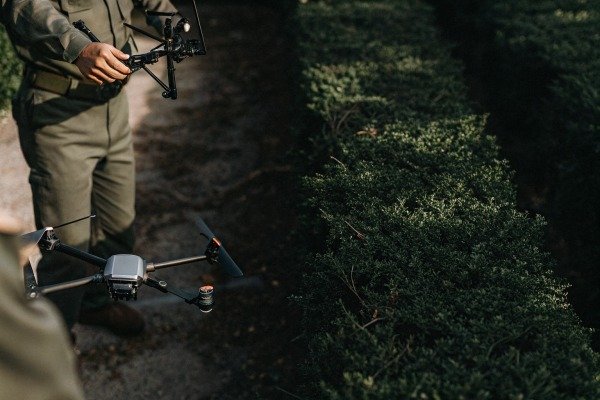
Viele Käufer machen den Fehler, anzunehmen, dass das "System" als eine einzige Einheit zertifiziert ist. In der Welt der Funkkonformität ist dies selten der Fall. Das landwirtschaftliche Drohnensystem besteht aus zwei verschiedenen aktiven Sendern: dem Fluggerät (der Drohne) und der Bodenstation (der Fernsteuerung). Beide werden als "absichtliche Strahler" eingestuft, weil sie aktiv Funkwellen erzeugen, um Telemetrie- und Steuerbefehle zu übermitteln.
Die Bodenstation ist ein Sender
Die Fernsteuerung in Ihren Händen ist nicht nur ein passiver Empfänger. In landwirtschaftlichen Betrieben liefern diese Steuerungen oft eine beträchtliche Leistung, um eine Verbindung über große Felder aufrechtzuerhalten, manchmal bis zu mehreren Kilometern. Gemäß den FCC-Bestimmungen (Teil 15) muss dieses Gerät unabhängig getestet werden, um sicherzustellen, dass es in der Nähe befindliche elektronische Geräte nicht durchbrennt oder die Grenzwerte für die Belastung von Menschen durch Funkfrequenzen (SAR-Test) überschreitet.
Separate IDs sind obligatorisch
Wenn Sie unsere Produkte inspizieren, finden Sie eine FCC-ID auf dem Drohnenkörper und eine verschiedene FCC-ID auf der Rückseite der Fernbedienung. Wenn ein Anbieter Ihnen ein einziges Zertifikat zeigt und behauptet, es decke die gesamte Box ab, lügt er oder ist falsch informiert. Die Prüfkriterien für ein fliegendes Objekt (oft auf Strahlungsemissionen getestet) und ein Handgerät (getestet auf spezifische Absorptionsrate/Körperkontakt) sind unterschiedlich. Spezifische Absorptionsrate 10
Das Risiko der regionalen Inkompatibilität
Ein weiterer Grund, warum wir auf einer spezifischen US-Zertifizierung für Steuergeräte bestehen, ist die regionale Beschränkung. Ein für den Einsatz in China oder Europa (CE) zertifiziertes Steuergerät arbeitet oft mit niedrigeren Leistungsstufen oder auf anderen Kanälen als in den USA erlaubt (oder vorgeschrieben). Die Verwendung eines nicht in den USA zugelassenen Steuergeräts könnte zwar technisch funktionieren, aber die Reichweite könnte zu gering sein - eine Katastrophe für das landwirtschaftliche Sprühen - oder es könnte illegal auf eingeschränkten Bändern senden. Darüber hinaus prüfen die Software-Updates der großen Flugsteuerungsanbieter zunehmend auf diese Hardware-Signaturen. Wenn Ihrem Steuergerät der in der zertifizierten Hardware eingebettete US-Regionalcode fehlt, kann es sein, dass Ihre Drohne nach einem Firmware-Update am Boden bleibt.
Aufschlüsselung der Einhaltung nach Komponenten
- Die Drohne: Überträgt Video und Telemetrie bis zum Boden. Erfordert FCC-ID.
- Der Fernregler: Überträgt Steuerknüppel und Befehle in die Luft. Erfordert FCC-ID.
- RTK-Basisstation (falls zutreffend): Überträgt Korrekturdaten an die Drohne. Erfordert FCC-ID.
Schlussfolgerung
Die Sicherstellung FCC-zertifizierter Drohnen schützt Ihre Investition und gewährleistet den legalen Betrieb. Wir legen Wert auf die Einhaltung von Vorschriften, damit Ihre Flotte sicher fliegt und Ihr Unternehmen ohne regulatorische Unterbrechungen wachsen kann.
Fußnoten
1. Internationale Norm für die Klassifizierung und Sicherheit unbemannter Luftfahrtsysteme. ︎
2. Allgemeiner Hintergrund über die für den Grenzschutz zuständige Agentur. ︎
3. Erläutert die FCC-Bestimmungen zu Funksignalstörungen. ︎
4. Führende Organisation für technische Normen in der Hochfrequenztechnik. ︎
5. Offizieller elektronischer Code der Bundesvorschriften für Hochfrequenzgeräte. ︎
6. Offizielle Website der Behörde, die die Einfuhrbestimmungen durchsetzt. ︎
7. Direkter Link zur offiziellen FCC-Suchfunktion für Gerätegenehmigungen. ︎
8. Offizielle Informationen der FCC über die Zuweisung von Funkfrequenzen. ︎
9. Offizielle FCC-Anleitung für das Verfahren zur Änderung der ID-Zertifizierung. ︎
10. Offizielle FCC-Definition und Sicherheitsstandards für SAR. ︎
 English
  Español de México
  Deutsch
  Français
  Русский
  العربية
Comments
No comments yet. Be the first to share your thoughts!
Leave a Comment