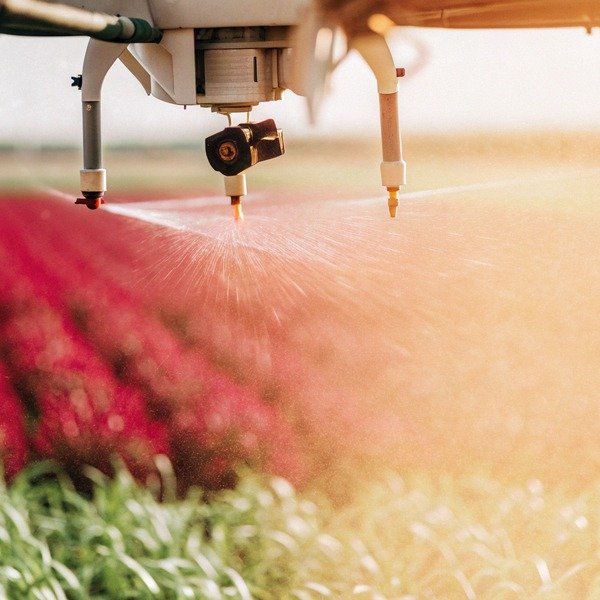
In unserer Anlage in Xi'an erhalten wir oft hektische Anrufe von überseeischen Kunden während der Hochsaison der Sprühsaison. Eine Dichtung im Wert von zwanzig Dollar versagt, die Maschine steht still und die Ernte bleibt gefährdet, während der Betreiber wochenlang auf den internationalen Versand wartet. Wir hassen es, wenn unsere Partner aufgrund einfacher logistischer Versäumnisse Einnahmen verlieren.
Um zukünftige Wartungsbedürfnisse zu decken, sollten Sie empfehlen, Propeller, Sprühdüsen, Pumpen und Landegestelle in die Erstbestellung aufzunehmen. Die Bevorratung dieser wesentlichen Verschleißteile, zusammen mit zusätzlichen Batterien und strukturellen Befestigungselementen, verhindert kostspielige Betriebsunterbrechungen und stellt sicher, dass Ihre Agrardrohnenflotte während kritischer landwirtschaftlicher Zeitfenster aktiv bleibt.
Hier ist eine Aufschlüsselung der spezifischen Komponenten, die Sie sichern müssen, um Ihren Betrieb reibungslos am Laufen zu halten.
Was sind die häufigsten Verschleißteile, die ich für die Wartung von Agrardrohnen auf Lager haben muss?
Wir verfolgen Reparaturdaten von Tausenden von Einheiten, die in die Vereinigten Staaten und nach Europa exportiert wurden, und das Muster ist unbestreitbar klar. Betreiber, die die physische Belastung beweglicher Teile ignorieren, sehen sich oft unerwarteten Ausfällen gegenüber, die profitable Tage in finanzielle Verluste verwandeln.
Zu den häufigsten Verschleißteilen, die Sie auf Lager haben müssen, gehören Propeller, die durch Staub und Stöße verschleißen, und Komponenten des Sprühsystems wie Düsen und Schläuche. Darüber hinaus lockern sich Motorlager und strukturelle Befestigungselemente aufgrund von Hochfrequenzvibrationen häufig oder verschleißen, was sie zu wesentlichen Lagerartikeln für die Aufrechterhaltung der Flugstabilität und Sicherheit macht.

Wenn wir den Lebenszyklus einer Agrardrohne analysieren, kategorisieren wir Komponenten nach ihrer Belastung. Im Gegensatz zu Kameradrohnen, die in sauberer Luft fliegen, arbeiten Agrardrohnen in feindlichen Umgebungen Agrardrohnen 1 gefüllt mit Staub, Feuchtigkeit und korrosiven Chemikalien.
Die Propeller-Hierarchie
Propeller sind die erste Verteidigungslinie und die am stärksten beanspruchte Komponente. In unseren Testlaboren sehen wir, dass selbst mikroskopisch kleine Abplatzungen an einer Propellerklinge katastrophale Vibrationsprobleme verursachen können. Diese Vibrationen wandern den Arm hinunter und zerstören die Motorlager Motorlager 2. Wenn Sie einen abgeplatzten Propeller nicht sofort wechseln, sparen Sie kein Geld; Sie warten lediglich auf einen teureren Motorausfall. Wir empfehlen, mindestens zwei vollständige Sätze Propeller für jede von Ihnen gekaufte Drohne auf Lager zu haben.
Befestigungselemente und Schwingungsdämpfer
Es mag trivial erscheinen, aber Schrauben und Gummidämpfer sind entscheidend. Die Hochmomentmotoren, die in unserer SkyRover-Serie verwendet werden, erzeugen erhebliche Vibrationen. Mit der Zeit lockert dies die werkseitig aufgetragene Schraubensicherung. Schraubensicherung 3. Wir sehen oft, dass sich Strukturarme "lockern" oder wackeln, weil einige Schrauben im Feld verloren gegangen sind. Eine Tüte mit Spezialschrauben, Unterlegscheiben und Gummidämpfern stellt sicher, dass ein 10-Cent-Teil eine Schwerlastplattform nicht am Boden hält.
Wartungs-Tier-Liste
Um Ihnen bei der Priorisierung Ihres Budgets zu helfen, haben wir eine Tier-Liste zusammengestellt, die auf unseren Exportservice-Aufzeichnungen basiert. Diese Tabelle zeigt, was Sie wahrscheinlich innerhalb der ersten 300 Betriebsstunden benötigen werden.
| Prioritätsstufe | Komponentenname | Typisches Austauschintervall | Ausfallsymptom |
|---|---|---|---|
| Kritisch | Propeller (CW/CCW) | 50-100 Stunden (oder sofort bei Beschädigung) | Übermäßige Vibrationen, laute Geräusche, reduzierte Flugzeit |
| Hoch | Sprühdüsen & Spitzen | 100-150 Stunden | Ungleichmäßiges Sprühmuster, Tropfen, Verstopfen |
| Mittel | Motorlager | 300+ Stunden | Schleifgeräusche, Hitzeentwicklung, Motorklemmen |
| Vorbeugend | Befestigungssätze | Monatlich prüfen | Lose Arme, fehlende Schrauben, strukturelles Klappern |
Indem Sie sich auf diese stark beanspruchten Teile konzentrieren, bauen Sie ein Sicherheitsnetz um Ihren Betrieb auf. Es geht nicht darum, wenn diese Teile werden verschleißen, sondern wenn. Vorbereitet zu sein bedeutet den Unterschied zwischen einer 15-minütigen Feldreparatur und einer zweiwöchigen Lieferverzögerung.
Sollte ich zusätzliche Sprühdüsen und Pumpen mitbestellen, um Ausfallzeiten während der Anbausaison zu vermeiden?
Unser Ingenieurteam verbringt Monate mit der Prüfung der chemischen Beständigkeit, doch wir wissen, dass keine Dichtung auf Dauer gegen aggressive Herbizide beständig ist aggressive Herbizide 4. Wenn eine Pumpe mitten im Einsatz ausfällt, ist die Panik real, und die Kosten für verpasste Anwendungsfenster übersteigen bei weitem den Preis eines Ersatzteils.
Ja, Sie sollten unbedingt zusätzliche Sprühdüsen und Pumpen mitführen, um Ausfallzeiten zu vermeiden, da Agrochemikalien hochgradig abrasiv und korrosiv für interne Dichtungen sind. Ersatzpumpen und Düsenspitzen griffbereit zu haben, ermöglicht einen sofortigen Austausch vor Ort und stellt sicher, dass Ihre Sprühpläne unabhängig von unvermeidlichem Verschleiß oder Verstopfungsproblemen eingehalten werden.
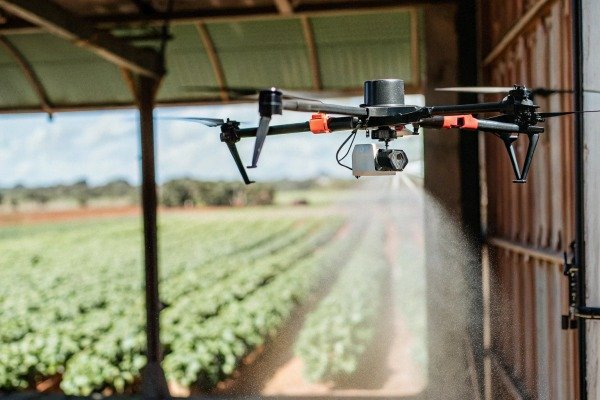
Das Sprühsystem ist das Herzstück der Drohne. Es ist auch das System, das am anfälligsten für chemische Angriffe ist. Wenn wir unsere Rohrleitungen entwickeln, verwenden wir hochwertige Materialien, aber die Realität des Feldeinsatzes beinhaltet aggressive Lösungsmittel und gelegentlich unsachgemäße Reinigung.
Die Anfälligkeit von Membranpumpen
Die meisten Agrardrohnen verwenden Membranpumpen zur Druckregelung Membranpumpen 5. Membranpumpen 6 Diese Pumpen verlassen sich auf flexible Gummi- oder Silikonmembranen, um Flüssigkeit zu bewegen. Mit der Zeit versteifen Chemikalien diese Membranen und lassen sie reißen. Sobald ein Riss auftritt, sinkt der Druck sofort, und die Drohne kann nicht mehr effektiv sprühen. Wir raten unseren Händlern dringend, für jeweils drei Drohnen in ihrem Bestand eine komplette Pumpenbaugruppe auf Lager zu halten. Es handelt sich um eine "Plug-and-Play"-Reparatur, die 90% der Flüssigkeitssystemausfälle behebt.
Düsenverschleiß und Durchflussraten
Viele Betreiber unterschätzen, wie schnell Düsen verschleißen. Wenn wasser- und pulverbasierte Chemikalien mit hohem Druck durch die winzige Öffnung gepresst werden, verschleißen Kunststoff oder Keramik. Dies verändert die Durchflussrate. Durchflussrate 7 Eine Düse, die 1 Liter pro Minute sprühen soll, kann aufgrund von Erosion 1,2 Liter pro Minute sprühen. Dies führt zu einer Überdosierung der Kultur, was Pflanzen verbrennt und teure Chemikalien verschwendet.
Chemikalienverträglichkeitsleitfaden
Wir haben beobachtet, dass verschiedene Chemikalien den Verschleiß an bestimmten Teilen beschleunigen. Das Verständnis hierfür hilft Ihnen, die richtigen Ersatzteile zu bestellen.
| Chemikalientyp | Hauptverschleißteil | Auswirkung auf die Drohne | Empfohlenes Ersatzteil |
|---|---|---|---|
| Benetzbare Pulver | Membranen und Ventile der Pumpe | Abrasive Reibung verschleißt interne Gummidichtungen schnell. | Ersatzmembransätze |
| Herbizide (ölbasiert) | O-Ringe und Schläuche | Verursacht Schwellungen von Gummischläuchen und Verschlechterung/Undichtigkeit von O-Ringen. | Vollständiger O-Ring-Dichtungssatz |
| Düngemittel (Salze) | Metallverbinder | Hohe Salzgehalte verursachen schnelle Korrosion an Metallbeschlägen. | Ersatz-Messing-/Kunststoffbeschläge |
Die "Field-Swap"-Strategie
Wir entwickeln unsere Pumpen und Düsen modular. Wir ermutigen Sie, eine "Field-Swap"-Strategie zu verfolgen. Versuchen Sie nicht, eine Pumpe auf einem schlammigen Feld zu reparieren. Tauschen Sie stattdessen die gesamte Pumpeneinheit gegen eine Ersatzpumpe aus, um die Arbeit des Tages abzuschließen. Reparieren Sie die defekte Pumpe in der Werkstatt, wenn Sie saubere Hände und gutes Licht haben. Dieser Ansatz erfordert Lagerbestand, garantiert aber die Betriebskontinuität.
Wie viele Ersatzbatterien und Ladegeräte sollte ich kaufen, um einen kontinuierlichen Betrieb zu gewährleisten?
Wenn wir die Flugeffizienz für unsere Kunden berechnen, behandeln wir Batterien als Treibstofftanks, die im Laufe der Zeit schrumpfen. Es ist für Piloten frustrierend, im Feld untätig auf eine Ladung zu warten und zuzusehen, wie die Sonne untergeht, während die Arbeit unvollendet bleibt.
Sie sollten mindestens vier Batterien pro Drohne und ein Ladegerät für jeweils zwei Batterien kaufen, um einen kontinuierlichen Betrieb zu gewährleisten. Da die Batteriekapazität bei häufigem Gebrauch und schneller Aufladung abnimmt, stellt dieses Verhältnis sicher, dass Sie immer einen frischen Akku zum Fliegen zur Verfügung haben, während andere abkühlen oder aufgeladen werden.
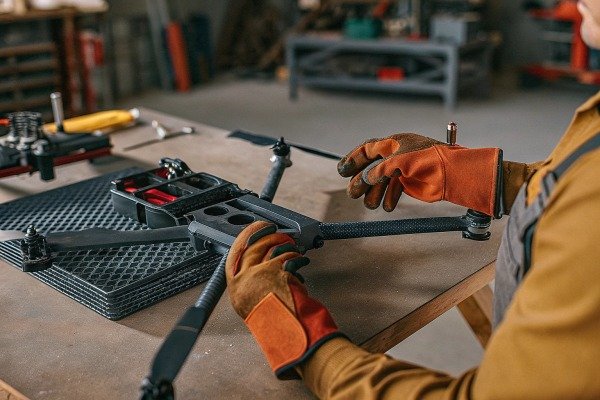
Batterien sind der teuerste Verbrauchsmaterial in Ihrem Drohnenprogramm. Im Gegensatz zum Drohnenrahmen, der jahrelang halten kann, haben Lithium-Polymer-Batterien eine begrenzte chemische Lebensdauer. Lithium-Polymer-Batterien 8.
Die Realität der Zyklenlebensdauer
In der Landwirtschaft treiben wir Batterien an ihre Grenzen. Hohe Entladeraten beim Start mit vollem Tank erzeugen immense Hitze. Dann erzeugt schnelles Aufladen weitere Hitze. Hitze ist der Feind der Batterielanglebigkeit. Eine für 500 Zyklen ausgelegte Batterie hält möglicherweise nur 300 Zyklen, wenn sie ständig im heißen Zustand aufgeladen wird. Wenn Sie nur zwei Batterien haben, sind Sie gezwungen, diese sofort nach der Landung aufzuladen, was ihre interne Chemie zerstört. interne Chemie 9. Vier Batterien ermöglichen es ihnen, auf natürliche Weise abzukühlen, bevor sie aufgeladen werden, was ihre Lebensdauer erheblich verlängert.
Berechnung für kontinuierlichen Flug
Um nonstop zu fliegen, muss die Ladegeschwindigkeit der Verbrauchsgeschwindigkeit entsprechen. Hier ist die Mathematik, die wir bei der Beratung von Einkaufsmanagern verwenden:
- Flugzeit: Eine voll beladene Drohne fliegt etwa 10-12 Minuten.
- Ladezeit: Ein Super Charger benötigt etwa 15-20 Minuten, um einen Akku aufzuladen.
- Abkühlzeit: Ein Akku benötigt 10-15 Minuten Abkühlzeit vor dem Aufladen.
Wenn Sie nur zwei Akkus haben, entsteht eine Lücke, in der die Drohne am Boden steht. Mit vier Akkus schaffen Sie einen perfekten Kreislauf.
Akku-Investitionstabelle
Diese Tabelle veranschaulicht die Beziehung zwischen der Flottengröße und der notwendigen Strominfrastruktur zur Aufrechterhaltung von Null Ausfallzeiten.
| Anzahl der Drohnen | Empfohlene Akkus | Empfohlene Ladegeräte | Betriebsergebnis |
|---|---|---|---|
| 1 Drohne | 2 Batterien | 1 Ladegerät | Hohe Ausfallzeiten: ~20 Minuten Wartezeit zwischen den Flügen. |
| 1 Drohne | 3 Akkus | 1 Ladegerät | Risikozone: Kontinuierlicher Flug nur möglich, wenn die Temperaturen kühl sind. |
| 1 Drohne | 4 Batterien | 2 Ladegeräte | Kontinuierlich: Null Wartezeit; ermöglicht Kühlzeit für Sicherheit. |
| 2 Drohnen | 8 Batterien | 4 Ladegeräte | Kontinuierlich: Vollständig unabhängiger Betrieb für beide Einheiten. |
Steckverbinderverschleiß
Ein weiteres oft übersehenes Detail ist der Batterieanschluss. Die Hochleistungsstecker an der Drohne und der Batterie halten Tausende von Einsteckvorgängen aus. Mit der Zeit nutzt sich die Vergoldung ab und der Widerstand steigt. Wir empfehlen, diese Anschlüsse monatlich zu überprüfen. Wenn Sie schwarze Flecken (Lichtbögen) sehen, ist es an der Zeit, den Anschluss auf der Drohnenseite zu ersetzen. Die Aufnahme eines Ersatz-"Leistungsverteilungsboards" oder Pigtail-Anschlusses in Ihre jährliche Bestellung ist ein kluger Schachzug für die langfristige Wartung.
Muss ich Ersatzpropeller und Landegestelle bestellen, um mich auf sofortige Feldreparaturen vorzubereiten?
Nach unserer Erfahrung ist die Schwerkraft unerbittlich, und selbst die besten Piloten streifen einen Ast oder landen zu hart auf unebenem Gelände. Es ist verheerend, eine Woche voller Verträge abzusagen, nur weil ein Kohlefaser-Landegestell gebrochen ist und kein Ersatz verfügbar war.
Sie müssen auf jeden Fall Ersatzpropeller und Fahrwerke bestellen, da dies die strukturellen Komponenten sind, die am anfälligsten für Aufprallschäden und Ermüdung sind. Wenn Sie diese Teile auf Lager haben, können Sie sofortige Feldreparaturen durchführen und einen potenziell missionsbeendenden Absturz in eine kurze 20-minütige Pause verwandeln.
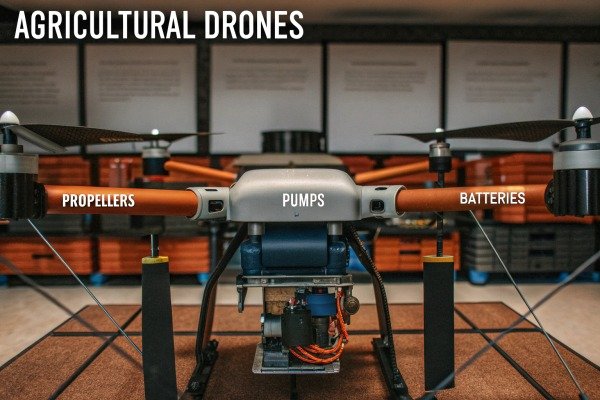
Strukturelle Reparaturen klingen einschüchternd, aber bei modernen Agrardrohnen sind sie einfach konzipiert. Wir bauen unsere SkyRover-Rahmen modular, sodass ein Bruch eines Teils die teure Elektronik im Inneren schützt.
Fahrwerk als Stoßdämpfer
Das Fahrwerk nimmt einiges mit. Jedes Mal, wenn die Drohne mit Restflüssigkeit im Tank landet, biegt sich das Fahrwerk. Nach Tausenden von Landungen können Kohlefaserrohre Spannungsrisse entwickeln. Kohlefaserrohre 10. Darüber hinaus werden die Fahrwerke beim Transport in Pick-up-Trucks oft gegen die Ladefläche geschlagen. Wenn ein Fahrwerksbein beim Aufsetzen bricht, kippt die Drohne normalerweise um, was die Propeller zerstört und möglicherweise den Radar beschädigt. Der Austausch eines geschwächten Kufens vor er bricht, ist ein kritisches Sicherheitsprotokoll.
Propeller als Sicherungen
Betrachten Sie Propeller als mechanische Sicherungen. Wir entwickeln sie so, dass sie bei einem Aufprall brechen, um den Motor zu schützen. Wenn eine Drohne gegen einen Ast stößt, möchten wir, dass die Kunststoffklinge zerbricht, damit die Energie nicht die Motorwelle verbiegt. Das bedeutet, dass Sie Propeller verbrauchen werden. Es ist ein Zeichen dafür, dass das Sicherheitsdesign funktioniert. Dies funktioniert jedoch nur, wenn Sie Ersatzteile zum Austausch haben. Das Fliegen mit einem Propeller, der mit Klebeband oder Klebstoff repariert wurde, ist gefährlich und macht jegliche von uns angebotene Garantie ungültig.
Das Konzept des "Crash-Kits"
Für unsere US-Kunden empfehlen wir den Aufbau eines "Crash-Kits", das mit der Drohne mitgeführt wird. Dies unterscheidet sich von der Lagerhaltung im Lager. Es bleibt im LKW.
Ein Standard-Feldreparaturkit sollte enthalten:
- Propeller: 2 vollständige Sätze (CW und CCW).
- Landegestelle: 1 links, 1 rechts (Aluminium- oder Carbonrohre).
- Armklemmen: Kunststoff-Verriegelungsmechanismen, die die Arme an Ort und Stelle halten (diese reißen oft bei einem Absturz).
- Antennen: RTK- oder Telemetrieantennen brechen oft, wenn die Drohne umkippt.
Versteckter Verschleiß: Der Armverriegelungsmechanismus
Landwirtschaftliche Drohnen lassen sich zusammenklappen, um in Fahrzeuge zu passen. Die Klappverbindung (Scharnier) ist ein Bereich mit hohem Verschleiß. Sie ist auf einen Klemmmechanismus angewiesen, um während des Fluges steif zu bleiben. Schmutz und Sand gelangen in diese Scharniere und wirken wie Schleifpapier. Wenn die Klemme locker wird, kann sich der Arm während des Fluges zurückklappen und einen Absturz verursachen. Wir empfehlen, diese Gelenke täglich mit Druckluft zu reinigen und ein Ersatzset von "Armclips" oder "Verriegelungshülsen" in Ihrer Wartungsbestellung aufzubewahren. Es ist ein kleines Kunststoffteil, das die strukturelle Integrität der gesamten Maschine gewährleistet.
Schlussfolgerung
Der Kauf einer landwirtschaftlichen Drohne ist keine einmalige Transaktion; er ist der Beginn eines Betriebszyklus, der Unterstützung erfordert. Durch die proaktive Bestellung von Verschleißteilen wie Propellern, Sprühdüsen, Pumpen, Batterien und Fahrwerken schützen Sie Ihr Unternehmen vor dem Chaos von Ausfallzeiten. Wir ermutigen Sie, diese Ersatzteile nicht als zusätzliche Kosten, sondern als Versicherung für Ihre Produktivität zu betrachten. Wenn Sie sich über die genauen Mengen für Ihre Flotte unsicher sind, steht Ihnen unser Team gerne zur Verfügung, um das optimale Wartungspaket für Sie zu berechnen.
Fußnoten
1. Maßgebliche staatliche Ressource zur Nutzung von Drohnen in der Präzisionslandwirtschaft. ︎
2. Führender Hersteller mit technischen Details zu Lagertypen und Wartung. ︎
3. Hersteller nach Industriestandard für Schraubensicherungen, die in mechanischen Baugruppen verwendet werden. ︎
4. Offizielle Regierungsbehörde, die die Sicherheit und Verwendung von Pestiziden und Herbiziden regelt. ︎
5. Allgemeine Referenz, die die mechanische Funktionsweise von Membranpumpen erklärt. ︎
6. Allgemeiner Hintergrund zu Mechanik und Anwendungen von Membranpumpen beim Flüssigkeitstransfer. ︎
7. Technische Spezifikationen für Präzisionssprühdüsen und ihre entsprechende Durchflussleistung. ︎
8. Akademische Ressource mit technischen Merkmalen der Lithium-Polymer-Batterietechnologie. ︎
9. Bildungsressource zur Aufrechterhaltung der Batterielebensdauer und zum Verständnis des chemischen Abbaus. ︎
10. Seite des Energieministeriums, die die Eigenschaften und Anwendungen von Kohlefaserverbundwerkstoffen erklärt. ︎
 English
  Español de México
  Deutsch
  Français
  Русский
  العربية
Comments
No comments yet. Be the first to share your thoughts!
Leave a Comment