
When we watch our heavy-lift octocopters leave our Xi’an facility, we know they are perfectly calibrated, but international transit can be harsh. Receiving a batch of expensive, high-spec equipment only to discover critical failures later can paralyze your emergency response capabilities emergency response capabilities 1 and waste your department’s budget.
To establish an effective inspection process, create a standardized protocol that includes verifying documentation against the packing list, conducting immediate visual checks for shipping damage, performing ground-based functional calibration, and executing controlled flight tests to validate payload performance and stability before final operational sign-off.
Here is the detailed breakdown of how to structure your acceptance workflow to ensure mission readiness.
What visual inspections should I perform immediately upon unboxing the drone shipment?
We pack our units with industrial-grade foam to withstand shocks, but even the best packaging cannot always prevent damage from severe impact during freight. Missing a hairline crack or a loose connector now could lead to catastrophic structural failure when the drone is carrying a heavy payload over a fire.
You must immediately inspect the airframe arms, landing gear, and propeller mounts for stress cracks or deformation caused by transit impact. Additionally, verify that all external wiring is intact, connectors are seated specific to the octocopter design, and payload mounts show no signs of bending or misalignment.
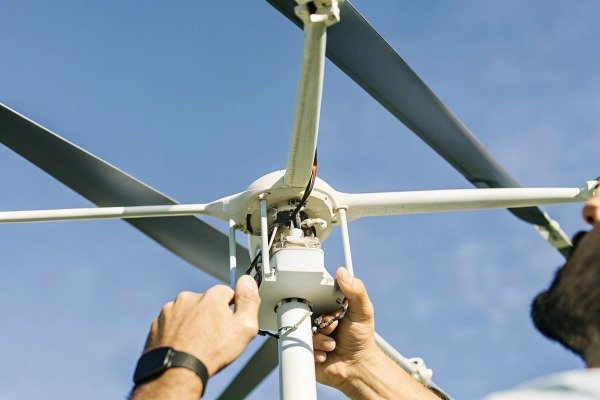
When you first open the crates, resist the urge to power on the drones immediately. The physical integrity of the aircraft is the foundation of safety. For a professional-grade octocopter, the visual inspection needs to be systematic and thorough. visual inspection 2 You are not just looking for obvious breakage; you are looking for subtle signs of stress that could compromise flight stability.
Check the Carbon Fiber Structure
Start with the main chassis and the eight arms. Carbon fiber is incredibly strong, but it can delaminate if it sustains a sharp impact. Run your hands along the arms and look for any "whitening" in the material or soft spots. Inspect the folding mechanisms on the arms. These joints are high-stress points. Ensure they lock firmly into place and that there is no "play" or wobble when extended. A loose arm joint can cause vibration issues that confuse the flight controller.
Inspecting Motors and Propellers
Spin each of the eight motors by hand. They should rotate smoothly with a consistent amount of magnetic resistance. If a motor feels gritty or makes a grinding noise, the bearings may have been damaged by a shock load. Check the propeller mounts and the propellers themselves if they were shipped attached. Even a small chip in a propeller can cause dangerous vibrations.
Wiring and Connectors
During assembly in our factory, we secure cables to prevent rubbing. However, vibration during shipping can shift these cables. Check where wires enter the motor housing and the main body. Ensure no insulation is stripped. Verify that the connectors for the payload—specifically the heavy-duty ports الكاميرات الحرارية 3 for fire extinguishing balls or thermal cameras—are not bent.
قائمة التحقق من الفحص البصري
Use this checklist to guide your team through the physical assessment.
| المكوّن | معايير التفتيش | Potential Risk if Ignored |
|---|---|---|
| Airframe Arms | Check for cracks, delamination, and locking mechanism rigidity. | In-flight structural failure or vibration. |
| المحركات | Rotate by hand to check for smooth movement and silence. | Motor seizure or overheating under load. |
| معدات الهبوط | Inspect for bending or cracks at the mounting points. | Tipping over during landing; damage to payload. |
| Payload Port | Check pins for straightness and port security. | Loss of control over fire extinguishing payload. |
| Antennas | Ensure they are tight and not bent at the base. | Loss of signal range or video feed. |
How do I conduct a functional flight test to verify the stability and payload performance?
Our flight engineers spend hours tuning the PID settings for stability before any unit is boxed, but local environmental factors can affect sensor performance. Skipping a proper functional flight test puts your team at risk of deploying an unstable aircraft into a high-stakes emergency environment.
Conduct a standardized flight test that begins with a low-altitude hover to verify GPS lock and stability, followed by maneuvering tests to check responsiveness. Crucially, test the payload release mechanism and thermal camera accuracy under simulated load conditions to ensure the octocopter performs reliably during emergencies.
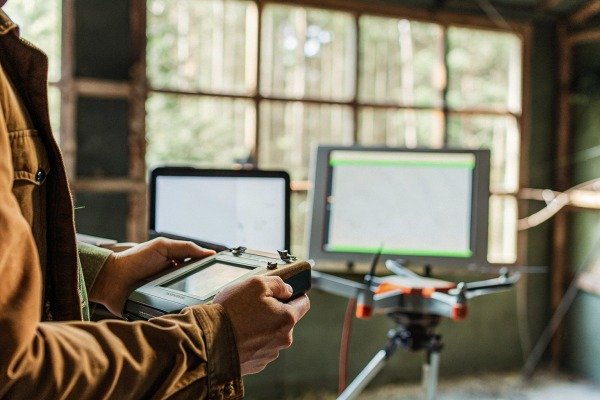
Once the physical inspection is passed, you must move to functional validation. This is not a training flight; it is a clinical test of the machine's capabilities. This process is often called a Site Acceptance Test (SAT).
Ground-Based Calibration
Before the propellers spin, perform a full sensor calibration. This includes the compass and the IMU وحدة القياس بالقصور الذاتي 4 (Inertial Measurement Unit). We calibrate these in China, but magnetic interference varies by location. If the drone fails to calibrate or requires multiple attempts, this is a red flag regarding the sensor health. Also, check the remote controller link. Ensure the signal strength is strong and that the video transmission is clear while the drone is still on the ground.
The Hover and Stability Test
Launch the drone to a height of 3 meters (10 feet) and let it hover. Do not touch the sticks. A healthy octocopter should hold its position efficiently, even in light wind. Watch for "toilet bowling," where the drone drifts in circles, which indicates a compass error. Listen to the sound of the drone. It should be a steady hum. Oscillating sounds suggest that the flight controller is struggling to keep the aircraft level, possibly due to a motor issue or bad gain settings.
Payload Performance Verification
Firefighting drones are defined by their payload. You must test the specific mission equipment.
- Thermal Cameras: Point the camera at a known heat source (like a vehicle engine). Verify that the temperature reading is accurate and that the gimbal stabilizes the image when the drone moves.
- Drop Mechanisms: If the drone carries fire extinguishing balls, load it with dummy weights of the same mass. Fly the drone and trigger the release mechanism. It must release instantly without jamming.
- Load Handling: Fly the drone with the full payload weight. Monitor the battery voltage sag. If the voltage drops dangerously low immediately upon liftoff, the batteries may be defective or aged.
Flight Test Protocol
| مرحلة الاختبار | الإجراء | معايير النجاح |
|---|---|---|
| 1. Power Up | Turn on drone and controller. | Quick binding; no error messages on the screen. |
| 2. Hover Test | Auto-takeoff to 3 meters. | Drift less than 10cm; stable altitude holding. |
| 3. Control Check | Pitch, roll, and yaw inputs. | Drone responds instantly and stops precisely. |
| 4. Failsafe | Trigger Return-to-Home (RTH). | Drone climbs to safety height and lands within 1m of home. |
| 5. Payload | Trigger drop mechanism. | Immediate release; no snagging. |
Which technical documents and certifications must I validate against the packing list?
We often see clients face unnecessary delays because they misplace the compliance documents included in the box or fail to verify them against their local regulations. Without verifying these papers immediately, your fleet may be grounded by legal hurdles or rejected by your internal safety officers.
You must validate the presence of the Certificate of Conformity, user manuals, and specific battery safety certifications required for transport. Ensure the serial numbers on the chassis match the warranty cards and that all regulatory compliance records required for local aviation authority registration are present and accurate.
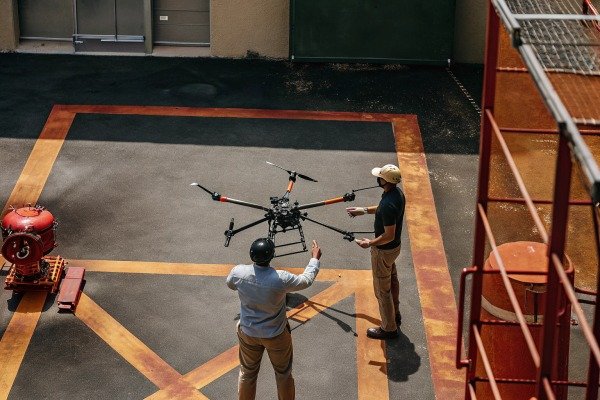
Documentation is just as important as the hardware. local aviation authority registration 5 For government and industrial procurement, a drone without papers is often unusable. You need to create a "paper trail" that proves the equipment is legitimate, safe, and supported.
The Certificate of Conformity (CoC)
This document declares that the specific unit you received manufacturing standards and specifications 6 meets the manufacturing standards and specifications agreed upon in the contract. It usually includes the date of manufacture and the QC inspector's signature. If you ever have a legal liability issue during a fire operation, this document proves you purchased a compliant device.
Battery Safety Documents (MSDS/UN38.3)
Lithium batteries are classified as dangerous goods. Your shipment should include Material Safety Data Sheets UN38.3 test reports 7 (MSDS) and UN38.3 test reports. You will need these if you ever plan to transport بطاريات الليثيوم 8 the drones by air to a disaster site or if you need to dispose of old batteries legally. Store these in a safe place immediately.
Matching Serial Numbers
This is a common administrative error. Check the serial number physically printed on the drone's chassis. Match it against three things:
- The box label.
- The software readout (visible in the app settings).
- The warranty card.
If these do not match, you might have received a unit intended for a different customer, or a refurbished unit by mistake. Clarifying this later is difficult, so do it on day one.
Manuals and Maintenance Logs
Ensure you have the English version of the operation and maintenance manuals. We also recommend checking for a firmware log. This shows the version of the software installed at the factory. Ensuring you have the latest stable version prevents you from having to update firmware before the first flight.
What protocol should I follow if I detect defects or discrepancies during the acceptance process?
Even with our strict quality control measures in Chengdu strict quality control measures 9, anomalies can happen quality control measures 10, or damage can occur during the final mile of delivery. Failing to document a defect immediately often leads to warranty disputes and leaves you without critical equipment when you need it most.
If you detect defects, immediately document the issue with high-resolution photos and video evidence before altering the equipment. Quarantine the affected unit, notify the supplier within the specified inspection window, and submit a formal non-conformance report including serial numbers to initiate the warranty or replacement process.

Finding a defect is frustrating, but your reaction determines how quickly the problem is solved. Do not attempt to fix the drone yourself. Opening the chassis or soldering wires will void your warranty and make it impossible for us to determine the root cause.
Immediate Documentation
If a box arrives crushed, photograph it before opening. If a motor doesn't spin, record a video of the startup sequence showing the error. Video evidence is far superior to photos for technical support teams because it captures sound and LED status patterns. We can often diagnose the issue remotely just by seeing the blinking light pattern.
Quarantine the Unit
Do not mix a defective drone with your operational fleet. Tag it clearly with a "DO NOT USE" label. If the issue is a battery, place it in a fireproof safety bag. Keep all original packaging. Returns often require the original foam and box to ensure the unit doesn't sustain further damage on its way back to the factory.
The Non-Conformance Report
Send a formal email to your supplier. Do not just send a WhatsApp message. You need a formal record. Your report should be structured clearly to speed up the RMA (Return Merchandise Authorization) process.
Defect Report Template
| Field | الوصف | Example Data |
|---|---|---|
| Order Reference | Your PO number or Invoice ID. | PO-2023-0056 |
| الرقم التسلسلي | The unique ID of the faulty unit. | SR-OCTO-88921 |
| الوصف | Clear explanation of the failure. | "Motor #3 fails to spin; ESC error beep heard." |
| Evidence | Links to photos/videos. | [Link to Google Drive folder] |
| Condition | Status of the box and seals. | "Box undamaged, seal intact." |
By following this strict acceptance protocol, you protect your investment and ensure that when the alarm rings, your equipment works exactly as intended.
الخاتمة
Establishing a rigorous internal inspection process is the only way to guarantee your new firefighting drones are safe and mission-ready. By conducting detailed visual checks, validating flight performance, ensuring documentation accuracy, and having a clear protocol for defects, you protect your department's budget and, more importantly, the safety of your team on the ground.
الحواشي
1. References the NFPA standard for drones in public safety operations. ︎
2. Cites FAA regulations regarding mandatory pre-flight visual inspections. ︎
3. Technical guide on using thermal imaging for unmanned aerial systems. ︎
4. General background on how IMUs function in aircraft. ︎
5. Official US government guidance for drone registration and compliance. ︎
6. ISO standard for unmanned aircraft systems quality and safety. ︎
7. Global standard for testing lithium batteries for safe air transport. ︎
8. Official regulations regarding the transport and handling of lithium batteries. ︎
9. General background on quality control processes in manufacturing. ︎
10. Links to the international standard for quality management systems. ︎

 English
  Spanish
  German
  French
  Dutch
Dutch  Arabic
