
When our engineering team first started exporting طائرات زراعية بدون طيار 1 to US farms, we quickly learned that American large-scale operations demand very specific performance standards. Many buyers waste thousands on drones that look impressive but fail in real field conditions.
The key performance parameters for US large-scale farming drones include payload capacity (50-100+ kg), flight endurance (25-40 minutes minimum), spray width (3-15 meters), RTK GPS precision, durable carbon fiber construction, and software customization options. These specifications directly impact your daily coverage efficiency and long-term ROI.
Let me walk you through each critical parameter RTK GPS precision 2. I will share what our factory has learned from supplying drones to farms across Nebraska, Iowa, and California. This guide will help you make a confident purchasing decision.
How much flight endurance do I need for my large-scale crop spraying operations?
Our production engineers hear this question weekly from US farm operators. تحمّل الطيران 3 determines how much work you accomplish before stopping. Short flight times mean constant battery swaps and lost productivity during peak spraying windows.
For large-scale US operations over 1,000 acres, you need minimum 25-30 minutes of flight endurance per battery cycle. Optimal performance requires 35-40 minutes with payload. This allows coverage of 21-50 acres per hour at 2 GPA application rate, depending on tank size and spray width configuration.

Understanding Real-World Flight Time
Flight endurance on spec sheets rarely matches field reality. Manufacturers often list maximum flight time under ideal conditions—no wind, no payload, perfect temperature. On your Nebraska corn field in July heat with a full 68-liter tank, expect 20-30% less than advertised.
Our testing across different US climate zones shows significant variation. Desert conditions in Arizona drain batteries faster than mild Oregon weather. Wind resistance alone can cut flight time by 15%. Always ask vendors for payload-adjusted endurance figures, not empty-weight maximums.
Battery Technology Benchmarks
| Battery Specification | Entry-Level Drones | Mid-Range Drones | Heavy-Lift Drones |
|---|---|---|---|
| Capacity | 16-22 Ah | 28-35 Ah | 40-50 Ah |
| Cycle Life | 800-1,000 cycles | 1,200-1,500 cycles | 1,500+ cycles |
| Fast Charge Time | 45-60 minutes | 25-35 minutes | 20-30 minutes |
| Flight Time (with payload) | 15-20 minutes | 25-32 minutes | 35-40 minutes |
Planning Your Battery Rotation Strategy
Smart operators run multiple battery sets in rotation 4. While one powers the drone, two others charge on portable generators. This eliminates downtime. Our customers covering 5,000+ acres typically invest in 6-8 battery packs per drone.
Fast charging matters enormously. A 20-minute charge cycle lets you maintain continuous operation. Slower chargers force longer ground time than actual flight time. When we design battery systems, we prioritize charge speed alongside capacity.
Flight Speed Trade-offs
Speed affects endurance directly. Flying at maximum 8 m/s covers more ground but drains batteries faster. Slower speeds (3-5 m/s) extend flight time and improve spray adhesion. Most US row crop applications balance at 5-6 m/s for optimal efficiency.
What payload capacity should I prioritize to maximize my daily acreage coverage?
In our factory discussions with US distributors, payload capacity generates the most debate. Bigger tanks mean fewer refills. But oversized payloads strain motors and reduce flight stability. Finding the right balance requires understanding your specific operation.
For US large-scale row crop operations, prioritize 50-72 liter liquid capacity or 80-120 kg spreading capacity. This sweet spot enables 35-50 acres per hour coverage while maintaining stable flight characteristics. Larger 100+ liter systems suit farms exceeding 5,000 annual acres.

Matching Payload to Your Acreage
Small payloads create bottlenecks. A 20-liter drone covering 2,000 acres spends more time refilling than spraying. Large payloads solve this but cost more upfront. Our economic analysis shows clear thresholds:
| Annual Acreage | Recommended Liquid Capacity | Recommended Spread Capacity | Refills per 100 Acres |
|---|---|---|---|
| 500-1,000 acres | 30-40 liters | 50-60 kg | 8-12 |
| 1,000-3,000 acres | 50-68 liters | 80-100 kg | 4-6 |
| 3,000-5,000 acres | 68-80 liters | 100-120 kg | 3-4 |
| 5,000+ acres | 80-100+ liters | 120-150 kg | 2-3 |
How GPA Affects Your Payload Decision
Gallons per acre (GPA) 5 application rates dramatically impact coverage. At 2 GPA, a 68-liter drone covers roughly 50 acres before refilling. At 5 GPA for certain fungicides, that same drone covers only 20 acres. Know your typical application rates before choosing payload size.
When we configure drones for specific US customers, we ask detailed questions about their chemical programs. Herbicide applications often run 2-3 GPA. Fungicide programs may require 5+ GPA. Your payload needs differ based on what you spray most frequently.
Weight Distribution and Stability
Raw capacity numbers tell only part of the story. How weight distributes across the airframe affects flight stability. Poorly designed tanks create dangerous center-of-gravity shifts as liquid sloshes during maneuvers. Our engineering team spends considerable time optimizing tank geometry for smooth flight regardless of fill level.
Spreading vs. Spraying Configurations
Dry spreading operations (fertilizer, seed, granular pesticides) need different payload considerations. Spreading drones require wider hoppers and different flow mechanisms. A drone excellent at liquid spraying may perform poorly spreading granular urea.
Dual-purpose systems offer flexibility but compromise on both functions. Dedicated spreading platforms like our heavy-lift models achieve 150 kg/minute flow rates. Dedicated sprayers optimize for droplet control. Consider whether you need both capabilities or can invest in specialized equipment.
How do I ensure the drone's build quality is durable enough for my intensive farming schedule?
When our quality control team inspects returned drones, we see the same failure patterns repeatedly. Cheap frames crack. Low-grade motors overheat. Poorly sealed electronics fail after rain exposure. Durability determines whether your investment lasts one season or ten.
Ensure durability by verifying carbon fiber or aircraft-grade aluminum frames, IP65+ weather sealing, high-efficiency motors rated above 80% at operating RPM, and propeller systems designed for heavy payloads. Quality drones survive 1,500+ battery cycles and three-plus seasons of intensive daily operation.
Frame Material Differences
Carbon fiber dominates professional agricultural drones for good reason. It combines light weight with exceptional strength. carbon fiber construction 6 Aluminum frames work for budget options but add weight that reduces payload capacity and flight time.
Our production line uses aerospace-grade carbon fiber layups. We test frames to destruction—literally. Every batch gets sample pieces stressed until failure. This ensures consistent quality. Ask potential suppliers about their materials testing protocols.
Motor and Propulsion System Quality
Motors represent the heart of drone reliability. Cheap motors use lower-grade magnets and thinner windings. They overheat under load and degrade quickly. Quality motors maintain efficiency above 80% at optimal RPM ranges, preventing the thermal runaway that destroys lesser units.
| Motor Quality Indicator | Budget Motors | Professional Motors |
|---|---|---|
| Efficiency at Load | 60-70% | 80-88% |
| Operating Temperature | High (risky) | Moderate (safe) |
| العمر المتوقع | 500-800 hours | 1,500-2,500 hours |
| Power Consistency | متغير | Stable |
| Warranty Coverage | 6 months | 2+ years |
Weather and Environmental Sealing
Agricultural drones face harsh conditions. Morning dew, afternoon rain, dust, and chemical spray all attack electronics. IP65 rating minimum 7 protects against dust and water jets. IP67 allows brief submersion—critical if your drone lands in a wet field.
We seal all electronic compartments with specialized gaskets. Connectors receive conformal coating. These details add production cost but prevent the corrosion that kills cheaper drones within a season.
Propeller and Gearbox Durability
Heavy payloads stress propellers enormously. Composite propellers with carbon reinforcement resist the flex fatigue that cracks plastic props. Gearbox-driven systems require quality bearings and proper lubrication. Direct-drive motors eliminate gearbox failures entirely.
Inspect propeller attachment mechanisms. Quick-release systems save time but must maintain secure grip under vibration. Our engineers have tested dozens of attachment designs. The best combine convenience with absolute security.
Repairability and Parts Availability
Even quality drones eventually need repairs. Modular construction allows quick component swaps. Proprietary designs lock you into single-source parts at premium prices. Ask suppliers about parts availability and lead times before purchasing.
We maintain US-based parts inventory specifically for our North American customers. Waiting six weeks for a motor from overseas during peak spraying season costs far more than the part itself.
Can I customize the drone's software and hardware to meet my specific US agricultural requirements?
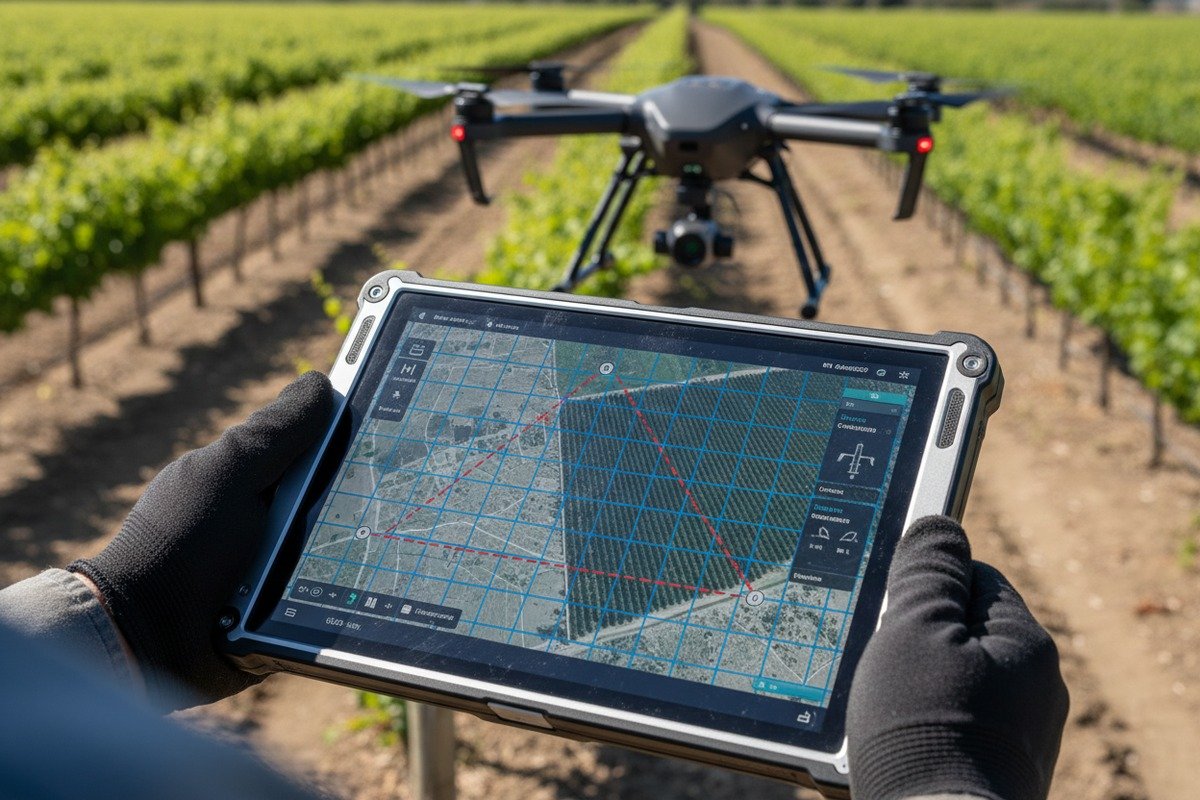
Our development team works closely with US partners on customization projects regularly. American farms have unique needs—FAA compliance requirements, specific chemical application protocols, integration with existing John Deere or Climate FieldView systems. Off-the-shelf solutions rarely fit perfectly.
Yes, quality agricultural drone manufacturers offer extensive customization including variable-rate application software, custom tank configurations, specific sensor integration, NDAA-compliant components, and proprietary flight controller programming. Expect 4-12 weeks lead time for hardware modifications and 2-6 weeks for software adjustments.

Software Customization Options
Modern agricultural drones run sophisticated mission planning software. Variable-rate application adjusts spray volume across zones based on prescription maps. This alone can reduce chemical costs 15-28% according to university studies we have participated in.
Our platform supports integration with common US farm management systems. Data flows from your yield maps directly into our flight planning software. The drone then automatically adjusts application rates as it flies. This precision was impossible five years ago.
Hardware Modification Capabilities
Tank configurations vary by application type. Foam marker systems help track completed swaths. Specialized nozzles handle different chemical viscosities. LED lighting enables safe night operations during critical spray windows.
| نوع التخصيص | Typical Lead Time | مستوى التعقيد |
|---|---|---|
| Nozzle configuration | من أسبوع إلى أسبوعين | منخفضة |
| Tank size modification | 4-6 أسابيع | متوسط |
| Sensor integration | 3-5 أسابيع | متوسط-عالي |
| Custom flight software | 4-8 أسابيع | عالية |
| Full OEM branding | 6-12 weeks | متوسط |
US Regulatory Compliance Considerations
NDAA compliance matters for government-affiliated operations. This restricts certain foreign-manufactured components. We offer fully NDAA-compliant configurations using approved RTK base stations and communication systems. FAA Part 137 agricultural aircraft certification 8 requires specific equipment and operational capabilities.
Beyond visual line of sight (BVLOS) operations require additional safety systems. We can integrate detect-and-avoid technology and ADS-B transponders for customers pursuing BVLOS waivers. These modifications position your fleet for future regulatory environments.
Integration with Existing Farm Technology
Your drone should communicate with existing systems. RTK correction signals from your tractor's base station can feed drone navigation. Spray records should upload to the same cloud platform managing your other equipment data. Closed ecosystems that isolate drone data create inefficiency.
When we discuss customization with US customers, we start by mapping their current technology stack. Then we identify integration points. Sometimes simple API connections solve data flow problems. Other situations require custom development work.
OEM and Private Label Options
Distributors and dealers often want branded equipment. Our OEM program supports custom color schemes, logo placement, and branded software interfaces. We handle regulatory documentation in your company name for streamlined import and resale processes.
الخاتمة
Choosing the right agricultural drone requires careful evaluation of flight endurance, payload capacity, build durability, and customization capabilities. Match these parameters to your specific acreage and operational needs. The right investment delivers years of reliable, profitable service.
الحواشي
1. Wikipedia provides a comprehensive, authoritative overview of agricultural drones. ︎
2. Explains RTK GPS technology and its application in precision agriculture and drones. ︎
3. Explains what drone flight endurance is and factors influencing it. ︎
4. Provides guidance on managing drone batteries for optimal performance and lifespan. ︎
5. Defines Gallons Per Acre (GPA) and its importance in agricultural spraying. ︎
6. Details the benefits of carbon fiber, like strength-to-weight ratio, for drone construction. ︎
7. Explains IP ratings and their significance for drone protection against environmental elements. ︎
8. Direct FAA link explaining regulations for dispensing chemicals with UAS under Part 137. ︎

 English
  Spanish
  German
  French
  Dutch
Dutch  Arabic
