
Every week, our engineering team receives calls from fire departments struggling with payload integration failures mechanical interface compatibility 1. They bought drones from one vendor and payloads from another. Now nothing works together. The frustration is real, and in emergency situations, these failures cost more than money.
Verifying third-party payload mounting and control requires systematic checks across five areas: mechanical interface compatibility, electrical power integration, software protocol testing, weight and balance calibration, and safety redundancy validation. Each step needs documented testing before any operational deployment in fire scenarios.
This guide walks you through the complete verification process electrical power integration 2. We cover mechanical fitment, software integration, power requirements, and engineering support expectations. Let us help you avoid costly mistakes.
How do I confirm the mechanical mounting interface is compatible with my specific firefighting payloads?
When we ship firefighting drones overseas, mechanical compatibility questions top the list software protocol testing 3. Buyers often have existing payloads—thermal cameras, spray nozzles, or extinguisher bombs—and need them to fit perfectly. A loose mount in a fire situation means dropped equipment, wasted resources, or worse weight and balance calibration 4.
Confirm mechanical compatibility by measuring your payload's mounting pattern, weight distribution, and attachment type against the drone's specifications. Check if the drone uses quick-release mechanisms, fixed nadir mounts, or gimbaled systems. Physical test-fitting with load simulation is essential before any flight.

Understanding Mount Types
Firefighting drones use three primary mounting systems MAVLink protocol 5. Each serves different operational needs.
Fixed nadir mounts 6 attach payloads directly to the drone's belly. They point straight down. These work well for mapping flights and area spraying. They are lighter than alternatives because they skip the gimbal mechanism. However, they limit your payload's viewing angle.
Gimbaled systems 7 add stabilization. They let operators adjust payload angle during flight. This helps when targeting specific fire spots through smoke. The trade-off is added weight—typically 500 to 1500 grams extra.
Quick-release mechanisms speed up field operations. Our team developed twist-lock systems using 7075 aluminum. These let crews swap payloads in under 30 seconds. Vision Aerial's PCS system offers similar functionality with carbon fiber construction.
Physical Verification Steps
Start with these measurements:
| Measurement | ما الذي يجب التحقق منه | Acceptable Tolerance |
|---|---|---|
| Bolt pattern | Hole spacing and diameter | ±0.5mm |
| Plate thickness | Mount surface depth | ±1mm |
| Payload width | Clearance from propellers | Minimum 50mm |
| Connector position | Cable routing path | Must not cross moving parts |
After measuring, perform a static load test. Hang the drone frame and attach your payload. Add 20% extra weight to simulate flight vibrations. Check for any flex or movement in the connection.
Material Compatibility
Not all mounting plates work together. Aluminum against aluminum can seize over time. Carbon fiber to aluminum interfaces need isolating washers to prevent galvanic corrosion. Our production line uses anodized 7075 aluminum for most interfaces. This prevents these issues.
Check your payload's mounting hardware material. Match it appropriately. Steel bolts into aluminum threads will eventually strip. Use thread-locking compound rated for the temperature extremes of firefighting operations—often reaching 60°C near flames.
Can I integrate and control third-party sensors and spray systems through the drone's flight software?
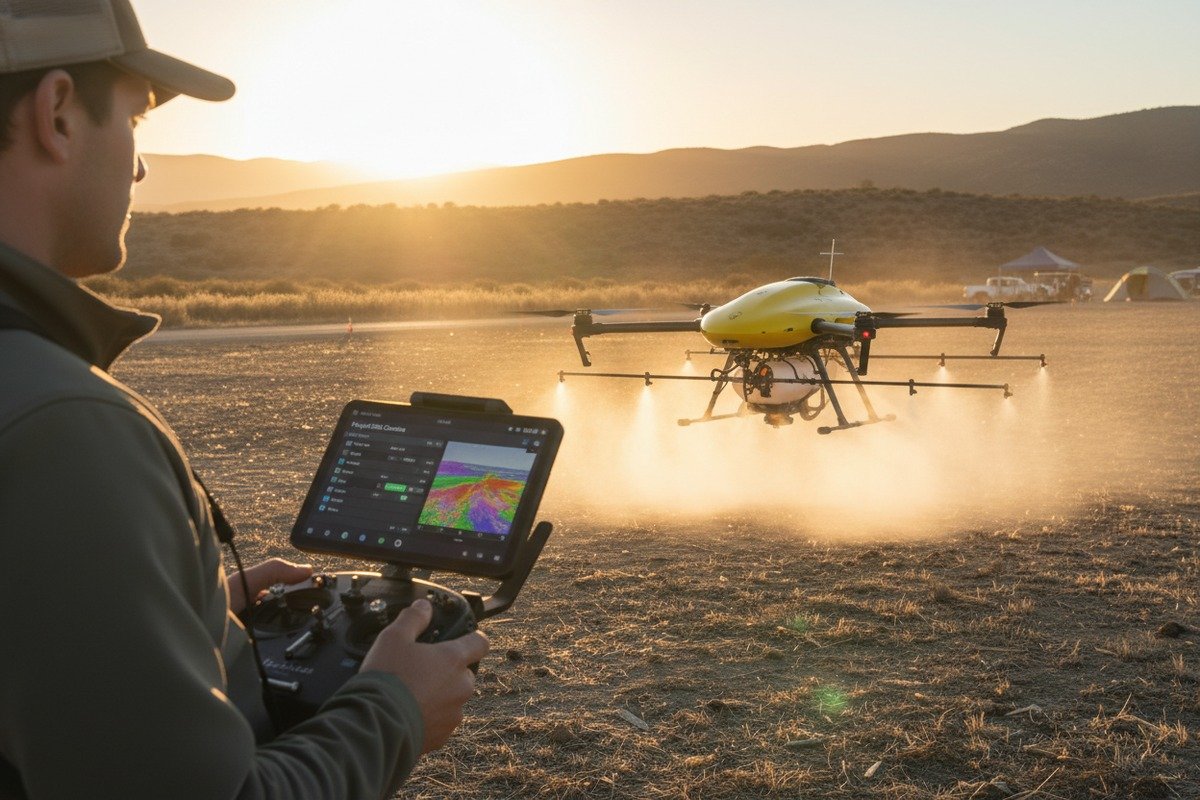
During our software development process, we spend significant time testing third-party integrations. Customers bring thermal cameras from FLIR, spray systems from agricultural vendors, and custom extinguisher mechanisms. Making these talk to flight controllers requires careful protocol matching.
Yes, integration is possible through Payload SDKs, serial communication protocols, or PWM signal outputs. Most industrial drones support DJI Payload SDK, MAVLink protocol, or proprietary APIs. Verify your payload's communication requirements match the drone's available interfaces before purchase.
Software Integration Pathways
Three main pathways exist for third-party control:
Payload SDK Integration: Platforms like DJI Matrice series offer comprehensive SDKs. These let developers write custom applications that control both drone and payload simultaneously. Our engineering team uses these SDKs to integrate thermal cameras with automated fire detection algorithms.
Serial Communication: Many industrial payloads communicate via RS-232 or RS-485 serial protocols. The drone's flight controller must have available serial ports and support the baud rates your payload requires. Common rates range from 9600 to 115200 bps.
PWM Signal Control: Simpler payloads—servo-operated release mechanisms, basic spray valves—often use PWM signals. These are the same signals that control drone motors. Most flight controllers can output auxiliary PWM channels for payload control.
Protocol Compatibility Table
| Integration Method | التعقيد | Typical Use Case | Data Rate |
|---|---|---|---|
| مجموعة تطوير البرمجيات SDK | عالية | Smart sensors, cameras | متغير |
| MAVLink | متوسط | GPS modules, telemetry | 57600 bps |
| Serial RS-232 | متوسط | Industrial sensors | Up to 115200 bps |
| PWM | منخفضة | Servos, valves | غير متاح |
| ناقل CAN | عالية | Multi-sensor networks | 1 Mbps |
Ground Station Control Features
Your ground control station must support third-party payload commands. This means more than just video feed display. Look for these features:
Blast height adjustment for extinguisher bombs. Our systems allow setting release altitude between 15 and 100 meters with 0.5-meter precision.
Spray pattern control for foam and water systems. Operators need to adjust spread angle and flow rate based on fire conditions.
Servo timing for release mechanisms. Single and dual servo systems need precise coordination. A 50-millisecond timing error can cause tumbling during drop.
Testing Before Deployment
Never trust integration works without testing. Our quality control process includes:
Bench testing with full software simulation. We run the complete command sequence while the drone is powered but grounded.
Tethered flight tests. The drone flies while secured by safety lines. All payload functions are triggered multiple times.
Free flight with inert payloads. We substitute water for flame retardant, ensuring the full system works before adding hazardous materials.
How can I verify that the drone's power supply and weight capacity meet my payload's technical requirements?
Our production engineers conduct extensive power testing before every unit ships. Firefighting payloads demand significant electrical power—thermal cameras, motorized sprayers, and release mechanisms all draw current. Undersized power systems cause mid-flight failures, the last thing you need over an active fire.
Verify power compatibility by comparing your payload's voltage requirements, peak current draw, and continuous power consumption against the drone's auxiliary power output specifications. Measure total system weight against maximum takeoff weight, then calculate remaining flight time using the manufacturer's payload-adjusted endurance charts.

Electrical Power Verification
Start with basic electrical specifications:
Voltage Matching: Most industrial drones output between 12V and 52V from auxiliary ports. Your payload must accept this range. A 24V payload on a 52V supply will burn immediately. Our systems use voltage regulators to provide stable 12V, 24V, and raw battery voltage outputs.
Current Capacity: Check both continuous and peak ratings. A thermal camera might draw 2A continuously but spike to 5A during initialization. Your drone's power system must handle these peaks without voltage sag.
Power Budget Calculation: Add up all payload power requirements. Include the drone's own consumption. Compare against battery capacity. This determines actual flight time.
Weight and Balance Calculations
Weight affects everything. Heavier drones need more power. They climb slower. They handle wind worse. They fly shorter.
| فئة الطائرات بدون طيار | الحمولة القصوى | Typical Endurance (No Payload) | Endurance at Max Payload |
|---|---|---|---|
| الصناعات الخفيفة | 5 kg | 45 minutes | 25 minutes |
| Medium Industrial | 15 kg | 40 minutes | 22 minutes |
| الرفع الثقيل | 50+ kg | 35 minutes | 18 minutes |
| Specialized (Skytech S300) | 150 كجم | 25 minutes | 12 minutes |
Our flight controllers automatically calculate center of gravity shifts. But physical verification remains essential. Mount your payload and check hover stability. If the drone tilts, the CG is off. Adjust mounting position until stable hover requires minimal control input.
Battery System Considerations
Firefighting operations often require extended flight times. Consider these factors:
Battery chemistry affects performance in heat. Polymer lithium batteries lose capacity above 40°C. Operations near flames can push ambient temperatures to 60°C or higher. Derate your expected capacity by 20% for high-heat operations.
Multiple battery configurations extend endurance but add weight. The math sometimes works against you—two batteries might not double your flight time because of the extra weight.
Real-World Power Testing
Use a multimeter and current clamp during ground testing. Power up all systems simultaneously. Record:
- Idle current draw
- Maximum current during payload operation
- Voltage drop under load
- Battery temperature after 10 minutes of full operation
Compare these measurements against specifications. Any significant deviation indicates potential problems. Our quality control rejects units with more than 5% deviation from rated specifications.
What engineering support can I expect from the manufacturer when developing custom payload control features?
When we collaborate with fire departments on custom integrations, engineering support makes or breaks the project. Some customers need simple mounting modifications. Others require complete software rewrites. Understanding what support exists—and what it costs—prevents project failures.
Expect manufacturers to provide technical documentation, SDK access, and basic integration guidance at minimum. Premium support includes dedicated engineering consultation, custom firmware development, on-site integration assistance, and ongoing software updates. Clarify support scope, response times, and costs before committing to any supplier.

Levels of Engineering Support
Support varies dramatically between manufacturers. Here's what our team typically provides, which reflects industry standards for quality suppliers:
Documentation and SDK Access: Every serious manufacturer provides technical manuals, wiring diagrams, and software development kits. This is baseline. If a manufacturer won't share technical documentation, find another supplier.
Integration Consultation: Phone or video calls with engineers who understand the platform. Our team schedules consultation sessions to discuss specific integration challenges. We help customers avoid common mistakes before they happen.
Custom Development: Full engineering services to develop features that don't exist. This includes firmware modifications, custom ground station software, and physical mounting solutions. These services typically carry additional costs.
Support Comparison Framework
| مستوى الدعم | What's Included | وقت الاستجابة النموذجي | Cost Structure |
|---|---|---|---|
| الأساسيات | Documentation, email support | 48-72 hours | متضمنة |
| قياسي | Consultation calls, SDK support | 24-48 hours | Included or minimal fee |
| بريميوم | Dedicated engineer, priority response | 4-8 hours | Monthly retainer |
| Custom Development | Full engineering services | Project-based | Quoted per project |
Questions to Ask Before Purchase
Prepare these questions for any supplier:
Do you provide remote technical support after purchase? What are the response time guarantees?
Can your engineers assist with third-party payload integration? Is there additional cost?
Do you offer on-site support for complex installations? What regions do you cover?
How often do you release firmware updates? How long do you support older models?
Can you provide references from customers who completed similar integrations?
حماية استثمارك
Engineering support matters most when things go wrong. A drone sitting unusable because nobody can solve an integration problem costs money every day. Our commitment includes:
Remote diagnostics through secure connections. We can access flight logs and system data to troubleshoot issues without shipping hardware.
Spare parts availability with clear pricing. Integration projects often require custom brackets or cables. We stock common parts and can fabricate special items within two weeks.
Software update paths that maintain third-party compatibility. Updates sometimes break integrations. We test major updates against common third-party payloads before release.
Building Long-Term Relationships
The best integrations come from ongoing partnerships. One-time purchases with no support relationship leave customers stranded. We encourage customers to discuss their three-year operational plans. This helps us provide hardware and software that grows with their needs.
Fire departments often start with basic thermal imaging. Later they add automated detection. Then they integrate with dispatch systems. Each step requires engineering support. Choose a manufacturer who will be there for the entire journey.
الخاتمة
Third-party payload verification requires systematic attention to mechanical, electrical, software, and support factors. Take time to test every interface before operational deployment. Choose manufacturers who provide genuine engineering support. Your firefighting operations depend on equipment that works perfectly when lives are at stake.
الحواشي
1. IEEE standard provides comprehensive interface requirements for drone payload devices. ︎
2. Discusses standards and design for reliable power supply integration in UAVs. ︎
3. Explains communication protocols essential for drone software integration. ︎
4. FAA handbook details principles of aircraft weight and balance control. ︎
5. Official developer guide for MAVLink, a lightweight messaging protocol for drones. ︎
6. Explains fixed nadir mounting for drone payloads and its applications. ︎
7. Provides principles and applications of gimbal-mounted camera systems for UAVs. ︎
8. Official GitHub repository for DJI Payload SDK, a key integration platform. ︎

 English
  Spanish
  German
  French
  Dutch
Dutch  Arabic
