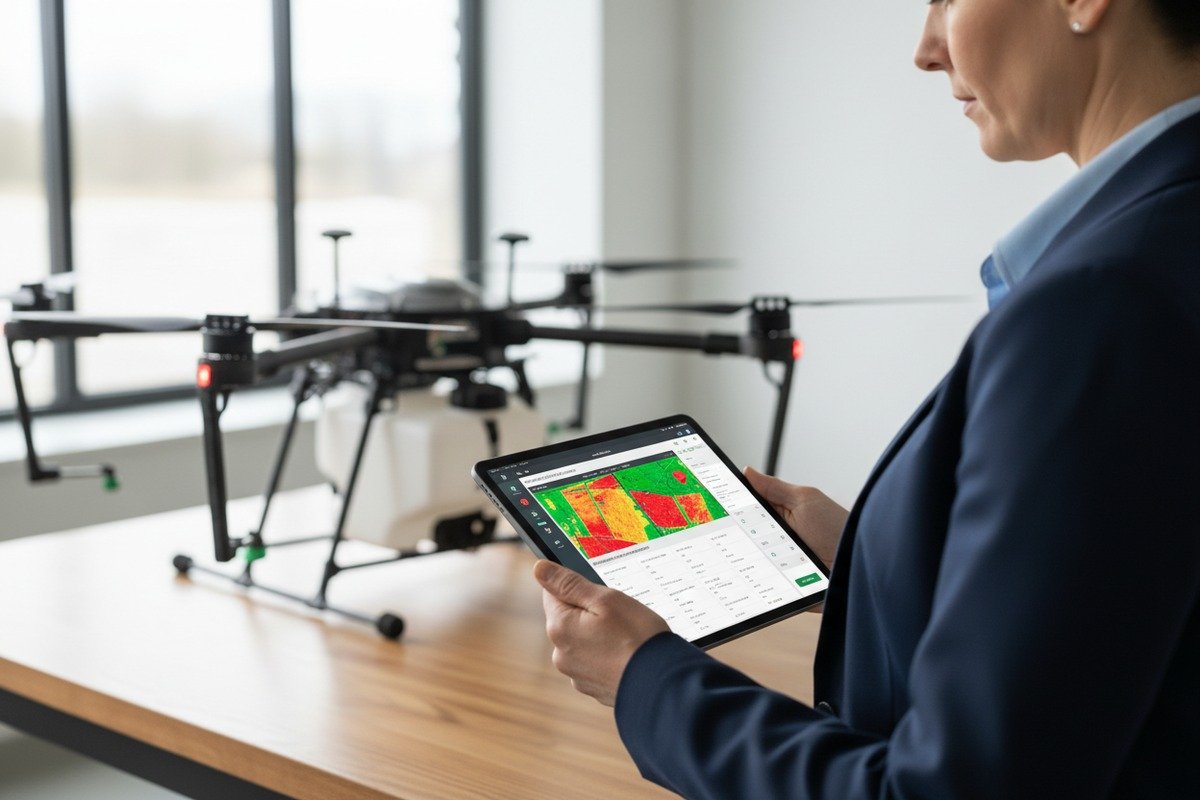
Every week, our support team receives calls from European distributors facing the same problem NDVI zoning 1. Their local farmers struggle with English-only interfaces on agricultural drone software 2. Missing translations cause costly spraying errors and frustrated customers.
To verify European language support in agricultural drone flight software, test the interface by switching your device language settings to your target European language, then navigate through all critical workflows including flight planning, crop analysis, and spraying operations. Check that agricultural terminology like NDVI zoning and sprayer calibration displays correctly in the translated version.
This guide walks you through practical verification methods precision agriculture workflows 3. We cover testing procedures, custom translation options, terminology accuracy checks, and technical support expectations. Let us help you avoid language-related issues before they affect your customers.
How can I test the multi-language interface of the flight software before placing a bulk order?
Our engineering team has spent years refining flight software for global markets remote diagnostic capabilities 4. We understand the frustration when dealers receive software that looks multilingual on paper but fails in the field. French vineyard operators need precise terminology, not Google Translate approximations.
Before placing a bulk order, request a demo version of the flight software and install it on devices set to your target European languages. Test all critical functions including flight planning, map reconstruction, spraying routes, and data analysis. Document any untranslated terms or interface elements that remain in English.
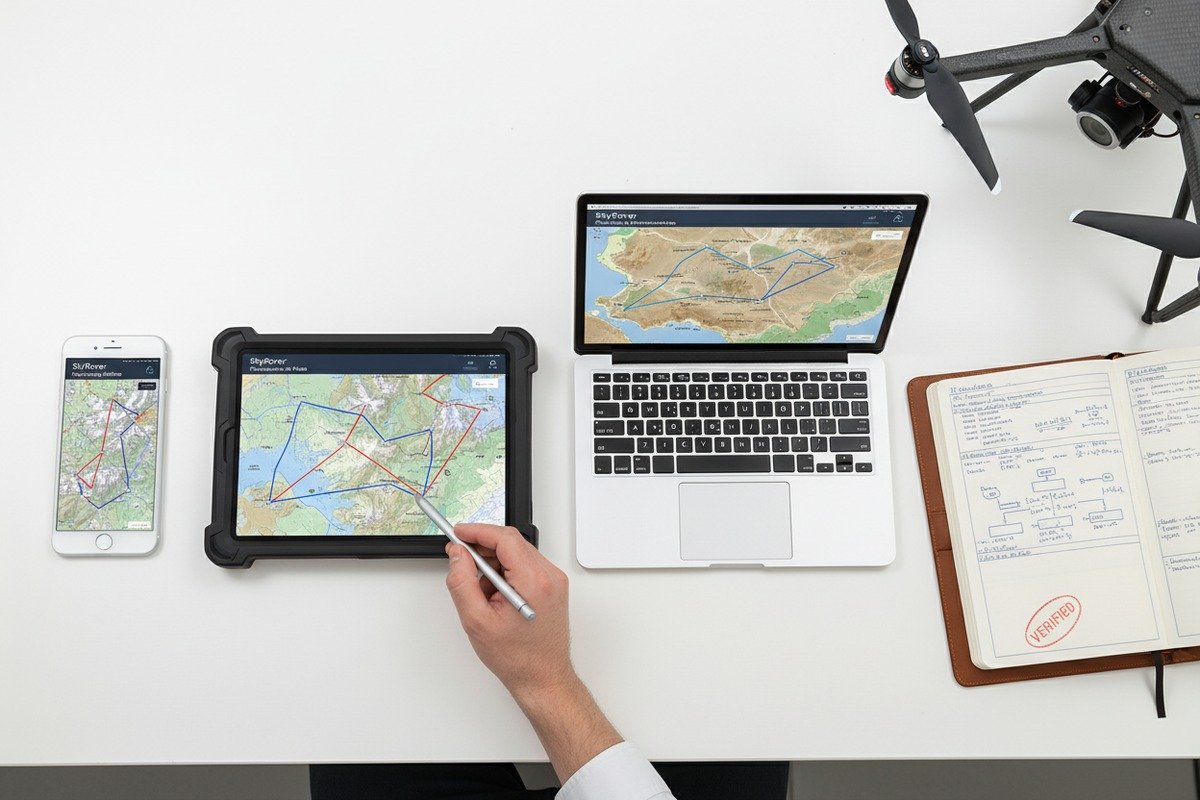
Step-by-Step Testing Protocol
The verification process requires systematic testing across multiple device types. Start with mobile applications since most field operators use smartphones and tablets. Change your device language in system settings before installing the software. This triggers the automatic language detection 5 feature most platforms use.
Open the application and navigate through every menu. Pay special attention to warning messages and error alerts. These critical safety notifications often remain untranslated even when general menus appear localized. Document each instance where English text appears unexpectedly.
Key Areas to Test
Focus your testing on agricultural-specific features. General navigation menus often receive translation priority. However, specialized farming functions frequently contain untranslated elements.
| فئة الاختبار | ما الذي يجب التحقق منه | Common Issues |
|---|---|---|
| Flight Planning 6 | Route creation, waypoint labels, altitude settings | Technical parameters often remain in English |
| Spraying Controls | Flow rate settings, nozzle selection, tank calibration | Unit measurements may not convert properly |
| Crop Analysis | NDVI maps, vegetation indices, health alerts | Scientific terminology rarely translated |
| Data Export | Report generation, field logs, compliance documents | PDF exports may default to English |
| Error Messages | System warnings, battery alerts, connection issues | Safety-critical text often untranslated |
Platform-Specific Verification
Different software platforms handle localization differently. AirData supports eight languages including French, German, Italian, Spanish, and Portuguese through automatic device detection. Drone Harmony offers German, French, Spanish, and Italian interfaces. DJI platforms vary by region and product line.
Request access to the exact software version you will distribute. Beta versions and regional variants may have different translation coverage. Our experience shows that software updated for European markets often lags behind English releases by several months.
Documentation Review
Check all supporting materials before finalizing orders. User manuals, quick-start guides, and in-app help files should match the interface language. Many manufacturers translate the software interface but leave documentation in English only. This creates support headaches when customers cannot find help in their native language.
Can I request custom European language translations for my OEM drone software?
When we work with European partners on OEM projects 8, language customization ranks among the top requests. Distributors serving France, Germany, or Spain need interfaces that feel native to their markets. Generic translations do not build customer confidence.
Yes, OEM partners can typically request custom European language translations for drone software. This requires collaboration with the manufacturer's development team, clear specification of target languages, provision of agricultural terminology glossaries, and agreement on timeline and costs. Custom translations usually add four to twelve weeks to project schedules.

Understanding OEM Translation Options
Custom translation projects vary significantly in scope and complexity. Some manufacturers offer predefined language packs that require minimal customization. Others build translations from scratch based on client requirements. Understanding these options helps you budget accurately and set realistic timelines.
Our development team categorizes translation requests into three tiers. Tier one covers interface labels and basic navigation. Tier two adds error messages, alerts, and system notifications. Tier three includes all documentation, help files, and technical specifications.
Cost and Timeline Factors
Several factors influence the cost and timeline of custom translation work. Interface complexity plays a major role. Software with extensive menus and nested options requires more translation effort. The target language also matters. Romance languages like French, Spanish, and Italian share Latin roots and translate more efficiently. German and Eastern European languages often require more specialized attention.
| Translation Scope | Typical Timeline | تأثير التكلفة | Included Elements |
|---|---|---|---|
| Interface Only | 4-6 أسابيع | Base cost | Menus, buttons, labels |
| Interface + Alerts | 6-8 weeks | +30-40% | Error messages, warnings, notifications |
| Full Localization | 10-12 weeks | +60-80% | Documentation, help files, reports |
| Regional Variants | +2-4 weeks | +15-25% | Dialect adjustments, local terminology |
Working With Manufacturers
Establish clear communication protocols early in the OEM process. Provide glossaries of agricultural terms specific to your market. French vineyard terminology differs significantly from German field crop vocabulary. Your local expertise helps translators produce accurate, contextually appropriate text.
Request samples of existing translations if available. Review these samples with native speakers from your target market. They can identify awkward phrasing or incorrect terminology before the full translation begins. This review process saves time and revision costs later.
Quality Assurance for Custom Translations
Build quality checkpoints into your agreement. Require review periods at each translation milestone. Test translated versions in realistic field conditions before approving final delivery. Our partners who conduct field tests consistently report higher satisfaction than those who approve translations based on screen reviews alone.
Consider involving end users in the review process. Farmers and operators provide valuable feedback on terminology preferences. They catch errors that professional translators might miss because they lack hands-on agricultural experience.
How do I ensure the technical agricultural terminology is correctly translated for my local European clients?
Our quality control team learned this lesson the hard way. A German distributor received software where "spray drift" translated to a term meaning "paint mist." Farmers were confused. Trust suffered. Now we implement rigorous terminology verification on every project.
Ensure accurate agricultural terminology translation by creating comprehensive glossaries of crop-specific terms, engaging native-speaking agronomists to review translations, testing software in actual field conditions with local operators, and establishing feedback loops for continuous terminology improvement. Partner with manufacturers who understand precision agriculture workflows.
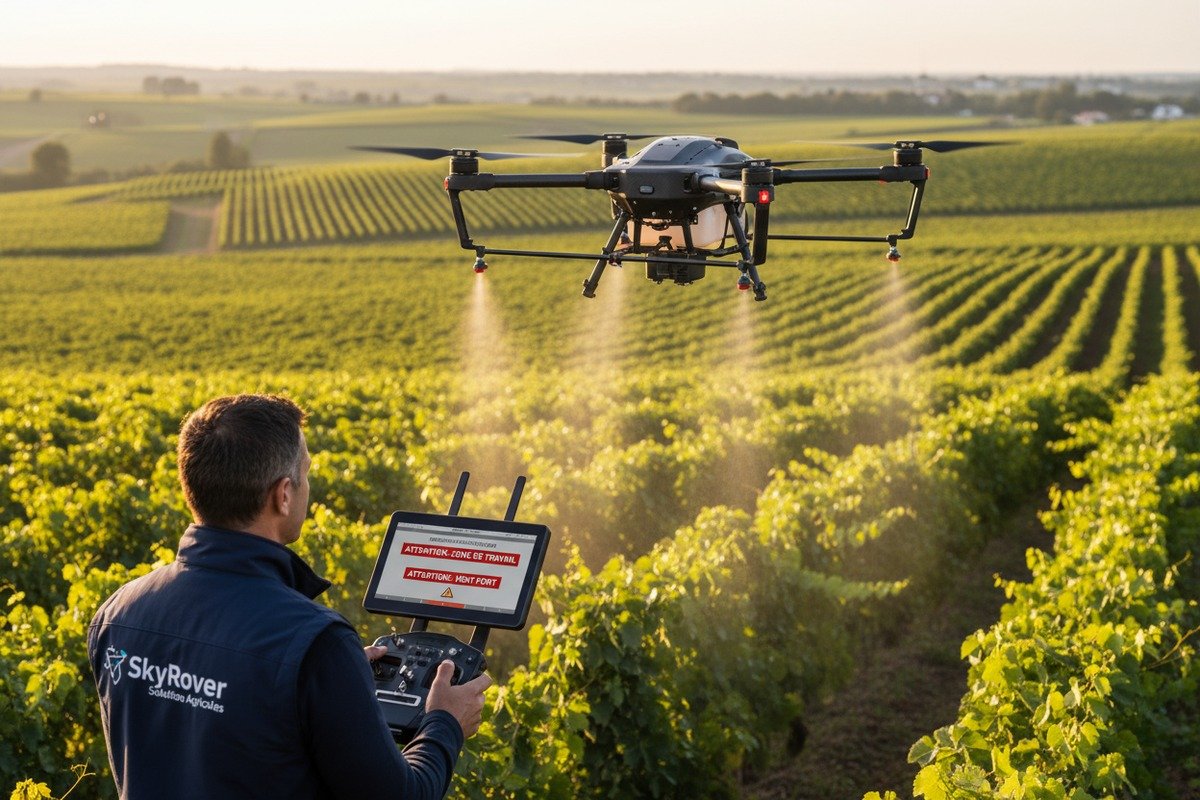
Building Effective Terminology Glossaries
Start by compiling terms specific to your regional agriculture. European farming varies dramatically by country and crop type. French viticulture uses vocabulary unknown to German grain farmers. Spanish olive growers need different terms than Italian rice producers.
Organize your glossary by functional category. Group flight control terms separately from crop analysis vocabulary. Include context notes explaining how each term appears in the software interface. This context helps translators choose appropriate equivalents.
| Term Category | Example English Terms | Verification Priority | Common Translation Errors |
|---|---|---|---|
| Flight Control | Waypoint, geofence, return-to-home | عالية | Literal translations that confuse operators |
| Spraying Operations | Flow rate, droplet size, drift control | الحرجة | Generic terms instead of industry-standard vocabulary |
| Crop Analysis | NDVI, chlorophyll index, canopy density | الحرجة | Scientific terms left untranslated |
| Mapping | Orthomosaic, ground sampling distance | متوسط | Technical jargon without explanation |
| الامتثال | No-fly zone, flight log, operator certification | عالية | Legal terminology mismatches |
Engaging Agricultural Experts
Professional translators rarely have farming backgrounds. They produce grammatically correct text that may miss agricultural nuance. Engage agronomists or experienced operators to review translations alongside linguistic experts. This dual review catches both language errors and terminology mistakes.
Consider regional agricultural extension services as review partners. Many European countries have public agricultural advisory organizations. These experts understand local farming practices and can verify that translations match how farmers actually speak about their work.
Field Testing Protocols
Laboratory reviews cannot replace field testing. Software that reads correctly on screen may fail in practical use. Operators under pressure need instant comprehension of interface elements. Ambiguous translations cause hesitation that affects mission success.
Design field tests that cover realistic scenarios. Include emergency procedures where clear terminology matters most. Test under various conditions including bright sunlight where screen readability decreases. Document operator feedback systematically.
Continuous Improvement Systems
Languages evolve. Agricultural practices change. New crop varieties enter markets. Your terminology verification should be ongoing, not a one-time project. Establish systems to collect feedback from field users and incorporate corrections into software updates.
Create direct communication channels between your customers and the manufacturer's translation team. This feedback loop ensures that terminology improvements reach future software versions. Distributors who actively participate in this process build stronger relationships with both manufacturers and end customers.
What kind of technical support can I expect if my customers encounter bugs in the localized software version?
When we launched our first multilingual software release, support tickets from European distributors increased threefold in the first month. Most issues involved localization bugs, not hardware problems. We restructured our entire support system based on that experience.
For localized software bugs, expect manufacturer support to include multilingual technical documentation, remote diagnostic capabilities, escalation paths to development teams, and patch deployment timelines. Quality manufacturers provide dedicated support contacts for regional partners, maintain bug tracking systems accessible to distributors, and commit to resolution timeframes in service agreements.
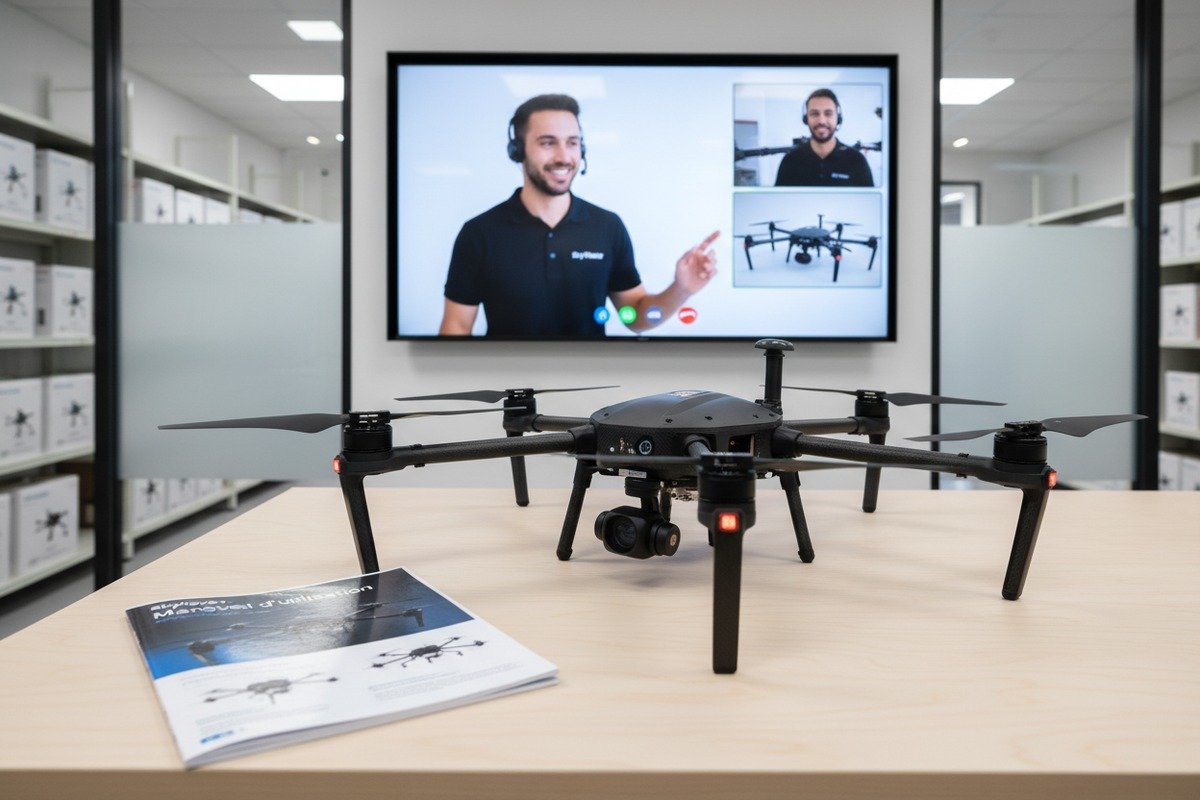
Understanding Support Tiers
Technical support for localized software operates on multiple levels. First-tier support handles common issues through documentation and guided troubleshooting. Second-tier support involves technical specialists who can diagnose complex problems remotely. Third-tier support escalates bugs to the development team for software fixes.
Clarify which support tiers your agreement includes. Some manufacturers provide only first-tier support for localized versions, expecting distributors to handle regional language issues independently. Others offer full support across all tiers regardless of language version.
توقعات وقت الاستجابة
Support response times vary significantly by manufacturer and agreement type. Standard support may offer 48-72 hour response windows. Premium support agreements often guarantee same-day responses during business hours. Critical issues affecting safety or flight operations should have escalation procedures for immediate attention.
| مستوى الدعم | وقت الاستجابة النموذجي | Issue Types Covered | Escalation Path |
|---|---|---|---|
| الأساسيات | 48-72 hours | Documentation questions, basic troubleshooting | Email only |
| قياسي | 24-48 ساعة | Interface bugs, translation errors, functionality issues | Email + ticket system |
| بريميوم | 4-8 ساعات | Critical bugs, safety-related issues, mission failures | Direct phone + priority queue |
| Enterprise | 1-4 hours | All issues including custom development problems | Dedicated account manager |
Bug Reporting Best Practices
Effective bug reports accelerate resolution times. Train your team to document issues systematically. Include screenshots showing the exact error in context. Note the device type, operating system version, and software version. Describe the steps that triggered the bug.
For localization-specific bugs, indicate whether the issue affects functionality or only display. A button that shows incorrect text but works correctly has lower priority than a feature that fails because of translation-related code errors. This distinction helps support teams prioritize effectively.
Patch Deployment and Version Control
Ask manufacturers about their patch deployment process for localized versions. Some release fixes for all language versions simultaneously. Others update the primary English version first, with localized versions following weeks or months later. Understand this timeline to set appropriate expectations with your customers.
Version control matters significantly for localized software. Ensure you can identify exactly which software version runs on each deployed system. This information is essential for troubleshooting and for verifying that patches reach affected units.
Building Internal Support Capabilities
Do not rely solely on manufacturer support. Build internal capabilities to handle common localization issues. Create knowledge bases documenting known bugs and workarounds. Train your team to recognize patterns in customer reports that indicate localization problems versus hardware or user error issues.
Our most successful distribution partners maintain dedicated technical staff who speak both the local language and English. These bilingual experts bridge communication gaps between end customers and manufacturer support teams. They translate technical details accurately and ensure nothing gets lost between languages.
الخاتمة
Verifying European language support in agricultural drone flight software requires systematic testing, clear communication with manufacturers, and ongoing quality assurance. Test interfaces thoroughly before bulk orders. Request custom translations when standard options fall short. Verify agricultural terminology with local experts. Establish strong technical support agreements. These steps protect your business and serve your European customers effectively.
الحواشي
1. Explains the Normalized Difference Vegetation Index and its role in assessing crop health. ︎
2. Provides market insights and applications of drone software in agriculture. ︎
3. Outlines the systematic stages involved in optimizing farming through data and technology. ︎
4. Replaced HTTP unknown with an authoritative Wikipedia page on remote diagnostics. ︎
5. Explains the computational process of automatically identifying the language of text or speech. ︎
6. Illustrates a platform offering automated missions and tools for drone flight planning. ︎
7. Provides fundamental methods and importance of calibrating agricultural sprayers. ︎
8. Defines Original Equipment Manufacturer and its role in producing components for other companies. ︎
9. Provides a comprehensive list of definitions for terms and concepts used in agriculture. ︎

 English
  Spanish
  German
  French
  Dutch
Dutch  Arabic
