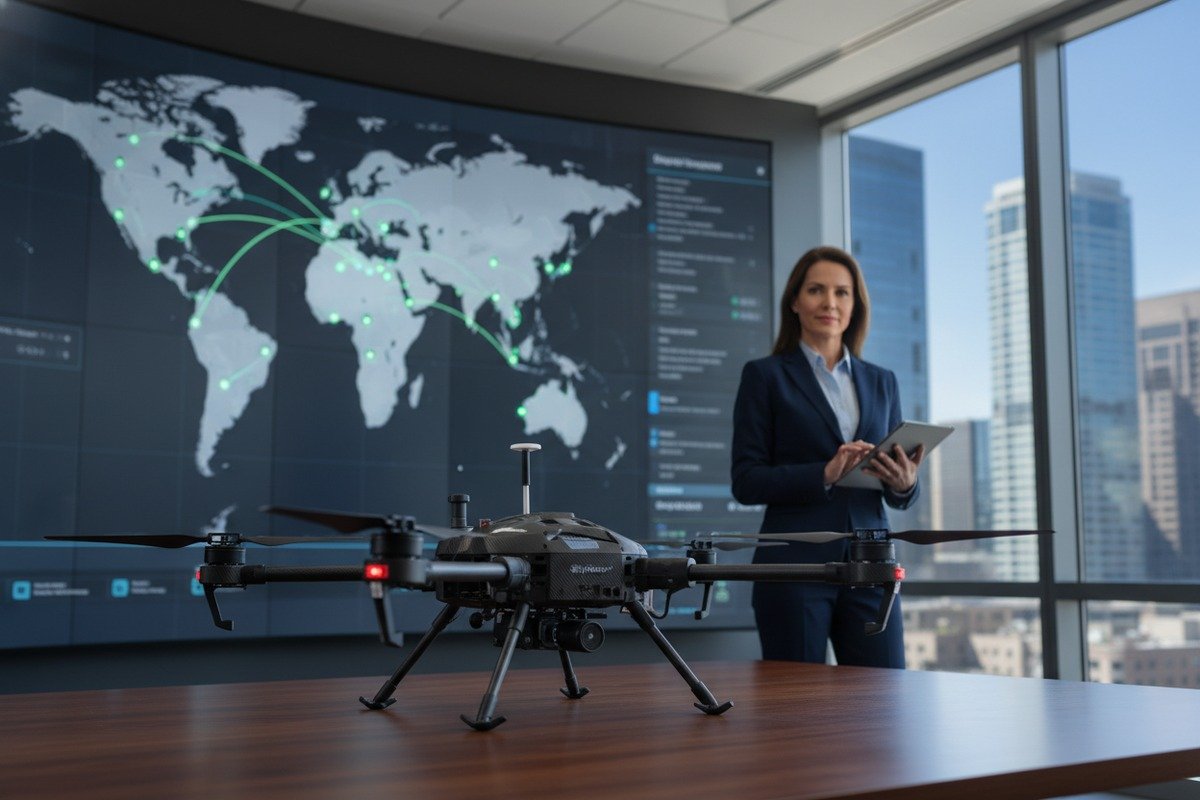
When our production lines ship طائرات زراعية بدون طيار 1 to European buyers, port strikes can turn a smooth delivery into a logistical nightmare. The February 2026 coordinated dockworkers’ strike 2 paralyzed ports from Italy to Greece, leaving shipments stranded and customers frustrated.
To manage European port strike delays when sourcing agricultural drones, diversify your entry ports, build buffer inventory, leverage air freight for urgent shipments, and partner with suppliers offering door-to-door delivery services that include alternative routing capabilities and real-time cargo tracking.
This guide breaks down practical strategies to keep your agricultural drone supply chain 3 running smoothly. Let us walk through each critical area step by step.
How can I reroute my agricultural drone shipments to avoid major European port strikes?
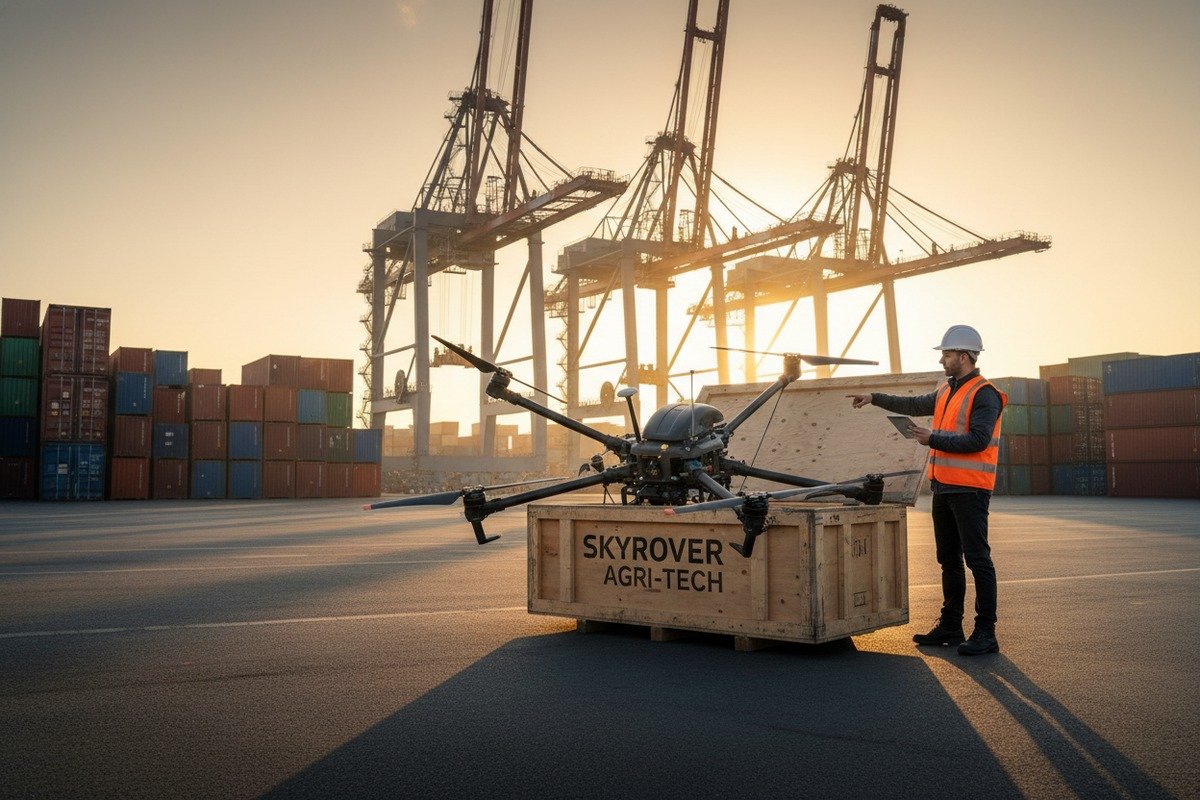
Our logistics team learned hard lessons during the February 6, 2026 strike when vessels carrying our hexacopter drones 4 sat idle offshore at Livorno. Watching high-value cargo wait while port workers protested automation policies forced us to rethink our entire European distribution approach.
To reroute agricultural drone shipments around strikes, identify secondary ports in non-affected regions, pre-arrange contracts with logistics partners at multiple entry points, monitor labor negotiations closely, and maintain flexibility to switch from Mediterranean to Northern European routes or vice versa within 48 hours.
Understanding the Strike Landscape
The coordinated international dockworkers' strike on February 6, 2026, affected multiple countries simultaneously. Italy experienced a national 24-hour stoppage impacting Genoa, La Spezia, Livorno, Venice, and Ravenna. Greece saw Piraeus paralyzed completely. Spain's Bilbao and Pasaia joined the action. Turkey's Mersin and Antalya also participated. This coordination created what logistics experts call "high-impact schedule distortion."
For agricultural drone importers, this meant vessels like the Zim Virginia sat offshore at Livorno while sensitive electronics and flight controllers waited in cargo holds. Unlike bulk commodities, our drones contain بطاريات الليثيوم 5 and precision sensors requiring careful handling and climate control.
Primary and Secondary Port Options
| Region | Primary Ports (Strike-Prone) | Alternative Ports | Average Wait Time Difference |
|---|---|---|---|
| Mediterranean | Piraeus, Genoa, Livorno | Barcelona, Marseille, Koper | 2-3 days shorter |
| Northern Europe | Hamburg, Rotterdam, Antwerp | Gdansk, Gothenburg, Felixstowe | 1-2 days shorter |
| Atlantic | Le Havre | Southampton, Lisbon | متغير |
Building a Flexible Routing Network
We now maintain active relationships with freight forwarders at minimum three entry points per European region. This redundancy costs extra in administrative overhead, but the savings during disruption events far outweigh these costs.
Key steps include:
- Pre-clear documentation for multiple ports of entry
- Establish bonded warehouse arrangements at backup locations
- Create transport contracts with trucking companies that can collect from various ports
- Set up communication protocols with your Chinese supplier for rapid booking changes
Monitoring Labor Situations
Strike actions rarely happen without warning. Unions typically announce intentions weeks in advance. The Le Havre strikes potentially resuming in April 2026 if talks fail demonstrate why ongoing monitoring matters. Subscribe to port authority bulletins, follow maritime unions on social media, and ask your logistics partners for weekly situation reports.
What inventory strategies should I use to ensure my drone supply remains stable during logistics delays?
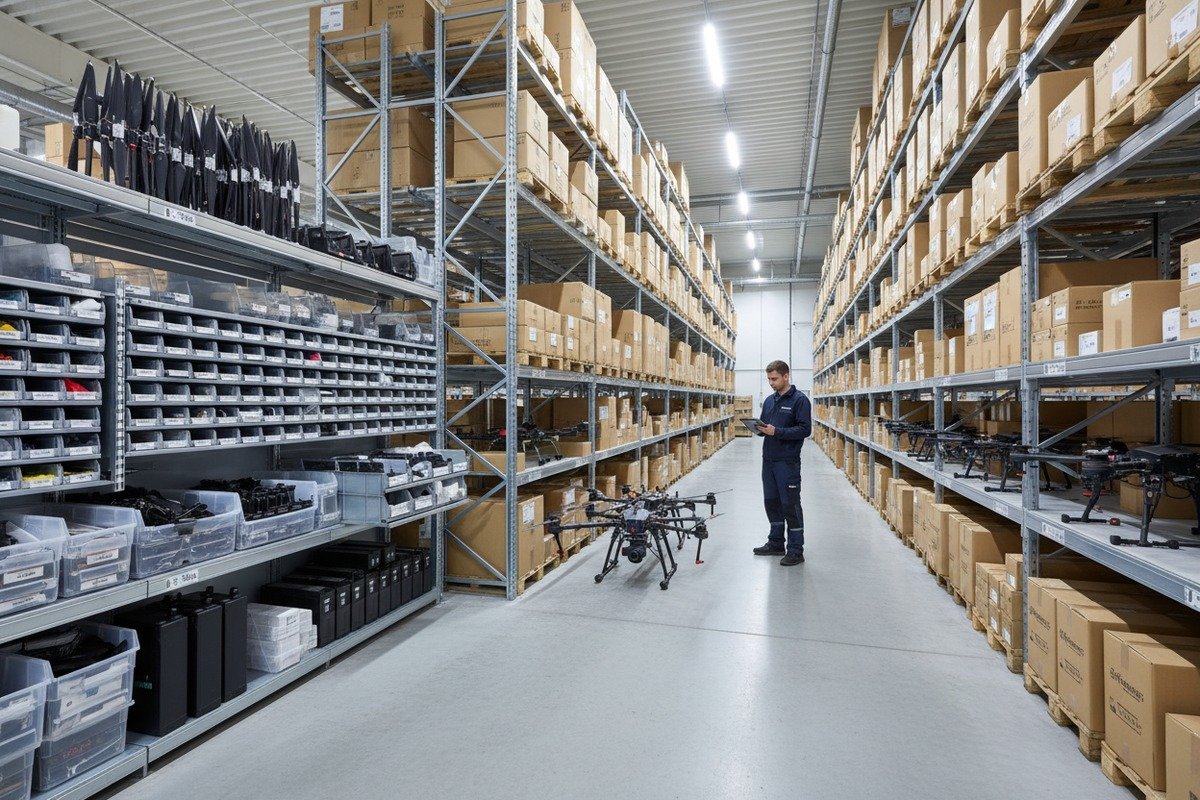
In our warehouse, we stock critical components separately from finished units. This approach saved a major European distributor last winter when their complete drone shipment got stuck at Piraeus for nearly a week during labor actions.
Implement a three-tier inventory strategy: maintain 4-6 weeks of finished drone stock, keep 8-12 weeks of critical spare parts, and establish regional buffer warehouses within Europe to decouple your sales operations from port disruptions entirely.
Calculating Safety Stock Levels
قياسي just-in-time inventory 6 works poorly for international drone sourcing. Transit times from China to Europe run 25-35 days by sea. Add potential strike delays of 4-7 days, and your buffer calculations change dramatically.
| Component Type | Normal Lead Time | Strike-Adjusted Lead Time | Recommended Safety Stock |
|---|---|---|---|
| Complete Drones | 30-35 days | 40-45 days | 6 weeks of average demand |
| Flight Controllers | 25-30 days | 35-40 days | 10 weeks |
| Motors & ESCs | 28-32 days | 38-42 days | 8 weeks |
| Spray Systems | 30-35 days | 40-45 days | 6 weeks |
| البطاريات | 35-40 days (special handling) | 45-50 days | 4 weeks (storage costs high) |
Regional Warehouse Strategy
Smart importers establish bonded warehouses or distribution centers within Europe itself. Locations in Poland, Czech Republic, or the Netherlands offer strategic advantages. Goods clear customs once, then distribute domestically without further port dependency.
Our team helps customers set up these arrangements by:
- Shipping larger quarterly orders to European warehouses
- Providing documentation for duty deferral schemes
- Offering volume discounts that offset warehousing costs
- Coordinating with local logistics partners for final delivery
Demand Forecasting Adjustments
Agricultural drone demand follows seasonal patterns. Spring planting drives orders from February through May. Harvest seasons create secondary peaks. Align your inventory buildups with these cycles, but add strike-risk buffers during historically contentious periods.
European port labor typically negotiates contracts in winter months. The February 2026 strike demonstrated this pattern. Plan heavier inventory builds in late autumn to carry through potential winter disruptions.
Component-Level Thinking
Not all drone parts matter equally during shortages. A missing flight controller grounds an entire fleet. A scratched body panel causes cosmetic complaints only. Prioritize safety stock based on:
- Criticality to drone operation
- Availability of local alternatives
- Lead time for emergency air freight
- Customer tolerance for delays
How can my Chinese drone supplier assist me with door-to-door delivery despite European port congestion?
When we ship our agricultural hexacopters to European customers, we handle everything from factory floor to farm gate. This door-to-door capability becomes especially valuable when ports experience congestion or strike actions that would otherwise strand cargo.
A capable Chinese drone supplier assists with door-to-door delivery by managing carrier bookings across multiple ports, handling customs documentation for various entry points, arranging inland transport from port to final destination, providing real-time shipment tracking, and maintaining relationships with backup logistics providers.
What Door-to-Door Service Actually Means
Many suppliers quote "door-to-door" but deliver only port-to-port. door-to-door delivery 7 True door-to-door service for agricultural drones includes:
- Factory pickup and export customs clearance in China
- Ocean freight booking with carrier flexibility
- Import customs clearance at European destination
- Inland transport to customer's specified address
- Delivery scheduling and confirmation
- Documentation package for customer records
Supplier Capabilities That Matter During Disruptions
| Capability | ما أهمية ذلك | Questions to Ask Your Supplier |
|---|---|---|
| Multi-port booking authority | Enables rapid rerouting | "Which European ports can you ship to directly?" |
| Customs broker networks | Speeds clearance at backup ports | "Do you have customs agents at secondary ports?" |
| Inland transport contracts | Ensures final delivery regardless of entry point | "Can you arrange trucking from any EU port?" |
| Real-time tracking systems | Provides visibility for planning | "What tracking information will I receive?" |
| Insurance coordination | Protects against delay-related losses | "Does your insurance cover strike-related delays?" |
Communication Protocols During Disruptions
When the February 2026 strikes hit, our team contacted affected customers within 12 hours with updated ETAs and alternative plans. This proactive communication required:
- Monitoring vessel tracking systems continuously
- Maintaining direct contacts at port terminals
- Having pre-approved backup routing plans
- Providing customers with realistic timeline updates
Your supplier should communicate strike impacts immediately, not wait for customers to inquire. Ask potential suppliers about their communication protocols during past disruptions.
Cost Structures for Flexible Delivery
Door-to-door pricing typically includes contingency margins for disruption scenarios. When evaluating supplier quotes, understand what flexibility those prices include. Some suppliers quote rock-bottom prices but charge emergency fees when problems arise. Others include reasonable buffers that cover rerouting costs.
Our pricing structure, for example, includes rerouting capability to any of eight European ports without surcharge. Customers pay slightly more per unit but avoid surprise fees during crises.
Selecting Suppliers With Proven Disruption Management
Ask potential suppliers directly about their February 2026 strike responses. How many shipments did they successfully reroute? What was their average delay compared to industry benchmarks? Did customers face unexpected charges? Real experience matters more than promises.
What are my best options for air freight if my sea shipments are stuck at a strike-bound port?
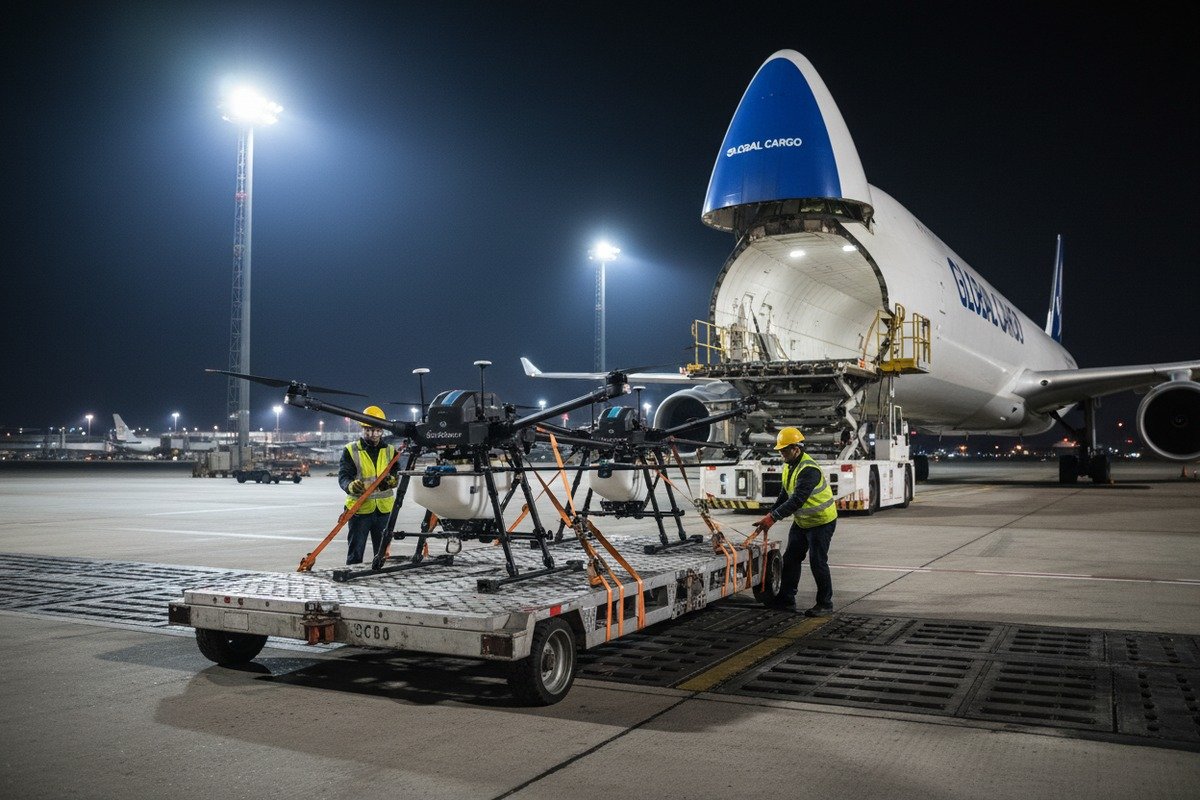
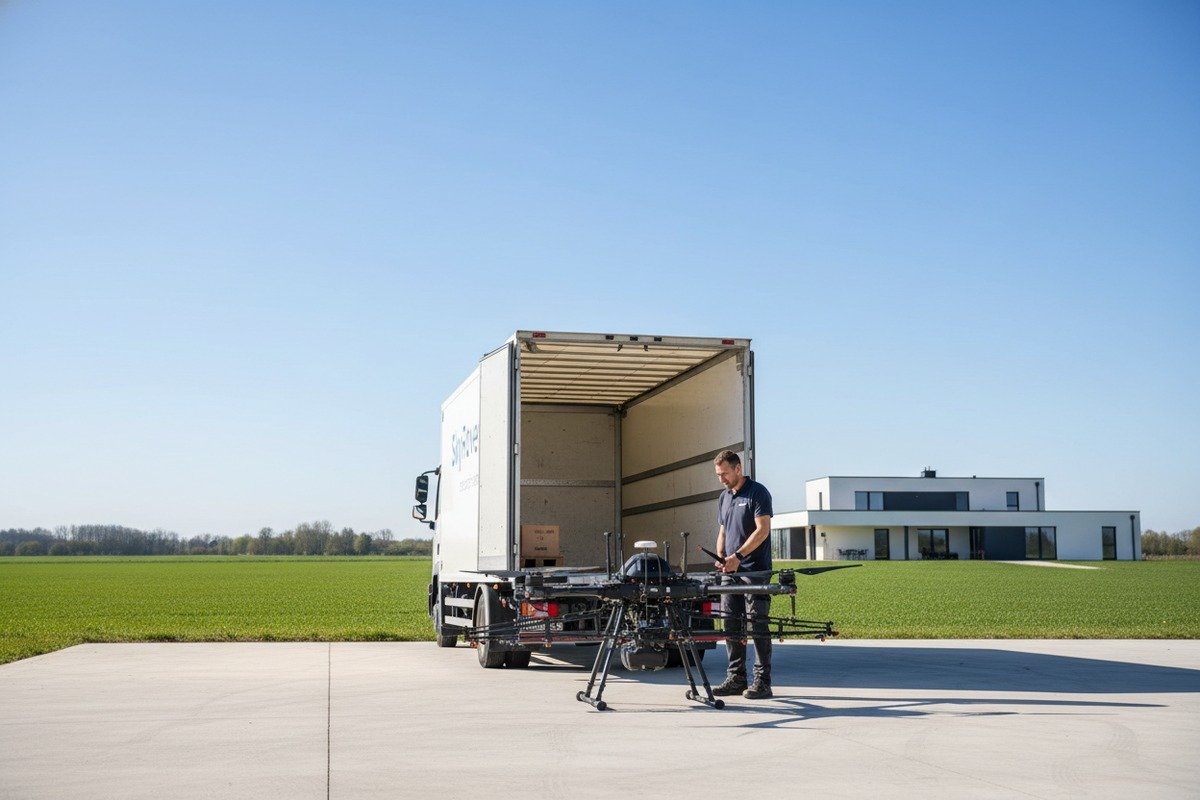
Our engineering team once needed to air freight replacement flight controllers to a German agricultural company whose main shipment sat at Piraeus during labor actions. The air freight cost five times more than sea, but it kept their spraying operations running during peak season.
For air freight options when sea shipments are stuck, contact your supplier immediately about diverting urgently needed items, compare rates between dedicated cargo carriers and passenger aircraft belly cargo, consider partial shipments of only critical components, and pre-establish air freight accounts before emergencies occur.
When Air Freight Makes Financial Sense
Air freight for complete agricultural drones is expensive. Our hexacopters weigh 25-40 kg each, and dimensional weight calculations often exceed actual weight. However, certain situations justify the cost:
| السيناريو | Sea Freight Cost | Air Freight Cost | Break-Even Calculation |
|---|---|---|---|
| Complete drone unit (35kg) | €150-200 | €800-1,200 | Customer penalty >€600 |
| Flight controller only (0.5kg) | €15-25 | €45-75 | Drone grounded >2 days |
| Motor set (4kg) | €40-60 | €180-280 | Fleet downtime >€200/day |
| Battery pack (8kg) | €80-120 (DG handling) | €400-600 (DG rates) | Seasonal deadline critical |
Air Freight Booking Options
Several pathways exist for emergency air shipments from China to Europe:
Dedicated Cargo Carriers: Companies like Cargolux, AirBridgeCargo, and Emirates SkyCargo operate freighter aircraft with space for heavier drone shipments. Booking requires 2-3 days advance notice typically.
Passenger Belly Cargo: Airlines flying passenger routes offer cargo space beneath passenger cabins. Capacity is limited, but availability is often better. Good for smaller component shipments.
Express Couriers: DHL, FedEx, UPS, and SF Express provide door-to-door air express services. Fastest option for small packages. Most expensive per kilogram.
Charter Services: For very large orders or extreme urgency, partial aircraft charters exist. Rarely economical for drone shipments unless combined with other cargo.
Pre-Positioning for Air Freight Emergencies
Smart planning reduces air freight costs when emergencies occur:
- Establish accounts with major air cargo providers before you need them
- Pre-clear customs documentation for air shipments
- Identify which components are most critical and lightweight
- Maintain supplier relationships that include air freight capabilities
- Consider air-sea combinations where urgent items fly while bulk follows by ship
Lithium Battery Considerations
Agricultural drone batteries require dangerous goods handling 8 for air transport. Not all carriers accept them. Those that do charge premiums and require specific packaging and documentation. Plan battery shipments separately from other components when using air freight.
We maintain IATA-compliant battery packaging and documentation ready for emergency air shipments. This preparation adds minimal cost but saves days when urgency strikes.
Cost Recovery Options
Air freight emergency costs may be recoverable through:
- Force majeure clauses in supply contracts
- Logistics interruption insurance policies
- Negotiated cost-sharing with customers facing deadlines
- Supplier contingency funds (ask about these during negotiations)
الخاتمة
Managing European port strike delays requires proactive planning, flexible partnerships, and strategic inventory positioning. By diversifying ports, building buffer stocks, choosing suppliers with door-to-door capabilities, and preparing air freight contingencies, your agricultural drone supply chain can weather labor disruptions successfully.
الحواشي
1. Provides a comprehensive overview of agricultural drones and their applications. ︎
2. Provides a general overview of strike action, including those by dockworkers. ︎
3. Explains how drone technology can manage supply chain risk and transparency in agriculture. ︎
4. Defines hexacopter drones, their configuration, and common applications. ︎
5. Explains the fundamental working principles and components of lithium-ion batteries. ︎
6. Offers a comprehensive definition and guide to just-in-time inventory management. ︎
7. Provides a general definition and overview of door-to-door shipping services. ︎
8. Provides information on the IATA Dangerous Goods Regulations for air transport. ︎

 English
  Spanish
  German
  French
  Dutch
Dutch  Arabic
