
When our engineering team receives inquiries about patent documentation, confusion often surfaces immediately. Buyers ask about certificates but cannot distinguish what they actually protect. This gap creates serious procurement risks.
Design patents protect only the ornamental appearance of firefighting drones—shapes, colors, and visual elements. Utility models and utility patents protect functional innovations like propulsion systems, fire suppression mechanisms, and payload delivery. Checking patent titles, claim language, and numbering systems helps buyers quickly identify which type of protection applies to their sourced drones.
Understanding these differences directly impacts your supply chain security, spare parts availability, and legal exposure. Let us walk through the practical identification methods that matter most for procurement decisions.
How do I tell if a firefighting drone's patent covers its physical appearance or its actual mechanical performance?
From our production floor in Xi'an, we handle patent documentation daily. Buyers often send us competitor patents asking if our drones infringe. The confusion between appearance protection and functional protection wastes everyone's time and money.
To identify patent type, check three elements: the patent title (design patents say "ornamental design"), the claims section (utility patents list functional claims while design patents use only drawings), and the patent number prefix (US design patents start with "D" while utility patents use standard numbers). These indicators reveal whether protection covers looks or performance.

Reading Patent Titles and Abstracts
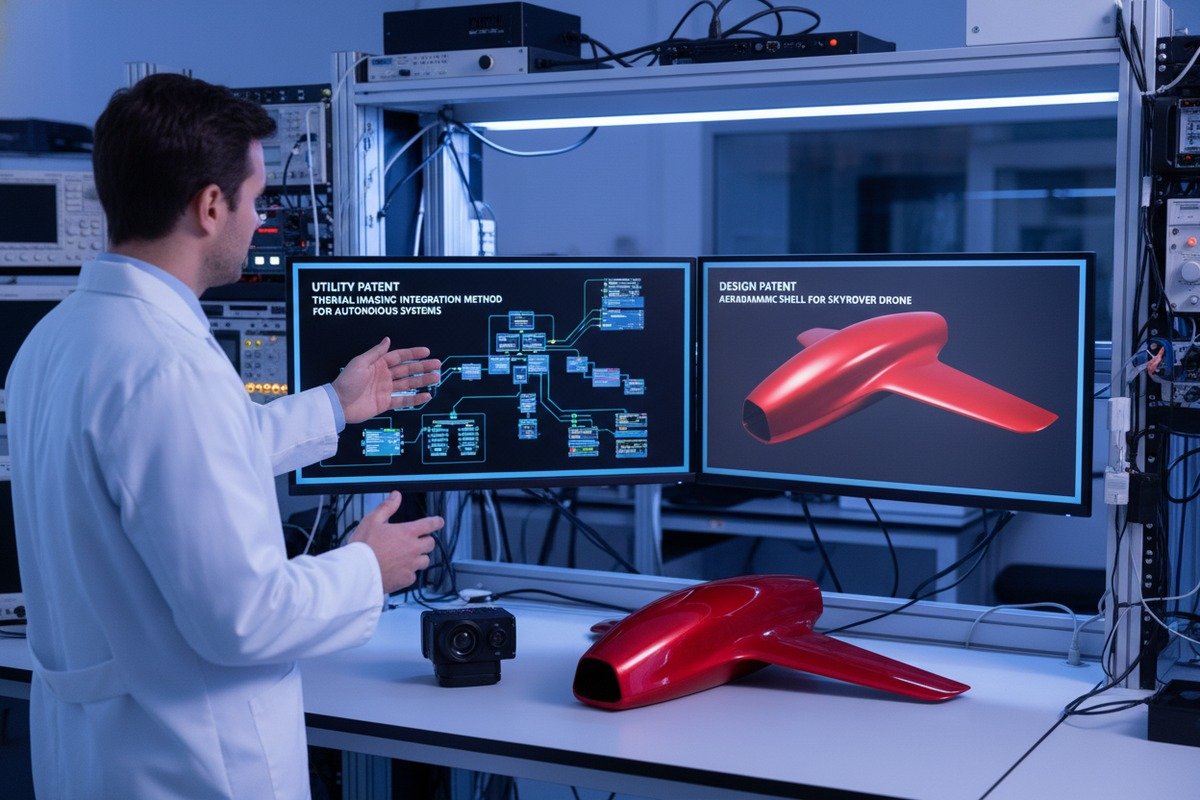
The fastest identification method starts with the patent title 1. Design patents 2 almost always include phrases like "ornamental design for" followed by the product name. A firefighting drone design patent might read "Ornamental Design for Unmanned Aerial Vehicle Body." Utility patents use functional language such as "Fire Suppression System for Autonomous Aerial Vehicles" or "Thermal Imaging Integration Method for Emergency Response Drones."
Our quality control team maintains a checklist for incoming supplier documentation. We require clear patent type identification before proceeding with any licensing discussions.
Examining Claims Versus Drawings
Design patents contain no written claims describing functionality. They rely entirely on drawings or photographs showing the protected appearance from multiple angles. If you open a patent document and find only images with minimal text, you are looking at design protection.
Utility patents include detailed claim sections 3. These claims use specific technical language describing how the invention works. For firefighting drones, utility patent claims might describe "a payload release mechanism comprising a servo-actuated valve connected to a pressurized water reservoir." This functional description signals performance protection.
Patent Number Systems by Country
| Country/Region | Design Patent Prefix | Utility Patent Format | Utility Model Code |
|---|---|---|---|
| United States | D (e.g., D950,000) | Standard numbers (10,000,000+) | Not available |
| الصين | ZL + "Design" designation | ZL + number | ZL + "Utility Model" |
| European Union | RCD numbers | EP numbers | Varies by member state |
| ألمانيا | DE + Design code | DE + Patent code | DE + Gebrauchsmuster |
When our export team prepares documentation for US buyers, we clearly separate design registrations from utility protections. This prevents confusion during customs clearance and due diligence processes.
The Functionality Test
A simple mental test helps distinguish protection types. Ask yourself: "Does this patent stop competitors from making something that looks similar, or from making something that works similarly?"
If changing the drone's color, shape, or surface texture would avoid infringement, the patent is design-based. If avoiding infringement requires changing how the drone actually operates—its motors, sensors, or fire suppression delivery—the patent protects function.
Our R&D department encountered this distinction when developing our latest octocopter chassis. The carbon fiber arm configuration we created serves aerodynamic purposes, not purely aesthetic ones. This functional purpose guided our decision to pursue utility model protection in China and full utility patent protection for international markets.
Why is a utility model more important than a design patent for my long-term drone maintenance and part availability?
Our after-sales support team tracks every maintenance request from international customers. The pattern is clear—buyers who sourced drones protected only by design patents face part shortages faster than those who secured utility model or utility patent documentation.
Utility models protect functional components like motors, gimbals, and payload mechanisms—the parts that wear out and need replacement. Design patents only protect external appearance, offering no coverage for internal mechanisms. When sourcing firefighting drones, utility model documentation signals that the supplier invested in protecting functional innovations, indicating better long-term part manufacturing commitment and technical support capability.
The Parts Availability Connection
Suppliers who file utility models 4 demonstrate commitment to specific technical solutions. These filings require documentation of how components work, which means the supplier maintains detailed manufacturing specifications. When you need replacement parts five years after purchase, suppliers with utility model portfolios can reproduce exact components.
Design patents require only drawings of external appearance. A supplier holding only design patents may have outsourced internal component manufacturing entirely. When that outsourced supplier disappears, your spare parts source vanishes too.
Protection Duration Differences
| Protection Type | المدة النموذجية | Maintenance Fees | Renewal Complexity |
|---|---|---|---|
| Utility Patent | 20 years from filing | Required periodically | عالية |
| Design Patent | 15 years from grant | None required | منخفضة |
| Utility Model (China) | 10 years | Required | متوسط |
| Utility Model (Germany) | 10 years | Required | متوسط |
Our firefighting drone product lines carry utility model protection in China specifically because the 10-year window matches typical product lifecycle expectations. When we commit to utility model filings, we simultaneously commit to maintaining manufacturing capability for that protection period.
Technical Documentation Quality
Utility model applications require detailed technical descriptions. Suppliers who complete these applications possess comprehensive engineering documentation. This documentation enables:
- Accurate spare part reproduction
- Third-party repair authorization
- Technical training for your maintenance staff
- Modification and upgrade pathways
Design patents require no such technical depth. A supplier could hold design patents while lacking any internal engineering documentation whatsoever.
Real-World Maintenance Scenarios
Consider a firefighting drone deployed in harsh wildfire conditions. After two seasons, the thermal imaging gimbal motor fails. With utility model documentation, your supplier's engineering team can identify exact replacement specifications. Without it, you face generic part substitution that may compromise performance or void certifications.
Our customer support protocols include utility model reference numbers in all maintenance communications. This practice ensures replacement parts match original specifications exactly, maintaining certification compliance for our customers' fleets.
How can I verify the authenticity of a Chinese supplier's utility model patents before I place a bulk order?
When we exhibit at international trade shows, buyers frequently mention past experiences with fraudulent patent claims. One procurement manager showed us competitor documentation that listed non-existent utility model numbers. Verification before ordering prevents costly mistakes.
Verify Chinese utility model authenticity through the China National Intellectual Property Administration (CNIPA) database at english.cnipa.gov.cn. Search the exact patent number provided by your supplier, confirm the patent holder name matches the supplier's legal entity, check the filing and expiration dates, and review the technical claims to ensure they actually cover the drone model you are purchasing.

Step-by-Step Database Verification
The CNIPA database provides English-language access to Chinese patent records. Follow this verification sequence:
- Obtain the exact utility model number from your supplier
- Access the CNIPA English portal
- Enter the patent number in the search field
- Compare the registered patent holder against your supplier's business license name
- Review the patent status (active, expired, or invalidated)
- Download the technical claims and compare against product specifications
Our export documentation includes direct links to our utility model registrations. We encourage all buyers to independently verify before signing purchase agreements.
Red Flags in Patent Documentation
| علامة تحذير | What It Indicates | إجراء التحقق |
|---|---|---|
| Patent holder name differs from supplier name | Possible unauthorized use or fraudulent claim | Request licensing agreement or business relationship proof |
| Patent expired more than 2 years ago | Protection no longer valid | Ask for current protection status |
| Technical claims do not match product | Wrong patent cited for this product | Request correct documentation |
| Patent number format incorrect | Potentially fabricated number | Cross-reference in official database |
| No database record found | Fraudulent or pending application | Demand proof of application filing |
Beyond Database Checks
Database verification confirms patent existence but not necessarily relevance to your specific purchase. Additional verification steps include:
Technical Claim Review: Even with authentic patents, confirm the claims actually cover the drone model you intend to purchase. A supplier might hold valid utility models for their agricultural drones while offering firefighting drones without any protection.
Scope Confirmation: Utility models in China protect specific technical solutions. If the supplier modified the design after filing, current products may fall outside original protection scope.
Validity Period Check: Chinese utility models last 10 years from filing. Calculate remaining protection period to understand your coverage timeline.
Professional Verification Services
For bulk orders exceeding significant thresholds, consider professional IP verification services. Patent attorneys in China can provide:
- Official status reports with government seals
- Technical scope analysis comparing patents to products
- Ownership chain verification
- Encumbrance and litigation history searches
Our company maintains relationships with IP law firms specifically to provide verification support for large international orders. This service builds buyer confidence and demonstrates our commitment to legitimate الملكية الفكرية 5 practices.
Documentation Request Checklist
Request these documents from Chinese suppliers before placing bulk firefighting drone orders:
- Utility model certificate copies with official stamps
- Business license showing legal entity name
- Technical specification sheets matching patent claims
- Patent maintenance fee payment receipts (proving active status)
- Written confirmation of which patents cover which products
What are the risks to my brand if I source firefighting drones that only hold design patents instead of functional utility models?
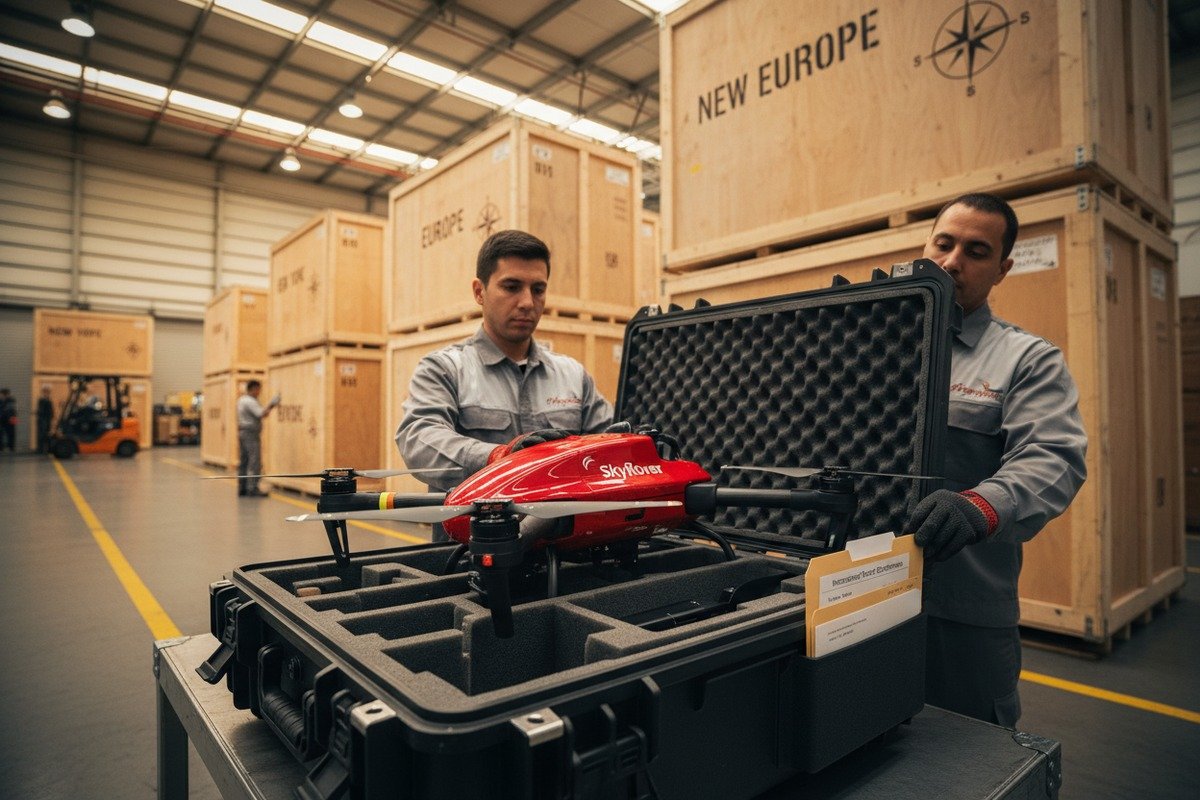
Our business development team has witnessed distribution partnerships collapse over intellectual property gaps. A European distributor lost a major government contract because their Chinese-sourced drones held only design patents while a competitor held utility patents covering the same functional technology.
Sourcing firefighting drones with only design patent protection creates multiple brand risks: competitors can legally copy all functional features while changing only appearance, your supply chain remains vulnerable to component shortages without protected manufacturing specifications, and you may face infringement claims if the functional technology actually belongs to utility patent holders elsewhere. These risks compound when entering regulated markets requiring certified technical specifications.
Competitive Vulnerability Analysis
Design patents create a narrow moat around your product. Competitors can legally replicate every functional advantage—flight time, payload capacity, fire suppression effectiveness—while simply altering visual appearance. Your marketing investment in demonstrating superior firefighting performance benefits competitors who copy the technology without copying the look.
Utility patents and utility models create broader protection. Competitors cannot replicate the functional mechanisms without licensing or designing entirely different technical approaches. This protection preserves your competitive differentiation.
Infringement Exposure in Your Target Markets
The territorial nature of patents 7 creates complex risk scenarios:
| Your Supplier's Protection | Your Sales Market | مستوى المخاطرة | Explanation |
|---|---|---|---|
| Chinese design patent only | United States | عالية | No US protection; vulnerable to US utility patent holders |
| Chinese utility model | United States | متوسط | US has no utility model system; must check US utility patents |
| Chinese design + utility model | European Union | متوسط | EU recognizes both; verify scope matches your products |
| No patents claimed | Any market | عالية جداً | No verified innovation; maximum infringement exposure |
When our company targets US markets, we conduct freedom-to-operate searches 8 specifically because Chinese utility models provide no protection there. We verify that our functional technologies do not infringe existing US utility patents before offering products to American buyers.
Supply Chain Continuity Risks
Design patents signal aesthetic investment, not manufacturing commitment. Suppliers prioritizing design patents may:
- Outsource component production to lowest-cost providers
- Change internal specifications without notification
- Lack engineering documentation for consistent production
- Discontinue products when visual trends change
Utility model holders demonstrate functional technology investment. These suppliers typically maintain:
- In-house engineering teams
- Documented manufacturing processes
- Quality control for functional specifications
- Long-term production capability
Certification and Compliance Complications
Firefighting drones operating in emergency environments require various certifications. These certifications often reference specific technical specifications. When your supplier holds only design patents:
- No documented technical specifications exist for certification reference
- Product modifications may occur without recertification
- Warranty claims lack technical baseline documentation
- Regulatory audits reveal specification gaps
Our certification documentation explicitly references utility model claims. This practice creates traceable technical baselines that auditors can verify against actual product specifications.
Brand Reputation Scenarios
Consider how your brand reputation suffers in these situations:
Scenario 1: Your firefighting drone fails during a publicized wildfire response. Investigation reveals functional components were modified from original specifications. Without utility model documentation, you cannot prove the supplier deviated from agreed designs.
Scenario 2: A competitor claims your drone infringes their utility patent. Your supplier's design patents provide no defense because they protect appearance, not function. Your brand faces litigation while the supplier faces no consequences.
Scenario 3: Your customer requests spare parts two years after purchase. Your supplier cannot provide matching components because no utility model documentation exists specifying original functional parameters. Your brand breaks its service commitment.
الخاتمة
Identifying design patents versus utility models requires checking patent titles, claim structures, and official database records. For firefighting drone procurement, utility models and utility patents signal functional innovation protection, manufacturing commitment, and long-term parts availability that design patents simply cannot provide. Verify before you order.
الحواشي
1. Explains the role and importance of the patent title in identification and clarity. ︎
2. WIPO provides a clear definition and explanation of design patents. ︎
3. Provides a clear legal definition and explanation of patent claims and their importance. ︎
4. WIPO explains what utility models are and their purpose in intellectual property. ︎
5. WIPO offers a comprehensive definition of intellectual property and its categories. ︎
6. Direct link to the official English portal for Chinese intellectual property information. ︎
7. Replaced HTTP 404 with WIPO FAQ page directly addressing the territorial nature of patents. ︎
8. Explains what FTO searches are and why they are conducted to avoid infringement. ︎
9. Describes various ways drones are equipped for fire suppression in wildfire management. ︎

 English
  Spanish
  German
  French
  Dutch
Dutch  Arabic
