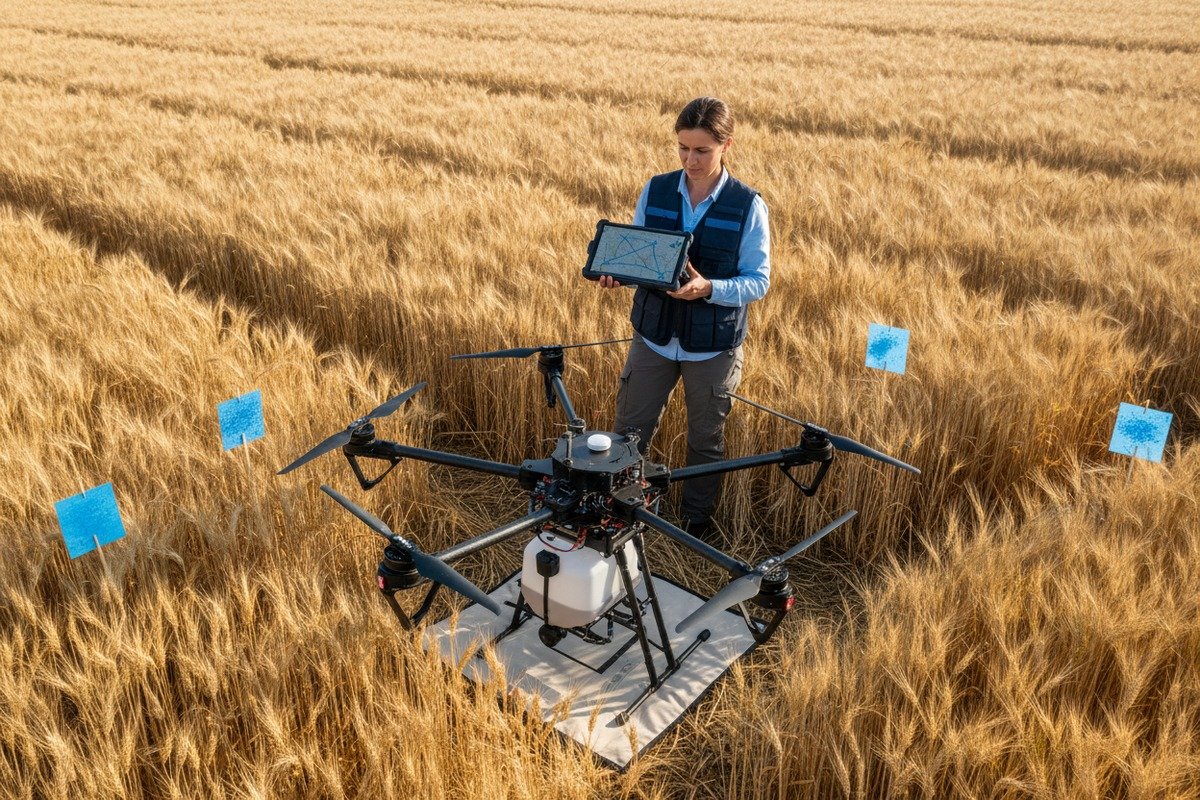
عندما بدأ فريق الهندسة لدينا في تصميم أنظمة الرش للأسواق الأوروبية، تعلمنا بسرعة أن قطع الأراضي الزراعية المجزأة واللوائح الصارمة للاتحاد الأوروبي تتطلب نهجًا مختلفًا دقة نظام تحديد المواقع العالمي RTK 1. التحدي؟ العثور على طائرة بدون طيار تتعامل مع مزارع الكروم شديدة الانحدار وحقول القمح الكثيفة والمحاصيل الجذرية بنفس القدر من الكفاءة.
لتقييم أنظمة رش الطائرات بدون طيار الزراعية لأنواع المحاصيل الأوروبية، قم بتقييم سعة الحمولة، ودقة نظام تحديد المواقع العالمي RTK-GPS، وتكوينات الفوهات لكثافات مظلة محددة، والامتثال التنظيمي للاتحاد الأوروبي، وقدرات تكامل البرامج. اختبر تجانس الرش باستخدام بطاقات حساسة للماء وتحقق من تطابق منحنيات أداء المضخة مع متطلبات تطبيقك.
هذا الدليل يرشدك خلال كل خطوة تقييم حاسمة بطاقات حساسة للماء 2. نغطي مواصفات الأجهزة، والتكيفات الخاصة بالمحاصيل، وخيارات التخصيص، وميزات المتانة، ودعم الموردين على المدى الطويل. دعنا نتعمق في التفاصيل.
كيف أحدد أي تكوين لنظام الرش هو الأفضل لأنواع المحاصيل الأوروبية الخاصة بي؟
اختيار التكوين الصحيح يبدو مرهقًا في البداية كثافة الغطاء النباتي 3. لقد عمل فريق التصدير لدينا مع موزعين في جميع أنحاء ألمانيا وفرنسا وإسبانيا الذين واجهوا هذه المشكلة بالضبط. يتطلب كل نوع محصول إعدادات محددة، والحصول عليها بشكل خاطئ يهدر المواد الكيميائية والمال إطارات من ألياف الكربون 4.
يعتمد أفضل تكوين على كثافة مظلة محصولك، وتضاريس الحقل، ومعدل التطبيق المستهدف. بالنسبة للحبوب، أعط الأولوية لأحجام القطرات التي تتراوح بين 100-300 ميكرومتر والتغطية عالية الحجم. تحتاج مزارع الكروم إلى رادار يتبع التضاريس وفوهات تقلل الانجراف. تتطلب المحاصيل الجذرية برنامج تطبيق بمعدل متغير للعلاجات الموضعية.

فهم المتطلبات الخاصة بالمحاصيل
تحتاج المحاصيل الأوروبية المختلفة إلى مناهج مختلفة. إليك ما كشفت عنه اختباراتنا الميدانية على مر السنين.
تنمو الحبوب مثل القمح والشعير في مظلات كثيفة. تنتشر الأمراض الفطرية بسرعة عبر هذه المحاصيل. تحتاج إلى قطرات بين 100-300 ميكرومتر لاختراق الغطاء النباتي بفعالية. القطرات الأكبر تستقر على الأوراق العلوية. القطرات الأصغر تنجرف بعيدًا. النقطة المثالية تضمن وصول المواد الكيميائية إلى الأجزاء السفلية من النبات حيث تبدأ الأمراض غالبًا.
تمثل مزارع الكروم تحديات فريدة. تقع العديد من مزارع الكروم الأوروبية على سفوح التلال الشديدة. لا تستطيع الجرارات التقليدية الوصول إلى هذه المناطق بأمان. تتفوق أنظمة الهيكساكوبتر لدينا هنا لأنها تحوم على ارتفاعات منخفضة وتتبع تضاريس الأرض تلقائيًا. يحافظ رادار تتبع التضاريس على ارتفاع رش ثابت حتى على المنحدرات التي تصل إلى 30 درجة.
تستفيد المحاصيل الجذرية مثل البطاطس وبنجر السكر من مناهج المعالجة الموضعية. تظهر الأمراض في بقع، وليس عبر الحقول بأكملها. برنامج تطبيق بمعدل متغير 5 يرسم خرائط لهذه المناطق الإشكالية باستخدام التصوير متعدد الأطياف. ثم تطبق الطائرة بدون طيار المزيد من المنتج حيثما كان ذلك ضروريًا وأقل في أماكن أخرى. هذا يقلل من استخدام المواد الكيميائية بنسبة 30-50٪.
معلمات التكوين الرئيسية
| نوع المحصول | حجم القطرة الأمثل | ارتفاع الرحلة | نوع الفوهة الموصى به | سعة الخزان |
|---|---|---|---|---|
| الحبوب (قمح، شعير) | 100-300 ميكرومتر | 2-3 متر | مروحة مسطحة | 16-20 لتر |
| مزارع الكروم | 150-250 ميكرومتر | 1.5-2.5 متر | مخروط مجوف (مقلل للانجراف) | 10-16 لتر |
| محاصيل جذرية (بطاطس) | 200-350 ميكرومتر | 2-3 متر | استقراء الهواء | 16-20 لتر |
| بساتين (تفاح، زيتون) | 150-300 ميكرومتر | متغير (ارتفاع المظلة) | سائل مزدوج | 10-16 لتر |
مطابقة الأجهزة لظروف الحقل
تحدد سعة الحمولة عدد الهكتارات التي تغطيها في كل رحلة. أنظمة الخزان سعة 20 لتر لدينا تتعامل مع الحقول الأوروبية متوسطة الحجم بكفاءة. تتطلب الخزانات الأصغر إعادة تعبئة متكررة، مما يزيد من إجمالي وقت التشغيل.
وقت الطيران مهم بنفس القدر. تقدم معظم الأنظمة عالية الجودة 20-30 دقيقة لكل شحنة بطارية. احسب حجم حقلك مقابل معدلات التغطية. تغطي الطائرة بدون طيار المعدة جيدًا ما يصل إلى 21 هكتارًا في الساعة. هذا يتفوق على سرعات الجرار على التضاريس غير المنتظمة بفارق كبير.
اختيار الفوهة يستحق اهتمامًا دقيقًا. نختبر 18 نوعًا مختلفًا من الفوهات في منشأتنا. فقط تلك التي تلبي مواصفات ضغط التدفق المحددة تحقق أحجام القطرات المستهدفة باستمرار. اطلب منحنيات أداء المضخة 6 من أي مورد. توضح منحنيات P-Q هذه ما إذا كان النظام يوفر ضغطًا ثابتًا عند معدلات التدفق المطلوبة.
هل يمكنني تخصيص برنامج الجهاز وطاردته لتتوافق مع معايير الرش الزراعي المحلية الخاصة بي؟
يسألنا العديد من الموزعين الأوروبيين هذا السؤال خلال المناقشات الأولية. تختلف اللوائح المحلية بشكل كبير بين دول الاتحاد الأوروبي. ما يصلح في هولندا قد لا يرضي السلطات الإسبانية. لقد قام فريق التطوير لدينا ببناء التخصيص في كل نظام نصدره.
نعم، توفر طائرات الرش الزراعية عالية الجودة خيارات تخصيص واسعة. تشمل التعديلات على الأجهزة مجموعات فوهات الرش، وأحجام الخزانات، وحزم المستشعرات. يشمل تخصيص البرامج خوارزميات تخطيط الرحلات، وخرائط التطبيق بمعدلات متغيرة، وتنسيقات تصدير البيانات المتوافقة مع أنظمة إدارة المزارع في الاتحاد الأوروبي ومتطلبات إعداد التقارير التنظيمية.

خيارات تخصيص البرامج
يقع برمجة مسار الطيران في قلب الرش الدقيق. تتكامل أنظمتنا مع برامج رسم الخرائط الشائعة مثل Pix4Dfields و Agremo. تتيح هذه الأدوات للمشغلين إنشاء خرائط حقل مفصلة وتحديد مناطق المشاكل وبرمجة طرق تطبيق مستهدفة.
يمثل التطبيق بمعدل متغير أكبر تقدم في السنوات الأخيرة. يحلل البرنامج التصوير متعدد الأطياف 7 البيانات لتحديد إجهاد المحاصيل أو بقع الأعشاب الضارة أو تفشي الأمراض. ثم يقوم بضبط معدلات الرش تلقائيًا أثناء الطيران. تتلقى المناطق الصحية الحد الأدنى من المنتج. تتلقى المناطق التي بها مشاكل معدلات تطبيق كاملة.
تعتبر تنسيقات تصدير البيانات مهمة للامتثال التنظيمي. تتطلب السلطات الأوروبية بشكل متزايد سجلات مفصلة للتطبيقات. يقوم برنامجنا بإنشاء تقارير توضح مواقع الرش الدقيقة، والكميات المطبقة، والظروف الجوية أثناء التطبيق، وشهادات المشغلين. يتم تصدير هذه التقارير بتنسيقات متوافقة مع منصات إدارة المزارع الأوروبية الشائعة. أنظمة إدارة المزارع في الاتحاد الأوروبي 8
إمكانيات تعديل الأجهزة
| المكوّن | الخيار القياسي | التخصيص متاح | المتطلبات الشائعة للاتحاد الأوروبي |
|---|---|---|---|
| مصفوفة الفوهات | 4-6 فوهات | 2-8 فوهات، أنواع متعددة | تقليل الانجراف لمناطق حماية المياه |
| سعة الخزان | 16 لتر | 10-20 لتر | يختلف حسب المنطقة |
| نظام تحديد المواقع العالمي (GPS) | نظام تحديد المواقع العالمي (GPS) القياسي | نظام تحديد المواقع العالمي (RTK-GPS) بدقة سنتيمترية | مطلوب لتوثيق الدعم المالي |
| المستشعرات | مقياس الارتفاع الأساسي | LIDAR، متعدد الأطياف، حراري | تتبع التضاريس للكروم |
| مسجل البيانات | سجل طيران أساسي | القياس عن بعد بالكامل مع التشفير | تخزين متوافق مع اللائحة العامة لحماية البيانات (GDPR) |
التكامل مع أنظمة المزارع الحالية
غالبًا ما تعمل المزارع الأوروبية ببرامج إدارة متطورة. يجب أن يتواصل نظام الطائرات بدون طيار الخاص بك مع هذه المنصات. نوفر اتصالات واجهة برمجة التطبيقات (API) للأنظمة الأوروبية الرئيسية. هذا يلغي إدخال البيانات اليدوي ويقلل الأخطاء.
محطات قاعدة RTK-GPS تحسن دقة تحديد المواقع إلى مستويات سنتيمترية. هذه الدقة ضرورية للتطبيق بمعدل متغير والتوثيق التنظيمي. تتطلب بعض برامج الدعم في الاتحاد الأوروبي دقة بمستوى RTK للتحقق من الدفع.
تكامل محطة الطقس يمنع الأخطاء المكلفة. تتلقى أنظمتنا بيانات سرعة الرياح والرطوبة ودرجة الحرارة في الوقت الفعلي. عندما تتجاوز الظروف الحدود الآمنة، ينبه البرنامج المشغلين أو يوقف المهام تلقائيًا. تزيد سرعات الرياح فوق 3-4 م/ث من خطر الانجراف بشكل كبير.
خيارات OEM والتسمية البيضاء
للموزعين الذين يرغبون في علامتهم التجارية الخاصة، نقدم خدمات OEM كاملة. يشمل ذلك مخططات طلاء مخصصة وواجهات برامج تحمل العلامة التجارية وأدلة مستخدم محلية. يرى عملاؤك علامتك التجارية طوال تجربتهم.
نقوم أيضًا بتعديل البرامج الثابتة لمتطلبات إقليمية محددة. تفرض بعض دول الاتحاد الأوروبي سلوكيات فشل آمنة معينة أو بروتوكولات تحديد جغرافية. يقوم فريق الهندسة لدينا بتنفيذ هذه التغييرات قبل الشحن.
ما هي ميزات المتانة التي يجب أن أعطيها الأولوية لضمان أداء طائرتي الزراعية بشكل موثوق في ظروف الحقول الأوروبية؟
تختبر الظروف الميدانية الأوروبية المعدات بشدة. الندى الصباحي والمطر بعد الظهر وظروف الحصاد المتربة وتقلبات درجات الحرارة كلها تؤثر على المعدات. يصمم فريق مراقبة الجودة لدينا كل مكون للتعامل مع هذه التحديات لأن مطالبات الضمان تضر بكل من المصنعين والعملاء.
إعطاء الأولوية لأطر ألياف الكربون لمقاومة التآكل، وحاويات مصنفة IP لحماية الإلكترونيات من الرطوبة والغبار، وهياكل هبوط مقواة للتضاريس غير المستوية، ومكونات معيارية تسمح بإصلاحات ميدانية سريعة. يجب أن تتميز المحركات بمحامل محكمة الغلق، ويجب أن تقاوم جميع أجزاء نظام الرش التآكل الكيميائي من الأسمدة والمبيدات الحشرية.

متانة الإطار والهيكل
يوفر بناء ألياف الكربون أفضل نسبة قوة إلى وزن. تستخدم أطر الأوكتوكوبتر الخاصة بنا ألياف كربون منسوجة بأنماط نسيج مرئية. هذه المادة تقاوم التآكل من المواد الكيميائية الزراعية بشكل أفضل بكثير من بدائل الألمنيوم. كما أنها تمتص الاهتزازات، وتحمي الإلكترونيات الحساسة أثناء الطيران.
تتعرض معدات الهبوط للإساءة المستمرة. الحقول الصخرية والجذوع والطين كلها تضغط على هذه المكونات. نستخدم مواد مركبة مقواة مع إدخالات معدنية في نقاط الضغط العالي. يمتص التصميم الهبوطات الصعبة دون نقل الصدمات إلى الإطار الرئيسي.
يؤثر طول الذراع على انتظام الرش. يضع امتداد ذراعنا البالغ 2.5 متر الفوهات بعيدًا عن تيار الهواء السفلي للمروحة للحفاظ على أنماط قطرات متسقة. تخلق الأذرع الأقصر اضطرابًا يعطل توزيع الرش.
معايير حماية البيئة
| المكوّن | تصنيف الحماية | ما الذي يعنيه ذلك | فائدة ميدانية |
|---|---|---|---|
| وحدة التحكم في الطيران | IP54 | محمي ضد الغبار ورذاذ الماء | تشغيل آمن في المطر الخفيف |
| تجميعات المحرك | IP55 | محمي ضد الغبار ونفاثات الماء | قابل للغسل بعد العمليات المتربة |
| حجرة البطارية | IP53 | محمي ضد الغبار ورذاذ الماء | مقاومة ندى الصباح |
| مضخة رش | IP56 | محمي ضد نفاثات الماء القوية | آمن للتنظيف الكيميائي |
| مصفوفة المستشعرات | IP54 | محمي ضد الغبار ورذاذ الماء | قراءات موثوقة في جميع الظروف |
عوامل طول عمر المكونات
تتعرض المحركات لأعلى ضغط أثناء العمليات الزراعية. تتسلل جزيئات الغبار بسرعة إلى المحامل القياسية. تتميز محركاتنا بمحامل محكمة الغلق مصنفة لأكثر من 500 ساعة طيران. هذا يتجاوز المتوسطات الصناعية بشكل كبير.
تحدد جودة البطارية تكاليف التشغيل طويلة الأجل. نستخدم خلايا بوليمر ليثيوم عالية الكثافة مع إدارة حرارية نشطة. تتضمن كل بطارية شريحة مراقبة تتعقب دورات الشحن والتعرض لدرجات الحرارة وتوازن الخلايا. تتنبأ هذه البيانات بتوقيت الاستبدال قبل حدوث الأعطال.
تتلامس مكونات نظام الرش مع المواد الكيميائية المسببة للتآكل يوميًا. جميع الأجزاء المبللة في مضخاتنا تستخدم مواد مقاومة للمواد الكيميائية. الأختام هي EPDM أو Viton حسب متطلبات التطبيق. أجسام الفوهات مصنوعة من الفولاذ المقاوم للصدأ أو البلاستيك الهندسي المصمم للمواد الكيميائية الزراعية.
تصميم سهل الصيانة
تحدث الإصلاحات الميدانية. اقبل هذه الحقيقة واختر الأنظمة المصممة للإصلاحات السريعة. تسمح بنيتنا المعيارية باستبدال المحرك في أقل من 15 دقيقة دون أدوات خاصة. يتم توصيل المراوح بآليات سريعة الفك.
تسرع أحزمة الأسلاك التي يسهل الوصول إليها في استكشاف الأخطاء وإصلاحها. تمنع الموصلات الملونة أخطاء إعادة التجميع. يقوم فنيونا بتوثيق أوضاع الفشل الشائعة ومشاركة إجراءات التشخيص مع جميع الموزعين المعتمدين.
توفر قطع الغيار مهم جدًا. لا شيء يزعج العملاء أكثر من انتظار أسابيع للمكونات خلال موسم الرش الذروة. نحتفظ بمخزون مستودع التوزيع الأوروبي لجميع الأجزاء الحيوية. تصل معظم الشحنات إلى العملاء في غضون 3-5 أيام عمل.
كيف يمكنني تقييم ما إذا كان المورد يمكنه توفير الدعم الفني طويل الأجل وقطع الغيار التي يتطلبها عملي؟
هذا السؤال يفصل المشترين الجادين عن المتسوقين العاديين. السعر الأولي للشراء لا يعني شيئًا إذا اختفى الدعم بعد التسليم. تعلمت شركتنا هذا الدرس مبكرًا عند بناء علاقات مع الموزعين في جميع أنحاء أوروبا. تتطلب الشراكات طويلة الأجل التزامًا طويل الأجل من كلا الجانبين.
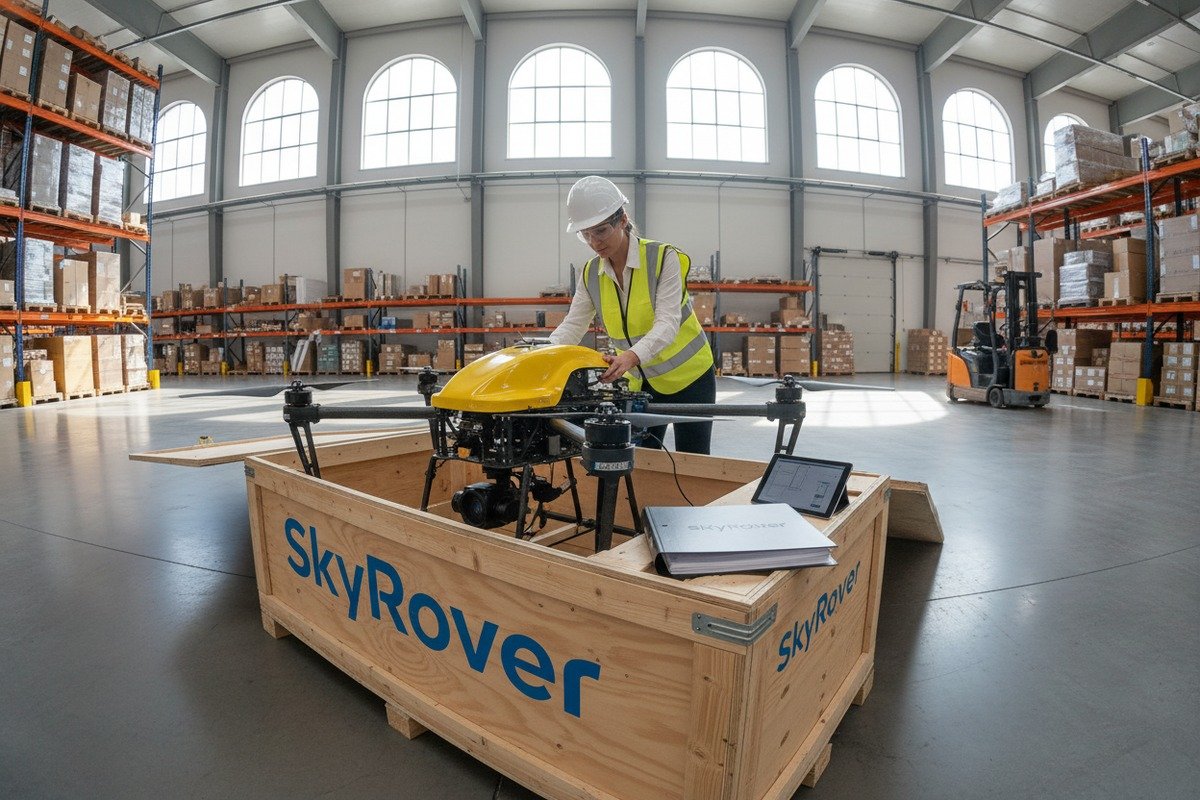
قم بتقييم الموردين من خلال فحص البنية التحتية لخدماتهم الأوروبية، وسياسات مخزون قطع الغيار، وجودة الوثائق الفنية، وبرامج التدريب، وشروط الضمان، وسرعة الاستجابة في التواصل. اطلب مراجع من العملاء الأوروبيين الحاليين، وتحقق من وجودهم الفعلي أو شركاء الخدمة المعتمدين في منطقتك، واختبر قنوات الدعم قبل الشراء.
تقييم البنية التحتية للدعم
الوجود المادي مهم. اسأل الموردين المحتملين عن عملياتهم الأوروبية. هل لديهم مرافق مستودعات للأجزاء؟ مراكز خدمة معتمدة للإصلاحات؟ موظفون فنيون يتحدثون لغتك؟
نحافظ على شراكات مع مقدمي الخدمات في ألمانيا وفرنسا وإسبانيا وبولندا. يتلقى هؤلاء الشركاء تدريبًا منتظمًا في مقرنا الرئيسي. يقومون بتخزين قطع الغيار الشائعة محليًا. تقلل هذه الشبكة من وقت التوقف عن العمل من أسابيع إلى أيام.
تعالج قدرات الدعم عن بُعد العديد من المشكلات دون الحاجة إلى شحن المعدات. يستخدم فنيونا مكالمات الفيديو لتوجيه العملاء خلال التشخيص والإصلاحات. يتضمن برنامج الطائرات بدون طيار ميزات مراقبة عن بُعد تسمح لفريقنا بمراجعة سجلات الرحلات وتحديد المشكلات.
جودة التوثيق والتدريب
| عنصر الدعم | المستوى الأساسي | المستوى الاحترافي | معيارنا |
|---|---|---|---|
| دليل المستخدم | PDF فقط | مطبوعات + فيديوهات تعليمية | صيغ متعددة مع ترجمات |
| أدلة الإصلاح | لا يوجد | إجراءات أساسية | مستوى المكون مع رسوم بيانية |
| التدريب | الخدمة الذاتية | ندوة عبر الإنترنت لمرة واحدة | برنامج شهادات مستمر |
| تحديثات البرامج | مدفوع | اشتراك سنوي | مشمول لمدة 3 سنوات |
| دعم الهاتف | ساعات العمل | ساعات عمل ممتدة | تغطية على مدار 16 ساعة عبر المناطق الزمنية |
سياسات قطع الغيار
اطلب قائمة أسعار كاملة لقطع الغيار قبل الشراء. بعض المصنعين يربحون من المكونات البديلة باهظة الثمن. فلسفتنا تحافظ على أسعار معقولة للأجزاء لأن نجاح العملاء يدفع الأعمال المتكررة.
ضمانات التوفر مهمة. اسأل الموردين عن المدة التي يلتزمون فيها بتصنيع الأجزاء للموديلات الحالية. نضمن توفر الأجزاء لمدة خمس سنوات لجميع المنتجات. هذا يحمي استثمارك ضد التقادم.
أوقات التسليم تؤثر بشكل مباشر على العمليات. موسم الرش لا ينتظر أحداً. جزء حاسم عالق في الجمارك لمدة ثلاثة أسابيع يكلف أكثر بكثير من سعره. مراكز التوزيع الأوروبية تحل هذه المشكلة لعملائنا.
شروط الضمان والخدمة
تختلف الضمانات القياسية بشكل كبير عبر الموردين. اقرأ التفاصيل الدقيقة بعناية. تستثني بعض الضمانات تلف الاصطدام بالكامل. يتطلب البعض الآخر شحن الإرجاع على نفقة العميل.
يغطي ضماننا عيوب التصنيع لمدة عامين. نقدم أيضًا عقود خدمة ممتدة تغطي العناصر القابلة للتآكل والدعم ذي الأولوية. تجعل هذه العقود الميزانية قابلة للتنبؤ وتقلل من النفقات المفاجئة.
تقييم جودة الاتصال
اختبر استجابة الدعم قبل الشراء. أرسل أسئلة فنية عبر البريد الإلكتروني. لاحظ وقت الاستجابة وجودة الإجابة. من المرجح أن يتجاهل المورد الذي يتجاهل أسئلة ما قبل البيع مشاكل ما بعد البيع أيضًا.
اطلب مراجع العملاء في منطقتك. اتصل بهؤلاء المراجعين مباشرة. اسأل عن تجارب الدعم، وليس فقط جودة المنتج. أفضل المعدات لا تعني شيئًا بدون دعم موثوق.
تبسط القدرات اللغوية حل المشكلات. يشمل فريقنا الفني متحدثين أصليين للغة الألمانية والفرنسية والإسبانية والإنجليزية. التواصل الواضح أثناء استكشاف الأخطاء وإصلاحها يوفر ساعات من الإحباط.
الخاتمة
يتطلب تقييم أنظمة طائرات الرش الزراعية فحص مواصفات الأجهزة، والتكوينات الخاصة بالمحاصيل، وقدرات التخصيص، وميزات المتانة، والدعم طويل الأجل للمورد. استخدم الأطر والجداول المقدمة هنا لاتخاذ قرارات مستنيرة تحمي استثمارك وتخدم احتياجات المحاصيل الأوروبية بفعالية.
الحواشي
1. يشرح تقنية RTK-GPS وتطبيقاتها عالية الدقة في الزراعة والطائرات بدون طيار. ︎
2. يصف الورق الحساس للماء لتقييم تغطية الرش وتوزيع القطرات. ︎
3. يحدد كثافة الغطاء النباتي وتأثيرها على اختراق الضوء ونمو النبات في المناظر الطبيعية. ︎
4. يسلط الضوء على مزايا ألياف الكربون لإطارات الطائرات بدون طيار، بما في ذلك القوة والمتانة. ︎
5. يقدم برنامجًا للتطبيق بمعدل متغير، مما يتيح رشًا زراعيًا دقيقًا ومستهدفًا. ︎
6. دليل شامل حول كيفية قراءة وتفسير منحنيات أداء المضخات لمختلف التطبيقات. ︎
7. يشرح تقنية التصوير متعدد الأطياف وفوائدها لتطبيقات الطائرات بدون طيار الزراعية. ︎
8. تفاصيل تطوير وأهداف أنظمة إدارة المزارع الإلكترونية داخل الاتحاد الأوروبي. ︎
9. يشرح تصنيفات IP وأهميتها لحماية العبوات الكهربائية من العوامل البيئية. ︎

 English
  Español de México
  Deutsch
  Français
  Русский
  العربية
