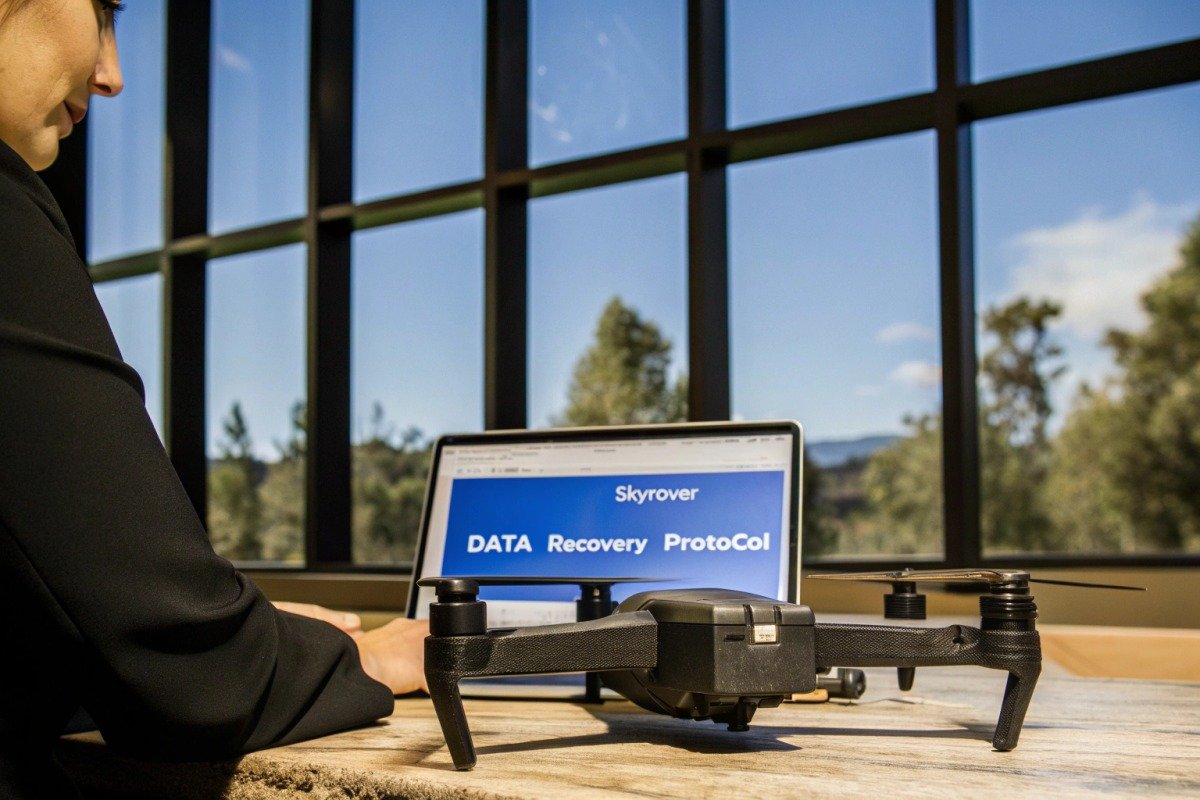
When our engineering team analyzed the wreckage from recent firefighting drone incidents, one truth became painfully clear chain-of-custody protocols 1. Without proper data recovery protocols 2, operators lose more than just hardware—they lose answers. The January 2025 Palisades Fire collision that grounded a Super Scooper for five days started with a $65,000 repair bill and ended with an FBI investigation tracing drone fragments back to their source.
To ask suppliers about firefighting drone data recovery after a crash, request their documented recovery success rates for specific damage types, inquire about specialized extraction tools for flight logs and telemetry, clarify warranty coverage for crash-related services, and confirm their chain-of-custody protocols for legal and insurance purposes.
Data recovery is not just about saving files. It is about understanding what went wrong, preventing future incidents, and protecting your operation from regulatory penalties 3 that can reach $30,000. Let me walk you through the exact questions you need to ask your supplier before your next mission.
What technical support should I expect from my supplier for recovering flight logs after a crash?
Our support teams handle crash recovery inquiries weekly. The questions operators ask—and the ones they forget—often determine whether critical mission data survives. Understanding what support is reasonable sets the foundation for productive supplier relationships.
Expect your supplier to provide dedicated technical contacts, documented recovery procedures for your specific drone model, software tools for log extraction, and clear timelines for service completion. Quality suppliers offer 24-48 hour initial response times and maintain certified data forensics capabilities.
What Recovery Services Should Be Standard?
When we ship our industrial quadcopters and octocopters to distributors worldwide, we include detailed data recovery documentation. But many operators never read these materials until disaster strikes. Here is what standard technical support should include.
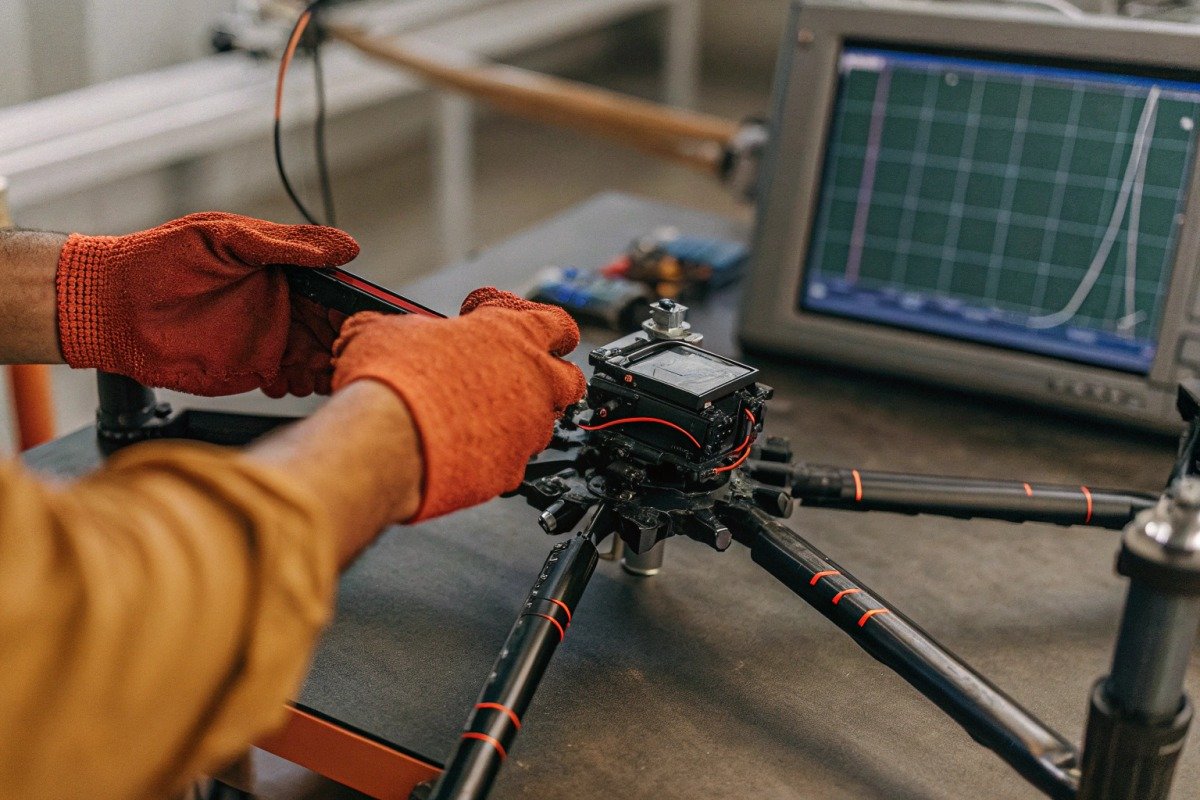
First, your supplier should provide remote diagnostic assistance. Before shipping anything, a qualified technician should guide you through safe battery disconnection, storage media identification, and initial damage assessment. This prevents secondary data loss from improper handling.
Second, demand access to proprietary extraction software 4. DJI offers DJI Assistant, while other manufacturers have equivalent tools. Our flight controllers store telemetry in specific formats that require matching software. Generic recovery programs often miss critical log segments.
Third, confirm whether your supplier maintains forensic-grade facilities. Fire-damaged drones require cleanroom extraction. Water-submersed units need specialized drying protocols before any data access attempts.
توقعات وقت الاستجابة
| مستوى الدعم | وقت الاستجابة | Typical Services |
|---|---|---|
| Basic Warranty | 72-96 hours | Email guidance, software links |
| الدعم الموسع | 24-48 ساعة | Phone support, remote diagnostics |
| Premium Service | 4-8 ساعات | Priority extraction, dedicated technician |
| Enterprise Contract | 1-2 hours | On-site support option, guaranteed recovery attempts |
Response times matter because firefighting operations cannot wait weeks for answers. When California's CAL FIRE deploys drones for real-time mapping, they need crash analysis within days, not months. Negotiate these timelines before purchasing.
Documentation You Should Request
Ask your supplier for written recovery procedures specific to your drone model. The Matrice 300 series requires different extraction methods than custom firefighting builds using Pixhawk controllers. Generic instructions cause delays and data loss.
Request a sample recovery report. Quality suppliers maintain templates showing what data they extract: GPS tracks, altitude logs, battery voltage curves, motor performance metrics, and error codes. If they cannot show you a sample, their recovery capabilities may be limited.
How do I verify if the drone's onboard storage is durable enough to protect my mission data during an impact?
During production testing at our facilities, we deliberately crash units to validate storage protection. Not all storage solutions survive equally. Firefighting environments combine extreme heat, water exposure, and violent impacts—the perfect combination to destroy poorly designed storage systems.
Verify storage durability by requesting MIL-STD-810 or IP68 certification documentation, asking for crash test data showing survival rates at specific impact speeds, and confirming whether the drone uses redundant storage across multiple protected locations rather than single-point-of-failure SD cards.
Understanding Storage Types in Firefighting Drones
Different storage types offer vastly different protection levels. When our engineering teams design firefighting platforms, we consider each component's survival probability under worst-case conditions.
Standard SD cards represent the most vulnerable storage option. They sit in exposed slots, use plastic housings, and fail completely when exposed to temperatures above 85°C. Fire exposure destroys them within seconds. Water submersion causes corrosion that makes data unreadable within hours if not immediately dried.
Internal eMMC chips offer better protection. Soldered directly to the flight controller board, they survive moderate impacts that would eject SD cards. However, they remain vulnerable to thermal damage and require board-level extraction after severe crashes.
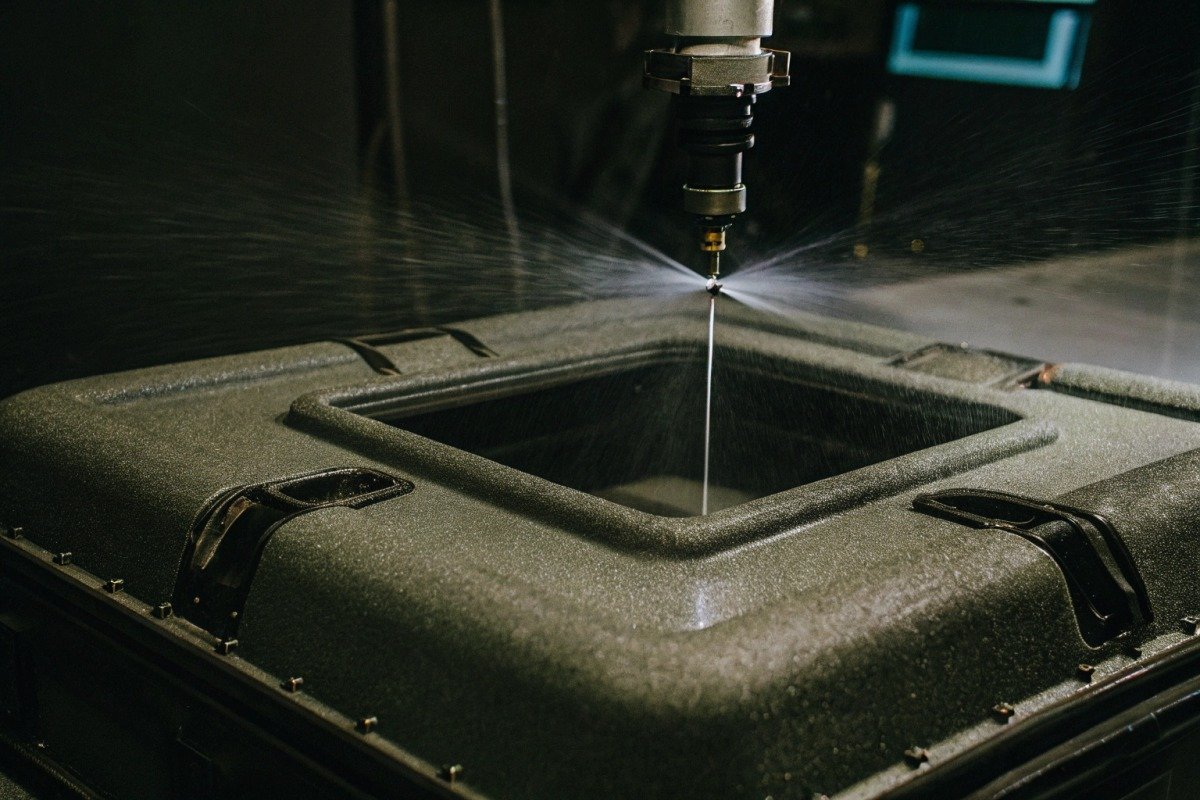
Enterprise-grade drones increasingly feature black-box modules. These armored containers protect flash memory with thermal insulation, shock-absorbing materials, and waterproof sealing. The Teledyne FLIR SIRAS series uses MIL-STD compliant crash protection that maintains data integrity at impact speeds exceeding 50 mph.
Storage Durability Comparison
| Storage Type | Impact Survival | Fire Resistance | حماية المياه | Recovery Difficulty |
|---|---|---|---|---|
| External SD Card | منخفضة | منخفضة جداً | منخفضة | Easy if undamaged |
| Internal eMMC | متوسط | منخفضة | متوسط | Requires board extraction |
| Protected Black Box | عالية | متوسط-عالي | عالية | Manufacturer extraction |
| Cloud-Synced Backup | غير متاح | غير متاح | غير متاح | Instant if synced pre-crash |
Questions to Ask About Storage Protection
Start by requesting certification documents. MIL-STD-810G testing 5 covers shock, vibration, and temperature extremes. IP68 certification 6 confirms water and dust resistance. If your supplier cannot produce these certificates, their durability claims are unverified marketing.
Ask specifically about firefighting scenarios. "What happens to data when this drone sits in a post-fire zone with ground temperatures of 200°F?" Our experience exporting to U.S. fire departments taught us that standard industrial ratings mean nothing in wildfire environments.
Request crash test footage or data. We test our octocopters by dropping them from 30 meters onto concrete. The storage modules we use show 94% data recovery rates under these conditions. Suppliers who refuse to share testing data may have uncomfortable results to hide.
Redundancy as the Ultimate Protection
The best protection is redundancy. Ask whether your drone stores identical data in multiple locations. Our systems write simultaneously to internal flash and protected external storage. Even if one fails, the other preserves complete mission records.
Cloud backup during flight provides the highest protection level. DJI and Skydio now offer real-time telemetry streaming. If your drone crashes into a fire, data already uploaded to secure servers remains completely safe. The hardware becomes irrelevant.
What should I ask about data privacy protocols when sending my firefighting drone back to the manufacturer for analysis?
When operators ship damaged units back to our facility in Xi'an for analysis, they send more than broken hardware. They send potentially sensitive mission footage, GPS coordinates of infrastructure, and operational patterns that competitors or bad actors could exploit. Privacy protocols protect everyone.
Ask suppliers to document their data handling chain of custody, specify who accesses recovered data and for what purposes, confirm compliance with relevant regulations like GDPR or CCPA, provide options for on-site data deletion before shipping, and clarify data retention and destruction timelines.
Why Privacy Matters for Firefighting Data
Firefighting missions capture sensitive information. Thermal cameras record heat signatures of occupied structures. GPS logs reveal response patterns and infrastructure locations. Video footage may include people, property damage, or even casualties.
Fire departments working with government contracts face additional restrictions. Some jurisdictions prohibit sending certain data outside the country. Others require specific certifications for any entity handling emergency response information.
Insurance companies increasingly demand access to crash data. Without clear privacy protocols, your supplier might share information with insurers, regulators, or even legal opponents without your knowledge or consent.
Essential Privacy Questions
| Privacy Concern | سؤال لطرحه | إجابة مقبولة |
|---|---|---|
| Data Access | Who specifically accesses my recovered data? | Named roles with documented need-to-know |
| Data Sharing | Will my data be shared with any third parties? | Only with explicit written consent |
| Geographic Transfer | Where will my data be stored and processed? | Specific locations with legal compliance details |
| Retention Period | How long do you keep my data after recovery? | Defined period with automatic deletion |
| Deletion Verification | Can I receive confirmation of data destruction? | Written certification with timestamps |
Protecting Sensitive Information Before Shipping
We recommend operators extract non-essential data before shipping. Remove SD cards containing footage unrelated to the crash. Use manufacturer software to export flight logs locally, then clear onboard storage of everything except the specific flight requiring analysis.
Request a data minimization agreement. This document specifies that your supplier will access only crash-relevant information and ignore unrelated missions stored on the same device. It creates legal accountability for privacy violations.
Ask about encryption. Data stored encrypted requires decryption keys you control. Even if physical storage is compromised during shipping, encrypted data remains protected. Our enterprise drones support user-controlled encryption keys for exactly this reason.
Legal Compliance Considerations
For U.S. operators, CCPA 7 provides certain data rights that apply even when dealing with foreign manufacturers. You have the right to know what data is collected and to request deletion. Document these rights in your supplier agreement.
European operators face stricter requirements under GDPR 8. Personal data in crash footage—faces, license plates, addresses—requires specific handling. Suppliers processing this data must comply with EU regulations regardless of their location.
FAA Part 107 creates data retention obligations for drone operators. Ensure your supplier's protocols do not conflict with your regulatory requirements. Some suppliers delete data after 30 days, but FAA may require longer retention for incident investigations.
Can my supplier provide remote software tools to help me retrieve critical data without shipping the unit back to China?
Shipping damaged drones internationally creates delays, customs complications, and extended downtime. When we developed our remote support capabilities, we focused on giving U.S. and European operators tools to recover data locally. Not all suppliers offer equivalent options.
Yes, quality suppliers can provide remote software tools, secure download links for extraction utilities, video-guided recovery procedures, and real-time screen-sharing support sessions. Request these capabilities during initial negotiations, as they dramatically reduce recovery time from weeks to hours.
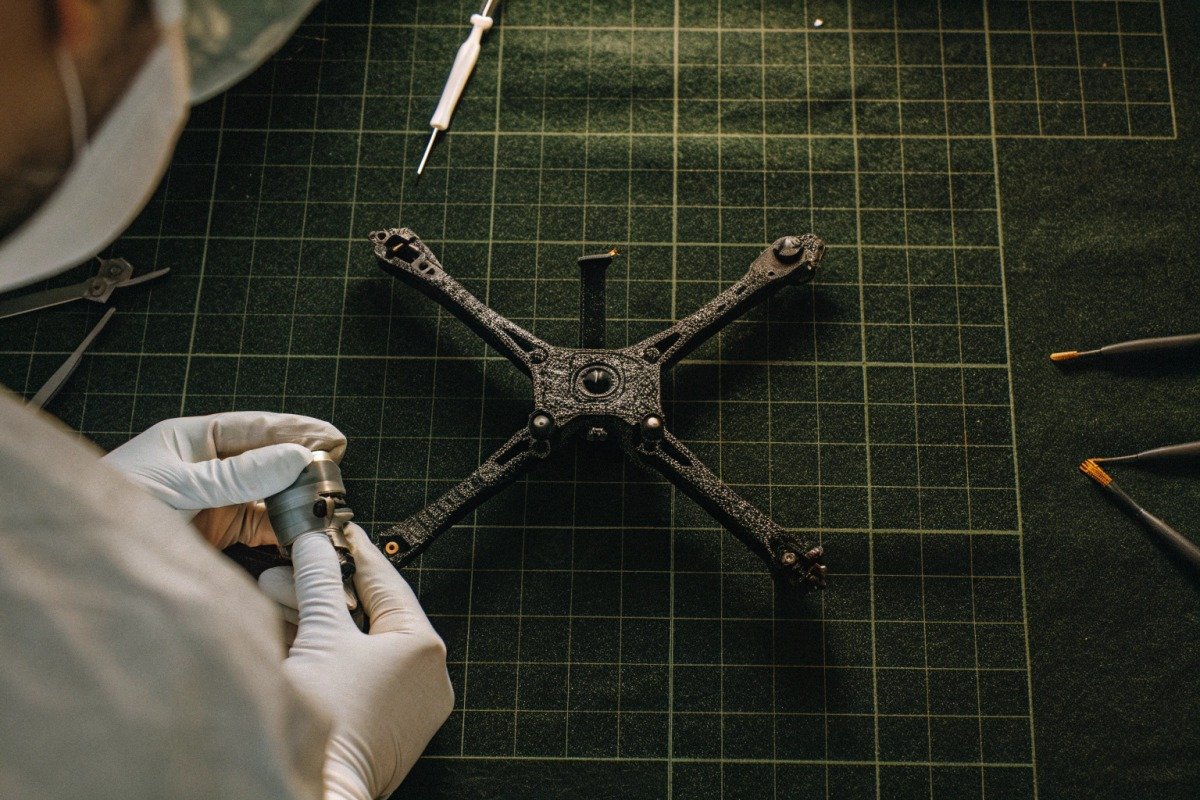
The Case Against Shipping
Shipping a drone internationally involves more than logistics. بطاريات الليثيوم 9 face strict air transport restrictions. Customs inspections can delay shipments by weeks. Insurance coverage during transit may exclude crash-damaged equipment.
The Palisades Fire collision required FBI forensic analysis. That investigation took months. But standard crash analysis should not. When our distributors need fast answers, remote tools provide them within days instead of weeks.
Cost matters too. International shipping for a damaged industrial octocopter runs $300-$800. Return shipping doubles that. Add customs duties, insurance, and handling fees, and you approach $2,000 before any actual recovery work begins.
Remote Recovery Capabilities
| Recovery Method | الوقت المطلوب | التكلفة النموذجية | Success Rate |
|---|---|---|---|
| Ship to Manufacturer | 4-8 أسابيع | $1,500-5,000 | 85-95% |
| Remote Software Tools | 1-3 days | $0-500 | 70-85% |
| Local Certified Partner | من أسبوع إلى أسبوعين | $500-1,500 | 80-90% |
| Cloud Backup Retrieval | Minutes | Subscription fee | 100% if synced |
What Remote Tools Should Include
Demand extraction software that works with your specific drone model and firmware version. Mismatched software causes extraction failures. When we calibrate our flight controllers, we generate version-specific recovery tools that match exactly what ships to customers.
Request video tutorials for physical media access. Opening a crash-damaged drone incorrectly can destroy recoverable storage. Step-by-step visual guidance prevents costly mistakes.
Ask about remote desktop support. Our technicians can screen-share with operators, guiding extraction in real-time. This catches errors immediately rather than after failed recovery attempts.
When Shipping Becomes Necessary
Remote recovery has limits. Physically damaged storage media—cracked SD cards, heat-warped eMMC chips, crushed black box housings—requires laboratory extraction equipment. No software can read a chip that no longer makes electrical contact.
Severe fire damage typically requires shipping. When plastic housings melt onto storage components, separation requires specialized tools and cleanroom conditions. Our forensic partners achieve 40% recovery rates on fire-damaged units, but only with proper facilities.
Water submersion within the past 48 hours sometimes allows remote recovery if operators act fast. After 48 hours, corrosion makes remote extraction unreliable. Emergency protocols can preserve data if operators follow guidance immediately.
Building Remote Capability Into Your Contract
Negotiate remote support terms before you need them. Include guaranteed response times, after-hours availability for emergency missions, and defined costs for remote sessions. Some suppliers charge hourly rates that exceed the value of recovered data.
Ask about local partners. Many manufacturers certify regional service centers. These partners have direct communication with engineering teams and stock recovery tools locally. Our U.S. distributors maintain certified partners in California, Texas, and Florida—the highest firefighting drone usage states.
Confirm software licensing. Some recovery tools require active subscriptions or per-use fees. Others come free with hardware purchases. Understand the true cost of remote recovery before depending on it.
الخاتمة
Data recovery after a firefighting drone crash determines whether you get answers or just expenses. Ask your supplier these questions before your next mission—not after. The right protocols transform crashes from disasters into learning opportunities that strengthen your entire operation.
الحواشي
1. Defines chain of custody as a process tracking evidence movement, crucial for digital forensics. ︎
2. Explains best practices and strategies for data backup and recovery, including protocols. ︎
3. Details substantial financial and legal penalties for data protection non-compliance under GDPR and CCPA. ︎
4. Wikipedia provides a comprehensive list of digital forensics tools, including both open-source and proprietary options, directly addressing ‘proprietary extraction software’ in the context of digital forensics. ︎
5. Explains MIL-STD-810G as a U.S. military standard for environmental stress testing of equipment. ︎
6. Defines IP68 as an Ingress Protection standard for dust-tight and continuous water immersion. ︎
7. Official information from the California Attorney General on the California Consumer Privacy Act. ︎
8. Official legal text and information on the General Data Protection Regulation (GDPR). ︎
9. Provides IATA guidance and regulations for the safe air transport of lithium batteries. ︎

 English
  Spanish
  German
  French
  Dutch
Dutch  Arabic
