

تتطلب مكافحة الحرائق الدقة، ومع ذلك فإن اختيار طائرة بدون طيار خاطئة يخاطر بفشل المهمة. في SkyRover، نرى العديد من المشترين يكافحون مع المواصفات المعقدة، مما يؤدي إلى أخطاء مكلفة في اللحظات الحرجة.
لتحديد طائرة بدون طيار مناسبة لمكافحة الحرائق، قم بتحليل بيئة التشغيل الخاصة بك - الهياكل الحضرية مقابل حرائق الغابات - وقم بمطابقتها مع المواصفات الرئيسية مثل دقة المستشعر الحراري، وقدرة التحمل للطيران، وسعة الحمولة. إعطاء الأولوية للأنظمة ذات تصنيفات IP لمقاومة الماء والتأكد من التوافق مع برنامج القيادة الحالي الخاص بك.
دعنا نفصل العوامل المحددة التي تحتاج إلى تقييمها لاتخاذ قرار مستنير.
ما هي سيناريوهات التشغيل المحددة التي يجب أن أحللها للاختيار بين الطائرات ذات الأجنحة الثابتة والطائرات متعددة الدوارات؟
اختيار هيكل طائرة خاطئ يحد من استجابتك التكتيكية. عندما نصمم أنظمة طيران، نلاحظ أن العملاء غالبًا ما يتجاهلون كيف يملي التضاريس الهيكل الديناميكي الهوائي اللازم للنجاح.
اختر طائرات بدون طيار متعددة الدوارات للبيئات الحضرية التي تتطلب التحويم والإقلاع العمودي والقدرة على المناورة في المساحات الضيقة. على العكس من ذلك، اختر طائرات بدون طيار ذات أجنحة ثابتة أو هجينة VTOL لحرائق الغابات واسعة النطاق حيث تكون تغطية المدى الطويل والسرعة العالية وقدرة التحمل الطويلة للطيران مطلوبة لمراقبة المناطق الشاسعة بفعالية.

لاتخاذ الخيار الصحيح، يجب عليك النظر إلى ما هو أبعد من صور الكتيبات اللامعة وتحليل فيزياء عملياتك اليومية. الفرق بين الطائرات متعددة الدوارات والطائرات ذات الأجنحة الثابتة ليس مجرد شكل؛ إنه يتعلق بالطريقة الأساسية التي تتفاعل بها الطائرة مع البيئة.
طائرات ذات أجنحة ثابتة 1
حرائق المباني الحضرية والمساحات المغلقة
إذا كانت مهمتك الأساسية تتضمن الاستجابة لحرائق المباني الشاهقة أو التنقل في شوارع المدينة المزدحمة، فإن طائرة بدون طيار متعددة الدوارات هي خيارك الوحيد الممكن. في مرافق الاختبار الخاصة بنا، نعطي الأولوية للاستقرار في هذه التصميمات لأن الطائرة بدون طيار يجب أن تحوم في مكانها للسماح للكاميرات الحرارية بفحص نوافذ أو أسطح محددة. توفر الطائرات متعددة الدوارات (رباعية المراوح، سداسية المراوح) قدرات الإقلاع والهبوط العمودي (VTOL)، مما يعني أنها يمكن أن تنطلق من بقعة صغيرة من الرصيف أو من الجزء الخلفي لشاحنة إطفاء. يمكنها الطيران جانبيًا والحفاظ على موقعها على الرغم من هبات الرياح التي تسببها النيران نفسها.
حرائق الغابات والمسح واسع النطاق
على العكس من ذلك، إذا كنت تدير خدمات الغابات أو تتعامل مع حرائق الغابات التي تمتد لآلاف الأفدنة، فمن المحتمل أن تفشل طائرة بدون طيار متعددة الدوارات قياسية بسبب قيود البطارية. تستخدم الطائرات بدون طيار ذات الأجنحة الثابتة أو الطائرات الهجينة VTOL (التي تقلع عموديًا ولكنها تطير مثل الطائرة) الرفع من أجنحتها للحفاظ على الطاقة. هذا يسمح لها بتغطية مسافات شاسعة - غالبًا 20 كيلومترًا أو أكثر - في رحلة واحدة. وهي مصممة لأنماط "جز العشب" لرسم خرائط للبصمات الحرارية على مساحات كبيرة.
مقارنة حاسمة لاتخاذ القرار
فيما يلي تفصيل لكيفية ملاءمة هياكل الطائرات المختلفة لسيناريوهات حرائق محددة بناءً على بيانات التصنيع لدينا.
| الميزة | طائرات بدون طيار متعددة المراوح | طائرات ثابتة الجناحين / هجينة VTOL |
|---|---|---|
| حالة الاستخدام الأساسية | حرائق حضرية، بحث وإنقاذ في الأماكن الضيقة، استطلاع داخلي. | مراقبة حرائق الغابات، رسم خرائط للمناطق الكبيرة، دوريات حدودية. |
| وقت الرحلة | عادةً ما بين 20-55 دقيقة. | 90 دقيقة إلى 4+ ساعات. |
| القدرة على المناورة | عالية؛ يمكنها التحويم والدوران والطيران جانبيًا. | منخفضة؛ تتطلب حركة أمامية للبقاء في الجو. |
| سرعة النشر | سريعة جدًا؛ عادةً أقل من 3 دقائق. | أبطأ؛ قد تتطلب التجميع أو مناطق إطلاق أكبر. |
| استقرار الحمولة | ممتازة للفيديو الثابت وفحص التكبير. | جيدة لرسم الخرائط، أقل مثالية للتركيز على بقعة واحدة. |
من خلال تقسيم احتياجاتك بشكل نقدي إلى "فحص ثابت" (حضري) مقابل "تغطية منطقة" (برية)، يمكنك على الفور استبعاد نصف الخيارات المتاحة في السوق والتركيز على هيكل الطائرة الذي يناسب واقعك.
كيف أحدد مدة الطيران والمدى اللازمين لمهامي النموذجية؟
نفاد البطارية في منتصف المهمة هو كابوس. يعمل فريق الهندسة لدينا باستمرار على تحسين إدارة الطاقة لأننا نعلم أن وقت الطيران يرتبط مباشرة بنجاح المهمة والسلامة.
احسب القدرة اللازمة عن طريق تقييم متوسط مدة الحادث ومنطقة التغطية الخاصة بك. تتطلب الحرائق الحضرية عادةً 30-45 دقيقة من وقت التحليق، بينما تتطلب حرائق الغابات 2-4 ساعات من الطيران. تأكد من أن نطاق الإرسال يتجاوز نصف قطر التشغيل الخاص بك بنسبة 20٪ على الأقل لحساب تداخل الإشارة.

غالبًا ما يكون وقت الطيران ونطاق الإرسال هما الإحصائيات الأكثر تضخيمًا في المواد التسويقية. بصفتك مشتريًا، تحتاج إلى النظر في وقت الطيران "الفعال" بدلاً من الحد الأقصى لوقت الطيران المدرج في ورقة المواصفات.
تحمّل الطيران 2
حقيقة عمر البطارية تحت الحمل
عندما تدرج الشركات المصنعة وقت طيران يبلغ "55 دقيقة"، يتم اختبار ذلك عادةً عند مستوى سطح البحر، بدون رياح، وبدون حمولة. في سيناريو حريق حقيقي، من المحتمل أن تحمل كاميرا حرارية ثقيلة، وتقاوم تيارات الهواء الصاعدة من الحرارة، وربما تطير في رياح قوية. في تجربتنا، يمكن لهذه العوامل أن تقلل وقت الطيران الفعال بنسبة 20٪ إلى 30٪. بالنسبة لقسم إطفاء حضري، عادةً ما يكون الطائرة بدون طيار التي تطير لمدة 30 دقيقة في العالم الحقيقي كافية لتقييم سقف والعودة. ومع ذلك، بالنسبة لمهام البحث والإنقاذ (SAR) في الغابات، تحتاج إلى طائرات بدون طيار يمكنها تجاوز علامة 50 دقيقة أو استخدام أنظمة هجينة تعمل بالغاز والكهرباء للبقاء في الجو لساعات.
إرسال الإشارة في البيئات المعادية
النطاق ليس مجرد مسافة؛ إنه يتعلق باختراق الإشارة. في المدينة، المباني الخرسانية والتداخل الكهرومغناطيسي (من شبكات Wi-Fi، وأبراج الراديو، وما إلى ذلك) سيقلل بشكل كبير من نطاق إرسال الفيديو الخاص بك. قد تحصل طائرة بدون طيار مصنفة لـ "نطاق 15 كم" على 2 كم فقط في منطقة وسط المدينة الكثيفة قبل أن يتأخر بث الفيديو. نوصي بالبحث عن أنظمة تستخدم بروتوكولات إرسال متقدمة (مثل OcuSync أو تقنية مملوكة مشابهة) وتدعم نطاقات تردد مزدوجة (2.4 جيجاهرتز و 5.8 جيجاهرتز) للتبديل تلقائيًا إلى أوضح قناة.
حساب متطلباتك
استخدم الجدول أدناه لتقدير القدرة التي تحتاجها فعليًا بناءً على ملف تعريف مهمتك.
| الملف التعريفي للمهمة | الحد الأدنى الموصى به للقدرة | نطاق الإرسال الموصى به | اعتبارات رئيسية |
|---|---|---|---|
| حريق هيكلي حضري | 30–40 دقيقة | 5 كم (مصنف) / 1–2 كم (حقيقي) | تداخل الإشارة هو العدو الرئيسي؛ إعطاء الأولوية لاستقرار الاتصال على المسافة. |
| مراقبة حرائق الغابات | 60+ دقيقة (أو طاقة هجينة) | 15+ كم | تحتاج إلى تليميتري بعيد المدى؛ ضع في اعتبارك وحدات 4G/LTE لنطاق غير محدود إذا كانت أبراج الاتصالات نشطة. |
| البحث والإنقاذ | 45–55 دقيقة | 10 كم | كل دقيقة مهمة؛ تبديل البطاريات يضيع الوقت. البطاريات القابلة للتبديل السريع ميزة إضافية. |
| فحص المواد الخطرة | 20–30 دقيقة | 3–5 كم | المدة القصيرة مقبولة، ولكن يجب أن يكون الارتباط قويًا جدًا لقراءة الملصقات على البراميل. |
لا تدفع مقابل 10 كيلومترات من النطاق إذا كنت تطير دائمًا ضمن خط رؤية مبنى مشتعل. على العكس من ذلك، لا ترضى بعمر البطارية القياسي إذا كان فريقك يغطي المتنزهات الوطنية.
ما هي قدرات الحمولة الضرورية لأنواع الحرائق التي تواجهها فريقي؟
الطائرة بدون طيار لا تكون جيدة إلا بقدر مستشعراتها. غالبًا ما ننصح العملاء بأن التصوير الحراري عالي الدقة أمر غير قابل للتفاوض لرؤية الدخان وتحديد النقاط الساخنة بدقة.
تعتمد الحمولة الأساسية على نوع الحريق: أعط الأولوية لكاميرات التصوير الحراري الإشعاعي (دقة 640 × 512) لرسم خرائط الحرارة وكاميرات التكبير للاستطلاع. للإخماد النشط، تأكد من أن الطائرة بدون طيار تدعم آليات الرفع الثقيل للكرات أو الخراطيم لإطفاء الحرائق، وفكر في LiDAR لرسم خرائط التضاريس المعقدة عبر الدخان.
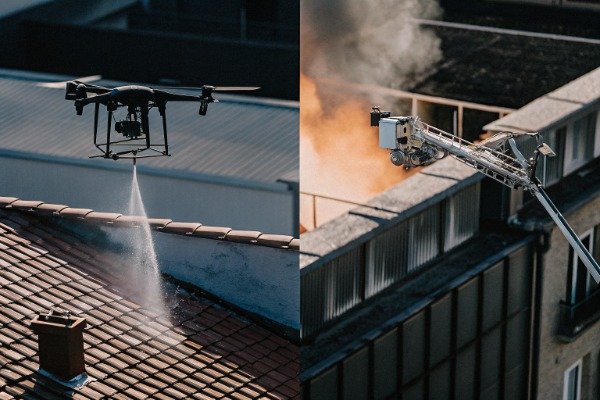
الحمولة هي "الطرف التجاري" للطائرة بدون طيار. لمكافحة الحرائق، كاميرا 4K قياسية مفيدة، لكنها ليست كافية. تحتاج إلى مستشعرات يمكنها رؤية ما لا تستطيع العين البشرية رؤيته.
شهادة FAA الجزء 107 من إدارة الطيران الفيدرالية 4
التصوير الحراري: غير قابل للتفاوض
لأي تطبيق لمكافحة الحرائق، تعد كاميرا التصوير الحراري الإشعاعي ضرورية. "إشعاعي" يعني أن الكاميرا لا تعرض فقط الألوان الساخنة والباردة؛ بل تقيس درجة الحرارة المحددة لكل بكسل. هذا يسمح لقائد الحادث برؤية مدى سخونة السقف بالضبط أو تحديد مصدر الحريق عبر الدخان الكثيف. نوصي بشدة بدقة لا تقل عن 640×512. تنتج الدقات المنخفضة (مثل 320 × 256) صورًا منقطة على ارتفاع، مما يجعل من الصعب التمييز بين شخص وفتحة تهوية ساخنة.
قدرات التكبير والوعي الظرفي
تسمح كاميرا التكبير البصري عالية الطاقة (غالبًا 30x تكبير بصري أو أعلى) للطيار بإبقاء الطائرة بدون طيار على مسافة آمنة أثناء فحص التفاصيل مثل الشقوق الهيكلية أو لوحات المواد الخطرة أو الضحايا المحاصرين. توفر هذه المنطقة العازلة الأمان للطائرة بدون طيار من أضرار الحرارة وتحافظ على المجال الجوي خاليًا للطائرات المأهولة إذا لزم الأمر.
القمع النشط مقابل الاستطلاع
هل تشاهد الحريق فقط، أم تقاتله؟ هذا تمييز حاسم.
- طائرات الاستطلاع بدون طيار: خفيفة الوزن، ذات قدرة تحمل طويلة، مزودة بكاميرات وربما جهاز تحديد المدى بالليزر (لتحديد الإحداثيات بدقة).
- طائرات القمع بدون طيار: طائرات متعددة الدوارات ذات قدرة رفع ثقيلة قادرة على حمل حمولات مثل كرات إطفاء الحرائق أو خزانات السوائل أو المسحوق الجاف. تتطلب هذه الطائرات بدون طيار محركات وبطاريات ضخمة، مما يزيد التكلفة بشكل كبير ويقلل وقت الطيران.
دليل اختيار الحمولة
إليك قائمة مرجعية للحمولات المطابقة لمهام مكافحة الحرائق المحددة.
| نوع الحمولة | الوظيفة | ضروري لـ… |
|---|---|---|
| حراري إشعاعي (640 × 512) | انظر من خلال الدخان، قم بقياس الحرارة. | جميع مهام مكافحة الحرائق. |
| كاميرا تكبير بصري (30x+) | فحص تفصيلي من مسافة آمنة. | مواد خطرة، تقييم إنشائي، بحث وإنقاذ. |
| جهاز تحديد المدى بالليزر | تحديد إحداثيات GPS المستهدفة بدقة. | توجيه فرق أرضية، حرائق الغابات. |
| مكبر صوت / كشاف | الاتصال والإضاءة. | بحث وإنقاذ، السيطرة على الحشود. |
| آلية الإسقاط | إطلاق كرات نارية أو سترات نجاة. | إخماد نشط، إنقاذ مائي. |
| مستشعر LiDAR | إنشاء خرائط ثلاثية الأبعاد للتضاريس/المباني. | تحليل ما بعد الحريق، التنقل في التضاريس المعقدة. |
إذا كانت ميزانيتك محدودة، فامنح الأولوية للمستشعر الحراري فوق كل شيء آخر. إنه الأداة الأكثر تأثيرًا في مكافحة الحرائق الحديثة.
LiDAR لرسم الخرائط 5
كيف أضع ميزانية للتدريب والصيانة عند اختيار نظام طائرات بدون طيار جديد؟
شراء الأجهزة هو مجرد البداية. في تعاملاتنا مع مديري المشتريات، نرى أن التقليل من شأن التكاليف المستمرة مثل تدريب الطيارين والإصلاحات غالبًا ما يعرقل الاستعداد التشغيلي طويل الأجل.
البحث والإنقاذ (SAR) 6
خصص ما لا يقل عن 30-40% من استثمارك الإجمالي للتكاليف ما بعد الشراء. يشمل ذلك تدريب شهادات الطيارين، وأقساط التأمين المتكررة، وصيانة الأجزاء المعرضة للدخان المسبب للتآكل. ضع في اعتبارك تكلفة البطاريات البديلة واشتراكات البرامج لضمان بقاء الأسطول جاهزًا للعمل على مدار العام.

أحد الأخطاء الشائعة للمبتدئين هو إنفاق الميزانية بأكملها على هيكل الطائرة وعدم ترك أي شيء للنظام البيئي المطلوب للحفاظ على تحليقها. الطائرات بدون طيار الصناعية ليست ألعابًا "اشترِ وحلّق"؛ إنها أصول طيران تتطلب صيانة صارمة.
بروتوكولات الإرسال المتقدمة 8
التكلفة الخفية للتدريب
لا يمكنك ببساطة تسليم طائرة بدون طيار حرارية بقيمة 20 ألف دولار أمريكي إلى مبتدئ وتتمنى الأفضل. في الولايات المتحدة، شهادة الجزء 107 من إدارة الطيران الفيدرالية هي الحد الأدنى القانوني، ولكن بالنسبة لوكالات السلامة العامة، يعد التدريب المتخصص أمرًا بالغ الأهمية. يشمل ذلك دورات التفسير الحراري (تعلم كيفية قراءة بصمات الحرارة بشكل صحيح) والتدريب على الطيران التكتيكي. غالبًا ما نرى الوكالات تنفق ما بين 5000 دولار أمريكي و 10000 دولار أمريكي لكل طيار للحصول على شهادات متقدمة. بدون هذا، من المحتمل أن تتعطل معداتك باهظة الثمن أو يتم استخدامها بشكل أقل من اللازم.
الصيانة في البيئات القاسية
مكافحة الحرائق قاسية على الإلكترونيات. يحتوي الدخان على جزيئات وغازات أكالة يمكن أن تؤدي إلى تدهور المحركات وأجهزة الاستشعار بمرور الوقت. يتطلب التعرض للماء، حتى مع تصنيفات IP، بروتوكولات تجفيف وتنظيف مناسبة. يجب عليك تخصيص ميزانية لـ:
- استبدال المراوح: هذه مواد استهلاكية ويجب تغييرها بشكل متكرر.
- تنظيف/استبدال المحرك: بعد التعرض للدخان الكثيف.
- دورة البطارية: البطاريات تتدهور. ستحتاج إلى استبدال مجموعة البطاريات بالكامل كل 12-18 شهرًا اعتمادًا على كثافة الاستخدام.
تكاليف البرامج والنظام البيئي
تتطلب العديد من الطائرات بدون طيار المؤسسية المتطورة الآن تراخيص برامج سنوية لإدارة الأسطول، أو البث السحابي، أو إمكانيات رسم الخرائط المتقدمة. بالإضافة إلى ذلك، تحتاج إلى التفكير في تكلفة أجهزة محطة التحكم الأرضية (الأجهزة اللوحية أو أجهزة الكمبيوتر المحمولة المتينة) والتأمين. يمكن أن يكون تأمين المسؤولية للطائرات بدون طيار الصناعية الثقيلة كبيرًا، خاصة عند التحليق فوق المناطق المأهولة بالسكان.
مثال على تخصيص الميزانية
لمساعدتك في التخطيط، إليك تفصيل تقريبي لكيفية توزيع ميزانية برنامج طائرات بدون طيار صحي.
| فئة التكلفة | نسبة الميزانية | الملاحظات |
|---|---|---|
| الأجهزة (طائرة بدون طيار + حمولات) | 60% | الشراء الأولي للطائرة والمستشعرات. |
| البطاريات والشواحن | 10% | اشترِ دائمًا بطاريات أكثر مما تعتقد أنك بحاجة إليه (بحد أدنى 4 مجموعات). |
| التدريب والشهادات | 15% | التدريب الأولي للطيار بالإضافة إلى فحوصات الكفاءة المتكررة. |
| الصيانة وقطع الغيار | 10% | المراوح والأذرع والمحركات وصناديق الإصلاح. |
| البرامج والتأمين | 5% | برامج إدارة الأسطول وتغطية المسؤولية. |
من خلال التنبؤ بهذه التكاليف مقدمًا، تضمن أن قسمك لن ينتهي به الأمر بقطعة تكنولوجية متطورة لا يمكن استخدامها بسبب نقص قطع الغيار أو الطيارين المؤهلين.
التداخل الكهرومغناطيسي 9
الخاتمة
لاختيار طائرة بدون طيار مناسبة لمكافحة الحرائق، يجب أن تنظر إلى ما هو أبعد من الأجهزة وتحلل ملف مهمتك، من التحويم الحضري إلى نطاق حرائق الغابات. أعط الأولوية للمستشعرات الحرارية عالية الدقة، وقدرة تحمل طيران واقعية، وميزانية تشمل تدريبًا قويًا. إذا كنت بحاجة إلى إرشادات حول تكوين نظام يناسب احتياجاتك الخاصة، فاتصل بنا على SkyRover.
الإقلاع والهبوط العمودي 10
الحواشي
- يوفر تعريفًا موثوقًا للمبادئ الديناميكية الهوائية التي تميز هيكل الطائرة هذا. ︎
- يحدد المعلمة الفنية التي تتم مناقشتها فيما يتعلق بإحصائيات عمر البطارية. ︎
- Explains the international standard for water resistance mentioned in the text. ︎
- Directs readers to the official legal requirements cited for pilots. ︎
- Defines the sensor technology suggested for complex terrain analysis. ︎
- Provides context on the mission profile requiring long-endurance drones. ︎
- Explains the specific temperature-measuring technology recommended for firefighting. ︎
- Links to the specific technology type (OcuSync) mentioned as a solution. ︎
- Contextualizes the signal disruption issues mentioned in urban environments. ︎
- Explains the specific launch capability referenced for urban drones. ︎
 English
  Español de México
  Deutsch
  Français
  Русский
  العربية
Comments
No comments yet. Be the first to share your thoughts!
Leave a Comment