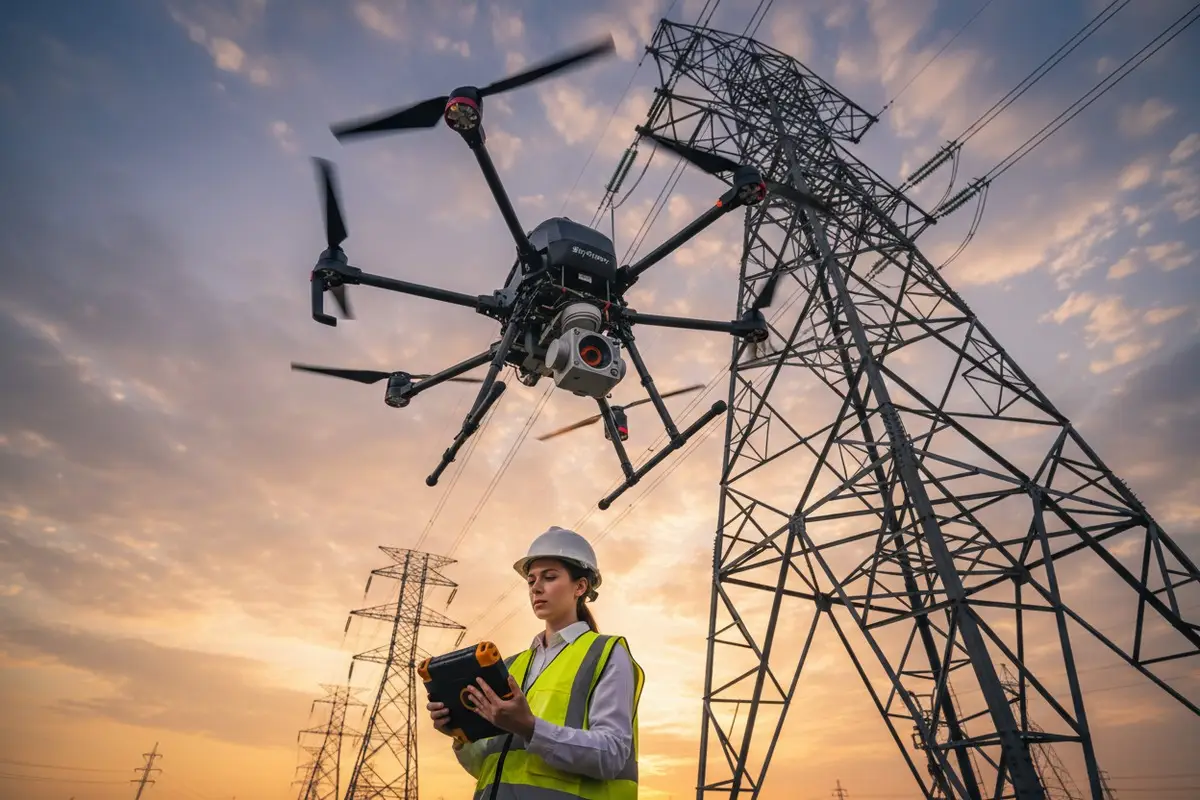
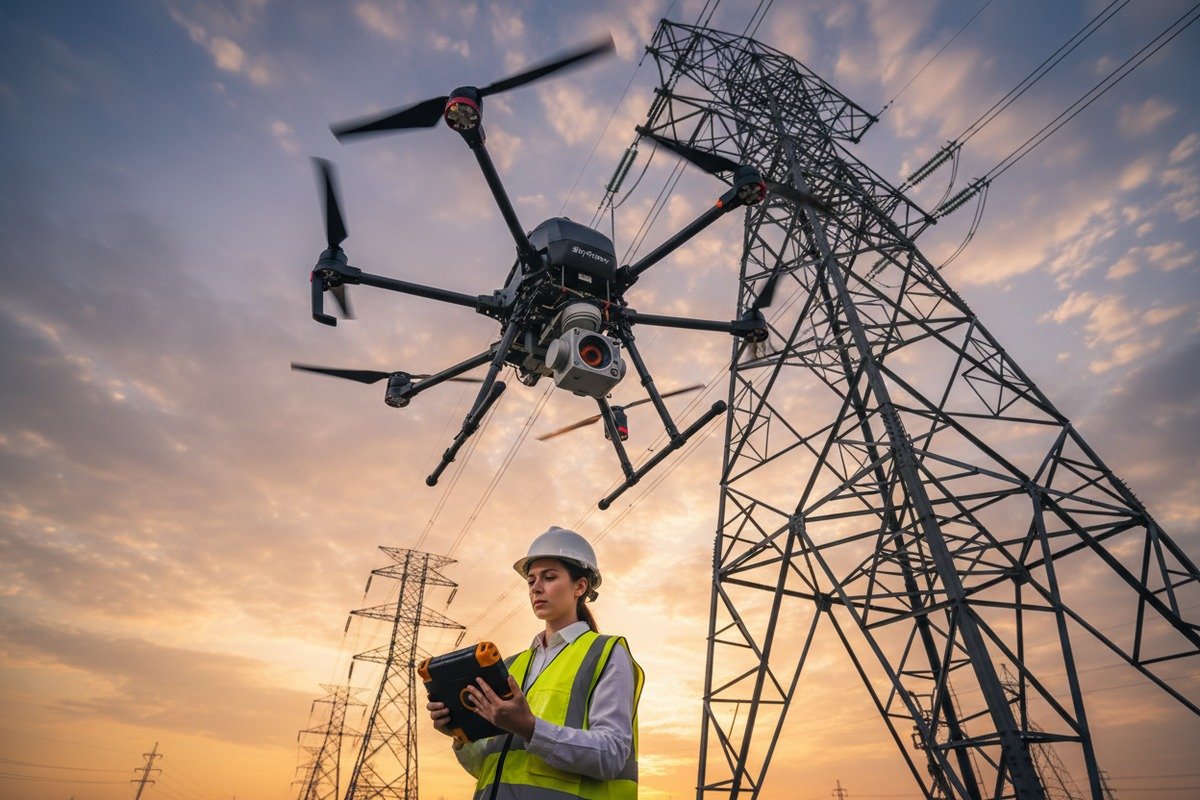
في العام الماضي، شاهد فريق الهندسة لدينا طائرة بدون طيار تابعة لأحد العملاء تفقد الإشارة وتتحطم بالقرب من برج نقل طاقة بجهد 220 كيلوفولت أثناء تدريب على الاستجابة للحرائق مستقبلات RTK/GNSS 1. ال التداخل الكهرومغناطيسي 2 كان قاسياً. دفعتنا تلك الحادثة إلى إعادة تصميم بنية مقاومة التداخل لدينا بالكامل للبيئات ذات الجهد العالي.
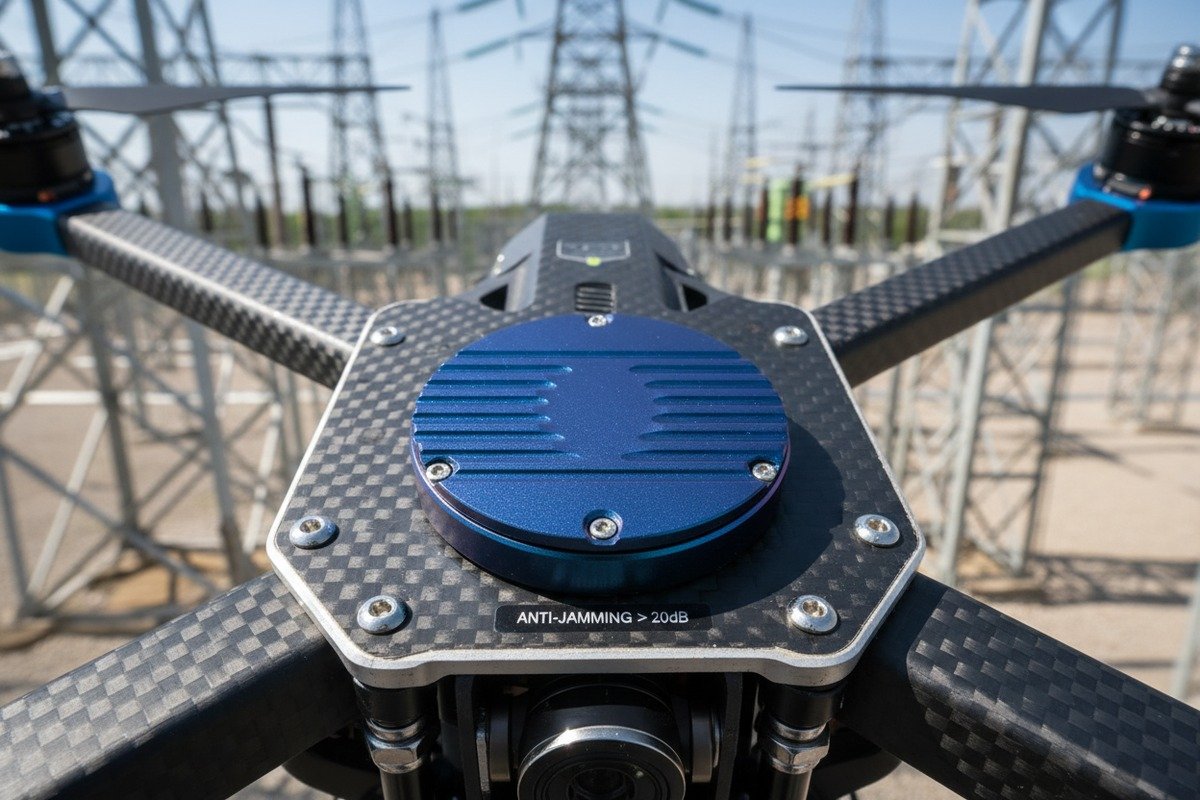
عند البحث عن طائرات بدون طيار لمكافحة الحرائق لخطوط الجهد العالي، أعط الأولوية للحماية الكهرومغناطيسية المصنفة لتداخل 1-6 جيجاهرتز، وتقنية طيف الانتشار بالقفز الترددي (FHSS) مع 50 قفزة على الأقل في الثانية، ومستقبلات RTK/GNSS بقدرة مقاومة للتشويش تتجاوز 20 ديسيبل، وشهادات امتثال EMI موثقة مثل FCC Part 15 و MIL-STD-461G.
تولد خطوط الطاقة ذات الجهد العالي ضوضاء كهرومغناطيسية شديدة عبر نطاقات تردد متعددة. يمكن لهذه الضوضاء أن تعطل أنظمة الاتصالات ونظام تحديد المواقع العالمي (GPS) وأنظمة التحكم في الطيران لطائرتك بدون طيار. أدناه، نقوم بتفصيل المواصفات التي تحتاج إلى التحقق منها بالضبط قبل استيراد طائرات بدون طيار لمكافحة الحرائق لهذه المهام الصعبة.
كيف أحدد ما إذا كان التدريع الكهرومغناطيسي للطائرة بدون طيار كافياً لمهام مكافحة الحرائق ذات الجهد العالي الخاصة بي؟
عندما بدأنا لأول مرة في تصدير طائرات بدون طيار لمكافحة الحرائق إلى شركات المرافق في تكساس، طرح مهندسوهم أسئلة صعبة حول التدريع. معظم المشترين لا يدركون أن "مقاومة التداخل الكهرومغناطيسي" على ورقة المواصفات لا تعني شيئاً تقريباً بدون تصنيفات محددة.
يتطلب التدريع الكهرومغناطيسي الكافي أغلفة موصلة ذات فعالية تدريع لا تقل عن 40 ديسيبل عبر 1-6 جيجاهرتز، وأنظمة تأريض مناسبة، وكابلات طاقة مصفاة، وخطوط نقل بيانات محمية. اطلب تقارير اختبار معملية توضح قيم التوهين عند الترددات التي تتطابق مع ملف تعريف التداخل الكهرومغناطيسي لشبكة الطاقة المحلية لديك.

فهم مصادر التداخل الكهرومغناطيسي بالقرب من خطوط الطاقة
تولد خطوط النقل ذات الجهد العالي تداخلاً كهرومغناطيسياً من خلال تفريغ الهالة 3 وتوافقيات تردد الطاقة. تنبعث الخطوط التي تعمل بجهد 110 كيلوفولت إلى 500 كيلوفولت ضوضاء واسعة النطاق تبلغ ذروتها في نطاقات 2.4 جيجاهرتز و 5.8 جيجاهرتز - وهي بالضبط النطاقات التي تعمل بها معظم أنظمة اتصالات الطائرات بدون طيار.
تظهر اختباراتنا أن شدة التداخل الكهرومغناطيسي تختلف بناءً على المسافة ومستوى الجهد والظروف الجوية. تزيد الظروف الرطبة من تفريغ الهالة بشكل كبير.
مكونات التدريع الرئيسية للفحص
| المكوّن | طريقة التدريع | الحد الأدنى للمواصفات |
|---|---|---|
| غلاف وحدة التحكم في الطيران | غلاف من سبائك الألومنيوم الموصلة | توهين 40 ديسيبل عند 2.4 جيجاهرتز |
| وحدة GPS/GNSS | قفص فاراداي مع هوائي مفلتر | نسبة رفض 30 ديسيبل |
| جهاز إرسال الفيديو | كابلات محورية محمية | درع مضفر مزدوج |
| لوحة توزيع الطاقة | اختناقات الفريت على جميع الخطوط | رفض الوضع المشترك > 25 ديسيبل |
| جهاز التحكم عن بعد | غلاف محكم الغلق بمعيار IP54+ مع حشوات EMI | توهين 35 ديسيبل |
اختيار المواد مهم
تؤثر مادة إطار الطائرة بدون طيار على مقاومة EMI الإجمالية. مركبات ألياف الكربون توصل الكهرباء ولكنها قد لا توفر درعًا موحدًا. يطبق بعض المصنعين طلاءات متخصصة للحماية من EMI أو يدمجون طبقات شبكية موصلة.
يستخدم خط إنتاجنا إطارات مركبة موصلة كهربائيًا مع طلاء نيكل-نحاس على أغلفة المكونات الحيوية. تضيف هذه الطريقة حوالي 3% إلى الوزن الإجمالي ولكنها تزيد من فعالية الدرع بحوالي 15 ديسيبل.
أسئلة حول بروتوكول الاختبار لطرحها
قبل الشراء، اطلب وثائق حول كيفية اختبار الشركة المصنعة لمطالبات الدرع الخاصة بها. يجب أن تحاكي اختبارات المختبر الظروف على مسافات محددة من الخطوط النشطة. اطلب قياسات التوهين عند ترددات 915 ميجاهرتز و 2.4 جيجاهرتز و 5.8 جيجاهرتز.
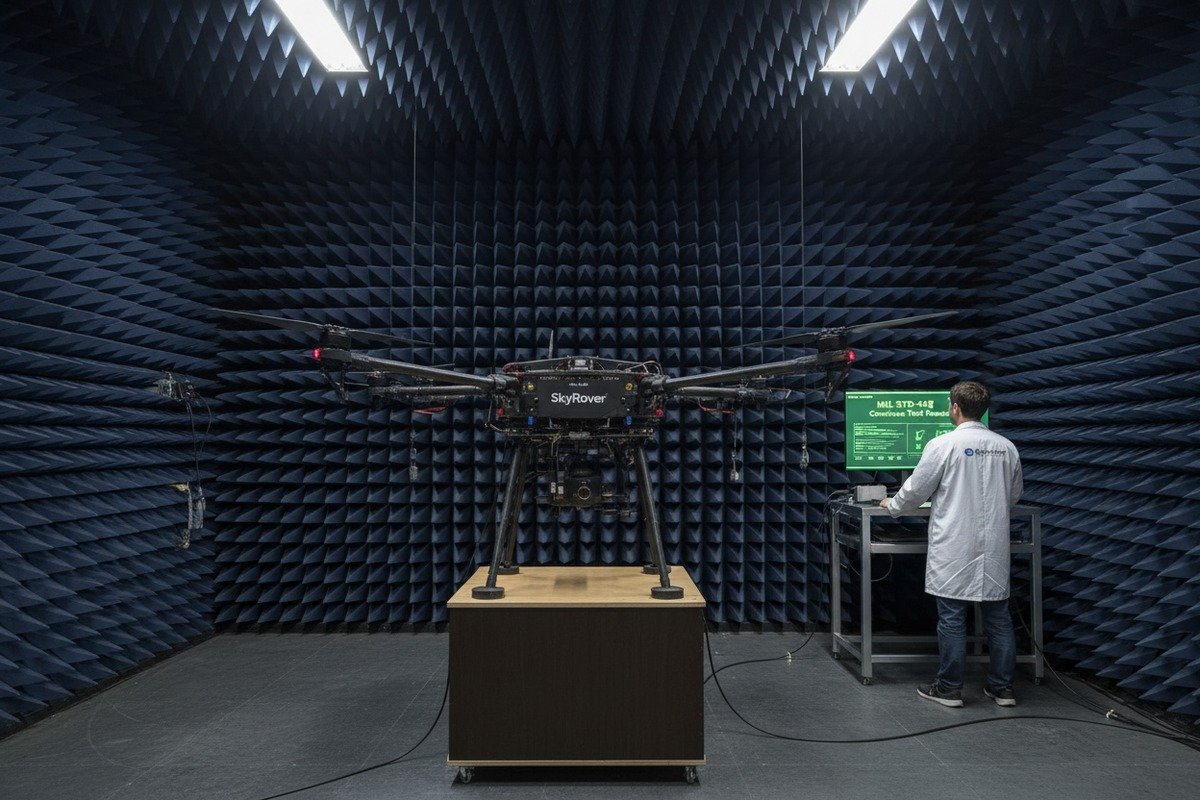
نجري جميع اختبارات التداخل الكهرومغناطيسي في غرف معتمدة يمكنها توليد مجالات بقوة تصل إلى 200 فولت/متر، مما يحاكي القرب الشديد من خطوط نقل الطاقة بجهد 500 كيلوفولت. يجب على أي مصنع حسن السمعة تقديم تحقق مماثل.
ما هي تقنيات التنقل الترددي التي يجب أن أعطيها الأولوية لمنع فقدان الإشارة بالقرب من شبكات الطاقة؟
في تجربتنا في شحن الطائرات بدون طيار إلى إدارات الإطفاء الأوروبية، تفصل تقنية إدارة التردد الأنظمة الموثوقة عن الأنظمة الخطرة. لا يضعف تداخل الشبكة الكهربائية الإشارات فحسب، بل يمكنه أيضًا إغراق الروابط ذات التردد الثابت بالكامل.
إعطاء الأولوية لراديو البرمجيات المعرفة (SDR) مع اختيار تردد تكيفي، وانتشار الطيف بالقفز الترددي (FHSS) قادر على 50+ قفزة في الثانية، وتشغيل ثنائي النطاق (2.4 جيجاهرتز/5.8 جيجاهرتز) مع تبديل تلقائي للنطاق. تسمح هذه التقنيات للطائرة بدون طيار بتجنب التداخل ديناميكيًا في الوقت الفعلي بدلاً من محاولة التغلب عليه.
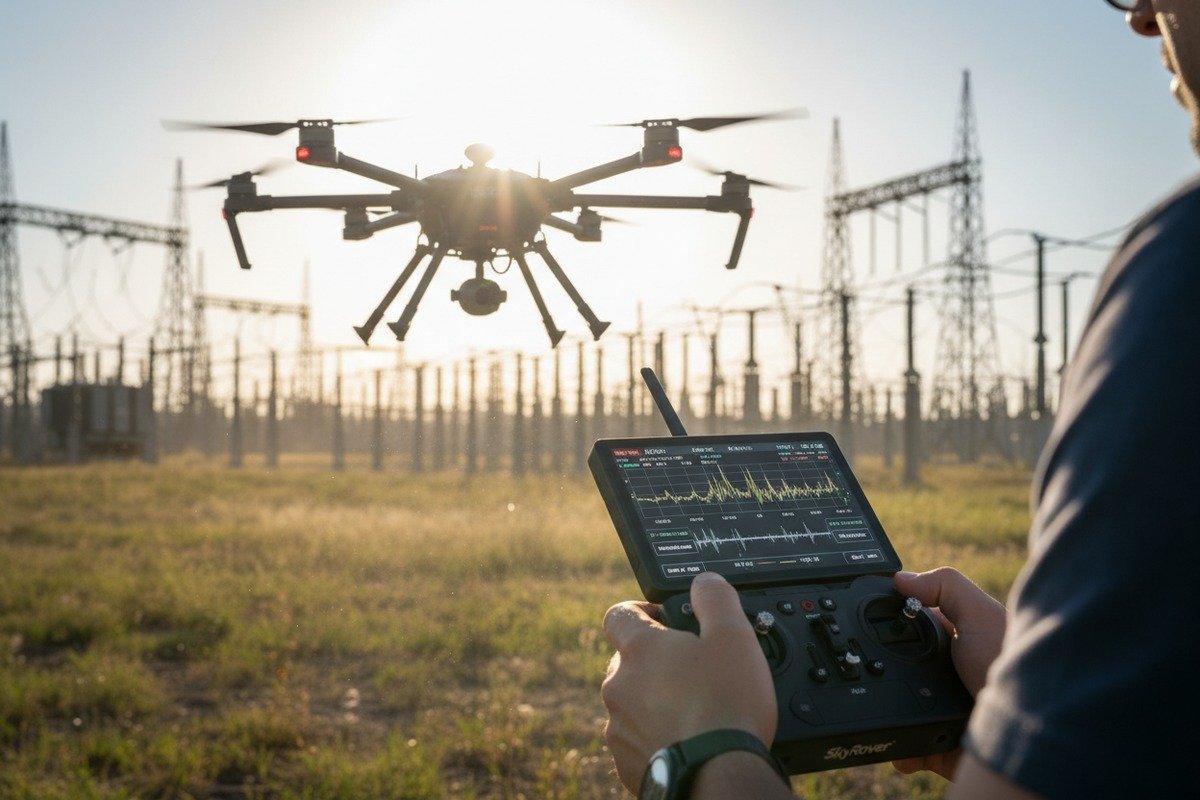
أنظمة التردد المتغير (FHSS) مقابل أنظمة التردد الثابت.
تبث أنظمة التردد الثابت على قناة واحدة باستمرار. عندما يغمر التداخل الكهرومغناطيسي تلك القناة، تفقد السيطرة. تقنية طيف الانتشار بالقفز الترددي 4 يتنقل بسرعة بين القنوات، وينشر الإشارة عبر الطيف.
معدل القفز مهم للغاية. قد لا تزال الأنظمة التي تقفز 20 مرة في الثانية تفقد التزامن بالقرب من مصادر التداخل الكهرومغناطيسي القوية. تقفز أنظمتنا الحالية 100 مرة في الثانية كحد أدنى، مما يجعل التقاط الإشارة عن طريق التداخل شبه مستحيل.
مزايا الراديو المعرف بالبرمجيات.
تمثل تقنية الراديو المعرف بالبرمجيات أحدث ما توصلت إليه التكنولوجيا لمكافحة التداخل. الراديو المعرف بالبرمجيات (SDR). 5 على عكس قفزات التردد القائمة على الأجهزة، يمكن لأنظمة الراديو المعرف بالبرمجيات إعادة برمجة بروتوكول الاتصال بالكامل أثناء الطيران.
| التكنولوجيا | معدل القفز | القدرة التكيفية. | الكمون | أفضل حالة استخدام |
|---|---|---|---|---|
| تردد ثابت. | غير متاح | لا يوجد | 20 مللي ثانية | بيئات RF نظيفة فقط |
| قفزات تردد أساسية (FHSS) | 20-50 قفزة/ثانية | أنماط مبرمجة مسبقًا | 40 مللي ثانية | بيئات تداخل كهرومغناطيسي معتدلة |
| قفزات تردد متقدمة (FHSS) | 50-100 قفزة/ثانية | قائمة سوداء محدودة للقنوات | 35 مللي ثانية | بيئات تداخل كهرومغناطيسي عالية |
| SDR مع الذكاء الاصطناعي | 100+ قفزة/ثانية | تحليل الطيف في الوقت الفعلي | 25 مللي ثانية | عمليات EMI قصوى، عمليات BVLOS |
تعدد النطاقات الاحتياطي
تعمل أفضل الأنظمة عبر نطاقات تردد متعددة في وقت واحد. عندما يصبح نطاق 2.4 جيجاهرتز غير قابل للاستخدام، يتحول النظام بسلاسة إلى قنوات احتياطية بتردد 5.8 جيجاهرتز أو 433 ميجاهرتز.
يقوم فريق الهندسة لدينا بتصميم روابط ثلاثية احتياطية: التحكم الأساسي على 2.4 جيجاهرتز FHSS، والفيديو على 5.8 جيجاهرتز، والقياس عن بعد للطوارئ على 433 ميجاهرتز. إذا فشل أي نطاق، يحتفظ المشغلون بالوعي الظرفي من خلال القنوات المتبقية.
ما يجب التحقق منه في المواصفات
ابحث عن هذه المصطلحات المحددة في الوثائق الفنية:
- عرض نطاق طيف الانتشار (يجب أن يتجاوز 80 ميجاهرتز)
- وقت استقرار القناة (الأقصر أفضل، يفضل أقل من 10 مللي ثانية)
- قدرة التنسيق التلقائي للتردد (AFC)
- عتبة استشعار الطيف (الحساسية للكشف عن التداخل)
الشركات المصنعة التي لا تستطيع شرح مقاييس مرونة التردد الخاصة بها بالتفصيل من المحتمل أن تستخدم وحدات جاهزة للاستخدام دون تحسين للبيئات ذات التداخل الكهرومغناطيسي العالي.
هل يمكنني العمل مع مُصنِّع لتخصيص الأجهزة المضادة للتداخل لتلبية متطلبات الجهد الخاصة بي؟
عندما نتعاون مع شركات المرافق بشأن تكوينات طائرات بدون طيار مخصصة، فإن السؤال الأول دائمًا ما يتعلق بجهد شبكتهم المحدد. تحتاج طائرة بدون طيار مصممة لفحص خط جهد 110 كيلوفولت إلى مواصفات مختلفة عن تلك التي تعمل بالقرب من ممرات نقل فائقة الجهد 500 كيلوفولت.
نعم، يقدم المصنعون ذوو السمعة الطيبة تخصيصًا معياريًا مضادًا للتداخل بما في ذلك حزم التدريع المطورة، وهوائيات RTK المتخصصة ذات هوامش التشويش المحسنة، وخطط تردد مخصصة تتجنب مصادر التداخل المحلية، ووحدات بوصلة/GPS مقواة. توقع 8-16 أسبوعًا لتخصيص الأجهزة وتكاليف إضافية تتراوح بين 5000 و 20000 دولار أمريكي اعتمادًا على التعقيد.
فهم بيئة الجهد الكهربائي لديك
مستويات الجهد المختلفة تخلق ملفات تعريف مختلفة للتداخل الكهرومغناطيسي. تولد الفولتيات الأعلى تفريغًا تاجيًا أقوى وتداخلًا بتردد أوسع.
| فئة الجهد | ترددات التداخل الكهرومغناطيسي الأولية | مستوى التدريع الموصى به | مسافة التشغيل الآمنة النموذجية |
|---|---|---|---|
| 110kV | 1-3GHz | 35dB على الأقل | 15 مترًا |
| 220kV | 1-4GHz | 40dB على الأقل | 25 متراً |
| 500kV | 1-6GHz | 50dB على الأقل | 40 مترًا |
| 800kV UHVDC | 0.5-6GHz | 55dB الحد الأدنى | 60 متر |
خيارات التخصيص المعيارية
يدعم خط الإنتاج لدينا العديد من مسارات التخصيص:
ترقيات التدريع: طبقات شبكة نحاسية إضافية، وحشوات مطورة، وأنظمة تأريض محسنة. يضيف حوالي 5-10% من الوزن ولكنه يحسن بشكل كبير رفض التداخل الكهرومغناطيسي.
تقوية RTK/GNSS: مستقبلات RTK مزدوجة الهوائي مع قدرة مضادة للتشويش تصل إلى 40 ديسيبل. أمر بالغ الأهمية لتحديد المواقع على مستوى السنتيمتر بالقرب من خطوط الطاقة حيث يفشل نظام تحديد المواقع العالمي القياسي.
استبدال وحدة الاتصال: استبدال وحدات 2.4 جيجاهرتز القياسية بأنظمة SDR من الدرجة العسكرية مع مرونة تردد أوسع وتصحيح أخطاء أقوى.
تخطيط التردد المخصص: برمجة نظام الاتصال الخاص بالطائرة بدون طيار لتجنب الترددات المعروف أنها إشكالية في منطقة التشغيل الخاصة بك.
عملية التعاون مع الشركة المصنعة للمعدات الأصلية (OEM)
عندما تقترب من الشركة المصنعة بشأن التخصيص، قم بإعداد المعلومات التالية:
- مستويات الجهد المحددة التي ستعمل بالقرب منها
- المسافات النموذجية من الخطوط النشطة أثناء المهام
- بيانات البيئة المحلية للترددات الراديوية (إن وجدت)
- قيود التردد التنظيمية في بلدك
- متطلبات الحمولة التي تؤثر على ميزانيات الوزن
نبدأ عادةً باستشارة فنية، ثم نقدم اقتراح مواصفات مفصل في غضون أسبوعين. تتبع نماذج أولية للأجهزة في غضون 6-8 أسابيع، مع وحدات إنتاج نهائية جاهزة في غضون 8-16 أسبوعًا إجمالاً.
تحليل التكلفة والفائدة
تكلف وحدات مكافحة التداخل المنتجة بكميات كبيرة أقل ولكنها قد لا تعالج تحديات التداخل الكهرومغناطيسي الخاصة بك. الحلول المخصصة تكلف أكثر في البداية ولكنها تقلل من مخاطر فشل المهمة.
ضع في اعتبارك تكلفة مهمة إطفاء حريق فاشلة واحدة بالقرب من البنية التحتية ذات الجهد العالي: تلف المعدات، الإصابات المحتملة، العواقب التنظيمية، وخسائر العقود. عادةً ما تعوض تقوية التداخل المخصصة عن تكلفتها خلال السنة الأولى من التشغيل.
ما هي شهادات الاختبار التي يجب أن أراها للتأكد من أن طائراتي المسيرة المستوردة لن تفشل في بيئات ذات تداخل كهرومغناطيسي عالٍ؟
يرفض فريق مراقبة الجودة لدينا حوالي 15% من دفعات المكونات بناءً على اختبارات التداخل الكهرومغناطيسي وحدها. عندما نصدر إلى إدارات الإطفاء الأمريكية، فإنهم يطالبون بوثائق شهادات تثبت أن طائراتنا يمكنها البقاء على قيد الحياة في بيئات التشغيل الخاصة بهم.
تشمل الشهادات الأساسية الجزء 15 من لجنة الاتصالات الفيدرالية (FCC) للتوافق الكهرومغناطيسي، ومعيار MIL-STD-461G للحصانة ضد التداخل الكهرومغناطيسي من الدرجة العسكرية، ومعيار IEC 61000-4-3 لاختبار الحصانة المشعة، وعلامة CE مع الامتثال للمعيارين EN 55032/EN 55035. بالإضافة إلى ذلك، اطلب تقارير اختبار خاصة بالشركة المصنعة من مختبرات معتمدة تُظهر الأداء عند مستويات مجال تتجاوز 100 فولت/متر.
فهم معايير الشهادات
ليست كل الشهادات متساوية. يثبت البعض أن الطائرة لن تتداخل مع الأجهزة الأخرى (اختبار الانبعاثات). يثبت البعض الآخر أن الطائرة يمكنها تحمل التداخل الخارجي (اختبار المناعة). أنت بحاجة إلى كليهما.
| التصديق | النوع | ما الذي يثبته | الصلة بعمليات الجهد العالي |
|---|---|---|---|
| FCC الجزء 15 6 | الانبعاثات + المناعة الأساسية | قانوني للتشغيل، مقاومة أساسية للتداخل | الحد الأدنى للمتطلبات، غير كافٍ بمفرده |
| MIL-STD-461G 7 | مناعة شاملة | يتحمل بيئات التداخل الكهرومغناطيسي القصوى | ذو صلة عالية، ضمان عسكري |
| IEC 61000-4-3 | مناعة مشعة | يقاوم المجالات اللاسلكية الخارجية بالمستويات المحددة | قابل للتطبيق مباشرة، تحقق من مستويات الاختبار |
| CE EN 55035 | مناعة | الامتثال لمعيار المناعة الأوروبي | أساس جيد، تحقق من مستويات شدة الاختبار |
| IP67/IP68 | البيئة | محكم ضد الغبار والماء | ذو صلة بالحماية البيئية من التداخل الكهرومغناطيسي |
ما وراء الشهادات القياسية
Standard certifications test under controlled conditions that may not replicate actual high-voltage line EMI. Ask manufacturers for supplementary test reports.
Our testing protocol includes:
- 24-hour continuous operation tests at 150V/m field strength
- GPS accuracy verification while exposed to simulated corona discharge noise
- Communication link stability tests at various distances from RF interference sources
- Failsafe behavior validation under complete signal loss conditions
العلامات الحمراء في التوثيق
Watch for these warning signs when reviewing certification claims:
- Certifications from unknown or non-accredited laboratories
- Test reports that don't specify field strength levels or test frequencies
- Missing immunity testing (only emissions compliance shown)
- Certifications older than three years on current-generation products
- Vague claims like "meets international standards" without specific standard numbers
Requesting Verification
اطلب من الموردين المحتملين:
- Original certification documents (not just certificate numbers)
- Laboratory accreditation proof for the testing facility
- Test configuration photographs showing actual units tested
- نتائج اختبار محددة بما في ذلك هوامش النجاح/الفشل
- جدول إعادة الاعتماد وتواريخ آخر اختبار
نقدم حزم وثائق كاملة بما في ذلك مقاطع فيديو اختبار من غرف EMI الخاصة بنا. أي مصنع غير مستعد لمشاركة بيانات الاختبار التفصيلية من المحتمل أن يكون لديه شيء يخفيه.
اعتبارات الامتثال للاستيراد
بالإضافة إلى شهادات الطائرات بدون طيار، تأكد من أن الوثائق تدعم عملية الاستيراد الخاصة بك. تتطلب الجمارك الأمريكية وثائق الامتثال للجنة الاتصالات الفيدرالية (FCC). تتطلب الواردات الأوروبية إعلانات المطابقة CE. يؤدي نقص الأوراق إلى تأخير التخليص الجمركي وقد يؤدي إلى مصادرة المعدات.
الخاتمة
يتطلب تحديد مصادر طائرات مكافحة الحرائق للبيئات عالية الجهد التحقق الدقيق من التدريع الكهرومغناطيسي 8 التصنيفات، وقدرات التنقل الترددي، وخيارات التخصيص، وشهادات الاختبار. لا تثق في ادعاءات التسويق - اطلب مواصفات مقدرة ووثائق معملية قبل الالتزام بأي عملية شراء.
الحواشي
1. يشرح التكنولوجيا وراء RTK و GNSS لتحديد المواقع بدقة. ︎
2. يوفر تعريفًا شاملاً ونظرة عامة على EMI. ︎
3. تم العثور على صفحة ويكيبيديا عاملة وموثوقة حول تفريغ الكورونا. ︎
4. يحدد ويشرح مبادئ تقنية FHSS. ︎
5. تم الاستبدال بصفحة ويكيبيديا للراديو المعرف بالبرمجيات، وهو مصدر موثوق. ︎
6. يوفر اللوائح الرسمية لأجهزة الترددات الراديوية FCC الجزء 15. ︎
7. تم الاستبدال بصفحة ويكيبيديا لـ MIL-STD-461، والتي تذكر تحديدًا MIL-STD-461G كآخر مراجعة. ︎
8. تم العثور على صفحة ويكيبيديا عاملة وموثوقة حول التدريع الكهرومغناطيسي. ︎

 English
  Español de México
  Deutsch
  Français
  Русский
  العربية
Comments
No comments yet. Be the first to share your thoughts!
Leave a Comment